RAF Memorial Stone, Slagelse Travel Guide
Free Guide: Small rural monument, big wartime story: a quiet Danish field where seven RAF airmen are remembered with a single steadfast stone.


A brief summary of RAF Memorial Stone
Small rural monument, big wartime story: a quiet Danish field where seven RAF airmen are remembered with a single steadfast stone.
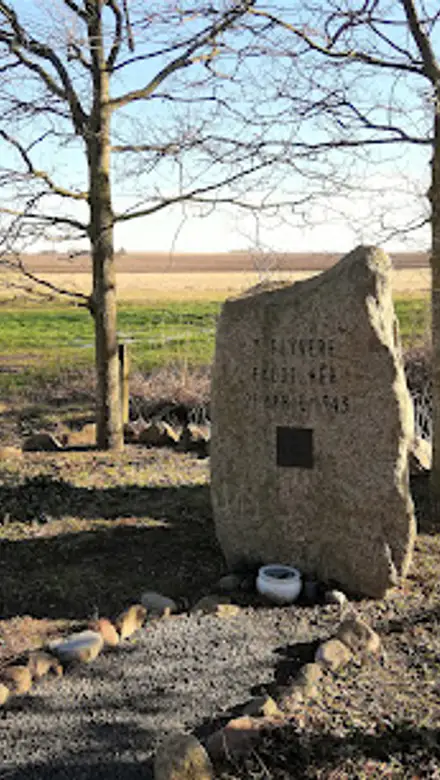
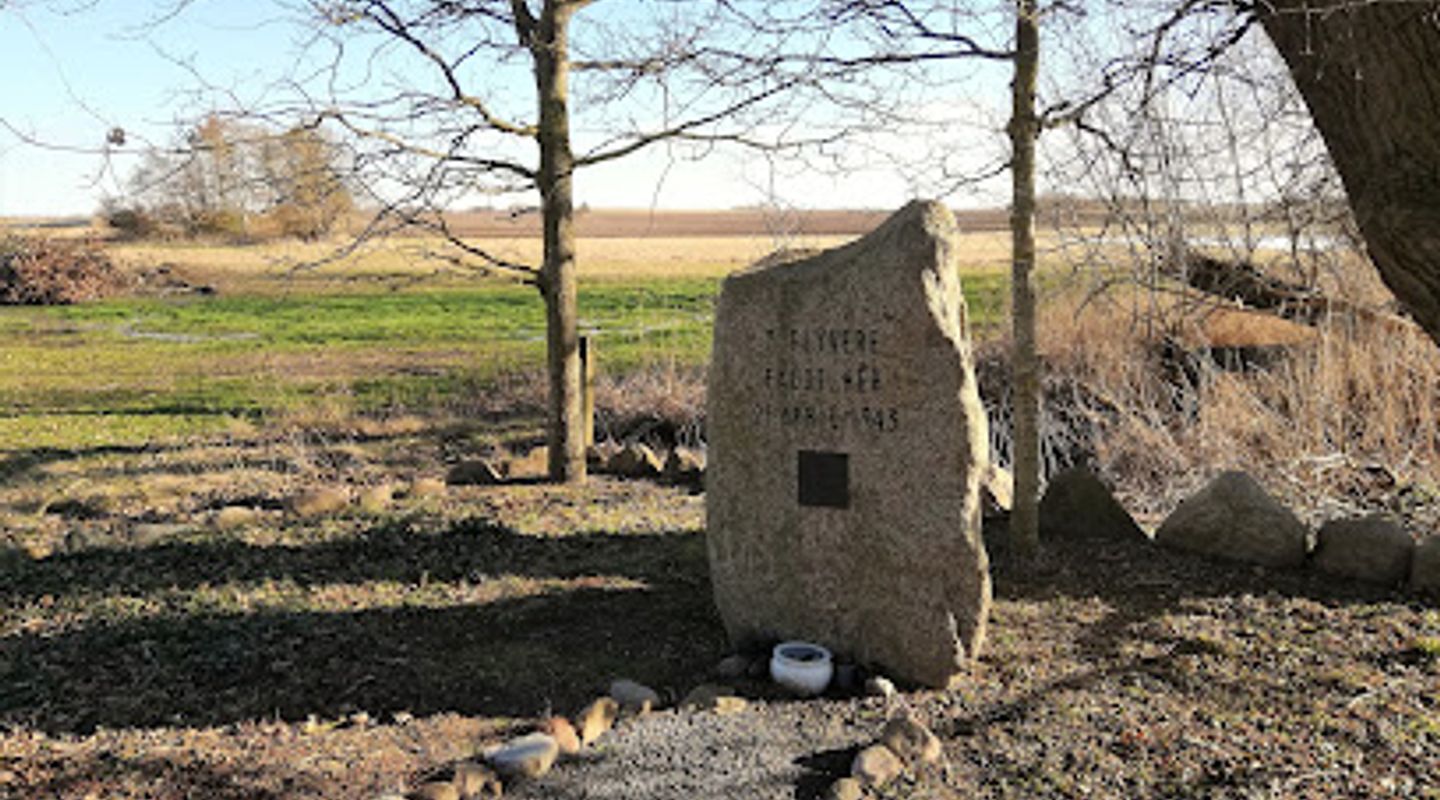
Set among open fields on the outskirts of Slagelse, the RAF Memorial Stone is a modest but deeply moving World War II monument. It marks the crash site of a British bomber and commemorates the seven Royal Air Force airmen who lost their lives here in 1943. Simple stonework, inscribed names and the quiet Danish countryside combine to create a place of reflection on wartime sacrifice, far from the front lines yet firmly tied to European history.
On-site amenities
 Trash bins
 Information boards
Opening hours
- Every dayOpen 24 hours
Opening hours as listed on the venue’s Google Business Profile. Hours can change for services and special events, so check with the venue before you go.
- Address
- Støvlebækvej 8C, 4200 Slagelse
- Website
Getting there
Walking from central Slagelse
Taxi within Slagelse
Driving by private car
Cycling from town
Discover more about RAF Memorial Stone
A quiet corner of Denmark with a global story
The RAF Memorial Stone stands just beyond Slagelse’s residential edge, where houses give way to open farmland and big skies. At first glance it is a small monument in a simple clearing, but it marks the site where a British bomber came down during the Second World War, killing the seven airmen on board. Their flight, part of the Allied bombing campaign in 1943, ended abruptly in these fields, far from their home airfield in Britain.The stone was raised decades later by local initiative, in cooperation with former aircrew and military representatives, to give the crash a permanent, dignified marker. Its presence underlines how the war touched even quiet, rural corners of Denmark. The countryside may look peaceful today, but the stone fixes this landscape to a specific night of fire, fear and loss high above Zealand.
The memorial stone and its symbolism
The monument itself is a solid, roughly hewn stone set upright, with a polished face carrying inscriptions and the names of the crew. A small flagpole, occasional wreaths and simple plantings often complete the scene. There are no grand sculptures or dramatic effects; instead the design focuses attention on the engraved text and the idea of steadfast remembrance.This simplicity reflects the character of many Danish war memorials: modest, human in scale and placed directly in the landscape rather than behind fences or ticket offices. Standing close, you can read the airmen’s names and ranks and trace the outline of the RAF roundel or national symbols. It is easy to imagine local residents gathering here for commemorations, laying flowers and maintaining the site through changing seasons as a quiet act of gratitude.
Experiencing the site today
Visitors typically experience the memorial as a short, contemplative stop rather than a long excursion. A short walk from the roadside brings you to the clearing, where the only sounds may be wind in the grass, distant traffic or birds above the fields. There is no formal visitor centre or staff presence; you are free to set your own pace and thoughts.Because the site is open at all hours, the atmosphere shifts with the light. On bright days the stone stands sharp against blue sky and green fields; in overcast or misty weather the mood can feel more sombre, mirroring the memorial’s subject. Many travellers choose to bring a small flower, poppy, or simple note of thanks, leaving it carefully at the base without disturbing the setting.
Local memory and international connections
Although the airmen were British, the memorial’s story is also Danish. Local residents witnessed the crash, helped after the disaster and later worked to ensure the crew would not be forgotten. Over the years, commemorative events have brought together Danish officials, military representatives and relatives of the fallen airmen, underlining a bond that crosses national borders.The stone sits within a wider network of Allied aircrew memorials across Denmark, each tied to a specific aircraft and crew. Taken together they map the air war over Northern Europe, but here at Slagelse that larger narrative becomes personal. The names on the stone turn statistics into individuals, reminding visitors that the air campaign was fought by young men whose lives ended abruptly above fields very much like these.
A reflective pause on a wider journey
As a stop in or around Slagelse, the RAF Memorial Stone works well as a brief detour during a countryside drive or cycle ride. There are no facilities, commercial activity or crowds: the experience is simply the landscape, the stone and your own reflections. For some, it is a place to introduce children to the human side of wartime history; for others, it offers a moment of solitude and gratitude during a longer trip across Zealand.Whether you stay ten minutes or an hour, the memorial encourages you to slow down and consider how conflict reshapes distant places, and how small communities choose to remember those who never came home.
Evendo Review Centre
 Google
Guest reviews
Best time to go
Quietest: Jan, Feb & Mar · before 8am or at 8pm
Busy times are Evendo estimates for a typical year, to help you plan. Actual crowds vary with events, school holidays and the weather.
Explore RAF Memorial Stone on the map
A handpicked selection of must-see spots near RAF Memorial Stone, mapped for you.
Get your free copy of our complete guide to RAF Memorial Stone, delivered straight to you.
Everything on this page, from opening hours and how to get there to Eve’s tips and the best time to go, in one PDF you can read offline, print or share.
Already have an account? Sign in
Your RAF Memorial Stone guide is ready.
We'll send it to · Not you? Sign out

Getting your guide ready…
We are putting together a fresh copy of the RAF Memorial Stone guide. This can take up to a minute.
This can take a few moments. If your browser asks, choose Allow so the download can start. You'll find the guide in your Downloads folder.
Nothing happened? Download it again
Sorry, the guide is taking longer than usual. Please try again in a minute, or get it by email instead.
Other nearby places you may find interesting
The closest places of the same kind, if this one is not quite what you had in mind.
-
Breddysse Stones A modest Neolithic dolmen in the fields near Slagelse, where ancient burial stones, open skies, and quiet farmland meet in a quietly powerful landscape.
-
Kong Slags Dysse Ancient stone burial mound with panoramic views, echoing Denmark's Neolithic heritage.
-
Stendysse ved Blæsinge A modest Neolithic stone tomb in the fields near Blæsinge, offering a quiet roadside glimpse into western Zealand’s Stone Age landscape and rituals.
-
Rytterstatue af Christian IX Bronze king on horseback surveys Slagelse from Schweizerpladsen—a citizen-honored tribute to Christian IX's enduring reign, sculpted with poised majesty.
-
Mindesten for Hans Tausen A modest granite stone in a quiet Slagelse green, marking the birthplace of Denmark’s Lutheran Reformation story at the former Antvorskov monastery.
Swipe for more places
More to explore near RAF Memorial Stone

 Best experiences near RAF Memorial Stone
 Best hotels near RAF Memorial Stone
 Best landmarks near RAF Memorial Stone
 Best attractions near RAF Memorial Stone
 Best shops near RAF Memorial Stone
 Best restaurants near RAF Memorial Stone
 Best bars near RAF Memorial Stone
Do you manage this location?
Take control to get all the benefits, like improved information, better appearance, and stronger visibility across AI-powered discovery.
Explore more
Explore more of Slagelse
Discover Slagelse: A captivating blend of Viking history, vibrant culture, and natural beauty on the charming island of Zealand, Denmark.
Explore Slagelse
Explore more of Denmark
Discover Denmark: A perfect blend of history, modern design, and the cozy concept of hygge. Explore vibrant cities, serene landscapes, and world-class cuisine.
Explore Denmark