

Kronborg Castle, The North Sea Islands Travel Guide
UNESCO‑listed Renaissance fortress, royal palace and Hamlet’s legendary Elsinore, guarding the Øresund Strait from the tip of Helsingør with sea views and storied casemates.
Commanding the narrow Øresund Strait from the tip of Helsingør, Kronborg Castle is one of Northern Europe’s finest Renaissance strongholds and a UNESCO World Heritage Site. Once a royal palace and mighty fortress that enforced the lucrative Sound Dues, it is world‑famous as Shakespeare’s Elsinore in Hamlet. Visitors can explore grand ballrooms, royal apartments, windswept ramparts and atmospheric casemates where the legendary Holger the Dane is said to slumber.
A brief summary to Kronborg Castle
- Kronborg, Helsingør, 3000, DK
- Click to display
- Click to display
- Duration: 2 to 4 hours
- Mid ranged
-
 Mixed
Mixed
- Mobile reception: 4 out of 5
- Monday 10 am-6 pm
- Tuesday 10 am-6 pm
- Wednesday 10 am-6 pm
- Thursday 10 am-6 pm
- Friday 10 am-6 pm
- Saturday 10 am-6 pm
- Sunday 10 am-6 pm

Know before you go
Hi, I'm Eve. Here are a few practical things to know before exploring Kronborg Castle.
- Arrive close to opening time to enjoy the Great Hall, chapel and ramparts before group tours make the interior and courtyards busier.
- Bring a light jacket; even on warm days the windswept ramparts and the damp casemates can feel surprisingly chilly.
- Check the castle’s event schedule in advance if you hope to see Hamlet performances, guided tours or special exhibitions during your visit.
- Allow extra time to stroll around the outer fortifications and shoreline for the best sea views and photos of Kronborg’s full silhouette.
Do you manage this location?
Take control to get all the benefits, like improved information, better appearance, and stronger visibility across AI-powered discovery. Learn more about listing your business on Evendo
Activate your presenceOther nearby places you may find interesting
The closest places of the same kind, if this one is not quite what you had in mind.
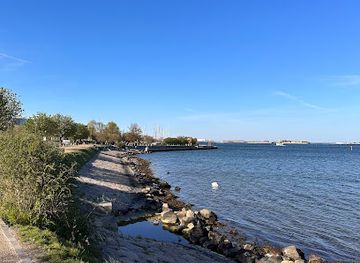
Explore Kronborg Castle on the Map
A handpicked selection of must-see spots near Kronborg Castle, mapped for you.
Unlock the Best of Kronborg Castle
Buy tickets
-
No tickets available
Book tours with entry


Getting There
-
Train from central Copenhagen
From Copenhagen’s main railway station, frequent regional trains run to Helsingør in about 45–50 minutes. A standard adult single ticket typically costs around 80–110 DKK, depending on ticket type and time of purchase. Trains are generally step‑free and run at least twice an hour during the day. From Helsingør station, the walk to Kronborg is an easy, mostly level stroll of just over a kilometre along the harbourfront.
-
Car from Copenhagen and North Zealand
Driving from central Copenhagen to Kronborg via the coastal route takes roughly 45–60 minutes, depending on traffic. Expect to pay around 25–40 DKK per hour for parking in Helsingør’s central and harbour areas, with some time‑limited or paid spaces close to the castle and others slightly cheaper a short walk away. Roads are good year‑round, but traffic can be heavier on sunny summer weekends, so allow extra time.
-
Regional bus within North Zealand
Several regional bus lines connect smaller North Zealand towns with Helsingør bus terminal, a journey that usually takes 20–50 minutes depending on your starting point. Single tickets within the local zones normally cost about 25–40 DKK and can be bought from machines or via regional transport apps. Buses typically have low‑floor access, though they may be less frequent in the evenings and on Sundays. From the terminal it is a straightforward, level walk to the castle area.
For the on-the-go comforts that matter to you
-
 Restrooms
-
 Drink Options
-
 Drinking Water
-
 Food Options
-
 Seating Areas
-
 Sheltered Areas
-
 Picnic Areas
-
 Trash Bins
-
 Information Boards
-
 Visitor Center
Discover more about Kronborg Castle
Hamlet’s Elsinore Above the Øresund
Perched on the northeastern tip of Zealand, Kronborg Castle rises above the Øresund Strait with copper roofs, slender spires and stark sandstone walls that once signalled royal power to every ship bound for the Baltic. The setting is dramatic: water on three sides, the Swedish coast clearly visible across a channel barely a few kilometres wide, and low earth ramparts encircling the castle like a stone crown.In the late 16th century tales of this glittering court and its wild celebrations travelled all the way to London, inspiring William Shakespeare to place his tragedy Hamlet here under the name Elsinore. Today the association with the play still shapes the atmosphere; courtyards and galleries feel instantly theatrical, and in summer the bastions and halls often become real stages for performances of Shakespeare’s works.From Toll Fortress to Renaissance Palace
Kronborg’s story begins in the 1420s, when King Eric of Pomerania built the fortress Krogen to control passage into the Baltic Sea and collect the profitable Sound Dues from every merchant ship that passed. Cannons pointed straight across the water ensured captains paid their toll, turning this narrow strait into one of Europe’s great money machines and Helsingør into a thriving trading town.In 1574 King Frederick II transformed the medieval stronghold into a splendid Renaissance palace. Flemish architects clad the walls in pale sandstone, raised an extra storey for grander royal apartments and crowned the roofs with green copper and gilded spires. The design combined residence and fortress: broad ramparts, bastions and casemates wrapped around exquisite salons, chapels and chambers that showcased the wealth those tolls had funded.Fire, War and Military Garrison
In 1629 a devastating fire swept through the castle, destroying much of the interior but sparing the chapel. Within a few years King Christian IV rebuilt Kronborg, adding rich Baroque detail while preserving the distinctive outline of towers and wings that still defines the castle’s profile today. Yet peace was short‑lived. In 1658 Swedish forces besieged and captured Kronborg, stripping it of many treasures and demonstrating that even this mighty fortress was not impregnable.Over the following centuries defences were expanded with new ramparts and an advanced crownwork, turning Kronborg into one of the strongest fortifications in northern Europe. Royal life gradually ebbed away and, by 1785, the castle served primarily as an army barracks and prison. Only in the 20th century did the military finally withdraw, allowing large‑scale restoration and the opening of the castle as a historic monument.Exploring Halls, Ramparts and Casemates
A visit to Kronborg is a layered experience that shifts from light‑filled splendour to underground gloom. Inside, the Great Hall stretches nearly sixty metres, one of the longest royal ballrooms in northern Europe, with high ceilings once used for lavish feasts and diplomatic gatherings. Royal apartments display tapestries, carved doorways and glimpses of courtly life, while the castle church, tucked behind massive walls, offers a more intimate, contemplative space.Outside, the ramparts invite a slow circuit with sweeping views over the Øresund and the busy shipping lane the kings once controlled. The sea breeze, the sight of passing ferries and the silhouette of Sweden across the water make it easy to grasp the strategic importance of this spot. Below ground, the mood changes dramatically in the casemates: low vaulted passages, thick stone, and pools of shadow that once sheltered soldiers – and now house the slumbering figure of Holger the Dane, a legendary guardian said to rise if Denmark is ever in mortal danger.World Heritage and Living Culture
In 2000 Kronborg was inscribed on the UNESCO World Heritage List, recognised as an outstanding example of a Renaissance castle that played a decisive role in the political and economic history of northern Europe. The site’s integrity owes much to careful restorations that respect both its 16th‑century splendour and its later military layers.Today the castle is as much a cultural venue as an historic monument. Seasonal exhibitions, costumed interpretations and Hamlet‑themed events animate the courtyards and chambers, connecting global literature with local history. Combined with the maritime views and the compact, walkable old town of Helsingør just beyond the moat, Kronborg offers a rich half‑day or full‑day experience where fortress architecture, royal ambition and theatrical imagination meet in a single, evocative place.












Your all‑in‑one travel companion app
Explore expert travel guides, compare and book tours, experiences, hotels, and more—all from the palm of your hand. Download now for seamless trip planning wherever your wanderlust takes you.


Explore More of The North Sea Islands
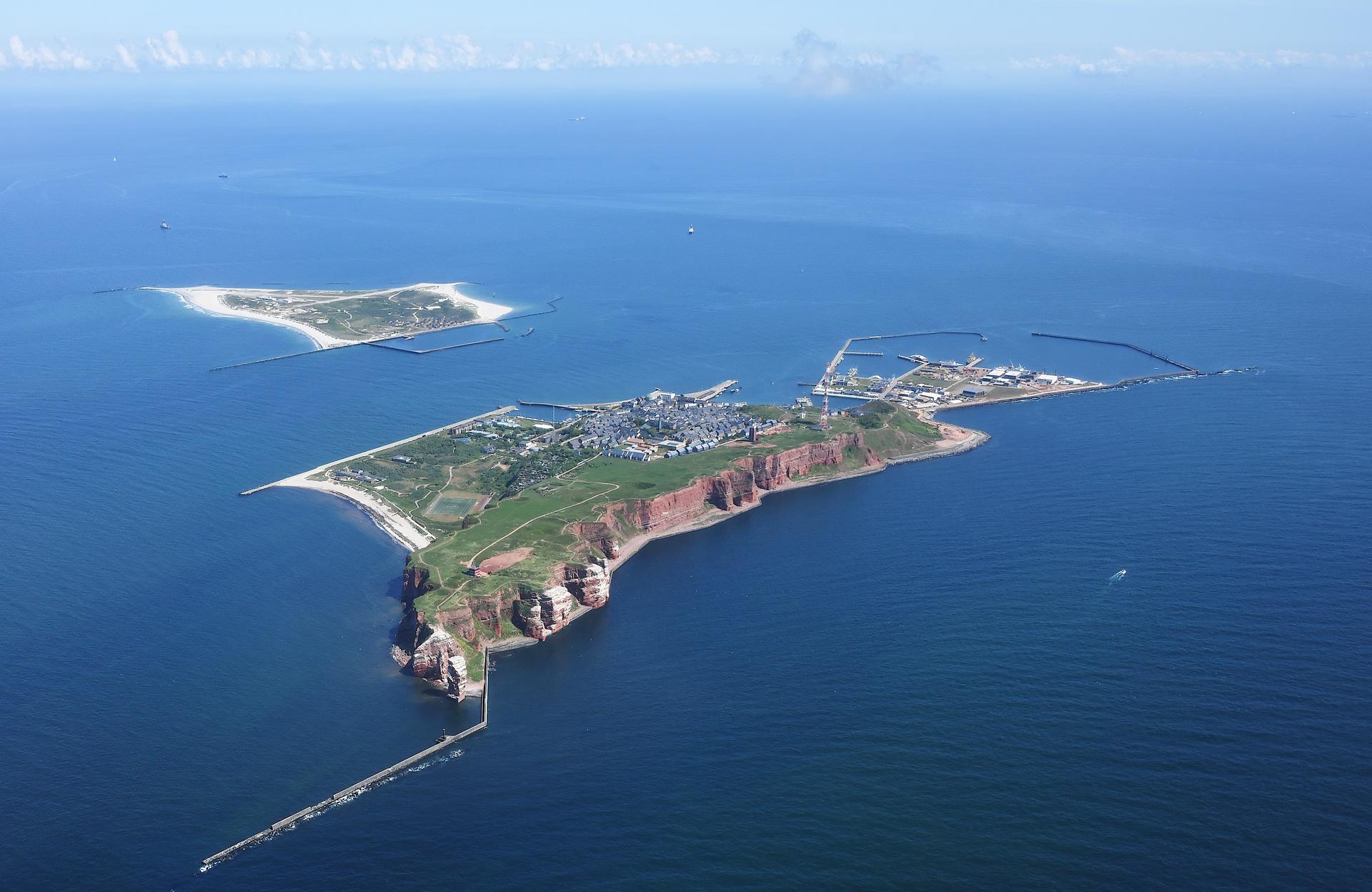
Looking beyond Kronborg Castle? Discover The North Sea Islands for broader travel guides, local hot-spots, and regional highlights.
Explore The North Sea Islands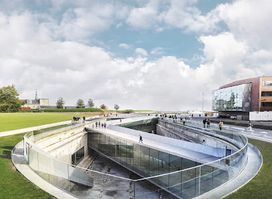
A striking sunken museum in a former dry dock, where award‑winning design and immersive galleries dive deep into Denmark’s centuries of life at sea.
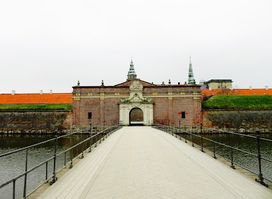
The legendary sleeping warrior beneath Kronborg Castle, waiting to awaken and defend Denmark in its darkest hour.
