
The North Sea Oceanarium (Nordsøen Oceanarium), Hirtshals
Northern Europe’s largest North Sea–focused aquarium, blending giant tanks, playful seals, outdoor adventure zones, and hands‑on marine science in coastal Hirtshals.
The North Sea Oceanarium in Hirtshals is Northern Europe’s largest aquarium, a vast marine center dedicated to the wildlife and ecosystems of the North Sea. Inside its 10,000 m² of exhibits and an immense 4.5‑million‑litre oceanarium, you’ll encounter schooling fish, sharks, rays, and the iconic ocean sunfish, while outdoors a large sealarium, whale skeletons, and hands‑on play zones bring the coast’s wild character to life. Engaging exhibitions, feedings, and touch pools make this an all‑weather family highlight on Denmark’s northwest coast.
A brief summary to The North Sea Oceanarium
- Willemoesvej 2, Hirtshals, 9850, DK
- +4598944444
- Visit website
- Duration: 3.5 to 6 hours
- Mid ranged
-
 Mixed
Mixed
- Mobile reception: 4 out of 5
- Monday 9:30 am-5 pm
- Tuesday 9:30 am-5 pm
- Wednesday 9:30 am-5 pm
- Thursday 9:30 am-5 pm
- Friday 9 am-6 pm
- Saturday 9 am-6 pm
- Sunday 9 am-6 pm
Local tips
- Check the daily schedule on arrival for Oceanarium diving feeds and seal feeding times; planning your route around these talks makes the visit far more engaging.
- Allow at least four to five hours and split your time between indoor galleries and the outdoor sealarium and playgrounds, especially if visiting with children.
- Bring a light sweater even in summer; some indoor viewing areas are kept cool, and the outdoor zones can be windy on this exposed stretch of coast.
- You may bring your own food and use the designated picnic areas, or opt for on‑site eateries that serve local fish dishes and cater to common dietary needs.
- If you prefer quieter galleries, arrive at opening time on weekdays outside Danish school holidays, when family groups are fewer and paths less busy.

For the on-the-go comforts that matter to you
- Restrooms
- Drink Options
- Drinking Water
- Food Options
- Seating Areas
- Sheltered Areas
- Picnic Areas
- Trash Bins
- Information Boards
- Visitor Center
Getting There
-
Regional train and short walk
From Aalborg, take a regional train on the Nordjyske Jernbaner route toward Hirtshals, typically changing once at Hjørring; the total journey is around 1 hour to 1 hour 15 minutes, with services running roughly hourly most days. A standard adult ticket usually costs in the range of 110–160 DKK one way, depending on time and discounts. Alight at Lilleheden station in Hirtshals and continue on foot along signed local streets for about 10 minutes on mostly level pavements, suitable for buggies and wheelchairs in normal weather.
-
Car from Aalborg and wider Jutland
Driving from Aalborg to Hirtshals via the main motorway takes about 45–60 minutes in normal traffic, and roads are well maintained year‑round, though strong coastal winds and occasional winter snow can affect conditions. There is extensive free parking close to the Oceanarium entrance, including bays for coaches and accessible spaces, but it can fill up in peak holiday periods. Fuel and toll costs vary by starting point; from central Aalborg you should budget roughly 80–140 DKK each way in fuel for a standard car.
-
Ferry passengers via Hirtshals port
If you arrive in Hirtshals by ferry from Norway or other North Sea routes, plan around 10–20 minutes to clear the terminal and reach the Oceanarium area by local taxi or on foot, depending on the berth used and your pace. A short taxi ride within Hirtshals typically falls in the 80–140 DKK range, with surcharges possible on weekends or evenings. Walking is mostly on paved paths but involves some inclines and exposure to wind, so waterproof clothing is advisable outside the summer months.
The North Sea Oceanarium location weather suitability
-
 Any Weather
-
 Rain / Wet Weather
-
 Mild Temperatures
-
 Cold Weather
-
 Hot Weather
Discover more about The North Sea Oceanarium
Immersed in the World of the North Sea
The North Sea Oceanarium in Hirtshals is purpose‑built to tell one story in depth: life beneath the surface of the wild North Sea. Spread across extensive indoor halls and open‑air zones, it combines a modern aquarium, interactive science centre, and coastal discovery park. The entire complex is arranged as a journey from shallow coastal waters to the deep Norwegian Trench, so you gradually sense how light, pressure, and biodiversity change with depth. At its heart is the enormous Oceanarium tank, holding around 4.5 million litres of seawater. Through a sweeping viewing window, you watch shoals of herring and mackerel swirl in restless patterns while larger hunters – including sharks, rays, and sometimes a lumbering ocean sunfish – patrol the dim blue water. Several times a day, divers enter this giant tank to feed the fish and explain what you are seeing, turning a mesmerising view into a living lesson in marine ecology.Habitats From Coastal Shallows to Oceanic Trenches
Around the central tank, a ring of smaller aquariums recreates specific North Sea habitats, from harbour jetties and eelgrass meadows to wreck‑strewn seabeds and deep muddy slopes. Each tank focuses on the species that thrive in that exact environment, with carefully modelled rockwork, sand, and currents. You might peer in to find flatfish half‑buried in sediment, conger eels sliding from crevices, or delicate anemones swaying in filtered light. These habitat galleries are arranged as distinct “destinations” in the sea, making it clear how varied this single body of water really is. Interpretive panels and digital displays explore topics such as migration routes, commercial fisheries, and the impacts of temperature change. For many visitors, this is the first time the North Sea appears not as a grey horizon, but as a complex network of underwater landscapes.Seals, Giants, and Outdoor Coastal Adventures
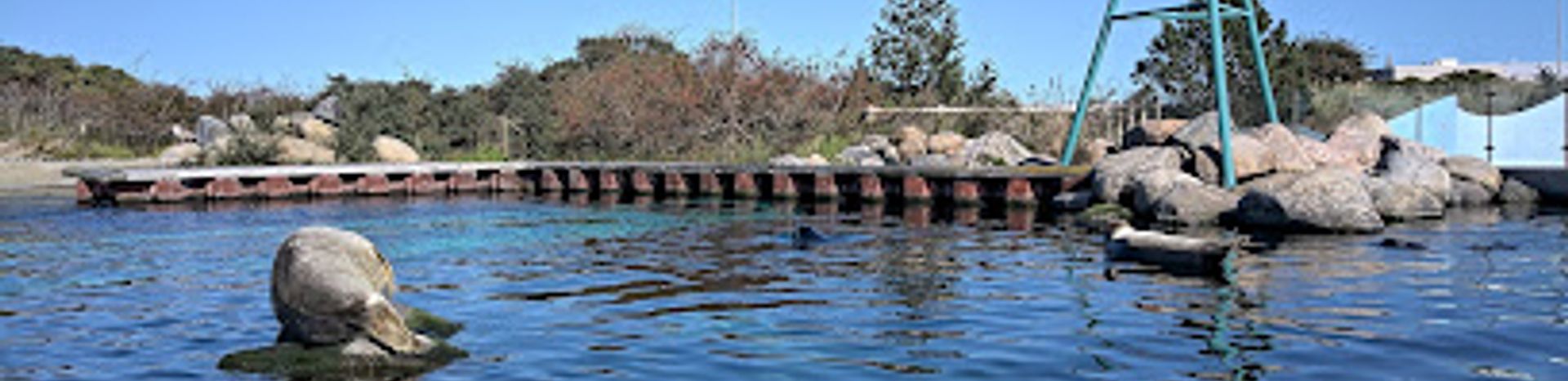
Outside, the atmosphere shifts from softly lit galleries to bracing coastal air. The large open‑air sealarium is home to harbour and grey seals, two of Denmark’s native predators. From above, you can watch them bask, bark, and interact with keepers; from an underwater tunnel, you see them shoot past the glass like torpedoes or hang weightless in the green water. Scheduled feeding sessions double as short talks on seal biology, behaviour, and conservation. The surrounding outdoor area extends the marine theme into a playful landscape. Children climb on a life‑size whale model, scramble over ship‑inspired playgrounds, and try their hand at crab‑catching in shallow basins. Nearby, the Whale Researcher’s Cabin displays impressive skeletons and casts of ocean giants, putting the scale of whales and large fish into perspective and hinting at the scientific work that underpins the exhibits.Hands-On Learning and Digital Experiences
Interactivity is a thread that runs throughout the Oceanarium. In the touch pools, you can gently hold starfish and feel the contrast between rough shells and soft sea cucumbers, all under staff supervision. Microscopes and digital “bio‑scanners” zoom in on tiny details that would otherwise be invisible, turning barnacles, plankton, and crustaceans into objects of fascination rather than background creatures. Themed exhibitions delve into food webs and “Hunters of the North Sea”, showing how everything from microscopic algae to top predators is interlinked. In the immersive Big Ocean Window, projections and soundscapes temporarily cast you as a small fish in a sea of danger, dodging predators to survive. Rather than presenting facts in isolation, these installations encourage you to think about connections: between species, between sea and land, and between human choices and marine health.Conservation, Research, and a Full-Day Visit
Beyond spectacle, the North Sea Oceanarium is closely tied to marine research and conservation projects on Denmark’s northwest coast. One notable initiative breeds and releases young European lobsters to help restore weakened local populations, highlighting how targeted efforts can support vulnerable species. Exhibits throughout the centre reference real data and fieldwork, underlining that what you see in the tanks reflects a living, changing sea just beyond the harbour. Facilities are designed for lingering: there are indoor picnic areas for home‑brought food, eateries serving locally sourced fish dishes, and sheltered corners to rest between exhibits. Combined with frequent talks, feeding times, and both indoor and outdoor activities, the site easily fills most of a day, regardless of the weather. Whether you arrive with a curiosity about sharks, a passion for coastal ecosystems, or simply children who love to explore, the Oceanarium offers a dense, engaging introduction to the North Sea’s hidden world.Iconic landmarks you can’t miss

Mindesten for Laurits Thomsen
33.6 km
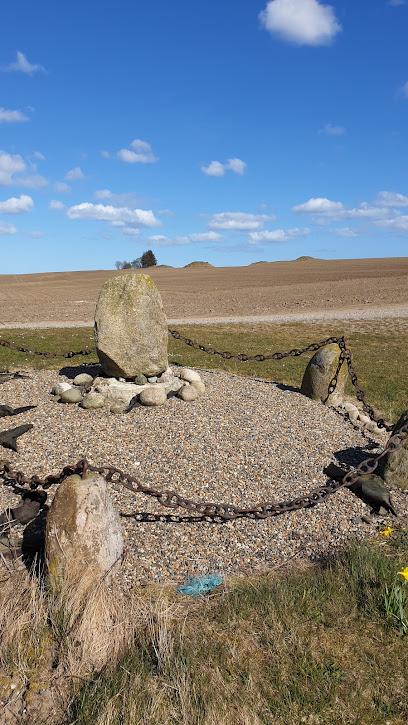
A modest roadside stone in rural Vendsyssel, the Mindesten for Laurits Thomsen quietly links a single life story with the open fields and farm roads of Gærum.
Sømærket Vin- & CiderBar
35.8 km
Explore Jutland’s fascinating history, authentic old streets, and a unique amber collection at Esbjerg Museum in the city center—a showcase of local culture and heritage.
Mindesten for Klitplantør Thygeson
35.8 km
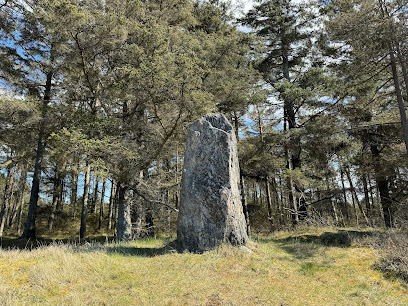
A modest granite stone in Skagen Klitplantage honouring the dune inspector who planted millions of pines and transformed the shifting sands south of Skagen.
Solnedgangspladsen, Gammel Skagen
35.9 km
Denmark's premier sunset gathering place where the North Sea horizon ignites with daily natural drama.
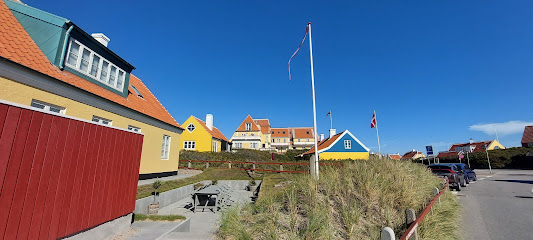
Bunker Ved Palmestranden
36.0 km
Second World War bunkers half-buried in the dunes behind Frederikshavn’s palm-lined city beach, blending coastal history with a relaxed seaside setting.
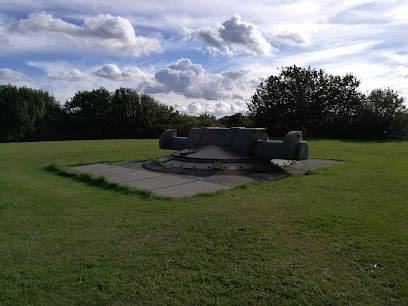
Kiosk v / The Buried Church
36.4 km
Delve into Esbjerg’s evolution from coastal hamlet to harbor city at this immersive museum, blending archaeology, wartime history, and lifelike local scenes in Denmark’s West Jutland.
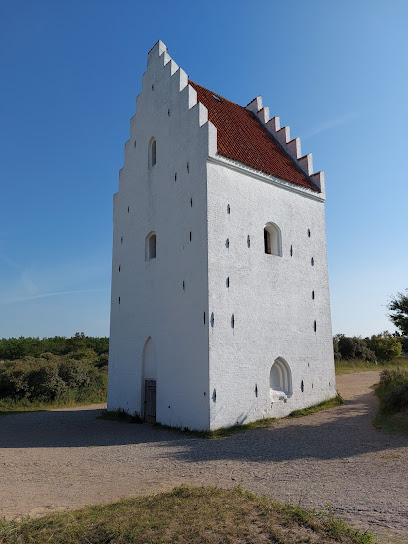
Frederikshavn Sogn
36.8 km
A grand Romanesque church and living parish at the heart of a North Jutland port town, where seafaring history, sacred art and everyday Danish life meet.
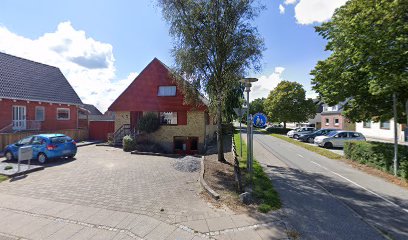
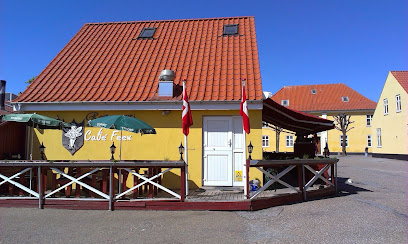
Cafe' Feen
36.9 km
Aalborg’s beloved Kildeparken blends music, art, and green tranquility, offering a vibrant escape in the city center for relaxation, exploration, and community events.
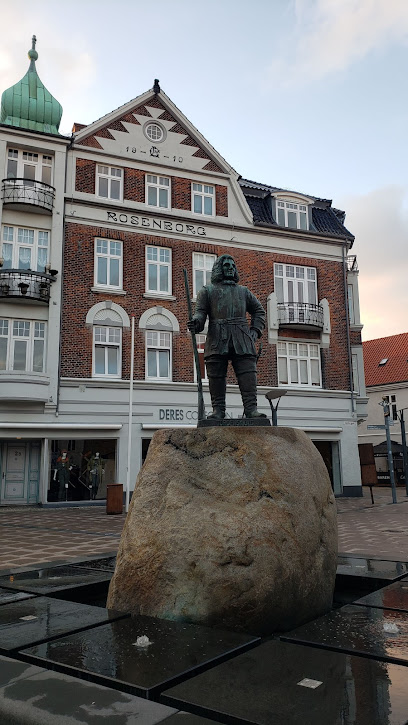
Fisketorvet
37.0 km
A modest central square in Frederikshavn where everyday small-town life, summer tourist hosts and a hint of maritime character quietly meet by the harbor.
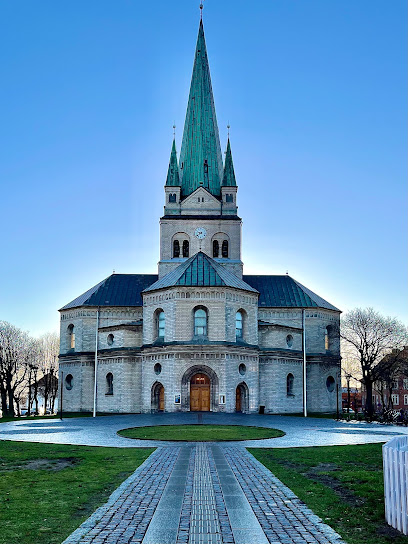
Frederikshavn Church
37.0 km
Frederikshavn’s red-brick landmark church, blending National Romantic architecture, a Michael Ancher altarpiece and war graves into one evocative town centre stop.
Frederikshavn St.
37.1 km
Compact, coastal rail terminus linking Frederikshavn’s harbor, ferries and town center, and a relaxed stepping stone to beaches, bunkers and northern Jutland landscapes.
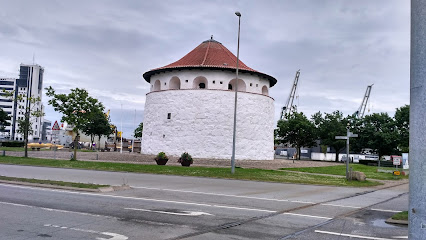
Port of Frederikshavn
37.8 km
A deep-water working harbour where ferries, shipyards and offshore giants share the waterfront, shaping the maritime heart of Frederikshavn.
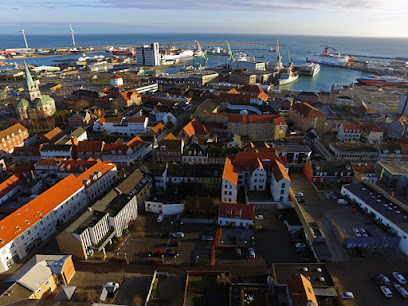
Enjoy Skagen
39.0 km
Esbjerg Museum reveals the city’s story through immersive exhibits on maritime legacy, archaeology, and daily life—offering an interactive journey into Danish west coast history.
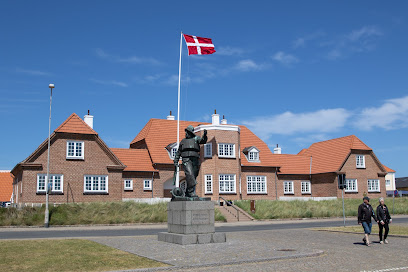
Skagen Havn
39.0 km
A bustling North Sea harbour where fishing fleets, cruise liners and a cosy marina meet under Skagen’s famous northern light.
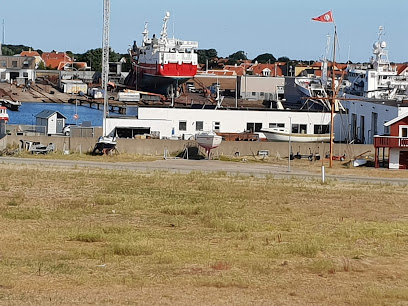
Galleri Bo
39.2 km
Explore Denmark's vibrant west coast heritage at Esbjerg Museum, where local history, archaeology, and immersive exhibits bring Esbjerg's dramatic story to life.
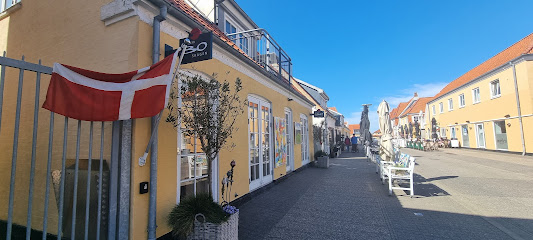
Unmissable attractions to see

Jazzy Days
12.5 km
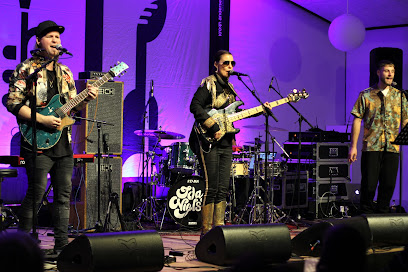
Coastal village jazz in North Jutland, where intimate concerts, Nordic light and autumn sea air blend into a quietly unforgettable festival week.
Rubjerg Knude
19.6 km
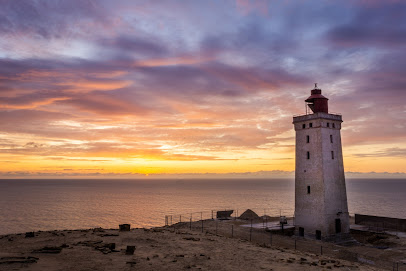
A windswept dune sea, a rescued lighthouse and a coastline slowly disappearing into the North Sea on Denmark’s dramatic northwest edge.
Råbjerg Mile
26.5 km
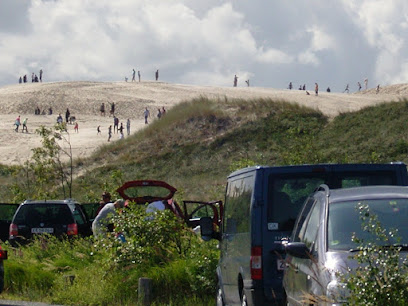
Vast migrating dune in northern Jutland where wind, sand and time create an inland desert of towering ridges, sweeping views and ever‑shifting landscapes.
The Skaw
27.4 km
A long, wind-shaped peninsula of dunes, forest and wide beaches, where two seas, migratory birds and big northern skies meet at the far tip of Denmark.
Tudsehavet
27.9 km
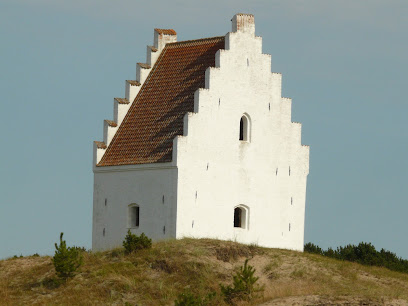
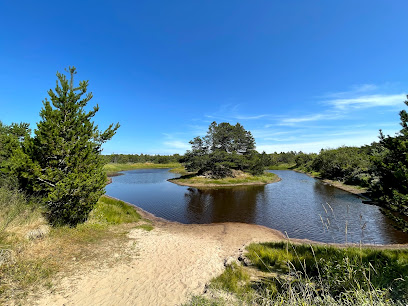
A secluded forest lake tucked between dunes and pines near Ålbæk, Tudsehavet offers quiet trails, simple picnic spots and a tranquil pause in North Jutland’s wild sands.
Løkken Strand
28.5 km
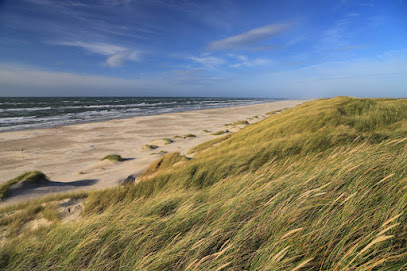
Denmark's iconic 10-km white-sand beach where fishing boats, bathing huts, and wartime bunkers meet the North Sea.
First Camp Råbjerg Mile - Skagen
29.0 km
Family-friendly holiday park between dunes and sea, with pools, play areas and cabins set in classic Skagen landscapes near the wandering dune of Råbjerg Mile.

Gravhøj
31.5 km
Mindesten in Frederikshavn: A World War II Memorial for Reflection and Remembrance
Kildeklitten
33.0 km
A quiet dune hollow with a small lake on Skagen’s edge, Kildeklitten offers gentle paths, coastal light and heather-clad slopes for an unhurried nature pause.
Blakshøj Jættestue
33.6 km
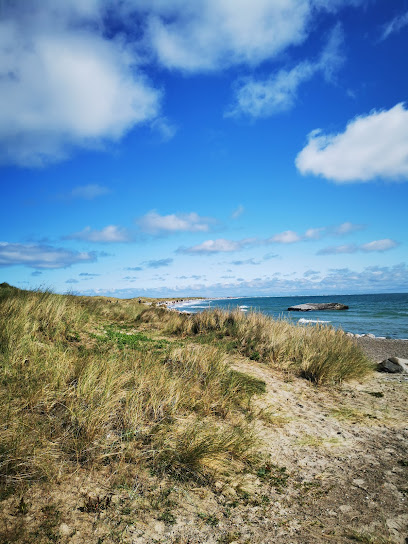
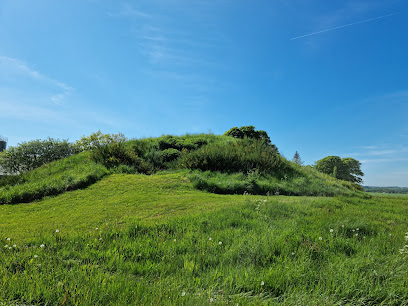
Vendsyssel’s only preserved Neolithic passage grave, a vast stone chamber hidden in a grassy mound on quiet farmland just outside Frederikshavn.
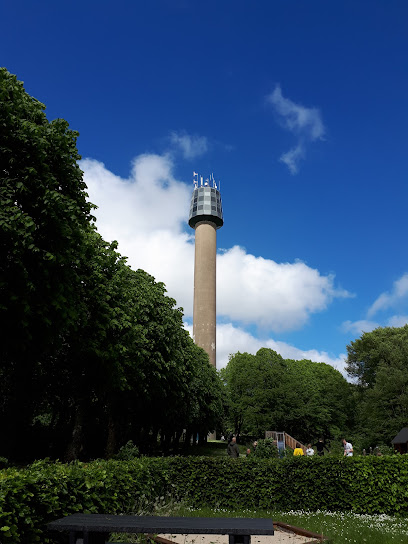
Cloos Tower
34.4 km
North Jutland’s hilltop lookout: a 60 m tower above beech woods and fields, with sweeping views over Vendsyssel, family-friendly green space and woodland trails.
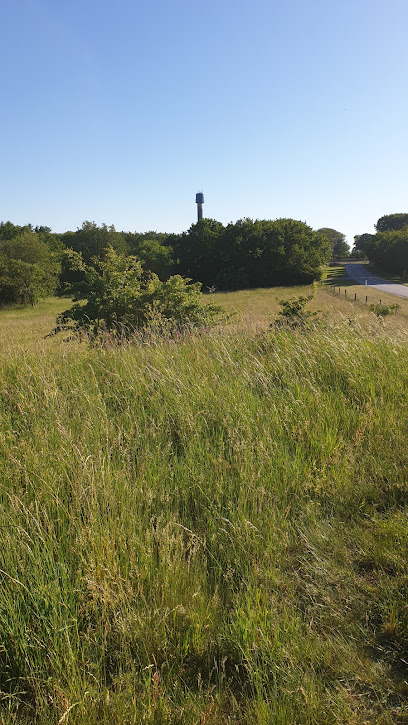
Fladbjerg gravhøj
34.4 km
A modest prehistoric burial mound on a hill above Frederikshavn, where ancient ritual quietly meets the landscaped calm of a modern cemetery park.
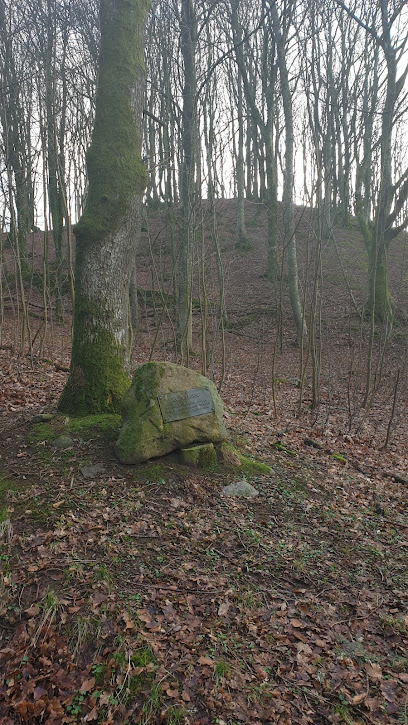
Kongeegen
34.6 km
A quietly imposing oak on Frederikshavn’s northern edge, Kongeegen offers a simple, characterful pause between suburban streets and the open North Jutland landscape.
Skagen Klitplantage
34.8 km
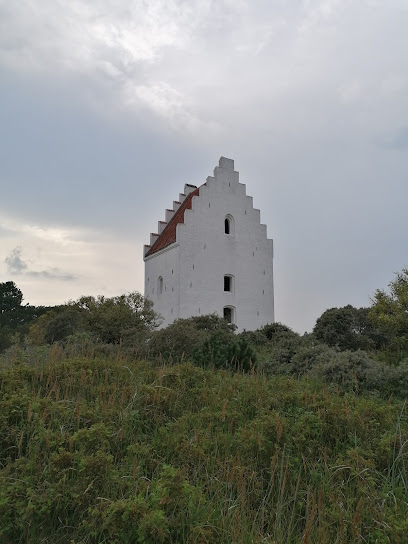
A wind-shaped dune forest south of Skagen, where pines, heath and drifting sands tell the story of Denmark’s fight against the sea and sand.
Vandværksskoven
34.9 km
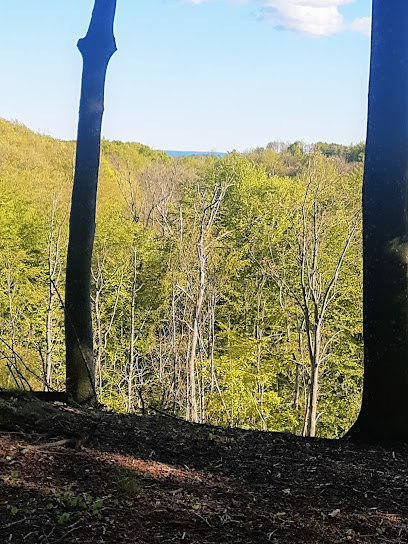
Small, pine-scented Vandværksskoven offers Frederikshavn’s easiest escape into the woods, with mellow trails, a 3 km MTB loop and links to the Bangsbo hills.
Essential places to dine

Restaurant Abstrakt
1.6 km
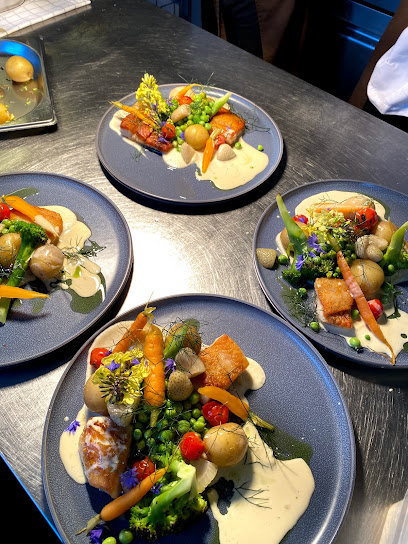
Inventive Nordic tasting menus on Hirtshals’ harbourfront, where local seafood, seasonal produce and creative pairings turn a North Jutland evening into a coastal culinary journey.
Restaurant Villa Vest
16.5 km
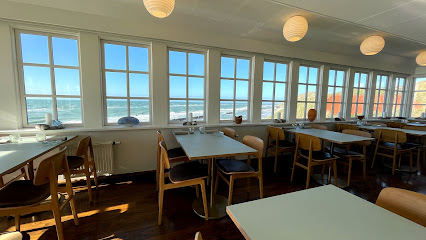
Sea-view fine dining in a yellow clifftop villa above the North Sea, where North Jutland produce, thoughtful wines and west-coast light come together in one long, lingering meal.
Aalbæk Badehotel & Restaurant
25.8 km
Classic Danish seaside inn in the quiet village of Ålbæk, pairing nostalgic dining rooms and traditional cooking with easy access to dunes, beach and Skagen.
Hotel Inger
29.7 km
Cozy yellow country hotel and restaurant in Hulsig, offering homely Danish hospitality, generous breakfasts and easy access to Skagen’s dunes and beaches.
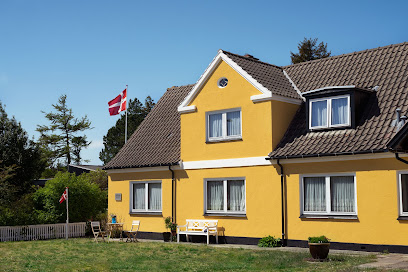
Restaurant Skagen Strand
30.0 km
Casual modern European cooking inside a family-friendly resort, where dune landscapes, fresh sea air and easy comfort meet just south of Skagen.
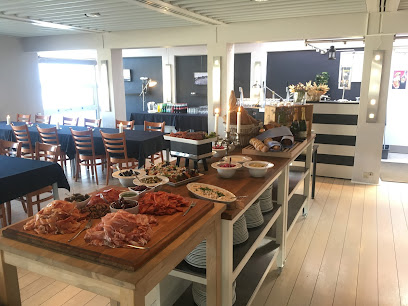
Ates Mehmet
31.8 km
Unpretentious neighborhood eatery in a quiet Frederikshavn street, serving hearty, budget-friendly comfort food in a relaxed, no-frills setting.
Hot Stone Beef And Pizzas
31.8 km
Authentic Italian pizzas and premium beef in casual Frederikshavn dining.
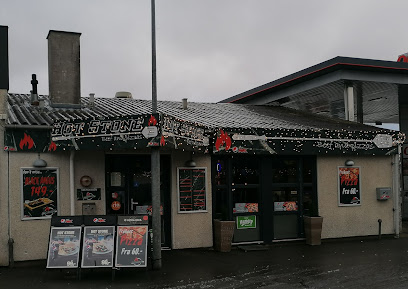
Mimis Bistro
32.7 km
Waterfront Nordic bistro with creative cuisine, curated wines, and genuine hospitality in Strandby.
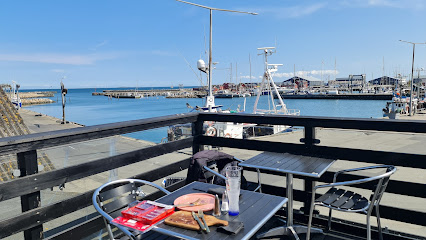
Heidis spisehus
33.9 km
Cosy, chef‑run dining house and party venue near Frederikshavn, serving classic Danish fare and tailored celebrations in freshly refurbished, homely surroundings.
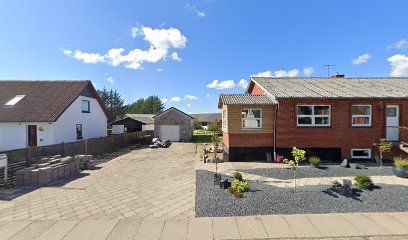
Wasabi Sushi
35.1 km
Fresh Japanese sushi rolls and sets in casual Frederikshavn—quality takeaway and dine-in dining made simple.
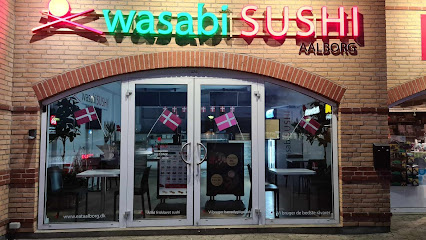
Ruth's Hotel
35.7 km
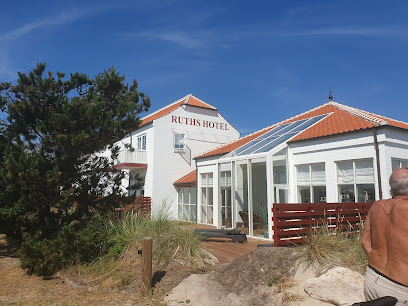
Historic beachfront luxury where Scandinavian design meets century-old hospitality on Denmark's northern coast.
Okê Restaurant
35.8 km
Intimate fine dining at the edge of Denmark, where Nordic coastal ingredients meet polished technique inside the historic seaside setting of Ruths Hotel.
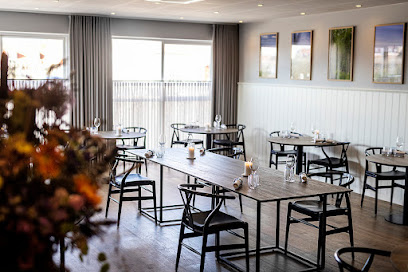
Ruths Brasserie
35.8 km
Classical French gastronomy meets Nordic seafood in Skagen's most refined brasserie.
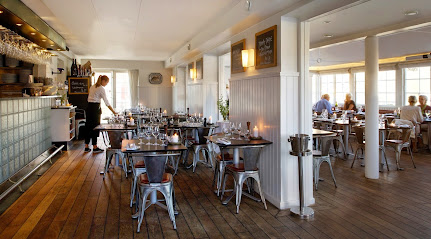
Penna`s Restaurant
35.8 km
Cozy harbour-side restaurant in Frederikshavn serving Penna’s famed Danish omelette, classic comfort dishes and seaside favourites on a sunny terrace.
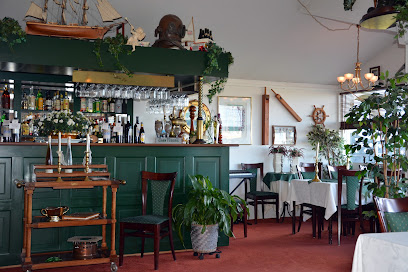
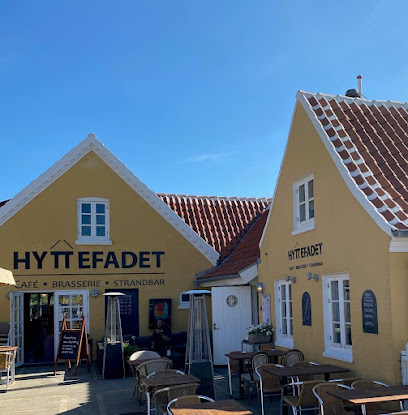
Hyttefadet Gl. Skagen
36.0 km
Upscale Nordic dining where coastal tradition meets Danish hospitality in charming Gammel Skagen.
Markets, malls and hidden boutiques

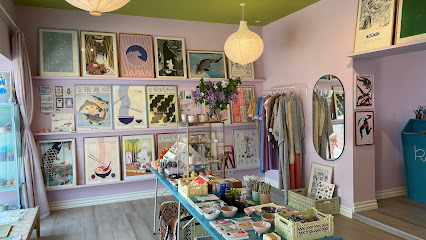
Komono Shop
28.7 km
Intimate coastal boutique in Løkken, blending Nordic design, handmade craft and thoughtful souvenirs inspired by the North Sea light and Danish seaside living.
KiDS Cool Shop Frederikshavn
35.1 km
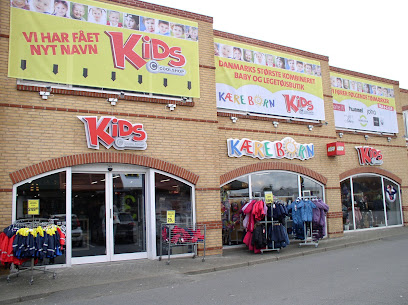
Bright, spacious toy and baby universe in Frederikshavn, where KiDS Coolshop fun meets Kære Børn practicality in a single, family-focused one-stop shop.
Living by Vanja
35.2 km
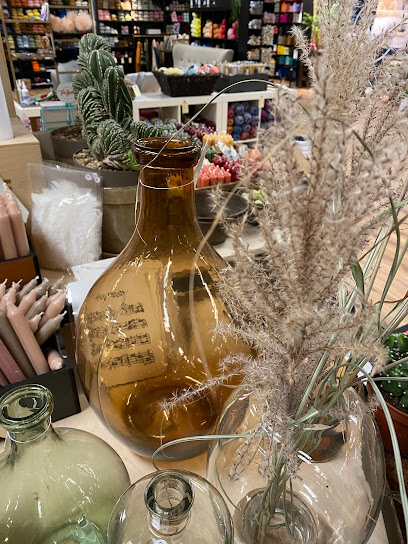
A cosy Frederikshavn boutique where Nordic design, quality yarns and carefully curated home décor come together to spark your next creative project.
LuxyKids
36.6 km
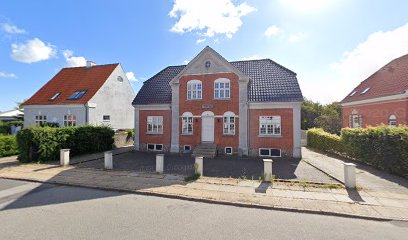
Family-focused children’s clothing store in Frederikshavn, offering Scandinavian-quality wear, outerwear and accessories for babies, kids and teens on quiet Ørnevej.
Danmission Op Shop
36.8 km
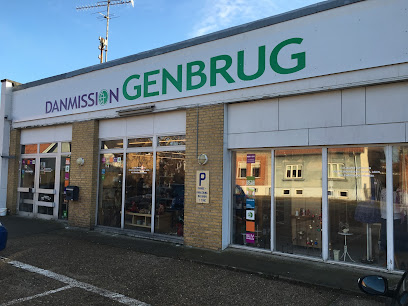
Charity-driven thrift shop in central Frederikshavn, where changing shelves of second-hand finds turn everyday shopping into a sustainable treasure hunt for a good cause.
Kop & Kande
36.9 km
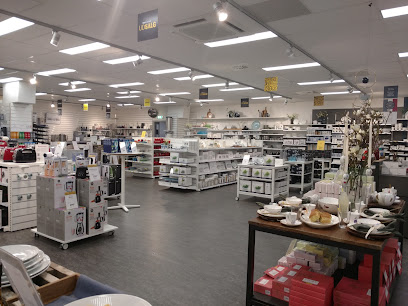
A cosy central Frederikshavn homeware store where Danish design, practical kitchen tools and ready-to-wrap gifts make an easy, everyday stop during your town wander.
Butik NEXT
36.9 km
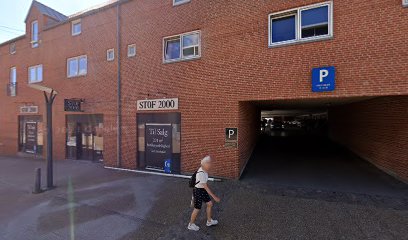
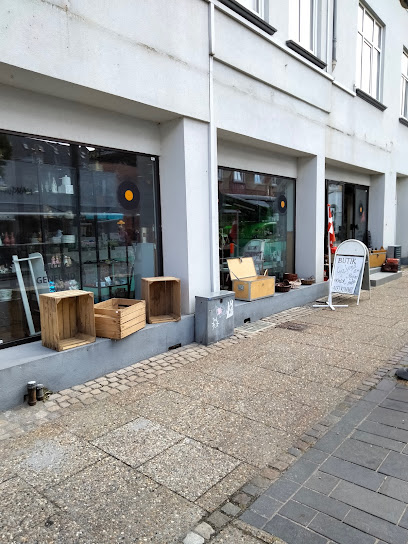
A curated second-hand boutique in the heart of Frederikshavn, where Scandinavian style, sustainable fashion and relaxed browsing come together on Rimmensgade.
Gerda
36.9 km
Independent neighborhood clothing boutique in Frederikshavn, offering relaxed Scandinavian style, personal service, and a calm alternative to high-street fashion chains.

Butik Genfund
36.9 km
Small, homely and full of character, Butik Genfund turns second-hand treasures into affordable, sustainable finds in the heart of Frederikshavn’s main shopping street.
Spar Dame
36.9 km
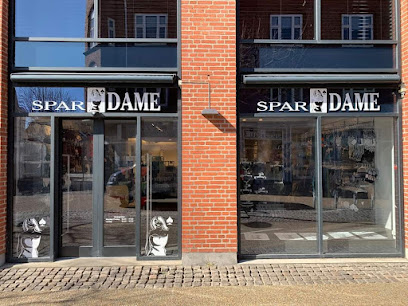
A small, specialist lingerie boutique in central Frederikshavn, offering quality European brands, expert bra fitting and calm, personal service on busy Danmarksgade.
Reolsupermarked Frederikshavn
36.9 km
Compact shelf-market clothing shop in central Frederikshavn, mixing youth fashion, second-hand finds and local wardrobes in a relaxed, budget-friendly setting.
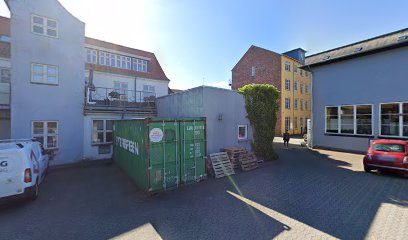
Mira Maja Jewellery
36.9 km
Handcrafted Danish jewellery and the original Mira Maja ring collection, created by goldsmith Birgitte Munch in an intimate boutique on Frederikshavn’s Danmarksgade.
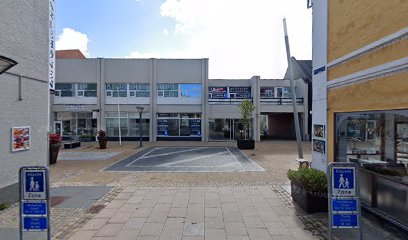
THE.BAANK.DK
36.9 km
Contemporary women's fashion in the heart of Frederikshavn's vibrant city center.
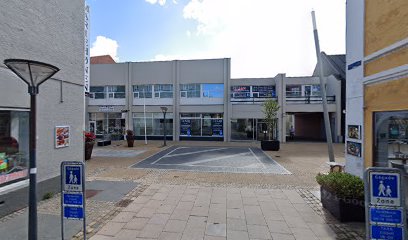
H&M
37.0 km
Compact Scandinavian fashion hub in Frederikshavn’s Colosseum center, offering everyday style for women, men and kids just steps from the town’s main shopping street.
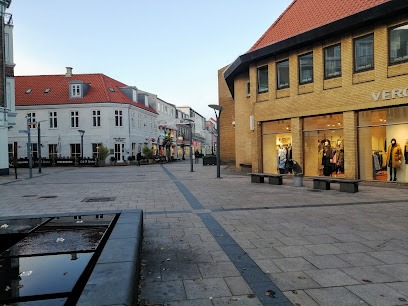
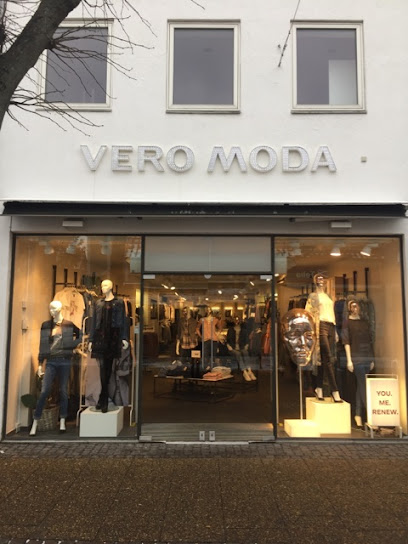
VERO MODA
37.0 km
Contemporary Scandinavian women’s fashion in a bright, modern boutique on Frederikshavn’s main shopping street, ideal for quick wardrobe updates and stylish travel essentials.
Essential bars & hidden hideouts

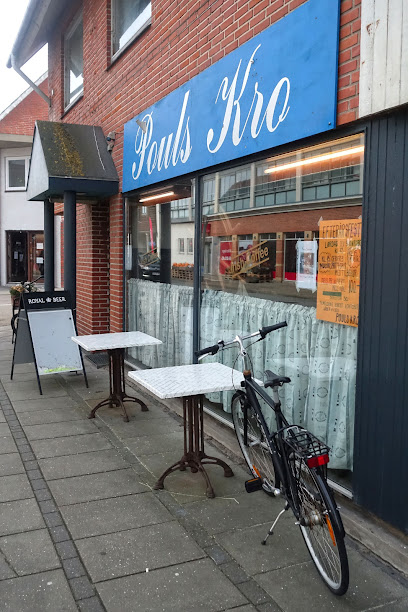
Poul`s Kro v/Poul Erik Windahl Jensen
1.4 km
A no-frills Danish kro in Hirtshals where locals swap stories over cold beer, worn wood and the comfortable hum of everyday North Jutland life.
Rkt v/Rudy Finn Kristensen
30.3 km
Authentic maritime bar where Frederikshavn's harbor spirit flows through every conversation and drink.
My Nordisk Mjød
35.7 km
Intimate mead bar and micro‑meadery in Frederikshavn, serving handcrafted Nordic honey wines inspired by a garden apple tree and regional Danish ingredients.
DK-Café
36.1 km
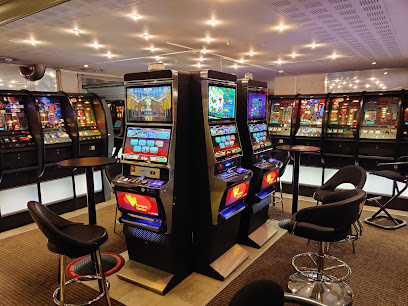
Local gaming den meets casual bar in a low-key Frederikshavn café where slot machines, screens and simple drinks create an everyday, untouristy hangout.
Le Drink
36.3 km
Cosy neighbourhood cocktail bar in Frederikshavn, serving unfussy drinks and relaxed conversation in an intimate, low‑key setting off the main streets.
Ship Inn ApS
36.8 km
Unpretentious neighborhood bar in central Frederikshavn, serving inexpensive drinks and harbor-town vibes in a compact, maritime-flavored setting.
Munken v/Aase Pedersen
36.9 km
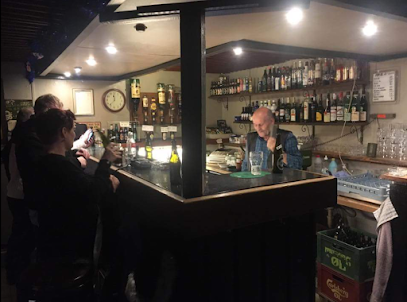
Traditional Danish bar in the heart of Frederikshavn, offering straightforward drinks, long opening hours and a cosy glimpse into local everyday pub life.
Sportsbaren Frederikshavn
36.9 km
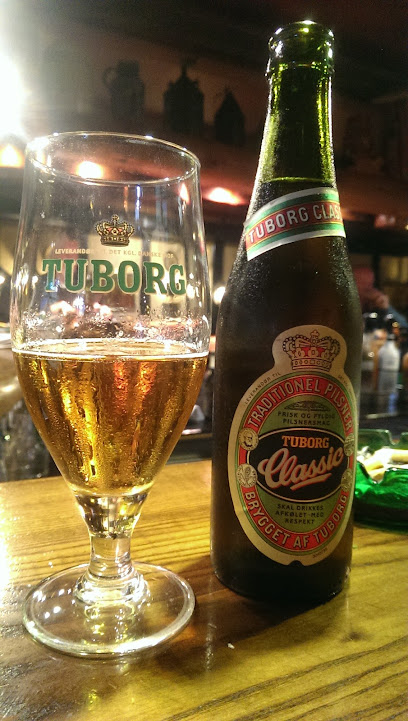
Lively central Frederikshavn sports bar with wall-to-wall matches, cold beers, betting, slot machines and pool in a relaxed, down-to-earth Danish pub atmosphere.
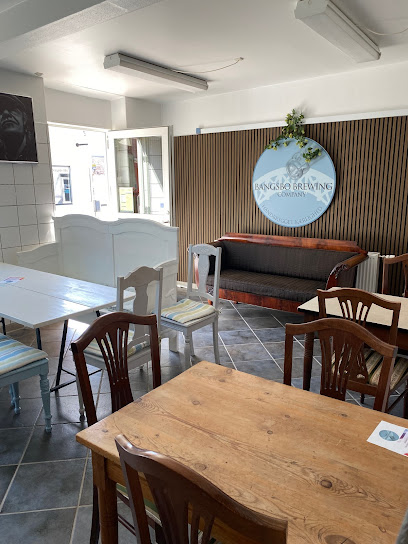
Bangsbo Brewing Company
37.0 km
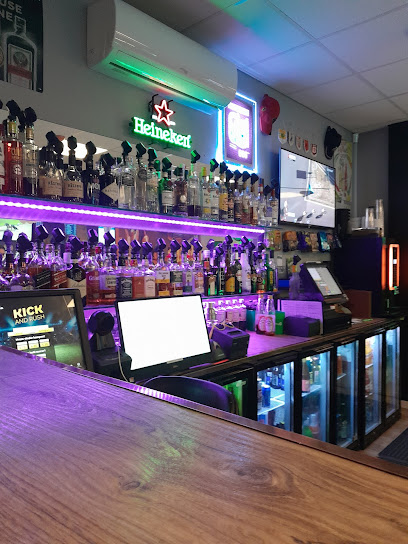
Intimate nanobrewery crafting rotating small-batch Danish beers in a welcoming taproom.
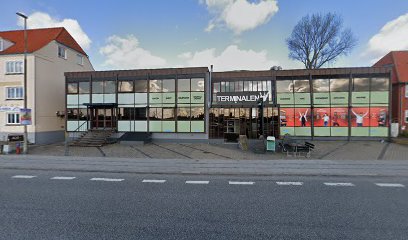
Café Pitstop Frederikshavn
37.0 km
Relaxed café-bar hybrid on Skippergade blending sports, karaoke and pub vibes in a down-to-earth local hangout in Frederikshavn.
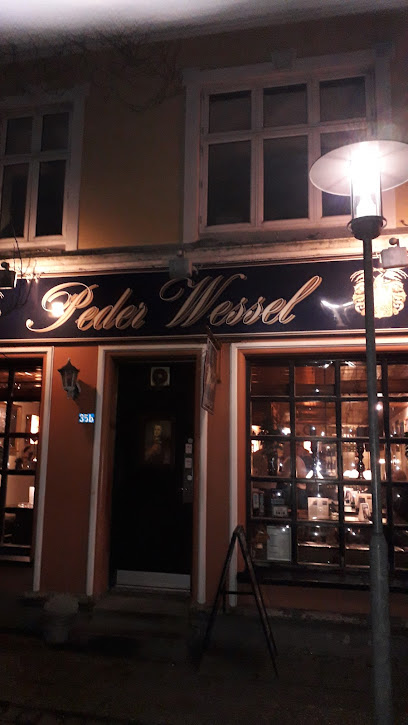
Peder Wessel v/Lisbeth Wagner
37.0 km
Traditional, inexpensive neighbourhood bar on central Søndergade, offering no-frills drinks, cosy maritime character and an easygoing slice of Frederikshavn nightlife.
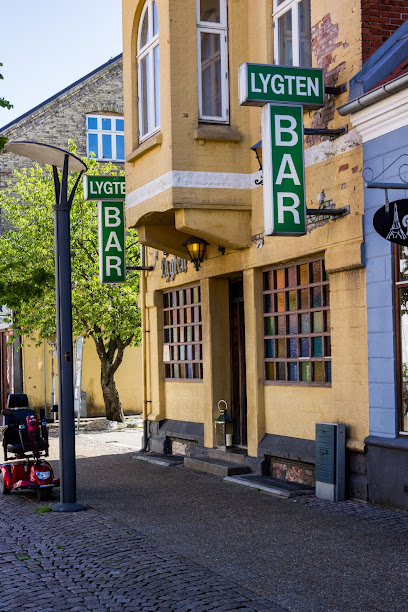
Lygten I/S
37.0 km
Old-school Danish "brown" beer hall in central Frederikshavn, serving inexpensive drinks, thick pub atmosphere and local colour from early morning to late night.
Flying Hirsch
37.0 km
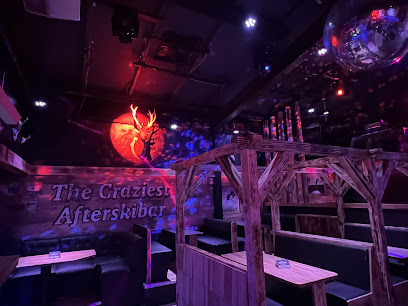
High-energy after-ski bar in central Frederikshavn, serving playful drinks, loud music and alpine party vibes late into the night.
Frederikshavner Kroen
37.0 km
No‑frills Danish pub in central Frederikshavn, pouring cheap beer, late‑night drinks and plenty of local atmosphere in a compact, well‑worn bar room.
Two Step Up v / Brian Jensen
37.0 km
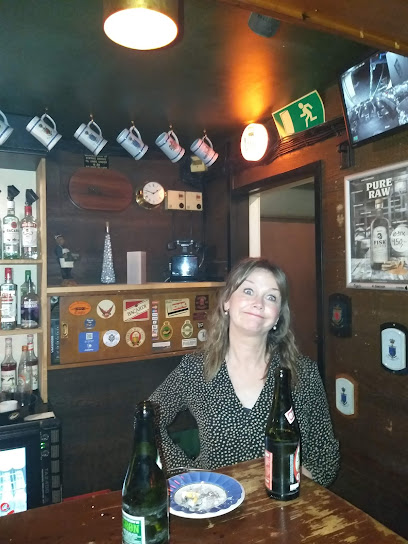
Frederikshavn's legendary late-night bar where locals and travelers unite over live music and Danish drinks until dawn.
Nightclubs & after hour spots

Sportens Venner I Frederikshavn
37.3 km
Rock music venue on Frederikshavn's waterfront, hosting live performances and DJ sets in an electric harbor-side atmosphere.
Casino Aalborg
59.7 km
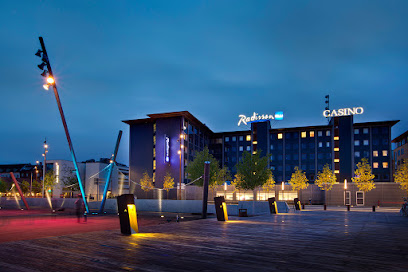
Compact, adult-only casino in the heart of Aalborg, pairing classic table games and slots with a relaxed Nordic nightlife atmosphere inside a city-center hotel.
Rocken
59.7 km
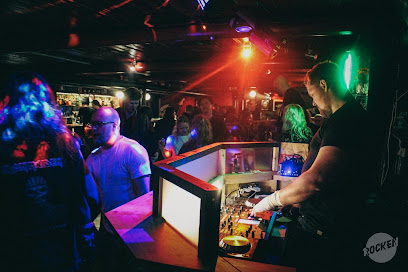
Basement rock and metal stronghold on Aalborg’s waterfront, where late-night riffs, live bands and cold beers power the city’s hardest-hitting nightlife.
CLUB MOONLIGHT Aalborgs dansested for voksne
59.7 km
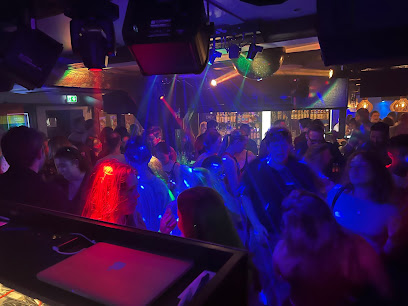
Compact, nostalgic and unapologetically dance‑focused, Club Moonlight brings 80s, 90s and today’s hits to a mature over‑21 crowd in central Aalborg.
C Night Club
59.7 km
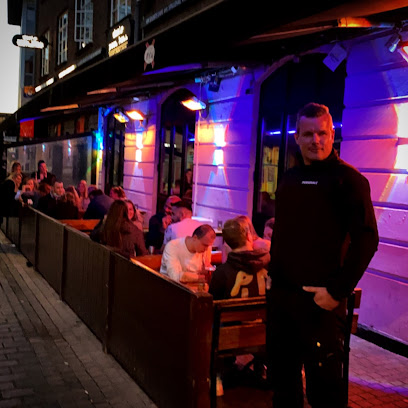
Craft cocktails meet dance floor energy on Aalborg's premier nightlife street.
Club Wolf
59.8 km
Compact, late-night nightclub on Aalborg’s Jomfru Ane Gade, blending chart hits, strong weekend energy and a tightly packed dance floor in the city’s bar street hub.

ESCAPE CLUB & Shisha Lounge
59.8 km
Intimate nightclub and shisha lounge in the heart of Aalborg’s Jomfru Ane Gade, mixing DJ-driven dancing, drinks and hookah corners late into the night.
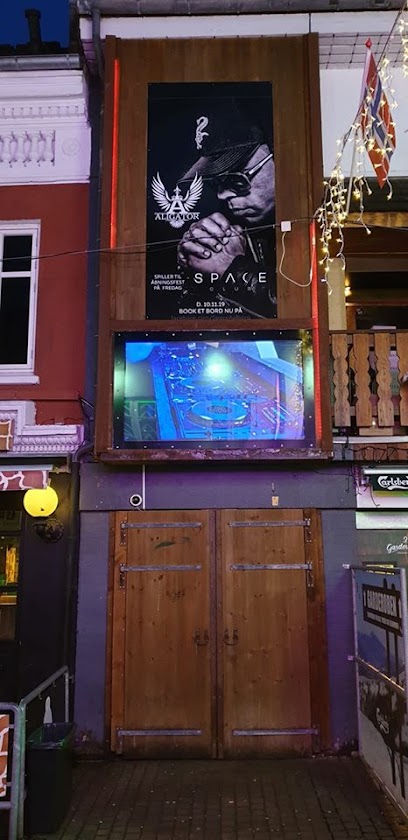
Club Stygge
59.8 km
Compact, late-night Aalborg nightclub with loud party hits, simple cocktails and a tightly packed dance floor on bustling Vesterå.
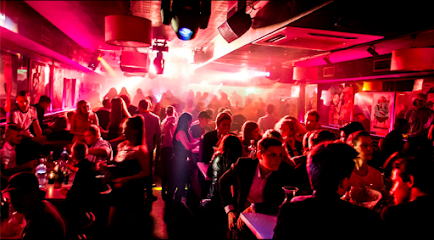
LouLou Aalborg
59.8 km
Polished cocktails and high-energy club vibes collide at this compact, late-night hotspot on Aalborg’s legendary Jomfru Ane Gade.
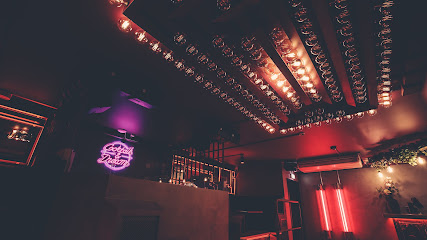
Night Cirque
60.1 km
Compact, high-energy nightclub in central Aalborg, where pulsing beats, bold lighting and a stylish crowd keep the dance floor alive late into the night.
Mjølner
73.9 km
Small-town Nibe’s late-night heartbeat, where a compact dance floor, loud party tunes and local crowds turn a quiet fjord town into a lively night out.
Happy Friday
79.0 km
Experience Støvring's vibrant nightlife at Happy Friday Cocktail Bar, where expertly crafted cocktails meet a lively atmosphere.
Rold Skov Orienteringsklub
83.6 km
Embark on an orienteering adventure with Rold Skov Orienteringsklub in Denmark's captivating Rold Skov forest.
Skørping Bodega
83.8 km
A friendly local bodega near Rold Skov, Skørping Bodega captures the spirit of Danish bar culture with its authentic charm, inviting atmosphere, and vibrant community.
For the vibe & atmosphere seeker
- Fun-filled
- Lively
- Scenic
- Unique
- Family Friendly
For the design and aesthetic lover
- Modern Designs
- Colorful Aesthetics
For the architecture buff
- Modern
- Art & Design
- Parks & Gardens
- Landmarks
For the view chaser and sunset hunter
- Iconic Views
- Panoramas
- Waterfront
- Sunset Spots
For the social media creator & influencer
- Instagrammable
- Photo Spots
- Selfie Spots
- Reel-Friendly
- Architectural Shots
- Colorful Backdrops
For the eco-conscious traveler
- Eco-Friendly
- Public-Transport Accessible
- Locally Managed
- Wildlife Habitat
- Low Impact
For the kind of experience you’re after
- Cultural Heritage
- Photowalk
- Adventure Photo Shoot
- Day Trip
- Family Friendly
For how adventurous you want the journey to be
- Easy Access
Location Audience
- Family Friendly
- Child Friendly
- Teen Friendly
- Senior Friendly
- Wheelchair Access
- Solo Friendly
- Couple Friendly
- Solo Female Friendly


