

Saltholm Travel Guide
Free Guide: A low, wind-swept Øresund island of meadows, marsh and birdlife, Saltholm offers a rare taste of near-urban wilderness just off Copenhagen’s coastline.


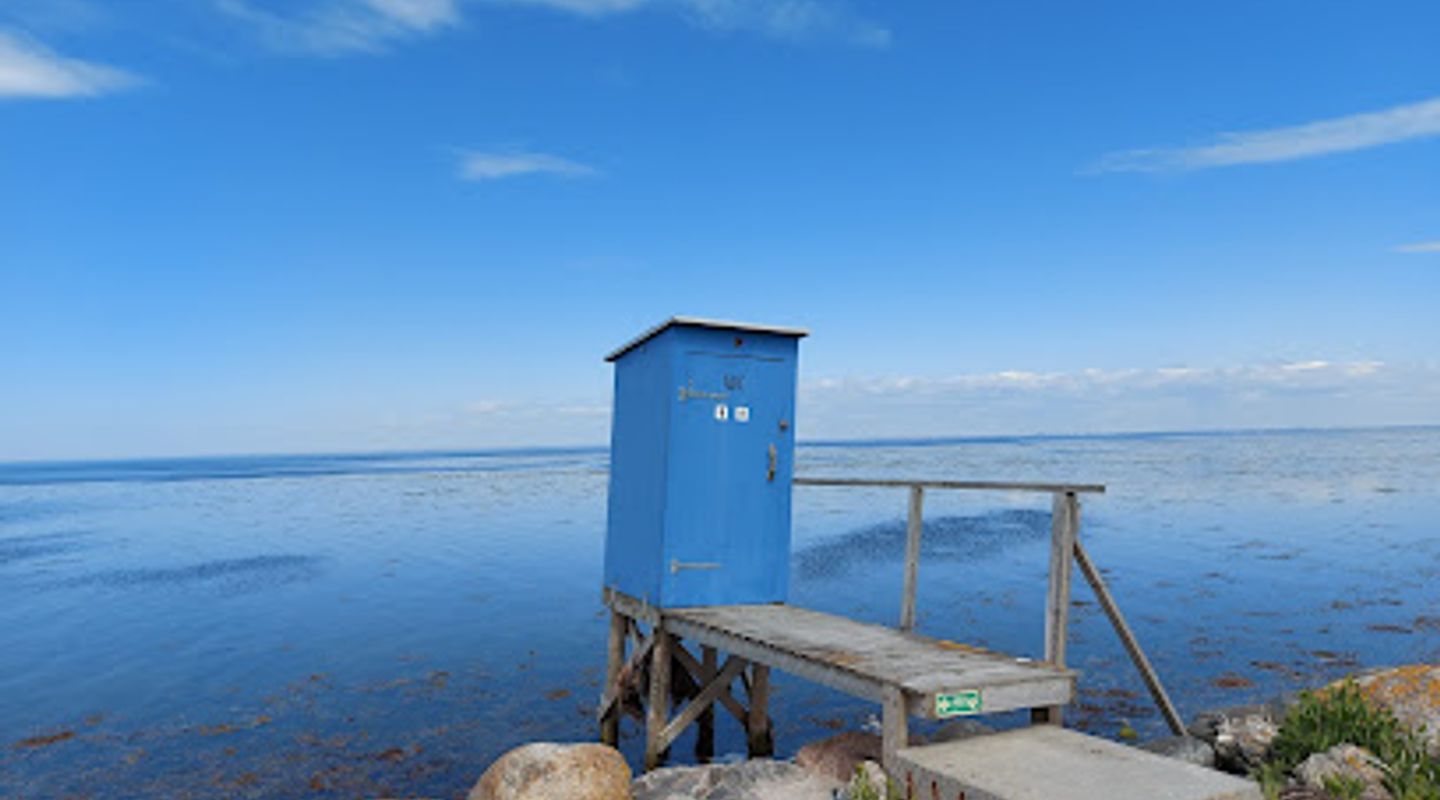
A brief summary of Saltholm
A low, wind-swept Øresund island of meadows, marsh and birdlife, Saltholm offers a rare taste of near-urban wilderness just off Copenhagen’s coastline.
Saltholm is a low, windswept island in the Øresund strait east of Amager, almost within sight of Copenhagen yet feeling utterly remote. This 16 km² nature reserve is a vital bird sanctuary of chalk meadows, salt marsh and shallow tidal flats, with strict access rules that keep it wild and largely untouched. Expect big skies, grazing livestock, sea breezes and wide, empty horizons rather than facilities or crowds—Saltholm is all about solitude, birdlife and raw coastal landscape.
On-site amenities
 Restrooms
 Trash bins
 Information boards
 Seating areas
- Address
- 2770 Kastrup
Getting there
Seasonal boat from Copenhagen area
Private boat from local marinas
Organised nature or birdwatching trip
Discover more about Saltholm
Wind-shaped island on Copenhagen’s horizon
Saltholm is a flat, sea-grazed island lying in the Øresund strait between Denmark and Sweden, just east of Amager yet separated from the city by a wide belt of shallow water and salt marsh. Stretching roughly 7 km by 3 km, with its highest point only a couple of metres above sea level, the island feels more like an oversized sandbank than a conventional landmass. From its grassy edge you see the Øresund Bridge and the air traffic of Copenhagen Airport in the distance, but on the ground the mood is quiet, wind-swept and surprisingly wild.Much of Saltholm is composed of chalk meadows, coastal marsh and open grassland. The vegetation is low and hardy, adapted to salt spray and winter storms, which leaves the horizon impressively open. Trees are scarce and clustered mainly in the north and southwest, so the light falls unbroken across the island, changing constantly with clouds and weather. Underfoot, ground can shift quickly from firm turf to soggy marsh, reminding you that this is a landscape shaped by tides as much as by seasons.
Living sanctuary for birds and coastal wildlife
Saltholm is protected as a nature reserve and designated as an internationally important bird area, and that status defines almost every aspect of the experience. The surrounding shallows are rich in mussels, eelgrass, snails and small crustaceans, forming the feeding base for huge numbers of waterfowl and waders. In summer, thousands of geese graze the meadows, while colonies of eiders, terns and other seabirds nest in the quieter corners of the island.Access to large parts of Saltholm is tightly restricted to protect breeding birds. The southern salt marsh is off-limits all year, and additional central zones close during the nesting season, leaving only the northernmost part freely accessible. This zoning creates a layered sense of remoteness: even when you stand at the allowed boundary, you are looking into areas given over almost entirely to wildlife. The calls of birds, the hiss of wind in the grass and the slap of water at the shore become the soundtrack to a visit.
From medieval gift to wartime frontier
Despite its sparse appearance today, Saltholm has a long and surprisingly varied human history. The island was first recorded in the 13th century as a royal gift to the bishop of Roskilde, and for centuries it provided limestone used to build Copenhagen and other towns. Traces of old quarry pits and stone workings still linger in the landscape if you know where to look, subtle reminders that this quiet island once fuelled urban growth on the mainland.Its isolated position in the Øresund also gave Saltholm strategic importance. During outbreaks of plague and cholera in the 18th and early 19th centuries, it served as a quarantine station where travellers had to stay before entering Copenhagen. Later, its waters became part of the defensive shield around the capital, complemented by nearby sea forts built on artificial islands. In the 20th century planners even considered Saltholm as the site for a new international airport and fixed link, a vision ultimately abandoned to spare the fragile environment.
Today’s rhythm of grazing, tides and silence
Modern Saltholm has no conventional town or dense settlement, only scattered farm buildings and seasonal activity tied to grazing and nature management. The island is privately owned through a local association, and livestock still play a vital role in keeping the meadows open for birds. You may encounter cattle or sheep moving slowly across the grasslands, adding a pastoral note to what is otherwise a distinctly maritime setting.The sense of time here is dictated by tides, weather and migration rather than by clocks. Mist can roll in from the sea, erasing Sweden from view; clear days open vast panoramas of coastlines, bridges and distant city skylines. Under strong east winds the very low relief of the island becomes evident, as waves press higher across the shallows and the boundary between land and water blurs. It is a place where you remain conscious of how thin the ground is between you and the sea.
Experiencing a near-urban wilderness
Visiting Saltholm is less about ticking off sights and more about entering a specific mood. Paths are few and unmarked, facilities minimal, and there is little in the way of shelter beyond simple buildings at the harbour area. You walk on grass and soft ground, pausing to scan the shoreline for birds or to watch flocks of geese rise in sudden waves. Photography focuses on big skies, textures of grass and mudflats, and the striking juxtaposition of wild foreground with the engineering lines of the Øresund Bridge in the distance.Because access is controlled and seasonal, every visit feels a little like a privilege. The island offers a rare chance to experience near-urban wilderness: standing in open wind within sight of one of northern Europe’s busiest transport corridors, yet hearing only gulls, distant surf and perhaps the lowing of cattle. For travellers who enjoy quiet coastal landscapes, birdwatching and subtle history etched into terrain, Saltholm reveals its character slowly but memorably.
Evendo Review Centre
 Google
Guest reviews
Best time to go
Quietest: Jan, Feb & Dec · before 7am or from 9pm
Busy times are Evendo estimates for a typical year, to help you plan. Actual crowds vary with events, school holidays and the weather.
Explore Saltholm on the map
A handpicked selection of must-see spots near Saltholm, mapped for you.
Get your free copy of our complete guide to Saltholm, delivered straight to you.
Everything on this page, from opening hours and how to get there to Eve’s tips and the best time to go, in one PDF you can read offline, print or share.
Already have an account? Sign in
Your Saltholm guide is ready.
We'll send it to · Not you? Sign out

Getting your guide ready…
We are putting together a fresh copy of the Saltholm guide. This can take up to a minute.
This can take a few moments. If your browser asks, choose Allow so the download can start. You'll find the guide in your Downloads folder.
Nothing happened? Download it again
Sorry, the guide is taking longer than usual. Please try again in a minute, or get it by email instead.
Other nearby places you may find interesting
The closest places of the same kind, if this one is not quite what you had in mind.
-
-
-
-
-


Swipe for more places
More to explore near Saltholm

 Best experiences near Saltholm
 Best hotels near Saltholm
 Best landmarks near Saltholm
 Best attractions near Saltholm
 Best shops near Saltholm
 Best restaurants near Saltholm
 Best bars near Saltholm
Do you manage this location?
Take control to get all the benefits, like improved information, better appearance, and stronger visibility across AI-powered discovery.
Explore more

Explore more of The North Sea Islands
Discover the North Sea Islands of Denmark: idyllic sandy beaches, vibrant local culture, and unique natural landscapes await you on Fanø, Rømø, and Mandø.
Explore The North Sea Islands
Explore more of Denmark
Discover Denmark: A perfect blend of history, modern design, and the cozy concept of hygge. Explore vibrant cities, serene landscapes, and world-class cuisine.
Explore Denmark
