Mandø Museum Travel Guide
Free Guide: Step into a 19th‑century skipper’s home on tiny Mandø and discover how generations of islanders shaped their lives around tides, seafaring and the Wadden Sea.


A brief summary of Mandø Museum
Step into a 19th‑century skipper’s home on tiny Mandø and discover how generations of islanders shaped their lives around tides, seafaring and the Wadden Sea.
Mandø Museum, housed in the 19th‑century Mandøhuset on the tiny Wadden Sea island of Mandø, offers an intimate glimpse into the life of a Danish skipper’s family on this wind‑swept outpost. Period rooms preserved as if the inhabitants have just stepped outside, maritime memorabilia, and everyday household objects tell the story of island life shaped by tides, storms, and seafaring. It is a small, atmospheric museum that pairs naturally with walks along dikes and mudflats in Denmark’s Wadden Sea National Park.
On-site amenities
 Restrooms
 Seating areas
 Trash bins
 Information boards
- Address
- Mandø, Mandø Byvej 5, 6760 Ribe
- Phone
- Website
Getting there
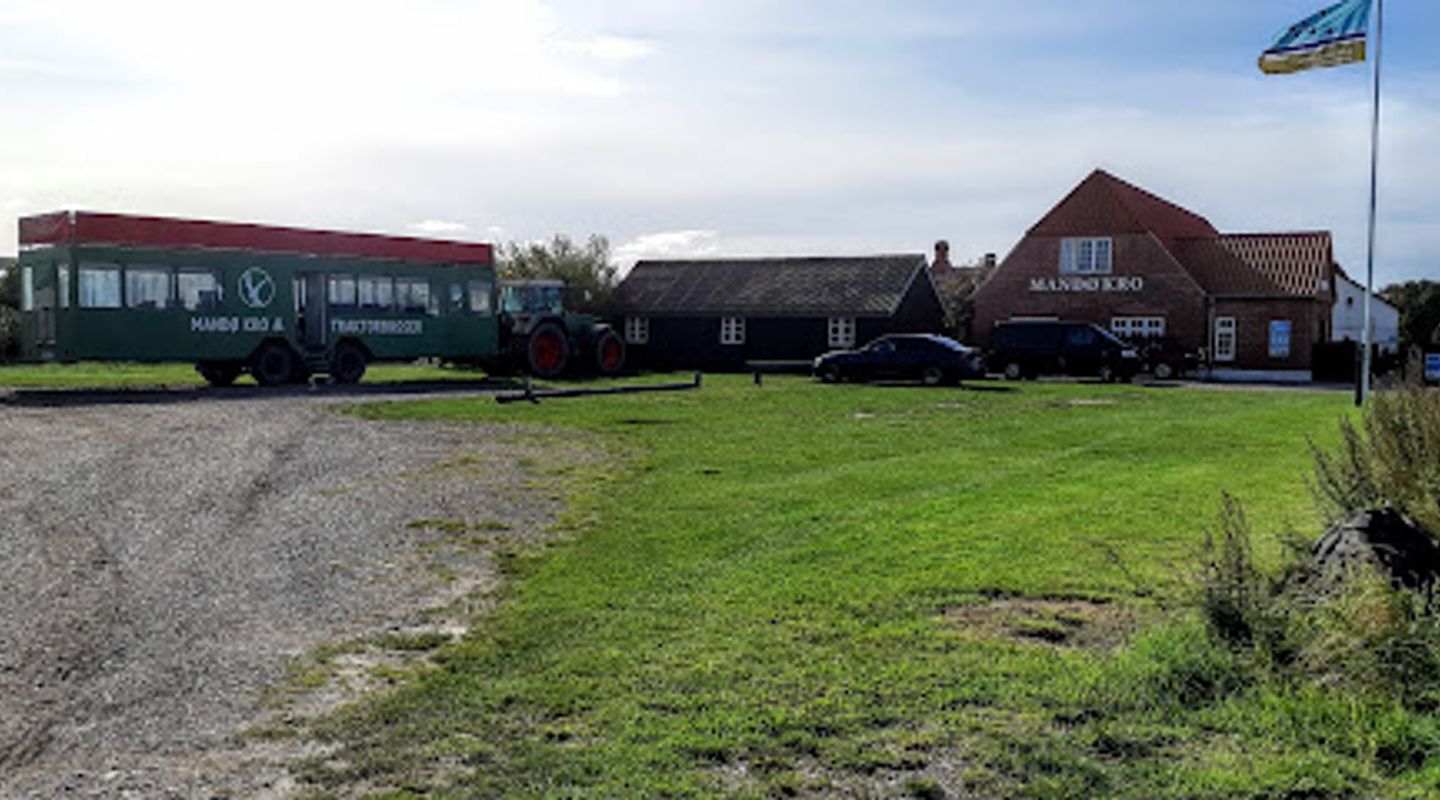
Tractor-bus from Wadden Sea Centre
Self-drive via tidal road
Cycling from the mainland
Discover more about Mandø Museum
A skipper’s house frozen in island time
Mandø Museum is set inside Mandøhuset, a low, whitewashed skipper’s home dating from the 19th century in the only village on Mandø, off the southwest coast of Jutland. Step over the threshold and you enter a domestic world that feels recently lived in rather than carefully staged. Furniture, textiles, crockery and tools are laid out as if the family has merely gone out to check the tide, leaving their everyday life paused in mid‑flow.This intimate scale is part of the charm. Rather than vast galleries, you move from room to room through narrow doorways and creaking floors, sensing how close‑knit island households had to be. The building itself, with its thick walls and modest proportions, reflects a community that learned to live with fierce winds, salt‑laden air and the constant presence of the sea.
Stories of Mandø’s seafarers and stormy seas
Beyond its homely interiors, the museum chronicles Mandø’s strong maritime tradition. For generations, men from the island signed on as sailors, helmsmen and captains, carrying Mandø’s name to far‑flung ports while their families maintained farms and households at home. Nautical charts, model ships and worn seafaring equipment hint at long voyages and skills honed on demanding waters.Displays also touch on the island’s vulnerability. Mandø has a long history of storm surges that have reshaped its coastline and even destroyed earlier settlements. Archival photographs and objects salvaged from past floods evoke both loss and resilience, showing how the community rebuilt, adjusted dikes and refined its understanding of the Wadden Sea’s power.
Everyday life on a tidal outpost
The most evocative moments here involve the small details of daily existence. In the kitchen you might find sturdy cast‑iron cookware, hand‑stitched table linens and simple ceramics used for storing precious supplies. Sleeping alcoves and snug sitting rooms convey how families layered warmth, comfort and practicality in a landscape where isolation was a fact of life for much of the year.Supplementary exhibits introduce local crafts, religious life and schooling, sketching a picture of a community that relied on cooperation as much as on individual resourcefulness. The museum makes clear that Mandø’s people balanced farming, animal husbandry and seasonal work with the demands of tides that dictated when visitors and supplies could reach the island.
Linked heritage: rescue station and Wadden Sea landscape
Mandø Museum also owns the former rescue station on the island, once a frontline base for sea rescues in the early 20th century. The connection between the cosy skipper’s home and this utilitarian building underscores how beauty and danger coexist along the Wadden Sea. Together they tell a fuller story of life where shipwrecks, sudden fog and shifting channels were constant concerns.Outside the museum door, the wider island acts as an open‑air extension of the collection. Dikes, mudflats and sweeping salt marshes form part of the Wadden Sea National Park, a UNESCO‑listed ecosystem renowned for birdlife and tidal dynamics. A visit to Mandøhuset gains extra depth when paired with a walk along the embankments or a guided nature tour, showing how the objects inside relate to the living landscape beyond.
Planning your visit to this small island museum
Mandø itself is only accessible at low tide, which shapes the rhythm of life on the island and the practicalities of visiting the museum. Opening hours tend to concentrate in the milder months when tractor‑buses, cyclists and walkers arrive to explore the island’s paths and dunes. Inside the museum, space is limited, but this intimacy allows you to linger over details, read captions at leisure and piece together Mandø’s distinctive blend of maritime heritage and rural traditions.Because Mandøhuset is relatively small, most travellers combine it with time elsewhere on the island—strolling through the village’s cluster of houses, pausing at the island church or circling the flat terrain by bike. In a couple of unhurried hours you can absorb a sense of how people have adapted to the Wadden Sea’s ever‑shifting moods, with Mandø Museum as your entry point into the island’s layered past.
Evendo Review Centre
 Google
Guest reviews
Best time to go
Quietest: Jan, Feb & Nov · before 8am or at 8pm
Busy times are Evendo estimates for a typical year, to help you plan. Actual crowds vary with events, school holidays and the weather.
Explore Mandø Museum on the map
A handpicked selection of must-see spots near Mandø Museum, mapped for you.
Get your free copy of our complete guide to Mandø Museum, delivered straight to you.
Everything on this page, from opening hours and how to get there to Eve’s tips and the best time to go, in one PDF you can read offline, print or share.
Already have an account? Sign in
Your Mandø Museum guide is ready.
We'll send it to · Not you? Sign out

Getting your guide ready…
We are putting together a fresh copy of the Mandø Museum guide. This can take up to a minute.
This can take a few moments. If your browser asks, choose Allow so the download can start. You'll find the guide in your Downloads folder.
Nothing happened? Download it again
Sorry, the guide is taking longer than usual. Please try again in a minute, or get it by email instead.
Other nearby places you may find interesting
The closest places of the same kind, if this one is not quite what you had in mind.
-
-
-
-
-


Swipe for more places
More to explore near Mandø Museum

 Best experiences near Mandø Museum

 Best hotels near Mandø Museum

 Best landmarks near Mandø Museum

 Best attractions near Mandø Museum

 Best shops near Mandø Museum

 Best restaurants near Mandø Museum

 Best bars near Mandø Museum
Do you manage this location?
Take control to get all the benefits, like improved information, better appearance, and stronger visibility across AI-powered discovery.
Explore more

Explore more of The North Sea Islands
Discover the North Sea Islands of Denmark: idyllic sandy beaches, vibrant local culture, and unique natural landscapes await you on Fanø, Rømø, and Mandø.
Explore The North Sea Islands
Explore more of Denmark
Discover Denmark: A perfect blend of history, modern design, and the cozy concept of hygge. Explore vibrant cities, serene landscapes, and world-class cuisine.
Explore Denmark