

Mandø Museum Travel Guide
Free Guide: A preserved 19th-century skipper's home revealing the maritime heritage of Denmark's most isolated inhabited island.


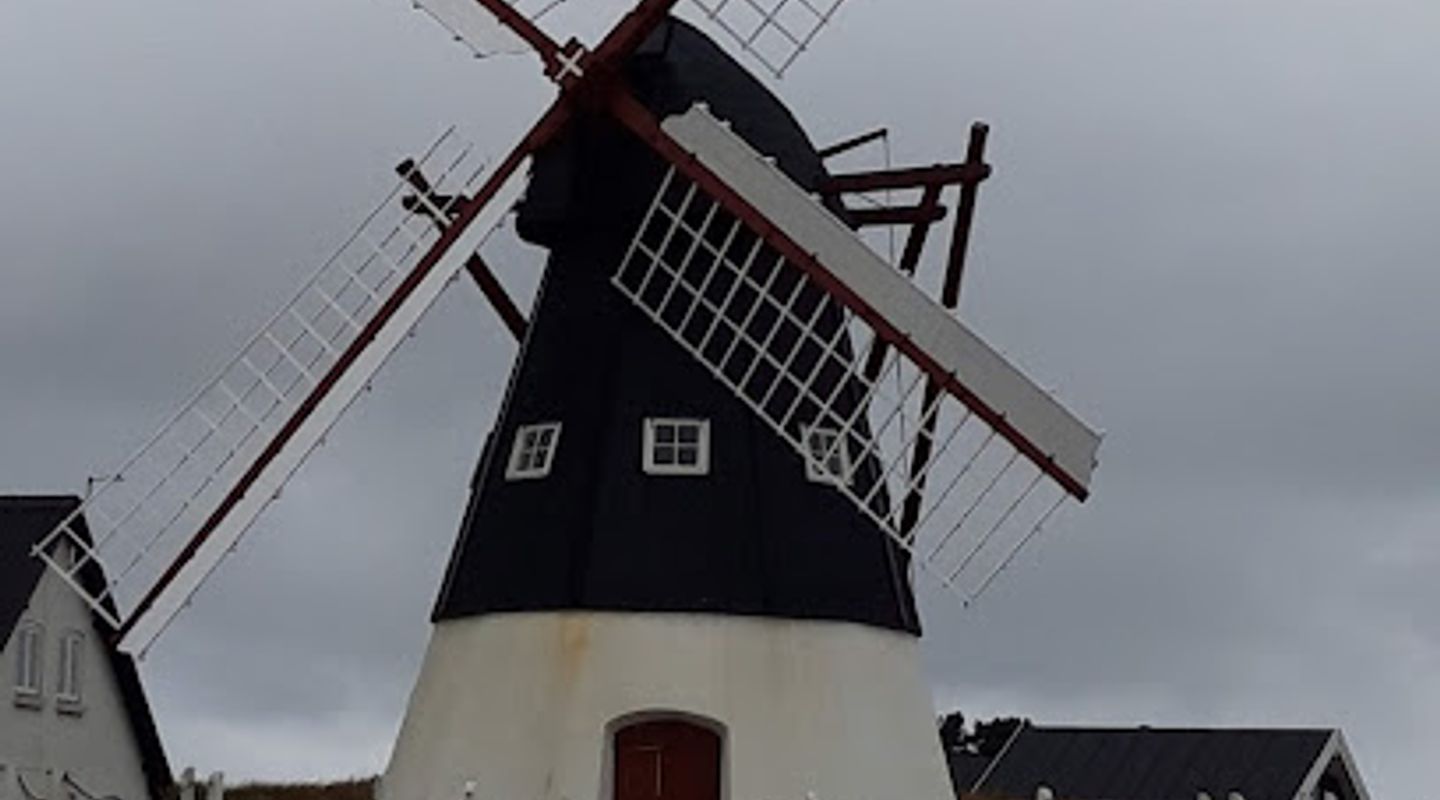
A brief summary of Mandø Museum
A preserved 19th-century skipper's home revealing the maritime heritage of Denmark's most isolated inhabited island.
Step into a preserved 19th-century skipper's home on the remote Danish island of Mandø, where original furnishings and maritime artifacts tell the story of a seafaring community. This intimate museum captures the essence of island life during the golden age of Danish shipping, with period rooms arranged as if the family has just stepped out. Accessible only by tractor-bus across the Wadden Sea mudflats, the museum offers a genuine glimpse into a vanished way of life on one of Denmark's most isolated inhabited islands.
On-site amenities
 Food options
 Drink options
 Seating areas
 Information boards
 Visitor centre
- Address
- Mandø, Mandø Byvej 5, 6760 Ribe
- Phone
- Website
Getting there
Tractor-Bus from VadehavsCentret
Private Vehicle via Causeway (Alternative Route)
Guided Tour Package
Overnight Stay with Transport
Discover more about Mandø Museum
A Skipper's House Frozen in Time
Mandø Museum occupies Mandøhuset, an authentically preserved 19th-century skipper's home that serves as a window into the maritime heritage of this isolated Danish island. The house is arranged as if its inhabitants have only momentarily stepped away, with period furnishings, household objects, and personal effects creating an intimate portrait of domestic life during the era when Mandø's prosperity depended on seafaring. Every room tells a story—from the kitchen where meals were prepared to the parlor where the family received visitors. The museum's strength lies in its refusal to sanitize or over-interpret; instead, original artifacts and authentic arrangements allow visitors to form their own connections with the past.
The Golden Age of Mandø Seafaring
From the mid-18th century until around 1900, Mandø experienced a remarkable period of maritime prosperity. Men from the island worked as sailors, helmsmen, and captains on ships that sailed the world's oceans, bringing wealth and cosmopolitan influence back to this remote community. The museum documents this seafaring tradition through objects that reflect the ambitions and achievements of Mandø's maritime families. By the early 20th century, however, industrial shipping and changing trade routes had diminished the island's importance, and the population declined dramatically. The museum preserves the memory of this lost golden age, making it an essential stop for understanding Denmark's maritime history and the lives of ordinary people who participated in global commerce.
Island Life and Isolation
Mandø's extreme isolation—accessible only by tractor-bus across the Wadden Sea mudflats at low tide—has shaped every aspect of life on the island. With a population of only 27 to 43 inhabitants, Mandø remains one of Denmark's most sparsely settled islands, a stark contrast to its neighboring islands of Fanø and Rømø. The museum reflects this isolation and self-reliance; the objects on display reveal how residents adapted to living on an island vulnerable to storm surges and cut off from the mainland for much of the year. The whitewashed church, built in 1639 on the highest dune, stands as a testament to the community's determination to endure and maintain their faith despite repeated natural disasters.
A Museum of Intimate Scale
Unlike large institutional museums, Mandø Museum operates on a human scale, with rooms that feel like genuine domestic spaces rather than exhibition galleries. Visitors move through the house as guests might have done centuries ago, discovering details—a child's toy, a merchant's ledger, a piece of embroidery—that spark imagination and empathy. The museum's modest size and personal approach make it particularly effective at conveying the texture of everyday life. The adjacent Rescue Station, operated by the museum and functioning as a rescue post from 1912 to 1961, houses a handicraft and souvenir boutique, extending the visitor experience while supporting local artisans.
The Journey to Mandø
Reaching Mandø Museum is an adventure in itself. Visitors must travel by tractor-bus from VadehavsCentret (the Wadden Sea Centre) on the mainland, a journey that takes approximately 11 kilometers across the mudflats—a route only passable at low tide. This unique approach reinforces the island's remoteness and makes the visit feel like a genuine expedition rather than a casual tourist outing. The tractor-bus experience, with its oversized tires and slow pace across the exposed seabed, provides time to observe the landscape and anticipate arrival at this small, historic community.
Exploring Mandø Beyond the Museum
While the museum is the primary cultural attraction, visitors often combine their visit with cycling around the island's 10-kilometer trail, which reveals oyster banks, traditional dikes, birdlife, and occasionally sunbathing seals. The island's flat terrain and small size make it ideal for exploration by bicycle, and the contrast between the museum's interior world and the vast, open landscape of the Wadden Sea creates a memorable experience. Several small inns and cafés on the island provide refreshment, and overnight accommodation options allow visitors to experience Mandø's distinctive rhythm and quietness.
Evendo Review Centre
 Google
Guest reviews
Best time to go
Quietest: Jan, Feb & Nov · before 8am or from 7pm
Busy times are Evendo estimates for a typical year, to help you plan. Actual crowds vary with events, school holidays and the weather.
Explore Mandø Museum on the map
A handpicked selection of must-see spots near Mandø Museum, mapped for you.
Get your free copy of our complete guide to Mandø Museum, delivered straight to you.
Everything on this page, from opening hours and how to get there to Eve’s tips and the best time to go, in one PDF you can read offline, print or share.
Already have an account? Sign in
Your Mandø Museum guide is ready.
We'll send it to · Not you? Sign out

Getting your guide ready…
We are putting together a fresh copy of the Mandø Museum guide. This can take up to a minute.
This can take a few moments. If your browser asks, choose Allow so the download can start. You'll find the guide in your Downloads folder.
Nothing happened? Download it again
Sorry, the guide is taking longer than usual. Please try again in a minute, or get it by email instead.
Other nearby places you may find interesting
The closest places of the same kind, if this one is not quite what you had in mind.
-
Lakolk strand Endless North Sea sand, tidal drama and kite-filled skies on one of Europe’s widest beaches at Lakolk Strand on the Danish island of Rømø.
-
Famous Rømø Beach An immense North Sea strand where you can drive on the sand, chase the wind with kites and sails, and wander for kilometres between dunes, sky and sea.
-
Rømø Sønderstrand Europe's widest beach meets UNESCO Wadden Sea heritage on Denmark's wild North Sea island.
-
Spidsbjerg Rømø A modest dune with a mighty horizon, Spidsbjerg crowns Rømø’s heather-clad heart with sweeping views over dunes, forest, Wadden Sea and distant islands.
-
Rømø Dragefestival Northern Europe's largest kite festival where hundreds of colorful creations dance across the September sky.
Swipe for more places
More to explore near Mandø Museum

 Best experiences near Mandø Museum
 Best hotels near Mandø Museum
 Best landmarks near Mandø Museum
 Best attractions near Mandø Museum
 Best shops near Mandø Museum
 Best restaurants near Mandø Museum
 Best bars near Mandø Museum
Do you manage this location?
Take control to get all the benefits, like improved information, better appearance, and stronger visibility across AI-powered discovery.
Explore more

Explore more of Rømø
Discover Rømø: Denmark's serene island with expansive beaches, rich Viking history, and thrilling windsurfing adventures in the heart of the Wadden Sea National Park.
Explore Rømø
Explore more of Denmark
Discover Denmark: A perfect blend of history, modern design, and the cozy concept of hygge. Explore vibrant cities, serene landscapes, and world-class cuisine.
Explore Denmark
