

Free Tadjourah Region Travel Guide & Mobile App
Explore Tadjourah Region with free travel guides. Discover regional history, expert tips, proposed trips, and audio guides on web or mobile app.


Explore Tadjourah Region in Djibouti for historic Gulf coast towns, Lake Assal, volcanic landscapes, Goda Mountains and Day Forest.
Read more about Tadjourah Region
When is the best time to visit Tadjourah Region?
Best: December–February · 30–31°C| Month | High (°C) | Rainfall (mm) |
|---|---|---|
| January (best) | 30 | 5 |
| February (best) | 31 | 6 |
| March | 33 | 8 |
| April | 35 | 10 |
| May | 37 | 9 |
| June | 39 | 7 |
| July | 41 | 3 |
| August | 40 | 4 |
| September | 39 | 5 |
| October | 36 | 8 |
| November | 33 | 6 |
| December (best) | 31 | 5 |
Getting to and around Tadjourah Region
How to get there
Transportation
Top city travel guides in Tadjourah Region
The cities of Tadjourah Region, and the easiest places to base yourself.
-

-

-

-

-


Swipe for more cities
Destinations in Tadjourah Region
Resorts, valleys and scenic spots worth a trip of their own.
-

-


Swipe for more destinations
Best attractions in Tadjourah Region
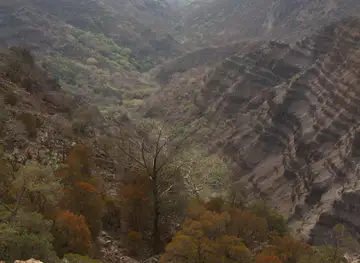
Tadjourah Region's attractions are primarily geological, cultural and landscape-based rather than built for mass tourism. Tadjourah town provides a starting point for exploring the Gulf of Tadjoura, with its waterfront setting, mosques and historic urban character. Inland, Lake Assal is the region's most recognisable natural attraction: a mineral-rich salt lake surrounded by volcanic ground and dramatic desert horizons. The nearby Ghoubbet area and Ardoukoba present stark evidence of the tectonic forces shaping the Afar Triangle. In the Goda Mountains, Day Forest offers a rare highland environment with cooler air, woodland and walking opportunities near villages such as Bankoualé. The contrast between the arid lowlands and elevated vegetation is one of the region's defining experiences. Outdoor visits are best organised as guided excursions, since marked trails, visitor centres and formal facilities are limited. Wildlife observation is secondary to scenery and ecology, but careful travellers may notice birds and hardy desert species. The region rewards patient exploration, photography and geological interest, while its extreme heat, rough routes and limited services require more preparation than a conventional sightseeing itinerary.
-
Tourist attraction
Lele Randa
Explore Lele Randa, a stunning coastal gem in Djibouti, where breathtaking natural beauty meets vibrant local culture for an unforgettable experience.

Best landmarks in Tadjourah Region
Lake Assal is Tadjourah Region's most powerful natural landmark, occupying a low tectonic depression where intense evaporation leaves brilliant salt margins against dark volcanic terrain. Its unusual geology makes it both a visual symbol of Djibouti and a reminder of the active Afar Triangle. Ardoukoba, a volcanic fissure and cone near the lake and Ghoubbet area, represents the region's continuing geological change and gives the surrounding landscape a distinctly young, rough appearance. The Gulf of Tadjoura shoreline at Tadjourah town is another important reference point, linking the settlement's whitewashed architecture and mosques with the maritime routes that shaped its history. Farther inland, the escarpments and wooded elevations of the Goda Mountains provide a strong geographical contrast to the salt lowlands. Day Forest is especially significant as a rare highland woodland in an otherwise arid country, while the mountain setting around Bankoualé demonstrates how elevation influences settlement, vegetation and climate. These landmarks are dispersed and often lack formal facilities, so their significance is best understood through the relationship between geology, ecology and human movement.
-
Hotel
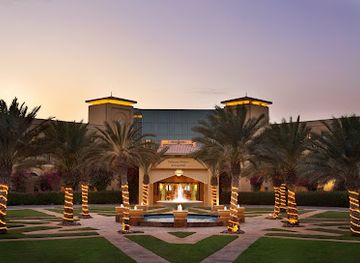
Djibouti Palace Kempinski
Experience luxury at Djibouti Palace Kempinski: where African and Arabian elegance meet, offering stunning views and world-class amenities.
-
Hotel
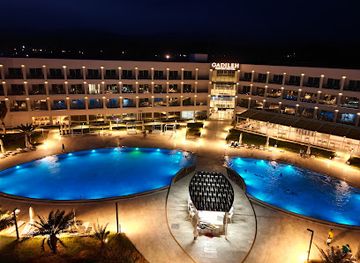
Gadileh Resort Hotel Tadjourah
Experience beachfront luxury and local charm at Gadileh Resort Hotel in Tadjourah, Djibouti. Your gateway to relaxation and adventure awaits!
-
 Hotel
Acacias Hotel
Experience comfort and convenience at Acacias Hotel Djibouti, your gateway to exploring the vibrant culture and natural beauty of Djibouti.
-
Mosque
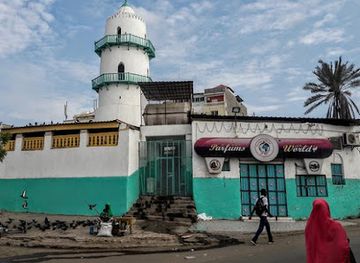
Mosquée Al-Hamoudi
Discover Djibouti's spiritual heart at Mosquée Al-Hamoudi, an iconic mosque blending Islamic architecture with cultural significance in Djibouti City.
Explore Tadjourah Region on the map
Plan your trip on one map. See where the top cities, national parks and sights are, and book hotels and experiences in a few clicks.
Best hotels in Tadjourah Region
Best restaurants in Tadjourah Region
Dining in Tadjourah Region is straightforward and closely tied to local availability, household cooking and the broader culinary traditions of Djibouti and the Horn of Africa. In Tadjourah town, small restaurants and cafés may serve rice, pasta, grilled meat, fish when available, stewed dishes, flatbreads and spiced sauces, often accompanied by sweet tea or coffee. Coastal communities have access to Gulf fish, although supply and menus vary. Afar-influenced cooking commonly makes practical use of grains, meat and dairy, while dates and other imported staples appear in markets and guesthouse meals. Travellers heading to Lake Assal or the mountains should not expect regular cafés or shops and should carry food and water arranged in advance. Larger accommodation providers may offer meals with prior notice, but selection can be limited and service times informal. Food markets and simple teahouses give a more local sense of daily life than polished dining rooms, and visitors should ask about ingredients when dietary restrictions are important.
-
Indian
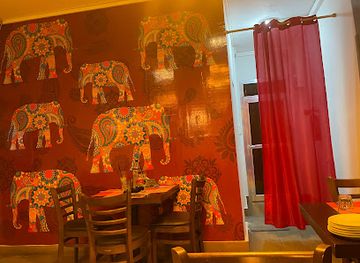
Signatures Restaurant Djibouti
Experience authentic Indian flavors at Signatures Restaurant Djibouti – a must-visit culinary destination for food lovers.
-
Restaurant
Moonlight Restaurant
Discover Moonlight Restaurant in Djibouti – where authentic flavors meet a welcoming atmosphere for an unforgettable dining experience.
-
Seafood
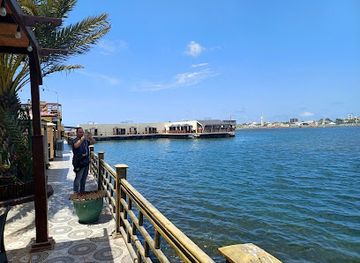
Restaurant La Mer Rouge
Discover the vibrant flavors of Seafood and International cuisine at Restaurant La Mer Rouge in Djibouti - A true culinary delight.
-
Yemenite
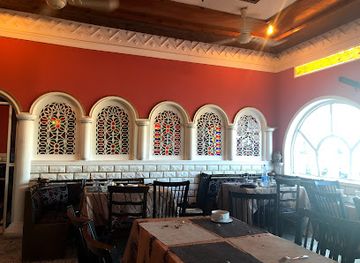
Janateyn Yemeni restaurant
Experience authentic Yemeni cuisine at Janateyn Restaurant in Djibouti - where every meal is a celebration of flavor.

Best bars in Tadjourah Region
Tadjourah Region does not have a major nightclub scene, and evening life is generally centred on family gatherings, cafés, tea, conversation and modest local restaurants rather than late-night entertainment. Tadjourah town has the greatest concentration of places to eat and socialise, but opening arrangements and availability can change. Alcohol is not central to public life and may be unavailable in many settings; visitors should not assume that a bar culture exists. In rural areas, evenings are quiet, with accommodation compounds and community spaces providing the main opportunities to relax after journeys. The best use of the night is often practical and atmospheric: enjoy cooler air after sunset, observe the waterfront where appropriate, and prepare for an early start to Lake Assal or the Goda Mountains. Respect local religious and social norms, particularly during Ramadan and around mosques or residential areas.
-
Pub
11 Degrees North
Discover the lively ambiance at 11 Degrees North, Djibouti's top pub for great drinks, live music, and a taste of local culture.
-
Barbecue
QG Pub & Resto
Experience the best barbecue in Djibouti at QG Pub & Resto, where flavor meets tradition in a vibrant atmosphere.
-
Restaurant
Timeout Restaurant and Sport Bar
Discover Timeout Restaurant and Sport Bar, where local flavors meet international cuisine in a vibrant atmosphere perfect for sports lovers.
-
Restaurant
Mystic lounge & restaurant
Discover the vibrant flavors of Djibouti at Mystic Lounge & Restaurant, where local cuisine meets international flair in an inviting atmosphere.


Best nightclubs in Tadjourah Region
Tadjourah Region does not have a major nightclub scene, and evening life is generally centred on family gatherings, cafés, tea, conversation and modest local restaurants rather than late-night entertainment. Tadjourah town has the greatest concentration of places to eat and socialise, but opening arrangements and availability can change. Alcohol is not central to public life and may be unavailable in many settings; visitors should not assume that a bar culture exists. In rural areas, evenings are quiet, with accommodation compounds and community spaces providing the main opportunities to relax after journeys. The best use of the night is often practical and atmospheric: enjoy cooler air after sunset, observe the waterfront where appropriate, and prepare for an early start to Lake Assal or the Goda Mountains. Respect local religious and social norms, particularly during Ramadan and around mosques or residential areas.
-
Night club
Club Hermes
Discover the electrifying nightlife at Club Hermes, Djibouti's premier night club offering unforgettable music, dance, and an inviting atmosphere.
-
Night club
La Galette Bretonne
Discover the electrifying nightlife of Djibouti at La Galette Bretonne, a premier night club for an unforgettable evening of music and dance.
-
Bar
Safari Club Kempinski
Experience the vibrant nightlife of Djibouti at Safari Club Kempinski, a chic bar offering exquisite drinks and a lively atmosphere.
-
Restaurant
Crystal Lounge Sheraton Djibouti
Experience luxury and exquisite dining at Crystal Lounge Sheraton Djibouti, where local flavors meet international cuisine in a chic setting.


Best shops in Tadjourah Region
Shopping in Tadjourah Region is modest and practical, with the greatest choice found in Tadjourah town rather than in remote mountain or lake areas. Small markets and shops may sell food, household necessities, clothing, tea, spices and everyday goods, while local trading reflects the town's position between the Gulf coast and the Afar interior. Visitors may find woven items, simple handicrafts or locally produced goods, but availability is variable and should not be confused with a permanent craft market. Salt is historically important to the region, especially around Lake Assal, although visitors should buy any salt products through legitimate local channels rather than removing material from the landscape. Bring cash in Djiboutian francs, as card payment is unlikely beyond better-equipped accommodation. The most useful purchases are often portable food supplies, water and practical items for a journey. Bargaining is best approached politely and only where it is customary; basic courtesy matters more than securing a marginally lower price.
-
Shopping mall
Bawadi Mall Djibouti
Discover Bawadi Mall in Djibouti: Shop, dine, and enjoy a lively atmosphere filled with local and international delights.
-
Gift shop
Magasin Chez Farah
Discover authentic Djiboutian handicrafts and unique souvenirs at Magasin Chez Farah, a treasure trove for tourists seeking local charm.
-
Gift shop
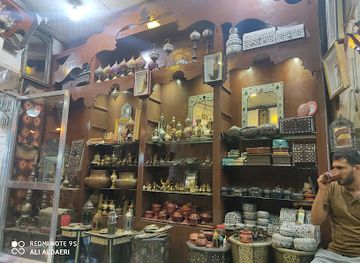
Ali Baba Treasures
Explore a vibrant gift shop in Djibouti featuring unique handcrafted souvenirs and local artistry at Ali Baba Treasures.
-
Fashion accessories store
Boutique Abdichekeye
Explore the unique fashion accessories at Boutique Abdichekeye in Balbala, Djibouti, and elevate your style with local flair.


Get your free copy of our complete guide to Tadjourah Region, delivered straight to you.
Everything on this page, from attractions and restaurants to essentials and local phrases, in one PDF you can read offline, print or share.
Already have an account? Sign in
Your Tadjourah Region guide is ready.
We'll send it to · Not you? Sign out

Getting your guide ready…
We are putting together a fresh copy of the Tadjourah Region guide. This can take up to a minute.
This can take a few moments. If your browser asks, choose Allow so the download can start. You'll find the guide in your Downloads folder.
Nothing happened? Download it again
Sorry, the guide is taking longer than usual. Please try again in a minute, or get it by email instead.
Tadjourah Region essentials
Currency and Payment
Safety
Emergency Situations
Do's and Don'ts
Local Tips
From Eve
Local phrases worth knowing
You don't need to get them perfect. A few words go a long way, and locals appreciate the effort.
Basics
| English | Local | Say it |
|---|---|---|
| Hello | Nabad | [Nah-bahd] |
| Goodbye | Nabad gelyo | [Nah-bahd geh-lee-oh] |
| Yes | Haa | [Hah] |
| No | Maya | [Mah-yah] |
| Please/You're welcome | Fadlan | [Fahd-lan] |
| Thank you | Mahadsanid | [Mah-hahd-sah-nid] |
| Excuse me/Sorry | Raalli ahow | [Rah-lee ah-how] |
| How are you? | Iska warran? | [Is-kah wah-ran] |
| Fine. And you? | Wanaagsan. Adiguna? | [Wah-nahg-sahn. Ah-dee-guna?] |
| Do you speak English? | Ma ku hadashaa Ingiriis? | [Mah koo hah-dah-shaa In-gi-rees?] |
| I don't understand | Ma fahmin | [Mah fah-min] |
Eating & Drinking
| English | Local | Say it |
|---|---|---|
| I'd like to see the menu, please | Fadlan ii soo bandhig menu-ga | [Fahd-lan ee-so ban-dhig men-oo-gah] |
| I don't eat meat | Ma cuno hilib | [Mah koo-no hi-lib] |
| Cheers! | Karsan! | [Kar-sahn] |
| I would like to pay, please | Fadlan waxaan rabaa in aan bixiyo | [Fahd-lan wah-ahn rah-bah in ahn bi-kee-yo] |
Emergencies
| English | Local | Say it |
|---|---|---|
| Help! | Caawimaad! | [Cah-wee-mahd] |
| Go away! | Ka tag! | [Kah tahg] |
| Call the Police! | Wac Booliiska! | [Wahk Boh-lee-sah] |
| Call a doctor! | Wac dhakhtar! | [Wahk dhahk-tahr] |
| I'm lost | Waan lumay | [Wahn loo-may] |
| I'm ill | Waan xanuunsanahay | [Wahn kah-noon-sah-nah-hay] |
Shopping
| English | Local | Say it |
|---|---|---|
| I'd like to buy... | Waxaan rabaa in aan iibsado... | [Wah-ahn rah-bah in ahn eeb-sah-do] |
| I'm just looking | Waxaan kaliya daawanayaa | [Wah-ahn kah-lee-yah dah-wah-nah-yah] |
| How much is it? | Immisa ayey ku kacaysaa? | [Im-mee-sah ay-yay koo kah-kay-sah] |
| That's too expensive | Taasi waa qaali | [Tah-see wah qah-lee] |
| Can you lower the price? | Ma dhimaysaa qiimaha? | [Mah dhim-ah-y-sah kee-mah?] |
Time & Numbers
| English | Local | Say it |
|---|---|---|
| What time is it? | Waa maxay waqtiga? | [Wah mah-hay wahq-tig-ah] |
| It's one o'clock | Waa saacaddu kow | [Wah sah-kahd-doo koh] |
| Half past (10) | Bar (10) | [Bar (10)] |
| Morning | Subax | [Soo-bahx] |
| Afternoon | Galab | [Gah-lahb] |
| Evening | Fiid | [Fee-id] |
| Yesterday | Shalay | [Shah-lah-y] |
| Today | Maanta | [Mah-an-tah] |
| Tomorrow | Berri | [Beh-ree] |
| 1 | Kow | [Koh] |
| 2 | Labo | [Lah-boh] |
| 3 | Saddex | [Sah-ddeh] |
| 4 | Afar | [Ah-fahr] |
| 5 | Shan | [Shahn] |
| 6 | Lix | [Lihx] |
| 7 | Todoba | [Toh-doh-bah] |
| 8 | Siddeed | [Sih-deed] |
| 9 | Sagaal | [Sah-gahl] |
| 10 | Toban | [Toh-bahn] |
Transport & Directions
| English | Local | Say it |
|---|---|---|
| Where's a/the...? | Halkee ku yaalaa...? | [Hal-kay koo yah-lah] |
| What's the address? | Waa maxay cinwaanka? | [Wah mah-hay chin-wahn-kah] |
| Can you show me (on the map)? | Ma ii tusaysaa (khariidada)? | [Mah ee too-sah-y-sah (khah-ree-dah-dah)] |
| When's the next (bus)? | Goorma ayaa imaanaya (baska)? | [Goor-mah ah-yah ee-mah-nah-yah (bask-ah)] |
| A ticket (to ....) | Tigid (u ....) | [Tee-gid (oo ....)] |
History of Tadjourah Region
Afar Settlement and Red Sea Exchange
The region's history has long been shaped by the Afar people, whose communities and seasonal movements connected the interior with the Gulf of Tadjoura and the Red Sea. Salt, livestock and other goods moved through caravan networks linking lowland depressions, wells and coastal settlements. The harsh environment encouraged detailed knowledge of water sources, grazing areas and routes across the desert. Tadjourah's coastal position made it an important point of contact between inland commerce and maritime exchange well before the modern state of Djibouti was established.
Islamic and Coastal Commercial Traditions
Islam became a central cultural and religious influence along the Gulf of Tadjoura over many centuries, linking local communities to wider networks across the Horn of Africa, Arabia and the Red Sea. Coastal settlements developed mosques, trading houses and commercial relationships with merchants and sailors from nearby ports. Tadjourah's built environment and religious life reflect this history, although surviving architecture has been altered by time, climate and modern construction. The town remains an important reference point for the region's coastal and Afar heritage.
Salt Routes and the Lake Assal Trade
Lake Assal's exceptionally saline waters made the surrounding depression a major source of salt, which was extracted, shaped and carried by caravan towards the coast and inland markets. The work demanded physical endurance and knowledge of a difficult route through one of the hottest landscapes in the region. Salt caravans tied the lake to Tadjourah and other settlements, giving the town economic importance beyond its maritime position. Although modern transport has reduced the role of traditional caravans, salt remains part of the area's historical identity.
French Expansion and the Colony of French Somaliland
During the late nineteenth century, France established a colonial foothold in the Horn of Africa and gradually consolidated control over the territory that became French Somaliland. Tadjourah and the Gulf coast were drawn into this new political and commercial system, while older local authorities and trading relationships were reshaped. Roads, administrative structures and port connections developed unevenly, serving colonial priorities. The period placed the region within the strategic politics of the Red Sea and Gulf of Aden, a role that continues to influence Djibouti's wider importance.
Djibouti Independence and Regional Administration
French Somaliland was renamed the French Territory of the Afars and the Issas before becoming the independent Republic of Djibouti in 1977. Tadjourah became one of the country's administrative regions, with the town serving as its capital. Independence brought national institutions and new efforts to connect remote communities, but the region's geography continued to limit infrastructure and economic opportunity. Its Afar cultural character, historic coastal settlements and distinctive natural environments remain important elements of Djibouti's national identity.
Conservation and Geotourism
In recent decades, attention has increasingly focused on Tadjourah Region's geological and ecological value. Lake Assal, the volcanic landscapes around Ghoubbet and Ardoukoba, and the highland vegetation of Day Forest attract visitors interested in earth science, photography and outdoor travel. Conservation is particularly important because water is scarce, ecosystems are fragile and unmanaged tourism can damage salt crusts, vegetation and archaeological traces. The region's modern challenge is to improve access and local benefits without reducing its landscapes to short, extractive excursions.
Tadjourah Region in Photos
Browse through our photo collection highlighting the charm and character of the destination.
Neighbouring regions of Tadjourah Region
The closest regions to Tadjourah Region, if you have time for more than one.
-

-

-

-

-


Swipe for more regions
Explore more

Explore more of Djibouti
Discover Djibouti: A hidden gem in the Horn of Africa, where stunning landscapes, rich culture, and unique adventures await every traveler.
Explore Djibouti