

Free Lake Assal Travel Guide & Mobile App
Explore Lake Assal with free travel guides. Discover regional history, expert tips, proposed trips, and audio guides on web or mobile app.


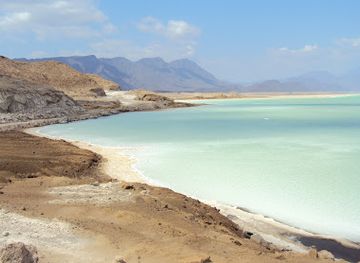
Lake Assal in Djibouti offers surreal salt flats, volcanic scenery and a profound journey into the Afar Depression.
Read more about Lake Assal
When is the best time to visit Lake Assal?
Best: December–February · 28–29°C| Month | High (°C) | Rainfall (mm) |
|---|---|---|
| January (best) | 28 | 6 |
| February (best) | 29 | 7 |
| March | 30 | 11 |
| April | 32 | 13 |
| May | 34 | 8 |
| June | 37 | 2 |
| July | 38 | 2 |
| August | 37 | 3 |
| September | 35 | 4 |
| October | 33 | 6 |
| November | 30 | 7 |
| December (best) | 28 | 5 |
Getting to and around Lake Assal
How to get there
Transportation
Best landmarks in Lake Assal
Lake Assal itself is Djibouti’s defining landmark in this interior landscape, recognised for its position approximately 155 metres below sea level and for the extraordinary salt concentration created by evaporation in a closed basin. Its pale shoreline contrasts sharply with the dark volcanic ridges and basalt surfaces around it, producing a natural landmark of both visual and scientific importance. The salt flats and mineral crusts are not simply scenery: they record the lake’s changing water balance and the long relationship between geology and extraction. The basin’s enclosing volcanic landscape belongs to the wider Afar Depression, where faulting and plate movement continue to shape the terrain. There is no historic town centre or monumental architecture at the lake, so its significance is geological, geographical and cultural rather than architectural. Nearby views towards the rugged interior and the route’s volcanic formations help place the lake within Djibouti’s larger tectonic setting, but access to any additional site should be confirmed locally rather than assumed from a map.
-
Lake
Lac 'Assal
Explore Lac 'Assal, Djibouti: the lowest point in Africa, a mesmerizing saline lake with otherworldly landscapes and rich salt deposits.
Explore Lake Assal on the map
Plan your trip on one map. See where the top cities, national parks and sights are, and book hotels and experiences in a few clicks.
Best hotels in Lake Assal
Best restaurants in Lake Assal
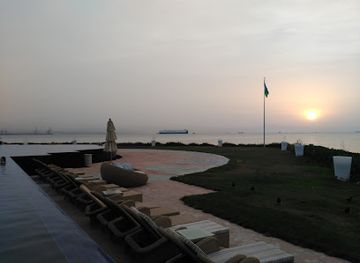
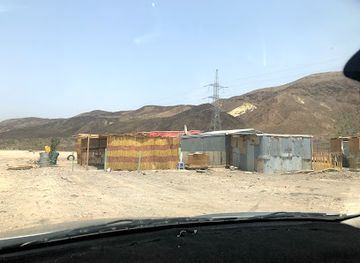
There is no established restaurant scene at Lake Assal itself, and visitors should not expect cafés, shops or reliable refreshments beside the lake. Food and water should be arranged before departure, usually as part of a private vehicle or guided excursion from Djibouti City. The wider national food culture combines Somali, Afar, Arab and French influences, with rice, pasta, grilled meat, flatbreads, lentils and spiced sauces common in Djibouti. Fresh seafood is more closely associated with the capital and Gulf of Tadjoura coast than with this inland basin. Travellers may encounter tea and simple meals during an organised journey, but arrangements vary and should not be assumed. A packed meal is sensible, with careful attention to hydration and food storage in the heat. Do not leave packaging or food waste on the salt flats, where the absence of services makes responsible carrying-out especially important.
-
Restaurant
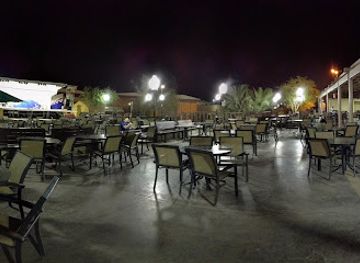
Lac Assal Restaurant
Experience exquisite dining at Lac Assal Restaurant in Djibouti – a culinary gem featuring local flavors and stunning views.
-
Restaurant
Restaurant Fatouma Moussa
Experience authentic Djiboutian cuisine at Restaurant Fatouma Moussa, where every dish is crafted with passion and served with warmth.
Best bars in Lake Assal
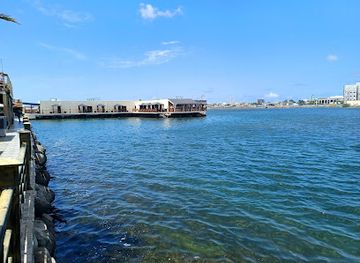
Lake Assal has no nightlife infrastructure and is generally visited as a daytime destination. Evening entertainment, licensed bars and live music are concentrated in Djibouti City, outside the lake area, while remote travel usually ends with a return to accommodation rather than a night beside the basin. Visitors should not camp informally without suitable equipment, permission and a clear understanding of local conditions. Djibouti’s urban evening culture includes hotel bars, restaurants and cafés, but alcohol availability and opening arrangements vary. Around Lake Assal, the more appropriate evening experience is a quiet return journey, a camp or lodge only where properly organised, and time to discuss the landscape and local geography with a guide. Carrying adequate water, lighting and communications is more important than planning entertainment after sunset.
-
Restaurant
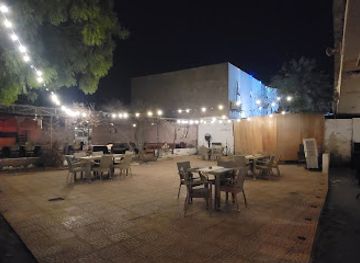
Moonlight Restaurant
Savor the authentic flavors of Djibouti at Moonlight Restaurant, where every meal is a celebration of local cuisine.
-
Pub
11 Degrees North
Discover the lively atmosphere of 11 Degrees North, a premier pub in Djibouti offering local brews and cultural vibes for an unforgettable experience.
-
Seafood
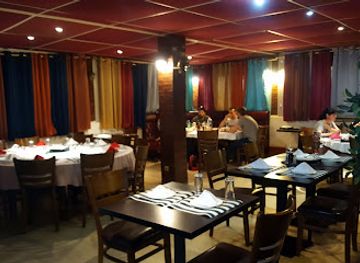
Restaurant La Mer Rouge
Experience a delightful fusion of seafood and international cuisine at Restaurant La Mer Rouge, Djibouti's vibrant culinary hotspot.
-
Bar
Restaurant Le Longchamp مطبخ بن ماضي
Experience the vibrant culinary scene of Djibouti at Restaurant Le Longchamp, where local and international flavors come together.
Best nightclubs in Lake Assal
Lake Assal has no nightlife infrastructure and is generally visited as a daytime destination. Evening entertainment, licensed bars and live music are concentrated in Djibouti City, outside the lake area, while remote travel usually ends with a return to accommodation rather than a night beside the basin. Visitors should not camp informally without suitable equipment, permission and a clear understanding of local conditions. Djibouti’s urban evening culture includes hotel bars, restaurants and cafés, but alcohol availability and opening arrangements vary. Around Lake Assal, the more appropriate evening experience is a quiet return journey, a camp or lodge only where properly organised, and time to discuss the landscape and local geography with a guide. Carrying adequate water, lighting and communications is more important than planning entertainment after sunset.
-
 Lounge
Ayan
Experience the vibrant spirit of Djibouti at Ayan, a cozy lounge perfect for relaxation and socializing amidst the city's charm.
Best shops in Lake Assal
Shopping at Lake Assal is extremely limited, with no dependable retail centre, market street or craft quarter at the shoreline. The most meaningful local product is salt, but visitors should not collect it from working areas or natural formations without permission. Souvenirs and practical supplies are best purchased in Djibouti City before the journey, where visitors can look for locally produced crafts, woven goods, small gifts and packaged food. Markets and independent sellers in the capital offer a broader selection than the remote interior, while purchasing directly and respectfully can provide useful support to local traders. Visitors should distinguish genuinely local products from generic imported souvenirs and avoid buying objects made from protected wildlife or archaeological material. Because there are no regular shops around the lake, bring water, food, fuel and personal necessities in advance, and take all packaging back out of the landscape.
-
Shopping mall
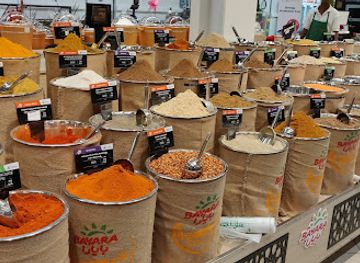
Bawadi Mall Djibouti
Discover Bawadi Mall in Djibouti: the ultimate shopping and dining destination for tourists and locals alike.
-
Car dealer
Military AutoSource (MAS) Djibouti On Base
Explore Military AutoSource in Djibouti for exceptional vehicle selection and military-focused service on Camp Lemmonier.
-
Store
Boutique Ibrahim Moussa
Explore the cultural richness of Djibouti through unique local crafts and treasures at Boutique Ibrahim Moussa in Dikhil.
-
Clothing store
Habone-Deka Djibouti
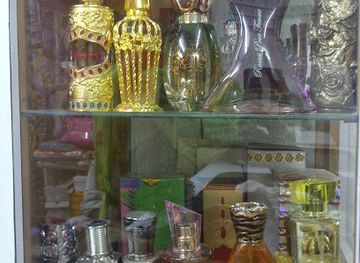
Explore Habone-Deka Djibouti for unique clothing, handcrafted jewelry, and enchanting perfumes reflecting the local culture and artistry.


Get your free copy of our complete guide to Lake Assal, delivered straight to you.
Everything on this page, from attractions and restaurants to essentials and local phrases, in one PDF you can read offline, print or share.
Already have an account? Sign in
Your Lake Assal guide is ready.
We'll send it to · Not you? Sign out

Getting your guide ready…
We are putting together a fresh copy of the Lake Assal guide. This can take up to a minute.
This can take a few moments. If your browser asks, choose Allow so the download can start. You'll find the guide in your Downloads folder.
Nothing happened? Download it again
Sorry, the guide is taking longer than usual. Please try again in a minute, or get it by email instead.
Lake Assal essentials
Currency and Payment
Safety
Emergency Situations
Do's and Don'ts
Local Tips
From Eve
Local phrases worth knowing
You don't need to get them perfect. A few words go a long way, and locals appreciate the effort.
Basics
| English | Local | Say it |
|---|---|---|
| Hello | Salam | [sah-lahm] |
| Goodbye | Nagala | [nah-gah-lah] |
| Yes | Haa | [hah] |
| No | Maya | [mah-yah] |
| Please/You're welcome | Fadhlan | [fah-dhlan] |
| Thank you | Shukran | [shoo-krahn] |
| Excuse me/Sorry | Aasif | [ah-see-f] |
| How are you? | Izaa kaif? | [ee-zah kayf] |
| Fine. And you? | Ana bikhayr. Wa anta? | [ah-nah bih-khayr. wah an-tah?] |
| Do you speak English? | Hal tatakallam al-inglizia? | [hal tah-tah-kah-lam al-in-gli-zee-ah?] |
| I don't understand | Ana la afham | [ah-nah lah ah-fham] |
Eating & Drinking
| English | Local | Say it |
|---|---|---|
| I'd like to see the menu, please | Urid an arifu al-menu, fadhlan | [oo-reed an ah-ree-foo al-men-oo, fah-dhlan] |
| I don't eat meat | Ana la akul lahm | [ah-nah lah ah-kool lahm] |
| Cheers! | Hafl! | [hah-fl] |
| I would like to pay, please | Urid an adfa'a, fadhlan | [oo-reed an ad-fah ah, fah-dhlan] |
Emergencies
| English | Local | Say it |
|---|---|---|
| Help! | Al-‘awda! | [al-ah-w-dah] |
| Go away! | Ihfir! | [eeh-fir] |
| Call the Police! | Ittasil bil-shurta! | [it-ta-seel bil-shoor-tah] |
| Call a doctor! | Ittasil bi-doctor! | [it-ta-seel bi-doc-tor] |
| I'm lost | Ana dhay'a | [ah-nah dhah-yee-ah] |
| I'm ill | Ana marid | [ah-nah mah-reed] |
Shopping
| English | Local | Say it |
|---|---|---|
| I'd like to buy... | Urid an ashtari... | [oo-reed an ash-tah-ree...] |
| I'm just looking | Ana behadd al-nazhar | [ah-nah beh-hahd al-naz-har] |
| How much is it? | Kam thamanuh? | [kahm thah-ma-noo?] |
| That's too expensive | Thalika ghaly jiddan | [thah-lee-kah ghal-ee jid-dahn] |
| Can you lower the price? | Hal mumkin an takhfid al-thaman? | [hal moom-keen an tah-kh-feed al-thah-man?] |
Time & Numbers
| English | Local | Say it |
|---|---|---|
| What time is it? | Kam sa'ah? | [kahm sah-ah?] |
| It's one o'clock | Hiya waahidah | [hee-yah wah-ee-dah] |
| Half past (10) | Nisf ila (10) | [nisf ee-lah (10)] |
| Morning | Sabaah | [sah-bahh] |
| Afternoon | Ba'ad al-dhuhr | [ba-ad al-dhohr] |
| Evening | Masa' | [mah-sah'] |
| Yesterday | Ams | [ahms] |
| Today | Al-yawm | [al-yawm] |
| Tomorrow | Ghad | [ghahd] |
| 1 | Wahid | [wah-heed] |
| 2 | Ithnain | [ith-nain] |
| 3 | Thalatha | [thah-lah-thah] |
| 4 | Arba'a | [ar-ba-ah] |
| 5 | Khamsa | [khahm-sah] |
| 6 | Sitta | [sit-tah] |
| 7 | Sab'a | [sab-ah] |
| 8 | Thamaniya | [thah-mah-nee-yah] |
| 9 | Tis'a | [tis-ah] |
| 10 | Ashara | [ah-shah-rah] |
Transport & Directions
| English | Local | Say it |
|---|---|---|
| Where's a/the...? | Ayna...? | [ay-nah...?] |
| What's the address? | Ma huwa al-anwan? | [mah hoo-wah al-an-wahn?] |
| Can you show me (on the map)? | Hal bisa'ta arini (ala al-kharita)? | [hal bee-sah-tah ah-ree-nee (ah-lah al-khah-ree-tah)?] |
| When's the next (bus)? | Mata al-bus al-qadim? | [mah-tah al-boos al-qah-deem?] |
| A ticket (to ....) | Tazkara (ila ....) | [tahz-kah-rah (ee-lah ....)] |
History of Lake Assal
Formation in the Afar Depression
Lake Assal was formed in the tectonically active Afar Depression, a region where major plates are gradually separating and the earth’s crust is being stretched and fractured. Volcanic activity, subsidence and restricted drainage created the closed basin occupied by the lake. Its exceptionally low elevation and intense evaporation have produced one of the world’s most saline inland waters. The surrounding lava fields and faulted landscape remain visible evidence of geological processes that are still active across Djibouti.
Afar Pastoral and Salt-Trading Landscapes
The Lake Assal area lies within a wider Afar environment shaped by pastoral mobility, seasonal movement and the exchange of desert resources. Salt from the lake and other deposits in the region supported older trading systems linking the interior with settlements around the Gulf of Tadjoura and the Red Sea. Caravans and pack animals moved salt across difficult terrain, making the mineral a valuable commodity as well as a defining feature of the local economy and landscape.
Red Sea and Gulf of Tadjoura Connections
Lake Assal’s history cannot be separated from Djibouti’s position at the entrance to the Red Sea. The Gulf of Tadjoura connected inland communities with maritime routes serving Arabia, the Horn of Africa and the wider Indian Ocean world. Although the lake itself is inland, its salt and other resources entered networks that reached coastal ports and markets. This relationship helped give the otherwise remote basin significance beyond its immediate geological setting.
French Colonial Rule and Scientific Exploration
During the period of French colonial rule in the territory then known as French Somaliland, European administrators, geographers and naturalists documented the interior more systematically. Lake Assal attracted attention because of its extraordinary depth below sea level, remarkable salinity and volcanic surroundings. Colonial infrastructure was principally directed towards ports, administration and strategic movement, rather than mass tourism, but the surveys and reports helped establish the lake’s place in modern geographical knowledge.
Independence and National Territory
Djibouti became independent in 1977, and Lake Assal became part of the country’s national territory rather than a remote site described mainly through colonial geography. The lake’s importance subsequently encompassed natural heritage, geology, mineral resources and national tourism. Its setting also reflects the broader challenges of governing and providing services across Djibouti’s sparsely populated interior, where distance, water scarcity and desert conditions continue to shape everyday movement.
Modern Salt Extraction and Geotourism
Salt extraction remains associated with Lake Assal, while the site has also become one of Djibouti’s best-known destinations for visitors interested in extreme landscapes and earth science. Access has improved through road connections from the capital, but the area remains remote and lightly serviced. Contemporary visits therefore combine elements of field expedition, cultural travel and landscape tourism, with responsible practice important in a place where industrial activity, local livelihoods and fragile geological features meet.
Lake Assal in Photos
Browse through our photo collection highlighting the charm and character of the destination.
Neighbouring regions of Lake Assal
The closest regions to Lake Assal, if you have time for more than one.
-

-

-

-

-


Swipe for more regions
Explore more

Explore more of Djibouti
Discover Djibouti: A hidden gem in the Horn of Africa, where stunning landscapes, rich culture, and unique adventures await every traveler.
Explore Djibouti