

Free Godoria Mangrove Travel Guide & Mobile App
Explore Godoria Mangrove with free travel guides. Discover regional history, expert tips, proposed trips, and audio guides on web or mobile app.


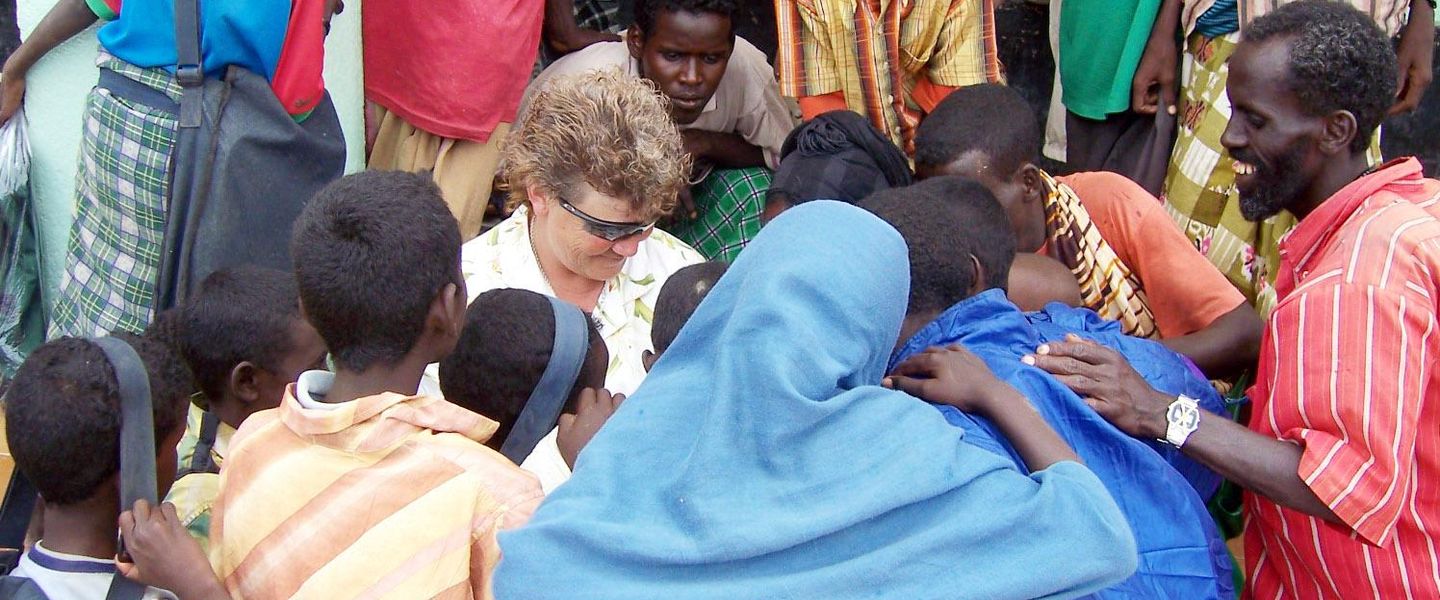


Godoria Mangrove reveals Djibouti’s remote northern coast through tidal forests, desert landscapes, marine habitats and Afar coastal heritage.
Read more about Godoria Mangrove
When is the best time to visit Godoria Mangrove?
Best: December–February · 29–30°C| Month | High (°C) | Rainfall (mm) |
|---|---|---|
| January (best) | 29 | 10 |
| February (best) | 30 | 8 |
| March | 32 | 7 |
| April | 34 | 5 |
| May | 36 | 3 |
| June | 38 | 2 |
| July | 39 | 1 |
| August | 39 | 2 |
| September | 37 | 4 |
| October | 35 | 6 |
| November | 32 | 7 |
| December (best) | 29 | 8 |
Getting to and around Godoria Mangrove
How to get there
Transportation
Top city travel guides in Godoria Mangrove
The cities of Godoria Mangrove, and the easiest places to base yourself.
-

-

-

-

-


Swipe for more cities
Destinations in Godoria Mangrove
Resorts, valleys and scenic spots worth a trip of their own.
-

-


Swipe for more destinations
Best attractions in Godoria Mangrove
Godoria Mangrove is the central natural attraction, offering close observation of a rare coastal habitat where mangrove trees occupy tidal channels beside an otherwise austere volcanic and semi-desert shore. The experience is primarily ecological: visitors may study exposed roots, mudflats, shallow water and the relationship between the mangrove and nearby marine environments, rather than expect marked trails or interpretation centres. The wider journey from Obock brings broad views of the northern Djibouti coast, sparse settlements, rocky ground and the changing colours of the Gulf of Tadjoura. Birdwatching can be rewarding, although sightings are seasonal and conditions are exposed. Nearby coastal landscapes may also appeal to travellers interested in photography, geology, fishing culture and remote-road travel, but they require local planning and should not be treated as developed leisure facilities. Godoria works best as a carefully prepared excursion within a northern Djibouti itinerary, combined with time in Obock and an appreciation of the region’s Afar coastal setting.
-
Tourist attraction
Day Forest National Park
Discover the serene beauty and diverse wildlife of Day Forest National Park in Airolaf, an ideal destination for nature lovers and adventure seekers.
-
Tourist attraction
DECAN Refuge
Explore DECAN Refuge in Djibouti, a wildlife haven brimming with unique biodiversity and breathtaking landscapes for nature enthusiasts.
-
Wildlife refuge
Mangrove de Godoria
Explore the tranquil beauty of Mangrove de Godoria, a vital wildlife refuge offering breathtaking views and diverse ecosystems in Djibouti.
-
Recreation center
Arta Beach
Experience the tranquil beauty of Arta Beach, a serene oasis on Djibouti's coastline, perfect for sunbathing, swimming, and underwater adventures.


Best landmarks in Godoria Mangrove
Godoria Mangrove itself is the defining natural landmark: a conspicuous band of tidal vegetation set against the stark, dry coast of northern Djibouti. Its visual importance comes from contrast, with green mangrove foliage and dark tidal channels standing out among pale volcanic ground, saline flats and open sea. The mangrove’s roots and waterways also represent a wider environmental landmark, marking one of the places where a desert coastline supports a productive marine nursery. The surrounding Gulf of Tadjoura shore supplies the broader geographical frame, while the remote tracks and volcanic terrain emphasise the site’s separation from Djibouti’s urban centres. Obock, although distinct from Godoria, is the nearest significant settlement and the historical reference point for understanding the northern coast; it should not be confused with the mangrove itself. There are few constructed monuments at Godoria, so the landmark experience is ecological and geographical rather than architectural.
-
 Hotel
Hotel Auberge Boulaos
A comfortable and convenient 3-star hotel in Djibouti's industrial area, offering easy access to the city's attractions and airport.
-
Tourist attraction
Day Forest National Park
Discover Djibouti's hidden gem: a lush, high-altitude forest teeming with unique wildlife and offering a refreshing escape from the desert heat.
-
Tourist attraction
DECAN Refuge
Discover Djibouti's wildlife at DECAN Refuge, a sanctuary dedicated to conservation, rehabilitation, and environmental education.
-
Parking lot
Parking Place Menelik
Discover Djibouti's vibrant city life and cultural experiences with convenient parking at Menelik, your gateway to the heart of the capital.
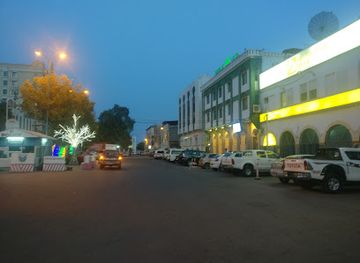
Explore Godoria Mangrove on the map
Plan your trip on one map. See where the top cities, national parks and sights are, and book hotels and experiences in a few clicks.
Best hotels in Godoria Mangrove
Best restaurants in Godoria Mangrove
There is no established restaurant scene at Godoria Mangrove, and visitors should not expect cafés, shops or food stalls beside the site. Meals and provisions are normally arranged in Obock or carried from a larger settlement, with simple local cooking shaped by Djibouti’s coastal and pastoral food culture. Rice, pasta, bread, legumes, spiced sauces, goat or other meat, and fresh or preserved fish may feature in everyday meals, while tea is an important refreshment. Seafood is more relevant along the coast than in inland Djibouti, but availability depends on local fishing and supply rather than a formal tourism market. Travellers should buy water and provisions before leaving Obock, store food securely and take all packaging back with them. Dining expectations should remain practical: the appeal of Godoria is the landscape and habitat, not a choice of destination restaurants.
-
Indian
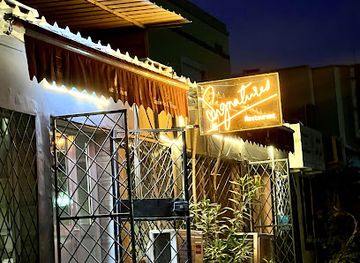
Signatures Restaurant Djibouti
Discover authentic Indian flavors at Signatures Restaurant in Djibouti – where every meal is a celebration of taste.
-
Restaurant
Pizzaiolo Haramous
Discover Pizzaiolo Haramous in Djibouti: where delicious pizza meets warm hospitality in a vibrant setting.
-
French
Café de la Gare
Experience exquisite French cuisine at Café de la Gare in Djibouti – where every meal is a celebration of flavor and culture.
-
Restaurant
Moonlight Restaurant
Savor authentic Djiboutian flavors at Moonlight Restaurant—where culinary tradition meets modern dining in an inviting atmosphere.
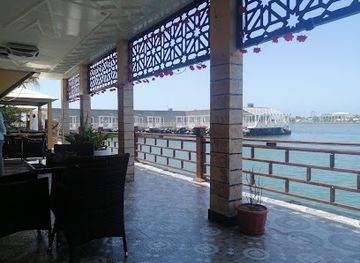
Best bars in Godoria Mangrove
Godoria Mangrove has no organised nightlife, bars or nightclubs. Evening activity is likely to centre on the practicalities of a remote coastal camp or a return to accommodation in Obock, where social life is local and low-key rather than designed around international tourism. Djibouti is predominantly Muslim, and visitors should not assume that alcohol or late-night entertainment will be available in every settlement. In Obock, any evening options are modest and should be confirmed locally rather than planned around advertised opening times. The more appropriate after-dark experience at Godoria is quiet observation of the coast, provided that the group has safe accommodation, suitable lighting, enough water and a secure transport plan. Avoid camping without local permission and guidance, especially near communities, fishing areas or tidal ground.
-
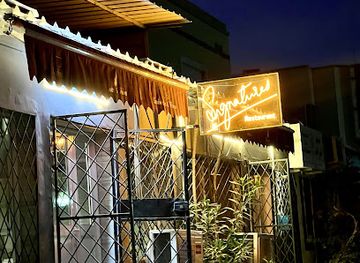
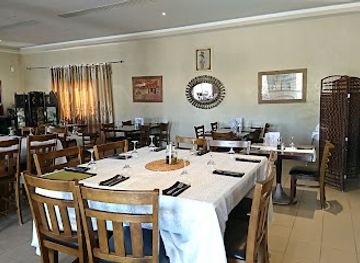
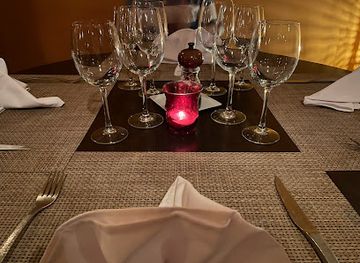
Indian
Signatures Restaurant Djibouti
Experience the essence of Indian culture through exquisite cuisine at Signatures Restaurant Djibouti, a culinary haven in Djibouti's vibrant dining scene.
-
Restaurant
Pizzaiolo Haramous
Savor authentic Italian dishes at Pizzaiolo Haramous, Djibouti's premier restaurant for delightful flavors and warm hospitality.
-
French
Café de la Gare
Experience authentic French cuisine at Café de la Gare in Djibouti, where culinary excellence meets cozy ambiance, perfect for all food lovers.
-
Restaurant
Moonlight Restaurant
Experience the perfect blend of local and international flavors at Moonlight Restaurant in Djibouti, ideal for a relaxing dining experience.
Best nightclubs in Godoria Mangrove
Godoria Mangrove has no organised nightlife, bars or nightclubs. Evening activity is likely to centre on the practicalities of a remote coastal camp or a return to accommodation in Obock, where social life is local and low-key rather than designed around international tourism. Djibouti is predominantly Muslim, and visitors should not assume that alcohol or late-night entertainment will be available in every settlement. In Obock, any evening options are modest and should be confirmed locally rather than planned around advertised opening times. The more appropriate after-dark experience at Godoria is quiet observation of the coast, provided that the group has safe accommodation, suitable lighting, enough water and a secure transport plan. Avoid camping without local permission and guidance, especially near communities, fishing areas or tidal ground.
-
Seafood
Restaurant La Mer Rouge
Experience the vibrant flavors of seafood and international cuisine at Restaurant La Mer Rouge in Djibouti, a culinary delight for every traveler.
-
Night club
Club Hermes
Dive into Djibouti's nightlife at Club Hermes, where vibrant music, dancing, and a lively atmosphere await every visitor.
-
Wildlife refuge
Mangrove de Godoria
Explore the enchanting Mangrove de Godoria, a vibrant wildlife refuge in Djibouti, filled with lush mangroves and diverse wildlife for nature lovers.
-
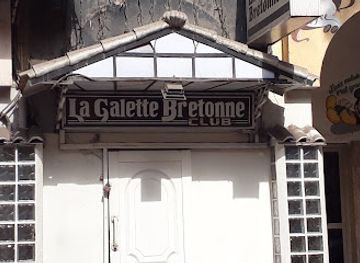
Night club
La Galette Bretonne
Dive into the dynamic nightlife of Djibouti at La Galette Bretonne, where music, dance, and culture come alive.


Best shops in Godoria Mangrove
Godoria Mangrove has no shops, market street or dedicated souvenir trade. Shopping should be completed in Djibouti City and, for final provisions, in Obock before travelling into the remote coastal landscape. Useful purchases include bottled water, food for the excursion, sun protection, fuel-related supplies and any specialist equipment required for navigation or photography. In Obock, visitors may encounter locally traded fish, basic groceries and everyday goods, but availability and payment options can be limited. The most appropriate regional purchases are practical supplies rather than branded souvenirs; any craft, textile or food item should be bought respectfully and without removing natural materials from the mangrove. Do not collect shells, wood, plants or fragments of coral as keepsakes. Travellers seeking a wider choice of Djiboutian crafts, books and packaged regional products will find considerably more variety in Djibouti City.
-
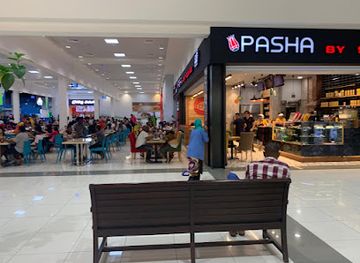
Shopping mall
Bawadi Mall Djibouti
Explore Bawadi Mall in Djibouti: A shopping paradise with diverse brands, delectable dining, and vibrant entertainment for every traveler.
-
Restaurant
Pizzaiolo Haramous
Discover authentic Italian flavors at Pizzaiolo Haramous in Djibouti, where every bite takes you on a culinary journey.
-
Hypermarket
Nougaprix Supermarket
Experience the vibrant culture of Djibouti at Nougaprix Supermarket, where local flavors and global goods meet in a shopper's paradise.
-
Yemenite
Janateyn Yemeni restaurant
Discover the authentic taste of Yemen at Janateyn Yemeni Restaurant in Djibouti, where traditional flavors meet a welcoming atmosphere.


Get your free copy of our complete guide to Godoria Mangrove, delivered straight to you.
Everything on this page, from attractions and restaurants to essentials and local phrases, in one PDF you can read offline, print or share.
Already have an account? Sign in
Your Godoria Mangrove guide is ready.
We'll send it to · Not you? Sign out

Getting your guide ready…
We are putting together a fresh copy of the Godoria Mangrove guide. This can take up to a minute.
This can take a few moments. If your browser asks, choose Allow so the download can start. You'll find the guide in your Downloads folder.
Nothing happened? Download it again
Sorry, the guide is taking longer than usual. Please try again in a minute, or get it by email instead.
Godoria Mangrove essentials
Currency and Payment
Safety
Emergency Situations
Do's and Don'ts
Local Tips
From Eve
Local phrases worth knowing
You don't need to get them perfect. A few words go a long way, and locals appreciate the effort.
Basics
| English | Local | Say it |
|---|---|---|
| Hello | As-salamu alaykum | [as-sah-lah-moo ah-lay-koom] |
| Goodbye | Ma'a as-salama | [ma'a as-sah-lah-mah] |
| Yes | Na'am | [nah-am] |
| No | La | [lah] |
| Please/You’re welcome | Afwan | [af-wan] |
| Thank you | Shukran | [shook-rahn] |
| Excuse me/Sorry | Asef | [ah-sef] |
| How are you? | Kayfa halak? | [kay-fah hah-lak] |
| Fine. And you? | Ana bikhair, wa anta? | [ah-nah bee-khair, wah an-tah] |
| Do you speak English? | Hal tatakallam al-ingliziya? | [hal tah-tah-kah-lam al-een-gli-zee-yah] |
| I don't understand | Ana la afham | [ah-nah lah ah-fham] |
Eating & Drinking
| English | Local | Say it |
|---|---|---|
| I’d like to see the menu, please | Arju an ara al-menu, min fadlik | [ar-joo an ah-rah al-men-oo, min fahd-lik] |
| I don’t eat meat | Ana la akul lahm | [ah-nah lah ah-kool lahm] |
| Cheers! | Bismillah! | [bism-il-lah] |
| I would like to pay, please | Arju an adfa'a, min fadlik | [ar-joo an ad-fah'a, min fahd-lik] |
Emergencies
| English | Local | Say it |
|---|---|---|
| Help! | Ain al-musa'ada! | [ain al-moo-sah-dah] |
| Go away! | Izhab! | [iz-hab] |
| Call the Police! | Ittasil bil-shurta! | [it-ta-sil bil-shoor-tah] |
| Call a doctor! | Ittasil bi-tabeeb! | [it-ta-sil bi-ta-beeb] |
| I’m lost | Ana tafasht | [ah-nah ta-fash-t] |
| I’m ill | Ana marid | [ah-nah ma-reed] |
Shopping
| English | Local | Say it |
|---|---|---|
| I’d like to buy... | Arju an ashtari... | [ar-joo an ash-tah-ree] |
| I’m just looking | Ana faqat an-nazir | [ah-nah fah-kat an-nah-zeer] |
| How much is it? | Kam thamanuh? | [kam tha-ma-noo] |
| That’s too expensive | Thalika ghalil jiddan | [tha-lee-kah gha-leel jid-dan] |
| Can you lower the price? | Hal mumkin an tukhafid as-sar? | [hal moom-keen an too-kha-feed as-sar] |
Time & Numbers
| English | Local | Say it |
|---|---|---|
| What time is it? | Kam as-saa'a? | [kam as-saa-a] |
| It’s one o'clock | Al-saa'a wahida | [al-saa-a wa-hee-dah] |
| Half past (10) | Nisf al-saa'a (10) | [nisf al-saa-a (10)] |
| Morning | Sabah | [sa-bah] |
| Afternoon | Ba'ad al-dhuhr | [ba-a'd al-dhohr] |
| Evening | Masa' | [ma-sah'] |
| Yesterday | Ams | [ams] |
| Today | Al-yawm | [al-yawm] |
| Tomorrow | Ghad | [ghad] |
| 1 | Wahid | [wa-hid] |
| 2 | Ithnain | [ith-nain] |
| 3 | Thalatha | [tha-la-tha] |
| 4 | Arba'a | [ar-ba-a] |
| 5 | Khamsa | [kham-sa] |
| 6 | Sitta | [sit-ta] |
| 7 | Sab'a | [sab-a] |
| 8 | Thamaniya | [tha-ma-ni-ya] |
| 9 | Tis'a | [tis-a] |
| 10 | Ashara | [a-sha-ra] |
Transport & Directions
| English | Local | Say it |
|---|---|---|
| Where's a/the...? | Ayna ...? | [ay-na] |
| What’s the address? | Ma huwa al-'unwan? | [ma hoo-wah al-un-wan] |
| Can you show me (on the map)? | Hal mumkin an turini (ala al-kharita)? | [hal moom-keen an too-ree-nee (ah-lah al-kha-ree-tah)] |
| When’s the next (bus)? | Mata al-bus al-qadim? | [ma-ta al-boos al-qa-deem] |
| A ticket (to ....) | Tazkara (ila ...) | [taz-kar-ah (ee-lah)] |
History of Godoria Mangrove
Afar Coastal Landscapes and Early Settlement
Godoria lies within the wider Afar cultural and geographical world, a region shaped by volcanic activity, extreme aridity, seasonal water scarcity and movement between the coast and inland lowlands. Human communities have long adapted to these conditions through pastoralism, fishing, salt-related activity and knowledge of coastal and desert routes. Archaeological evidence across the Horn of Africa shows that the wider region has been connected to long-distance human movement since deep prehistory, although the mangrove itself is better understood as a living ecological feature than as a monumental archaeological site.
Red Sea and Gulf of Aden Exchange
The northern shores of present-day Djibouti formed part of a maritime corridor linking the Red Sea, the Gulf of Aden and the wider western Indian Ocean. Sailors, merchants and pastoral communities used coastal anchorages and overland routes to exchange foodstuffs, livestock, salt and other goods. Islam spread through these wider commercial and cultural networks, becoming a central influence in the societies of the region. Godoria’s location on the northern coast places it within this broad history of movement, even though there is no substantial historic town or port infrastructure at the mangrove itself.
Obock and the French Colonial Advance
During the nineteenth century, European interest in the Red Sea intensified as maritime routes towards India and Asia gained strategic importance. France established a foothold at Obock in the 1860s and subsequently expanded its influence along the Gulf of Tadjoura and surrounding territories. Obock therefore became an early centre of French colonial activity in what was later called French Somaliland. The colonial period altered administration, port activity and regional trade, while the remote coast beyond Obock remained lightly settled and dependent on local mobility.
French Somaliland and the Port of Djibouti
French Somaliland developed around the strategic port of Djibouti, founded later than the initial establishment at Obock and increasingly favoured as the main centre of administration and commerce. The railway connection towards Ethiopia strengthened Djibouti’s regional importance and redirected much economic activity away from smaller northern settlements. Godoria was not transformed into a major industrial or urban centre; its historical importance instead lies in its position within the coastal landscape that supported travel, fishing and communication between Obock, the Gulf of Tadjoura and the Gulf of Aden.
Independence and the Obock Region
Djibouti became independent from France in 1977, creating a national framework within which the northern coast and Obock Region remained part of a strategically important but sparsely populated country. Obock continues to serve as the principal local base for journeys along this remote coastline. Modern travel to Godoria is shaped less by colonial infrastructure than by geography: rough access routes, long distances, limited services and the need to understand tides and weather remain central to visiting the area.
Mangrove Conservation and Coastal Awareness
In contemporary Djibouti, mangroves such as Godoria are increasingly valued as habitats within a coastline under pressure from climate variability, coastal disturbance and changing patterns of resource use. Their roots provide nursery areas for marine life, retain sediment and contribute to shoreline stability. Conservation at Godoria is closely linked to responsible tourism and local stewardship rather than to large-scale visitor infrastructure. Protecting the site means limiting physical damage, avoiding pollution and recognising the knowledge of communities familiar with the coast.
Godoria Mangrove in Photos
Browse through our photo collection highlighting the charm and character of the destination.
Neighbouring regions of Godoria Mangrove
The closest regions to Godoria Mangrove, if you have time for more than one.
-

-

-

-

-


Swipe for more regions
Explore more

Explore more of Djibouti
Discover Djibouti: A hidden gem in the Horn of Africa, where stunning landscapes, rich culture, and unique adventures await every traveler.
Explore Djibouti