

Free Obock Region Travel Guide & Mobile App
Explore Obock Region with free travel guides. Discover regional history, expert tips, proposed trips, and audio guides on web or mobile app.


Explore Djibouti’s remote Obock Region for Afar heritage, volcanic shores, mangroves, desert landscapes and marine life in the Seven Brothers.
Read more about Obock Region
When is the best time to visit Obock Region?
Best: December–February · 30–31°C| Month | High (°C) | Rainfall (mm) |
|---|---|---|
| January (best) | 30 | 5 |
| February (best) | 31 | 4 |
| March | 33 | 3 |
| April | 36 | 2 |
| May | 38 | 1 |
| June | 40 | 1 |
| July | 40 | 1 |
| August | 40 | 2 |
| September | 38 | 2 |
| October | 36 | 3 |
| November | 33 | 4 |
| December (best) | 30 | 5 |
Getting to and around Obock Region
How to get there
Transportation
Top city travel guides in Obock Region
The cities of Obock Region, and the easiest places to base yourself.
-

-

-

-

-


Swipe for more cities
Destinations in Obock Region
Resorts, valleys and scenic spots worth a trip of their own.
-

-


Swipe for more destinations
Best attractions in Obock Region
Obock Region’s attractions are primarily geographical, maritime and historical rather than built for mass tourism. Obock town offers a sense of Djibouti’s earliest French colonial foothold, while the surrounding coast reveals broad tidal flats, volcanic headlands and quiet fishing landscapes. The Godoria area is notable for mangroves and coastal ecology, set against an otherwise austere desert environment. Offshore, the Seven Brothers, or Sawabi Islands, are the region’s best-known natural attraction, with coral habitats and opportunities for diving, snorkelling and boat-based observation when conditions and access allow. Ras Siyan and the northern Gulf of Tadjoura add geological and maritime interest, though remote travel requires advance arrangements, water, fuel and local guidance. The region is also valuable for experiencing Afar cultural landscapes, pastoral routes and the scale of the Red Sea frontier. Visitors should not expect a dense sequence of museums, family attractions or fully serviced parks; the appeal lies in expedition-style travel, open scenery and fragile marine and desert environments. Responsible operators and small groups are especially important in places where rescue, waste collection and visitor infrastructure remain limited.
-
Wildlife refuge
Mangrove de Godoria
Explore the tranquil beauty of Mangrove de Godoria, a wildlife refuge in Djibouti, where lush mangroves meet vibrant ecosystems and serene landscapes.
-
Tourist attraction
Le K plage - Camp at Moucha Island
Discover Le K Plage on Moucha Island, a tropical paradise in Djibouti with stunning beaches, vibrant marine life, and delightful local cuisine.


Best landmarks in Obock Region
Obock town is the region’s principal historic landmark, representing the first French colonial foothold in the territory that later became Djibouti. Its significance lies less in monumental architecture than in its role in the early coastal administration and in the later shift of political and commercial importance towards Djibouti City. The Gulf of Tadjoura coastline provides the region’s great geographical landmarks, with volcanic shores and headlands defining the approach to the Bab el-Mandeb. Ras Siyan is a prominent point in the northern coastal landscape, while the Godoria mangroves form a striking natural contrast to surrounding arid terrain. Offshore, the Seven Brothers or Sawabi Islands are recognised for their isolated volcanic setting and marine ecosystems. These islands are landmarks as much for their position in the Red Sea landscape as for their diving interest. Access to several of these places is remote and weather-dependent, and they should be approached as fragile environments rather than developed sightseeing sites.
-
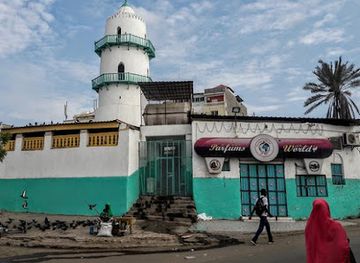
Mosque
Mosquée Al-Hamoudi
Discover Djibouti City's iconic Al-Hamoudi Mosque, a symbol of faith, history, and cultural fusion in the heart of the capital.
-
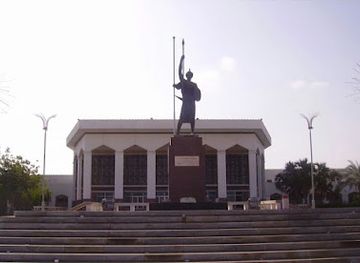
Historical landmark
The People's Palace
A landmark monument in Djibouti City, commemorating the nation's freedom struggle and offering a glimpse into its political and cultural landscape.
-
Beach pavillion
Sables blancs
Discover Sables Blancs, Tadjoura: A pristine beach with crystal-clear waters, perfect for relaxation, snorkeling, and experiencing local Djiboutian culture.
-
Island
Moucha Island
Discover Moucha Island: A serene coral paradise in Djibouti offering pristine beaches, vibrant marine life, historical sites, and tranquil escapes.
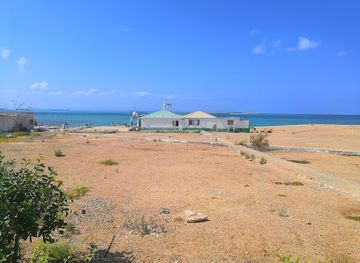
Explore Obock Region on the map
Plan your trip on one map. See where the top cities, national parks and sights are, and book hotels and experiences in a few clicks.
Best hotels in Obock Region
Best restaurants in Obock Region
Dining in Obock Region is simple, local and shaped by what can be supplied in a remote coastal environment. Obock town has modest eating places and guesthouse meals rather than a large restaurant scene. Rice, pasta, bread, legumes, goat and camel meat, and spiced stews reflect the broader culinary influences of Djibouti and the Horn of Africa, while fish may be available near fishing communities when the catch and supply arrangements permit. Sweet tea and strong coffee are common parts of social hospitality, and meals may be shared in accordance with local customs. Visitors travelling beyond town should carry provisions and confirm meals with accommodation providers in advance. Fresh produce can be limited, particularly on long excursions, so food planning matters as much as restaurant choice. Alcohol is not central to local dining culture, and visitors should be discreet and respectful when eating in predominantly Muslim communities.
-
Indian
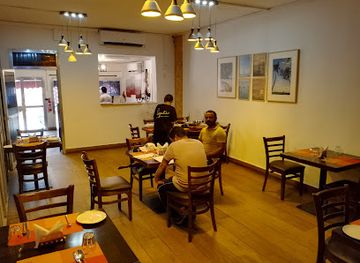
Signatures Restaurant Djibouti
Experience the essence of India at Signatures Restaurant Djibouti - where authentic flavors meet exceptional service.
-
Restaurant
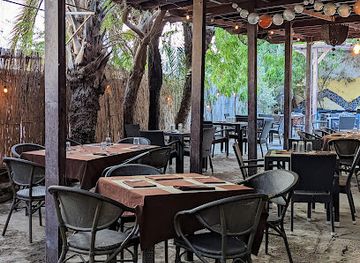
Melting Pot
Discover an eclectic dining experience at Melting Pot in Djibouti - where global flavors meet local hospitality.
-
French
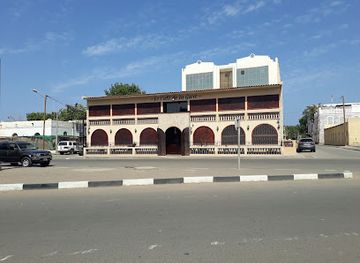
Café de la Gare
Discover exquisite French cuisine at Café de la Gare in Djibouti - where culinary tradition meets local charm.
-
Restaurant
Moonlight Restaurant
Experience authentic Djiboutian flavors at Moonlight Restaurant – where every meal is a celebration of local culture.
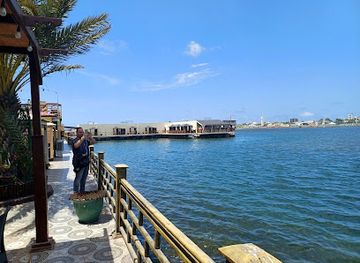
Best bars in Obock Region
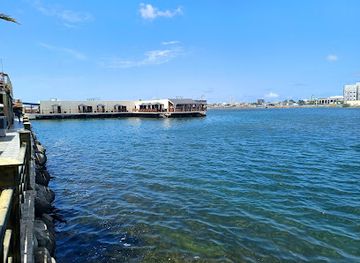
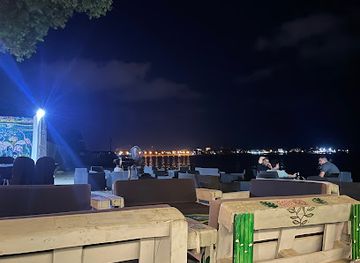
Obock Region does not have a significant nightclub or late-night entertainment scene. Evening life is centred on homes, small cafés, guesthouses and informal social gatherings rather than dedicated bars and clubs. In Obock town, visitors may find simple places to drink tea, coffee or soft drinks, but opening arrangements and availability can vary. Alcohol is not central to public life and should never be assumed to be available, particularly outside accommodation serving international travellers. After dark, the region becomes quiet, with the desert and coastal environment taking precedence over entertainment. Remote excursions require particular care at night because roads are poorly lit, mobile coverage may be limited and navigation is difficult. Cultural interaction, conversation and observing the clear night sky are more realistic evening experiences than a conventional nightlife itinerary.
-
Restaurant
Moonlight Restaurant
Experience the vibrant flavors of Djibouti at Moonlight Restaurant, where local cuisine meets warm hospitality in a charming atmosphere.
-
Pub
11 Degrees North
Discover the lively spirit of Djibouti at 11 Degrees North, a pub where great music and local culture meet in a vibrant setting.
-
Seafood
Restaurant La Mer Rouge
Discover the rich flavors of Djibouti at Restaurant La Mer Rouge, a lively seafood haven with a unique blend of international cuisines and entertainment.
-
Restaurant
Beach House
Experience the coastal charm of Djibouti at Beach House, where fresh seafood meets stunning ocean views in a delightful dining atmosphere.


Best nightclubs in Obock Region
Obock Region does not have a significant nightclub or late-night entertainment scene. Evening life is centred on homes, small cafés, guesthouses and informal social gatherings rather than dedicated bars and clubs. In Obock town, visitors may find simple places to drink tea, coffee or soft drinks, but opening arrangements and availability can vary. Alcohol is not central to public life and should never be assumed to be available, particularly outside accommodation serving international travellers. After dark, the region becomes quiet, with the desert and coastal environment taking precedence over entertainment. Remote excursions require particular care at night because roads are poorly lit, mobile coverage may be limited and navigation is difficult. Cultural interaction, conversation and observing the clear night sky are more realistic evening experiences than a conventional nightlife itinerary.
-
Night club
Club Hermes
Discover the nightlife of Djibouti at Club Hermes, where music, dance, and vibrant atmosphere come together for an unforgettable experience.
-
Night club
La Galette Bretonne
Discover the lively nightlife of Djibouti at La Galette Bretonne – a vibrant night club with an electric atmosphere and local flavors.
-
 Bar
BarSafari Club Kempinski
Discover the vibrant nightlife at Safari Club Kempinski, where exquisite cocktails and lively music create an unforgettable experience in Djibouti.
-
Restaurant
Crystal Lounge Sheraton Djibouti
Discover the elegance of Crystal Lounge Sheraton Djibouti, a perfect blend of local flavors and international cuisine in a chic setting.


Best shops in Obock Region
Shopping in Obock Region is limited and practical rather than centred on department stores or specialist retail districts. Obock town may offer small general shops, market-style stalls and basic supplies, but visitors should buy fuel-related necessities, medicines, snacks and substantial water stocks before travelling into remote areas. Local shopping may include woven items, simple household goods and regional food products, although availability depends on season and supply. Fish and other fresh produce can be encountered near coastal communities, but purchasing arrangements should be respectful and never disrupt local livelihoods. Djibouti City is the better place for a broad selection of souvenirs, crafts, packaged food and reliable travel equipment before or after a regional journey. When buying locally, fair payment and restraint are important: archaeological objects, shells, coral and wildlife products should not be purchased or removed, and visitors should avoid treating informal village activity as a staged marketplace.
-
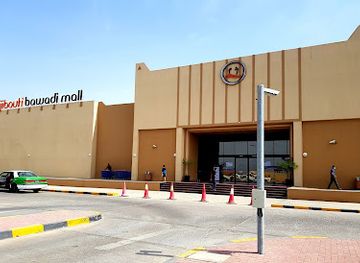
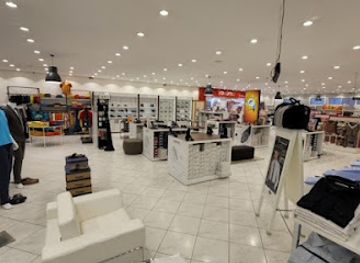
Shopping mall
Bawadi Mall Djibouti
Discover Bawadi Mall, Djibouti's premier shopping destination featuring international brands, local cuisine, and a vibrant cultural experience.
-
Hypermarket
Hypermarché Al Gamil
Explore Hypermarché Al Gamil, your ultimate shopping destination in Djibouti for local flavors and international goods.
-
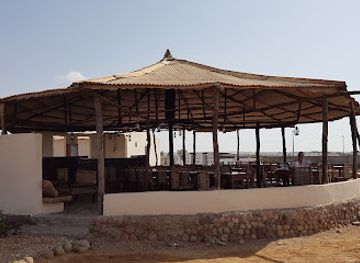
Guest house
La Mer Rouge Village
Experience the serene beauty of La Mer Rouge Village, a guest house in Obock, Djibouti, where comfort meets local culture amidst stunning coastal landscapes.
-
Store
SVAMC STORE
Explore the SVAMC Store in Djibouti for an authentic shopping experience filled with local culture, unique souvenirs, and friendly service.

Get your free copy of our complete guide to Obock Region, delivered straight to you.
Everything on this page, from attractions and restaurants to essentials and local phrases, in one PDF you can read offline, print or share.
Already have an account? Sign in
Your Obock Region guide is ready.
We'll send it to · Not you? Sign out

Getting your guide ready…
We are putting together a fresh copy of the Obock Region guide. This can take up to a minute.
This can take a few moments. If your browser asks, choose Allow so the download can start. You'll find the guide in your Downloads folder.
Nothing happened? Download it again
Sorry, the guide is taking longer than usual. Please try again in a minute, or get it by email instead.
Obock Region essentials
Currency and Payment
Safety
Emergency Situations
Do's and Don'ts
Local Tips
From Eve
Local phrases worth knowing
You don't need to get them perfect. A few words go a long way, and locals appreciate the effort.
Basics
| English | Local | Say it |
|---|---|---|
| Hello | Salam | [sah-lahm] |
| Goodbye | Nabad gelyo | [nah-bahd gel-yoh] |
| Yes | Haa | [hah] |
| No | Maya | [mah-yah] |
| Please/You're welcome | Fadlan | [fahd-lan] |
| Thank you | Mahadsanid | [mah-hahd-sah-nid] |
| Excuse me/Sorry | Raali ahow | [rah-lee ah-oh] |
| How are you? | Sidee tahay? | [see-dee tah-hay] |
| Fine. And you? | Waan fiicanahay. Adiguna? | [wahn fee-ahn-ah-hay. ah-dee-guna?] |
| Do you speak English? | Ma ku hadashaa Ingiriis? | [mah koo ha-dah-shah in-gee-rees?] |
| I don't understand | Anigu ma fahmin | [ah-nee-goo mah fah-min] |
Eating & Drinking
| English | Local | Say it |
|---|---|---|
| I'd like to see the menu, please | Fadlan ii soo bandhig menu-ga | [fahd-lan ee so ban-dhig meh-noo-gah] |
| I don't eat meat | Anigu ma cuno hilib | [ah-nee-goo mah koo-no hi-lib] |
| Cheers! | Kareem! | [kah-reem] |
| I would like to pay, please | Fadlan waxaan rabaa inaan bixiyo | [fahd-lan wee-han rah-bah ee-nan bee-kee-yoh] |
Emergencies
| English | Local | Say it |
|---|---|---|
| Help! | Caawimaad! | [cah-wee-mahd] |
| Go away! | Ka tag! | [kah tahg] |
| Call the Police! | Wac Booliska! | [wahk boh-lees-kah] |
| Call a doctor! | Wac dhakhtar! | [wahk dahk-tahr] |
| I'm lost | Waan lumay | [wahn loo-may] |
| I'm ill | Waan xanuunsanahay | [wahn khan-oon-sah-nah-hay] |
Shopping
| English | Local | Say it |
|---|---|---|
| I'd like to buy... | Waxaan rabaa inaan iibsado... | [wah-han rah-bah ee-nan ee-b-sah-do...] |
| I'm just looking | Waxaan kaliya eegayaa | [wah-han kah-lee-yah eh-gah-yah] |
| How much is it? | Imisa ayay tahay? | [ee-mee-sah ah-yay tah-hay] |
| That's too expensive | Taasi waa qaali | [tah-see wah kah-lee] |
| Can you lower the price? | Ma hoos u dhigaysaa qiimaha? | [mah hoos oo dhih-gah-y-sah kee-mah-ha] |
Time & Numbers
| English | Local | Say it |
|---|---|---|
| What time is it? | Waa imisa saac? | [wah ee-mee-sah sah-ahk] |
| It's one o'clock | Waa 1 saac | [wah 1 sah-ahk] |
| Half past (10) | Bar-qab (10) | [bar-kahb (10)] |
| Morning | Subax | [soo-bahx] |
| Afternoon | Duhur | [doo-hoor] |
| Evening | Fiidnimo | [fee-dnee-moh] |
| Yesterday | Shalay | [sha-lay] |
| Today | Maanta | [maan-tah] |
| Tomorrow | Berri | [behr-ree] |
| 1 | Kow | [koh] |
| 2 | Laba | [lah-bah] |
| 3 | Saddex | [sah-ddeh] |
| 4 | Afar | [ah-far] |
| 5 | Shan | [shan] |
| 6 | Lix | [leex] |
| 7 | Toddoba | [toh-doh-bah] |
| 8 | Siddeed | [sid-deed] |
| 9 | Sagaal | [sah-gahl] |
| 10 | Toban | [toh-bahn] |
Transport & Directions
| English | Local | Say it |
|---|---|---|
| Where's a/the...? | Halkee...? | [hal-kay] |
| What's the address? | Waa maxay cinwaanka? | [wah mah-kay sin-wah-ankah] |
| Can you show me (on the map)? | Ma ii tusaysaa (khariidada)? | [mah ee too-sah-y-sah (kha-reed-ah-dah)] |
| When's the next (bus)? | Goorma ayaa (baska) xiga? | [goor-mah ah-yah (bask-ah) hee-gah] |
| A ticket (to ....) | Tigid (u ...) | [tee-geed (oo ...)] |
History of Obock Region
Afar sultanates and ancient Red Sea exchange
Before modern colonial administration, the area around Obock formed part of a wider Afar and Red Sea world linked by pastoral routes, fishing grounds and maritime exchange. Authority was exercised through local sultanates and community leaders rather than through a central state resembling the modern Republic of Djibouti. The coast’s position near the Bab el-Mandeb gave it strategic importance, while the harsh climate encouraged movement between wells, grazing areas and settlements. These older patterns remain relevant to understanding the region’s cultural geography and its continuing Afar identity.
French acquisition of Obock in the 1880s
France established its first territorial foothold in what is now Djibouti through agreements concluded with local rulers in the Obock area during the 1880s. The settlement became the initial centre of French activity on the northern Gulf of Tadjoura, reflecting European competition for influence along the approaches to the Red Sea. French control expanded gradually and was never simply a transformation of an empty coast: it intersected with existing authority, trade and pastoral use. Obock therefore represents the opening phase of the colonial history of French Somaliland.
The shift towards Djibouti City
Obock’s early administrative prominence declined when the French developed the deeper harbour and more strategically located settlement that became Djibouti City. The later construction of the railway towards Ethiopia further strengthened Djibouti City as the territory’s commercial and political centre. Obock remained an important northern coastal settlement, but it was no longer the principal gateway for colonial administration or regional trade. The contrast between the two places still shapes travel today: Djibouti City is the national hub, while Obock retains a quieter and more remote character.
French Somaliland and Red Sea strategy
During the late nineteenth and early twentieth centuries, the wider Djibouti territory served as a French base near one of the world’s most important maritime passages. Obock’s location on the Gulf of Tadjoura placed it within the political and naval geography of the Red Sea, even though the settlement never acquired the scale of Djibouti City. Colonial rule brought new administrative boundaries and transport links, while local communities continued pastoral, fishing and trading practices. The region’s modern history is consequently a combination of imperial strategy and enduring local livelihoods.
War, decolonisation and the Republic of Djibouti
The territory experienced the wider political and economic pressures affecting the Horn of Africa during the Second World War and the post-war period. French Somaliland later became the French Territory of the Afars and the Issas, before Djibouti gained independence in 1977. Obock Region entered the new republic as a large, lightly populated northern territory with a predominantly Afar cultural character and limited infrastructure. National development has brought roads, public services and communications, but remoteness continues to influence everyday life and tourism.
Contemporary maritime and conservation interest
In recent decades, interest in northern Djibouti has increasingly included marine tourism, diving and the conservation of fragile coastal environments. The Seven Brothers, the Gulf of Tadjoura and the Godoria mangrove area are valued for their coral, fish, seabirds and wider Red Sea ecology. Development remains limited, and environmental pressures such as overfishing, waste and climate stress make careful management important. Obock’s future as a destination depends on balancing better access and local economic opportunity with protection of its desert and marine habitats.
Obock Region in Photos
Browse through our photo collection highlighting the charm and character of the destination.
Neighbouring regions of Obock Region
The closest regions to Obock Region, if you have time for more than one.
-

-

-

-

-


Swipe for more regions
Explore more

Explore more of Djibouti
Discover Djibouti: A hidden gem in the Horn of Africa, where stunning landscapes, rich culture, and unique adventures await every traveler.
Explore Djibouti