

Saint Peter, Dominica Travel Guide
Discover the lush landscapes, vibrant marine life, and rich cultural heritage of Saint Peter in Dominica, a true Caribbean gem.
Nestled in the heart of Dominica, Saint Peter offers an enchanting escape for travelers seeking both adventure and tranquility. Known for its lush landscapes and serene coastal views, this destination is a haven for nature lovers and beach enthusiasts alike. Explore the vibrant marine life at Champagne Reef, where you can snorkel or dive in crystal-clear waters. The reef gets its name from the volcanic bubbles that rise from the ocean floor, creating a unique underwater experience. On land, the Morne Diablotin National Park beckons with its challenging trails and the chance to spot the island's endemic parrot, the Sisserou. Saint Peter is also rich in cultural heritage. Visit the iconic Catholic Church of Saint Peter, a historic landmark that offers a glimpse into the island's colonial past. The nearby villages provide an authentic taste of local life, with friendly residents eager to share stories and traditional dishes. Don't miss the opportunity to try the island's famous Creole cuisine, featuring fresh seafood and tropical fruits.

Know before you go
Hi, I'm Eve. Here are a few practical things to know before exploring Saint Peter.
- Best time to visit is from November to April when the weather is most pleasant.
- Carry cash, as many local vendors may not accept credit cards.
- Hire a local guide for hiking trails to fully appreciate the biodiversity and to ensure safety.
- Try to visit during a local festival for an immersive cultural experience.
- Pack reef-safe sunscreen to help protect the marine environment at Champagne Reef.
Explore Saint Peter: Things to Do, Places to Eat, Hotels & More
Handpicked recommendations for top attractions, local dining, accommodations, and more

Top Attractions & Sightseeing in Saint Peter
Top-rated picks
Best Attractions

Dominica Botanical Gardens
Discover the breathtaking beauty of Dominica Botanical Gardens, a tropical paradise filled with exotic flora and vibrant landscapes in the heart of Roseau.

Emerald Pool
Explore the breathtaking Emerald Pool in Dominica, a serene oasis surrounded by lush rainforest, perfect for relaxation and adventure.

Trafalgar Falls
Experience the breathtaking beauty of Trafalgar Falls in Dominica, where nature meets adventure in a stunning tropical paradise.

Titou Gorge
Experience the breathtaking beauty of Titou Gorge, a stunning natural attraction in Dominica, perfect for swimming, hiking, and adventure seekers.

Best landmarks in Saint Peter
Top-rated picks
Best Landmarks

Batibou Beach
Discover Dominica's hidden paradise at Batibou Beach: a secluded haven of golden sands, turquoise waters, and lush rainforest, offering an unforgettable Caribbean escape.

Champagne Reef, Dominica
Snorkel or dive in warm, bubbling waters at Dominica's Champagne Reef, a unique marine ecosystem with vibrant life and volcanic vents.

Dominica
Discover Dominica, the 'Nature Island' of the Caribbean: a haven of rainforests, volcanoes & vibrant Creole culture. An unforgettable eco-adventure awaits!

Emerald Pool
Discover Dominica's Emerald Pool: A mesmerizing waterfall and emerald-green pool nestled in a lush rainforest paradise within Morne Trois Pitons National Park.

Best restaurants in Saint Peter
Top-rated picks
Best Restaurants

Keepin'It Real
Discover delicious local cuisine at Keepin'It Real on Toucari Beach - where great food meets adventure!

Purple Turtle Beach Club
Savor delightful Caribbean cuisine with stunning ocean views at Purple Turtle Beach Club in Portsmouth.

Chez Wen Cuisine
Discover fresh seafood delights at Chez Wen Cuisine in Scott's Head, Dominica—where every dish celebrates island flavors.

Sunset Bay Club & SeaSide Dive Resort
Experience culinary excellence and vibrant marine adventures at Sunset Bay Club & SeaSide Dive Resort in Baroui.

Best bars in Saint Peter
Top-rated picks
Best Bars

Purple Turtle Beach Club
Experience the vibrant dining scene at Purple Turtle Beach Club, where delicious Caribbean cuisine meets stunning ocean views in Portsmouth.

Lacou Melrose House
Experience the flavors of Dominica at Lacou Melrose House, a premier restaurant in Roseau offering fresh local cuisine in a charming setting.

Coral Reef Bar & Restaurant
Discover the vibrant flavors of the Caribbean at Coral Reef Bar & Restaurant in Calibishie, where great food meets stunning ocean views.

Hi Rise Beach Bar
Experience the vibrant atmosphere and stunning views at Hi Rise Beach Bar, Roseau's perfect spot for relaxation and delicious Caribbean cuisine.

Best nightclubs in Saint Peter
Top-rated picks
Best Nightclubs

Hi Rise Beach Bar
Experience vibrant Caribbean culture at Hi Rise Beach Bar, a beachfront gem in Roseau serving delicious food and cocktails with stunning views.

JRs Bar
Dive into the vibrant nightlife at JRs Bar in Roseau, where refreshing drinks and lively music create an unforgettable local experience.

The Velvet Lounge, Café-Bar
Discover The Velvet Lounge, Café-Bar in Roseau – a chic retreat offering great drinks, music, and atmosphere for the perfect evening out.

Club Access Bar & Grill
Discover the heart of San Sauveur's nightlife at Club Access Bar & Grill, where delicious food, vibrant music, and unforgettable experiences await.

Best shops in Saint Peter
Top-rated picks
Best Shops

Fort Young Hotel and Dive Resort
Experience luxury and adventure at Fort Young Hotel and Dive Resort, the ultimate Caribbean getaway in Roseau, Dominica.

Jungle Bay Dominica
Discover the enchanting Jungle Bay Dominica, where luxury meets nature in a tranquil resort setting, perfect for relaxation and adventure.

Ti Kwen Glo Cho
Discover tranquility and adventure at Ti Kwen Glo Cho, the premier resort hotel in Wotten Waven, Dominica, where relaxation meets the beauty of nature.

Kalinago Barana Aute
Discover the vibrant heritage of the Kalinago people at Kalinago Barana Aute, a cultural center on Dominica that celebrates indigenous traditions and crafts.

Explore Saint Peter on the Map
A handpicked selection of must-see spots in Saint Peter, mapped for you.
Saint Peter Essentials
-
Saint Peter in Dominica is accessible via Douglas-Charles Airport (DOM), located approximately 40 kilometers from Saint Peter. From the airport, you can take a taxi or rent a car to reach Saint Peter. The drive typically takes around 1 hour. Alternatively, you can fly into Melville Hall Airport, which is also close by. There are regular ferry services from neighboring islands like Guadeloupe, Martinique, and Saint Lucia to Roseau, the capital of Dominica, from where you can take a bus or taxi to Saint Peter.
-
Saint Peter is a relatively small area, and many attractions are within walking distance. For longer trips, local buses and taxis are readily available. Car rentals are also an option, allowing more flexibility to explore at your own pace. Remember that driving is on the left side of the road in Dominica. Bicycles can be rented for eco-friendly travel around the area.
-
The official currency is the Eastern Caribbean Dollar (XCD). US dollars are also widely accepted in tourist areas. Credit cards are accepted in most hotels, restaurants, and shops, but it's advisable to carry some cash for smaller establishments and local markets. ATMs are available in Saint Peter, but it’s wise to have some cash on hand before arriving.
-
Saint Peter is generally safe for tourists. However, standard precautions should be taken. Avoid walking alone at night in secluded areas and keep an eye on your belongings in crowded places. There are no specific high-crime areas targeting tourists, but always stay vigilant and aware of your surroundings. It’s advisable to leave valuables in a hotel safe.
-
In case of emergency, dial 999 for immediate assistance. The nearest medical facilities are in Portsmouth, which is a short drive away. It is recommended to have travel insurance that covers medical emergencies. For minor health issues, there are pharmacies in Saint Peter where you can purchase over-the-counter medications.
-
Fashion: Do dress modestly, especially when visiting religious sites. Avoid wearing revealing clothing. Religion: Do respect local customs and traditions. Always dress appropriately when entering churches. Public Transport: Do be respectful and give up your seat to elderly passengers. Don't eat or drink on public transport. Greetings: Do greet people with a friendly 'Good day' or 'Hello.' A handshake is a common form of greeting. Eating & Drinking: Do try local delicacies and accept food offerings graciously. Don't refuse hospitality, as it is considered impolite.
-
To experience Saint Peter like a local, visit the local markets where you can buy fresh produce and traditional Dominican goods. Engage with locals, as they are often friendly and willing to share stories about the area's history and culture. Don't miss visiting the Indian River for a unique boat tour experience. For a taste of local cuisine, try dishes like Callaloo soup, Mountain Chicken, and the island's fresh seafood.
When is the best time to visit Saint Peter?
Useful Local Phrases for Saint Peter
You don't need to speak the language perfectly. Even learning a few simple words can make conversations warmer—and locals usually appreciate the effort.
— Eve

Here are the phrases I use most often in Saint Peter. Try a few—you'll be surprised how far they go! 😊
❤️
-
- HelloHello
[Heh-loh] - GoodbyeGoodbye
[Guhd-bye] - YesYes
[Yes] - NoNo
[No] - Please/You're welcomePlease/You're welcome
[Pleez/Yo're welcum] - Thank youThank you
[Thangk you] - Excuse me/SorryExcuse me/Sorry
[Exkyooz me/Saw-ree] - How are you?How are you?
[How ar you?] - Fine. And you?Fine. And you?
[Fine. And you?] - Do you speak English?Do you speak English?
[Do you speak Inglish?] - I don't understandI don't understand
[I don't understan]
- HelloHello
-
- I'd like to see the menu, pleaseI'd like to see the menu, please
[I'd like to see the menu, pleez] - I don't eat meatI don't eat meat
[I don't eet meet] - Cheers!Cheers!
[Cheerz!] - I would like to pay, pleaseI would like to pay, please
[I wud like to pay, pleez]
- I'd like to see the menu, pleaseI'd like to see the menu, please
-
- Help!Help!
[Help!] - Go away!Go away!
[Go awai!] - Call the Police!Call the Police!
[Call the Puh-lees!] - Call a doctor!Call a doctor!
[Call a dok-tor!] - I'm lostI'm lost
[I'm lost] - I'm illI'm ill
[I'm il]
- Help!Help!
-
- I'd like to buy...I'd like to buy...
[I'd like to buy...] - I'm just lookingI'm just looking
[I'm just looking] - How much is it?How much is it?
[How much iz it?] - That's too expensiveThat's too expensive
[That's too expensiv] - Can you lower the price?Can you lower the price?
[Can you lower the pryce?]
- I'd like to buy...I'd like to buy...
-
- What time is it?What time is it?
[What tym iz it?] - It's one o'clockIt's one o'clock
[It's wun o'clock] - Half past (10)Half past (10)
[Half past (10)] - MorningMorning
[Morn-ing] - AfternoonAfternoon
[Af-ter-noon] - EveningEvening
[Eve-ning] - YesterdayYesterday
[Yes-ter-day] - TodayToday
[To-day] - TomorrowTomorrow
[To-mor-row] - 11
[One] - 22
[Two] - 33
[Three] - 44
[Four] - 55
[Five] - 66
[Six] - 77
[Seven] - 88
[Eight] - 99
[Nine] - 1010
[Ten]
- What time is it?What time is it?
-
- Where's a/the...?Where's a/the...?
[Where's a/the...?] - What's the address?What's the address?
[What's the ad-dress?] - Can you show me (on the map)?Can you show me (on the map)?
[Can you show me (on the map)?] - When's the next (bus)?When's the next (bus)?
[When's the next (bus)?] - A ticket (to....)A ticket (to....)
[A tik-it (to....)]
- Where's a/the...?Where's a/the...?
History of Saint Peter
-
Long before European settlers arrived, the area now known as Saint Peter was inhabited by the Kalinago people. Their rich culture and connection to the land are still evident today in traditional crafts, storytelling, and the remnants of their ancient villages.
-
In 1493, Christopher Columbus made his second voyage to the New World and sighted the island of Dominica. He named it after the Latin word for Sunday, 'Dominica,' as he discovered it on that day. This marked the beginning of European interest in the region.
-
Throughout the 17th and 18th centuries, Dominica was a hotly contested territory between the French and British. The Treaty of Aix-la-Chapelle (1748) and the Treaty of Paris (1763) saw the island frequently change hands, significantly impacting the cultural and social landscape of Saint Peter.
-
The Maroons were enslaved Africans who escaped from plantations and established their own communities in the rugged interior of Dominica. Their acts of resistance against colonial powers are a significant chapter in the history of Saint Peter, exemplifying the spirit of freedom and resilience.
-
In 1834, slavery was abolished in Dominica, leading to significant socio-economic changes in Saint Peter. Formerly enslaved people began to establish their own communities and engage in small-scale agriculture, laying the groundwork for the modern society we see today.
-
Dominica gained independence from Britain on November 3, 1978. Since then, Saint Peter has seen various development projects aimed at improving infrastructure, education, and healthcare, while preserving its rich cultural heritage.
-
Saint Peter is renowned for its vibrant cultural festivals, such as the annual Creole Festival and the Feast of Saint Peter. These events celebrate the island's diverse heritage, featuring traditional music, dance, and cuisine that reflect the area's historical influences.
Neighbouring Regions of Saint Peter
The closest regions to Saint Peter, if you have time for more than one.


Your all‑in‑one travel companion app
Explore expert travel guides, compare and book tours, experiences, hotels, and more—all from the palm of your hand. Download now for seamless trip planning wherever your wanderlust takes you.


Explore More of Dominica
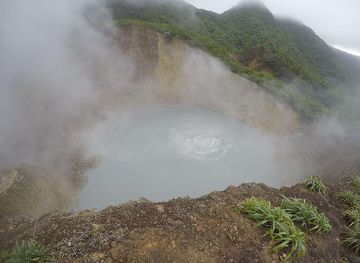
Looking beyond Saint Peter? Discover Dominica for broader travel guides, local hot-spots, and regional highlights.
Explore DominicaSaint Peter in Photos
Browse through our photo collection highlighting the charm and character of the destination.


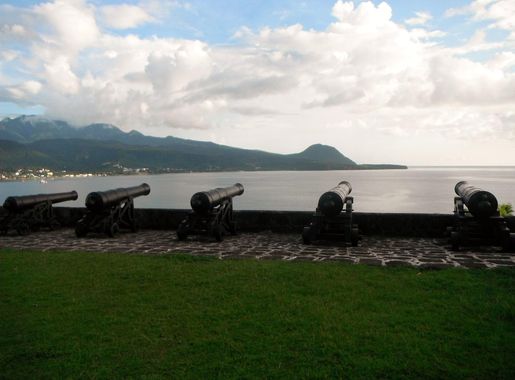


Saint Peter: The Heartbeat of Dominica
Nestled in the heart of Dominica, Saint Peter offers an enchanting escape for travelers seeking both adventure and tranquility. Known for its lush landscapes and serene coastal views, this destination is a haven for nature lovers and beach enthusiasts alike. Explore the vibrant marine life at Champagne Reef, where you can snorkel or dive in crystal-clear waters. The reef gets its name from the volcanic bubbles that rise from the ocean floor, creating a unique underwater experience. On land, the Morne Diablotin National Park beckons with its challenging trails and the chance to spot the island's endemic parrot, the Sisserou. Saint Peter is also rich in cultural heritage. Visit the iconic Catholic Church of Saint Peter, a historic landmark that offers a glimpse into the island's colonial past. The nearby villages provide an authentic taste of local life, with friendly residents eager to share stories and traditional dishes. Don't miss the opportunity to try the island's famous Creole cuisine, featuring fresh seafood and tropical fruits.