

Free Saint David Travel Guide & Mobile App
Explore Saint David with free travel guides. Discover regional history, expert tips, proposed trips, and audio guides on web or mobile app.


Saint David, Dominica, combines Atlantic villages, Kalinago heritage, rainforest walks, waterfalls and quiet black-sand beaches.
Read more about Saint David
When is the best time to visit Saint David?
Best: January–March · 31°C| Month | High (°C) | Rainfall (mm) |
|---|---|---|
| January (best) | 31 | 100 |
| February (best) | 31 | 90 |
| March (best) | 31 | 100 |
| April | 32 | 110 |
| May | 32 | 120 |
| June | 33 | 130 |
| July | 33 | 140 |
| August | 33 | 150 |
| September | 32 | 140 |
| October | 32 | 130 |
| November | 32 | 120 |
| December | 31 | 110 |
Getting to and around Saint David
How to get there
Transportation
Top city travel guides in Saint David
The cities of Saint David, and the easiest places to base yourself.

Swipe for more cities
Destinations in Saint David
Resorts, valleys and scenic spots worth a trip of their own.
-

-


Swipe for more destinations
Best attractions in Saint David
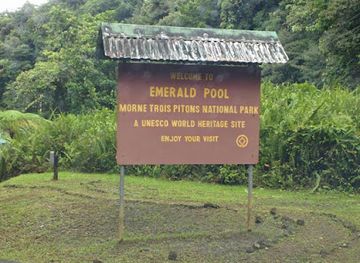
Saint David’s attractions are shaped primarily by rainforest, rivers, coast and living community culture. In Morne Trois Pitons National Park, Emerald Pool provides an accessible introduction to Dominica’s wet interior, with a forest path leading to a cool freshwater pool beneath a waterfall. Other walks in and around the parish’s valleys and uplands offer a more demanding experience, often requiring local guidance because weather and river conditions can change quickly. Along the Atlantic side, Castle Bruce, Rosalie and smaller settlements provide access to beaches, river mouths and views of Dominica’s less urbanised eastern coastline. The Kalinago Barana Aute presents Kalinago architecture, history, craft and traditional knowledge in a community-focused setting, while artisans in the Kalinago Territory make baskets and other objects from natural fibres. Visitors can also explore farms, gardens and locally organised cultural experiences, although these should be arranged respectfully and, where necessary, in advance. Saint David is less a concentration of ticketed attractions than a landscape of trails, villages, waterways and community encounters, with the greatest variety found by combining short walks, cultural visits and scenic road journeys.
-
Tourist attraction
Emerald Pool
Experience the breathtaking beauty of Emerald Pool in Dominica, where lush rainforests meet crystal-clear waters in a serene natural paradise.
-
Cultural center
Kalinago Barana Aute
Immerse yourself in the vibrant culture and traditions of the Kalinago people at Kalinago Barana Aute in Bataka, Dominica.
-
Tourist attraction
Red Rocks
Experience the breathtaking beauty of the Red Rocks in Calibishie, a stunning natural attraction in Dominica perfect for photography and relaxation.
-
Historical place museum
The Old Mill Cultural Centre
Explore Dominica's history and culture at The Old Mill Cultural Centre, a must-visit historical museum in Canefield.


Best landmarks in Saint David
Emerald Pool is one of Saint David’s most recognisable natural landmarks, set within the dense forest of Morne Trois Pitons National Park and framed by a short, humid trail of palms, ferns and moss-covered trees. The Atlantic coastline around Castle Bruce and Rosalie provides a contrasting geographic marker, with dark volcanic shores, river mouths and open ocean views rather than the developed waterfront of Roseau. In the Kalinago Territory, the Kalinago Barana Aute is significant not only for its traditional buildings but also for its role in presenting Indigenous history and contemporary cultural identity. The steep forested slopes behind the eastern settlements form a defining backdrop throughout the parish, revealing the volcanic terrain that shapes its roads, farms and rivers. Village churches, community buildings and small historic settlements are less monumental than the island’s major natural features, but they help explain how people have adapted to a wet, mountainous landscape. Together, these landmarks represent Saint David through environment, Indigenous heritage and dispersed rural settlement.
-
Botanical garden
Dominica Botanical Gardens
Explore a lush paradise in Dominica's capital: Discover rare plants, vibrant wildlife, and a living testament to nature's resilience at the Botanical Gardens.
-
Tourist attraction
Emerald Pool
Discover Dominica's Emerald Pool: A mesmerizing rainforest grotto with a cascading waterfall and emerald-green waters, perfect for a refreshing escape.
-
Tourist attraction
Trafalgar Falls
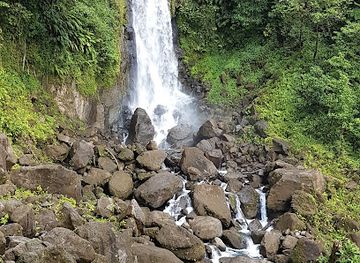
Experience the majestic twin waterfalls of Dominica, a short rainforest hike to breathtaking views and geothermal hot springs.
-
Tourist attraction
Titou Gorge
Discover Dominica's hidden gem: Swim through Titou Gorge to a secret waterfall in a volcanic wonderland.
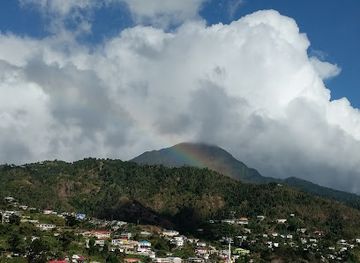
Explore Saint David on the map
Plan your trip on one map. See where the top cities, national parks and sights are, and book hotels and experiences in a few clicks.
Best hotels in Saint David
Best restaurants in Saint David
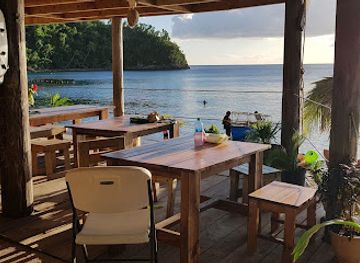
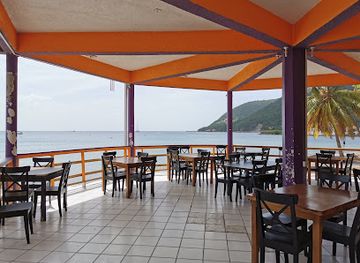
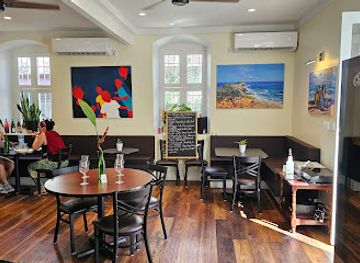
Dining in Saint David is generally informal and closely connected to local agriculture, fishing and community life. Small restaurants, guesthouses, roadside vendors and village bars may serve fresh fish, chicken, stewed meats and provisions such as plantain, dasheen, sweet potato and breadfruit. Cassava and other ground provisions reflect Indigenous and African-Caribbean food traditions, while seasonal fruit and locally grown herbs add variety to home-style cooking. Around Castle Bruce and the eastern coastal communities, meals may be arranged through accommodation providers or small family-run establishments rather than selected from a large restaurant district. Visitors may encounter soups, fried or grilled fish, rice dishes and fruit drinks, with recipes varying between households. Local rum and beers are widely associated with Dominican social life, but non-alcoholic fruit drinks and juices are also common. Advance notice is sensible for groups, dietary requirements or meals in smaller guesthouses, where menus depend on the day’s available produce and catch.
-
Restaurant
Keepin'It Real
Discover delicious seafood and vibrant Caribbean culture at Keepin'It Real on Toucari Beach.
-
Restaurant
Purple Turtle Beach Club
Experience the essence of Caribbean dining at Purple Turtle Beach Club with stunning views and delightful cuisine.
-
Restaurant
Lacou Melrose House
Experience authentic Dominican flavors at Lacou Melrose House – where every dish tells a story.
-
Seafood
Chez Wen Cuisine
Discover the authentic flavors of Dominica at Chez Wen Cuisine - where fresh seafood meets stunning ocean views.
Best bars in Saint David
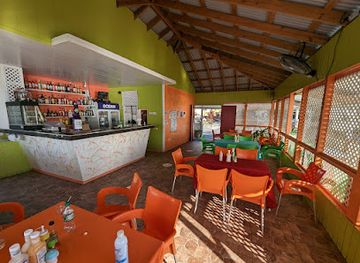
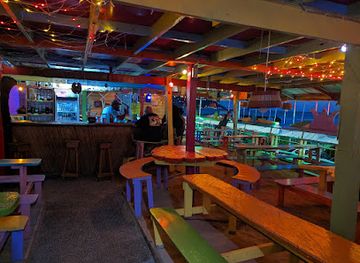
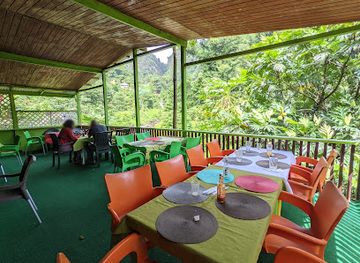
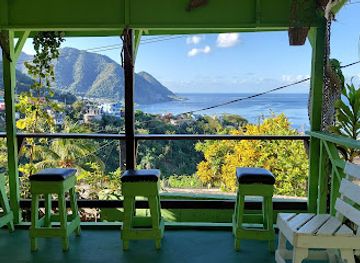
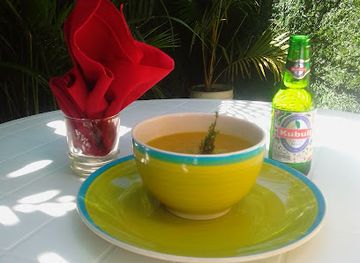
Saint David has no large-scale nightclub district; evening life is concentrated in village bars, rum shops, guesthouse dining rooms and occasional community gatherings. Castle Bruce is the most practical place for a selection of everyday services, while smaller coastal settlements offer a quieter social atmosphere shaped by conversation, music and local events. Some bars serve Dominican rum, beer and simple food, and live music or dancing may appear around community celebrations rather than on a fixed nightly schedule. Visitors staying in rural accommodation should not assume late-night transport or extensive entertainment, particularly outside the larger settlements. The parish’s evening appeal lies more in relaxed village hospitality, dark Atlantic skies and locally organised cultural occasions than in a commercial club scene. Ask hosts about current arrangements rather than relying on outdated listings, as opening patterns and event schedules can change.
-
Bar
Hi Rise Beach Bar
Experience the lively atmosphere and stunning views at Hi Rise Beach Bar in Roseau, where delicious cocktails meet Caribbean charm.
-
Bar
River Rock Cafe and Bar
Experience the tranquil charm of River Rock Cafe and Bar in Trafalgar, where delicious food and refreshing drinks await in a serene setting.
-
Bar
Top bar
Experience the vibrant culture of Roseau at Top Bar, where local drinks and friendly service create unforgettable moments.
-
Bar
Epic Restaurant and Bar
Discover Epic Restaurant and Bar in Roseau, where Caribbean flavors meet a vibrant atmosphere for an unforgettable dining experience.
Best nightclubs in Saint David
Saint David has no large-scale nightclub district; evening life is concentrated in village bars, rum shops, guesthouse dining rooms and occasional community gatherings. Castle Bruce is the most practical place for a selection of everyday services, while smaller coastal settlements offer a quieter social atmosphere shaped by conversation, music and local events. Some bars serve Dominican rum, beer and simple food, and live music or dancing may appear around community celebrations rather than on a fixed nightly schedule. Visitors staying in rural accommodation should not assume late-night transport or extensive entertainment, particularly outside the larger settlements. The parish’s evening appeal lies more in relaxed village hospitality, dark Atlantic skies and locally organised cultural occasions than in a commercial club scene. Ask hosts about current arrangements rather than relying on outdated listings, as opening patterns and event schedules can change.
-
Bar
JRs Bar
Enjoy an unforgettable night at JRs Bar in Roseau, where vibrant drinks and local culture come together in a lively atmosphere.
-
Bar
D Land Entertainment
Experience the vibrant nightlife at D Land Entertainment in Roseau, where local culture meets lively entertainment and refreshing drinks.
-
Bar
De After 4 Lounge
Experience the vibrant nightlife of Roseau at De After 4 Lounge, where refreshing drinks and local culture come together for an unforgettable evening.
-
Dance club
NSE Night Club
Experience the pulsating nightlife of NSE Night Club in Anse De Mai, where unforgettable dance parties and vibrant atmospheres await.


Best shops in Saint David
Shopping in Saint David is primarily local and practical rather than centred on large retail complexes. Castle Bruce provides the most useful concentration of everyday shops and supplies, while smaller communities have modest groceries, roadside stalls and occasional produce sales. Farmers and vendors may offer bananas, plantains, root vegetables, citrus, coconuts and other seasonal produce, although availability changes with harvests and weather. The Kalinago Territory is the parish’s most distinctive destination for crafts, particularly woven baskets and other items made from natural fibres; buying directly from artisans supports community production and gives visitors a better understanding of the work involved. Look also for cassava products, spices, preserves, locally made drinks and small-scale food products where available. Shops and informal stalls may not accept cards, and opening arrangements can be limited outside main settlements. Prices and quality vary, so ask politely about materials and production rather than assuming that every craft item is locally made.
-
Supermarket
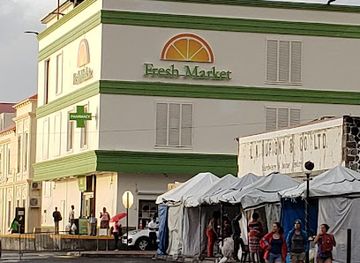
Fresh Market
Discover the vibrant culinary scene at Fresh Market in Roseau, Dominica, where local flavors come alive in every aisle.
-
Supermarket
S-Mart
Explore S-Mart in Roseau, a vibrant supermarket offering local and international products for every traveler’s needs.
-
Grocery store
Whitchurch IGA
Discover the local flavors and essentials at Whitchurch IGA, Roseau's go-to grocery store for tourists and locals alike.
-
Discount supermarket
Save-A-Lot
Experience the best of local shopping at Save-A-Lot, your affordable grocery destination in Roseau, Dominica, where variety meets value.
Get your free copy of our complete guide to Saint David, delivered straight to you.
Everything on this page, from attractions and restaurants to essentials and local phrases, in one PDF you can read offline, print or share.
Already have an account? Sign in
Your Saint David guide is ready.
We'll send it to · Not you? Sign out

Getting your guide ready…
We are putting together a fresh copy of the Saint David guide. This can take up to a minute.
This can take a few moments. If your browser asks, choose Allow so the download can start. You'll find the guide in your Downloads folder.
Nothing happened? Download it again
Sorry, the guide is taking longer than usual. Please try again in a minute, or get it by email instead.
Saint David essentials
Currency and Payment
Safety
Emergency Situations
Do's and Don'ts
Local Tips
From Eve
Local phrases worth knowing
You don't need to get them perfect. A few words go a long way, and locals appreciate the effort.
Basics
| English | Local | Say it |
|---|---|---|
| Hello | Bonjour | [Boh-zhoor] |
| Goodbye | Aurevoir | [Or-eh-vwar] |
| Yes | Wi | [Wee] |
| No | Non | [Nohn] |
| Please/You're welcome | S'il vous plaît | [Seel voo pleh] |
| Thank you | Mèsi | [Meh-see] |
| Excuse me/Sorry | Eskize mwen | [Es-kee-zeh mwenn] |
| How are you? | Kijan ou ye? | [Kee-zhan oo yeh] |
| Fine. And you? | Mwen byen. E ou? | [Mwen byen. Eh oo?] |
| Do you speak English? | Es ou pale Anglè? | [Es oo pah-lay Ahn-glay] |
| I don't understand | Mwen pa konprann | [Mwen pah kon-prann] |
Eating & Drinking
| English | Local | Say it |
|---|---|---|
| I'd like to see the menu, please | Mwen ta renmen wè meni an, souple | [Mwen tah ren-men weh meh-nee ahn, soo-pleh] |
| I don't eat meat | Mwen pa manje vyann | [Mwen pah man-jay vyahn] |
| Cheers! | Santé! | [Sahn-tay] |
| I would like to pay, please | Mwen ta renmen peye, souple | [Mwen tah ren-men pay-ay, soo-pleh] |
Emergencies
| English | Local | Say it |
|---|---|---|
| Help! | Ede! | [Eh-day] |
| Go away! | Ale wé! | [Ah-lay weh] |
| Call the Police! | Rele Lapolis! | [Ray-lay Lah-po-lees] |
| Call a doctor! | Rele yon doktè! | [Ray-lay yon dok-tay] |
| I'm lost | Mwen pèdi | [Mwen peh-dee] |
| I'm ill | Mwen malad | [Mwen mah-lahd] |
Shopping
| English | Local | Say it |
|---|---|---|
| I'd like to buy... | Mwen ta renmen achte... | [Mwen tah ren-men ah-shtay] |
| I'm just looking | Mwen ap gade | [Mwen ahp gah-day] |
| How much is it? | Konbyen sa koute? | [Kohn-byen sah koo-tay] |
| That's too expensive | Sa a twò chè | [Sah ah twah shay] |
| Can you lower the price? | Es ou ka bese pri a? | [Es oo kah beh-say pree ah] |
Time & Numbers
| English | Local | Say it |
|---|---|---|
| What time is it? | Ki lè sa ye? | [Kee leh sah yeh] |
| It's one o'clock | Se yonn èd tan | [Seh yohn ed tahn] |
| Half past (10) | Midi pase (10) | [Mee-dee pah-say (10)] |
| Morning | Matin | [Mah-tan] |
| Afternoon | Apre-midi | [Ah-preh-mee-dee] |
| Evening | Swa | [Swa] |
| Yesterday | Yè | [Yeh] |
| Today | Jodi a | [Zho-dee ah] |
| Tomorrow | Demain | [Duh-meh] |
| 1 | Yonn | [Yohn] |
| 2 | De | [Deh] |
| 3 | Twa | [Twah] |
| 4 | Katre | [Kah-tray] |
| 5 | Senk | [Sank] |
| 6 | Sis | [Sees] |
| 7 | Sèt | [Set] |
| 8 | Huit | [Wheet] |
| 9 | Nèf | [Nehf] |
| 10 | Dis | [Dees] |
Transport & Directions
| English | Local | Say it |
|---|---|---|
| Where's a/the...? | Ki kote yon ...? | [Kee koh-tay yon ...?] |
| What's the address? | Ki adrès la? | [Kee ah-dress lah?] |
| Can you show me (on the map)? | Es ou ka montre mwen (sou kat la)? | [Es oo kah mohn-tray mwenn (soo kaht lah)?] |
| When's the next (bus)? | Kilè ki pwochen (bis)? | [Kee-leh kee proh-shen (bees)?] |
| A ticket (to ....) | Yon tikè (pou ...) | [Yon tee-kay (poo ...)] |
History of Saint David
Kalinago Settlement and Cultural Continuity
Before European colonisation, Dominica was inhabited by Indigenous peoples known today as the Kalinago. The island’s rugged eastern side provided forest resources, fertile valleys and access to the Atlantic, and many Kalinago communities remained concentrated in this part of Dominica. The Kalinago Territory, established in the twentieth century after a long struggle for recognition and land, covers part of present-day Saint David and neighbouring Saint Andrew. Its villages, craft traditions, oral history and community institutions are central to the parish’s identity and represent continuing cultural life rather than only a historical legacy.
European Colonisation and Plantation Agriculture
French and British colonial powers contested Dominica during the seventeenth and eighteenth centuries, while Indigenous resistance delayed the consolidation of European control. Once colonial authority expanded, plantations using enslaved African labour were established in suitable valleys and coastal districts. Coffee, sugar and later other crops formed part of the island’s plantation economy, although Saint David’s steep terrain and heavy rainfall limited the development of large estates compared with some Caribbean islands. The social and economic structures created during this period shaped settlement patterns, land ownership and the cultural landscape that followed emancipation.
Emancipation and Rural Village Development
The abolition of slavery in the British Caribbean during the 1830s transformed labour and landholding across Dominica. Formerly enslaved people developed independent livelihoods through small-scale farming, fishing, trading and paid work, contributing to the growth of villages along Saint David’s coast and in its interior valleys. Difficult terrain kept many communities relatively self-reliant and maintained strong links between households, gardens, forests and the sea. The parish’s dispersed settlement pattern, with small communities separated by steep ridges and rivers, reflects this long history of rural adaptation.
Agriculture, Roads and Modern Connectivity
During the nineteenth and twentieth centuries, Dominica’s economy moved through changing agricultural cycles involving crops such as coconuts, citrus, bananas and root vegetables. In Saint David, farming remained closely connected to household land and village markets, while roads gradually linked the Atlantic settlements with Roseau and the island’s interior. Improved transport brought greater access to education, healthcare and commercial centres, but the parish’s mountainous geography continued to make travel slower than in flatter Caribbean territories. Small farming, fishing and community commerce remain important elements of local life.
The Kalinago Territory and Indigenous Recognition
The creation of the Kalinago Territory in 1903, then known as the Carib Reserve, provided a formal territorial framework for Indigenous communities in eastern Dominica. Its status developed through changing legislation and sustained local advocacy, and the area is now administered by the Kalinago Council. Communities including those in Saint David have worked to strengthen cultural education, traditional craft production, environmental stewardship and tourism that is controlled or shaped locally. The territory is therefore both a political achievement and a living cultural landscape.
Hurricane Maria and Community Recovery
Hurricane Maria struck Dominica in September 2017 as a powerful Category 5 storm, causing extensive damage to homes, roads, forests, farms, utilities and tourism facilities across Saint David. The storm profoundly affected the parish’s agricultural economy and disrupted access between coastal and inland communities. Recovery has involved rebuilding infrastructure, restoring livelihoods and adapting buildings and services to future storms. The damaged and regenerating forest also changed many familiar landscapes, demonstrating the continuing relationship between Dominica’s communities and a highly exposed tropical environment.
Saint David in Photos
Browse through our photo collection highlighting the charm and character of the destination.
Neighbouring regions of Saint David
The closest regions to Saint David, if you have time for more than one.
-

-

-

-

-


Swipe for more regions
Explore more
Explore more of Dominica
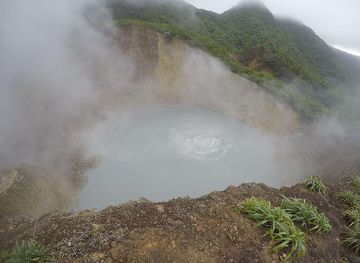
Discover Dominica: The Caribbean's Nature Island, where lush rainforests, volcanic landscapes, and vibrant culture await eco-tourists and adventure seekers.
Explore Dominica