

Free Saint George Travel Guide & Mobile App
Explore Saint George with free travel guides. Discover regional history, expert tips, proposed trips, and audio guides on web or mobile app.


Saint George, Dominica, combines Roseau’s history and markets with rainforest valleys, Trafalgar Falls and mountain trails into the island’s interior.
Read more about Saint George
When is the best time to visit Saint George?
Best: February–April · 28–29°C| Month | High (°C) | Rainfall (mm) |
|---|---|---|
| January | 28 | 114 |
| February (best) | 28 | 94 |
| March (best) | 28 | 84 |
| April (best) | 29 | 99 |
| May | 29 | 114 |
| June | 29 | 129 |
| July | 29 | 144 |
| August | 29 | 159 |
| September | 29 | 174 |
| October | 29 | 189 |
| November | 29 | 144 |
| December | 29 | 129 |
Getting to and around Saint George
How to get there
Transportation
Top city travel guides in Saint George
The cities of Saint George, and the easiest places to base yourself.
-
-
-


Swipe for more cities
Destinations in Saint George
Resorts, valleys and scenic spots worth a trip of their own.
-

-

-

-
-

-


Swipe for more destinations
Best attractions in Saint George
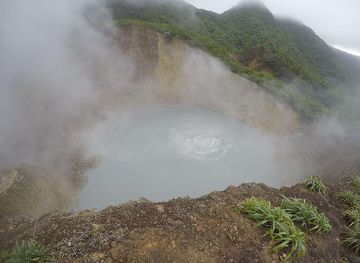
Saint George’s attractions range from compact urban heritage to demanding mountain excursions. In Roseau, the Dominica Museum, Old Market, Botanical Gardens and historic churches introduce the island’s colonial past, natural history and continuing civic life. The gardens are also a reminder of how tropical plants and public spaces have been incorporated into the capital despite its limited land. Morne Bruce provides a high viewpoint over Roseau and the west coast. Inland, the Roseau Valley leads through villages, agricultural slopes and rainforest scenery to Trafalgar Falls, where twin cascades descend through a densely vegetated volcanic landscape. Laudat is a useful base for highland walks in Morne Trois Pitons National Park, including the demanding route towards Boiling Lake. These are not casual roadside attractions: weather, steep terrain and trail conditions require preparation. The parish’s appeal lies in the contrast between accessible cultural sites in Roseau and wild, physically demanding landscapes only a short distance away by road.
-
Botanical garden
Dominica Botanical Gardens
Explore the stunning Dominica Botanical Gardens, a lush sanctuary in Roseau brimming with tropical flora and rich biodiversity.
-
Tourist attraction
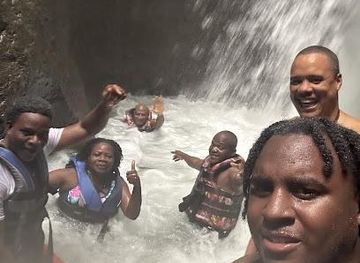
Trafalgar Falls
Discover the awe-inspiring beauty of Trafalgar Falls in Dominica—where nature's splendor meets adventure in a tropical paradise.
-
Tourist attraction
Titou Gorge
Explore Titou Gorge in Dominica, a breathtaking natural wonder with stunning waterfalls and lush rainforest, perfect for swimming and adventure.
-
Tourist attraction
Morne Trois Pitons National Park
Explore the extraordinary landscapes of Morne Trois Pitons National Park, a UNESCO World Heritage site filled with waterfalls, hot springs, and rich biodiversity.


Best landmarks in Saint George
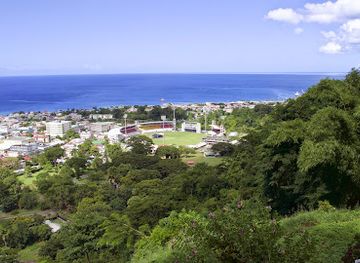
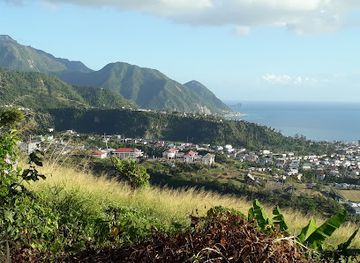
Roseau’s most recognisable landmarks are concentrated in its historic centre and hillside approaches. The Old Market reflects the capital’s long role as a place of trade, while the Dominica Museum occupies a historically significant urban setting and provides context for the island’s Indigenous, colonial and post-emancipation history. Roseau’s churches, including the Roman Catholic Cathedral of Our Lady of Fair Haven and St George’s Anglican Church, are important visual and civic markers in the townscape. The Botanical Gardens, with mature tropical planting and broad avenues, form a distinctive green space close to the built-up centre. Above the city, Morne Bruce is both a geographical reference point and a viewpoint over Roseau, the Caribbean Sea and the surrounding hills. Farther inland, Trafalgar Falls is a natural landmark associated with the Roseau Valley, while the forested highlands towards Laudat express the volcanic character of Morne Trois Pitons National Park. Together these places show how Saint George’s identity is divided between a compact capital and a steep, rain-rich interior.
-
Botanical garden
Dominica Botanical Gardens
Explore Dominica's natural beauty at the Botanical Gardens in Roseau, a historic and tranquil oasis showcasing diverse tropical flora and fauna.
-
Tourist attraction
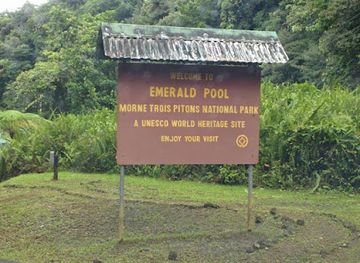
Emerald Pool
Discover Dominica's Emerald Pool: A stunning waterfall and emerald-green pool nestled in the heart of a lush rainforest paradise.
-
Tourist attraction
Trafalgar Falls
Experience the majestic twin waterfalls of Trafalgar Falls in Dominica, a short hike to breathtaking natural beauty and therapeutic hot springs.
-
Resort hotel
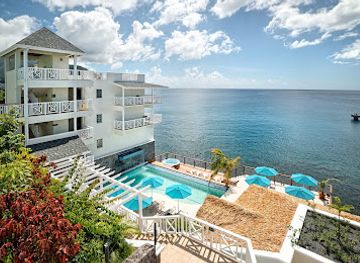
Fort Young Hotel and Dive Resort
Experience Dominica's history and natural beauty at Fort Young Hotel, a waterfront resort with a rich heritage and modern luxury.
Explore Saint George on the map
Plan your trip on one map. See where the top cities, national parks and sights are, and book hotels and experiences in a few clicks.
Best hotels in Saint George
Best restaurants in Saint George
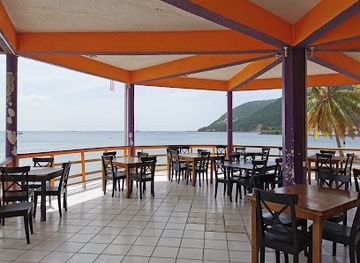
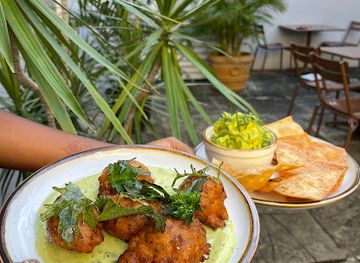
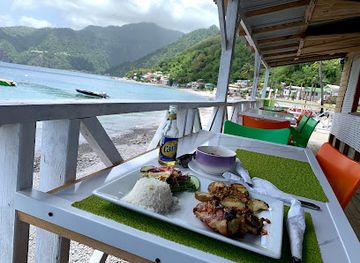
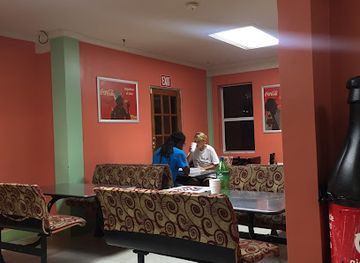
Dining in Saint George is centred on Roseau, where modest cafés, bakeries, market stalls, hotel restaurants and contemporary eateries serve food shaped by Dominica’s agricultural and Caribbean setting. Local meals commonly feature provisions such as plantain, dasheen, breadfruit and cassava alongside fish, chicken, pork or stewed meats, with fresh fruit and juices reflecting the island’s fertile valleys. The Roseau Market is useful for seeing and tasting locally grown produce, while small restaurants and takeaway counters provide a more everyday alternative to formal dining. In the Roseau Valley, options are more scattered and may be attached to guesthouses or small local businesses, so visitors should not expect continuous restaurant choices between settlements. Seafood is available in the capital, though menus and supply vary. Vegetarian visitors can often find vegetable-based plates and provision dishes, but it is sensible to ask about ingredients, seasoning and preparation. Dining tends to be relaxed, and opening arrangements can change after storms or during public holidays.
-
Restaurant
Purple Turtle Beach Club
Discover vibrant flavors at Purple Turtle Beach Club in Portsmouth - where Caribbean cuisine meets breathtaking ocean views.
-
Restaurant
Lacou Melrose House
Experience authentic Dominican flavors at Lacou Melrose House in Roseau – where culinary tradition meets Caribbean hospitality.
-
Seafood
Chez Wen Cuisine
Experience fresh seafood and stunning ocean views at Chez Wen Cuisine in Scott's Head, Dominica – a must-visit for food lovers.
-
Restaurant
Perky's Pizza
Experience mouth-watering pizza made from fresh ingredients at Perky's Pizza in Roseau – where every slice tells a story.
Best bars in Saint George
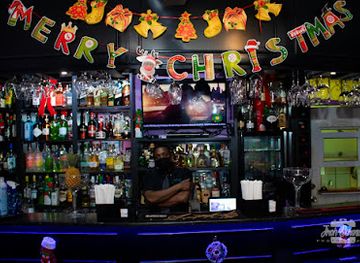
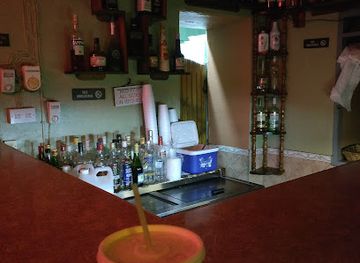
Saint George’s evening life is concentrated in Roseau rather than spread across a large entertainment district. Traditional rum shops, small bars, hotel lounges and restaurants provide places to meet, while occasional live music and cultural events bring a local Caribbean dimension to the night. The capital has more choice than the Roseau Valley, where evenings generally centre on guesthouse dining, a village bar or quiet conversation rather than clubbing. Roseau’s nightlife can become busier around weekends, festivals, cruise arrivals or public events, but visitors should not expect the scale or late-night variety of a major Caribbean resort. Local rum, beer, fruit drinks and simple cocktails are commonly available, and Dominica’s drink culture is best approached as one element of social life rather than the main purpose of a visit. Check current arrangements locally, as smaller venues may have irregular hours and weather can affect evening activity.
-
Restaurant
Escape Bar & Grill
Experience the flavors of Dominica at Escape Bar & Grill, where local ingredients meet culinary creativity in a vibrant setting.
-
Bar
Hi Rise Beach Bar
Experience the vibrant coastal charm at Hi Rise Beach Bar in Roseau, where delicious drinks meet stunning ocean views.
-
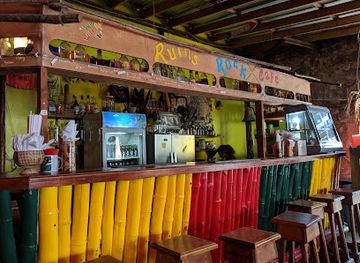
Bar
Ruins Rock Café
Experience the vibrant atmosphere of Ruins Rock Café in Roseau, where local flavors and Caribbean culture come together in a delightful bar and café setting.
-
Restaurant
All Nations Bar
Experience the vibrant flavors and lively atmosphere of All Nations Bar in Roseau, the perfect destination for authentic Dominican cuisine.

Best nightclubs in Saint George
Saint George’s evening life is concentrated in Roseau rather than spread across a large entertainment district. Traditional rum shops, small bars, hotel lounges and restaurants provide places to meet, while occasional live music and cultural events bring a local Caribbean dimension to the night. The capital has more choice than the Roseau Valley, where evenings generally centre on guesthouse dining, a village bar or quiet conversation rather than clubbing. Roseau’s nightlife can become busier around weekends, festivals, cruise arrivals or public events, but visitors should not expect the scale or late-night variety of a major Caribbean resort. Local rum, beer, fruit drinks and simple cocktails are commonly available, and Dominica’s drink culture is best approached as one element of social life rather than the main purpose of a visit. Check current arrangements locally, as smaller venues may have irregular hours and weather can affect evening activity.
-
Bar
Hi Rise Beach Bar
Discover the vibrant ambiance and refreshing flavors at Hi Rise Beach Bar, Roseau's ultimate tropical getaway by the sea.
-
Bar
Ruins Rock Café
Experience the vibrant flavors and lively atmosphere at Ruins Rock Café, the heart of Roseau's culinary scene.
-
Bar
River Rock Cafe and Bar
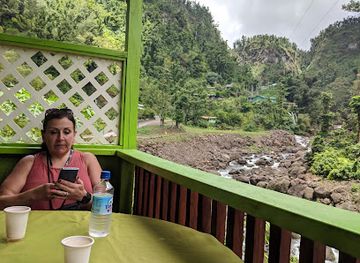
Experience the vibrant atmosphere and refreshing drinks at River Rock Cafe and Bar in Trafalgar, your ideal tropical escape.
-
Bar
Top bar
Discover the Top Bar in Roseau, where vibrant views and lively spirits create the perfect atmosphere for relaxation and socializing.

Best shops in Saint George
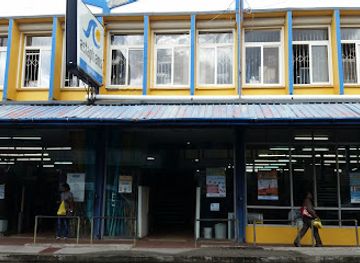
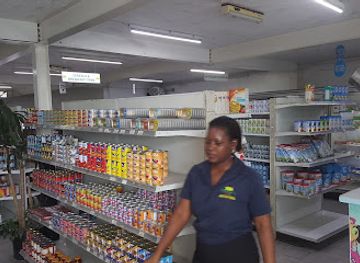
Shopping in Saint George is focused on Roseau’s compact commercial streets, the central market and small independent businesses rather than large retail complexes. The Roseau Market is the main place to see local fruit, vegetables, herbs, spices and provisions, with activity varying by day and season. Shops and stalls around the town offer snacks, rum and other Caribbean food products, postcards, craft items, clothing and practical supplies. Visitors may find woodwork, woven goods, jewellery, artwork and other locally made products, although quality and provenance should be checked rather than assumed from a regional label. Small supermarkets are useful for provisions before travelling into the Roseau Valley, where retail choice is limited. Roseau also has bookshops, pharmacies and general stores serving residents, giving the centre a functional character alongside its visitor-oriented stalls. Bargaining is not appropriate everywhere; ask politely whether a price is fixed, and carry cash for market purchases and smaller vendors.
-
Supermarket
Astaphan Supermarket
Discover the local flavors and essentials at Astaphan Supermarket, your one-stop shopping destination in the heart of Roseau, Dominica.
-
Dive shop
Dive Dominica
Explore vibrant coral reefs and rich marine life at Dive Dominica, the ultimate dive shop for unforgettable underwater adventures in the Caribbean.
-
Convenience store
Miniyas 7-11
Discover convenience and local flavors at Miniyas 7-11 in Canefield, your essential stop for snacks and essentials during your travels.
-
Discount supermarket
Save-A-Lot
Experience budget-friendly shopping at Save-A-Lot, Roseau's premier discount supermarket for locals and tourists alike, offering a diverse range of groceries.


Get your free copy of our complete guide to Saint George, delivered straight to you.
Everything on this page, from attractions and restaurants to essentials and local phrases, in one PDF you can read offline, print or share.
Already have an account? Sign in
Your Saint George guide is ready.
We'll send it to · Not you? Sign out

Getting your guide ready…
We are putting together a fresh copy of the Saint George guide. This can take up to a minute.
This can take a few moments. If your browser asks, choose Allow so the download can start. You'll find the guide in your Downloads folder.
Nothing happened? Download it again
Sorry, the guide is taking longer than usual. Please try again in a minute, or get it by email instead.
Saint George essentials
Currency and Payment
Safety
Emergency Situations
Do's and Don'ts
Local Tips
From Eve
Local phrases worth knowing
You don't need to get them perfect. A few words go a long way, and locals appreciate the effort.
Basics
| English | Local | Say it |
|---|---|---|
| Hello | Bonjour | [Bohn-zhoor] |
| Goodbye | Au revoir | [Oh ruh-vwahr] |
| Yes | Oui | [Wee] |
| No | Non | [Nohn] |
| Please/You're welcome | S'il vous plaît | [Seel voo pleh] |
| Thank you | Merci | [Mehr-see] |
| Excuse me/Sorry | Pardon | [Pahr-dohn] |
| How are you? | Comment ça va? | [Koh-mahn sah vah] |
| Fine. And you? | Ça va bien. Et vous? | [Sah vah byan. Eh voo?] |
| Do you speak English? | Parlez-vous anglais? | [Pahr-lay voo ahn-glay?] |
| I don't understand | Je ne comprends pas | [Zhuh nuh kohm-prahn pah] |
Eating & Drinking
| English | Local | Say it |
|---|---|---|
| I'd like to see the menu, please | Je voudrais voir le menu, s'il vous plaît | [Zhuh voo-dray vwar luh meh-nu, seel voo pleh] |
| I don't eat meat | Je ne mange pas de viande | [Zhuh nuh mahnj pah duh vyahnd] |
| Cheers! | Santé! | [Sahn-tay!] |
| I would like to pay, please | Je voudrais payer, s'il vous plaît | [Zhuh voo-dray peh-yay, seel voo pleh] |
Emergencies
| English | Local | Say it |
|---|---|---|
| Help! | Au secours! | [Oh suh-koor!] |
| Go away! | Allez-vous-en! | [Ah-lay voo-zahn!] |
| Call the Police! | Appelez la police! | [Ah-peh-lay lah poh-lees!] |
| Call a doctor! | Appelez un médecin! | [Ah-peh-lay uhn may-deh-sahn!] |
| I'm lost | Je suis perdu | [Zhuh swee pehr-due] |
| I'm ill | Je suis malade | [Zhuh swee mah-lahd] |
Shopping
| English | Local | Say it |
|---|---|---|
| I'd like to buy... | Je voudrais acheter... | [Zhuh voo-dray ah-sheh-tay...] |
| I'm just looking | Je regarde juste | [Zhuh ruh-gard zhoost] |
| How much is it? | C'est combien? | [Say kohm-byen?] |
| That's too expensive | C'est trop cher | [Say troh shair] |
| Can you lower the price? | Pouvez-vous baisser le prix? | [Poo-vay voo beh-say luh pree?] |
Time & Numbers
| English | Local | Say it |
|---|---|---|
| What time is it? | Quelle heure est-il? | [Kell uhr eh-teel?] |
| It's one o'clock | Il est une heure | [Eel eh oon uhr] |
| Half past (10) | Dix heures et demie | [Dee uhr eh deh-mee] |
| Morning | Matin | [Mah-tahn] |
| Afternoon | Après-midi | [Ah-pray-mee-dee] |
| Evening | Soir | [Swar] |
| Yesterday | Hier | [Yair] |
| Today | Aujourd'hui | [Oh-zhoor-dwee] |
| Tomorrow | Demain | [Duh-mahn] |
| 1 | Un | [Uhn] |
| 2 | Deux | [Duh] |
| 3 | Trois | [Trwah] |
| 4 | Quatre | [Kah-truh] |
| 5 | Cinq | [Sank] |
| 6 | Six | [Sees] |
| 7 | Sept | [Set] |
| 8 | Huit | [Wheet] |
| 9 | Neuf | [Nuhf] |
| 10 | Dix | [Dee] |
Transport & Directions
| English | Local | Say it |
|---|---|---|
| Where's a/the...? | Où est le/la...? | [Oo eh luh/lah...?] |
| What's the address? | Quelle est l'adresse? | [Kell eh lah-dress?] |
| Can you show me (on the map)? | Pouvez-vous me montrer (sur la carte)? | [Poo-vay voo muh mohn-tray (sur lah kart)?] |
| When's the next (bus)? | Quand est le prochain (autobus)? | [Kahn eh luh proh-shan (oh-toh-boos)?] |
| A ticket (to ....) | Un billet (pour ....) | [Uhn bee-yay (poor ....)] |
History of Saint George
Kalinago and pre-colonial Dominica
Before European colonisation, Dominica was inhabited by Indigenous peoples including the Kalinago, whose knowledge of the island’s forests, rivers and fertile valleys shaped life across the territory. The area now associated with Saint George was part of a wider network of coastal and inland movement rather than an isolated settlement. Kalinago heritage remains an important part of Dominica’s national identity, although the Kalinago Territory is located in eastern Dominica, outside Saint George Parish. Any account of Roseau and its hinterland therefore sits within a much older Indigenous history than the surviving colonial streets suggest.
French settlement and the origins of Roseau
French settlers established themselves around the Roseau River during the seventeenth century, attracted by fertile land and access to the west coast. The settlement grew around agriculture, including crops cultivated with enslaved African labour. The river and the abundance of reed-like roseau plants gave the locality its name. The early town developed as a modest coastal settlement rather than a heavily fortified imperial capital, but its position eventually made it the principal administrative and commercial centre of Dominica.
British rule and the colonial capital
Dominica was formally ceded to Britain in 1763 after the Seven Years’ War, although French cultural and linguistic influence remained substantial. Roseau became the island’s main seat of government and commerce, and British administration left an architectural imprint in public buildings, churches and civic institutions. The colonial economy depended on plantation agriculture and enslaved labour, while the town served as a market and port for the surrounding valleys. Later emancipation and shifts in agricultural production altered the social and economic structure of the parish.
Emancipation, agriculture and urban development
The abolition of slavery in the British Caribbean in the 1830s was a major turning point for Dominica. Formerly enslaved communities pursued independent livelihoods alongside plantation agriculture, and small-scale farming became a lasting feature of the Roseau Valley and other rural districts. Roseau expanded as the island’s administrative, educational and commercial centre. Bananas and other crops shaped rural economic life during the modern colonial period, while roads, public institutions and shipping connections strengthened the capital’s relationship with the interior.
From associated statehood to independence
Dominica moved through the constitutional changes experienced by several former British Caribbean territories, including associated statehood, before becoming independent in 1978. Roseau, within Saint George Parish, became the national capital and the centre of government, diplomacy and public administration. Independence encouraged a stronger focus on Dominican cultural identity, including the country’s African, European, Indigenous and Caribbean inheritances. The parish’s government buildings, civic spaces and cultural institutions continue to reflect its central role in the modern state.
Hurricanes, recovery and contemporary Roseau
Storms and hurricanes have repeatedly shaped Dominica’s built environment and economy. Hurricane David caused severe destruction in 1979, and Hurricane Maria devastated the island in 2017, damaging homes, infrastructure, vegetation and public services in and around Roseau and the Roseau Valley. Recovery has influenced rebuilding standards, communications and tourism infrastructure, while the impact on forests and communities remains part of the island’s recent history. Contemporary Saint George combines a living capital with rural districts whose landscapes continue to be shaped by agriculture, rainfall and volcanic geology.
Saint George in Photos
Browse through our photo collection highlighting the charm and character of the destination.
Neighbouring regions of Saint George
The closest regions to Saint George, if you have time for more than one.
-

-

-

-

-


Swipe for more regions
Explore more
Explore more of Dominica
Discover Dominica: The Caribbean's Nature Island, where lush rainforests, volcanic landscapes, and vibrant culture await eco-tourists and adventure seekers.
Explore Dominica