

Saint Andrew, Dominica Travel Guide
Experience the natural wonders, cultural richness, and warm hospitality of Saint Andrew in Dominica, a paradise for nature lovers and adventurers alike.
Nestled within the lush landscapes of Dominica, Saint Andrew is a picturesque parish that offers a blend of natural beauty, rich culture, and warm hospitality. Known for its stunning scenery, the region is a haven for nature lovers, with its verdant hills, pristine rivers, and breathtaking waterfalls. Whether you're an adventurer seeking hiking trails or simply wish to relax in the serene environment, Saint Andrew provides a perfect escape from the hustle and bustle of daily life. The coastal town of Calibishie, located in Saint Andrew, is a favorite among tourists. With its sandy beaches, clear waters, and vibrant coral reefs, it's an ideal spot for snorkeling and diving. The town itself exudes a charming vibe with its colorful houses, local markets, and friendly residents who are always eager to share stories about their heritage and traditions. A visit to Saint Andrew wouldn't be complete without exploring its cultural and historical landmarks. The ruins of Hampstead Estate and the historical churches provide a glimpse into the island's colonial past. Additionally, the local cuisine, featuring fresh seafood and tropical fruits, is a delight for food enthusiasts. Make sure to try the traditional dishes at one of the local eateries for an authentic taste of Dominica.

Know before you go
Hi, I'm Eve. Here are a few practical things to know before exploring Saint Andrew.
- Bring comfortable hiking shoes for exploring the trails and waterfalls in the area.
- Visit Calibishie during weekdays to avoid the weekend crowds and have a more peaceful experience.
- Carry some cash as many local markets and small eateries may not accept credit cards.
- Respect the local customs and traditions, and always ask for permission before taking photos of residents.
- Try the local seafood dishes, especially the fresh catch of the day, at Calibishie's seaside restaurants.
Destinations in Saint Andrew
Resorts, valleys and scenic spots worth a trip of their own.


Explore Saint Andrew: Things to Do, Places to Eat, Hotels & More
Handpicked recommendations for top attractions, local dining, accommodations, and more

Top Attractions & Sightseeing in Saint Andrew
Top-rated picks
Best Attractions

Red Rocks
Explore the stunning Red Rocks of Calibishie, a natural attraction showcasing Dominica's breathtaking landscapes and vibrant marine life.

Pointe Baptiste Chocolate Factory
Experience the exquisite flavors of handcrafted chocolate at Pointe Baptiste Chocolate Factory in Calibishie, Dominica.

Chaudière Pool
Experience the tranquil beauty of Chaudière Pool in Dominica, a tropical paradise perfect for adventure and relaxation amidst nature's wonders.

Batibou Bay
Discover the serene beauty of Batibou Bay in Dominica, a hidden beach paradise perfect for relaxation and adventure in nature.

Best landmarks in Saint Andrew
Top-rated picks
Best Landmarks

Dominica
Discover Dominica, the Caribbean's 'Nature Island': a haven of unspoiled beauty, eco-adventures, and vibrant culture.

Morne Trois Pitons National Park
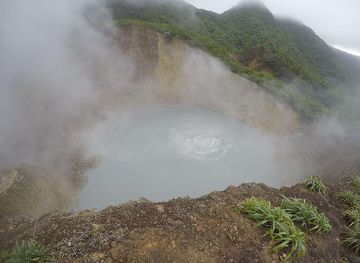
Explore Dominica's Morne Trois Pitons National Park: A UNESCO site with volcanic landscapes, lush rainforests, and geothermal wonders.

Batibou Bay
Discover Dominica's secluded paradise: golden sands, turquoise waters, and lush scenery await at Batibou Bay, a true Caribbean escape.

Champagne Reef, Dominica
Experience Dominica's Champagne Reef: Snorkel or dive in warm, bubbling waters amidst vibrant marine life in this unique Caribbean underwater adventure.

Best restaurants in Saint Andrew
Top-rated picks
Best Restaurants

Keepin'It Real
Experience fresh seafood delights and vibrant Caribbean culture at Keepin'It Real on Toucari Beach.

Purple Turtle Beach Club
Discover the vibrant atmosphere at Purple Turtle Beach Club in Portsmouth - where delicious food meets stunning Caribbean views.

Chez Wen Cuisine
Experience authentic Caribbean seafood at Chez Wen Cuisine in Scott's Head - where fresh flavors meet breathtaking ocean views.

Lacou Melrose House
Discover the flavors of Dominica at Lacou Melrose House – where every dish tells a story.

Best bars in Saint Andrew
Top-rated picks
Best Bars

Purple Turtle Beach Club
Experience the vibrant atmosphere and delectable cuisine at Purple Turtle Beach Club in Portsmouth, where the Caribbean charm meets culinary delight.

Coral Reef Bar & Restaurant
Experience stunning bay views and authentic Caribbean cuisine at Coral Reef Bar & Restaurant in Calibishie.

Hi Rise Beach Bar
Enjoy the vibrant atmosphere, delicious local cuisine, and stunning bay views at Hi Rise Beach Bar in Roseau, a tropical paradise for all travelers.

PoZ' Restaurant & Bar Calibishie
Discover the vibrant culinary scene at PoZ' Restaurant & Bar in Calibishie, where Caribbean flavors meet stunning ocean views for an unforgettable dining experience.

Best nightclubs in Saint Andrew
Top-rated picks
Best Nightclubs

Hi Rise Beach Bar
Experience the vibrant atmosphere and stunning views at Hi Rise Beach Bar, the perfect spot for relaxation and local flavors in Roseau, Dominica.

De After 4 Lounge
Experience the vibrant nightlife of Roseau at De After 4 Lounge, a bar offering affordable drinks, local snacks, and a lively atmosphere.

NSE Night Club
Experience the vibrant nightlife of Anse De Mai at NSE Night Club, where music and dance create unforgettable memories.

The Velvet Lounge, Café-Bar
Discover the stylish ambiance of The Velvet Lounge in Roseau, where great drinks and a relaxed atmosphere await every traveler.

Best shops in Saint Andrew
Top-rated picks
Best Shops

Ti Kwen Glo Cho
Discover unparalleled relaxation at Ti Kwen Glo Cho, a luxurious resort hotel and massage spa nestled in the heart of Dominica's natural beauty.

Kalinago Barana Aute
Discover the vibrant culture and traditions of the Kalinago people at Kalinago Barana Aute, a must-visit cultural center in Dominica.

PoZ' Restaurant & Bar Calibishie
Discover the flavors of the Caribbean at PoZ' Restaurant & Bar, where fresh ingredients meet breathtaking views in Calibishie.

Screw's Sulfur Spas
Discover the healing power of nature at Screw's Sulfur Spas in Wotten Waven, Dominica – a perfect blend of relaxation and rejuvenation.

Explore Saint Andrew on the Map
A handpicked selection of must-see spots in Saint Andrew, mapped for you.
Saint Andrew Essentials
-
Saint Andrew, located on the northern coast of Dominica, can be accessed via several modes of transportation. The nearest international airport is Douglas-Charles Airport (DOM), which is about 25 kilometers away. From the airport, you can take a taxi or rent a car to reach Saint Andrew. Alternatively, ferry services from neighboring islands like Guadeloupe and Martinique dock at the capital, Roseau, from where you can drive or take a bus to Saint Andrew.
-
Transportation within Saint Andrew includes local buses, taxis, and rental cars. Local buses are an affordable way to travel but may not adhere to strict schedules. Taxis are readily available and can be arranged through your accommodation or hailed on the street. Renting a car provides the most flexibility for exploring the area at your own pace. Be aware that driving is on the left side of the road.
-
The official currency in Dominica is the Eastern Caribbean Dollar (XCD). Credit cards are accepted in major hotels, restaurants, and shops, but it is advisable to carry cash, especially in smaller establishments and rural areas. ATMs are available in Saint Andrew, but it is wise to withdraw sufficient cash before heading to more remote areas.
-
Saint Andrew is generally safe for tourists, but it's always best to take standard precautions. Avoid walking alone at night in unfamiliar areas and keep an eye on your belongings in crowded places. While there are no specific high-crime areas targeting tourists in Saint Andrew, it is always wise to stay vigilant and aware of your surroundings.
-
In case of emergency, dial 999 for immediate assistance. Saint Andrew has local police and medical facilities to handle emergencies. It's recommended to have travel insurance that covers medical emergencies. For minor health issues, pharmacies are available where you can purchase over-the-counter medications.
-
Fashion: Do dress modestly, especially when visiting religious sites. Avoid wearing revealing clothing. Religion: Do respect local customs and traditions. Always dress appropriately when entering churches. Public Transport: Do be respectful and give up your seat to elderly passengers. Don't eat or drink on public transport. Greetings: Do greet people with a smile and a friendly 'hello.' A handshake is also common. Eating & Drinking: Do try local delicacies and accept food offerings graciously. Don't refuse hospitality, as it is considered impolite.
-
To experience Saint Andrew like a local, visit the local markets where you can buy fresh produce and traditional Dominican goods. Engage with locals, as they are often friendly and willing to share stories about the area's history and culture. Don't miss visiting natural attractions such as the Cabrits National Park and the beautiful beaches along the coast. For a unique experience, attend local festivals and events to immerse yourself in the vibrant culture.
When is the best time to visit Saint Andrew?
Useful Local Phrases for Saint Andrew
You don't need to speak the language perfectly. Even learning a few simple words can make conversations warmer—and locals usually appreciate the effort.
— Eve

Here are the phrases I use most often in Saint Andrew. Try a few—you'll be surprised how far they go! 😊
❤️
-
- HelloBonjour
[bɒnˈʒʊər] - GoodbyeA l'éternité
[a leːteʁnɪte] - YesWi
[wi] - NoNon
[nɔ̃] - Please/You're welcomeS'il vous plaît
[sil vu plɛ] - Thank youMèsi
[mɛsi] - Excuse me/SorryPardon
[paʁdɔ̃] - How are you?Kijan ou ye?
[kiˈʒan u je] - Fine. And you?Byen. E ou?
[bjɛn e u] - Do you speak English?Es ou pale Anglè?
[ɛs u paˈle aŋˈgle] - I don't understandMwen pa konprann
[mwen pa kɔ̃pʁɑ̃]
- HelloBonjour
-
- I'd like to see the menu, pleaseMwen ta renmen wè meni an, tanpri
[mwen ta ʁɛnˈmɛn we meˈni an tanˈpʁi] - I don't eat meatMwen pa manje vyann
[mwen pa mɑ̃ʒe vjɑ̃] - Cheers!Santé!
[sɑ̃te] - I would like to pay, pleaseMwen ta renmen peye, tanpri
[mwen ta ʁɛnˈmɛn peˈje tanˈpʁi]
- I'd like to see the menu, pleaseMwen ta renmen wè meni an, tanpri
-
- Help!Èd!
[ɛd] - Go away!Ale wòch!
[ale wɔʃ] - Call the Police!Rele polis la!
[ʁele pɔˈlis la] - Call a doctor!Rele yon doktè!
[ʁele jɔ̃ dɔkˈte] - I'm lostMwen pèdi
[mwen pɛˈdi] - I'm illMwen malad
[mwen maˈlad]
- Help!Èd!
-
- I'd like to buy...Mwen ta renmen achte...
[mwen ta ʁɛnˈmɛn aʃˈte] - I'm just lookingMwen ap gade sèlman
[mwen ap ɡaˈde sɛlˈmɑ̃] - How much is it?Konbyen sa koute?
[kɔ̃bjen sa kuˈte] - That's too expensiveSa twò chè
[sa tʁo ʃɛ] - Can you lower the price?Es ou ka bese pri a?
[ɛs u ka bɛˈse pʁi a]
- I'd like to buy...Mwen ta renmen achte...
-
- What time is it?Ki lè li ye?
[ki lɛ li je] - It's one o'clockLi ennè
[li ɛnˈne] - Half past (10)Yèd tan (10)
[jɛd tɑ̃ (10)] - MorningMaten
[mɑˈtɛ̃] - AfternoonApre midi
[apˈʁe miˈdi] - EveningSwa
[swa] - YesterdayYè
[jɛ] - TodayJodi a
[ʒoˈdi a] - TomorrowDemain
[dəˈmɛ̃] - 1Youn
[jun] - 2De
[de] - 3Twa
[twa] - 4Katre
[kaˈtʁe] - 5Senk
[sɛ̃k] - 6Sis
[sis] - 7Sèt
[sɛt] - 8Huit
[ɥit] - 9Nèf
[nɛf] - 10Dè
[de]
- What time is it?Ki lè li ye?
-
- Where's a/the...?Kote a/the...?
[kɔˈte a/the] - What's the address?Ki adrès la?
[ki aˈdʁɛs la] - Can you show me (on the map)?Es ou ka montre mwen (sou kat la)?
[ɛs u ka mɔ̃ˈtʁe mwɛ̃ (su kat la)] - When's the next (bus)?Kilè pwochen (bis) la?
[kiˈle pʁoˈʃɛn bis la] - A ticket (to ....)Yon tikè (pou ....)
[jɔ̃ tiˈke pu]
- Where's a/the...?Kote a/the...?
History of Saint Andrew
-
Long before European settlers arrived, the area now known as Saint Andrew in Dominica was inhabited by the indigenous Kalinago people. They were expert navigators and farmers, living in harmony with the land. The Kalinago left a lasting legacy, evidenced by various archaeological sites and cultural practices that still exist in the region today.
-
Saint Andrew saw European powers vying for control during the 15th and 16th centuries. The French and British both established settlements in the area, leading to numerous skirmishes and battles. The Treaty of Paris in 1763 eventually ceded control of Dominica to the British, who made significant changes to the administrative and social structures of Saint Andrew.
-
During the period of slavery, many African slaves were brought to Saint Andrew to work on plantations. The harsh conditions led to numerous rebellions and the establishment of Maroon communities, where escaped slaves created independent settlements. These communities played a crucial role in resisting colonial rule and maintaining African cultural traditions.
-
Established in 1975, Morne Trois Pitons National Park is a UNESCO World Heritage site that encompasses part of Saint Andrew. The park is known for its lush rainforests, volcanic features, and biodiversity. It serves as a significant cultural and natural landmark, attracting visitors from around the world while highlighting the importance of environmental conservation.
-
Saint Andrew is known for its vibrant cultural festivals, such as the annual Feast of Saint Andrew. This event includes traditional music, dance, and local cuisine, showcasing the rich cultural heritage of the region. The celebration is a testament to the enduring spirit and community bonds that characterize Saint Andrew.
-
In recent decades, Saint Andrew has seen significant development in infrastructure and tourism. Efforts have been made to preserve its historical landmarks while promoting sustainable tourism. This balance has allowed Saint Andrew to thrive as a destination that honors its past while embracing the future.
Neighbouring Regions of Saint Andrew
The closest regions to Saint Andrew, if you have time for more than one.


Your all‑in‑one travel companion app
Explore expert travel guides, compare and book tours, experiences, hotels, and more—all from the palm of your hand. Download now for seamless trip planning wherever your wanderlust takes you.


Explore More of Dominica
Looking beyond Saint Andrew? Discover Dominica for broader travel guides, local hot-spots, and regional highlights.
Explore DominicaSaint Andrew in Photos
Browse through our photo collection highlighting the charm and character of the destination.


Discover the Charm of Saint Andrew, Dominica
Nestled within the lush landscapes of Dominica, Saint Andrew is a picturesque parish that offers a blend of natural beauty, rich culture, and warm hospitality. Known for its stunning scenery, the region is a haven for nature lovers, with its verdant hills, pristine rivers, and breathtaking waterfalls. Whether you're an adventurer seeking hiking trails or simply wish to relax in the serene environment, Saint Andrew provides a perfect escape from the hustle and bustle of daily life. The coastal town of Calibishie, located in Saint Andrew, is a favorite among tourists. With its sandy beaches, clear waters, and vibrant coral reefs, it's an ideal spot for snorkeling and diving. The town itself exudes a charming vibe with its colorful houses, local markets, and friendly residents who are always eager to share stories about their heritage and traditions. A visit to Saint Andrew wouldn't be complete without exploring its cultural and historical landmarks. The ruins of Hampstead Estate and the historical churches provide a glimpse into the island's colonial past. Additionally, the local cuisine, featuring fresh seafood and tropical fruits, is a delight for food enthusiasts. Make sure to try the traditional dishes at one of the local eateries for an authentic taste of Dominica.