

Barahona Region, Dominican Republic Travel Guide
Discover Barahona Region, the Dominican Republic's hidden gem, with lush mountains, pristine beaches, rich culture, and vibrant local communities.
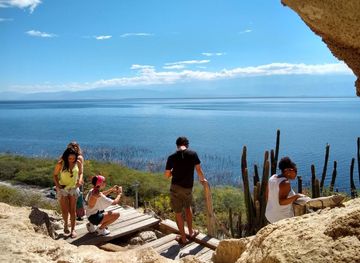
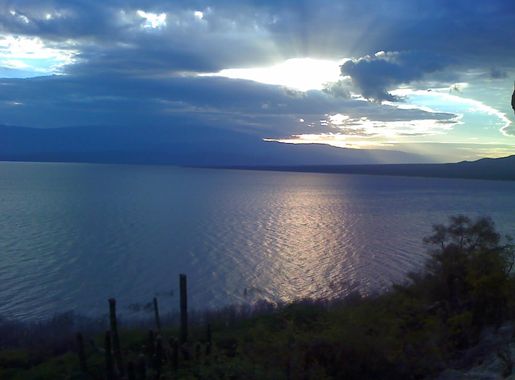
The Barahona Region of the Dominican Republic is a true hidden gem, offering visitors a blend of untouched natural beauty and rich cultural heritage. Nestled in the southwestern part of the island, this region is less frequented by tourists, making it an ideal destination for those seeking tranquility and adventure. Lush mountains, pristine beaches, and vibrant local communities characterize Barahona. The Sierra de Bahoruco National Park is a must-visit for nature enthusiasts, featuring unique flora and fauna, hiking trails, and stunning viewpoints. For beach lovers, Playa San Rafael and Playa Paraíso offer crystal-clear waters and golden sands, perfect for relaxation and water activities. Barahona is also known for its agricultural richness, with local farms producing some of the best coffee and fruit in the country. Visitors can take tours to learn about the coffee-making process and taste fresh produce straight from the source. The region's cultural tapestry is woven with traditional music, dance, and festivals, providing a fascinating glimpse into Dominican life. Whether you are exploring the natural wonders, lounging on serene beaches, or immersing yourself in local culture, the Barahona Region promises an unforgettable experience.

Know before you go
Hi, I'm Eve. Here are a few practical things to know before exploring Barahona Region.
- Visit Sierra de Bahoruco National Park early in the morning for the best wildlife sightings.
- Bring cash, as some remote areas may not accept credit cards.
- Try the local coffee; Barahona is famous for its high-quality coffee plantations.
- Pack comfortable hiking shoes for exploring the rugged landscapes.
- Learn a few basic Spanish phrases to better interact with locals.
Destinations in Barahona Region
Resorts, valleys and scenic spots worth a trip of their own.

Explore Barahona Region: Things to Do, Places to Eat, Hotels & More
Handpicked recommendations for top attractions, local dining, accommodations, and more

Top Attractions & Sightseeing in Barahona Region
Top-rated picks
Best Attractions

Balneario Los Patos
Experience the tranquility and natural beauty of Balneario Los Patos, a hidden gem on the Dominican Republic's southern coast.

Barahona Malecón
Discover the vibrant coastal charm of Barahona Malecón, where stunning ocean views and local culture blend seamlessly for an unforgettable experience.

Barahona Central Park
Discover the natural beauty and vibrant culture of Barahona Central Park, the perfect urban oasis for relaxation and local experiences.

PARADOR FOTOGRAFICO BARAHONA
Explore the breathtaking views at Parador Fotografico Barahona, a top tourist attraction in the Dominican Republic known for its stunning landscapes and vibrant scenery.

Best landmarks in Barahona Region
Top-rated picks
Best Landmarks

El Morro de Montecristi
Explore the stunning landscapes and rich biodiversity of El Morro de Montecristi, a natural park filled with history and adventure in the Dominican Republic.

Balneario La Plaza
Experience the tranquility and beauty of Balneario La Plaza, a stunning tourist attraction in the Dominican Republic, perfect for relaxation and adventure.

Alcázar de Colón
Discover the opulent world of Spanish colonial life at the Alcázar de Colón in Santo Domingo, where history, art, and architecture converge in a magnificent 16th-century palace.

Columbus Park
Discover the historical charm of Columbus Park in Santo Domingo's Zona Colonial, where history, culture, and vibrant Dominican life converge in a captivating UNESCO World Heritage setting.

Best restaurants in Barahona Region
Top-rated picks
Best Restaurants

Restaurante Brisas Del Caribe
Savor authentic Caribbean cuisine at Restaurante Brisas Del Caribe in Barahona, where every dish tells a story of local flavor.

Restaurante Foodtopia
Discover culinary excellence at Restaurante Foodtopia in Barahona - where Dominican flavors meet global cuisine in a vibrant setting.

Hotel Restaurant Maria Montez
Experience authentic Dominican cuisine at Hotel Restaurant Maria Montez in Barahona – where every meal tells a story.

Restaurante Delicias Marinas
Discover authentic Caribbean cuisine at Restaurante Delicias Marinas in Barahona, where every meal is a celebration of fresh seafood and local flavors.

Best bars in Barahona Region
Top-rated picks
Best Bars

Fidel Cafe Corner
Discover the charm of Fidel Cafe Corner in Barahona, where delicious coffee and local pastries create a perfect retreat for travelers.

Restaurante Brisas Del Caribe
Experience the vibrant flavors of the Caribbean at Restaurante Brisas Del Caribe in Barahona, a delightful culinary journey awaits you.

Wacinguey
Experience the best of Barahona's grill scene at Wacinguey, where flavor meets affordability in a vibrant atmosphere.

Cocco Bongo
Experience the vibrant nightlife of Barahona at Cocco Bongo, a premier disco club where every night is a celebration of music and dance.

Best nightclubs in Barahona Region
Top-rated picks
Best Nightclubs

Cocco Bongo
Experience the vibrant nightlife of Barahona at Cocco Bongo, a top disco club known for its electrifying music and vibrant atmosphere.

Bar José Video
Discover the lively spirit of Barahona at Bar José Video, where vibrant nightlife meets a diverse drink selection in a welcoming atmosphere.

Escandalo Sport Drink
Discover the lively atmosphere and delicious drink offerings at Escandalo Sport Drink, the go-to bar in Barahona for both locals and tourists.

MYX Terraza Bar
Discover the vibrant atmosphere and stunning views at MYX Terraza Bar in Barahona, the perfect spot for relaxation and celebration.

Best shops in Barahona Region
Top-rated picks
Best Shops

Balneario Los Patos
Experience the tranquil beauty of Balneario Los Patos, a hidden paradise in the Dominican Republic perfect for relaxation and adventure.

Barahona Malecón
Discover the beauty and vibrant culture of Barahona Malecón, a stunning waterfront promenade perfect for relaxation and local flavors.

Barahona Central Park
Experience the charm of Barahona Central Park, a lush oasis in the heart of the Dominican Republic, blending nature, culture, and relaxation.

Balneario Mata de Maiz
Experience the serene beauty of Balneario Mata de Maiz, a tropical paradise with pristine beaches and vibrant nature in the Dominican Republic.

Explore Barahona Region on the Map
A handpicked selection of must-see spots in Barahona Region, mapped for you.
Barahona Region Essentials
-
Barahona Region is located in the southwestern part of the Dominican Republic. The nearest international airport is Las Américas International Airport (SDQ) in Santo Domingo, approximately 190 kilometers away. From Santo Domingo, you can take a bus or a taxi to Barahona, with the journey typically taking around 3 to 4 hours by road. Alternatively, you can rent a car to explore the region at your own pace.
-
Barahona Region has various transportation options. Local buses and minibuses (guaguas) are available for travel within the region and to nearby towns. Taxis are also readily available and relatively inexpensive. For more freedom, consider renting a car, but be cautious of road conditions and local driving habits. Motorbike taxis (motoconchos) can be a convenient and affordable option for short distances.
-
The official currency in the Dominican Republic is the Dominican Peso (DOP). Credit cards are accepted in most hotels, restaurants, and larger shops, but it's advisable to carry cash for smaller establishments and rural areas. ATMs are available in Barahona, but ensure you have sufficient cash before traveling to more remote parts of the region.
-
Barahona Region is generally safe for tourists, but it's important to take standard precautions. Avoid walking alone at night in unfamiliar areas and secure your belongings in crowded places. Some areas, such as the town of Barahona itself, have neighborhoods with higher crime rates, so it's best to stay in well-known tourist areas and seek local advice on which areas to avoid.
-
In case of emergency, dial 911 for immediate assistance. Barahona has local police stations and medical facilities. It's recommended to have travel insurance that covers medical emergencies. For minor health issues, pharmacies are available where you can purchase over-the-counter medications.
-
Fashion: Do dress comfortably due to the tropical climate, but avoid overly revealing clothing to respect local sensibilities. Religion: Do respect local customs and traditions, especially in religious sites. Public Transport: Do be respectful and courteous on public transport. Don't eat or drink on buses or minibuses. Greetings: Do greet people with a handshake or a friendly nod. Eating & Drinking: Do try local foods and accept hospitality graciously. Don't refuse food or drink offerings, as it may be considered impolite.
-
To experience Barahona Region like a local, visit the local markets where you can buy fresh produce and traditional Dominican goods. Engage with locals, as they are friendly and eager to share stories about the region's history and culture. Don't miss visiting the beautiful beaches, such as Playa San Rafael and Playa Los Patos, and exploring the stunning natural attractions like Bahoruco Mountain Range and Lake Enriquillo.
When is the best time to visit Barahona Region?
Useful Local Phrases for Barahona Region
You don't need to speak the language perfectly. Even learning a few simple words can make conversations warmer—and locals usually appreciate the effort.
— Eve

Here are the phrases I use most often in Barahona Region. Try a few—you'll be surprised how far they go! 😊
❤️
-
- HelloHola
[Ola] - GoodbyeAdiós
[Adyos] - YesSí
[Si] - NoNo
[No] - Please/You're welcomePor favor
[Por favor] - Thank youGracias
[Grasias] - Excuse me/SorryDisculpa
[Disculpa] - How are you?¿Cómo estás?
[Komu estas] - Fine. And you?Bien. ¿Y tú?
[Bien. I tu] - Do you speak English?¿Hablas inglés?
[Abla ingles] - I don't understandNo entiendo
[No entiendo]
- HelloHola
-
- I'd like to see the menu, pleaseMe gustaría ver el menú, por favor
[Me gustaria ver el menu, por favor] - I don't eat meatNo como carne
[No komo karne] - Cheers!¡Salud!
[Salud] - I would like to pay, pleaseMe gustaría pagar, por favor
[Me gustaria pagar, por favor]
- I'd like to see the menu, pleaseMe gustaría ver el menú, por favor
-
- Help!¡Ayuda!
[Ayuda] - Go away!¡Vete!
[Vete] - Call the Police!¡Llama a la policía!
[Llama a la polisia] - Call a doctor!¡Llama a un doctor!
[Llama a un doktor] - I'm lostEstoy perdido
[Estoi perdido] - I'm illEstoy enfermo/a
[Estoi enfermo/a]
- Help!¡Ayuda!
-
- I'd like to buy...Me gustaría comprar...
[Me gustaria comprar] - I'm just lookingSolo estoy mirando
[Solo estoi mirando] - How much is it?¿Cuánto cuesta?
[Kuanto kwesta] - That's too expensiveEso es muy caro
[Eso es mui karo] - Can you lower the price?¿Puedes bajar el precio?
[Pwedes bajar el precio]
- I'd like to buy...Me gustaría comprar...
-
- What time is it?¿Qué hora es?
[Ke ora es] - It's one o'clockEs la una
[Es la una] - Half past (10)Y media (10)
[I media (10)] - MorningMañana
[Mañana] - AfternoonTarde
[Tarde] - EveningNoche
[Noche] - YesterdayAyer
[Ayer] - TodayHoy
[Hoy] - TomorrowMañana
[Mañana] - 1Uno
[Uno] - 2Dos
[Dos] - 3Tres
[Tres] - 4Cuatro
[Kuwatro] - 5Cinco
[Sinko] - 6Seis
[Seis] - 7Siete
[Siete] - 8Ocho
[Ocho] - 9Nueve
[Nueve] - 10Diez
[Diez]
- What time is it?¿Qué hora es?
-
- Where's a/the...?¿Dónde está un/una...?
[Donde esta un/una] - What's the address?¿Cuál es la dirección?
[Kual es la direccion] - Can you show me (on the map)?¿Puedes mostrarme (en el mapa)?
[Pwedes mostrarme (en el mapa)] - When's the next (bus)?¿Cuándo es el próximo (autobús)?
[Kuando es el proximo (autobus)] - A ticket (to ....)Un boleto (a ....)
[Un boleto (a ....)]
- Where's a/the...?¿Dónde está un/una...?
History of Barahona Region
-
The Barahona Region was originally inhabited by the Taíno people, an indigenous group who lived in the Caribbean before the arrival of Europeans. They developed a rich culture with sophisticated agricultural practices, intricate social structures, and a deep spiritual connection to nature. The Taíno left behind numerous artifacts, including petroglyphs and ceremonial sites, which can still be found in the region.
-
In 1492, Christopher Columbus arrived in the Caribbean, marking the beginning of Spanish colonization. The Barahona Region, like much of the island of Hispaniola, was heavily impacted by Spanish rule. The Spanish established settlements and exploited the land for its resources, particularly sugarcane and other agricultural products. The indigenous Taíno population was decimated by disease, forced labor, and violence, leading to significant demographic and cultural changes.
-
During the 17th and 18th centuries, the Caribbean became a hotspot for piracy. The Barahona Region's coastal location made it a frequent target for pirates and privateers who sought to plunder Spanish ships and settlements. The rugged coastline and numerous hidden coves provided ideal hiding spots for these seafaring outlaws, adding a layer of intrigue and danger to the area's history.
-
In 1822, Haiti, which had gained independence from France in 1804, occupied the entire island of Hispaniola, including the Barahona Region. This period of Haitian rule lasted until 1844 and was marked by significant social and economic changes. The Haitian government implemented land reforms and sought to integrate the region into its political and administrative system, but it also faced resistance from local populations.
-
The Dominican Republic declared its independence from Haiti in 1844, but the struggle for sovereignty was far from over. The Barahona Region played a role in the War of Restoration (1863-1865), a conflict in which Dominicans fought to restore their independence after a brief period of Spanish re-colonization. The region saw several skirmishes and battles, reflecting its strategic importance and the determination of its inhabitants.
-
In the late 19th and early 20th centuries, the Barahona Region experienced significant economic growth, driven by the development of agriculture and infrastructure. The construction of the Barahona Sugar Mill in 1920 marked a turning point, as it became a major economic driver for the region. The sugar industry attracted workers and investment, transforming Barahona into a bustling hub of activity.
-
The dictatorship of Rafael Trujillo (1930-1961) had a profound impact on the Barahona Region. Trujillo's regime invested in infrastructure projects, including roads, ports, and irrigation systems, which facilitated economic growth. However, this period was also marked by political repression and human rights abuses. The region's history during the Trujillo era is a complex interplay of development and dictatorship.
-
Today, the Barahona Region is known for its stunning landscapes, rich cultural heritage, and vibrant communities. Tourism has become an important part of the local economy, with visitors drawn to the region's beautiful beaches, lush mountains, and unique cultural experiences. Efforts to preserve the region's historical sites and natural beauty continue, ensuring that Barahona's rich history remains an integral part of its identity.
Neighbouring Regions of Barahona Region
The closest regions to Barahona Region, if you have time for more than one.



Your all‑in‑one travel companion app
Explore expert travel guides, compare and book tours, experiences, hotels, and more—all from the palm of your hand. Download now for seamless trip planning wherever your wanderlust takes you.


Explore More of Dominican Republic

Looking beyond Barahona Region? Discover Dominican Republic for broader travel guides, local hot-spots, and regional highlights.
Explore Dominican RepublicBarahona Region in Photos
Browse through our photo collection highlighting the charm and character of the destination.




Barahona Region: The Hidden Gem of the Dominican Republic
The Barahona Region of the Dominican Republic is a true hidden gem, offering visitors a blend of untouched natural beauty and rich cultural heritage. Nestled in the southwestern part of the island, this region is less frequented by tourists, making it an ideal destination for those seeking tranquility and adventure. Lush mountains, pristine beaches, and vibrant local communities characterize Barahona. The Sierra de Bahoruco National Park is a must-visit for nature enthusiasts, featuring unique flora and fauna, hiking trails, and stunning viewpoints. For beach lovers, Playa San Rafael and Playa Paraíso offer crystal-clear waters and golden sands, perfect for relaxation and water activities. Barahona is also known for its agricultural richness, with local farms producing some of the best coffee and fruit in the country. Visitors can take tours to learn about the coffee-making process and taste fresh produce straight from the source. The region's cultural tapestry is woven with traditional music, dance, and festivals, providing a fascinating glimpse into Dominican life. Whether you are exploring the natural wonders, lounging on serene beaches, or immersing yourself in local culture, the Barahona Region promises an unforgettable experience.