

Free Neiba Valley Travel Guide & Mobile App
Explore Neiba Valley with free travel guides. Discover regional history, expert tips, proposed trips, and audio guides on web or mobile app.


Explore Neiba Valley in the Dominican Republic for Lake Enriquillo, vineyards, dry mountain landscapes, wildlife and rural culture.
Read more about Neiba Valley
When is the best time to visit Neiba Valley?
Best: January–March · 28–29°C| Month | High (°C) | Rainfall (mm) |
|---|---|---|
| January (best) | 28 | 25 |
| February (best) | 29 | 30 |
| March (best) | 29 | 35 |
| April | 30 | 40 |
| May | 31 | 45 |
| June | 32 | 50 |
| July | 33 | 55 |
| August | 33 | 55 |
| September | 32 | 50 |
| October | 31 | 45 |
| November | 30 | 40 |
| December | 29 | 35 |
Getting to and around Neiba Valley
How to get there
Transportation
Destinations in Neiba Valley
Resorts, valleys and scenic spots worth a trip of their own.

Swipe for more destinations
Best attractions in Neiba Valley
Neiba Valley's attractions are primarily landscape-based and cultural rather than concentrated in a single resort or city. Lake Enriquillo is the defining experience, with boat excursions and wildlife-viewing opportunities shaped by local conditions and conservation rules. The surrounding basin is home to American crocodiles, rhinoceros iguanas and waterbirds, while nearby viewpoints reveal the lake's extraordinary position between arid mountains. Neiba and the agricultural plain offer a different perspective through vineyards, small-scale wine production, irrigation landscapes and markets selling local produce. The Sierra de Neiba provides cooler, greener environments for hiking and nature observation, although trails and access roads should be arranged with local guidance. Rural churches, town squares and community festivals add social and historical context, while the wider Bahoruco landscape contains archaeological and indigenous-history sites that reward guided visits. The region is not suited to a tightly timed list of attractions: distances, heat and changing access conditions make a flexible itinerary more practical. Visitors interested in geology, wildlife, agriculture and the history of the Dominican south-west will find more depth here than those seeking conventional beach tourism.
-
Tourist attraction
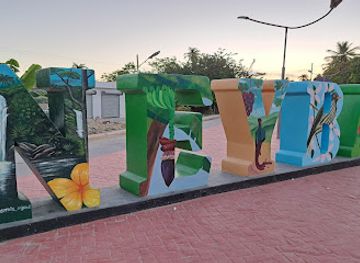
Mural fotográfico Neyba
Experience the vibrant artistry of Mural Fotográfico Neyba, a captivating outdoor gallery celebrating Dominican culture through stunning murals.
-
 Tourist attraction
Neyba
Discover Neyba: A hidden gem in the Dominican Republic offering stunning landscapes, rich culture, and warm local hospitality for an unforgettable travel experience.
-
Tourist attraction
Shibuya
Experience the vibrant culture and flavors of Shibuya, a lively tourist attraction in Neyba, Dominican Republic, perfect for exploring local crafts and cuisine.
Best landmarks in Neiba Valley
Lake Enriquillo is Neiba Valley's most recognisable geographical landmark: a saline, below-sea-level lake enclosed by dry mountain ranges and shared by the provinces of Bahoruco and Independencia. Its changing shoreline and broad reflective surface create a landscape unlike the palm-fringed coasts more commonly associated with the Dominican Republic. The Sierra de Neiba forms the valley's northern and eastern mountain backdrop, its slopes marking a sharp transition from irrigated lowlands to forested and cooler uplands. In the wider lake district, the rock-art site known as Las Caritas near La Descubierta, outside the core Neiba settlements, is an important reminder of the area's Taíno heritage and should be described as a nearby regional site rather than as a town landmark. Neiba's central urban spaces, churches and civic buildings provide a more modest architectural record, reflecting the valley's agricultural communities rather than colonial grandeur. The contrast between the lake basin, vineyard country, irrigated fields and mountain passes is itself the region's defining visual monument.
-
Cultural landmark
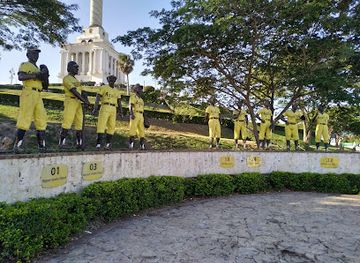
Monument to the Heroes of the Restoration
Discover the rich history and architectural splendor of the Monument to the Heroes of the Restoration in Santiago de los Caballeros, a symbol of Dominican pride.
-
Historical landmark
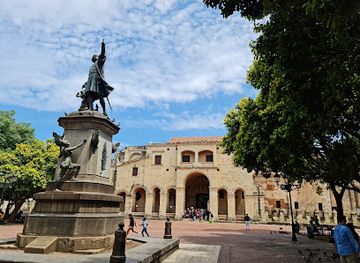
Columbus Park
Explore the rich heritage of the Dominican Republic at Columbus Park, a vibrant historical landmark in Santo Domingo's Zona Colonial.
-
Museum
Faro a Colón, Santo Domingo Este
Discover the historical significance of Faro a Colón, a monumental lighthouse and museum dedicated to Columbus, in the heart of Santo Domingo Este.
-
Fortress
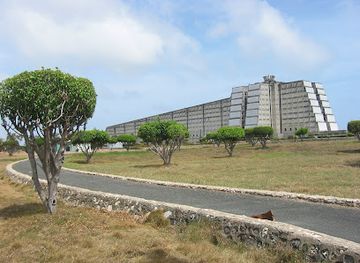
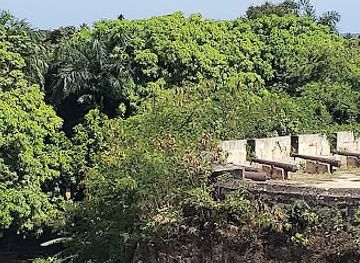
Fortaleza Ozama
Discover the historical allure of Fortaleza Ozama, the oldest fort in the Americas, in the heart of Santo Domingo's Colonial Zone.
Explore Neiba Valley on the map
Plan your trip on one map. See where the top cities, national parks and sights are, and book hotels and experiences in a few clicks.
Best hotels in Neiba Valley
Best restaurants in Neiba Valley
Dining in Neiba Valley is closely connected to farming, roadside commerce and Dominican home cooking. Local restaurants and modest eateries commonly serve rice and beans, stewed meats, chicken, plantains, salads and soups, with ingredients varying according to the harvest and the settlement. Around the lake and in riverside communities, fresh fish may appear on menus, although availability is seasonal and not every lakeside dish should be assumed to come from Lake Enriquillo. The valley's agricultural identity is especially visible in its bananas, plantains, vegetables, tropical fruit and locally produced grapes. Small wineries and regional producers may offer tastings or simple food pairings by arrangement. Cafés and bakeries provide practical stops in the towns, while roadside stalls are useful for fruit and snacks during long drives. Dining options become thinner outside the main settlements, so travellers heading into rural or mountain areas should carry water and plan meals ahead. Dominican dishes are interpreted locally rather than forming a separate Neiba cuisine, but the dry climate, irrigated fields and vineyards give the region a noticeably agricultural flavour.
-
Restaurant
Parador Bella Mar
Savor the rich flavors of authentic Dominican cuisine at Parador Bella Mar in Santo Domingo Este.
-
Dominican
Rancho Chito Restaurant
Experience the best of Dominican cuisine at Rancho Chito Restaurant in Ortega, where authentic flavors meet warm hospitality.
-
Dominican
El Conuco
Discover authentic Dominican cuisine at El Conuco in Santo Domingo - where every dish tells a story of flavor and tradition.
-
Restaurant
Casa Vera
Discover Casa Vera in Santo Domingo: Where local flavors meet contemporary cuisine in an inviting atmosphere.


Best bars in Neiba Valley
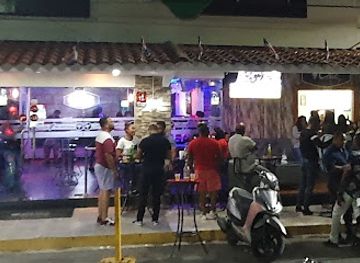
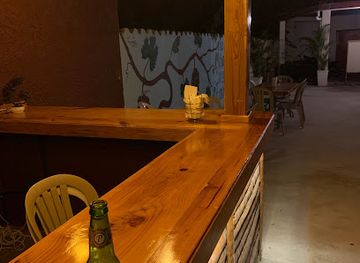
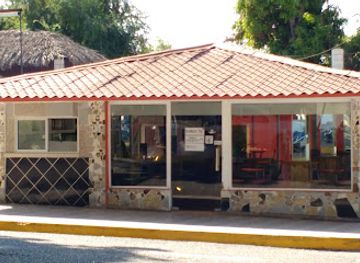
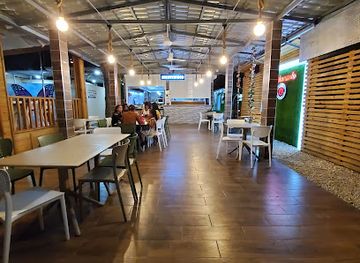
Evening life in Neiba Valley is centred on colmados, local bars, family restaurants, town plazas and informal social gatherings rather than a large club scene. In Neiba and other principal settlements, music may continue into the evening, with merengue, bachata and other Dominican styles heard in bars and at community celebrations. Some venues serve beer, rum-based drinks and simple refreshments, while regional wine may be available through producers rather than a permanent wine-bar circuit. Nightlife is quieter and more dispersed in rural areas, where evenings often end early and accommodation may be some distance from the next settlement. Barahona, outside the valley, offers a broader choice of restaurants and evening venues for travellers using it as a gateway. Visitors should return from lake or mountain excursions before dark, use known transport and be considerate of nearby residents when music is playing. The region's evening character is social and local, not built around international nightlife districts.
-
Bar
Citio Bar and Lounge
Discover Neyba's lively nightlife at Citio Bar and Lounge, where vibrant drinks and a welcoming atmosphere await every visitor.
-
Restaurant
Mirasur Restaurant & Bar
Experience authentic Dominican flavors at Mirasur Restaurant & Bar in Neyba, where culinary excellence meets vibrant local culture.
-
Bar
Jaraka27
Discover the vibrant nightlife at Jaraka27 in Neyba, where refreshing drinks and local culture come together for an unforgettable experience.
-
Grill
Cibus Bistro & Bar ( jobilous)
Experience the best of Dominican cuisine at Cibus Bistro & Bar in Neyba, where flavors come alive and every meal is a celebration.
Best nightclubs in Neiba Valley
Evening life in Neiba Valley is centred on colmados, local bars, family restaurants, town plazas and informal social gatherings rather than a large club scene. In Neiba and other principal settlements, music may continue into the evening, with merengue, bachata and other Dominican styles heard in bars and at community celebrations. Some venues serve beer, rum-based drinks and simple refreshments, while regional wine may be available through producers rather than a permanent wine-bar circuit. Nightlife is quieter and more dispersed in rural areas, where evenings often end early and accommodation may be some distance from the next settlement. Barahona, outside the valley, offers a broader choice of restaurants and evening venues for travellers using it as a gateway. Visitors should return from lake or mountain excursions before dark, use known transport and be considerate of nearby residents when music is playing. The region's evening character is social and local, not built around international nightlife districts.
-
Night club
High class Discotec
Discover the vibrant nightlife of Neyba at High Class Discotec, where unforgettable music and a lively atmosphere await every night.
-
Night club
Drink La Neverita
Discover the vibrant nightlife at Drink La Neverita, a must-visit night club in Jaquimeyes for great music, affordable drinks, and a lively atmosphere.
-
Disco club
Kapu Disco
Experience the vibrant nightlife at Kapu Disco, Neyba's premier disco club for dancing, music, and unforgettable memories.
-
Gay night club
ALC
Experience the vibrant nightlife at ALC, Neyba's premier gay night club, where music, community, and joy come together for an unforgettable evening.


Best shops in Neiba Valley
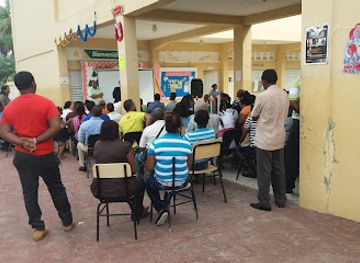
Shopping in Neiba Valley is practical and locally oriented, with small-town high streets, colmados, produce stalls and open markets serving residents rather than large-scale international retail. Visitors can look for seasonal fruit, plantains, vegetables, coffee from higher districts and locally made wine or grape products when available. Purchases from vineyards should be arranged with producers, as opening arrangements and stock can vary. Small shops may also carry rum, packaged Dominican foods, handmade items and everyday goods, while roadside sellers offer inexpensive snacks for journeys through the valley. Neiba is the most useful place for basic provisions and local shopping, whereas rural communities have fewer choices and more limited payment facilities. The region does not have a major luxury-shopping district or a dependable concentration of craft boutiques, so it is better suited to buying food products and small producer goods than designer merchandise. Carry cash in Dominican pesos, check packaging and transport conditions for bottles or fresh produce, and ask sellers about responsible ways to take locally made products home.
-
Supermarket
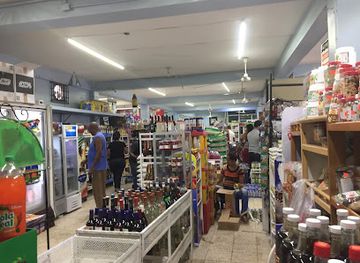
Supermarket Mario Perez
Experience the local flavors and essentials at Supermarket Mario Perez, Neyba's vibrant shopping destination for tourists and residents alike.
-
Supermarket
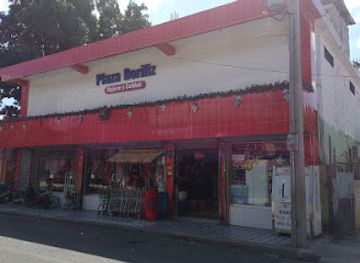
Plaza Doriliz
Explore Plaza Doriliz, Neyba's bustling supermarket filled with local flavors, fresh produce, and unique Dominican products for an authentic shopping experience.
-
Tourist attraction
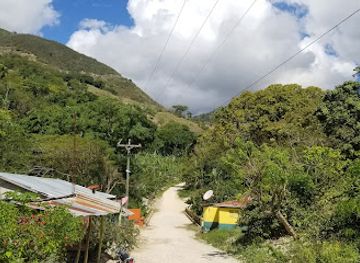
Balneario Los Guineos
Experience the tranquility and natural beauty of Balneario Los Guineos, a serene oasis in Neyba, Dominican Republic, perfect for relaxation and adventure.
-
Gift shop
The Gift Store
Discover unique souvenirs and local crafts at The Gift Store in Santo Domingo, a perfect stop for tourists seeking authentic Dominican treasures.

Get your free copy of our complete guide to Neiba Valley, delivered straight to you.
Everything on this page, from attractions and restaurants to essentials and local phrases, in one PDF you can read offline, print or share.
Already have an account? Sign in
Your Neiba Valley guide is ready.
We'll send it to · Not you? Sign out

Getting your guide ready…
We are putting together a fresh copy of the Neiba Valley guide. This can take up to a minute.
This can take a few moments. If your browser asks, choose Allow so the download can start. You'll find the guide in your Downloads folder.
Nothing happened? Download it again
Sorry, the guide is taking longer than usual. Please try again in a minute, or get it by email instead.
Neiba Valley essentials
Currency and Payment
Safety
Emergency Situations
Do's and Don'ts
Local Tips
From Eve
Local phrases worth knowing
You don't need to get them perfect. A few words go a long way, and locals appreciate the effort.
Basics
| English | Local | Say it |
|---|---|---|
| Hello | Hola | [Olah] |
| Goodbye | Adiós | [Ah-dee-ohs] |
| Yes | Sí | [See] |
| No | No | [No] |
| Please/You're welcome | Por favor/De nada | [Por fah-vor/De nah-dah] |
| Thank you | Gracias | [Gra-see-as] |
| Excuse me/Sorry | Perdón | [Pair-dohn] |
| How are you? | ¿Cómo estás? | [Koh-moh es-tahs] |
| Fine. And you? | Bien. ¿Y tú? | [Byen. Ee too?] |
| Do you speak English? | ¿Hablas inglés? | [Ah-blahs een-glays?] |
| I don't understand | No entiendo | [No en-tee-en-doh] |
Eating & Drinking
| English | Local | Say it |
|---|---|---|
| I'd like to see the menu, please | Me gustaría ver el menú, por favor | [Meh goos-tah-ree-ah vehr el meh-noo, por fah-vor] |
| I don't eat meat | No como carne | [No koh-moh kar-neh] |
| Cheers! | ¡Salud! | [Sah-lood] |
| I would like to pay, please | Me gustaría pagar, por favor | [Meh goos-tah-ree-ah pah-gar, por fah-vor] |
Emergencies
| English | Local | Say it |
|---|---|---|
| Help! | ¡Ayuda! | [Ah-yoo-dah] |
| Go away! | ¡Vete! | [Veh-teh] |
| Call the Police! | ¡Llama a la policía! | [Yah-mah ah lah poh-lee-see-ah] |
| Call a doctor! | ¡Llama a un doctor! | [Yah-mah ah oon dok-tor] |
| I'm lost | Estoy perdido | [Es-toy pair-dee-doh] |
| I'm ill | Estoy enfermo | [Es-toy en-fer-mo] |
Shopping
| English | Local | Say it |
|---|---|---|
| I'd like to buy... | Me gustaría comprar... | [Meh goos-tah-ree-ah kom-prar...] |
| I'm just looking | Solo estoy mirando | [So-lo es-toy mee-ran-do] |
| How much is it? | ¿Cuánto cuesta? | [Kwan-to kweh-stah?] |
| That's too expensive | Eso es muy caro | [Eh-so es mooy kah-ro] |
| Can you lower the price? | ¿Puedes bajar el precio? | [Pwe-des bah-har el preh-syo?] |
Time & Numbers
| English | Local | Say it |
|---|---|---|
| What time is it? | ¿Qué hora es? | [Ke oh-ra es?] |
| It's one o'clock | Es la una | [Es lah oo-nah] |
| Half past (10) | Y media (10) | [Ee meh-dee-ah (10)] |
| Morning | Mañana | [Mah-nyah-nah] |
| Afternoon | Tarde | [Tar-deh] |
| Evening | Noche | [No-cheh] |
| Yesterday | Ayer | [Ah-yer] |
| Today | Hoy | [Oy] |
| Tomorrow | Mañana | [Mah-nyah-nah] |
| 1 | Uno | [Oo-noh] |
| 2 | Dos | [Dohs] |
| 3 | Tres | [Tres] |
| 4 | Cuatro | [Kwah-troh] |
| 5 | Cinco | [Seen-koh] |
| 6 | Seis | [Says] |
| 7 | Siete | [Syay-teh] |
| 8 | Ocho | [Oh-choh] |
| 9 | Nueve | [Nweh-veh] |
| 10 | Diez | [Dyeh] |
Transport & Directions
| English | Local | Say it |
|---|---|---|
| Where's a/the...? | ¿Dónde hay un/una...? | [Don-deh eye oon/oo-nah...?] |
| What's the address? | ¿Cuál es la dirección? | [Kwal es lah dee-rek-syon?] |
| Can you show me (on the map)? | ¿Puedes mostrarme (en el mapa)? | [Pwe-des mos-trar-me (en el mah-pah)?] |
| When's the next (bus)? | ¿Cuándo es el próximo (autobús)? | [Kwan-do es el prohk-si-mo (au-to-boos)?] |
| A ticket (to ....) | Un boleto (a....) | [Oon bo-leh-to (ah....)] |
History of Neiba Valley
Taíno Settlement and the Enriquillo Resistance
Before European colonisation, the valleys and lake margins of the south-west were inhabited by Taíno communities whose settlements depended on farming, fishing and the resources of the surrounding mountains. The area is especially associated with Enriquillo, the Taíno leader who resisted Spanish authority in the Bahoruco mountains during the early sixteenth century. His revolt lasted for more than a decade and exposed the violence and instability of the colonial system. Enriquillo's negotiations with the Spanish crown eventually produced concessions, but indigenous communities had already been profoundly disrupted by disease, forced labour and displacement. The mountain landscape remains central to regional historical memory.
Colonial Frontier Landscapes
During Spanish rule, the south-west remained comparatively remote from the major colonial centres of Hispaniola. The difficult terrain of the Bahoruco and Neiba ranges, together with the distance from the northern and eastern plantation zones, encouraged a more dispersed pattern of settlement. Ranching, small-scale agriculture and movement through the interior connected communities to the wider colony, while the lake basin and mountain passes formed practical and political frontiers. Colonial influence was visible through Catholic institutions, Spanish place names and changing landholding patterns, but the region never developed the dense urban network found around Santo Domingo or Santiago.
The Haitian-Dominican Borderlands
Neiba Valley lies within a south-western zone whose history has been shaped by the changing relationship between the Dominican Republic and Haiti. After the division of Hispaniola into two states, communities on both sides remained connected through trade, migration, family ties and movement across a difficult border landscape. The region also experienced military tension and political upheaval during the nineteenth century, when control of frontier settlements was strategically important. These legacies help explain the area's mixed cultural influences, its importance in national history and the continuing significance of roads linking the interior valleys with border districts.
Nineteenth-Century Independence and Frontier Conflict
The south-west played a role in the Dominican struggle for independence and in later conflicts involving the Haitian-Dominican frontier. Control of routes through the Neiba and Bahoruco ranges mattered because they connected the interior with the border and the southern lowlands. Communities endured periods of military mobilisation, political instability and economic uncertainty as the new Dominican state consolidated its authority. Fortifications and military sites are not as dominant here as in some other parts of the country, yet the region's modern identity was strongly influenced by its position at the edge of the national territory and by the movement of soldiers, farmers and traders.
Irrigation and Agricultural Transformation
Much of Neiba Valley is naturally dry, and settlement has long depended on access to rivers, springs and irrigation works. During the twentieth century, canals and water-management projects expanded cultivation in parts of the valley and the lower Yaque del Sur basin. Plantains, bananas, vegetables, legumes and other crops became central to household economies and regional trade. The contrast between irrigated fields and surrounding arid hills is one of the clearest visible results of this transformation. Agriculture remains an important source of employment, although rural communities also face water pressure, changing markets and the effects of drought and extreme weather.
The Contemporary Lake Enriquillo Region
Lake Enriquillo has become increasingly important to conservation, environmental research and regional tourism. Its saline waters, low elevation and unusual wildlife make it one of the Dominican Republic's most distinctive ecosystems, while fluctuating lake levels have repeatedly affected farms, roads and communities around the basin. Protected-area management seeks to safeguard crocodiles, rhinoceros iguanas, birds and other habitats, but conservation must be balanced with the needs of residents. At the same time, Neiba's vineyards and small-scale wine initiatives have added a new dimension to the valley's economic identity, complementing its older agricultural traditions.
Neiba Valley in Photos
Browse through our photo collection highlighting the charm and character of the destination.
Neighbouring regions of Neiba Valley
The closest regions to Neiba Valley, if you have time for more than one.
-

-

-

-

-


Swipe for more regions
Explore more

Explore more of Dominican Republic
Explore the Dominican Republic: where pristine beaches, rich history, and vibrant culture converge in a Caribbean paradise.
Explore Dominican Republic