

Free Sierra de Neiba Travel Guide & Mobile App
Explore Sierra de Neiba with free travel guides. Discover regional history, expert tips, proposed trips, and audio guides on web or mobile app.


Explore Sierra de Neiba for cool mountain forests, coffee country, rural communities and dramatic approaches to Lake Enriquillo in south-western Dominican Republic.
Read more about Sierra de Neiba
When is the best time to visit Sierra de Neiba?
Best: January–March · 25–26°C| Month | High (°C) | Rainfall (mm) |
|---|---|---|
| January (best) | 25 | 50 |
| February (best) | 25 | 40 |
| March (best) | 26 | 45 |
| April | 27 | 60 |
| May | 29 | 65 |
| June | 29 | 70 |
| July | 30 | 75 |
| August | 30 | 80 |
| September | 29 | 85 |
| October | 29 | 90 |
| November | 27 | 70 |
| December | 26 | 60 |
Getting to and around Sierra de Neiba
How to get there
Transportation
Best attractions in Sierra de Neiba
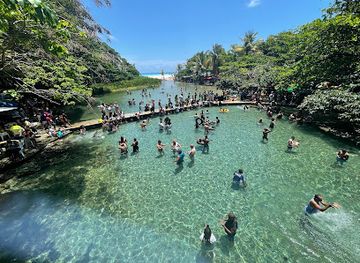
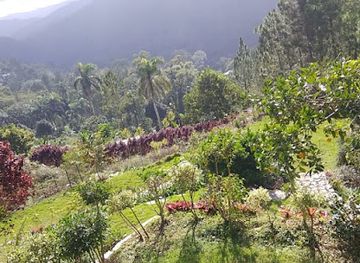
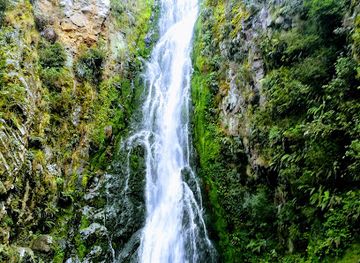
Sierra de Neiba’s attractions are primarily ecological, rural and scenic rather than built for mass tourism. Sierra de Neiba National Park protects highland forest, watersheds and habitats that reward patient walkers and birdwatchers, although trails and visitor facilities can be limited. The cooler agricultural landscapes around Hondo Valle offer views of cultivated slopes, mountain roads and small communities, while the southern approaches descend towards the dry vegetation and limestone environment near Lake Enriquillo. The lake itself lies beside, rather than uniformly within, the mountain region and is best treated as a nearby complementary destination. Around the wider basin, visitors can find distinctive wildlife, hot or freshwater springs in selected localities and stark contrasts between green uplands and arid lowlands. Rural excursions can include coffee-growing areas, farm landscapes and visits arranged through local contacts, but access should not be assumed without prior planning. The region suits travellers seeking hiking, photography, nature observation and an understanding of Dominican life beyond the main beach resorts; it is less suitable for visitors expecting dense signage, frequent attractions or fully equipped recreation infrastructure.
-
Tourist attraction
Balneario Los Patos
Experience the serene beauty of Balneario Los Patos, a hidden beach paradise in the Dominican Republic, perfect for relaxation and adventure.
-
Tourist attraction
Balneario El Camellon
Experience the tranquil beauty of Balneario El Camellon, a stunning beach destination in the heart of the Dominican Republic's tropical paradise.
-
Park
Duarte Jarabacoa Park
Explore Duarte Jarabacoa Park, a breathtaking retreat in the Dominican Republic, perfect for nature lovers and adventure seekers alike.
-
National park
Parque Nacional Valle Nuevo
Best landmarks in Sierra de Neiba
The most significant landmark of the region is the Sierra de Neiba mountain wall itself, whose forested ridges and steep escarpments define the relationship between the cool interior highlands and the dry depression around Lake Enriquillo. Sierra de Neiba National Park gives this landscape national conservation importance, particularly through its watersheds and remaining upland habitats. Hondo Valle is a notable highland settlement whose position among cultivated mountain slopes illustrates how communities adapt to elevation and difficult terrain. On the southern side, views towards Lake Enriquillo and its broad basin form a powerful geographical landmark, although the lake environment should be understood as a neighbouring lowland landscape rather than an undifferentiated part of the mountain range. The road approaches, valley settlements and borderland scenery also carry historical significance: they reveal the strategic and economic importance of this frontier between the Dominican Republic’s interior and the Haitian border. Unlike a region dominated by cathedrals or castles, Sierra de Neiba’s landmarks are chiefly mountains, protected forests, settlements and dramatic changes in vegetation and climate.
-
National park
Cotubanamá National Park
Experience the breathtaking beauty of Cotubanamá National Park, a natural sanctuary filled with diverse wildlife, stunning landscapes, and rich cultural heritage.
-
Tourist attraction
Dunes of Baní
Explore the breathtaking Dunes of Baní in the Dominican Republic, a stunning blend of adventure, natural beauty, and unique landscapes.
-
Hotel
Las Marias de Neyba
Experience the beauty of Neyba at Las Marias de Neyba, where comfort meets nature in a serene escape.
-
Monument
Monument Divine Child
Discover the serene beauty and spiritual significance of Monument Divine Child in Constanza—an essential stop for every traveler seeking peace and inspiration.



Explore Sierra de Neiba on the map
Plan your trip on one map. See where the top cities, national parks and sights are, and book hotels and experiences in a few clicks.
Best hotels in Sierra de Neiba
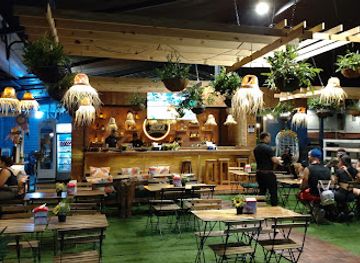
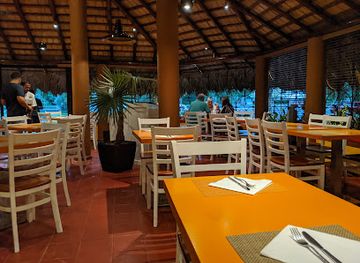
Best restaurants in Sierra de Neiba
Dining in Sierra de Neiba is mainly local, informal and tied to the agricultural economy. Small comedor-style eateries and family kitchens serve Dominican staples such as rice and beans, stewed chicken or goat, plantains, cassava, salads and seasonal vegetables. In cooler upland districts, locally grown coffee is an important regional product, while the valleys supply fruit, plantains and other crops. Around Neiba and the approaches to Lake Enriquillo, meals may include freshwater or lake-region ingredients where locally available, although menus vary considerably and should not be assumed in remote communities. Markets and roadside stalls are useful for fruit, bread, fried snacks and simple provisions, but choices may be limited outside town centres. Visitors staying in mountain communities should arrange meals with accommodation providers or guides rather than relying on late-opening restaurants. Dining is generally inexpensive compared with international resort areas, but card payments are uncommon in rural establishments, so carry Dominican pesos.
-
Restaurant
Café Colao
Discover authentic Dominican flavors at Café Colao in Jarabacoa – where every dish tells a story.
-
Restaurant
Típico Bonao North
Discover authentic Dominican cuisine at Típico Bonao North—where every dish tells a story of rich flavors and cultural heritage.
-
Restaurant
El Mesón de la Cava
Discover the exquisite flavors of Dominican cuisine in the breathtaking setting of El Mesón de la Cava - a must-visit culinary gem in Santo Domingo.
-
Restaurant
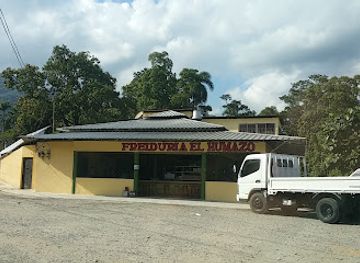
El Humazo
Experience authentic Dominican flavors at El Humazo - a culinary gem in Bonao known for its delicious food and welcoming atmosphere.

Best bars in Sierra de Neiba
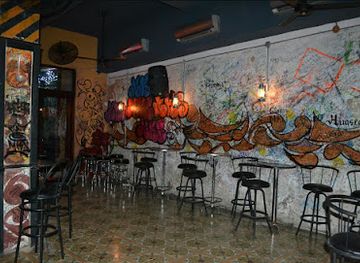
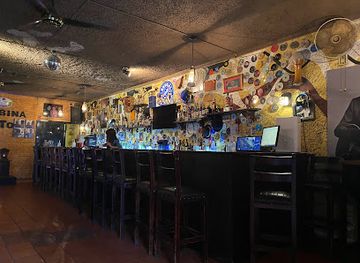
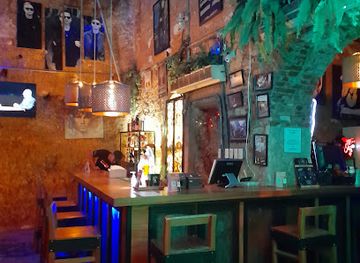
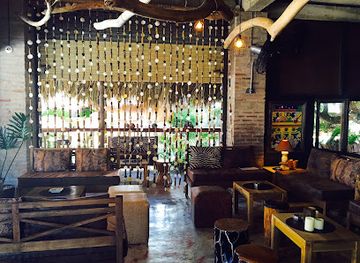
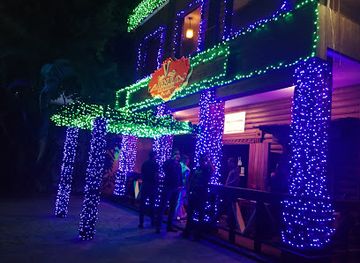
Nightlife in Sierra de Neiba is modest and community-based. In towns such as Neiba, San Juan de la Maguana and other regional centres, evening life centres on colmados, modest bars, restaurants and social plazas where merengue, bachata and conversation continue after dark. Hondo Valle and smaller mountain settlements are quieter, with local gatherings and family-run businesses rather than a dedicated club circuit. The wider region does not have the concentrated nightclubs or resort entertainment found on the Dominican coast, and rural businesses may close early or operate according to local demand. Visitors should arrange transport before going out, avoid isolated roads at night and respect residential surroundings. A cold Presidente beer or a rum-based drink may be available, but alcohol is not necessary to engage with the region’s evening culture; coffee, food and conversation are equally characteristic of a night in the highlands.
-
Bar
Parada 77
Experience the heart of Santo Domingo's nightlife at Parada 77, a vibrant bar in the historic Zona Colonial offering great drinks and lively entertainment.
-
Bar
Sabina Bar Zona Colonial
Discover the lively spirit of Sabina Bar Zona Colonial, where delicious drinks meet vibrant entertainment in the heart of Santo Domingo.
-
Bar
Caciba Bar
Discover the lively nightlife at Caciba Bar in Santo Domingo's Zona Colonial, where vibrant cocktails and live music await you.
-
Bar
El Mosquito Art Bar
Discover El Mosquito Art Bar in Las Terrenas, where cocktails, art, and live music create an unforgettable nightlife experience.
Best nightclubs in Sierra de Neiba
Nightlife in Sierra de Neiba is modest and community-based. In towns such as Neiba, San Juan de la Maguana and other regional centres, evening life centres on colmados, modest bars, restaurants and social plazas where merengue, bachata and conversation continue after dark. Hondo Valle and smaller mountain settlements are quieter, with local gatherings and family-run businesses rather than a dedicated club circuit. The wider region does not have the concentrated nightclubs or resort entertainment found on the Dominican coast, and rural businesses may close early or operate according to local demand. Visitors should arrange transport before going out, avoid isolated roads at night and respect residential surroundings. A cold Presidente beer or a rum-based drink may be available, but alcohol is not necessary to engage with the region’s evening culture; coffee, food and conversation are equally characteristic of a night in the highlands.
-
Disco club
Jet Set Club
Discover the vibrant atmosphere and exhilarating music at Jet Set Club, Santo Domingo's premier disco destination for unforgettable nightlife experiences.
-
Disco club
Cocco Bongo
Experience the electrifying nightlife of Barahona at Cocco Bongo, where music and dance unite in a vibrant celebration.
-
Disco club
Venue Bar & Lounge
Discover the vibrant nightlife of Jarabacoa at Venue Bar & Lounge, where electrifying music and a lively atmosphere await.
-
Night club
Mamma Club
Discover the vibrant energy of Mamma Club, a premier night club in Santo Domingo, perfect for dancing, exotic cocktails, and unforgettable nights.



Best shops in Sierra de Neiba
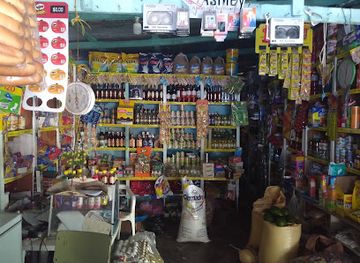
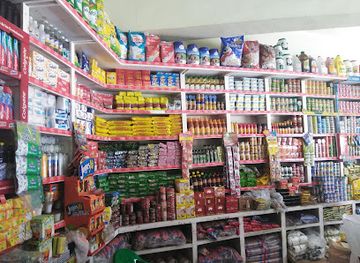
Shopping in Sierra de Neiba is practical and local rather than centred on large retail complexes. Market days and town shops provide fruit, vegetables, beans, plantains, coffee and everyday provisions, while colmados serve as important small-scale community stores. Locally produced coffee is the most natural regional purchase for visitors, particularly when sourced directly from a farming community or a reputable shop. Around Neiba and the Lake Enriquillo approaches, seasonal produce and simple packaged foods are more widely available than specialised handicrafts. Small businesses may sell woven goods, household items or locally made products, but craft stock is not consistent enough to treat as a guaranteed attraction. Carry Dominican pesos, as rural vendors rarely accept cards, and ask permission before photographing market stalls or farm work. For a broader selection of Dominican crafts, books, branded goods and artisan products, visitors generally need to shop in larger towns outside the mountain area rather than expect a developed tourist retail scene within Sierra de Neiba.
-
Gourmet grocery store
Colmado Unica
Discover the rich flavors of the Dominican Republic at Colmado Unica, a gourmet grocery store in El Cercado offering local and international delicacies.
-
 General store
Colmado Adolfo
Immerse yourself in local culture at Colmado Adolfo, Guayabal's charming general store, a hidden gem for authentic shopping experiences.
-
Clothing store
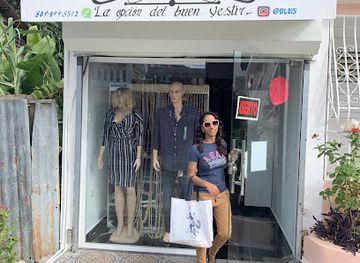
DROIS, La Opción del Buen Vestir
Explore DROIS in El Cercado for stylish clothing and unique accessories that reflect the vibrant Dominican fashion scene.
-
Shopping mall
Colmado Sobeida
Discover the vibrant Colmado Sobeida in El Cercado, where shopping meets local culture and culinary delights in the heart of the Dominican Republic.
Get your free copy of our complete guide to Sierra de Neiba, delivered straight to you.
Everything on this page, from attractions and restaurants to essentials and local phrases, in one PDF you can read offline, print or share.
Already have an account? Sign in
Your Sierra de Neiba guide is ready.
We'll send it to · Not you? Sign out

Getting your guide ready…
We are putting together a fresh copy of the Sierra de Neiba guide. This can take up to a minute.
This can take a few moments. If your browser asks, choose Allow so the download can start. You'll find the guide in your Downloads folder.
Nothing happened? Download it again
Sorry, the guide is taking longer than usual. Please try again in a minute, or get it by email instead.
Sierra de Neiba essentials
Currency and Payment
Safety
Emergency Situations
Do's and Don'ts
Local Tips
From Eve
Local phrases worth knowing
You don't need to get them perfect. A few words go a long way, and locals appreciate the effort.
Basics
| English | Local | Say it |
|---|---|---|
| Hello | Hola | [Ola] |
| Goodbye | Adiós | [Adyos] |
| Yes | Sí | [See] |
| No | No | [No] |
| Please/You're welcome | Por favor | [Por favor] |
| Thank you | Gracias | [Grasyas] |
| Excuse me/Sorry | Perdón | [Perdon] |
| How are you? | ¿Cómo estás? | [Como estas] |
| Fine. And you? | Bien. ¿Y tú? | [Bee-en. E tu] |
| Do you speak English? | ¿Hablas inglés? | [Ablas ingles] |
| I don't understand | No entiendo | [No entiendo] |
Eating & Drinking
| English | Local | Say it |
|---|---|---|
| I'd like to see the menu, please | Me gustaría ver el menú, por favor | [Me gustaria ver el menu, por favor] |
| I don't eat meat | No como carne | [No komo karne] |
| Cheers! | ¡Salud! | [Salud] |
| I would like to pay, please | Me gustaría pagar, por favor | [Me gustaria pagar, por favor] |
Emergencies
| English | Local | Say it |
|---|---|---|
| Help! | ¡Ayuda! | [Ayuda] |
| Go away! | ¡Vete! | [Vete] |
| Call the Police! | ¡Llama a la policía! | [Llama a la policia] |
| Call a doctor! | ¡Llama a un doctor! | [Llama a un doktor] |
| I'm lost | Estoy perdido | [Estoy perdido] |
| I'm ill | Estoy enfermo | [Estoy enfermo] |
Shopping
| English | Local | Say it |
|---|---|---|
| I'd like to buy... | Me gustaría comprar... | [Me gustaria comprar] |
| I'm just looking | Solo estoy mirando | [Solo estoy mirando] |
| How much is it? | ¿Cuánto cuesta? | [Cuanto cuesta] |
| That's too expensive | Eso es muy caro | [Eso es muy karo] |
| Can you lower the price? | ¿Puedes bajar el precio? | [Puedes bajar el precio] |
Time & Numbers
| English | Local | Say it |
|---|---|---|
| What time is it? | ¿Qué hora es? | [Ke ora es] |
| It's one o'clock | Es la una | [Es la una] |
| Half past (10) | Diez y media | [Dyez y media] |
| Morning | Mañana | [Mañana] |
| Afternoon | Tarde | [Tarde] |
| Evening | Noche | [Noche] |
| Yesterday | Ayer | [Ayer] |
| Today | Hoy | [Hoy] |
| Tomorrow | Mañana | [Mañana] |
| 1 | Uno | [Uno] |
| 2 | Dos | [Dos] |
| 3 | Tres | [Tres] |
| 4 | Cuatro | [Kuwatro] |
| 5 | Cinco | [Sinko] |
| 6 | Seis | [Seis] |
| 7 | Siete | [Siete] |
| 8 | Ocho | [Ocho] |
| 9 | Nueve | [Nueve] |
| 10 | Diez | [Dyez] |
Transport & Directions
| English | Local | Say it |
|---|---|---|
| Where's a/the...? | ¿Dónde está un/una...? | [Donde esta un/una] |
| What's the address? | ¿Cuál es la dirección? | [Kual es la dirreccion] |
| Can you show me (on the map)? | ¿Puedes mostrarme (en el mapa)? | [Puedes mostrarme en el mapa] |
| When's the next (bus)? | ¿Cuándo es el próximo (autobús)? | [Cuando es el proximo autobus] |
| A ticket (to ....) | Un boleto (a ....) | [Un boleto a] |
History of Sierra de Neiba
Taíno landscapes before European colonisation
Before Spanish rule, the valleys and mountain margins of south-western Hispaniola were used by Taíno communities whose settlements, cultivated clearings and travel routes were adapted to the island’s varied environments. The region’s rivers, fertile valley floors and upland resources supported agriculture and movement between the interior and the lowlands. Archaeological evidence is less visually concentrated here than at some better-known Caribbean sites, but the wider landscape retains the legacy of Indigenous settlement through place names, agricultural patterns and the continuing importance of water and seasonal resources.
Spanish frontier and colonial agriculture
Spanish colonisation brought new settlements, livestock, crops and religious institutions to the south-west, while the mountain ranges remained relatively difficult to control compared with the principal coastal and valley centres. The area’s frontier character was reinforced by its distance from Santo Domingo and by the rugged terrain separating communities. Colonial agriculture gradually altered lowland environments, but the higher Sierra de Neiba remained more lightly settled and continued to function as a source of water, timber and pasture.
The Hispaniola borderlands
The modern political division of Hispaniola developed through the competing colonial histories of the Spanish east and the French west, followed by the creation of Haiti and the Dominican Republic. Sierra de Neiba lies close to this historically sensitive frontier, and its valleys and passes have long connected communities on either side of the border. The boundary is not merely a line on a map: it has shaped trade, migration, military concerns, local identities and the development of towns in the surrounding provinces.
Independence and the south-western campaigns
During the Dominican struggle for independence from Haitian rule in the nineteenth century, the south-west became an important theatre because of its proximity to the border and the routes through the interior. Fighting and military movements affected settlements around the valleys south and east of the mountain range. The difficult terrain of the Sierra de Neiba and neighbouring ranges made control of roads, passes and water sources strategically important, while the eventual consolidation of the Dominican Republic left a lasting military and civic imprint on the region.
Rural agriculture and mountain communities
In the twentieth century, the slopes and valleys associated with Sierra de Neiba developed through small-scale farming, livestock raising and the cultivation of crops suited to different elevations. Coffee became especially important in cooler upland areas, while beans, maize, plantains, vegetables and fruit were grown in lower or more protected districts. Roads and public services expanded unevenly, linking communities such as Hondo Valle and settlements around the Neiba basin with larger provincial centres but leaving many mountain areas relatively isolated.
Protected landscapes and conservation
The creation of protected areas in the Dominican Republic reflected growing recognition of the country’s mountain watersheds, endemic species and remaining forests. Sierra de Neiba National Park was established to safeguard highland habitats and water-producing landscapes across parts of the south-west. Conservation has had to coexist with established communities and agriculture, making the area a place where environmental protection, rural livelihoods and access to remote settlements remain closely connected.
Contemporary border-region development
Today, Sierra de Neiba remains one of the Dominican Republic’s less urbanised mountain regions. Its economy is linked to farming, public services, local commerce and cross-regional travel, while tourism is still developing on a small scale. Interest in birdwatching, hiking, agro-tourism and the ecological contrast between the mountains and Lake Enriquillo has increased, but infrastructure remains limited. Visitors encounter a living rural landscape rather than a destination shaped primarily for mass tourism.
Sierra de Neiba in Photos
Browse through our photo collection highlighting the charm and character of the destination.
Neighbouring regions of Sierra de Neiba
The closest regions to Sierra de Neiba, if you have time for more than one.
-

-

-

-

-


Swipe for more regions
Explore more

Explore more of Dominican Republic
Explore the Dominican Republic: where pristine beaches, rich history, and vibrant culture converge in a Caribbean paradise.
Explore Dominican Republic