

Free San Juan Valley Travel Guide & Mobile App
Explore San Juan Valley with free travel guides. Discover regional history, expert tips, proposed trips, and audio guides on web or mobile app.


San Juan Valley reveals the Dominican Republic’s agricultural interior through mountain landscapes, Taíno heritage, historic San Juan and rural traditions.
Read more about San Juan Valley
When is the best time to visit San Juan Valley?
Best: January–March · 29°C| Month | High (°C) | Rainfall (mm) |
|---|---|---|
| January (best) | 29 | 40 |
| February (best) | 29 | 35 |
| March (best) | 29 | 45 |
| April | 30 | 55 |
| May | 31 | 100 |
| June | 32 | 120 |
| July | 32 | 140 |
| August | 32 | 140 |
| September | 32 | 120 |
| October | 31 | 100 |
| November | 30 | 80 |
| December | 29 | 60 |
Getting to and around San Juan Valley
How to get there
Transportation
Best attractions in San Juan Valley
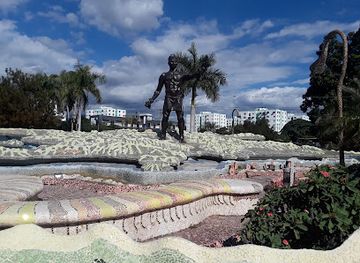
San Juan Valley’s attractions are shaped by history, agriculture and access to the surrounding mountains rather than by resort infrastructure. San Juan de la Maguana offers civic monuments, churches, local cultural spaces and the historical atmosphere of the region’s principal town. Near Juan de Herrera, Corral de los Indios provides an important connection with Taíno heritage and should be approached with respect for its archaeological significance. The valley’s agricultural roads reveal irrigated fields, farm communities and broad views towards the enclosing ranges, while Las Matas de Farfán adds another perspective on the region’s rural settlement pattern. Outdoor travellers can use the valley as a base for excursions towards the Cordillera Central and areas associated with José del Carmen Ramírez National Park, although mountain access, guides and road conditions require advance checking. The region is best experienced slowly: combine historical sites with a market visit, a countryside drive and a carefully planned upland outing rather than expecting a dense circuit of ticketed attractions.
-
National park
The Three Eyes National Park
Explore the stunning beauty of The Three Eyes National Park, a breathtaking national park with tranquil lagoons and unique geological formations.
-
Park
Caonabo Park
Experience the tranquil beauty of Caonabo Park in San Juan de la Maguana, a natural paradise perfect for relaxation and recreation.
-
Lake
Laguna Gri-Gri
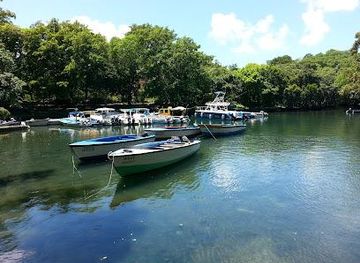
Explore the serene beauty of Laguna Gri-Gri, a tranquil lake in Río San Juan, offering breathtaking views and a perfect escape into nature.
-
Beach
Playa La Entrada
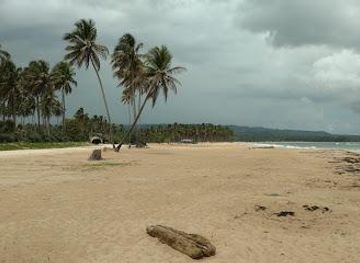
Discover the breathtaking beauty of Playa La Entrada in the Dominican Republic, a perfect beach destination for relaxation and adventure.

Best landmarks in San Juan Valley
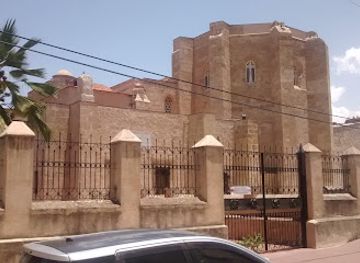
The most recognisable landmarks of San Juan Valley are concentrated in and around San Juan de la Maguana. The Arco de Triunfo is a prominent civic symbol of the city, while the Catedral San Juan Bautista reflects the continuing importance of Catholic worship in the regional centre. Monuments connected with the Battle of Santomé give the surrounding landscape a strong place in Dominican independence history, commemorating the nineteenth-century conflict fought near San Juan. Corral de los Indios, near Juan de Herrera, has particular archaeological and cultural significance because of its association with the pre-colonial Taíno chiefdom of Maguana. Beyond built landmarks, the valley itself is geographically distinctive: a broad agricultural plain framed by the Cordillera Central and Sierra de Neiba. Views towards these ranges, especially from open rural roads, help explain the region’s strategic history and its continuing importance as an inland farming district.
-
National park
The Three Eyes National Park
Explore the stunning underground lagoons and unique limestone formations at The Three Eyes National Park, a natural gem in Santo Domingo Este, Dominican Republic.
-
Park
Plaza Juan Barón
Experience the charm of Santo Domingo at Plaza Juan Barón, a lush urban park filled with local culture, vibrant gatherings, and serene landscapes.
-
Museum
Faro a Colón, Santo Domingo Este
Explore the legacy of Columbus at Faro a Colón, a captivating museum and lighthouse in Santo Domingo Este, celebrating maritime history and culture.
-
Fortress
Fortaleza Ozama
Explore Fortaleza Ozama, Santo Domingo's historic fortress, showcasing stunning architecture and rich colonial history in the heart of the Zona Colonial.
Explore San Juan Valley on the map
Plan your trip on one map. See where the top cities, national parks and sights are, and book hotels and experiences in a few clicks.
Best hotels in San Juan Valley
Best restaurants in San Juan Valley
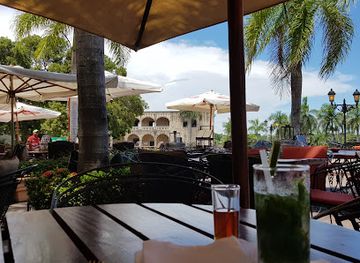
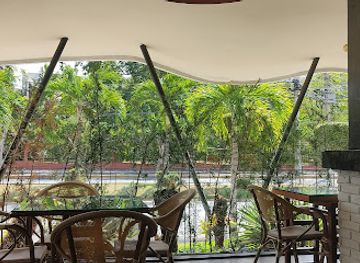
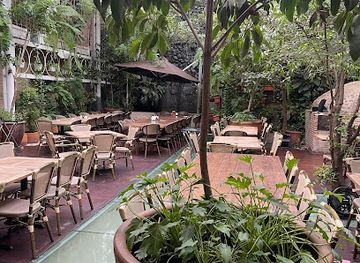
Dining in San Juan Valley is closely connected to Dominican home cooking and the crops of its agricultural basin. In San Juan de la Maguana, restaurants and informal eateries commonly serve rice and beans, stewed meats, plantains, soups and chicken or pork dishes, alongside seasonal vegetables and fresh juices. Beans, rice, maize and plantains are especially appropriate regional choices because farming has long shaped the valley’s economy, although these foods are also part of the wider Dominican culinary tradition rather than exclusive local inventions. Las Matas de Farfán and smaller communities offer modest cafés, roadside food stalls and family-run establishments, while markets provide fruit and locally grown produce. International dining is limited compared with Santo Domingo or major beach resorts, so visitors should expect straightforward portions, daytime trade and changing menus. A local recommendation is often the best way to find a dependable meal outside the main urban centre.
-
Restaurant
Parador Bella Mar
Discover authentic Dominican cuisine at Parador Bella Mar in Santo Domingo Este – where every meal is a celebration of flavor.
-
European
Pat'e Palo European Brasserie
Experience modern French cuisine in the historic Zona Colonial of Santo Domingo at Pat'e Palo European Brasserie.
-
Restaurant
Casa Vera
Experience authentic Dominican cuisine at Casa Vera in Bella Vista—where tradition meets modern dining in Santo Domingo.
-
Restaurant
Buche Perico
Discover exquisite Dominican flavors at Buche Perico in Santo Domingo's historic Zona Colonial - where ambiance meets culinary artistry.
Best bars in San Juan Valley
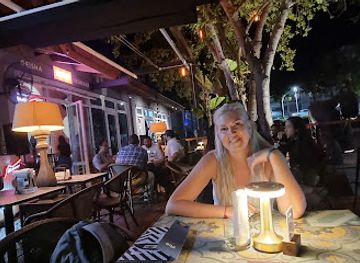
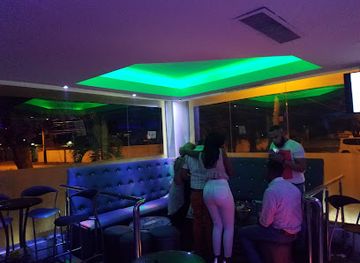
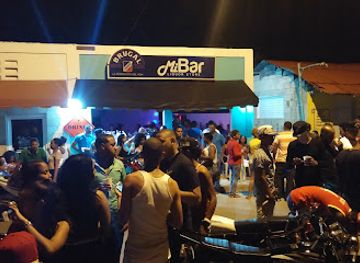
Evening life in San Juan Valley is concentrated in San Juan de la Maguana and, to a lesser extent, Las Matas de Farfán. The social scene is more likely to involve neighbourhood colmados, casual bars, restaurants and music venues than a large, dedicated nightclub circuit. Merengue, bachata and other Dominican music may be heard in local establishments, while televised sport and conversation are important parts of the evening atmosphere. Smaller communities generally become quiet earlier, and rural accommodation should not be chosen with expectations of late-night entertainment. Visitors should use established venues, arrange their return transport in advance and remember that drinking is not necessary to participate in local social life. Exact opening arrangements and venue status can change, so ask accommodation staff or trusted local contacts for current information.
-
Bar
El Pub
Experience the vibrant nightlife at El Pub in Punta Cana, where refreshing drinks and lively atmosphere meet local culture.
-
Bar
Movie Bar And Lounge
Experience the vibrant nightlife at Movie Bar And Lounge in San Juan de la Maguana, where cocktails meet culture in a lively setting.
-
Night club
Tragos Club Bar - Piscina - Lounge
Experience the vibrant nightlife of San Juan de la Maguana at Tragos Club Bar, where great music and refreshing cocktails await.
-
Bar
MI BAR
Discover the lively ambiance and local flavors at MI BAR, a vibrant nightlife destination in Río San Juan, perfect for tourists seeking authentic experiences.

Best nightclubs in San Juan Valley
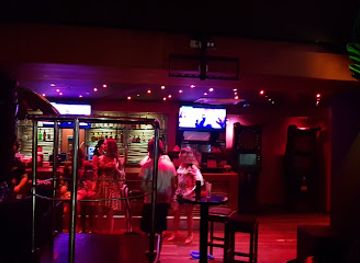
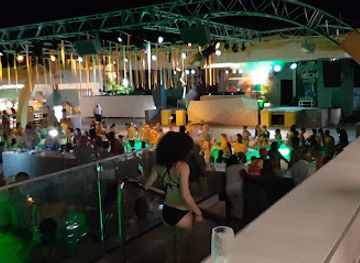
Evening life in San Juan Valley is concentrated in San Juan de la Maguana and, to a lesser extent, Las Matas de Farfán. The social scene is more likely to involve neighbourhood colmados, casual bars, restaurants and music venues than a large, dedicated nightclub circuit. Merengue, bachata and other Dominican music may be heard in local establishments, while televised sport and conversation are important parts of the evening atmosphere. Smaller communities generally become quiet earlier, and rural accommodation should not be chosen with expectations of late-night entertainment. Visitors should use established venues, arrange their return transport in advance and remember that drinking is not necessary to participate in local social life. Exact opening arrangements and venue status can change, so ask accommodation staff or trusted local contacts for current information.
-
Night club
Coco Bongo Punta Cana
Experience the electrifying nightlife at Coco Bongo Punta Cana, where unforgettable performances and vibrant atmosphere await every visitor.
-
Disco club
Pacha disco
Discover the electrifying nightlife at Pacha Disco, Punta Cana's premier dance club, where unforgettable nights and vibrant crowds await.
-
Night club
VIP ROOM Santo Domingo
Experience the pulse of Santo Domingo's nightlife at VIP Room, where music, dance, and luxury come together for an unforgettable evening.
-
Night club
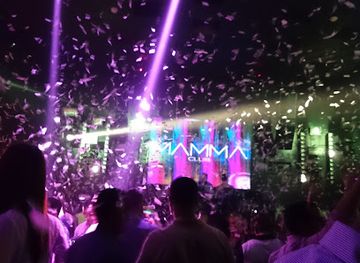
Mamma Club
Experience the exhilarating nightlife at Mamma Club, a premier destination in Santo Domingo for dancing, cocktails, and vibrant entertainment.

Best shops in San Juan Valley
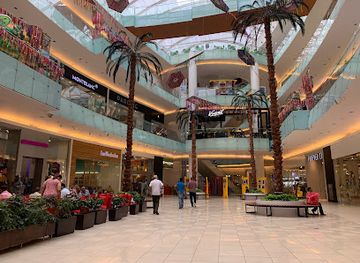
Shopping in San Juan Valley is practical and locally focused, with San Juan de la Maguana providing the broadest range of shops, supermarkets, pharmacies, market stalls and small independent businesses. Produce markets are the most regionally relevant places to browse, offering fruit, vegetables, beans and other goods linked to the valley’s farming economy, although market days and trading patterns vary. Las Matas de Farfán and smaller towns have modest high streets where visitors can buy snacks, household goods and everyday Dominican products rather than internationally oriented souvenirs. Useful purchases include locally grown food, packaged coffee from the wider Dominican Republic and small craft or religious items when available. Do not expect a concentrated luxury-shopping district or a large artisan market; the appeal lies in observing ordinary commercial life and buying seasonal products respectfully. Carry cash in smaller denominations for market transactions and rural shops.
-
Shopping mall
Ágora Mall
Experience shopping, dining, and entertainment all in one at Ágora Mall, the heart of modern Santo Domingo.
-
Shopping mall
Centro Comercial Galería 360
Explore Centro Comercial Galería 360: Santo Domingo's premier shopping mall with diverse stores, dining, and entertainment options for all ages.
-
Shopping mall
Sambil Santo Domingo
Discover the ultimate shopping experience at Sambil Santo Domingo, where fashion meets fun in the heart of the capital.
-
Shopping mall
BlueMall Santo Domingo
Discover the ultimate shopping experience at BlueMall Santo Domingo, featuring luxury brands, diverse dining, and vibrant entertainment.

Get your free copy of our complete guide to San Juan Valley, delivered straight to you.
Everything on this page, from attractions and restaurants to essentials and local phrases, in one PDF you can read offline, print or share.
Already have an account? Sign in
Your San Juan Valley guide is ready.
We'll send it to · Not you? Sign out

Getting your guide ready…
We are putting together a fresh copy of the San Juan Valley guide. This can take up to a minute.
This can take a few moments. If your browser asks, choose Allow so the download can start. You'll find the guide in your Downloads folder.
Nothing happened? Download it again
Sorry, the guide is taking longer than usual. Please try again in a minute, or get it by email instead.
San Juan Valley essentials
Currency and Payment
Safety
Emergency Situations
Do's and Don'ts
Local Tips
From Eve
Local phrases worth knowing
You don't need to get them perfect. A few words go a long way, and locals appreciate the effort.
Basics
| English | Local | Say it |
|---|---|---|
| Hello | Hola | [Ola] |
| Goodbye | Adiós | [Adios] |
| Yes | Sí | [Si] |
| No | No | [No] |
| Please/You're welcome | Por favor/De nada | [Por favor/De nada] |
| Thank you | Gracias | [Grasias] |
| Excuse me/Sorry | Perdón/Lo siento | [Perdon/Lo siento] |
| How are you? | ¿Cómo estás? | [Como estas] |
| Fine. And you? | Bien. ¿Y tú? | [Bien. I tu] |
| Do you speak English? | ¿Hablas inglés? | [Hablas ingles] |
| I don't understand | No entiendo | [No entiendo] |
Eating & Drinking
| English | Local | Say it |
|---|---|---|
| I'd like to see the menu, please | Me gustaría ver el menú, por favor | [Me gustaria ver el menu, por favor] |
| I don't eat meat | No como carne | [No como carne] |
| Cheers! | ¡Salud! | [Salud] |
| I would like to pay, please | Me gustaría pagar, por favor | [Me gustaria pagar, por favor] |
Emergencies
| English | Local | Say it |
|---|---|---|
| Help! | ¡Ayuda! | [Ayuda] |
| Go away! | ¡Vete! | [Vete] |
| Call the Police! | ¡Llama a la policía! | [Llama a la policia] |
| Call a doctor! | ¡Llama a un doctor! | [Llama a un doctor] |
| I'm lost | Estoy perdido | [Estoy perdido] |
| I'm ill | Estoy enfermo/a | [Estoy enfermo/a] |
Shopping
| English | Local | Say it |
|---|---|---|
| I'd like to buy... | Me gustaría comprar... | [Me gustaria comprar] |
| I'm just looking | Solo estoy mirando | [Solo estoy mirando] |
| How much is it? | ¿Cuánto cuesta? | [Cuanto cuesta] |
| That's too expensive | Eso es muy caro | [Eso es muy caro] |
| Can you lower the price? | ¿Puedes bajar el precio? | [Puedes bajar el precio] |
Time & Numbers
| English | Local | Say it |
|---|---|---|
| What time is it? | ¿Qué hora es? | [Que hora es] |
| It's one o'clock | Es la una | [Es la una] |
| Half past (10) | Y media (10) | [Y media 10] |
| Morning | Mañana | [Mañana] |
| Afternoon | Tarde | [Tarde] |
| Evening | Noche | [Noche] |
| Yesterday | Ayer | [Ayer] |
| Today | Hoy | [Hoy] |
| Tomorrow | Mañana | [Mañana] |
| 1 | Uno | [Uno] |
| 2 | Dos | [Dos] |
| 3 | Tres | [Tres] |
| 4 | Cuatro | [Cuatro] |
| 5 | Cinco | [Cinco] |
| 6 | Seis | [Seis] |
| 7 | Siete | [Siete] |
| 8 | Ocho | [Ocho] |
| 9 | Nueve | [Nueve] |
| 10 | Diez | [Diez] |
Transport & Directions
| English | Local | Say it |
|---|---|---|
| Where's a/the...? | ¿Dónde hay un/una...? | [Donde hay un/una] |
| What's the address? | ¿Cuál es la dirección? | [Cual es la direccion] |
| Can you show me (on the map)? | ¿Puedes mostrarme (en el mapa)? | [Puedes mostrarme en el mapa] |
| When's the next (bus)? | ¿Cuándo es el próximo (autobús)? | [Cuando es el proximo autobus] |
| A ticket (to ....) | Un boleto (a....) | [Un boleto a] |
History of San Juan Valley
The Taíno Chiefdom of Maguana
Before Spanish colonisation, the valley formed the core of Maguana, one of the principal Taíno chiefdoms on Hispaniola. The area is associated with Caonabo, a powerful Taíno leader whose authority extended across the central and western interior. Corral de los Indios, near Juan de Herrera, is traditionally linked with Taíno political and ceremonial activity, although interpretations of the site and its surviving features require care. The valley’s name, San Juan de la Maguana, preserves the connection with this pre-colonial landscape and remains an important part of regional historical identity.
Spanish Settlement in the Early Sixteenth Century
Spanish colonisation transformed the Maguana region during the early sixteenth century. San Juan de la Maguana was established as a Spanish settlement in the first years of that century, creating a new administrative and agricultural centre in the interior. Colonial livestock raising and farming altered land use, while forced labour and epidemic disease devastated indigenous communities across Hispaniola. The settlement’s inland position gave it continuing importance as a link between southern ports and the mountainous interior, even though it never developed into a major Caribbean port city.
Agriculture, Livestock and the Colonial Interior
For centuries, the valley’s economy rested on a combination of crop cultivation and livestock raising. Its broad floor, seasonal watercourses and later irrigation made it one of the Dominican Republic’s significant agricultural areas. Rural landholding patterns, local markets and the movement of produce towards larger towns shaped communities around San Juan de la Maguana and Las Matas de Farfán. Much of the region’s present character—open fields, farm roads, small settlements and a strong reliance on locally grown food—has developed from this long relationship between the valley and agricultural production.
The Dominican–Haitian Frontier and Santomé, 1856
The valley became strategically important during the Dominican struggle to defend independence from Haitian attempts to reassert control over the eastern side of Hispaniola. The Battle of Santomé took place near San Juan on 22 December 1855, during the wider Dominican War of Independence, and ended in a significant Dominican victory under General José María Cabral. Its location made the San Juan area a military corridor between the frontier and the southern interior. The battle is commemorated in regional historical memory and helps explain the prominence of patriotic monuments in San Juan de la Maguana.
The Nineteenth- and Twentieth-Century Rural Economy
After independence, San Juan Valley continued to develop primarily as a farming and livestock region rather than an industrial centre. Improvements in roads, irrigation and agricultural organisation strengthened the role of San Juan de la Maguana as a provincial market town. Beans, rice, maize, plantains and other crops became closely associated with the valley’s productive landscape. These changes also encouraged population growth and linked rural communities more closely with national markets, while leaving the region less urbanised and less dependent on coastal tourism than many other parts of the Dominican Republic.
Modern Provincial Development and Environmental Pressures
In the contemporary Dominican Republic, San Juan province combines an important agricultural basin with mountain environments connected to the Cordillera Central and the Sierra de Neiba. Irrigation supports intensive cultivation, but water management, soil protection and pressure on upland ecosystems remain significant concerns. San Juan de la Maguana has expanded as a service and administrative centre, while smaller communities retain strong rural links. Conservation interests in the surrounding mountains, including areas associated with José del Carmen Ramírez National Park, add an environmental dimension to the valley’s modern development.
San Juan Valley in Photos
Browse through our photo collection highlighting the charm and character of the destination.
Neighbouring regions of San Juan Valley
The closest regions to San Juan Valley, if you have time for more than one.
-

-

-

-

-


Swipe for more regions
Explore more

Explore more of Dominican Republic
Explore the Dominican Republic: where pristine beaches, rich history, and vibrant culture converge in a Caribbean paradise.
Explore Dominican Republic