

Free Enriquillo Valley Travel Guide & Mobile App
Explore Enriquillo Valley with free travel guides. Discover regional history, expert tips, proposed trips, and audio guides on web or mobile app.


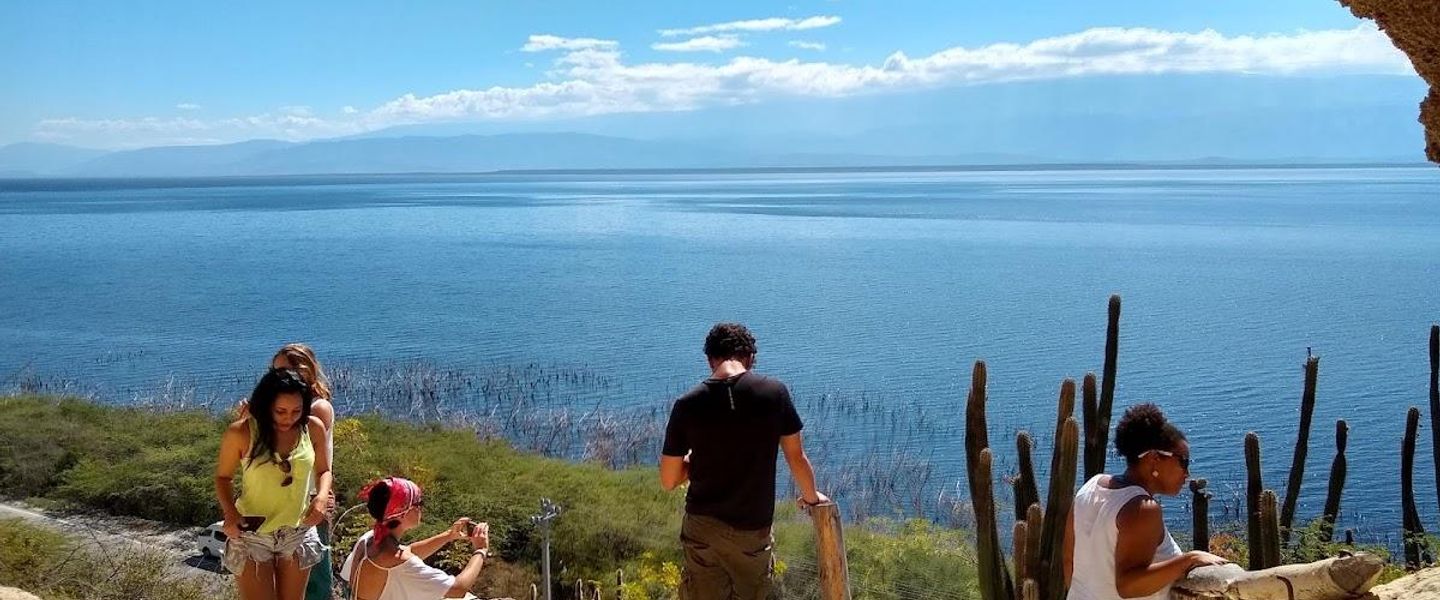


Explore Enriquillo Valley in the Dominican Republic for Lake Enriquillo, Taíno heritage, crocodiles, dry forests, mountain roads and borderland culture.
Read more about Enriquillo Valley
When is the best time to visit Enriquillo Valley?
Best: December–February · 29°C| Month | High (°C) | Rainfall (mm) |
|---|---|---|
| January (best) | 29 | 20 |
| February (best) | 29 | 25 |
| March | 30 | 30 |
| April | 31 | 35 |
| May | 32 | 40 |
| June | 32 | 45 |
| July | 32 | 50 |
| August | 33 | 55 |
| September | 32 | 60 |
| October | 31 | 50 |
| November | 30 | 40 |
| December (best) | 29 | 30 |
Getting to and around Enriquillo Valley
How to get there
Transportation
Destinations in Enriquillo Valley
Resorts, valleys and scenic spots worth a trip of their own.

Swipe for more destinations
Best attractions in Enriquillo Valley
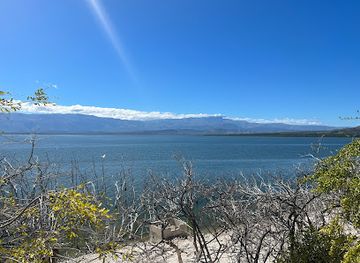
The attraction landscape of Enriquillo Valley is built around nature, archaeology and long road journeys through a dry mountain basin. Lake Enriquillo is the central experience, with its hypersaline waters, exposed shores, crocodiles, iguanas and waterbirds; excursions and viewing arrangements vary with water levels, weather and local conservation practice. Isla Cabritos, within the protected lake environment, is especially associated with wildlife, although access should be arranged locally. Near La Descubierta, Las Caritas offers a compact but important encounter with pre-Columbian rock imagery. The towns of La Descubierta, Postrer Río, Duvergé, Neyba and Jimaní provide different perspectives on rural life, agriculture and the Dominican-Haitian borderland. Visitors can also explore irrigated fields, dry woodland, cactus-covered slopes and mountain roads beside the Sierra de Neiba and Sierra de Bahoruco. Birdwatching, landscape photography, guided nature excursions and short walks are more characteristic here than developed family attractions or resort entertainment. Because the valley is exposed and services are dispersed, local guides, early starts and careful preparation are central to enjoying its natural and cultural sites.
-
Park
Enriquillo Park
Discover the beauty and tranquility of Enriquillo Park in Santo Domingo, a perfect getaway for nature lovers and cultural enthusiasts alike.
-
Catholic cathedral
Catedral Primera de las Américas de Santo Domingo
Explore the architectural wonder of Catedral Primera de las Américas, the first cathedral in the Americas, steeped in history and cultural significance.
-
National park
Lago Enriquillo National Park
Explore the stunning landscapes and unique wildlife of Lago Enriquillo National Park, a true natural gem in the Dominican Republic.
-
Tourist attraction
Mirador Turístico Enriquillo
Experience the stunning vistas of Mirador Turístico Enriquillo, where nature's beauty meets tranquility in the heart of the Dominican Republic.
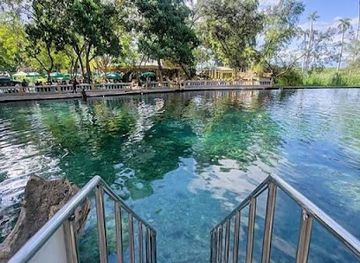
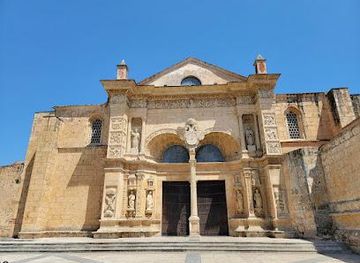
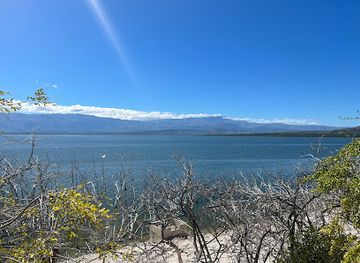
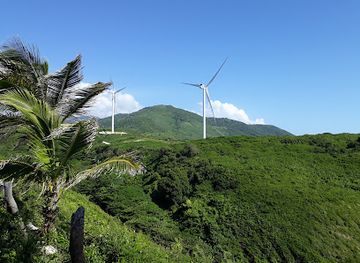
Best landmarks in Enriquillo Valley
Lake Enriquillo is the valley’s great geographical landmark, a broad, low-lying salt lake whose shifting shoreline and mountain setting define the identity of the south-west. Its association with American crocodiles, iguanas and Isla Cabritos gives the landscape both ecological and visual importance. Las Caritas near La Descubierta is a smaller but culturally significant landmark, where rock surfaces bear pre-Columbian imagery linked to the Taíno heritage of Xaragua. The surrounding sierras provide a powerful natural frame: the Sierra de Neiba rises to the north and the Sierra de Bahoruco to the south, creating sharp contrasts between arid lowlands and cooler, higher habitats. Jimaní’s position near the Dominican-Haitian frontier is also significant, not for monumental architecture but for the way the town expresses the valley’s continuing borderland role. Across the basin, dry woodland, cacti, irrigated fields and exposed lake margins form a recognisable landscape shaped by geology, water scarcity and human adaptation.
-
National park
The Three Eyes National Park
Explore the natural wonders of The Three Eyes National Park in Santo Domingo Este, where stunning lagoons and rich biodiversity await.
-
Park
Enriquillo Park
Explore the lush landscapes and vibrant community atmosphere of Enriquillo Park in Santo Domingo, a urban oasis perfect for relaxation and recreation.
-
Nature preserve
Dudú Lagoon
Immerse yourself in the breathtaking beauty of Dudú Lagoon, a serene nature preserve in Cabrera, Dominican Republic, perfect for relaxation and adventure.
-
National park
Lago Enriquillo National Park
Experience the breathtaking beauty and unique wildlife of Lago Enriquillo National Park, a hidden gem in the heart of the Dominican Republic.
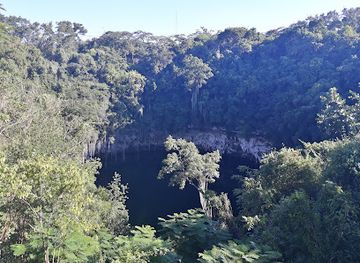
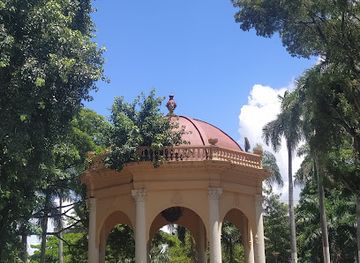
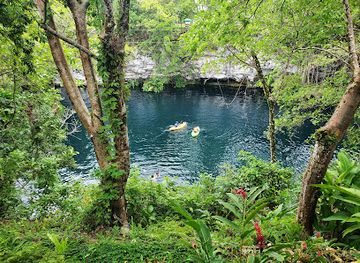
Explore Enriquillo Valley on the map
Plan your trip on one map. See where the top cities, national parks and sights are, and book hotels and experiences in a few clicks.
Best hotels in Enriquillo Valley
Best restaurants in Enriquillo Valley
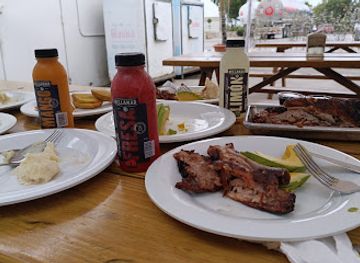
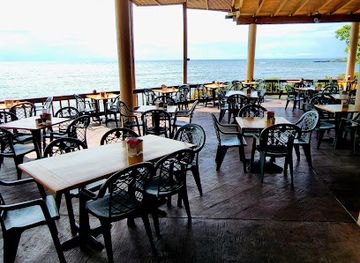
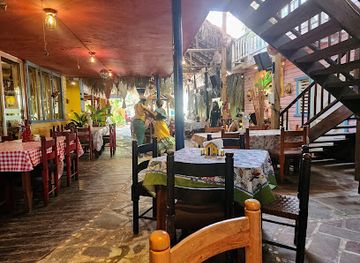
Dining in Enriquillo Valley is generally informal and closely connected to local agriculture, roadside commerce and family-run establishments rather than a concentrated restaurant scene. Small eateries and fondas serve Dominican staples such as rice and beans, stewed meats, plantains, cassava, fried foods and refreshed juices, with menus shaped by what is available locally. Around the lake and in the smaller settlements, visitors should not expect extensive choice or late service, so it is sensible to eat in larger towns or ask accommodation providers to arrange meals. Fruit and irrigated produce are important to the valley’s farming economy, while upland areas associated with Bahoruco and Neiba contribute coffee and other agricultural products. Border communities, particularly around Jimaní, reflect the wider commercial exchange of the south-west and may offer Haitian-influenced ingredients and preparations alongside Dominican cooking. Carrying water and a few snacks is prudent when travelling between towns or visiting remote sites.
-
Restaurant
Laurel
Experience the exquisite flavors of Latin American cuisine at Laurel in Santo Domingo - where every dish tells a story.
-
Restaurant
Parador Bella Mar
Discover authentic Dominican cuisine at Parador Bella Mar in Santo Domingo Este - where every meal is a celebration of flavor.
-
Restaurant
D' Luis Parrillada
Experience authentic Dominican cuisine at D' Luis Parrillada, where grilled meats meet vibrant flavors in a warm atmosphere.
-
Dominican
El Conuco
Experience authentic Dominican cuisine at El Conuco in Santo Domingo - where flavor meets culture in every dish.

Best bars in Enriquillo Valley
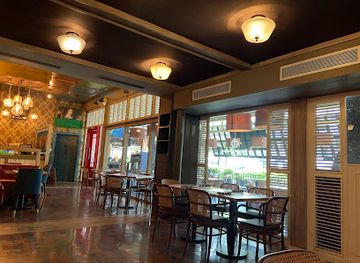
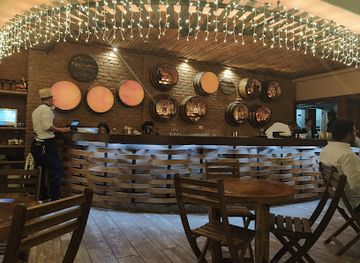
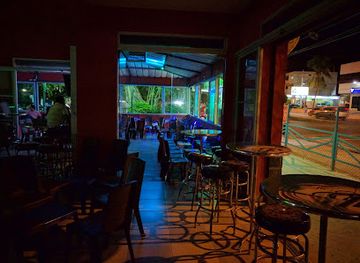
Nightlife in Enriquillo Valley is modest and local in character. In Neyba, Jimaní and other larger communities, evening activity centres on colmados, informal drink shops, cafés and small bars where residents meet, talk and listen to music. Some venues may play merengue, bachata or other popular Dominican styles, but opening arrangements and entertainment vary considerably. La Descubierta and the lakeside settlements are more suited to quiet evenings, simple meals and conversations than to a dedicated club scene. Rural communities often become quiet relatively early, and visitors staying near nature sites should plan around sunrise excursions rather than expect resort-style entertainment. Alcohol is not necessary to experience the valley’s social life; a respectful visit to a local eatery or public plaza can be more representative than seeking a formal nightlife district. Transport should be arranged in advance for journeys after dark, particularly on unfamiliar rural roads.
-
Bar
La Posta Bar
Experience the vibrant nightlife of Santo Domingo at La Posta Bar, where exquisite cocktails and a lively atmosphere await you.
-
Museum
SugarCane, La Casa Del Ron - The Rum Experience - Rooftop Cocktail & Tapas
Experience the best of Dominican rum and tapas at SugarCane, a rooftop bar with stunning views in Santo Domingo's Colonial Zone.
-
Bar
El Hangar
Experience the vibrant nightlife at El Hangar, a lively bar in Santo Domingo known for its diverse drink menu and welcoming atmosphere.
-
Bar
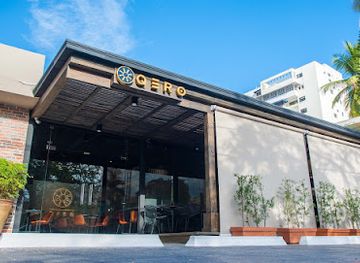
QERO Pisco Bar
Discover the vibrant flavors at QERO Pisco Bar, where innovative cocktails meet authentic Peruvian cuisine in the heart of Santo Domingo.
Best nightclubs in Enriquillo Valley
Nightlife in Enriquillo Valley is modest and local in character. In Neyba, Jimaní and other larger communities, evening activity centres on colmados, informal drink shops, cafés and small bars where residents meet, talk and listen to music. Some venues may play merengue, bachata or other popular Dominican styles, but opening arrangements and entertainment vary considerably. La Descubierta and the lakeside settlements are more suited to quiet evenings, simple meals and conversations than to a dedicated club scene. Rural communities often become quiet relatively early, and visitors staying near nature sites should plan around sunrise excursions rather than expect resort-style entertainment. Alcohol is not necessary to experience the valley’s social life; a respectful visit to a local eatery or public plaza can be more representative than seeking a formal nightlife district. Transport should be arranged in advance for journeys after dark, particularly on unfamiliar rural roads.
-
Disco club
Jet Set Club
Experience the vibrant nightlife at Jet Set Club, where Dominican rhythms meet international beats in a lively disco atmosphere.
-
Disco club
Kuora Club
Dance the night away at Kuora Club, Santo Domingo's premier disco club, where vibrant music and a lively atmosphere create unforgettable memories.
-
Disco club
Silvio nightclub El Pulpo
Discover the electrifying nightlife at Silvio Nightclub El Pulpo, Santo Domingo's favorite disco club for dance, drinks, and unforgettable experiences.
-
Bar
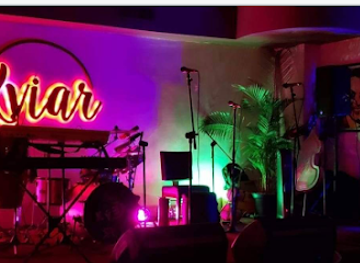
Kviar Lounge & Casino Santo Domingo
Kviar Lounge & Casino Santo Domingo: where luxury meets excitement in a premier nightlife destination with live music and thrilling gaming.


Best shops in Enriquillo Valley
Shopping in Enriquillo Valley is practical and community-based, with small town centres, colmados, produce stalls and market areas supplying everyday goods rather than extensive retail districts. Neyba and Jimaní offer the broadest choice, while La Descubierta, Duvergé and smaller settlements are useful for snacks, fruit, drinks and locally made provisions. Seasonal agricultural produce is one of the most appropriate purchases, and visitors may find locally grown fruit, coffee and other regional foods depending on the time of year. Border commerce gives Jimaní a particularly busy and varied trading atmosphere, but prices, stock and opening arrangements can change quickly. Crafts associated with the wider Dominican Republic may be available, although visitors should ask about provenance rather than assuming that an item is made in the valley. Keep small Dominican peso notes for market transactions and ask permission before photographing stalls or vendors.
-
Shopping mall
Ágora Mall
Explore Ágora Mall: Santo Domingo's premier shopping destination, offering diverse shops, delightful dining, and captivating entertainment.
-
Shopping mall
Sambil Santo Domingo
Discover retail bliss at Sambil Santo Domingo, where shopping, dining, and entertainment converge in an unforgettable experience.
-
Shopping mall
BlueMall Santo Domingo
Experience luxury shopping and dining at BlueMall Santo Domingo, where modern elegance meets vibrant Dominican culture.
-
Shopping mall
Bella Vista Mall
Discover the ultimate shopping experience at Bella Vista Mall, Santo Domingo’s leading destination for fashion, dining, and entertainment.


Get your free copy of our complete guide to Enriquillo Valley, delivered straight to you.
Everything on this page, from attractions and restaurants to essentials and local phrases, in one PDF you can read offline, print or share.
Already have an account? Sign in
Your Enriquillo Valley guide is ready.
We'll send it to · Not you? Sign out

Getting your guide ready…
We are putting together a fresh copy of the Enriquillo Valley guide. This can take up to a minute.
This can take a few moments. If your browser asks, choose Allow so the download can start. You'll find the guide in your Downloads folder.
Nothing happened? Download it again
Sorry, the guide is taking longer than usual. Please try again in a minute, or get it by email instead.
Enriquillo Valley essentials
Currency and Payment
Safety
Emergency Situations
Do's and Don'ts
Local Tips
From Eve
Local phrases worth knowing
You don't need to get them perfect. A few words go a long way, and locals appreciate the effort.
Basics
| English | Local | Say it |
|---|---|---|
| Hello | Hola | [Ola] |
| Goodbye | Adiós | [A-dios] |
| Yes | Sí | [See] |
| No | No | [No] |
| Please/You're welcome | Por favor / De nada | [Por fa-vor / De na-da] |
| Thank you | Gracias | [Gra-see-as] |
| Excuse me/Sorry | Perdón | [Per-don] |
| How are you? | ¿Cómo estás? | [Ko-mo es-tas] |
| Fine. And you? | Bien. ¿Y tú? | [Bee-en. Ee tu?] |
| Do you speak English? | ¿Hablas inglés? | [A-blas in-glez] |
| I don't understand | No entiendo | [No en-tee-en-do] |
Eating & Drinking
| English | Local | Say it |
|---|---|---|
| I'd like to see the menu, please | Me gustaría ver el menú, por favor | [Me gus-ta-ree-a ver el me-nu, por fa-vor] |
| I don't eat meat | No como carne | [No ko-mo car-ne] |
| Cheers! | ¡Salud! | [Sa-lud] |
| I would like to pay, please | Me gustaría pagar, por favor | [Me gus-ta-ree-a pa-gar, por fa-vor] |
Emergencies
| English | Local | Say it |
|---|---|---|
| Help! | ¡Ayuda! | [A-yu-da] |
| Go away! | ¡Vete! | [Ve-te] |
| Call the Police! | ¡Llama a la policía! | [Ya-ma a la po-li-cia] |
| Call a doctor! | ¡Llama a un doctor! | [Ya-ma a un doc-tor] |
| I'm lost | Estoy perdido | [Es-toy per-di-do] |
| I'm ill | Estoy enfermo | [Es-toy en-fer-mo] |
Shopping
| English | Local | Say it |
|---|---|---|
| I'd like to buy... | Me gustaría comprar... | [Me gus-ta-ree-a kom-prar] |
| I'm just looking | Solo estoy mirando | [So-lo es-toy mi-ran-do] |
| How much is it? | ¿Cuánto cuesta? | [Kwan-to kwes-ta] |
| That's too expensive | Eso es muy caro | [E-so es mwee ca-ro] |
| Can you lower the price? | ¿Puedes bajar el precio? | [Pwe-des ba-har el pre-cio] |
Time & Numbers
| English | Local | Say it |
|---|---|---|
| What time is it? | ¿Qué hora es? | [Ke o-ra es] |
| It's one o'clock | Es la una | [Es la u-na] |
| Half past (10) | Y diez | [Ee diez] |
| Morning | Mañana | [Ma-nya-na] |
| Afternoon | Tarde | [Tar-de] |
| Evening | Noche | [No-che] |
| Yesterday | Ayer | [A-yer] |
| Today | Hoy | [Oi] |
| Tomorrow | Mañana | [Ma-nya-na] |
| 1 | Uno | [U-no] |
| 2 | Dos | [Dos] |
| 3 | Tres | [Tres] |
| 4 | Cuatro | [Kwa-tro] |
| 5 | Cinco | [Sin-co] |
| 6 | Seis | [Says] |
| 7 | Siete | [Sye-te] |
| 8 | Ocho | [O-cho] |
| 9 | Nueve | [Nwe-ve] |
| 10 | Diez | [Diez] |
Transport & Directions
| English | Local | Say it |
|---|---|---|
| Where's a/the...? | ¿Dónde está un/una...? | [Don-de es-ta un/una] |
| What's the address? | ¿Cuál es la dirección? | [Kwal es la di-rec-ción] |
| Can you show me (on the map)? | ¿Puedes mostrarme (en el mapa)? | [Pwe-des mos-trar-me (en el ma-pa)] |
| When's the next (bus)? | ¿Cuándo es el próximo (autobús)? | [Kwan-do es el pro-xi-mo (au-to-bus)] |
| A ticket (to ....) | Un boleto (a....) | [Un bo-le-to (a....)] |
History of Enriquillo Valley
Taíno Xaragua and the Pre-Columbian Valley
Before European colonisation, the south-west of Hispaniola formed part of Xaragua, one of the island’s principal Taíno chiefdoms. Communities used the valley, lake margins and surrounding mountains for fishing, cultivation, settlement and ritual activity. Rock imagery at Las Caritas near La Descubierta is among the most visible reminders of this pre-Columbian past, although interpretations of individual figures and their meanings should be treated with care. The landscape’s names, archaeological traces and surviving cultural memory connect the modern valley to a much older human history.
Spanish Colonisation and the Transformation of Xaragua
Spanish conquest in the early sixteenth century brought profound disruption to the societies of south-west Hispaniola through violence, forced labour, disease and resettlement. Colonial administration, Christianity and new agricultural practices gradually altered the valley and its connections with the coast and interior. Many early indigenous communities disappeared or were absorbed into the colonial population, but the region’s geographic importance remained: the lake basin and mountain corridors continued to link settlements across an increasingly divided island.
A Divided Hispaniola and the Colonial Frontier
During the seventeenth and eighteenth centuries, the western and eastern parts of Hispaniola developed under French and Spanish rule. The south-west became a frontier zone shaped by movement, livestock, trade and military concern. The Treaty of Aranjuez in 1777 helped formalise the boundary between the two colonial spheres, though the frontier remained porous in practice. The valley’s later identity as a borderland between the Dominican Republic and Haiti reflects this long history of competing administrations and cross-island connections.
Independence, Border Conflict and the Nineteenth Century
The Dominican declaration of independence in 1844 made the south-west strategically important, as the new republic confronted military and political pressure from Haiti. Communities around the valley became connected to the defence and administration of the frontier, while roads and trading routes supported the movement of people and goods. The period also established many of the political patterns that would shape the region thereafter: strong local communities, difficult communications and an economy influenced by both national policy and border commerce.
Agriculture, Irrigation and Rural Settlement
The valley’s dry climate has always limited rain-fed agriculture, making springs, seasonal streams and irrigation especially important. Over time, farming settlements expanded around cultivated patches in the lowlands and on the slopes and foothills of the surrounding sierras. Crops have included plantains, beans, maize, fruit and other produce suited to local conditions, while higher elevations support different environments and farming practices. Modern communities therefore reflect a close relationship between water management, fertile pockets and the constraints of an arid basin.
Lake Enriquillo and the Protected Landscape
Scientific and conservation interest in Lake Enriquillo increased as its unusual geology, hypersaline water and wildlife became better documented. American crocodiles, rhinoceros iguanas and important bird populations make the lake a major ecological asset, while Isla Cabritos and the surrounding protected area provide a focus for conservation. The lake’s water level has fluctuated substantially, at times affecting roads, farms, settlements and visitor access. These changes have made the relationship between people and the basin an important contemporary environmental issue.
The Contemporary Borderland
Today the Enriquillo Valley remains predominantly rural, with small towns, agricultural communities and a busy but unevenly developed border economy. Jimaní’s position near the Haitian frontier gives the western valley a different commercial and social character from the quieter communities around La Descubierta and the lake. Tourism is centred on nature, archaeology and landscape rather than large resorts. Conservation, water management, transport improvement and sustainable livelihoods continue to shape the region’s future.
Enriquillo Valley in Photos
Browse through our photo collection highlighting the charm and character of the destination.
Neighbouring regions of Enriquillo Valley
The closest regions to Enriquillo Valley, if you have time for more than one.
-

-

-

-

-


Swipe for more regions
Explore more

Explore more of Dominican Republic
Explore the Dominican Republic: where pristine beaches, rich history, and vibrant culture converge in a Caribbean paradise.
Explore Dominican Republic