

Free Cordillera Central Travel Guide & Mobile App
Explore Cordillera Central with free travel guides. Discover regional history, expert tips, proposed trips, and audio guides on web or mobile app.


Explore the Dominican Republic’s Cordillera Central for cool mountain valleys, pine forests, waterfalls, farming communities and routes to Pico Duarte.
Read more about Cordillera Central
Getting to and around Cordillera Central
How to get there
Transportation
Top city travel guides in Cordillera Central
The cities of Cordillera Central, and the easiest places to base yourself.

Swipe for more cities
Destinations in Cordillera Central
Resorts, valleys and scenic spots worth a trip of their own.

Swipe for more destinations
Best attractions in Cordillera Central
The Cordillera Central’s attractions are overwhelmingly landscape-based, with each mountain district offering a different experience. Jarabacoa is the main centre for white-water rafting, canyoning, horse riding and river excursions, with Salto de Jimenoa and Salto de Baiguate among its best-known waterfall destinations. Constanza combines a cool, fertile valley with access to highland scenery, agricultural viewpoints and the unusual pine forests and open uplands of Valle Nuevo. The national parks around the central massif provide the setting for multi-day treks towards Pico Duarte, as well as shorter walks where local access and conditions permit. San José de Ocoa and its surrounding communities offer coffee-growing landscapes, winding roads and quieter routes into the southern foothills. Birdwatching, photography, mountain cycling and guided nature walks are possible throughout the region, but facilities are uneven outside the principal towns. Visitors should regard many sites as countryside excursions rather than fully developed attractions, arranging transport, guides, food and weather-appropriate clothing in advance.
-
Cultural landmark
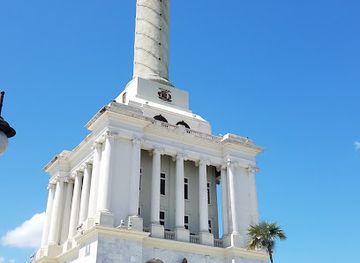
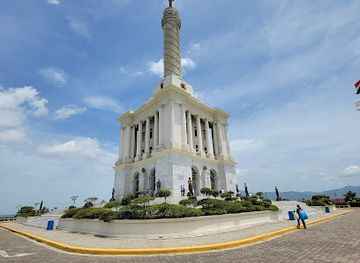
Monument to the Heroes of the Restoration
Discover the rich history and stunning architecture of the Monument to the Heroes of the Restoration in Santiago de los Caballeros, a must-visit cultural landmark.
-
Park
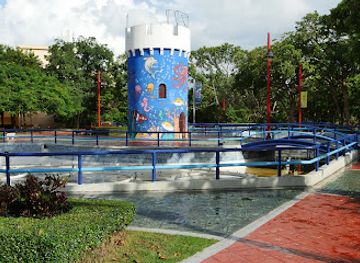
Parque Iberoamérica
Discover the tranquility and cultural richness of Parque Iberoamérica, a lush urban escape in the heart of Santo Domingo.
-
Historical landmark
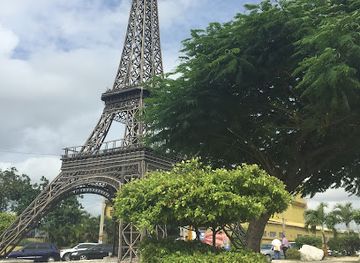
Plaza de la Bandera Republica Dominicana
Explore the historical Plaza de la Bandera in Santo Domingo, a vibrant symbol of Dominican pride with stunning monuments and lush landscapes.
-
National park
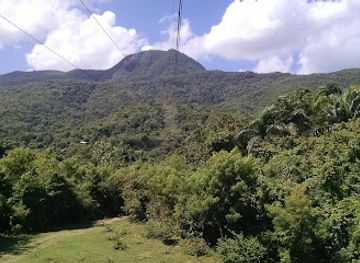
Isabel de Torres National Park
Discover the breathtaking beauty of Isabel de Torres National Park, where lush landscapes and panoramic views await in Puerto Plata, Dominican Republic.
Best landmarks in Cordillera Central
Pico Duarte is the defining natural landmark of the Cordillera Central and the highest summit in the Caribbean, although reaching it involves a demanding, usually multi-day mountain expedition rather than a casual day trip. The surrounding highlands are protected within Armando Bermúdez and José del Carmen Ramírez national parks, whose pine forests, ridges and watersheds give the range its environmental importance. Valle Nuevo is another distinctive landmark, recognised for its elevated grasslands, Hispaniolan pine and cool, often misty conditions that contrast sharply with the Dominican Republic’s coastal climate. Around Jarabacoa, the deep river valleys and waterfalls of the Jimenoa and Baiguate areas provide memorable natural reference points. The broad agricultural basin of Constanza, enclosed by high slopes, is a landmark landscape in its own right, while the valleys and ridges around San José de Ocoa show the southern face of the range. These places are valued as geographical and ecological features as much as sightseeing stops.
-
Cultural landmark
Monument to the Heroes of the Restoration
Explore the Monument to the Heroes of the Restoration in Santiago de los Caballeros, a cultural landmark honoring the bravery of Dominican heroes.
-
Historical landmark
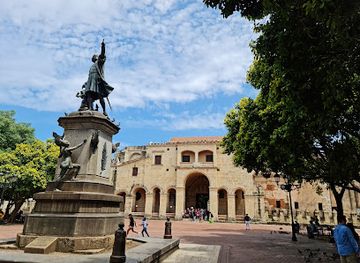
Columbus Park
Immerse yourself in the historical beauty of Columbus Park in Santo Domingo, where lush gardens and rich heritage await your discovery.
-
Botanical garden
National Botanical Garden Dr. Rafael María Moscoso
Discover the vibrant flora and peaceful landscapes of the National Botanical Garden Dr. Rafael María Moscoso, a botanical paradise in Santo Domingo.
-
Cruise terminal
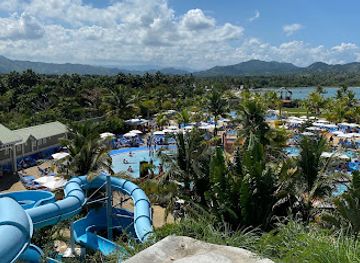
Amber Cove Cruise Port
Experience the vibrant heart of the Dominican Republic at Amber Cove Cruise Port, where adventure meets relaxation amidst stunning Caribbean scenery.
Explore Cordillera Central on the map
Plan your trip on one map. See where the top cities, national parks and sights are, and book hotels and experiences in a few clicks.
Best hotels in Cordillera Central
Best restaurants in Cordillera Central
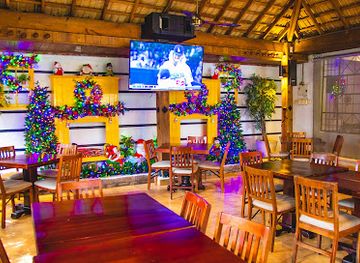
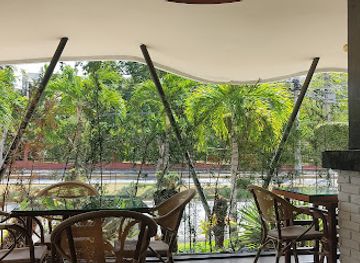
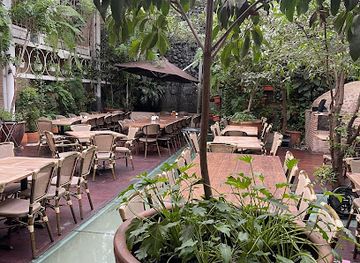
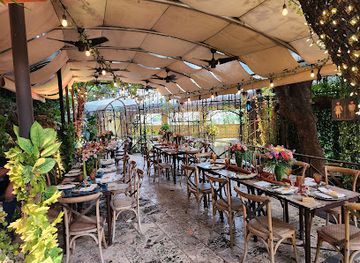
Dining in the Cordillera Central is shaped by Dominican home cooking, mountain agriculture and the practical needs of outdoor travel. Jarabacoa has the broadest choice of restaurants, cafés, bakeries and informal eateries, while Constanza’s menus often draw on locally grown vegetables, potatoes, strawberries and other cool-climate produce. San José de Ocoa and rural communities are better known for modest restaurants, roadside stalls and family-run establishments than for a concentrated restaurant scene. Expect staples such as rice and beans, stewed meats, plantains and fried or baked snacks, alongside fresh juices and coffee from the wider mountain zone. Trout is associated with some highland dining, although availability varies. Small roadside businesses may offer fruit, preserves, vegetables or sweets directly from local producers. In remote areas, meals usually need to be arranged through accommodation or guides, and visitors should not assume that restaurants operate late or accept cards.
-
Dominican
Rancho Chito Restaurant
Experience authentic Dominican flavors at Rancho Chito Restaurant - where every meal is a celebration of culture and taste.
-
Restaurant
Casa Vera
Experience the essence of Dominican cuisine at Casa Vera in Santo Domingo's Bella Vista – where flavor meets hospitality.
-
Restaurant
Buche Perico
Experience authentic Dominican cuisine at Buche Perico in Santo Domingo's historic Zona Colonial—where tradition meets modern dining.
-
Restaurant
El Mesón de la Cava
Discover El Mesón de la Cava: A captivating restaurant in Santo Domingo blending exquisite Dominican cuisine with breathtaking views.
Best bars in Cordillera Central
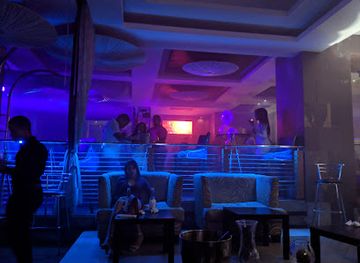
Evening life in the Cordillera Central is generally social and informal rather than centred on large nightclubs. Jarabacoa has the region’s widest choice of bars, casual restaurants and venues with music, with activity often concentrated around weekends, holidays and periods of domestic tourism. Constanza offers a smaller selection of cafés, bars and restaurants where evenings tend to be quieter and shaped by the town’s cool climate and agricultural character. In San José de Ocoa and rural districts, local bars, colmados and family restaurants provide the main evening meeting places. Some accommodation providers and outdoor-tourism businesses offer relaxed gatherings, but the mountain region is not a destination for a major club circuit. Roads can be dark and winding after nightfall, so organise a safe return in advance rather than relying on late rural transport.
-
Grill
Onno's Zona Colonial Bar & Restaurant
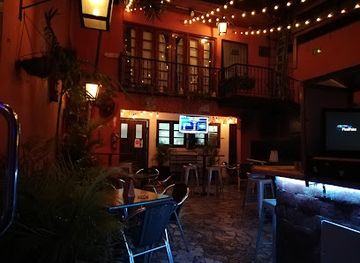
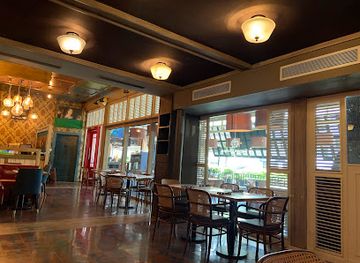
Experience the vibrant flavors and nightlife at Onno's Zona Colonial, a top bar and restaurant in Santo Domingo's historic Zona Colonial.
-
Bar
La Posta Bar
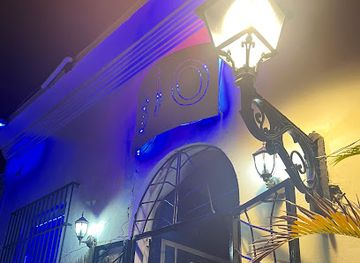
Experience the vibrant nightlife of Santo Domingo at La Posta Bar with delightful cocktails and a lively atmosphere.
-
Bar
Bio Bar
Experience the lively atmosphere and creative cocktails at Bio Bar in Santo Domingo's historic Zona Colonial.
-
Museum
SugarCane, La Casa Del Ron - The Rum Experience - Rooftop Cocktail & Tapas
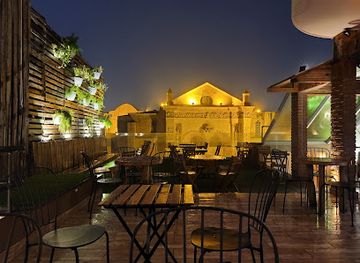
Discover the rich flavors and history of rum at SugarCane, La Casa Del Ron, a rooftop cocktail and tapas experience in Santo Domingo's Colonial Zone.
Best nightclubs in Cordillera Central
Evening life in the Cordillera Central is generally social and informal rather than centred on large nightclubs. Jarabacoa has the region’s widest choice of bars, casual restaurants and venues with music, with activity often concentrated around weekends, holidays and periods of domestic tourism. Constanza offers a smaller selection of cafés, bars and restaurants where evenings tend to be quieter and shaped by the town’s cool climate and agricultural character. In San José de Ocoa and rural districts, local bars, colmados and family restaurants provide the main evening meeting places. Some accommodation providers and outdoor-tourism businesses offer relaxed gatherings, but the mountain region is not a destination for a major club circuit. Roads can be dark and winding after nightfall, so organise a safe return in advance rather than relying on late rural transport.
-
Disco club
Gold Fashion Dance Club
Gold Fashion Dance Club: The Premier Disco Experience in Santo Domingo, Where Music and Dance Unite for an Unforgettable Night Out.
-
Disco club
Kuora Club
Discover Kuora Club in Santo Domingo, the ultimate disco destination for unforgettable nights of dancing and vibrant entertainment.
-
Night club
Level Club
Discover Santiago's nightlife at Level Club, a top destination for music, dancing, and unforgettable moments in the heart of the city.
-
Night club
Aqua Club
Experience the vibrant nightlife of Santo Domingo at Aqua Club, where music, dancing, and unforgettable moments await.



Best shops in Cordillera Central
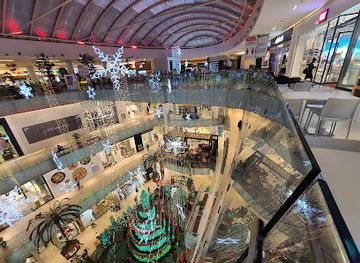
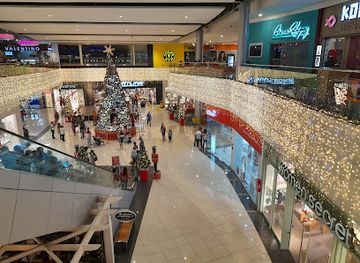
Shopping in the Cordillera Central is local and practical, with the strongest choices found in the market towns of Jarabacoa, Constanza and San José de Ocoa rather than in large retail centres. Produce stalls and local markets are good places to find strawberries, vegetables, fruit, coffee and preserves associated with the highland agricultural economy, although availability changes with the season. Jarabacoa has small shops selling outdoor clothing, locally made gifts and regional food products, while Constanza is particularly suited to buying farm produce and handmade preserves. Rural roadside stalls may sell honey, sweets or fresh goods, but quality and packaging vary, so choose items that can be transported safely. Visitors may also find Dominican crafts, paintings and woodwork in town shops and small galleries. Bargaining is not appropriate everywhere; ask politely, especially when buying directly from a producer, and carry pesos for informal markets and small vendors.
-
Shopping mall
Ágora Mall
Experience shopping, dining, and entertainment at Ágora Mall, the ultimate destination in Santo Domingo for tourists seeking a vibrant atmosphere.
-
Shopping mall
Centro Comercial Galería 360
Explore the vibrant Centro Comercial Galería 360 in Santo Domingo for shopping, dining, and entertainment in a modern and lively atmosphere.
-
Shopping mall
Sambil Santo Domingo
Discover Sambil Santo Domingo, a vibrant shopping mall offering diverse shops, dining options, and entertainment in the heart of the Dominican Republic.
-
Shopping mall
BlueMall Santo Domingo
Experience the epitome of luxury shopping and dining at BlueMall Santo Domingo, where upscale boutiques meet exquisite culinary delights.


Get your free copy of our complete guide to Cordillera Central, delivered straight to you.
Everything on this page, from attractions and restaurants to essentials and local phrases, in one PDF you can read offline, print or share.
Already have an account? Sign in
Your Cordillera Central guide is ready.
We'll send it to · Not you? Sign out

Getting your guide ready…
We are putting together a fresh copy of the Cordillera Central guide. This can take up to a minute.
This can take a few moments. If your browser asks, choose Allow so the download can start. You'll find the guide in your Downloads folder.
Nothing happened? Download it again
Sorry, the guide is taking longer than usual. Please try again in a minute, or get it by email instead.
Cordillera Central essentials
Currency and Payment
Safety
Emergency Situations
Do's and Don'ts
Local Tips
From Eve
Local phrases worth knowing
You don't need to get them perfect. A few words go a long way, and locals appreciate the effort.
Basics
| English | Local | Say it |
|---|---|---|
| Hello | Hola | [Ola] |
| Goodbye | Adiós | [Adios] |
| Yes | Sí | [Si] |
| No | No | [No] |
| Please/You're welcome | Por favor | [Por favor] |
| Thank you | Gracias | [Grasias] |
| Excuse me/Sorry | Perdón | [Perdon] |
| How are you? | ¿Cómo estás? | [Como estas] |
| Fine. And you? | Bien. ¿Y tú? | [Bien. Y tu] |
| Do you speak English? | ¿Hablas inglés? | [Hablas ingles] |
| I don't understand | No entiendo | [No entiendo] |
Eating & Drinking
| English | Local | Say it |
|---|---|---|
| I'd like to see the menu, please | Me gustaría ver el menú, por favor | [Me gustaria ver el menu, por favor] |
| I don't eat meat | No como carne | [No como carne] |
| Cheers! | ¡Salud! | [Salud] |
| I would like to pay, please | Me gustaría pagar, por favor | [Me gustaria pagar, por favor] |
Emergencies
| English | Local | Say it |
|---|---|---|
| Help! | ¡Ayuda! | [Ayuda] |
| Go away! | ¡Vete! | [Vete] |
| Call the Police! | ¡Llama a la policía! | [Llama a la policia] |
| Call a doctor! | ¡Llama a un doctor! | [Llama a un doctor] |
| I'm lost | Estoy perdido | [Estoy perdido] |
| I'm ill | Estoy enfermo | [Estoy enfermo] |
Shopping
| English | Local | Say it |
|---|---|---|
| I'd like to buy... | Me gustaría comprar... | [Me gustaria comprar] |
| I'm just looking | Solo estoy mirando | [Solo estoy mirando] |
| How much is it? | ¿Cuánto cuesta? | [Cuanto cuesta] |
| That's too expensive | Eso es demasiado caro | [Eso es demasiado caro] |
| Can you lower the price? | ¿Puedes bajar el precio? | [Puedes bajar el precio] |
Time & Numbers
| English | Local | Say it |
|---|---|---|
| What time is it? | ¿Qué hora es? | [Que hora es] |
| It's one o'clock | Es la una | [Es la una] |
| Half past (10) | Y media (10) | [Y media] |
| Morning | Mañana | [Mañana] |
| Afternoon | Tarde | [Tarde] |
| Evening | Noche | [Noche] |
| Yesterday | Ayer | [Ayer] |
| Today | Hoy | [Hoy] |
| Tomorrow | Mañana | [Mañana] |
| 1 | Uno | [Uno] |
| 2 | Dos | [Dos] |
| 3 | Tres | [Tres] |
| 4 | Cuatro | [Cuatro] |
| 5 | Cinco | [Cinco] |
| 6 | Seis | [Seis] |
| 7 | Siete | [Siete] |
| 8 | Ocho | [Ocho] |
| 9 | Nueve | [Nueve] |
| 10 | Diez | [Diez] |
Transport & Directions
| English | Local | Say it |
|---|---|---|
| Where's a/the...? | ¿Dónde está un/una...? | [Donde esta un/una] |
| What's the address? | ¿Cuál es la dirección? | [Cual es la direccion] |
| Can you show me (on the map)? | ¿Puedes mostrarme (en el mapa)? | [Puedes mostrarme en el mapa] |
| When's the next (bus)? | ¿Cuándo es el próximo (autobús)? | [Cuando es el proximo autobus] |
| A ticket (to ....) | Un boleto (a ....) | [Un boleto a] |
History of Cordillera Central
Taíno Landscapes Before European Colonisation
Before Spanish colonisation, the interior mountains formed part of the wider Taíno world of Hispaniola. Communities used valleys, rivers and forest resources while maintaining connections with lower-lying settlements and coastal areas. The highlands were not an isolated wilderness, although their rugged terrain limited the scale of later colonial development. Archaeological evidence across the Dominican Republic shows the importance of agriculture, fishing, trade and ceremonial life in Taíno society, providing essential context for understanding the mountains before European settlement and the demographic upheaval that followed.
Spanish Expansion and the Cibao Hinterland
During the sixteenth century, Spanish settlement concentrated in the island’s towns, valleys and mining zones, while the Cordillera Central remained comparatively sparsely populated. The adjoining Cibao became important for agriculture, livestock and transport, and mountain passes connected interior communities with the north. European diseases, forced labour and colonial violence devastated Taíno populations. Over time, cattle raising, small farms and forest use shaped the foothills more than the large plantation systems associated with some other parts of the Caribbean.
Frontier, Ranching and Mountain Communities
For centuries, the central highlands functioned as a frontier between more densely settled agricultural areas. Families established farms in valleys and along river corridors, growing food for local consumption and nearby markets. Livestock, timber and small-scale cultivation remained important, while the difficulty of transport helped preserve a dispersed settlement pattern. Many of the contemporary mountain towns and rural communities reflect this gradual process rather than a single founding event, with local economies built around access to fertile valleys and dependable freshwater.
The Restoration War and Nineteenth-Century Nationhood
The mountains played a strategic role during the Dominican Restoration War of 1863–1865, when Dominican forces fought to end the Spanish annexation that had begun in 1861. Rugged terrain, interior routes and local community networks helped shape military movements and resistance. The conflict became central to the Dominican Republic’s modern national identity. Although the principal battles and military routes extended beyond any single modern travel district, the Cordillera Central’s geography illustrates why the interior was important to defence, communication and political control.
Roads, Agriculture and Highland Settlement in the Twentieth Century
Improved roads during the twentieth century connected mountain valleys more closely with Santiago, Santo Domingo and other market centres. Better access encouraged commercial farming in Constanza and surrounding uplands, including vegetables, flowers and fruit suited to cooler conditions. Jarabacoa developed as a service town and recreation base, while San José de Ocoa became associated with agriculture in the southern foothills. These changes brought economic opportunity but also increased pressure on forests, watersheds and steep slopes.
National Parks and the Conservation of the High Range
The establishment and expansion of protected areas transformed the way the central mountains were managed. Armando Bermúdez and José del Carmen Ramírez national parks protect large sections of the high range, including routes towards Pico Duarte, while Valle Nuevo safeguards important high-altitude ecosystems and water sources. Conservation has had to balance biodiversity and watershed protection with farming, settlements and tourism. Today, hiking and nature travel depend on this protected-landscape framework, even as enforcement and environmental pressures vary between areas.
Contemporary Mountain Tourism
Since the late twentieth century, Jarabacoa, Constanza and other upland communities have developed a domestic and international tourism economy based on rafting, waterfalls, hiking, mountain scenery and cooler weather. This has diversified local business beyond farming, with guides, guesthouses, restaurants and outdoor operators serving visitors. The region remains less urbanised than the Dominican coast, and its current character reflects an ongoing balance between agricultural production, conservation, infrastructure needs and the careful growth of nature-based tourism.
Cordillera Central in Photos
Browse through our photo collection highlighting the charm and character of the destination.
Neighbouring regions of Cordillera Central
The closest regions to Cordillera Central, if you have time for more than one.
-

-

-

-

-


Swipe for more regions
Explore more

Explore more of Dominican Republic
Explore the Dominican Republic: where pristine beaches, rich history, and vibrant culture converge in a Caribbean paradise.
Explore Dominican Republic