

Free Cibao Valley Travel Guide & Mobile App
Explore Cibao Valley with free travel guides. Discover regional history, expert tips, proposed trips, and audio guides on web or mobile app.


Explore the Dominican Republic’s Cibao Valley for Santiago’s culture, tobacco and cacao country, historic towns, rural food and mountain-fringed landscapes.
Read more about Cibao Valley
When is the best time to visit Cibao Valley?
Best: January–March · 29–30°C| Month | High (°C) | Rainfall (mm) |
|---|---|---|
| January (best) | 29 | 75 |
| February (best) | 30 | 65 |
| March (best) | 30 | 70 |
| April | 31 | 85 |
| May | 32 | 105 |
| June | 33 | 115 |
| July | 33 | 125 |
| August | 33 | 135 |
| September | 32 | 120 |
| October | 31 | 105 |
| November | 30 | 95 |
| December | 29 | 85 |
Getting to and around Cibao Valley
How to get there
Transportation
Top city travel guides in Cibao Valley
The cities of Cibao Valley, and the easiest places to base yourself.
-

-

-


Swipe for more cities
Destinations in Cibao Valley
Resorts, valleys and scenic spots worth a trip of their own.

Swipe for more destinations
Best attractions in Cibao Valley
The Cibao Valley’s attractions combine urban culture, agricultural landscapes and historic towns rather than concentrating around a single resort centre. Santiago de los Caballeros offers the Centro León, the Monumento and museums, galleries, restaurants and music venues, while cigar-related workshops and tobacco-growing districts around the city provide insight into a major regional industry. La Vega brings together the cathedral, the legacy of the early colonial settlement at Pueblo Viejo and the lively Carnival tradition for which the city is widely known. Salcedo and Ojo de Agua offer an important historical visit connected with the Mirabal sisters. Farther east, cacao-growing country around San Francisco de Macorís and the Duarte area introduces visitors to one of the Dominican Republic’s significant agricultural products. Rice fields, cattle country and market towns shape the central and eastern valley, while rivers and foothills provide opportunities for walking and rural excursions. The surrounding Cordillera Central and northern uplands offer more demanding outdoor experiences, but they should be treated as edge-of-valley journeys rather than assumed to be close to every town.
-
Tourist attraction
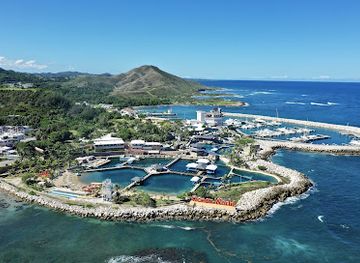
Ocean World Adventure Park, Puerto Plata, Dominican Republic.
Explore the wonders of marine life and thrilling rides at Ocean World Adventure Park in Puerto Plata, a family-friendly destination for unforgettable memories.
-
Stadium
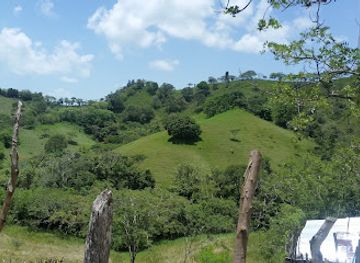
Cibao Stadium
Experience the thrill of Dominican baseball at Cibao Stadium, a vibrant arena in Santiago de los Caballeros that breathes life into the local culture.
-
Tourist attraction
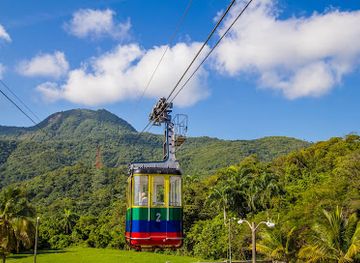
Puerto Plata Cable Car
Discover breathtaking views of Puerto Plata and its stunning landscapes aboard the iconic cable car ride, an unforgettable adventure in the Dominican Republic.
-
Tourist attraction
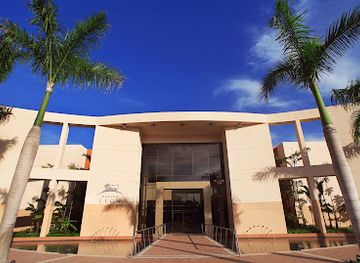
Centro Cultural Eduardo León Jimenes
Explore art, culture, and history at the Centro Cultural Eduardo León Jimenes, a vibrant cultural hub in Santiago de los Caballeros, Dominican Republic.
Best landmarks in Cibao Valley
The Monumento a los Héroes de la Restauración is Santiago’s defining landmark, rising above the city as a memorial to the Dominican forces who fought to restore national independence from Spain in the nineteenth century. Its elevated position also gives it a strong visual presence across the urban landscape. Santiago’s Catedral Santiago Apóstol, in the historic centre, reflects the city’s continuing religious and civic importance. In La Vega, the Catedral de la Inmaculada Concepción is a prominent modern religious landmark, while the archaeological remains at Pueblo Viejo recall the early Spanish settlement of Concepción de la Vega. Salcedo’s Ojo de Agua and the associated Mirabal family sites carry particular symbolic importance because of their connection with the sisters who opposed the Trujillo dictatorship. Across the valley, tobacco-store buildings, market-town churches and broad agricultural horizons are less monumental but equally revealing of the region’s identity. The valley itself, framed by the Cordillera Central and Cordillera Septentrional, is a geographical landmark: its fertile floor and mountain edges explain the settlement, farming and transport patterns that shaped Cibao history.
-
Cultural landmark
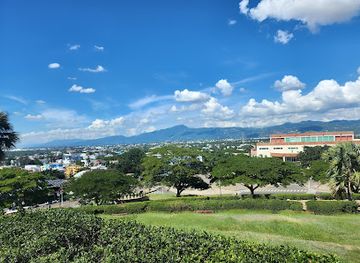
Monument to the Heroes of the Restoration
Discover Santiago’s iconic Monument to the Heroes of the Restoration, a stunning tribute to the Dominican Republic's fight for independence and a must-visit cultural landmark.
-
Historical landmark
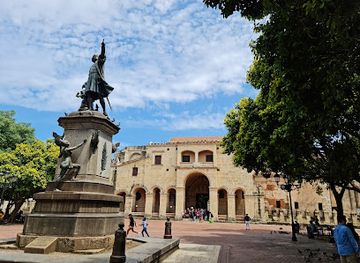
Columbus Park
Explore the historical beauty and vibrant culture of Columbus Park in Santo Domingo, a captivating landmark steeped in Dominican Republic's rich heritage.
-
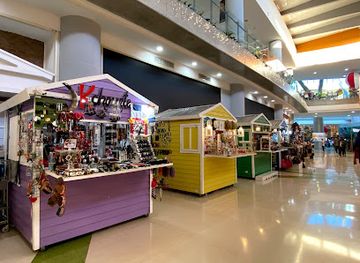
Shopping mall
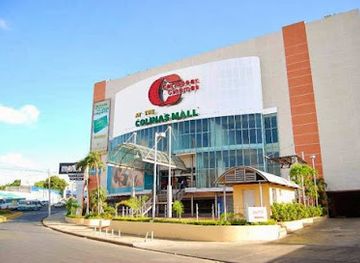
Colinas Mall
Discover Colinas Mall in Santiago de los Caballeros, a vibrant shopping destination offering diverse retail, dining, and entertainment experiences for every traveler.
-
Cruise terminal
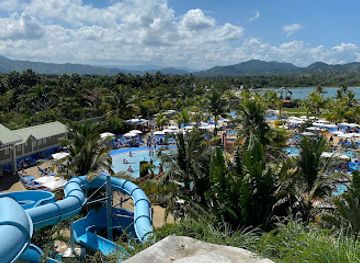
Amber Cove Cruise Port
Discover Amber Cove Cruise Port: a vibrant tourist attraction blending relaxation and adventure on the stunning north coast of the Dominican Republic.
Explore Cibao Valley on the map
Plan your trip on one map. See where the top cities, national parks and sights are, and book hotels and experiences in a few clicks.
Best hotels in Cibao Valley
Best restaurants in Cibao Valley
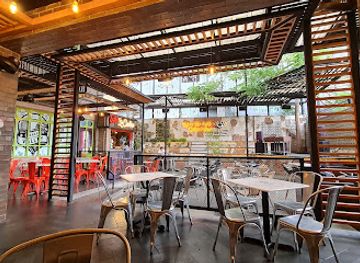
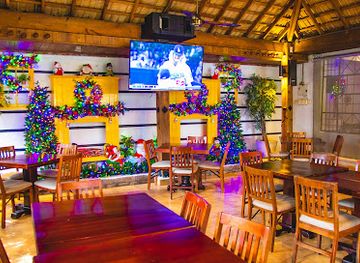
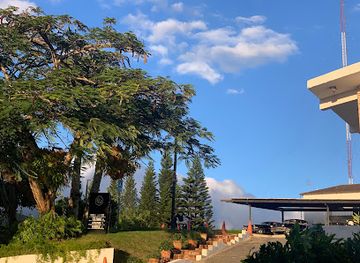
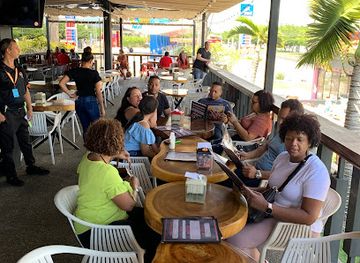
Dining in the Cibao Valley is grounded in Dominican home cooking, agricultural produce and generous portions rather than a single signature cuisine. In Santiago, visitors will find everything from casual comedor restaurants and bakeries to contemporary dining rooms, while smaller towns rely heavily on family-run eateries, roadside kitchens and informal cafés. Typical meals include rice and beans, stewed chicken or beef, mangú, fried plantains, cassava, yuca frita, pastelitos and fresh juices. The valley’s farms supply plantains, rice, vegetables, dairy products and meat, and rural menus often reflect what is available locally. Cacao and tobacco are important parts of the region’s production story, although cacao is more often encountered through drinks, sweets and farm visits than as a formal restaurant tradition. Local markets are useful for seeing fruit, cassava, plantains and prepared snacks, while roadside food should be chosen from busy, well-maintained stalls. Coffee, rum and Presidente beer are widely available national products, not exclusive to the Cibao.
-
Restaurant
Square One
Experience the perfect blend of American and Dominican flavors at Square One in Santiago de los Caballeros.
-
Dominican
Rancho Chito Restaurant
Experience the vibrant tastes of the Dominican Republic at Rancho Chito Restaurant in Ortega – where every meal is a celebration.
-
Restaurant
Camp David Ranch Restaurant
Discover culinary excellence amidst nature's beauty at Camp David Ranch Restaurant - where every meal is a celebration.
-
Restaurant
Asadero Doña Pula
Discover authentic Dominican flavors at Asadero Doña Pula in Santiago de los Caballeros - a culinary delight for every food lover.
Best bars in Cibao Valley
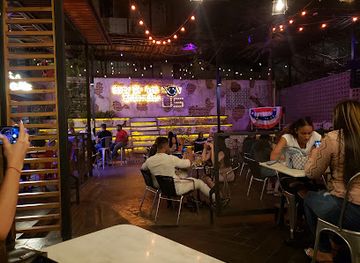
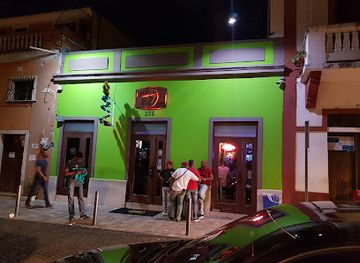
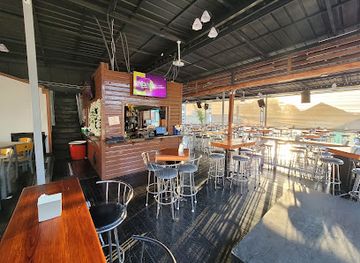
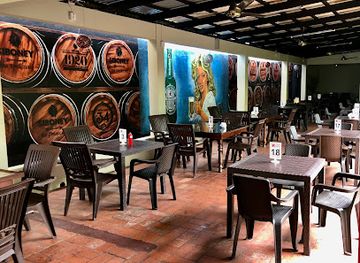
Nightlife is concentrated in Santiago de los Caballeros, where bars, lounges, restaurants, live-music venues and dance clubs serve a large urban population. Merengue and bachata are prominent in the wider Dominican cultural landscape, and evenings may include dancing, live bands or DJs rather than a formal club district. The city’s nightlife is complemented by cafés, sports bars and restaurant terraces, while towns such as La Vega and San Francisco de Macorís offer smaller scenes centred on local bars, music and social gatherings. During Carnival and other major celebrations, public festivities can bring music and late activity to town centres, although arrangements vary from year to year. In rural parts of the valley, evening life is more likely to centre on a colmado, family restaurant or community event than on nightclubs. Visitors should arrange their return transport in advance, use recognised taxis or ride services where available and respect local noise and neighbourhood customs.
-
Restaurant
Square One
Discover the flavors of the Dominican Republic at Square One, a vibrant restaurant in Santiago de los Caballeros offering a delectable culinary experience.
-
Bar
Parada 77
Experience the vibrant nightlife of Santo Domingo at Parada 77, a bar filled with art, culture, and refreshing drinks.
-
Bar
Ahí-Bar Café & Grill
Experience the vibrant nightlife and delicious cuisine at Ahí-Bar Café & Grill in Santiago de los Caballeros, where every night is a celebration.
-
Bar
Casa Bader
Discover the vibrant nightlife of Santiago at Casa Bader, a lively bar offering delicious cocktails and a welcoming atmosphere.
Best nightclubs in Cibao Valley
Nightlife is concentrated in Santiago de los Caballeros, where bars, lounges, restaurants, live-music venues and dance clubs serve a large urban population. Merengue and bachata are prominent in the wider Dominican cultural landscape, and evenings may include dancing, live bands or DJs rather than a formal club district. The city’s nightlife is complemented by cafés, sports bars and restaurant terraces, while towns such as La Vega and San Francisco de Macorís offer smaller scenes centred on local bars, music and social gatherings. During Carnival and other major celebrations, public festivities can bring music and late activity to town centres, although arrangements vary from year to year. In rural parts of the valley, evening life is more likely to centre on a colmado, family restaurant or community event than on nightclubs. Visitors should arrange their return transport in advance, use recognised taxis or ride services where available and respect local noise and neighbourhood customs.
-
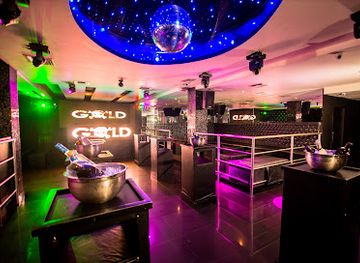
Disco club
Gold Fashion Dance Club
Immerse yourself in the vibrant nightlife of Santo Domingo at Gold Fashion Dance Club, where great music and dancing await.
-
Night club
Level Club
Discover the electrifying nightlife of Level Club in Santiago de los Caballeros, where music, dancing, and vibrant energy come together.
-
Bar
F Dance & Drink
Experience the pulsating nightlife of Santiago at F Dance & Drink, the ultimate bar and disco club for unforgettable nights of music and dance.
-
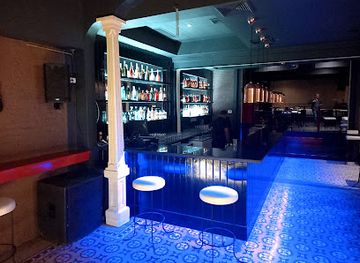
Bar
Tabu Room De Tras Del Hotel
Discover the heartbeat of Santiago's nightlife at Tabu Room De Tras Del Hotel, a vibrant bar and nightclub perfect for unforgettable nights.


Best shops in Cibao Valley
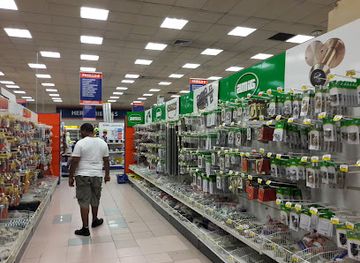
Santiago is the Cibao Valley’s main shopping centre, with central commercial streets, modern retail complexes, supermarkets, specialist food shops and independent businesses. It is a practical place to buy Dominican coffee, cacao products, rum, cigars and locally made gifts, although visitors should purchase cigars from reputable producers and understand that tobacco products are subject to customs rules. Smaller towns offer lively markets and high streets where fruit, vegetables, household goods, clothing and prepared foods reflect everyday regional commerce rather than souvenir shopping. La Vega and San Francisco de Macorís are useful for browsing local shops and market activity, while rural districts may sell agricultural products directly through farms or roadside stalls. Craft items, paintings, jewellery and handmade goods can be found in cultural venues and independent galleries, but stock and opening arrangements vary. Shopping is generally more practical and locally focused than luxury-oriented, with the strongest regional purchases being food products, tobacco, coffee, cacao and Dominican handicrafts.
-
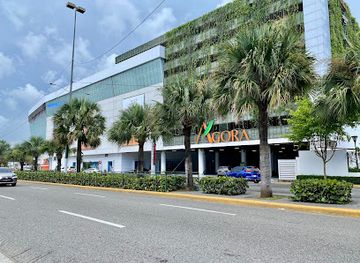
Shopping mall
Ágora Mall
Discover the vibrant shopping experience at Ágora Mall, featuring a wide array of stores, diverse dining options, and family-friendly entertainment in Santo Domingo.
-
Shopping mall
Centro Comercial Galería 360
Discover the ultimate shopping and entertainment experience at Centro Comercial Galería 360 in Santo Domingo, where fashion meets fun and flavor.
-
Shopping mall
Sambil Santo Domingo
Explore the vibrant Sambil Santo Domingo, the ultimate shopping mall offering diverse stores, delicious dining, and family-friendly entertainment.
-
Shopping mall
BlueMall Santo Domingo
Experience shopping and dining like never before at BlueMall Santo Domingo, where luxury meets local culture in a vibrant atmosphere.

Get your free copy of our complete guide to Cibao Valley, delivered straight to you.
Everything on this page, from attractions and restaurants to essentials and local phrases, in one PDF you can read offline, print or share.
Already have an account? Sign in
Your Cibao Valley guide is ready.
We'll send it to · Not you? Sign out

Getting your guide ready…
We are putting together a fresh copy of the Cibao Valley guide. This can take up to a minute.
This can take a few moments. If your browser asks, choose Allow so the download can start. You'll find the guide in your Downloads folder.
Nothing happened? Download it again
Sorry, the guide is taking longer than usual. Please try again in a minute, or get it by email instead.
Cibao Valley essentials
Currency and Payment
Safety
Emergency Situations
Do's and Don'ts
Local Tips
From Eve
Local phrases worth knowing
You don't need to get them perfect. A few words go a long way, and locals appreciate the effort.
Basics
| English | Local | Say it |
|---|---|---|
| Hello | Hola | [Ola] |
| Goodbye | Adiós | [A-dios] |
| Yes | Sí | [See] |
| No | No | [No] |
| Please/You're welcome | Por favor/De nada | [Por fa-vor/De na-da] |
| Thank you | Gracias | [Gra-thias] |
| Excuse me/Sorry | Perdón | [Per-don] |
| How are you? | ¿Cómo estás? | [Ko-mo es-tas] |
| Fine. And you? | Bien. ¿Y tú? | [Bee-en. Ee too] |
| Do you speak English? | ¿Hablas inglés? | [A-blas in-gleis] |
| I don't understand | No entiendo | [No en-tien-do] |
Eating & Drinking
| English | Local | Say it |
|---|---|---|
| I'd like to see the menu, please | Me gustaría ver el menú, por favor | [Me gus-ta-ria ver el me-nu, por fa-vor] |
| I don't eat meat | No como carne | [No co-mo car-ne] |
| Cheers! | ¡Salud! | [Sa-lud] |
| I would like to pay, please | Me gustaría pagar, por favor | [Me gus-ta-ria pa-gar, por fa-vor] |
Emergencies
| English | Local | Say it |
|---|---|---|
| Help! | ¡Ayuda! | [A-yu-da] |
| Go away! | ¡Vete! | [Ve-te] |
| Call the Police! | ¡Llama a la policía! | [Ya-ma a la po-li-cia] |
| Call a doctor! | ¡Llama a un doctor! | [Ya-ma a un doc-tor] |
| I'm lost | Estoy perdido | [Es-toy per-di-do] |
| I'm ill | Estoy enfermo | [Es-toy en-fer-mo] |
Shopping
| English | Local | Say it |
|---|---|---|
| I'd like to buy... | Quisiera comprar... | [Ki-sie-ra com-prar] |
| I'm just looking | Solo estoy mirando | [So-lo es-toy mi-ran-do] |
| How much is it? | ¿Cuánto cuesta? | [Kwan-to kwes-ta] |
| That's too expensive | Es muy caro | [Es muy ca-ro] |
| Can you lower the price? | ¿Puedes bajar el precio? | [Pwe-des ba-har el pre-cio] |
Time & Numbers
| English | Local | Say it |
|---|---|---|
| What time is it? | ¿Qué hora es? | [Ke o-ra es] |
| It's one o'clock | Es la una | [Es la u-na] |
| Half past (10) | Y media (10) | [Ee me-dia] |
| Morning | Mañana | [Ma-nya-na] |
| Afternoon | Tarde | [Tar-de] |
| Evening | Noche | [No-che] |
| Yesterday | Ayer | [A-yer] |
| Today | Hoy | [Oi] |
| Tomorrow | Mañana | [Ma-nya-na] |
| 1 | Uno | [U-no] |
| 2 | Dos | [Dos] |
| 3 | Tres | [Tres] |
| 4 | Cuatro | [Kua-tro] |
| 5 | Cinco | [Sin-co] |
| 6 | Seis | [Seis] |
| 7 | Siete | [Sye-te] |
| 8 | Ocho | [O-cho] |
| 9 | Nueve | [Nwe-ve] |
| 10 | Diez | [Dyez] |
Transport & Directions
| English | Local | Say it |
|---|---|---|
| Where's a/the...? | ¿Dónde está un/una...? | [Don-de es-ta un/una] |
| What's the address? | ¿Cuál es la dirección? | [Kwal es la di-rec-ción] |
| Can you show me (on the map)? | ¿Puedes mostrarme (en el mapa)? | [Pwe-des mos-trar-me (en el ma-pa)] |
| When's the next (bus)? | ¿Cuándo es el próximo (autobús)? | [Kwan-do es el pro-xi-mo (au-to-bus)] |
| A ticket (to ....) | Un boleto (a ....) | [Un bo-le-to (a ....)] |
History of Cibao Valley
Taíno Cibao and Indigenous Gold
Before European colonisation, the Cibao was a heavily settled Taíno region whose name is commonly associated with the mountainous and fertile interior of Hispaniola. Communities farmed crops including cassava and maize, fished the rivers and maintained political networks across the valley and neighbouring uplands. The area was also noted by Europeans for its gold-bearing rivers, which became an important reason for Spanish expansion. Indigenous settlement, agriculture and place names remain part of the deeper historical landscape, although colonial accounts often distorted Taíno society by viewing it primarily through the search for mineral wealth.
La Concepción de la Vega Real, Sixteenth Century
The first Spanish settlement known as Concepción de la Vega was established near the present-day city of La Vega, close to the foothills of the Cordillera Central. It became an early centre of colonial administration, missionary activity and gold exploitation. Earthquakes and changing patterns of settlement contributed to the abandonment of the original site, now generally known as Pueblo Viejo, while the modern city developed elsewhere. The ruins and archaeological remains associated with the old settlement illustrate the valley’s importance during the first decades of Spanish colonisation and the disruptive consequences of imperial mining.
Agriculture, Cattle and the Colonial Valley
After the first phase of gold extraction declined, agriculture and livestock became more enduring foundations of life in the Cibao. Farms produced food for nearby settlements and wider markets, while the valley’s rivers and fertile soils supported a growing rural population. Over time, tobacco became particularly significant in the central and northern Cibao, developing into an important commercial crop and an enduring part of regional identity. The agricultural economy also encouraged networks of market towns, roads and family farms that still distinguish the valley from the country’s coastal resort zones.
The Restoration War and Santiago, 1863–1865
The Dominican Restoration War began in 1863 as resistance to the reannexation of the Dominican Republic by Spain. Santiago became one of the conflict’s decisive centres, and fighting in and around the city helped secure the restoration of Dominican sovereignty in 1865. The Monumento a los Héroes de la Restauración in Santiago commemorates this national struggle and gives the city one of its most recognisable civic symbols. The war strengthened political ideas of independence and remains central to the historical identity of the Cibao.
Railways, Tobacco and Commercial Expansion
During the late nineteenth and early twentieth centuries, improved roads and rail connections strengthened links between Cibao towns, agricultural districts and ports on the northern coast. Tobacco processing and export became especially important around Santiago and communities to its north, while coffee, cacao, rice, cattle and food crops diversified the regional economy. Santiago grew as a commercial and manufacturing centre, drawing merchants, artisans and migrants from across the valley. Much of the region’s present-day urban network and its reputation for tobacco production developed from this period of commercial integration.
The Mirabal Sisters and Twentieth-Century Political Memory
Patria, Minerva and María Teresa Mirabal, from the Salcedo area, became symbols of opposition to the dictatorship of Rafael Trujillo. Their assassination in 1960 provoked national and international condemnation and contributed to the political crisis that preceded the end of the regime. The Mirabal Sisters Museum and the family property at Ojo de Agua preserve places associated with their lives and remembrance. Their legacy is also marked internationally by the United Nations’ designation of 25 November as the International Day for the Elimination of Violence against Women.
Modern Cibao: Industry, Migration and Regional Culture
In the later twentieth century, the Cibao changed through urbanisation, manufacturing, expanded road transport and migration between rural districts and cities. Santiago developed as a major centre for commerce, education, healthcare and cultural activity, while agricultural production remained vital across the valley. Cacao, rice, tobacco and livestock continue to connect rural communities to national and international markets. Contemporary Cibao identity is expressed through music, baseball, Carnival, religious celebrations, food and a strong regional sense of place that combines agricultural traditions with increasingly urban lifestyles.
Cibao Valley in Photos
Browse through our photo collection highlighting the charm and character of the destination.
Neighbouring regions of Cibao Valley
The closest regions to Cibao Valley, if you have time for more than one.
-

-

-

-

-


Swipe for more regions
Explore more

Explore more of Dominican Republic
Explore the Dominican Republic: where pristine beaches, rich history, and vibrant culture converge in a Caribbean paradise.
Explore Dominican Republic