

Free Cordillera Septentrional Travel Guide & Mobile App
Explore Cordillera Septentrional with free travel guides. Discover regional history, expert tips, proposed trips, and audio guides on web or mobile app.


Explore Cordillera Septentrional’s Dominican mountains through Puerto Plata, waterfalls, forest trails, Cibao views, caves and rural food traditions.
Read more about Cordillera Septentrional
When is the best time to visit Cordillera Septentrional?
Best: February–April · 29–30°C| Month | High (°C) | Rainfall (mm) |
|---|---|---|
| January | 29 | 75 |
| February (best) | 29 | 65 |
| March (best) | 29 | 55 |
| April (best) | 30 | 50 |
| May | 32 | 85 |
| June | 33 | 95 |
| July | 33 | 105 |
| August | 33 | 115 |
| September | 32 | 125 |
| October | 31 | 105 |
| November | 30 | 85 |
| December | 29 | 75 |
Getting to and around Cordillera Septentrional
How to get there
Transportation
Top city travel guides in Cordillera Septentrional
The cities of Cordillera Septentrional, and the easiest places to base yourself.
-

-


Swipe for more cities
Best attractions in Cordillera Septentrional
The Cordillera Septentrional’s attractions are spread between the Atlantic side, the Cibao foothills and the valleys that cross the range. In Puerto Plata, the Teleférico de Puerto Plata climbs Isabel de Torres to a high viewpoint with gardens, forest and broad views over the city and coast. Near Imbert, the 27 Charcos de Damajagua offers a guided sequence of river pools, rock passages and waterfalls for visitors prepared for strenuous, wet activity. The landscape of El Choco National Park, farther east near the north coast, adds caves, karst formations, forest and wetlands, with responsible guided visits particularly valuable in environmentally sensitive areas. Pico Diego de Ocampo, approached from the Santiago side, is the defining hiking objective of the range and requires more preparation than a standard viewpoint visit. Across the lower slopes, farms and rural communities provide a quieter perspective through cacao, coffee, fruit and mixed agriculture. The range is also a useful base for combining mountain excursions with Puerto Plata’s museums, historic streets and coastal facilities, although those urban and coastal experiences should not obscure the need to plan separate journeys between sites.
-
National park
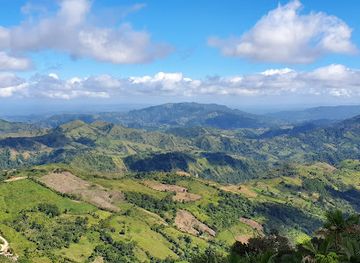
Monumento Natural Pico Diego de Ocampo
Explore Monumento Natural Pico Diego de Ocampo, a stunning national park in the Dominican Republic, offering breathtaking views and thrilling outdoor adventures.
Best landmarks in Cordillera Septentrional
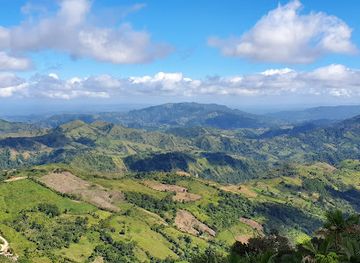
The most recognisable landmark of the Cordillera Septentrional is Isabel de Torres, the forested mountain rising immediately behind Puerto Plata and marked by the summit’s large Christ figure and cable-car route. It provides the clearest visual expression of the relationship between the city, the Atlantic and the mountain wall. Pico Diego de Ocampo, near Santiago’s northern edge, is the range’s highest summit and a significant natural landmark, although reaching it is a hiking undertaking rather than a casual lookout visit. The 27 Charcos de Damajagua is a geological and recreational landmark where water has cut through the northern foothills to form pools, cascades and narrow channels. El Choco’s limestone caves and karst formations represent another defining feature, revealing the underground character of the range. In Puerto Plata, the Victorian timber architecture of the historic centre and the old port district provide important human landmarks at the foot of the mountains, linking nineteenth-century commerce with the region’s modern identity.
-
National park
Monumento Natural Pico Diego de Ocampo
Discover the breathtaking landscapes and vibrant ecosystems at Monumento Natural Pico Diego de Ocampo, a must-visit national park in the Dominican Republic.
Explore Cordillera Septentrional on the map
Plan your trip on one map. See where the top cities, national parks and sights are, and book hotels and experiences in a few clicks.
Best hotels in Cordillera Septentrional
Best restaurants in Cordillera Septentrional
Food in and around the Cordillera Septentrional reflects the Dominican Republic’s broader Cibao and north-coast traditions, with local differences shaped by altitude, agriculture and proximity to the sea. In Puerto Plata, restaurants and informal food stands combine seafood with rice, beans, plantains, stewed meats and fried specialities. Around the Cibao foothills, fresh produce, cassava, plantains, cacao, coffee and tobacco-country ingredients connect eating with the agricultural landscape. Santiago is particularly useful for a wider choice of contemporary restaurants, bakeries, cafés and traditional Dominican cooking, while rural roads tend to offer modest comedor-style meals rather than elaborate menus. Look for fresh juices, tropical fruit, local sweets and simple dishes prepared around the day’s supply. Seafood is more prominent near the Atlantic coast; inland, hearty rice-and-bean plates, chicken, pork and plantain preparations are common. Market visits and farm-based experiences can provide a clearer sense of regional foodways than resort dining alone.
-
Restaurant
Camp David Ranch Restaurant
Discover gourmet delights amidst stunning landscapes at Camp David Ranch Restaurant in the Dominican Republic.
-
Restaurant
Scory Cafe
Experience the best of Dominican cuisine at Scory Cafe in Santiago - where vibrant flavors meet warm hospitality.
-
Grill
Mr. Grilled
Experience the vibrant flavors of Dominican cuisine at Mr. Grilled in Santiago de los Caballeros – where every bite tells a story.
-
Restaurant
Hazlo Simple
Experience the best burgers in Santiago de los Caballeros at Hazlo Simple – where taste meets tradition.
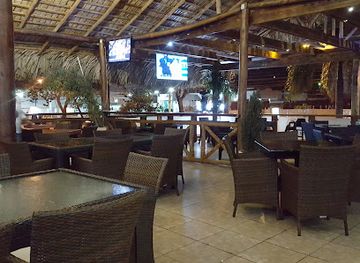
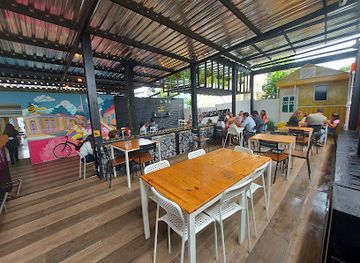
Best bars in Cordillera Septentrional
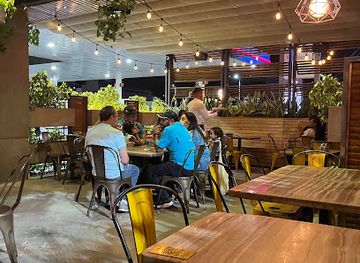
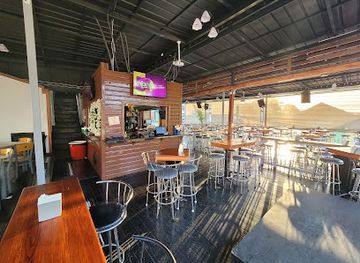
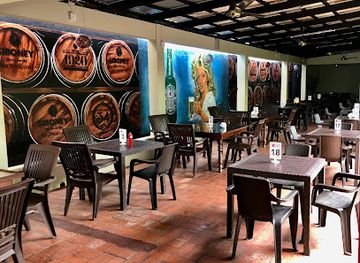
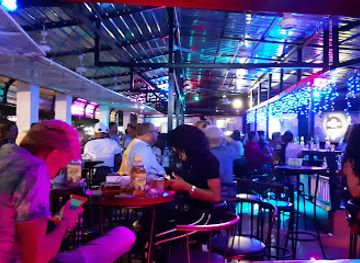
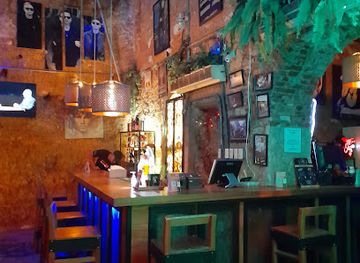
Evening life is concentrated in Puerto Plata and Santiago rather than in the mountain communities themselves. Puerto Plata offers neighbourhood bars, restaurants, music venues and hotel-based nightlife, with the historic centre providing a more urban setting for an evening than the rural foothills. Santiago has the broadest choice of bars, cafés, live music and late-night venues in the wider region, reflecting its size and university and commercial life. In smaller towns such as Imbert, evenings are more likely to centre on informal bars, colmados and family restaurants than on dedicated nightclubs. Rural accommodation may be quiet after dark, and visitors staying near trails or waterfalls should not expect regular nightlife or late transport. Drink responsibly, use arranged transport after dark and remember that music and social activity are not confined to tourist districts.
-
Bar
Ahí-Bar Café & Grill
Experience the lively atmosphere of Ahí-Bar Café & Grill, where local flavors meet vibrant nightlife in Santiago de los Caballeros.
-
Bar
Casa Bader
Discover the vibrant nightlife at Casa Bader in Santiago de los Caballeros, where excellent drinks and a lively atmosphere await you.
-
Bar
Barajando Bar
Experience the vibrant Dominican nightlife at Barajando Bar, where Merengue music and local flavors come together for an unforgettable evening.
-
Bar
Caciba Bar
Experience the vibrant nightlife and expertly crafted cocktails at Caciba Bar in Santo Domingo's historic Zona Colonial.
Best nightclubs in Cordillera Septentrional
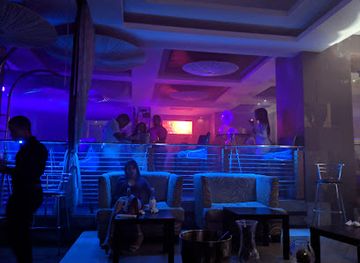
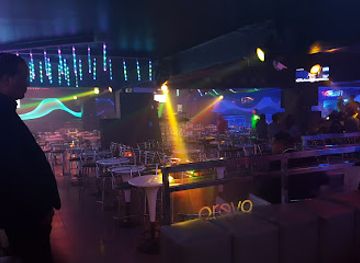
Evening life is concentrated in Puerto Plata and Santiago rather than in the mountain communities themselves. Puerto Plata offers neighbourhood bars, restaurants, music venues and hotel-based nightlife, with the historic centre providing a more urban setting for an evening than the rural foothills. Santiago has the broadest choice of bars, cafés, live music and late-night venues in the wider region, reflecting its size and university and commercial life. In smaller towns such as Imbert, evenings are more likely to centre on informal bars, colmados and family restaurants than on dedicated nightclubs. Rural accommodation may be quiet after dark, and visitors staying near trails or waterfalls should not expect regular nightlife or late transport. Drink responsibly, use arranged transport after dark and remember that music and social activity are not confined to tourist districts.
-
Night club
Level Club
Dive into the electrifying nightlife at Level Club, Santiago's premier destination for unforgettable parties and vibrant entertainment.
-
Night club
Lovera Bar restaurant
Discover the lively atmosphere and delicious cuisine at Lovera Bar Restaurant, a must-visit nightlife spot in Santiago de los Caballeros.
-
Bar
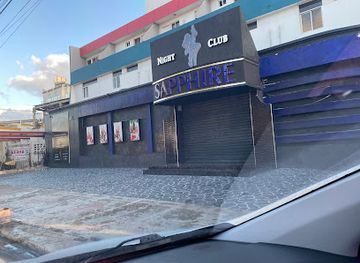
Sapphire Night Club RD
Discover Santiago de los Caballeros' most iconic nightlife spot, Sapphire Night Club RD – where music, dancing, and unforgettable memories await.
-
Night club
Le Mouk Club
Discover the electrifying nightlife of Santiago de los Caballeros at Le Mouk Club, where music, cocktails, and vibrant energy collide.

Best shops in Cordillera Septentrional
Shopping in the Cordillera Septentrional is strongest in Puerto Plata and Santiago, with smaller towns offering practical goods, fresh produce and local food rather than extensive visitor retail. Puerto Plata’s historic centre has independent shops, galleries, craft outlets and places selling amber, larimar and Dominican-made souvenirs, although buyers should seek reputable sellers and ask about authenticity. Santiago provides larger commercial areas and a broader selection of clothing, books, cafés, food shops and locally produced goods. Markets and roadside stalls around the Cibao foothills are useful for tropical fruit, cacao, coffee, rum and regional snacks, subject to hygiene and packaging considerations. Craft purchases may include woodwork, ceramics, woven items and artwork, but quality varies and bargaining should remain courteous. Avoid buying archaeological objects, shells, protected wildlife products or unverified antiques. The most meaningful regional purchases are often edible products and small crafts that reflect the agricultural and cultural character of the northern mountains.
-
Shopping mall
Ágora Mall
Discover endless shopping, diverse dining, and entertainment at Ágora Mall, the ultimate destination in Santo Domingo.
-
Shopping mall
Centro Comercial Galería 360
Experience the pulse of shopping and dining at Centro Comercial Galería 360, Santo Domingo's premier shopping mall with endless entertainment options.
-
Shopping mall
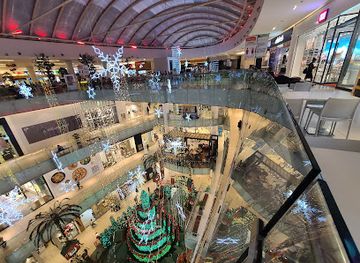
Sambil Santo Domingo
Explore Sambil Santo Domingo, the ultimate shopping destination with diverse stores, delicious dining, and endless entertainment options in the heart of the city.
-
Shopping mall
BlueMall Santo Domingo
Discover the ultimate shopping experience at BlueMall Santo Domingo, where luxury brands and gourmet dining meet in a vibrant atmosphere.

Get your free copy of our complete guide to Cordillera Septentrional, delivered straight to you.
Everything on this page, from attractions and restaurants to essentials and local phrases, in one PDF you can read offline, print or share.
Already have an account? Sign in
Your Cordillera Septentrional guide is ready.
We'll send it to · Not you? Sign out

Getting your guide ready…
We are putting together a fresh copy of the Cordillera Septentrional guide. This can take up to a minute.
This can take a few moments. If your browser asks, choose Allow so the download can start. You'll find the guide in your Downloads folder.
Nothing happened? Download it again
Sorry, the guide is taking longer than usual. Please try again in a minute, or get it by email instead.
Cordillera Septentrional essentials
Currency and Payment
Safety
Emergency Situations
Do's and Don'ts
Local Tips
From Eve
Local phrases worth knowing
You don't need to get them perfect. A few words go a long way, and locals appreciate the effort.
Basics
| English | Local | Say it |
|---|---|---|
| Hello | Hola | [Ola] |
| Goodbye | Adiós | [Adios] |
| Yes | Sí | [Si] |
| No | No | [No] |
| Please/You're welcome | Por favor | [Por favor] |
| Thank you | Gracias | [Grasias] |
| Excuse me/Sorry | Perdón | [Pardon] |
| How are you? | ¿Cómo estás? | [Como estas] |
| Fine. And you? | Bien. ¿Y tú? | [Bien. I tu] |
| Do you speak English? | ¿Hablas inglés? | [Hablas ingles] |
| I don't understand | No entiendo | [No entiendo] |
Eating & Drinking
| English | Local | Say it |
|---|---|---|
| I'd like to see the menu, please | Quisiera ver el menú, por favor | [Kisiera ver el menu, por favor] |
| I don't eat meat | No como carne | [No komo karne] |
| Cheers! | ¡Salud! | [Salud] |
| I would like to pay, please | Quisiera pagar, por favor | [Kisiera pagar, por favor] |
Emergencies
| English | Local | Say it |
|---|---|---|
| Help! | ¡Ayuda! | [Ayuda] |
| Go away! | ¡Ve lejos! | [Ve lejos] |
| Call the Police! | ¡Llama a la policía! | [Llama a la policia] |
| Call a doctor! | ¡Llama a un doctor! | [Llama a un doktor] |
| I'm lost | Estoy perdido | [Estoy perdido] |
| I'm ill | Estoy enfermo | [Estoy enfermo] |
Shopping
| English | Local | Say it |
|---|---|---|
| I'd like to buy... | Quisiera comprar... | [Kisiera comprar] |
| I'm just looking | Solo estoy mirando | [Solo estoy mirando] |
| How much is it? | ¿Cuánto cuesta? | [Cuanto cuesta] |
| That's too expensive | Eso es muy caro | [Eso es muy karo] |
| Can you lower the price? | ¿Puedes bajar el precio? | [Puedes bajar el precio] |
Time & Numbers
| English | Local | Say it |
|---|---|---|
| What time is it? | ¿Qué hora es? | [Ke ora es] |
| It's one o'clock | Es la una | [Es la una] |
| Half past (10) | Y media (10) | [I media] |
| Morning | Mañana | [Mañana] |
| Afternoon | Tarde | [Tarde] |
| Evening | Noche | [Noche] |
| Yesterday | Ayer | [Ayer] |
| Today | Hoy | [Hoy] |
| Tomorrow | Mañana | [Mañana] |
| 1 | Uno | [Uno] |
| 2 | Dos | [Dos] |
| 3 | Tres | [Tres] |
| 4 | Cuatro | [Kuatros] |
| 5 | Cinco | [Sinko] |
| 6 | Seis | [Seis] |
| 7 | Siete | [Siete] |
| 8 | Ocho | [Ocho] |
| 9 | Nueve | [Nueve] |
| 10 | Diez | [Diez] |
Transport & Directions
| English | Local | Say it |
|---|---|---|
| Where's a/the...? | ¿Dónde está un/una...? | [Donde esta un/una] |
| What's the address? | ¿Cuál es la dirección? | [Kual es la direccion] |
| Can you show me (on the map)? | ¿Puedes mostrarme (en el mapa)? | [Puedes mostrarme en el mapa] |
| When's the next (bus)? | ¿Cuándo es el próximo (autobús)? | [Cuando es el proximo autobus] |
| A ticket (to ....) | Un boleto (a ....) | [Un boleto a] |
History of Cordillera Septentrional
Taíno Cibao and Northern Landscapes
Before Spanish colonisation, the Cibao Valley and the northern mountain foothills formed part of the Taíno world, whose communities cultivated crops, fished, hunted and travelled through the island’s valleys and uplands. The region was connected to wider political territories rather than being an isolated mountain zone. Archaeological evidence across northern Hispaniola includes ceramics, tools and settlement remains, although many sites are not arranged as formal visitor attractions. The mountains, rivers and fertile valley floors shaped movement and subsistence, while later colonial settlement transformed land use, authority and population patterns.
Spanish Settlement and the Cibao Frontier
Spanish expansion into the Cibao during the late fifteenth and early sixteenth centuries established settlements and routes on the valley floor and near the northern coast. Santiago de los Caballeros was founded in the Cibao in the early colonial period, while Puerto Plata became an important settlement and harbour on the Atlantic side. These towns linked the interior’s agricultural resources with maritime routes. Colonial rule brought forced labour, disease, new crops, livestock and profound disruption to Taíno society. The settlements at the foot of the Cordillera Septentrional became enduring points of contact between mountain terrain, valley agriculture and the sea.
Agriculture, Roads and the Cibao Economy
The fertile Cibao developed as one of the Dominican Republic’s principal agricultural areas, with cultivation spreading through valley districts and the lower mountain foothills. Tobacco became especially important in the wider Cibao, while coffee, cacao, fruit and subsistence crops were suited to different elevations and rainfall patterns. Roads and later motor transport strengthened links between rural communities, Santiago and the northern ports. The Cordillera Septentrional was never simply wilderness: its slopes have long been worked through farms, smallholdings and forest use, producing a landscape in which cultivated clearings and humid woodland exist close together.
Puerto Plata’s Nineteenth-Century Port and Migration
During the nineteenth century, Puerto Plata grew as a commercial port serving the northern Dominican Republic. Trade in agricultural products connected the city with European and Caribbean markets, and foreign merchants and migrants contributed to its commercial and architectural development. The town’s timber-framed and brightly painted Victorian buildings reflect this period of prosperity and international contact. The port’s fortunes changed with national politics, changing trade patterns and later transport developments, but the city remained the principal urban gateway to the northern side of the Cordillera Septentrional.
Modern Cibao Industry and Regional Connections
The twentieth century brought stronger state administration, improved roads, expanded agricultural production and greater integration between Santiago, Puerto Plata and rural northern districts. Tobacco processing and manufacturing became particularly prominent around Santiago, while tourism later expanded along the north coast. These developments altered employment, migration and settlement patterns without eliminating the importance of small-scale agriculture in the mountains. Modern visitors see the result in the contrast between busy urban corridors, industrial and agricultural valley floors, historic port districts and comparatively quiet upland communities.
Protected Landscapes and Nature Tourism
Concern for forests, watersheds, caves and biodiversity led to the creation and management of protected areas in the northern mountain and karst landscapes. El Choco National Park and other conservation zones preserve habitats that are important for birds, plants, caves and freshwater systems. At the same time, sites such as the Damajagua waterfalls and the Teleférico on Isabel de Torres helped establish a more accessible form of nature tourism. The region’s contemporary identity increasingly rests on balancing recreation and rural livelihoods with protection of fragile slopes, rivers and cave environments.
Cordillera Septentrional in Photos
Browse through our photo collection highlighting the charm and character of the destination.
Neighbouring regions of Cordillera Septentrional
The closest regions to Cordillera Septentrional, if you have time for more than one.
-

-

-

-

-


Swipe for more regions
Explore more

Explore more of Dominican Republic
Explore the Dominican Republic: where pristine beaches, rich history, and vibrant culture converge in a Caribbean paradise.
Explore Dominican Republic