

Los Haitises, Dominican Republic Travel Guide
Discover the enchanting landscapes and hidden caves of Los Haitises National Park, a haven for nature lovers and a window into the Dominican Republic's rich history.
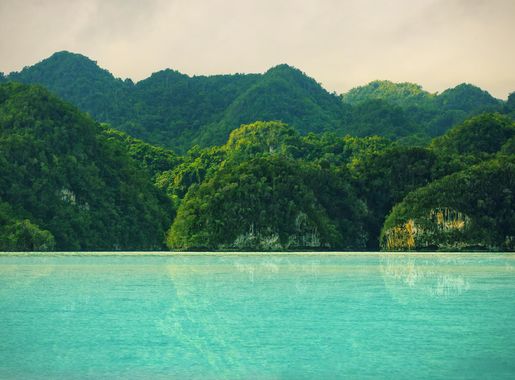
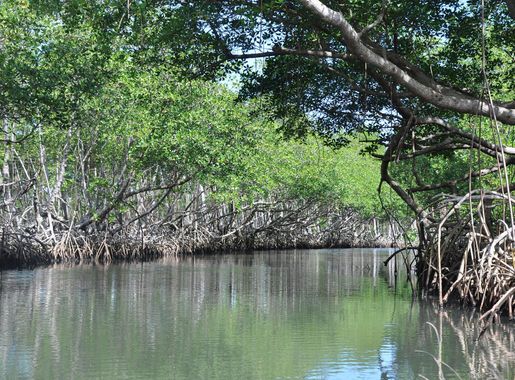
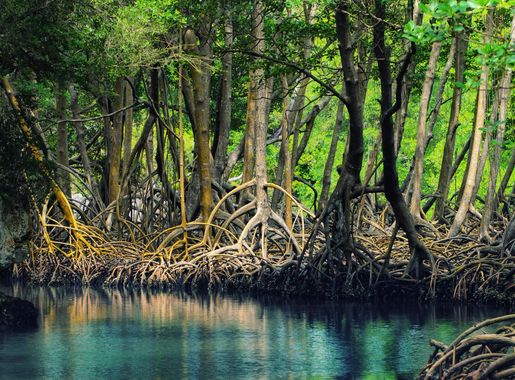
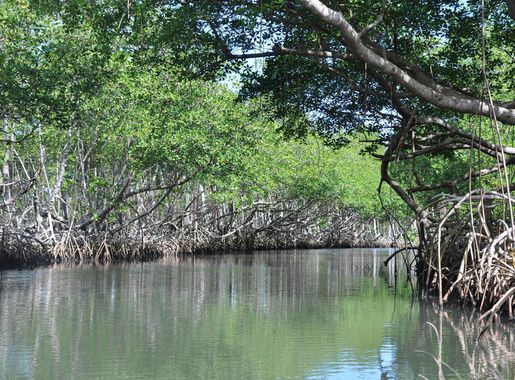
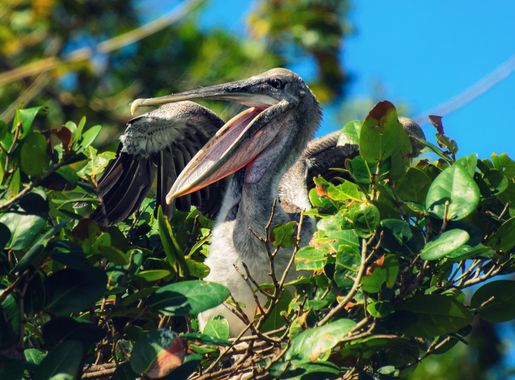
Los Haitises National Park, located in the northeastern region of the Dominican Republic, is a paradise for nature lovers and adventure seekers. This pristine park is renowned for its unique karst landscape, dotted with dramatic limestone hills, lush mangroves, and hidden caves. The park's name, 'Los Haitises,' means 'highlands' or 'mountain range' in the indigenous Taíno language, reflecting the area's ancient roots and cultural heritage. One of the park's main attractions is its extensive network of rivers and waterways, perfect for kayaking or boat tours. As you glide through the mangroves, you'll be surrounded by a rich tapestry of flora and fauna, including rare bird species like the Ridgway's Hawk and the Hispaniolan Piculet. The park is also home to several cave systems adorned with ancient Taíno petroglyphs and pictographs, offering a glimpse into the island's pre-Columbian history. Beyond its natural wonders, Los Haitises provides a tranquil escape from the hustle and bustle of city life. The park's serene environment and breathtaking vistas make it an ideal spot for eco-tourism and relaxation. Whether you're hiking through its dense forests, exploring its hidden caves, or simply soaking in the stunning scenery, Los Haitises promises an unforgettable experience for all who visit.

Know before you go
Hi, I'm Eve. Here are a few practical things to know before exploring Los Haitises.
- Visit early in the morning to avoid the crowds and enjoy the park's serene beauty.
- Take a guided boat tour to explore the park's intricate waterways and hidden caves.
- Wear lightweight, long-sleeved clothing and insect repellent to protect against mosquitoes.
- Bring a waterproof camera to capture the stunning landscapes and wildlife.
- Check the weather forecast and plan your visit during the dry season for the best experience.
Destinations in Los Haitises
Resorts, valleys and scenic spots worth a trip of their own.
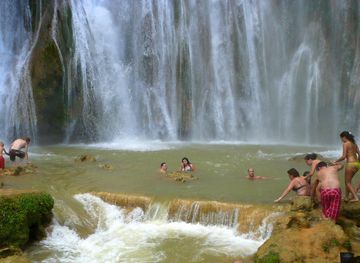
Explore Los Haitises: Things to Do, Places to Eat, Hotels & More
Handpicked recommendations for top attractions, local dining, accommodations, and more

Top Attractions & Sightseeing in Los Haitises
Top-rated picks
Best Attractions

Playa Punta Popy
Discover the pristine beauty of Playa Punta Popy, a tropical paradise in Las Terrenas, Dominican Republic, perfect for relaxation and water adventures.

Parque Nacional del Este
Experience the breathtaking beauty and rich biodiversity of Parque Nacional del Este, a must-visit national park in the Dominican Republic.

Natural Monument Salto De Socoa
Explore the breathtaking beauty of Natural Monument Salto De Socoa, an ecological park in the Dominican Republic, where nature and adventure await.

Cascada Salto Alto
Experience the breathtaking beauty of Cascada Salto Alto, a stunning waterfall in the Dominican Republic, perfect for swimming and nature exploration.

Best landmarks in Los Haitises
Top-rated picks
Best Landmarks

The Three Eyes National Park
Discover the enchanting beauty of The Three Eyes National Park in Santo Domingo Este, a natural wonder featuring stunning lagoons and unique limestone caves.

Isabel de Torres National Park
Discover the breathtaking landscapes, diverse wildlife, and stunning views at Isabel de Torres National Park, a premier destination in Puerto Plata.

Mercado Modelo
Explore Mercado Modelo, Santo Domingo's vibrant market, showcasing local crafts, delicious cuisine, and the rich culture of the Dominican Republic.

Playa Punta Popy
Discover the breathtaking beauty and vibrant atmosphere of Playa Punta Popy, a must-visit public beach in Las Terrenas, Dominican Republic.

Best restaurants in Los Haitises
Top-rated picks
Best Restaurants

Paraíso Caño Hondo
Experience unparalleled tranquility at Paraíso Caño Hondo - an eco-friendly hotel and restaurant nestled in the heart of Los Haitises' stunning landscapes.

Bottega Fratelli
Experience authentic Italian flavors at Bottega Fratelli in Santo Domingo – where every dish tells a story.

Michi Restaurant & Café
Discover the flavors of the Dominican Republic at Michi Restaurant & Café in Villa Altagracia - where culinary tradition meets modern comfort.

Restaurant Luis in Coson
Experience authentic Dominican flavors at Restaurant Luis in Coson - a culinary gem in Las Terrenas offering fresh seafood and local dishes.

Best bars in Los Haitises
Top-rated picks
Best Bars

Drink Point Bavaro
Discover the vibrant nightlife of Punta Cana at Drink Point Bavaro, where great drinks and music create unforgettable memories.

Paraíso Caño Hondo
Experience the beauty of Los Haitises at Paraíso Caño Hondo - a serene hotel and restaurant surrounded by natural wonders.

Ahí-Bar Café & Grill
Discover the lively atmosphere of Ahí-Bar Café & Grill, where delicious food, refreshing drinks, and entertainment await in Santiago.

Los Haitises National Park
Experience the breathtaking beauty and diverse ecosystems of Los Haitises National Park, a paradise for nature lovers in the Dominican Republic.

Best nightclubs in Los Haitises
Top-rated picks
Best Nightclubs

Jet Set Club
Immerse yourself in Santo Domingo's electrifying nightlife at Jet Set Club - a disco haven with vibrant music and a lively crowd, perfect for a night out.

Imagine Punta Cana
Experience the electric nightlife of Imagine Punta Cana, where vibrant music and an energetic crowd create unforgettable moments under the stars.

El Mosquito Art Bar
Experience the vibrant nightlife and artistic charm of El Mosquito Art Bar in Las Terrenas, a must-visit for cocktail lovers and art enthusiasts alike.

La Bodega Bar
Discover Las Terrenas' nightlife at La Bodega Bar, where vibrant music, delicious drinks, and a lively atmosphere await you.

Best shops in Los Haitises
Top-rated picks
Best Shops

Paraíso Caño Hondo
Experience the perfect blend of luxury and nature at Paraíso Caño Hondo, an enchanting retreat in Los Haitises National Park.

Pueblo Principe
Discover the vibrant shopping experience at Pueblo Principe in Samana, blending culture, cuisine, and unique finds in one destination.

Mundo Autentico
Explore the essence of Dominican craftsmanship at Mundo Autentico, your go-to souvenir store for chocolates, coffee, and jewelry in Punta Cana.

Chez Nicole Boutique
Explore the vibrant fashion scene of Punta Cana at Chez Nicole Boutique, where local artistry meets chic elegance in a unique shopping experience.

Explore Los Haitises on the Map
A handpicked selection of must-see spots in Los Haitises, mapped for you.
Los Haitises Essentials
-
Los Haitises National Park is located in the northeastern part of the Dominican Republic. The nearest major airports are Las Américas International Airport (SDQ) in Santo Domingo, about 150 kilometers away, and Samaná El Catey International Airport (AZS), approximately 60 kilometers away. From these airports, you can take a taxi or arrange for private transportation to the park. Public buses and car rentals are also available options for reaching Los Haitises.
-
Within Los Haitises, the primary mode of transportation is by boat, as the park is known for its extensive mangrove forests and waterways. Guided boat tours are available and highly recommended for exploring the park's caves, islets, and bird sanctuaries. If you prefer to stay on land, hiking trails are accessible for visitors. For trips to nearby towns or other attractions, taxis and car rentals are available.
-
The official currency of the Dominican Republic is the Dominican Peso (DOP). While some hotels and tourist facilities may accept credit cards, it is advisable to carry cash, especially for smaller vendors and in rural areas. ATMs are available in nearby towns like Sabana de la Mar and Sánchez, but it is wise to withdraw sufficient cash before entering the park.
-
Los Haitises is generally safe for tourists, but it is important to take standard precautions. Avoid isolated areas after dark and keep an eye on your belongings. Petty theft can occur, especially in crowded areas. There are no specific high-crime neighborhoods targeting tourists within the park, but it is always best to stay vigilant and aware of your surroundings.
-
In case of an emergency, dial 911. Medical facilities are limited within the park itself, so it is recommended to have travel insurance that covers medical emergencies. For minor health issues, there are pharmacies in nearby towns like Sabana de la Mar. It is also advisable to carry a basic first-aid kit while exploring the park.
-
Fashion: Do wear lightweight and breathable clothing, as the climate is tropical. Wear comfortable shoes for hiking and exploring. Religion: Do respect local customs and traditions. Public Transport: Do be respectful and patient when using public transport. Boats are the primary mode of transport within the park. Greetings: Do greet people with a friendly 'Hola'. A handshake is also common. Eating & Drinking: Do try local delicacies and fresh seafood. Don't forget to stay hydrated, especially during outdoor activities.
-
To experience Los Haitises like a local, consider hiring a local guide who can provide insights into the park's history, flora, and fauna. Visit the park early in the morning to avoid crowds and enjoy the serene beauty. Don't miss the chance to see the petroglyphs in the caves, which are ancient Taino Indian carvings. Engage with local fishermen and residents in nearby towns to learn about their way of life and traditions.
When is the best time to visit Los Haitises?
Useful Local Phrases for Los Haitises
You don't need to speak the language perfectly. Even learning a few simple words can make conversations warmer—and locals usually appreciate the effort.
— Eve

Here are the phrases I use most often in Los Haitises. Try a few—you'll be surprised how far they go! 😊
❤️
-
- HelloHola
[Ola] - GoodbyeAdiós
[A-dyos] - YesSí
[See] - NoNo
[No] - Please/You're welcomePor favor
[Por fa-vor] - Thank youGracias
[Gra-sias] - Excuse me/SorryPerdón
[Per-don] - How are you?¿Cómo estás?
[Ko-mo es-tas] - Fine. And you?Bien. ¿Y tú?
[Byen. E tu?] - Do you speak English?¿Hablas inglés?
[A-blas in-gles] - I don't understandNo entiendo
[No en-tyen-do]
- HelloHola
-
- I'd like to see the menu, pleaseMe gustaría ver el menú, por favor
[Me gus-ta-ria ver el me-nu, por fa-vor] - I don't eat meatNo como carne
[No ko-mo kar-ne] - Cheers!¡Salud!
[Sa-lud] - I would like to pay, pleaseMe gustaría pagar, por favor
[Me gus-ta-ria pa-gar, por fa-vor]
- I'd like to see the menu, pleaseMe gustaría ver el menú, por favor
-
- Help!¡Ayuda!
[A-yu-da] - Go away!¡Vete!
[Ve-te] - Call the Police!¡Llama a la policía!
[Ya-ma a la po-li-cia] - Call a doctor!¡Llama a un doctor!
[Ya-ma a un doc-tor] - I'm lostEstoy perdido
[Es-toy per-di-do] - I'm illEstoy enfermo
[Es-toy en-fer-mo]
- Help!¡Ayuda!
-
- I'd like to buy...Me gustaría comprar...
[Me gus-ta-ria com-prar] - I'm just lookingSolo estoy mirando
[So-lo es-toy mi-ran-do] - How much is it?¿Cuánto cuesta?
[Kwan-to kwes-ta] - That's too expensiveEso es muy caro
[E-so es muy ka-ro] - Can you lower the price?¿Puedes bajar el precio?
[Pwe-des ba-har el pre-cio]
- I'd like to buy...Me gustaría comprar...
-
- What time is it?¿Qué hora es?
[Ke o-ra es] - It's one o'clockEs la una
[Es la u-na] - Half past (10)Y media (10)
[Y me-dia] - MorningMañana
[Ma-nya-na] - AfternoonTarde
[Tar-de] - EveningNoche
[No-che] - YesterdayAyer
[A-yer] - TodayHoy
[Oy] - TomorrowMañana
[Ma-nya-na] - 1Uno
[U-no] - 2Dos
[Dos] - 3Tres
[Tres] - 4Cuatro
[Kua-tro] - 5Cinco
[Sin-co] - 6Seis
[Seis] - 7Siete
[Sye-te] - 8Ocho
[O-cho] - 9Nueve
[Nwe-ve] - 10Diez
[Dyez]
- What time is it?¿Qué hora es?
-
- Where's a/the...?¿Dónde está un/una...?
[Don-de es-ta un/una] - What's the address?¿Cuál es la dirección?
[Kwal es la di-rec-cion] - Can you show me (on the map)?¿Puedes mostrarme (en el mapa)?
[Pwe-des mos-trar-me en el ma-pa] - When's the next (bus)?¿Cuándo es el próximo (autobús)?
[Kwan-do es el pro-xi-mo] - A ticket (to ....)Un boleto (a ....)
[Un bo-le-to a]
- Where's a/the...?¿Dónde está un/una...?
History of Los Haitises
-
Long before the arrival of Europeans, Los Haitises was inhabited by the Taíno people, the indigenous civilization that spread across the Caribbean. The Taínos referred to the region as 'Haitises', meaning 'highlands' or 'mountainous land'. They lived in harmony with nature, utilizing the region’s abundant resources for hunting, fishing, and agriculture. The limestone caves of Los Haitises served as important ceremonial sites, with many adorned with ancient petroglyphs and pictographs that offer insights into their spiritual and cultural practices.
-
In 1492, Christopher Columbus arrived in the Caribbean, marking the beginning of European colonization. The Spanish quickly recognized the strategic and resource-rich environment of Los Haitises. The area became a focal point for early colonial activity, with the Spanish exploiting its natural resources, including timber and fertile lands. This period also marked the tragic decline of the Taíno population due to disease and harsh labor conditions imposed by the colonizers.
-
During the 17th century, the intricate waterways and secluded bays of Los Haitises became a refuge for pirates and privateers. These marauders, including the infamous Captain Kidd, used the region as a base to launch attacks on Spanish galleons laden with treasures from the Americas. The dense mangroves and hidden caves provided perfect hideouts, making Los Haitises a notorious hub of pirate activity in the Caribbean.
-
The Haitian Revolution (1791-1804) had a profound impact on the entire island of Hispaniola, including Los Haitises. The revolution led to the establishment of Haiti as the first independent black republic, which subsequently influenced the socio-political landscape of the eastern part of the island. During this period, Los Haitises saw an influx of refugees and fugitive slaves seeking sanctuary in its remote and rugged terrain.
-
In the early 19th century, the Battle of Palo Hincado (1808) was a significant event in the struggle for Dominican independence from French rule. This decisive victory, led by Juan Sánchez Ramírez, took place near Los Haitises and marked the beginning of the end for French control over the eastern part of Hispaniola. The battle demonstrated the strategic importance of the region in the broader context of the island's colonial history.
-
Recognizing the ecological and historical significance of the region, Los Haitises was declared a national park in 1976. This designation aimed to preserve its unique biodiversity, limestone karst landscapes, and cultural heritage. The park covers approximately 1,600 square kilometers and is one of the most important protected areas in the Dominican Republic, attracting researchers, ecotourists, and history enthusiasts from around the world.
Neighbouring Regions of Los Haitises
The closest regions to Los Haitises, if you have time for more than one.
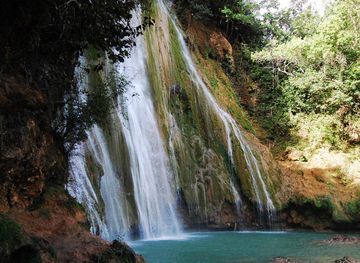


Your all‑in‑one travel companion app
Explore expert travel guides, compare and book tours, experiences, hotels, and more—all from the palm of your hand. Download now for seamless trip planning wherever your wanderlust takes you.


Explore More of Dominican Republic

Looking beyond Los Haitises? Discover Dominican Republic for broader travel guides, local hot-spots, and regional highlights.
Explore Dominican RepublicLos Haitises in Photos
Browse through our photo collection highlighting the charm and character of the destination.





Exploring the Mystical Los Haitises National Park
Los Haitises National Park, located in the northeastern region of the Dominican Republic, is a paradise for nature lovers and adventure seekers. This pristine park is renowned for its unique karst landscape, dotted with dramatic limestone hills, lush mangroves, and hidden caves. The park's name, 'Los Haitises,' means 'highlands' or 'mountain range' in the indigenous Taíno language, reflecting the area's ancient roots and cultural heritage. One of the park's main attractions is its extensive network of rivers and waterways, perfect for kayaking or boat tours. As you glide through the mangroves, you'll be surrounded by a rich tapestry of flora and fauna, including rare bird species like the Ridgway's Hawk and the Hispaniolan Piculet. The park is also home to several cave systems adorned with ancient Taíno petroglyphs and pictographs, offering a glimpse into the island's pre-Columbian history. Beyond its natural wonders, Los Haitises provides a tranquil escape from the hustle and bustle of city life. The park's serene environment and breathtaking vistas make it an ideal spot for eco-tourism and relaxation. Whether you're hiking through its dense forests, exploring its hidden caves, or simply soaking in the stunning scenery, Los Haitises promises an unforgettable experience for all who visit.