

Free Punta Cana-Bávaro Travel Guide & Mobile App
Explore Punta Cana-Bávaro with free travel guides. Discover regional history, expert tips, proposed trips, and audio guides on web or mobile app.


Punta Cana-Bávaro combines Dominican beaches, coral reefs, ecological reserves, watersports and resort comforts on the country’s eastern coast.
Read more about Punta Cana-Bávaro
When is the best time to visit Punta Cana-Bávaro?
Best: January–March · 29–30°C| Month | High (°C) | Rainfall (mm) |
|---|---|---|
| January (best) | 29 | 70 |
| February (best) | 29 | 60 |
| March (best) | 30 | 60 |
| April | 30 | 80 |
| May | 31 | 120 |
| June | 32 | 130 |
| July | 32 | 130 |
| August | 32 | 140 |
| September | 31 | 140 |
| October | 31 | 130 |
| November | 30 | 100 |
| December | 29 | 80 |
Getting to and around Punta Cana-Bávaro
How to get there
Transportation
Top city travel guides in Punta Cana-Bávaro
The cities of Punta Cana-Bávaro, and the easiest places to base yourself.

Swipe for more cities
Destinations in Punta Cana-Bávaro
Resorts, valleys and scenic spots worth a trip of their own.

Swipe for more destinations
Best attractions in Punta Cana-Bávaro
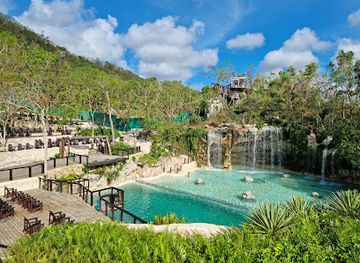
Punta Cana-Bávaro’s attractions are dominated by its coastline, but the experience varies considerably from one section to another. Bávaro Beach offers an extensive sandy shore and access to sailing, snorkelling and other organised water activities, while Cabeza de Toro has a quieter resort setting and Macao is more exposed to Atlantic surf and associated beach recreation. Offshore trips may include reef areas, sandbanks and seasonal wildlife encounters, subject to marine conditions and environmental rules. Inland, the Indigenous Eyes Ecological Park combines forest trails with freshwater lagoons and provides one of the region’s most useful alternatives to resort life. Cap Cana, within the wider Punta Cana area, adds marina landscapes, golf and managed outdoor attractions. Visitors interested in Dominican history can travel beyond the coast to Higüey, outside Punta Cana-Bávaro, for its basilica and urban markets. The region’s attraction landscape is therefore a combination of purpose-built leisure facilities, beaches, marine excursions and protected natural spaces rather than a concentration of old monuments or museums.
-
Amusement center
Downtown Punta Cana
Explore the vibrant Downtown Punta Cana, a lively amusement center with shopping, dining, and unforgettable cultural experiences for all tourists.
-
Theme park
Scape Park
Experience the thrill of adventure and the beauty of nature at Scape Park, Punta Cana's premier theme park, perfect for families and adventure seekers.
-
Water park
Splash Water Park
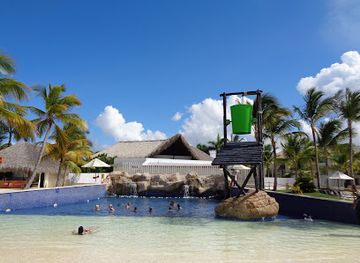
Dive into fun at Splash Water Park in Punta Cana, where adventure meets relaxation in a tropical paradise.
-
Tourist attraction
Juanillo Beach
Discover the beauty of Juanillo Beach in Punta Cana, a stunning destination with white sands, crystal-clear waters, and vibrant atmosphere for all travelers.

Best landmarks in Punta Cana-Bávaro
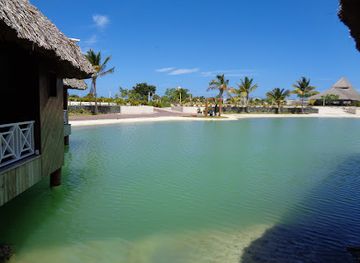
The region’s most recognisable landmarks are primarily coastal and architectural rather than medieval. Bávaro Beach forms the visual centre of the resort corridor, with a long curve of sand, palms and shallow turquoise water that defines many views of eastern Dominican tourism. Macao Beach is a contrasting natural landmark, facing the open Atlantic and displaying a less enclosed coastal character. The Hoyo Azul lagoon in Cap Cana, within the wider Punta Cana area, is a notable limestone sinkhole filled with clear freshwater, while the lagoons and forest of the Indigenous Eyes Ecological Park represent the area’s remaining inland natural heritage. Cap Cana’s marina and large resort developments illustrate the contemporary built landscape. For a major religious landmark, the Basilica Catedral Nuestra Señora de la Altagracia in Higüey is nearby but outside Punta Cana-Bávaro; its monumental form and national devotional importance make it a valuable regional excursion rather than a coastal landmark. These places show how the destination’s identity rests on beaches, karst geology, conservation and modern tourism infrastructure.
-
 Hotel
HotelBarceló Bávaro Palace
Experience the epitome of luxury and adventure at Barceló Bávaro Palace, your ultimate Punta Cana getaway with breathtaking beaches and world-class amenities.
-
Resort hotel
Lopesan Costa Bávaro Resort, Spa & Casino
Experience unparalleled luxury and tropical bliss at Lopesan Costa Bávaro Resort, Spa & Casino, the ultimate destination for relaxation and adventure in Punta Cana.
-
Hotel
Hard Rock Hotel & Casino Punta Cana
Discover the ultimate blend of luxury, entertainment, and relaxation at Hard Rock Hotel & Casino Punta Cana, a paradise for travelers seeking thrill and tranquility.
-
Hotel
Grand Palladium Bávaro Suites Resort & Spa
Experience the luxurious Grand Palladium Bávaro Suites Resort & Spa, where pristine beaches and world-class amenities create the ultimate tropical getaway.

Explore Punta Cana-Bávaro on the map
Plan your trip on one map. See where the top cities, national parks and sights are, and book hotels and experiences in a few clicks.
Best hotels in Punta Cana-Bávaro
Best restaurants in Punta Cana-Bávaro
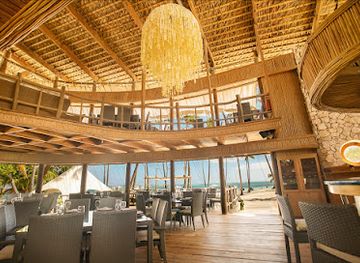
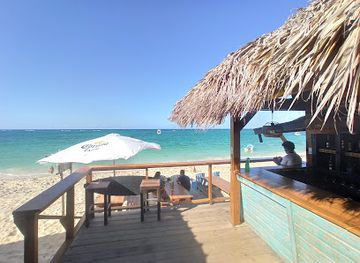
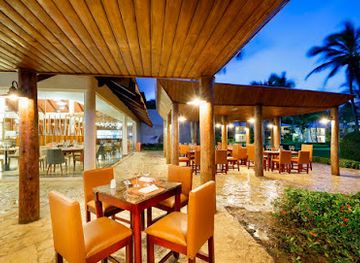
Dining in Punta Cana-Bávaro ranges from all-inclusive resort buffets and international restaurants to Dominican cafés, beach kitchens and informal eateries serving local communities. Regional staples include rice and beans, stewed chicken or beef, fried plantains, cassava, fresh fruit and yaniqueques, a crisp fried bread associated with coastal areas. Seafood is widely available, although visitors should favour establishments with good food-safety standards and ask about the day’s supply rather than assuming every menu item is locally caught. Bars and restaurants may serve Dominican rum, Presidente beer, fresh juices and tropical cocktails, while coffee and cacao from elsewhere in the country also appear frequently. Outside resort compounds, food in Verón, Friusa and Higüey offers a more everyday Dominican character, with modest restaurants, bakeries and takeaway counters. Menus in the hotel districts are often globally oriented, so travellers seeking local flavour should look for Dominican lunch counters, roadside fruit sellers and family-run eateries with a busy local clientele.
-
Restaurant
Jellyfish Restaurant
Experience exquisite seafood dining with stunning ocean views at Jellyfish Restaurant in Punta Cana.
-
Restaurant
Onno's Punta Cana / Bavaro
Discover vibrant dining and nightlife at Onno's Punta Cana - where authentic flavors meet lively entertainment.
-
Argentinian
La Paisana
Discover La Paisana in Punta Cana: Where Argentine passion meets Mexican zest in a vibrant culinary experience.
-
Restaurant
Kat's Corner
Experience authentic Dominican flavors at Kat's Corner - your go-to dining destination in Punta Cana with delicious meals at affordable prices.
Best bars in Punta Cana-Bávaro
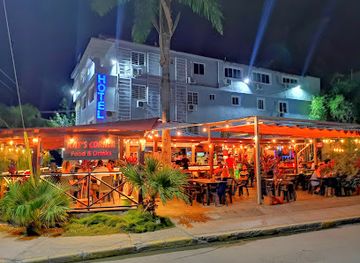
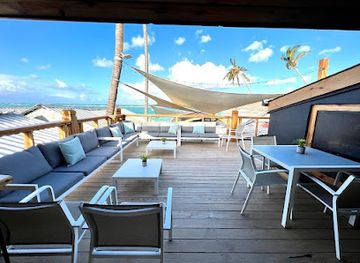
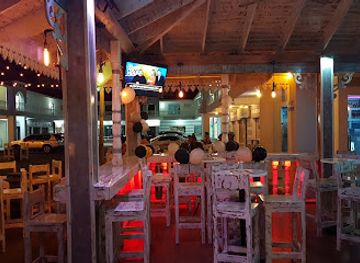
Evening life in Punta Cana-Bávaro is concentrated in resort entertainment programmes, hotel bars, beach venues and larger commercial areas rather than in a single historic nightlife quarter. Bávaro and the districts around El Cortecito and Cortecito Beach have a greater concentration of casual bars, restaurants, live music and dance venues, while Punta Cana and Cap Cana offer more resort-centred lounges, marina dining and organised evening entertainment. Merengue, bachata and salsa are common elements of the region’s musical culture, alongside international DJs and performances aimed at holidaymakers. Some large nightclubs operate within or near major resort complexes, but opening arrangements and commercial status can change, so current information should be checked locally. Smaller towns and rural areas generally become quiet earlier, with nightlife focusing on neighbourhood bars and social venues. Visitors should use pre-arranged transport after late nights and avoid assuming that all venues accept cards or provide regulated taxi services.
-
Bar
Coco Bongo Punta Cana
Experience the electrifying nightlife of Coco Bongo Punta Cana, where spectacular shows, dancing, and an open bar create unforgettable memories.
-
Bar
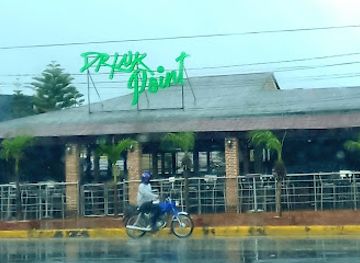
Drink Point Bavaro
Experience the vibrant nightlife at Drink Point Bavaro, where great drinks and lively music come together for an unforgettable evening in Punta Cana.
-
Restaurant
Onno's Punta Cana / Bavaro
Experience the vibrant fusion of flavors and nightlife at Onno's Punta Cana, the ultimate destination for food and fun in the heart of Bavaro.
-
Disco club
El Kan Drink House
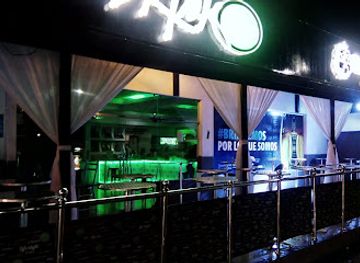
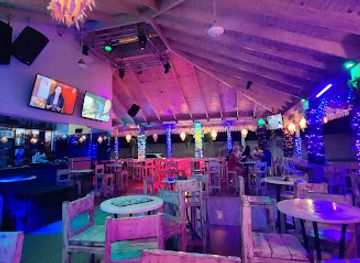
Discover the vibrant nightlife of Punta Cana at El Kan Drink House, where great music and an unforgettable atmosphere await you.
Best nightclubs in Punta Cana-Bávaro
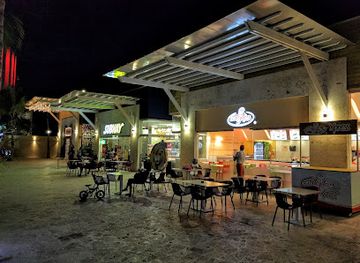
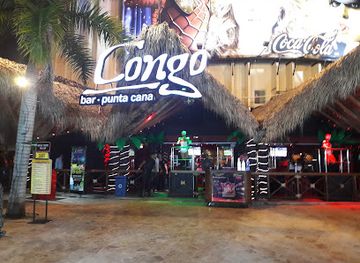
Evening life in Punta Cana-Bávaro is concentrated in resort entertainment programmes, hotel bars, beach venues and larger commercial areas rather than in a single historic nightlife quarter. Bávaro and the districts around El Cortecito and Cortecito Beach have a greater concentration of casual bars, restaurants, live music and dance venues, while Punta Cana and Cap Cana offer more resort-centred lounges, marina dining and organised evening entertainment. Merengue, bachata and salsa are common elements of the region’s musical culture, alongside international DJs and performances aimed at holidaymakers. Some large nightclubs operate within or near major resort complexes, but opening arrangements and commercial status can change, so current information should be checked locally. Smaller towns and rural areas generally become quiet earlier, with nightlife focusing on neighbourhood bars and social venues. Visitors should use pre-arranged transport after late nights and avoid assuming that all venues accept cards or provide regulated taxi services.
-
Night club
Coco Bongo Punta Cana
Experience the vibrant nightlife of Punta Cana at Coco Bongo, where spectacular shows and electrifying energy create unforgettable memories.
-
Bar
Drink Point Bavaro
Experience the vibrant nightlife of Punta Cana at Drink Point Bavaro, where great drinks and dancing unite for an unforgettable evening.
-
Disco club
El Kan Drink House
Experience the vibrant nightlife of Punta Cana at El Kan Drink House, the ultimate disco club with great music and affordable drinks.
-
Disco club
Imagine Punta Cana
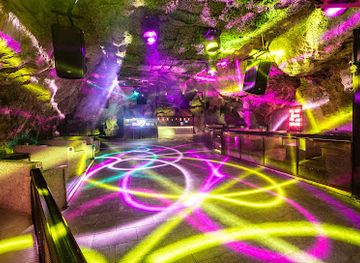
Dive into the vibrant nightlife of Punta Cana at Imagine Punta Cana, where music, dance, and celebration come alive under the stars.
Best shops in Punta Cana-Bávaro
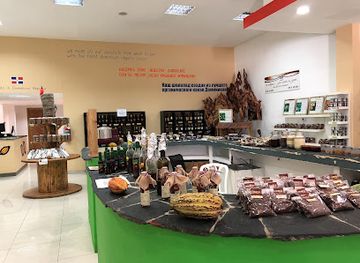
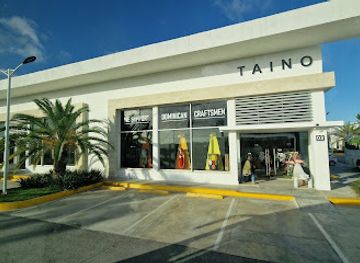
Shopping in Punta Cana-Bávaro is centred on resort retail areas, commercial plazas, hotel boutiques and larger planned complexes rather than an old market quarter. Visitors can find Dominican rum, cigars, larimar jewellery, amber, paintings, woven goods, beachwear and packaged coffee or cacao, although authenticity and pricing vary and valuable purchases should come from reputable retailers. Bávaro and the El Cortecito area have a more informal mixture of souvenir shops, small businesses and tourist services, while the major resort and Cap Cana developments provide air-conditioned boutiques and restaurants. Everyday shopping in Verón and Higüey offers a less tourism-oriented view of the province, with supermarkets, pharmacies, clothing shops and local food outlets. Farmers’ produce and roadside fruit are common outside the premium retail zones, but not every stall is designed for international card payments. When buying larimar or amber, request documentation where appropriate, compare prices and avoid purchasing coral, shells or wildlife products that may be environmentally protected or restricted for export.
-
Shopping mall
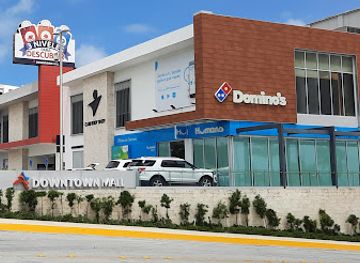
Downtown Mall Punta Cana
Discover the ultimate shopping experience at Downtown Mall Punta Cana, featuring a wide range of stores, dining options, and entertainment in a vibrant atmosphere.
-
Store
Bella Mare store
Explore Bella Mare Store in Punta Cana for unique souvenirs and local products that embody the spirit of the Dominican Republic.
-
Shopping mall
PUNTACANA Village
Discover the vibrant shopping and dining experience at PUNTACANA Village, a premier destination in the heart of Punta Cana.
-
Gift shop
Taino Gifts Punta Cana
Explore Taino Gifts Punta Cana for authentic Dominican crafts, cigars, and gourmet treats, perfect souvenirs from your tropical getaway.
Get your free copy of our complete guide to Punta Cana-Bávaro, delivered straight to you.
Everything on this page, from attractions and restaurants to essentials and local phrases, in one PDF you can read offline, print or share.
Already have an account? Sign in
Your Punta Cana-Bávaro guide is ready.
We'll send it to · Not you? Sign out

Getting your guide ready…
We are putting together a fresh copy of the Punta Cana-Bávaro guide. This can take up to a minute.
This can take a few moments. If your browser asks, choose Allow so the download can start. You'll find the guide in your Downloads folder.
Nothing happened? Download it again
Sorry, the guide is taking longer than usual. Please try again in a minute, or get it by email instead.
Punta Cana-Bávaro essentials
Currency and Payment
Safety
Emergency Situations
Do's and Don'ts
Local Tips
From Eve
Local phrases worth knowing
You don't need to get them perfect. A few words go a long way, and locals appreciate the effort.
Basics
| English | Local | Say it |
|---|---|---|
| Hello | Hola | [Ola] |
| Goodbye | Adiós | [Adyos] |
| Yes | Sí | [See] |
| No | No | [No] |
| Please/You're welcome | Por favor/De nada | [Por favor/De nada] |
| Thank you | Gracias | [Gracias] |
| Excuse me/Sorry | Perdón | [Perdon] |
| How are you? | ¿Cómo estás? | [Como estas] |
| Fine. And you? | Bien. ¿Y tú? | [Bien. I tu] |
| Do you speak English? | ¿Hablas inglés? | [Hablas ingles] |
| I don't understand | No entiendo | [No entiendo] |
Eating & Drinking
| English | Local | Say it |
|---|---|---|
| I'd like to see the menu, please | Me gustaría ver el menú, por favor | [Me gustaria ver el menu, por favor] |
| I don't eat meat | No como carne | [No como carne] |
| Cheers! | ¡Salud! | [Salud] |
| I would like to pay, please | Me gustaría pagar, por favor | [Me gustaria pagar, por favor] |
Emergencies
| English | Local | Say it |
|---|---|---|
| Help! | ¡Ayuda! | [Ayuda] |
| Go away! | ¡Vete! | [Vete] |
| Call the Police! | ¡Llama a la policía! | [Llama a la policia] |
| Call a doctor! | ¡Llama a un doctor! | [Llama a un doctor] |
| I'm lost | Estoy perdido | [Estoy perdido] |
| I'm ill | Estoy enfermo | [Estoy enfermo] |
Shopping
| English | Local | Say it |
|---|---|---|
| I'd like to buy... | Me gustaría comprar... | [Me gustaria comprar] |
| I'm just looking | Solo estoy mirando | [Solo estoy mirando] |
| How much is it? | ¿Cuánto cuesta? | [Cuanto cuesta] |
| That's too expensive | Eso es muy caro | [Eso es muy caro] |
| Can you lower the price? | ¿Puedes bajar el precio? | [Puedes bajar el precio] |
Time & Numbers
| English | Local | Say it |
|---|---|---|
| What time is it? | ¿Qué hora es? | [Que hora es] |
| It's one o'clock | Es la una | [Es la una] |
| Half past (10) | Y media (10) | [Y media 10] |
| Morning | Mañana | [Mañana] |
| Afternoon | Tarde | [Tarde] |
| Evening | Noche | [Noche] |
| Yesterday | Ayer | [Ayer] |
| Today | Hoy | [Hoy] |
| Tomorrow | Mañana | [Mañana] |
| 1 | Uno | [Uno] |
| 2 | Dos | [Dos] |
| 3 | Tres | [Tres] |
| 4 | Cuatro | [Cuatro] |
| 5 | Cinco | [Cinco] |
| 6 | Seis | [Seis] |
| 7 | Siete | [Siete] |
| 8 | Ocho | [Ocho] |
| 9 | Nueve | [Nueve] |
| 10 | Diez | [Diez] |
Transport & Directions
| English | Local | Say it |
|---|---|---|
| Where's a/the...? | ¿Dónde está un/los...? | [Donde esta un/los] |
| What's the address? | ¿Cuál es la dirección? | [Cual es la direccion] |
| Can you show me (on the map)? | ¿Puedes mostrarme (en el mapa)? | [Puedes mostrarme en el mapa] |
| When's the next (bus)? | ¿Cuándo es el próximo (autobús)? | [Cuando es el proximo autobus] |
| A ticket (to ....) | Un boleto (a....) | [Un boleto a] |
History of Punta Cana-Bávaro
Taíno settlement before European colonisation
Before Spanish arrival, the eastern part of Hispaniola was inhabited by Taíno communities whose economy combined agriculture, fishing, gathering and regional exchange. The coast and freshwater resources around present-day Punta Cana and Bávaro supported movement through a landscape of woodland, lagoons and beaches. Archaeological evidence in the wider La Altagracia area, together with surviving place names and cultural interpretation, helps explain the Indigenous foundation that is often represented in local ecological parks and museum displays.
Spanish conquest and the colonial eastern region
Spanish colonisation began on Hispaniola at the end of the fifteenth century, producing profound demographic, political and ecological change. The eastern region became connected to the colonial settlements, livestock economy and religious institutions of the island, although the modern Punta Cana-Bávaro coast was not established as a major urban centre during this period. The historical importance of the area is therefore closely linked to wider developments in eastern Hispaniola rather than to a preserved colonial town on the resort shoreline.
Higüey and the growth of regional religious identity
Higüey developed as the principal inland settlement of La Altagracia and became an important religious centre associated with Nuestra Señora de la Altagracia, regarded as the spiritual patroness of the Dominican Republic. The modern Basilica Catedral Nuestra Señora de la Altagracia, completed in the twentieth century, reflects the continuing national significance of that devotion. Higüey remains outside the Punta Cana-Bávaro resort strip but is central to understanding the province’s history and contemporary cultural geography.
Agriculture, cattle and a largely rural eastern coast
For much of the modern period, eastern La Altagracia was characterised by cattle ranching, small-scale agriculture and relatively dispersed settlements rather than mass tourism. Sugar production and related rural economies also shaped the wider eastern Dominican region, bringing land, labour and transport changes. The coast around present-day Punta Cana-Bávaro remained comparatively lightly developed, with beaches, palms and scrubland forming a landscape very different from the extensive resort corridor visible today.
Tourism development from the late twentieth century
Large-scale tourism transformed the eastern coast from the late twentieth century onwards. Investment in hotels, roads, airports, golf courses and recreational infrastructure turned Punta Cana and Bávaro into one of the Dominican Republic’s principal international visitor areas. The development created employment and connected the region to global travel markets, while also placing pressure on water, waste management, coastal ecosystems and land use. Today’s resort landscape is therefore a relatively recent economic and geographical transformation.
Ecotourism and environmental awareness
As tourism expanded, conservation initiatives became increasingly important in protecting the region’s remaining forest, wetlands, lagoons and marine habitats. The Indigenous Eyes Ecological Park, coastal protected areas and marine excursion regulations reflect efforts to preserve representative environments while allowing controlled visitor access. Environmental concerns remain relevant to the future of Punta Cana-Bávaro, particularly around reef health, beach erosion, groundwater, single-use plastics and the responsible management of development along the coast.
Punta Cana-Bávaro in Photos
Browse through our photo collection highlighting the charm and character of the destination.
Neighbouring regions of Punta Cana-Bávaro
The closest regions to Punta Cana-Bávaro, if you have time for more than one.
-

-

-

-

-


Swipe for more regions
Explore more

Explore more of Dominican Republic
Explore the Dominican Republic: where pristine beaches, rich history, and vibrant culture converge in a Caribbean paradise.
Explore Dominican Republic