

Santo Domingo Metropolitan Area, Dominican Republic Travel Guide
Explore Santo Domingo, where history meets modernity in the oldest city of the New World. Discover colonial treasures, vibrant culture, and a lively waterfront.
Santo Domingo, the capital of the Dominican Republic, is a vibrant city where history and modernity blend seamlessly. As the oldest continuously inhabited European settlement in the Americas, it offers a rich tapestry of colonial architecture, cultural landmarks, and bustling marketplaces. Stroll through the Zona Colonial, a UNESCO World Heritage site, to marvel at the cobblestone streets, ancient cathedrals, and the first cathedral of the Americas, the Catedral Primada de América. The city is also known for its lively atmosphere and friendly locals. Enjoy the local cuisine at one of the many traditional eateries, where you can taste dishes like mangu, sancocho, and tostones. The Malecón, a waterfront boulevard, is perfect for a leisurely walk, offering stunning views of the Caribbean Sea and opportunities to experience local street performances and outdoor art installations. For a more modern experience, visit the upscale shopping districts and trendy nightlife spots in areas like Piantini and Naco. Santo Domingo's dynamic nightlife scene, with its mix of bars, clubs, and live music venues, ensures that there's always something to do, day or night. Whether you're a history buff, a foodie, or just looking to relax by the sea, Santo Domingo has something to offer for every type of traveler.

Know before you go
Hi, I'm Eve. Here are a few practical things to know before exploring Santo Domingo Metropolitan Area.
- Visit the Zona Colonial early in the morning to avoid crowds and enjoy the historic sites in peace.
- Try local street food like empanadas and fresh fruit from vendors for an authentic taste of the city.
- Take a guided tour to learn about the rich history and hidden gems of the city.
- Use local transportation like 'carros públicos' for an inexpensive way to get around the city.
- Be mindful of your belongings in crowded areas to avoid pickpocketing.
Top City Travel Guides in Santo Domingo Metropolitan Area
The cities of Santo Domingo Metropolitan Area, and the easiest places to base yourself.

Explore Santo Domingo Metropolitan Area: Things to Do, Places to Eat, Hotels & More
Handpicked recommendations for top attractions, local dining, accommodations, and more

Top Attractions & Sightseeing in Santo Domingo Metropolitan Area
Top-rated picks
Best Attractions

Catedral Primera de las Américas de Santo Domingo
Discover the historical and architectural marvel of Catedral Primera de las Américas in Santo Domingo, a must-see for every traveler.

Piedras Vivas Park
Experience the beauty and tranquility of Piedras Vivas Park in San Cristóbal, a vibrant oasis perfect for relaxation and cultural immersion.

Ambiental José Núñez de Cáceres Park
Experience the natural beauty and tranquility of Ambiental José Núñez de Cáceres Park, a lush urban retreat in the heart of Santo Domingo.

Mirador del Oeste Park
Explore the serene beauty of Mirador del Oeste Park in Santo Domingo, a perfect blend of nature, tranquility, and vibrant local culture.

Best landmarks in Santo Domingo Metropolitan Area
Top-rated picks
Best Landmarks

Ágora Mall
Explore Ágora Mall in Santo Domingo for a unique shopping experience blending local flavor with international brands, dining, and entertainment.

Centro Comercial Galería 360
Discover the ultimate shopping experience at Centro Comercial Galería 360 in Santo Domingo, where fashion, dining, and entertainment meet.

Monument to the Heroes of the Restoration
Discover the Monument to the Heroes of the Restoration, a stunning cultural landmark celebrating the bravery of Dominican heroes in Santiago.

Columbus Park
Discover Columbus Park in Santo Domingo: a historical landmark where vibrant culture meets serene landscapes in the heart of the city.

Best restaurants in Santo Domingo Metropolitan Area
Top-rated picks
Best Restaurants

Adrian Tropical
Experience authentic Dominican flavors at Adrian Tropical in Santo Domingo, where every dish tells a story and every visit is memorable.

Jalao
Discover Jalao: A vibrant Dominican restaurant in Santo Domingo's Colonial Zone offering authentic cuisine and lively ambiance.

Laurel
Experience the vibrant flavors of Latin America at Laurel, Santo Domingo's premier dining destination for exquisite cuisine and exceptional service.

La Dolcerie
Experience culinary excellence at La Dolcerie in Santo Domingo—where local flavors meet international flair for an unforgettable dining experience.

Best bars in Santo Domingo Metropolitan Area
Top-rated picks
Best Bars

75 Grados
Experience vibrant nightlife at 75 Grados in Santo Domingo, where every night is a celebration filled with music, dancing, and delicious drinks.

Onno's Zona Colonial Bar & Restaurant
Experience the vibrant flavors of Dominican cuisine at Onno's Zona Colonial, where lively atmosphere meets delicious food and drinks.

Parada 77
Discover the lively nightlife at Parada 77, a must-visit bar in Santo Domingo's historic Zona Colonial, perfect for sipping cocktails and socializing.

4 Jack's Bar & Bistro Sambil
Experience the vibrant nightlife and delightful cuisine at 4 Jack's Bar & Bistro in Santo Domingo, the heart of Dominican culture.

Best nightclubs in Santo Domingo Metropolitan Area
Top-rated picks
Best Nightclubs

Gold Fashion Dance Club
Discover the lively nightlife at Gold Fashion Dance Club, a premier disco in Santo Domingo, where music, dancing, and fun come together.

Zambra
Experience the vibrant nightlife of Santo Domingo at Zambra, where electrifying music and unforgettable moments come together.

Kuora Club
Discover the vibrant nightlife at Kuora Club, Santo Domingo's premier disco destination, where music and dance come alive.

Aqua Club
Experience the vibrant nightlife of Santo Domingo at Aqua Club, where music, dance, and culture come together for an unforgettable night out.

Best shops in Santo Domingo Metropolitan Area
Top-rated picks
Best Shops

Ágora Mall
Experience shopping, dining, and entertainment all in one place at Ágora Mall in Santo Domingo, the ultimate destination for tourists and locals alike.

Sambil Santo Domingo
Discover the ultimate shopping experience at Sambil Santo Domingo, featuring a wide range of stores, exquisite dining options, and endless entertainment.

Centro Comercial Galería 360
Experience the best of shopping, dining, and entertainment at Centro Comercial Galería 360 in Santo Domingo, a vibrant destination for tourists and locals alike.

BlueMall Santo Domingo
Discover the luxurious shopping experience at BlueMall Santo Domingo, where high-end boutiques meet exquisite dining options in a vibrant atmosphere.

Explore Santo Domingo Metropolitan Area on the Map
A handpicked selection of must-see spots in Santo Domingo Metropolitan Area, mapped for you.
Santo Domingo Metropolitan Area Essentials
-
Santo Domingo is accessible through Las Américas International Airport (SDQ), which is located about 30 minutes east of the city center. The airport receives flights from various international destinations. From the airport, you can take a taxi, rent a car, or use a shuttle service to reach your accommodation in Santo Domingo. There are also buses that can take you to the city center.
-
Santo Domingo has a variety of transportation options including taxis, buses, and the Santo Domingo Metro. Taxis are widely available but make sure to use official ones or ride-hailing apps like Uber for safety. The city buses and 'conchos' (shared taxis) are budget-friendly options but can be crowded. The Metro is efficient for getting around the central parts of the city. Renting a car is another option, but be mindful of traffic and local driving habits.
-
The official currency is the Dominican Peso (DOP). Credit cards are widely accepted in hotels, restaurants, and larger shops. However, it's advisable to carry some cash for smaller establishments and markets. ATMs are readily available throughout the city. Be cautious when using ATMs, preferably opting for those located inside banks or secure areas.
-
While Santo Domingo is generally safe for tourists, certain areas have higher crime rates. Avoid walking alone at night, especially in neighborhoods like Cristo Rey, Capotillo, and Guachupita. Stick to well-lit and populated areas. Be cautious with your belongings in crowded places and avoid displaying valuable items. Use hotel safes for passports and other important documents.
-
In case of an emergency, dial 911 for immediate assistance. This number connects you to police, fire, and medical services. Major hospitals in Santo Domingo include Hospital General Plaza de la Salud and Centro Médico Dominicano. It's advisable to have travel insurance that covers medical emergencies. Pharmacies are plentiful for minor health issues and over-the-counter medications.
-
Fashion: Do dress modestly, especially when visiting religious sites. Avoid overly revealing clothing. Religion: Do respect local customs and traditions. Observe silence and dress appropriately in churches. Public Transport: Do be respectful and offer your seat to elderly passengers. Avoid eating or drinking on public transport. Greetings: Do greet people with a handshake, and use 'Buenos días' (Good morning) or 'Buenas tardes' (Good afternoon) as polite greetings. Eating & Drinking: Do try local foods and accept invitations to share meals. Don't refuse hospitality, as it is considered impolite.
-
Experience Santo Domingo like a local by visiting local markets such as Mercado Modelo, where you can buy fresh produce and local crafts. Engage with locals who are generally friendly and eager to share stories about their culture and history. Don’t miss exploring the Colonial Zone (Zona Colonial), a UNESCO World Heritage Site, where you can wander through cobblestone streets and visit historical landmarks like the Alcázar de Colón and the Catedral Primada de América.
When is the best time to visit Santo Domingo Metropolitan Area?
Useful Local Phrases for Santo Domingo Metropolitan Area
You don't need to speak the language perfectly. Even learning a few simple words can make conversations warmer—and locals usually appreciate the effort.
— Eve

Here are the phrases I use most often in Santo Domingo Metropolitan Area. Try a few—you'll be surprised how far they go! 😊
❤️
-
- HelloHola
[Oh-lah] - GoodbyeAdiós
[Ah-dee-ohs] - YesSí
[See] - NoNo
[Noh] - Please/You're welcomePor favor/De nada
[Por fah-vor/Deh nah-dah] - Thank youGracias
[Gra-see-as] - Excuse me/SorryPerdón
[Pehr-dohn] - How are you?¿Cómo estás?
[Koh-moh es-tahs] - Fine. And you?Bien. ¿Y tú?
[Bee-en. Ee too?] - Do you speak English?¿Hablas inglés?
[Ah-blahs een-gles] - I don't understandNo entiendo
[Noh en-tee-en-doh]
- HelloHola
-
- I'd like to see the menu, pleaseMe gustaría ver el menú, por favor
[Meh goos-tah-ree-ah behr el meh-noo, por fah-vor] - I don't eat meatNo como carne
[Noh koh-moh kar-neh] - Cheers!¡Salud!
[Sah-lood] - I would like to pay, pleaseQuisiera pagar, por favor
[Kee-see-eh-rah pah-gar, por fah-vor]
- I'd like to see the menu, pleaseMe gustaría ver el menú, por favor
-
- Help!¡Ayuda!
[Ah-yoo-dah] - Go away!¡Vete!
[Veh-teh] - Call the Police!¡Llama a la policía!
[Yah-mah ah lah poh-lee-see-ah] - Call a doctor!¡Llama a un doctor!
[Yah-mah ah oon dok-tor] - I'm lostEstoy perdido
[Es-toy pehr-dee-doh] - I'm illEstoy enfermo
[Es-toy en-fehr-mo]
- Help!¡Ayuda!
-
- I'd like to buy...Quisiera comprar...
[Kee-see-eh-rah kom-prar] - I'm just lookingSolo estoy mirando
[So-lo es-toy mee-ran-do] - How much is it?¿Cuánto cuesta?
[Kwan-toh kwes-tah] - That's too expensiveEso es muy caro
[Eh-so es moo-ee kah-roh] - Can you lower the price?¿Puedes bajar el precio?
[Pweh-des bah-har el preh-syo]
- I'd like to buy...Quisiera comprar...
-
- What time is it?¿Qué hora es?
[Keh oh-rah es] - It's one o'clockEs la una
[Es lah oo-nah] - Half past (10)Y media (10)
[Ee meh-dee-ah (diez)] - MorningMañana
[Mah-nyah-nah] - AfternoonTarde
[Tar-deh] - EveningNoche
[Noh-cheh] - YesterdayAyer
[Ah-yer] - TodayHoy
[Oy] - TomorrowMañana
[Mah-nyah-nah] - 1Uno
[Oo-no] - 2Dos
[Dohs] - 3Tres
[Trehs] - 4Cuatro
[Kwah-tro] - 5Cinco
[Seen-koh] - 6Seis
[Says] - 7Siete
[Syay-teh] - 8Ocho
[Oh-cho] - 9Nueve
[Nweh-beh] - 10Diez
[Dyehs]
- What time is it?¿Qué hora es?
-
- Where's a/the...?¿Dónde hay un/una...?
[Dohn-deh eye oon/oo-nah] - What's the address?¿Cuál es la dirección?
[Kwahl es lah dee-rek-syon] - Can you show me (on the map)?¿Puedes mostrarme (en el mapa)?
[Pweh-des mos-trar-meh (en el mah-pah)] - When's the next (bus)?¿Cuándo viene el próximo (autobús)?
[Kwan-doh vyen-eh el prohk-see-mo (au-toh-boos)] - A ticket (to ....)Un boleto (a ....)
[Oon boh-leh-toh (ah ....)]
- Where's a/the...?¿Dónde hay un/una...?
History of Santo Domingo Metropolitan Area
-
Founded in 1496 by Bartholomew Columbus, brother of Christopher Columbus, Santo Domingo is the oldest continuously inhabited European settlement in the Americas. As the capital of the Dominican Republic, it has a rich history that began with its establishment on the eastern bank of the Ozama River, before relocating to its current site on the western bank in 1502.
-
The Colonial Zone, or 'Zona Colonial,' is a UNESCO World Heritage Site and the oldest part of Santo Domingo. This area is home to numerous historical landmarks, including the first cathedral, hospital, customs house, and university in the New World. Notable sites include the Catedral Primada de América, Alcázar de Colón, and the Fortaleza Ozama.
-
In 1586, English privateer Sir Francis Drake captured and ransomed the city of Santo Domingo. This event marked one of the most significant attacks on the city during the colonial period. The occupation lasted for a month and left a lasting impact on the city's defenses, leading to the construction of more fortified structures.
-
Following the Treaty of Basel in 1795, Spain ceded the eastern part of Hispaniola to France. The French occupation lasted until 1809, when Spanish forces and Dominican locals successfully reclaimed the area. This period was marked by significant cultural and administrative changes, influencing the city's development.
-
The Dominican Republic declared its independence from Haiti in 1844, establishing Santo Domingo as its capital. The city underwent substantial changes during the rule of Rafael Trujillo from 1930 to 1961. Trujillo's regime saw significant urban development, including the construction of important landmarks like the Malecón and the Faro a Colón, a monument dedicated to Christopher Columbus.
-
Today, Santo Domingo is a vibrant metropolis that blends historical charm with modern amenities. The city serves as the cultural, financial, and political hub of the Dominican Republic. Major districts like Gazcue, Piantini, and Naco showcase the city’s growth and modernity, while the Colonial Zone remains a testament to its rich historical past.
Neighbouring Regions of Santo Domingo Metropolitan Area
The closest regions to Santo Domingo Metropolitan Area, if you have time for more than one.


Your all‑in‑one travel companion app
Explore expert travel guides, compare and book tours, experiences, hotels, and more—all from the palm of your hand. Download now for seamless trip planning wherever your wanderlust takes you.


Explore More of Dominican Republic

Looking beyond Santo Domingo Metropolitan Area? Discover Dominican Republic for broader travel guides, local hot-spots, and regional highlights.
Explore Dominican RepublicSanto Domingo Metropolitan Area in Photos
Browse through our photo collection highlighting the charm and character of the destination.

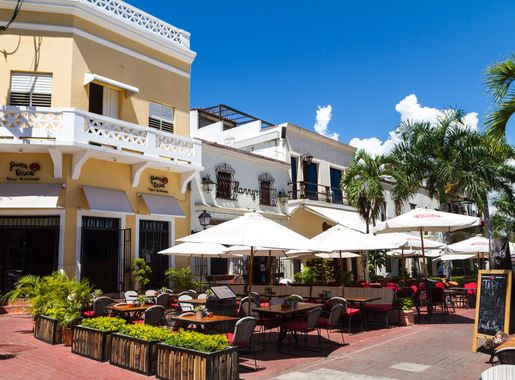


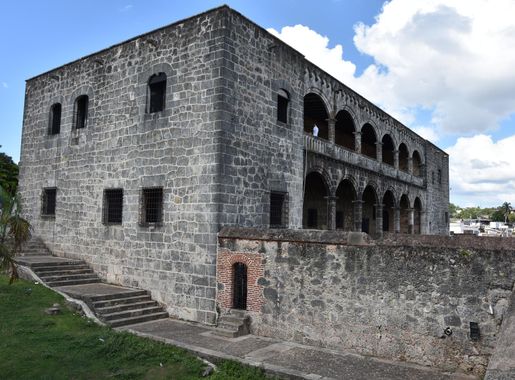

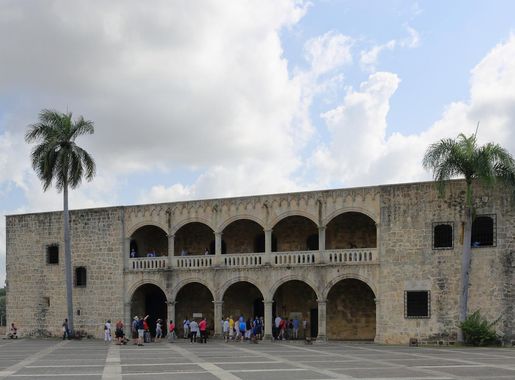
Santo Domingo: The Heartbeat of the Caribbean
Santo Domingo, the capital of the Dominican Republic, is a vibrant city where history and modernity blend seamlessly. As the oldest continuously inhabited European settlement in the Americas, it offers a rich tapestry of colonial architecture, cultural landmarks, and bustling marketplaces. Stroll through the Zona Colonial, a UNESCO World Heritage site, to marvel at the cobblestone streets, ancient cathedrals, and the first cathedral of the Americas, the Catedral Primada de América. The city is also known for its lively atmosphere and friendly locals. Enjoy the local cuisine at one of the many traditional eateries, where you can taste dishes like mangu, sancocho, and tostones. The Malecón, a waterfront boulevard, is perfect for a leisurely walk, offering stunning views of the Caribbean Sea and opportunities to experience local street performances and outdoor art installations. For a more modern experience, visit the upscale shopping districts and trendy nightlife spots in areas like Piantini and Naco. Santo Domingo's dynamic nightlife scene, with its mix of bars, clubs, and live music venues, ensures that there's always something to do, day or night. Whether you're a history buff, a foodie, or just looking to relax by the sea, Santo Domingo has something to offer for every type of traveler.