

Eastern Plains, Dominican Republic Travel Guide
Discover the serene Eastern Plains of the Dominican Republic, where vast landscapes, local farms, and natural parks offer the perfect escape for nature lovers.
The Eastern Plains of the Dominican Republic are a serene escape from the bustling cities and crowded beaches. Known for its vast landscapes, the area offers a mix of lush greenery and open fields that stretch as far as the eye can see. This region is perfect for nature lovers and those looking to unwind in a peaceful setting. Visitors can explore local farms, where they can learn about traditional Dominican agriculture and sample fresh produce. The plains are also home to several natural parks and reserves, providing ample opportunities for hiking, bird watching, and other outdoor activities. The friendly locals and their laid-back lifestyle add to the charm of this hidden gem. Despite its tranquility, the Eastern Plains are not far from the coast, making it easy to enjoy both inland and seaside attractions. Whether you're seeking adventure or relaxation, the Eastern Plains offer a unique experience that showcases the natural beauty of the Dominican Republic.

Know before you go
Hi, I'm Eve. Here are a few practical things to know before exploring Eastern Plains.
- Visit local farms to experience traditional agriculture and taste fresh produce.
- Pack comfortable hiking shoes for exploring natural parks and reserves.
- Carry a good camera for bird watching and capturing the stunning landscapes.
- Take advantage of the close proximity to the coast for a mix of inland and seaside activities.
Top City Travel Guides in Eastern Plains
The cities of Eastern Plains, and the easiest places to base yourself.


Destinations in Eastern Plains
Resorts, valleys and scenic spots worth a trip of their own.


Explore Eastern Plains: Things to Do, Places to Eat, Hotels & More
Handpicked recommendations for top attractions, local dining, accommodations, and more

Top Attractions & Sightseeing in Eastern Plains
Top-rated picks
Best Attractions

Catedral Primera de las Américas de Santo Domingo
Discover the majestic Catedral Primada de América in Santo Domingo, a historic masterpiece of Gothic architecture and the first cathedral in the New World.

Cave of Wonders
Discover the breathtaking natural beauty and rich cultural history at the Cave of Wonders in the Dominican Republic, a must-visit destination for all adventurers.

Fortaleza de San Felipe
Discover the rich history and stunning views at Fortaleza de San Felipe, a remarkable fortress in Puerto Plata, Dominican Republic.

Playa Costa Esmeralda
Discover the serene beauty of Playa Costa Esmeralda, where golden sands meet turquoise waters in Miches, Dominican Republic.

Best landmarks in Eastern Plains
Top-rated picks
Best Landmarks

Monument to the Heroes of the Restoration
Discover the Monument to the Heroes of the Restoration, a breathtaking tribute to Dominican history, nestled in the heart of Santiago de los Caballeros.

Columbus Park
Explore the vibrant history and cultural richness of Columbus Park in Santo Domingo, a must-visit historical landmark in the heart of the Colonial Zone.

Independence Park
Discover the lush landscapes and rich history of Independence Park, a must-visit urban oasis in Santo Domingo, perfect for relaxation and exploration.

Casa de Campo Resort and Villas
Experience luxury at Casa de Campo Resort and Villas in the Dominican Republic, where stunning beaches meet world-class amenities and endless activities.

Best restaurants in Eastern Plains
Top-rated picks
Best Restaurants

Adrian Tropical
Experience authentic Dominican flavors at Adrian Tropical, where vibrant dishes meet warm Caribbean hospitality in Santo Domingo.

Jalao
Savor authentic Dominican cuisine at Jalao in Santo Domingo's historic Zona Colonial—where flavor meets culture.

Laurel
Discover Laurel in Santo Domingo: an exquisite Latin American restaurant offering delightful dishes in an elegant setting.

Parador Bella Mar
Discover the culinary delights at Parador Bella Mar—where local flavors meet vibrant dining experiences in Santo Domingo Este.

Best bars in Eastern Plains
Top-rated picks
Best Bars

Onno's Zona Colonial Bar & Restaurant
Experience the vibrant flavors of Dominican, Mexican, and Spanish cuisine at Onno's Zona Colonial, a lively bar and restaurant in Santo Domingo.

Parada 77
Experience the lively atmosphere and eclectic vibes at Parada 77, a must-visit bar in Santo Domingo's historic Zona Colonial.

Drink Point Bavaro
Discover the vibrant nightlife at Drink Point Bavaro, a lively bar and disco club in Punta Cana offering great drinks and unforgettable entertainment.

La Posta Bar
Discover the vibrant nightlife of Santo Domingo at La Posta Bar, where delicious cocktails and lively entertainment await every visitor.

Best nightclubs in Eastern Plains
Top-rated picks
Best Nightclubs

Jet Set Club
Discover the electrifying nightlife at Jet Set Club in Santo Domingo, where dance, music, and vibrant energy come together for an unforgettable experience.

Imagine Punta Cana
Discover the electrifying nightlife of Imagine Punta Cana, a unique disco club in a stunning cave setting, perfect for dancing and entertainment.

Gold Fashion Dance Club
Immerse yourself in the vibrant nightlife of Santo Domingo at Gold Fashion Dance Club – where great music and dancing await.

Kuora Club
Experience the electrifying nightlife of Santo Domingo at Kuora Club, the ultimate disco destination for unforgettable dance parties.

Best shops in Eastern Plains
Top-rated picks
Best Shops

Ágora Mall
Discover shopping, dining, and entertainment all in one place at Ágora Mall in Santo Domingo, the ultimate destination for every traveler.

Sambil Santo Domingo
Discover the vibrant shopping and dining experience at Sambil Santo Domingo, where culture meets modern retail in the heart of the city.

Centro Comercial Galería 360
Explore Centro Comercial Galería 360, a vibrant shopping mall in Santo Domingo with a mix of international brands, local boutiques, dining, and entertainment options.

BlueMall Santo Domingo
Discover luxury shopping, exquisite dining, and vibrant entertainment at BlueMall Santo Domingo - a premier destination in the heart of the city.

Explore Eastern Plains on the Map
A handpicked selection of must-see spots in Eastern Plains, mapped for you.
Eastern Plains Essentials
-
The Eastern Plains in the Dominican Republic are most conveniently accessed via Las Américas International Airport (SDQ) in Santo Domingo, which is approximately 90 kilometers away. From the airport, you can rent a car, take a taxi, or use a shuttle service to reach the region. Alternatively, you can fly into Punta Cana International Airport (PUJ), which is about 150 kilometers away. Both airports offer a range of domestic and international flights.
-
Within the Eastern Plains, transportation options include car rentals, taxis, and local buses. Renting a car is a popular choice for tourists who want the flexibility to explore the area at their own pace. Taxis are readily available in most towns and can be hailed on the street or arranged through your hotel. Public buses, known as 'guaguas,' are an affordable way to travel between towns but may not adhere to strict schedules. For short distances, motoconchos (motorcycle taxis) are also an option.
-
The official currency of the Dominican Republic is the Dominican Peso (DOP). Credit cards are widely accepted in hotels, restaurants, and larger shops, but it is advisable to carry cash for small purchases and in more rural areas. ATMs are available in major towns and cities. Currency exchange services are offered at airports, banks, and some hotels. It is recommended to exchange money at official exchange offices to ensure you get a fair rate.
-
The Eastern Plains are generally safe for tourists, but it is important to exercise caution. Avoid walking alone at night, especially in less populated areas. Stick to well-lit streets and avoid displaying valuable items. Be cautious in crowded places and keep an eye on your belongings to avoid pickpocketing. Some areas with higher crime rates include certain neighborhoods in San Pedro de Macorís and La Romana. Always stay informed about the local situation and follow advice from local authorities.
-
In case of emergency, dial 911 for immediate assistance. Medical facilities are available in major towns, with hospitals in San Pedro de Macorís and La Romana. It is advisable to have travel insurance that covers medical emergencies. Pharmacies can be found in most towns for minor health issues. In the event of a natural disaster, such as a hurricane, follow local evacuation plans and stay informed through local news sources.
-
Fashion: Do dress comfortably and casually, but avoid overly revealing clothing, especially in rural areas. Religion: Do be respectful when visiting religious sites; dress modestly and avoid loud behavior. Public Transport: Do be patient and courteous on public buses. Don't expect strict adherence to schedules. Greetings: Do greet people with a friendly 'Hola' or 'Buenos días.' A handshake is common in formal settings. Eating & Drinking: Do try local dishes and beverages. Don't drink tap water; always opt for bottled water.
-
To experience the Eastern Plains like a local, visit local markets where you can buy fresh produce and handmade crafts. Engage with locals to learn about the region's history and culture. Don't miss visiting historical sites like the Cueva de las Maravillas and the Altos de Chavón. For a unique experience, take a boat tour on the Chavón River. Try traditional Dominican dishes such as 'sancocho' and 'mofongo' at local eateries.
When is the best time to visit Eastern Plains?
Useful Local Phrases for Eastern Plains
You don't need to speak the language perfectly. Even learning a few simple words can make conversations warmer—and locals usually appreciate the effort.
— Eve

Here are the phrases I use most often in Eastern Plains. Try a few—you'll be surprised how far they go! 😊
❤️
-
- HelloHola
[Ola] - GoodbyeAdiós
[Adyos] - YesSí
[See] - NoNo
[No] - Please/You're welcomePor favor/De nada
[Por favor/De nada] - Thank youGracias
[Grasias] - Excuse me/SorryPerdón/Lo siento
[Perdon/Lo siento] - How are you?¿Cómo estás?
[Como estas] - Fine. And you?Bien. ¿Y tú?
[Byen. I tu?] - Do you speak English?¿Hablas inglés?
[Hablas ingles?] - I don't understandNo entiendo
[No entiendo]
- HelloHola
-
- I'd like to see the menu, pleaseQuisiera ver el menú, por favor
[Kisiera ver el menu, por favor] - I don't eat meatNo como carne
[No komo karne] - Cheers!¡Salud!
[Salud] - I would like to pay, pleaseQuisiera pagar, por favor
[Kisiera pagar, por favor]
- I'd like to see the menu, pleaseQuisiera ver el menú, por favor
-
- Help!¡Ayuda!
[Ayuda] - Go away!¡Vete!
[Vete] - Call the Police!¡Llama a la policía!
[Llama a la policia] - Call a doctor!¡Llama a un doctor!
[Llama a un doktor] - I'm lostEstoy perdido
[Estoy perdido] - I'm illEstoy enfermo/a
[Estoy enfermo/a]
- Help!¡Ayuda!
-
- I'd like to buy...Quisiera comprar...
[Kisiera komprar...] - I'm just lookingSolo estoy mirando
[Solo estoy mirando] - How much is it?¿Cuánto cuesta?
[Kuanto kwesta?] - That's too expensiveEso es muy caro
[Eso es mui karo] - Can you lower the price?¿Puedes bajar el precio?
[Puedes bajar el presio?]
- I'd like to buy...Quisiera comprar...
-
- What time is it?¿Qué hora es?
[Ke ora es?] - It's one o'clockEs la una
[Es la una] - Half past (10)Y media (10)
[Y media (10)] - MorningMañana
[Manjana] - AfternoonTarde
[Tarde] - EveningNoche
[Noche] - YesterdayAyer
[Ayer] - TodayHoy
[Hoy] - TomorrowMañana
[Manjana] - 1Uno
[Uno] - 2Dos
[Dos] - 3Tres
[Tres] - 4Cuatro
[Kuatro] - 5Cinco
[Sinko] - 6Seis
[Seis] - 7Siete
[Siete] - 8Ocho
[Ocho] - 9Nueve
[Nueve] - 10Diez
[Diez]
- What time is it?¿Qué hora es?
-
- Where's a/the...?¿Dónde está un/una...?
[Donde esta un/una...?] - What's the address?¿Cuál es la dirección?
[Kual es la direccion?] - Can you show me (on the map)?¿Puedes mostrarme (en el mapa)?
[Puedes mostrarme (en el mapa)?] - When's the next (bus)?¿Cuándo es el próximo (autobús)?
[Kuando es el proximo (autobus)?] - A ticket (to ....)Un billete (a ....)
[Un billete (a ....)]
- Where's a/the...?¿Dónde está un/una...?
History of Eastern Plains
-
Long before the arrival of Europeans, the Eastern Plains of the Dominican Republic were home to the Taíno people. This indigenous group, with their rich culture and advanced agricultural techniques, inhabited the region and left behind a legacy that is still evident today. Archaeological sites such as the Cueva de las Maravillas offer a glimpse into their world through petroglyphs and artifacts.
-
Christopher Columbus first set foot on the island of Hispaniola in 1492, marking the beginning of European colonization. The Eastern Plains, with its fertile lands and strategic location, quickly became a focal point for Spanish settlers. This period saw the establishment of sugar plantations and the introduction of African slaves, which dramatically altered the social and economic landscape.
-
During the 16th and 17th centuries, the Eastern Plains flourished as a hub for sugar production. The region's vast plains and favorable climate made it ideal for cultivating sugar cane. The establishment of large plantations and the use of enslaved labor led to significant economic growth, but also to harsh living conditions and social stratification.
-
In 1822, the Eastern Plains, along with the rest of the Dominican Republic, came under Haitian rule. This period lasted until 1844, when the Dominican War of Independence led to the establishment of the Dominican Republic. The Haitian occupation left a lasting impact on the region's cultural and political development.
-
In recent decades, the Eastern Plains have become a popular destination for ecotourism. The region's natural beauty, including the national parks and protected areas, has attracted visitors from around the world. Efforts to preserve the environment and promote sustainable tourism have helped to highlight the unique cultural and historical heritage of the area.
-
Today, the Eastern Plains remain a vital agricultural region. Modern farming techniques and sustainable practices have been introduced to ensure the continued productivity of the land. The region is known for producing a variety of crops, including rice, coffee, and cacao, which are essential to the local economy and culture.
Neighbouring Regions of Eastern Plains
The closest regions to Eastern Plains, if you have time for more than one.




Your all‑in‑one travel companion app
Explore expert travel guides, compare and book tours, experiences, hotels, and more—all from the palm of your hand. Download now for seamless trip planning wherever your wanderlust takes you.


Explore More of Dominican Republic

Looking beyond Eastern Plains? Discover Dominican Republic for broader travel guides, local hot-spots, and regional highlights.
Explore Dominican RepublicEastern Plains in Photos
Browse through our photo collection highlighting the charm and character of the destination.


Tranquil Beauty of the Eastern Plains
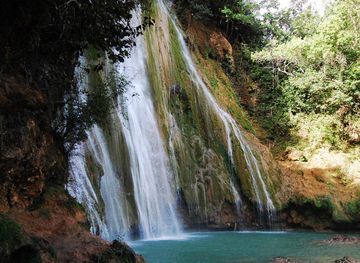
The Eastern Plains of the Dominican Republic are a serene escape from the bustling cities and crowded beaches. Known for its vast landscapes, the area offers a mix of lush greenery and open fields that stretch as far as the eye can see. This region is perfect for nature lovers and those looking to unwind in a peaceful setting. Visitors can explore local farms, where they can learn about traditional Dominican agriculture and sample fresh produce. The plains are also home to several natural parks and reserves, providing ample opportunities for hiking, bird watching, and other outdoor activities. The friendly locals and their laid-back lifestyle add to the charm of this hidden gem. Despite its tranquility, the Eastern Plains are not far from the coast, making it easy to enjoy both inland and seaside attractions. Whether you're seeking adventure or relaxation, the Eastern Plains offer a unique experience that showcases the natural beauty of the Dominican Republic.