
Samaná Peninsula, Dominican Republic Travel Guide
Discover Samaná Peninsula: Pristine beaches, lush jungles, and thrilling whale watching in the Dominican Republic's hidden paradise.
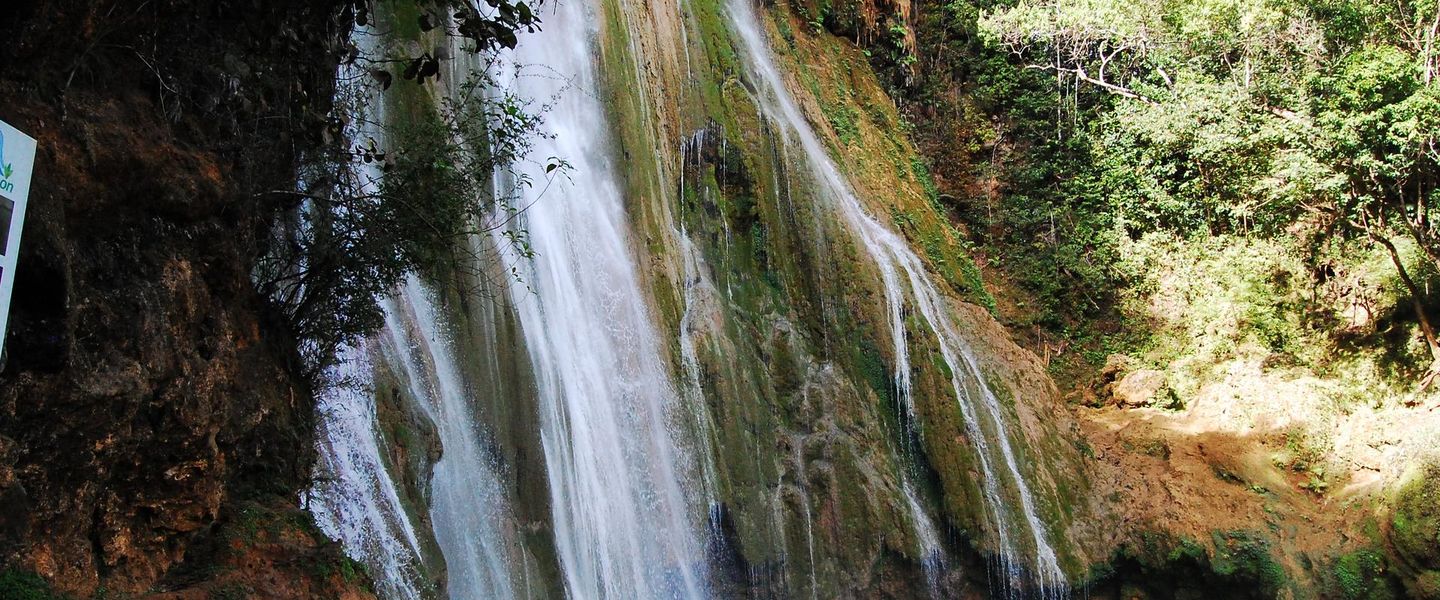
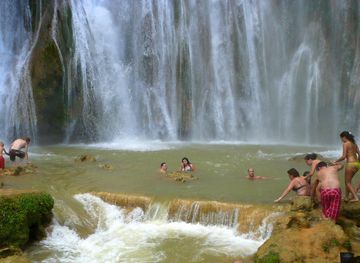
Nestled on the northeastern coast of the Dominican Republic, the Samaná Peninsula is a paradise waiting to be discovered. Known for its lush landscapes, pristine beaches, and crystal-clear waters, this region offers a perfect blend of adventure and relaxation. Samaná is famed for its beautiful beaches like Playa Rincón and Las Galeras, where powdery white sand meets azure waters. These beaches are perfect for swimming, sunbathing, and enjoying water sports. For the more adventurous, El Limón Waterfall provides an incredible trek through the jungle, culminating in a refreshing swim in the natural pool at the base of the falls. The peninsula is also a prime spot for whale watching. From January to March, humpback whales migrate to the warm waters of Samaná Bay, offering visitors a chance to witness these magnificent creatures up close. The area is also rich in history and culture, with charming towns like Santa Bárbara de Samaná, where you can explore local markets, taste traditional Dominican food, and experience the vibrant local life. Whether you're exploring the mangroves of Los Haitises National Park, snorkeling in the turquoise waters, or simply relaxing in a hammock with a good book, Samaná Peninsula promises an unforgettable escape from the hustle and bustle of everyday life.

Know before you go
Hi, I'm Eve. Here are a few practical things to know before exploring Samaná Peninsula.
- Visit between January and March for the best whale watching experience.
- Bring sturdy shoes for the hike to El Limón Waterfall.
- Try local delicacies at the markets in Santa Bárbara de Samaná.
- Hire a local guide for a more informative tour of Los Haitises National Park.
- Carry cash, as some remote areas may not accept credit cards.
Top City Travel Guides in Samaná Peninsula
The cities of Samaná Peninsula, and the easiest places to base yourself.

Destinations in Samaná Peninsula
Resorts, valleys and scenic spots worth a trip of their own.

Explore Samaná Peninsula: Things to Do, Places to Eat, Hotels & More
Handpicked recommendations for top attractions, local dining, accommodations, and more

Top Attractions & Sightseeing in Samaná Peninsula
Top-rated picks
Best Attractions
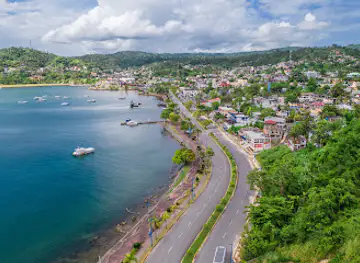
Samaná Boardwalk
Discover the breathtaking coastal beauty and vibrant culture at Samaná Boardwalk, a must-visit tourist attraction in the Dominican Republic.

Playa Las Ballenas
Experience the stunning beauty and vibrant culture of Playa Las Ballenas, a must-visit public beach in the heart of Las Terrenas, Dominican Republic.

Playa Rincon
Discover the breathtaking beauty of Playa Rincón, a hidden gem in the Dominican Republic, perfect for sunbathing, swimming, and water sports.

Peninsula de Samana
Explore the stunning Peninsula de Samana, a tropical paradise known for its breathtaking beaches, vibrant culture, and unforgettable whale-watching experiences.

Best landmarks in Samaná Peninsula
Top-rated picks
Best Landmarks

Bahia Principe Grand El Portillo
Experience the beauty of the Dominican Republic at Bahia Principe Grand El Portillo, a luxurious resort hotel offering all-inclusive relaxation and adventure.

Samaná Boardwalk
Explore the beauty of Samaná Boardwalk, a vibrant promenade in the Dominican Republic offering stunning ocean views, delicious cuisine, and rich culture.

Playa Punta Popy
Discover Playa Punta Popy: A stunning public beach in Las Terrenas, where sun, sand, and vibrant culture meet the beauty of the Dominican Republic.

Playa Cayo Levantado
Discover the breathtaking beauty of Playa Cayo Levantado, a tropical paradise in the Dominican Republic, perfect for relaxation and adventure.

Best restaurants in Samaná Peninsula
Top-rated picks
Best Restaurants

Restaurant Luis in Coson
Experience authentic Dominican flavors at Restaurant Luis in Las Terrenas – a must-visit culinary gem by the coast.

Le Tre Caravelle
Experience exquisite dining at Le Tre Caravelle in Las Terrenas – where Caribbean flavors meet culinary excellence.

SANTA BAHÍA KITCHEN & BAR
Discover the flavors of Samaná at Santa Bahía Kitchen & Bar—where culinary excellence meets vibrant atmosphere.

El Loro Restaurante & Beach bar
Experience the best seafood and vibrant beach atmosphere at El Loro Restaurante & Beach Bar in Las Terrenas.

Best bars in Samaná Peninsula
Top-rated picks
Best Bars
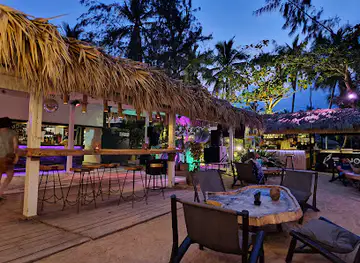
ETNO Beach Club
Experience the vibrant atmosphere of ETNO Beach Club in Las Terrenas, where delicious food meets refreshing cocktails and exciting nightlife.

SANTA BAHÍA KITCHEN & BAR
Experience authentic Dominican cuisine and delightful local flavors at Santa Bahía Kitchen & Bar in Samaná, a must-visit culinary destination.
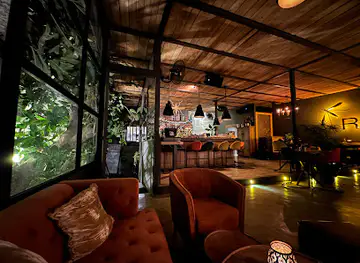
El Mosquito Art Bar
Discover the vibrant atmosphere of El Mosquito Art Bar in Las Terrenas, where art meets nightlife for an unforgettable experience.

La Rumba de Samana
Discover the vibrant culinary scene at La Rumba de Samana, where authentic Dominican flavors meet stunning views of Samaná Bay.

Best nightclubs in Samaná Peninsula
Top-rated picks
Best Nightclubs

ETNO Beach Club
Experience the vibrant nightlife and refreshing beach vibes at ETNO Beach Club in Las Terrenas, a perfect spot for relaxation and fun.

El Mosquito Art Bar
Experience the vibrant nightlife of Las Terrenas at El Mosquito Art Bar, where great music, art, and cocktails come together.

El Mosquito Beach Bar
Experience the vibrant atmosphere and breathtaking views at El Mosquito Beach Bar in Las Terrenas, your perfect tropical escape.

La Bodega Bar
Experience the lively nightlife of Las Terrenas at La Bodega Bar, a disco club where music and fun come alive in the heart of the Dominican Republic.

Best shops in Samaná Peninsula
Top-rated picks
Best Shops

Sirena Market
Explore the vibrant Sirena Market in Las Terrenas for fresh local produce, international goods, and a taste of Dominican culture.

Pueblo Principe
Discover the heart of shopping and local culture at Pueblo Principe in Samana, a vibrant destination for tourists seeking unique experiences.

Puerto Plaza Hotel & Shops
Experience the vibrant blend of shopping, dining, and relaxation at Puerto Plaza Hotel & Shops in the beautiful Las Terrenas.

Las Ballenas Premium Cigars
Discover the rich tradition of Dominican cigars at Las Ballenas Premium Cigars, where craftsmanship meets flavor in a cozy, inviting atmosphere.

Explore Samaná Peninsula on the Map
A handpicked selection of must-see spots in Samaná Peninsula, mapped for you.
Samaná Peninsula Essentials
-
Samaná Peninsula is located in the northeastern region of the Dominican Republic. The most convenient way to reach Samaná is by flying into El Catey International Airport (AZS), which is approximately 45 minutes from Samaná. Alternatively, you can fly into Las Américas International Airport (SDQ) in Santo Domingo, then take a bus or drive to Samaná, which takes around 2.5 to 3 hours. There are also ferry services from Sabana de la Mar to Samaná for those traveling from the southern coast.
-
Within Samaná Peninsula, transportation options include taxis, motoconchos (motorcycle taxis), and guaguas (shared minibuses). Car rentals are also available and can be a convenient way to explore the peninsula at your own pace. For short distances, motoconchos are a popular and affordable choice. Public buses and guaguas connect the main towns and tourist attractions, making it easy to get around without a car.
-
The official currency of the Dominican Republic is the Dominican Peso (DOP). Credit cards are widely accepted in hotels, restaurants, and larger shops, but it is advisable to carry cash for small purchases and in more remote areas. ATMs are available in the main towns of Samaná, Las Terrenas, and Las Galeras. It is a good idea to withdraw sufficient cash before heading to more rural parts of the peninsula.
-
Samaná Peninsula is generally safe for tourists, but it's important to take standard precautions. Avoid walking alone at night, especially in unfamiliar areas. Keep an eye on your belongings in crowded places, and be cautious of pickpockets. While most areas are safe, it is wise to stay vigilant in busier tourist spots. Some neighborhoods in Samaná town may have higher crime rates, so it's best to stick to well-lit and populated areas.
-
In case of emergency, dial 911 for immediate assistance. The main hospital in Samaná town is Hospital Dr. Leopoldo Pou, which provides medical services. Pharmacies are available in major towns for minor health issues and over-the-counter medications. It is recommended to have travel insurance that covers medical emergencies. Familiarize yourself with the location of the nearest embassy or consulate for additional support if needed.
-
Fashion: Do wear lightweight and breathable clothing, as the climate is tropical. Avoid overly revealing attire, especially in more conservative areas. Religion: Do respect local customs and traditions. Dress modestly when visiting churches and religious sites. Public Transport: Do be polite and courteous to drivers and fellow passengers. Don't eat or drink on public transport. Greetings: Do greet people with a friendly 'Hola' or 'Buenos días.' Handshakes are common, and a kiss on the cheek may be expected among friends. Eating & Drinking: Do try local dishes like 'mangú' and 'sancocho.' Don't decline an invitation to share a meal, as it is considered impolite.
-
To experience Samaná Peninsula like a local, visit the bustling markets where you can buy fresh produce and handmade crafts. Engage with locals, who are often friendly and eager to share their culture and traditions. Don't miss the chance to explore the hidden beaches and waterfalls, such as Playa Rincón and El Limón Waterfall. For a unique experience, take a boat tour to see the humpback whales during their migration season from January to March.
When is the best time to visit Samaná Peninsula?
Useful Local Phrases for Samaná Peninsula
You don't need to speak the language perfectly. Even learning a few simple words can make conversations warmer—and locals usually appreciate the effort.
— Eve

Here are the phrases I use most often in Samaná Peninsula. Try a few—you'll be surprised how far they go! 😊
❤️
-
- HelloHola
[Ola] - GoodbyeAdiós
[Adios] - YesSí
[Si] - NoNo
[No] - Please/You're welcomePor favor
[Por favor] - Thank youGracias
[Grasias] - Excuse me/SorryDisculpa
[Disculpa] - How are you?¿Cómo estás?
[Komu estas] - Fine. And you?Bien. ¿Y tú?
[Bien. I tu] - Do you speak English?¿Hablas inglés?
[Ablas ingles] - I don't understandNo entiendo
[No entiendem]
- HelloHola
-
- I'd like to see the menu, pleaseMe gustaría ver el menú, por favor
[Me gustaria ber el menu, por favor] - I don't eat meatNo como carne
[No komo karne] - Cheers!¡Salud!
[Salud] - I would like to pay, pleaseMe gustaría pagar, por favor
[Me gustaria pagar, por favor]
- I'd like to see the menu, pleaseMe gustaría ver el menú, por favor
-
- Help!¡Ayuda!
[Ayuda] - Go away!¡Vete!
[Vete] - Call the Police!¡Llama a la policía!
[Yama a la polisia] - Call a doctor!¡Llama a un doctor!
[Yama a un doktor] - I'm lostEstoy perdido
[Estoy perdido] - I'm illEstoy enfermo
[Estoy enfermo]
- Help!¡Ayuda!
-
- I'd like to buy...Quisiera comprar...
[Kisiera comprar] - I'm just lookingSolo estoy mirando
[Solo estoy mirando] - How much is it?¿Cuánto cuesta?
[Kuanto kwesta] - That's too expensiveEso es muy caro
[Eso es mui karo] - Can you lower the price?¿Puedes bajar el precio?
[Pwe des bajar el precio]
- I'd like to buy...Quisiera comprar...
-
- What time is it?¿Qué hora es?
[Ke ora es] - It's one o'clockEs la una
[Es la una] - Half past (10)Diez y media
[Dies i media] - MorningMañana
[Mañana] - AfternoonTarde
[Tarde] - EveningNoche
[Noche] - YesterdayAyer
[Ayer] - TodayHoy
[Oi] - TomorrowMañana
[Mañana] - 1Uno
[Uno] - 2Dos
[Dos] - 3Tres
[Tres] - 4Cuatro
[Kwatros] - 5Cinco
[Sinko] - 6Seis
[Seis] - 7Siete
[Siete] - 8Ocho
[Ocho] - 9Nueve
[Nueve] - 10Diez
[Dies]
- What time is it?¿Qué hora es?
-
- Where's a/the...?¿Dónde está el/la...?
[Dond está el/la] - What's the address?¿Cuál es la dirección?
[Kual es la direksion] - Can you show me (on the map)?¿Puedes mostrarme (en el mapa)?
[Pwe des mostrarme (en el mapa)] - When's the next (bus)?¿Cuándo es el próximo (autobús)?
[Kuando es el proximo (autobus)] - A ticket (to ....)Un boleto (a ....)
[Un boleto (a ....)]
- Where's a/the...?¿Dónde está el/la...?
History of Samaná Peninsula
-
Before the arrival of Europeans, the Samaná Peninsula was inhabited by the Taíno people, an indigenous group known for their advanced agricultural practices and rich cultural traditions. Artifacts such as pottery and tools have been discovered, shedding light on their way of life. The Taínos referred to the peninsula as 'Xamana,' which means 'place of fish' due to the abundance of marine life in the area.
-
Christopher Columbus first arrived on the Samaná Peninsula during his first voyage to the New World in January 1493. He named the area 'Golfo de las Flechas' (Gulf of Arrows) after a skirmish with the Taíno inhabitants. This encounter marked one of the first recorded interactions between Europeans and the indigenous people of the Dominican Republic.
-
In the late 17th century, the French began to show interest in Samaná due to its strategic location. The peninsula was temporarily occupied by French forces and later by the Haitians during their control of the entire island from 1822 to 1844. The Haitian influence left a lasting cultural impact, especially in the local cuisine and language.
-
In 1824, the Samaná Peninsula became a new home for a group of freed African American slaves who immigrated from the United States. They established settlements and contributed to the local culture. Their descendants still reside in the region, preserving a unique blend of African American and Dominican traditions.
-
Samaná Bay is world-renowned for its whale watching opportunities. Every year, from January to March, thousands of humpback whales migrate to the warm waters of the bay to mate and give birth. This natural spectacle has become an integral part of Samaná's identity and draws tourists from around the globe.
-
The development of infrastructure in the late 20th and early 21st centuries transformed Samaná from a quiet fishing community into a bustling tourist destination. The construction of the El Catey International Airport and the Samaná Highway made the peninsula more accessible, leading to a surge in tourism and investment in the region.
Neighbouring Regions of Samaná Peninsula
The closest regions to Samaná Peninsula, if you have time for more than one.


Your all‑in‑one travel companion app
Explore expert travel guides, compare and book tours, experiences, hotels, and more—all from the palm of your hand. Download now for seamless trip planning wherever your wanderlust takes you.


Explore More of Dominican Republic

Looking beyond Samaná Peninsula? Discover Dominican Republic for broader travel guides, local hot-spots, and regional highlights.
Explore Dominican RepublicSamaná Peninsula in Photos
Browse through our photo collection highlighting the charm and character of the destination.
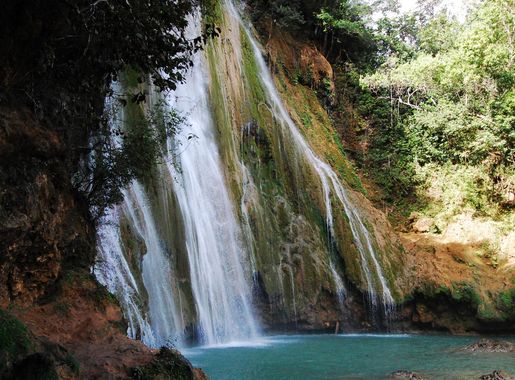


Samaná Peninsula: The Hidden Gem of the Dominican Republic
Nestled on the northeastern coast of the Dominican Republic, the Samaná Peninsula is a paradise waiting to be discovered. Known for its lush landscapes, pristine beaches, and crystal-clear waters, this region offers a perfect blend of adventure and relaxation. Samaná is famed for its beautiful beaches like Playa Rincón and Las Galeras, where powdery white sand meets azure waters. These beaches are perfect for swimming, sunbathing, and enjoying water sports. For the more adventurous, El Limón Waterfall provides an incredible trek through the jungle, culminating in a refreshing swim in the natural pool at the base of the falls. The peninsula is also a prime spot for whale watching. From January to March, humpback whales migrate to the warm waters of Samaná Bay, offering visitors a chance to witness these magnificent creatures up close. The area is also rich in history and culture, with charming towns like Santa Bárbara de Samaná, where you can explore local markets, taste traditional Dominican food, and experience the vibrant local life. Whether you're exploring the mangroves of Los Haitises National Park, snorkeling in the turquoise waters, or simply relaxing in a hammock with a good book, Samaná Peninsula promises an unforgettable escape from the hustle and bustle of everyday life.