

Higüey Region, Dominican Republic Travel Guide
Higüey Region: Discover the Rich Culture, Historic Sites, and Natural Beauty of the Dominican Republic's Vibrant Heart.
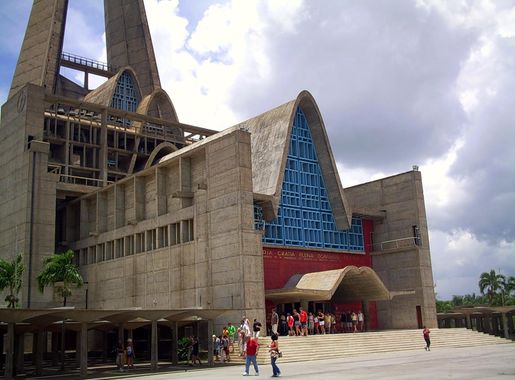
Higüey, located in the eastern part of the Dominican Republic, is a mesmerizing blend of history, culture, and natural beauty. Known for its vibrant streets, welcoming locals, and rich heritage, Higüey is a must-visit for anyone looking to immerse themselves in the true essence of the Dominican Republic. One of the main attractions in Higüey is the Basilica of Our Lady of Altagracia, a magnificent piece of architecture and the most important religious site in the country. Pilgrims from all over the world visit this basilica to pay homage to the Virgin of Altagracia, the patroness of the Dominican Republic. The basilica's striking modern design and serene atmosphere offer a unique experience for visitors. Beyond its religious significance, Higüey boasts picturesque landscapes, from rolling hills to lush valleys. The region is surrounded by stunning natural beauty, making it perfect for outdoor activities such as hiking and bird-watching. Local markets and eateries offer a chance to try traditional Dominican dishes, providing a taste of the region's culinary delights. The local culture is vibrant and alive with music, dance, and festivals. One of the most notable events is the festival of the Virgin of Altagracia, celebrated with parades, music, and traditional dances. Visitors can also explore nearby beaches, such as the stunning Playa Esmeralda, which offers a perfect spot for relaxation and water activities.

Know before you go
Hi, I'm Eve. Here are a few practical things to know before exploring Higüey Region.
- Visit the Basilica of Our Lady of Altagracia early in the morning to avoid crowds.
- Try local dishes at street markets for an authentic taste of Dominican cuisine.
- Bring comfortable shoes for exploring the region's natural landscapes.
- Plan your visit around the festival of the Virgin of Altagracia for a unique cultural experience.
- Hire a local guide to learn more about the history and significance of the region.
Top City Travel Guides in Higüey Region
The cities of Higüey Region, and the easiest places to base yourself.


Destinations in Higüey Region
Resorts, valleys and scenic spots worth a trip of their own.

Explore Higüey Region: Things to Do, Places to Eat, Hotels & More
Handpicked recommendations for top attractions, local dining, accommodations, and more

Top Attractions & Sightseeing in Higüey Region
Top-rated picks
Best Attractions

Basilica Nuestra Señora De La Altagracia
Experience the profound beauty and spiritual significance of Basilica Nuestra Señora De La Altagracia in Higuey, a must-see landmark in the Dominican Republic.

Parque Nacional del Este
Discover the stunning landscapes and rich biodiversity of Parque Nacional del Este, a must-visit national park in the Dominican Republic.

Monkeyland
Experience the joy of interacting with playful monkeys in the stunning surroundings of Monkeyland, a top tourist attraction in the Dominican Republic.

La Hacienda Park
Discover the beauty of La Hacienda Park in Higuey, a tranquil escape filled with lush gardens and serene landscapes perfect for relaxation and exploration.

Best landmarks in Higüey Region
Top-rated picks
Best Landmarks

Monument to the Heroes of the Restoration
Explore the Monument to the Heroes of the Restoration, a cultural landmark in Santiago de los Caballeros that honors Dominican heroes and showcases stunning architecture.

Grand Palladium Punta Cana Resort & Spa
Discover unparalleled luxury and beautiful beaches at Grand Palladium Punta Cana Resort & Spa, the ultimate destination for relaxation and adventure in the Dominican Republic.

Columbus Park
Discover the historical charm of Columbus Park in Santo Domingo, a vibrant hub of culture, history, and Dominican life.

Basilica Nuestra Señora De La Altagracia
Explore the breathtaking Basilica Nuestra Señora De La Altagracia, a stunning architectural wonder and spiritual sanctuary in Higüey, Dominican Republic.

Best restaurants in Higüey Region
Top-rated picks
Best Restaurants

SBG Punta Cana
Experience exquisite Asian fusion dining at SBG Punta Cana – where flavors meet elegance in paradise.

Restaurante capitán Cook
Experience fresh seafood and authentic Caribbean cuisine at Restaurante Capitán Cook in Punta Cana.

D' Yira Restaurant
Experience authentic Dominican cuisine at D' Yira Restaurant in Higüey - where tradition meets taste.

Burger King - Higuey
Experience iconic flame-grilled burgers at Burger King - Higuey while exploring the vibrant culture of this Dominican city.

Best bars in Higüey Region
Top-rated picks
Best Bars

D' Yira Restaurant
Discover the heart of Dominican cuisine at D' Yira Restaurant, where traditional flavors meet a warm Caribbean ambiance.

L’ Monani Restaurant
Experience the best of Dominican cuisine at L’ Monani Restaurant, where every dish tells a story of rich flavors and culinary tradition.

Entre Panas Club
Experience the vibrant nightlife of Higüey at Entre Panas Club, where music, dancing, and local culture come together to create unforgettable memories.

Mamajuana Club
Unleash your night at Mamajuana Club in Higüey - where the dance floor is alive and the drinks flow freely.

Best nightclubs in Higüey Region
Top-rated picks
Best Nightclubs

Coco Bongo Punta Cana
Discover the ultimate nightlife experience at Coco Bongo Punta Cana, where entertainment, dancing, and unforgettable moments await you.

Imagine Punta Cana
Immerse yourself in the energetic nightlife of Imagine Punta Cana, where vibrant music and refreshing drinks create an unforgettable party experience.

Entre Panas Club
Dive into the vibrant nightlife of Higüey at Entre Panas Club, where dance, music, and local culture come alive in an unforgettable experience.

Mamajuana Club
Experience the pulsating nightlife of Higuey at Mamajuana Club, where vibrant music, signature drinks, and a lively atmosphere await you.

Best shops in Higüey Region
Top-rated picks
Best Shops

Ágora Mall
Experience the best of shopping, dining, and entertainment at Santo Domingo's premier shopping destination, Ágora Mall.

BlueMall Puntacana
Explore luxury shopping and local culture at BlueMall Puntacana, a premier destination for tourists seeking elegance and variety.

Multiplaza Higüey
Explore Multiplaza Higüey, a vibrant shopping mall offering local and international brands, a variety of dining options, and entertainment in the heart of Higüey.

Monkeyland
Explore Monkeyland, an enchanting sanctuary in the Dominican Republic, where playful monkeys and beautiful landscapes await your visit.

Explore Higüey Region on the Map
A handpicked selection of must-see spots in Higüey Region, mapped for you.
Higüey Region Essentials
-
Higüey Region is accessible via Punta Cana International Airport (PUJ), located about 40 kilometers away. From the airport, you can take a taxi, rent a car, or use shuttle services provided by hotels. Public buses (guaguas) also connect the airport to Higüey, offering a budget-friendly option.
-
Within Higüey, transportation options include taxis, motoconchos (motorcycle taxis), and public buses. Taxis are convenient but can be pricey, while motoconchos are cheaper and great for short distances. Public buses, or guaguas, are the most economical option, though they can be crowded. Car rentals are available for those looking to explore the region at their own pace.
-
The official currency is the Dominican Peso (DOP). While major hotels and restaurants accept credit cards, smaller establishments and markets often prefer cash. ATMs are widely available, but it's advisable to carry some cash for emergencies. Currency exchange services are available at the airport, banks, and authorized exchange centers.
-
Higüey is generally safe for tourists, but standard precautions should be taken. Avoid walking alone at night, especially in unfamiliar areas. Be cautious in crowded places to prevent pickpocketing. Areas around the Basilica of La Altagracia and main tourist spots are well-patrolled, but it's advisable to stay vigilant. Avoid venturing into less touristy neighborhoods alone.
-
In case of emergency, dial 911 for immediate assistance. Higüey has local police stations and medical facilities. Ensure you have travel insurance that covers medical emergencies. Pharmacies are available for minor health issues. It's also useful to have the contact details of your country's embassy or consulate.
-
Fashion: Do dress modestly, especially when visiting religious sites. Avoid wearing overly revealing clothing. Religion: Do respect local customs and traditions. When visiting the Basilica of La Altagracia, dress conservatively and act respectfully. Public Transport: Do be polite and patient. Give up your seat to elderly or pregnant passengers. Don't eat or drink on public transport. Greetings: Do greet people with a friendly handshake. A warm smile goes a long way. Eating & Drinking: Do try local dishes and accept food offerings graciously. Don't refuse hospitality, as it is considered impolite.
-
To experience Higüey like a local, visit the bustling local markets where you can buy fresh produce and artisanal goods. Engage with locals, who are often friendly and eager to share their culture. Don’t miss the Basilica of La Altagracia, a significant religious site. For a unique experience, attend a local festival or event to immerse yourself in Dominican culture.
When is the best time to visit Higüey Region?
Useful Local Phrases for Higüey Region
You don't need to speak the language perfectly. Even learning a few simple words can make conversations warmer—and locals usually appreciate the effort.
— Eve

Here are the phrases I use most often in Higüey Region. Try a few—you'll be surprised how far they go! 😊
❤️
-
- HelloHola
[Ola] - GoodbyeAdiós
[Adyos] - YesSí
[See] - NoNo
[No] - Please/You’re welcomePor favor/De nada
[Por favor/De nada] - Thank youGracias
[Grasias] - Excuse me/SorryPerdón
[Perdon] - How are you?¿Cómo estás?
[Komo estas] - Fine. And you?Bien. ¿Y tú?
[Bien. Y tu] - Do you speak English?¿Hablas inglés?
[Ablas ingles] - I don't understandNo entiendo
[No entiendo]
- HelloHola
-
- I’d like to see the menu, pleaseQuisiera ver el menú, por favor
[Kisiera ver el menu, por favor] - I don’t eat meatNo como carne
[No komo karne] - Cheers!¡Salud!
[Salud] - I would like to pay, pleaseMe gustaría pagar, por favor
[Me gustaria pagar, por favor]
- I’d like to see the menu, pleaseQuisiera ver el menú, por favor
-
- Help!¡Ayuda!
[Ayuda] - Go away!¡Vete!
[Vete] - Call the Police!¡Llama a la policía!
[Llama a la policia] - Call a doctor!¡Llama a un médico!
[Llama a un medico] - I’m lostEstoy perdido
[Estoy perdido] - I’m illEstoy enfermo/a
[Estoy enfermo/a]
- Help!¡Ayuda!
-
- I’d like to buy...Quisiera comprar...
[Kisiera comprar] - I’m just lookingSolo estoy mirando
[Solo estoy mirando] - How much is it?¿Cuánto cuesta?
[Kuanto cuesta] - That’s too expensiveEso es muy caro
[Eso es mui karo] - Can you lower the price?¿Puedes bajar el precio?
[Puedes bajar el precio]
- I’d like to buy...Quisiera comprar...
-
- What time is it?¿Qué hora es?
[Ke ora es] - It’s one o’clockEs la una
[Es la una] - Half past (10)Y media (10)
[Y media] - MorningMañana
[Mañana] - AfternoonTarde
[Tarde] - EveningNoche
[Noche] - YesterdayAyer
[Ayer] - TodayHoy
[Hoy] - TomorrowMañana
[Mañana] - 1Uno
[Uno] - 2Dos
[Dos] - 3Tres
[Tres] - 4Cuatro
[Kuwatro] - 5Cinco
[Sinko] - 6Seis
[Seis] - 7Siete
[Siete] - 8Ocho
[Ocho] - 9Nueve
[Nueve] - 10Diez
[Diez]
- What time is it?¿Qué hora es?
-
- Where's a/the...?¿Dónde hay un/una...?
[Donde ai un/una] - What’s the address?¿Cuál es la dirección?
[Kual es la direccion] - Can you show me (on the map)?¿Puedes mostrarme (en el mapa)?
[Puedes mostrarme en el mapa] - When’s the next (bus)?¿Cuándo es el próximo (autobús)?
[Cuando es el proximo autobus] - A ticket (to ....)Un boleto (a ....)
[Un boleto a]
- Where's a/the...?¿Dónde hay un/una...?
History of Higüey Region
-
The Higüey Region was originally inhabited by the Taíno people, who called the area 'Higuey,' meaning 'land of the rising sun.' The Taínos established a rich cultural and agricultural society long before the arrival of Spanish colonizers. Their villages were known for their well-organized social structure and intricate craftsmanship, including pottery and woven goods.
-
In 1494, Spanish explorers led by Juan de Esquivel arrived in Higüey. The conquest of the region was marked by conflict and resistance from the Taíno people. The Spanish established the town of Salvaleón de Higüey in 1505, which became an important colonial settlement. The legacy of this period can still be seen in the region's architecture and place names.
-
One of the most significant cultural and religious icons in the Higüey Region is the Basilica of Our Lady of Altagracia. The original sanctuary was built in the 16th century and has since been replaced by a modern basilica, completed in 1971. The Virgin of Altagracia is the patron saint of the Dominican Republic, and her image is believed to have miraculous powers. The basilica attracts thousands of pilgrims every year, especially during the annual feast day on January 21.
-
In 1503, the Battle of Higüey took place between the Taíno people and Spanish forces. Led by the Taíno chief Cotubanamá, the indigenous resistance was fierce but ultimately unsuccessful. The battle marked the end of significant Taíno resistance in the region and led to the further consolidation of Spanish control over the island of Hispaniola.
-
During the colonial period, sugar plantations played a crucial role in the economy of the Higüey Region. The fertile lands and favorable climate made it an ideal location for sugar cane cultivation. Enslaved Africans were brought to the region to work on these plantations, leaving a lasting impact on the area's demographic and cultural landscape.
-
In recent decades, the Higüey Region has transformed into a major tourist destination, thanks in part to its beautiful beaches and cultural heritage sites. The development of resort towns such as Punta Cana has brought economic growth and modern infrastructure to the area. Despite this, efforts continue to preserve the region's historical landmarks and cultural traditions.
Neighbouring Regions of Higüey Region
The closest regions to Higüey Region, if you have time for more than one.


Your all‑in‑one travel companion app
Explore expert travel guides, compare and book tours, experiences, hotels, and more—all from the palm of your hand. Download now for seamless trip planning wherever your wanderlust takes you.


Explore More of Dominican Republic

Looking beyond Higüey Region? Discover Dominican Republic for broader travel guides, local hot-spots, and regional highlights.
Explore Dominican RepublicHigüey Region in Photos
Browse through our photo collection highlighting the charm and character of the destination.




Higüey: The Heartbeat of Dominican Culture
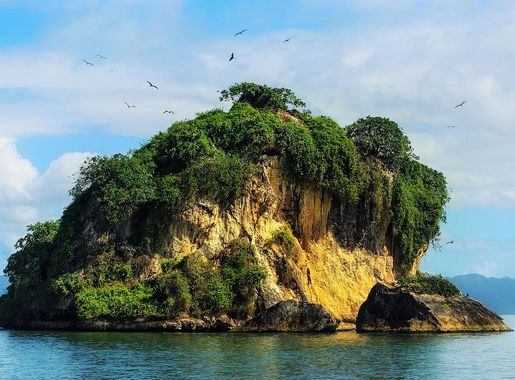
Higüey, located in the eastern part of the Dominican Republic, is a mesmerizing blend of history, culture, and natural beauty. Known for its vibrant streets, welcoming locals, and rich heritage, Higüey is a must-visit for anyone looking to immerse themselves in the true essence of the Dominican Republic. One of the main attractions in Higüey is the Basilica of Our Lady of Altagracia, a magnificent piece of architecture and the most important religious site in the country. Pilgrims from all over the world visit this basilica to pay homage to the Virgin of Altagracia, the patroness of the Dominican Republic. The basilica's striking modern design and serene atmosphere offer a unique experience for visitors. Beyond its religious significance, Higüey boasts picturesque landscapes, from rolling hills to lush valleys. The region is surrounded by stunning natural beauty, making it perfect for outdoor activities such as hiking and bird-watching. Local markets and eateries offer a chance to try traditional Dominican dishes, providing a taste of the region's culinary delights. The local culture is vibrant and alive with music, dance, and festivals. One of the most notable events is the festival of the Virgin of Altagracia, celebrated with parades, music, and traditional dances. Visitors can also explore nearby beaches, such as the stunning Playa Esmeralda, which offers a perfect spot for relaxation and water activities.