

Free Carchi Region Travel Guide & Mobile App
Explore Carchi Region with free travel guides. Discover regional history, expert tips, proposed trips, and audio guides on web or mobile app.


Explore Carchi’s highland páramo, frailejone-covered reserves, Tulcán cemetery, Andean food and borderland culture in northern Ecuador.
Read more about Carchi Region
When is the best time to visit Carchi Region?
Best: January–March · 20°C| Month | High (°C) | Rainfall (mm) |
|---|---|---|
| January (best) | 20 | 100 |
| February (best) | 20 | 110 |
| March (best) | 20 | 120 |
| April | 20 | 130 |
| May | 21 | 140 |
| June | 21 | 150 |
| July | 21 | 160 |
| August | 21 | 170 |
| September | 21 | 180 |
| October | 21 | 190 |
| November | 20 | 200 |
| December | 20 | 210 |
Getting to and around Carchi Region
How to get there
Transportation
Top city travel guides in Carchi Region
The cities of Carchi Region, and the easiest places to base yourself.
-

-


Swipe for more cities
Best attractions in Carchi Region
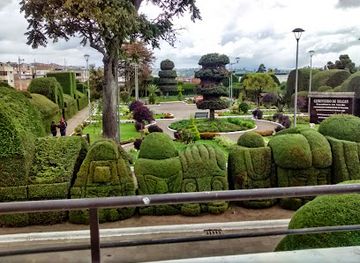
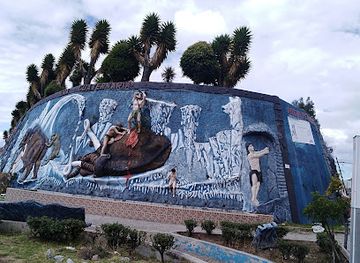
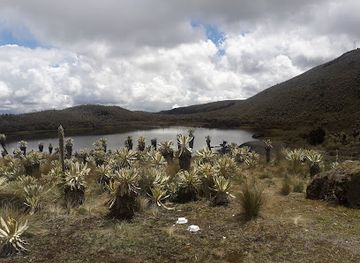
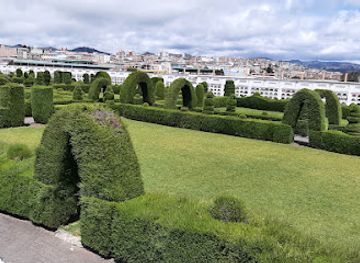
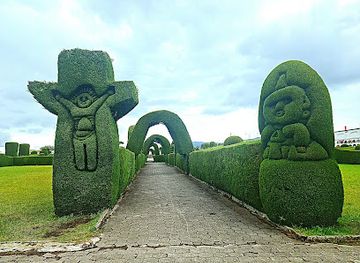
Carchi’s attractions range from high-altitude nature to borderland heritage. In Tulcán, the José María Azael Franco Cemetery is the province’s best-known cultural visit, with meticulously shaped cypress trees forming arches, animals and symbolic figures. El Ángel Ecological Reserve provides the defining outdoor experience: trails and viewpoints lead through páramo covered with frailejones, while Lago El Voladero and the Lagunas Verdes introduce wetlands, volcanic scenery and important headwaters. Around San Gabriel, the Gruta de la Paz combines a religious sanctuary with a dramatic cave setting beside the Apaquí River. Tufiño is associated with thermal waters and open mountain landscapes, while the western districts around Maldonado and Chical offer a different world of cloud forest, rivers and birdlife. Historic churches, market towns, farm landscapes and local food stops add cultural interest between the major sites. Visitors should expect basic facilities and variable weather outside the principal towns, and should arrange transport carefully for remote reserves and valleys.
-
Memorial park
Tulcan Cemetery
Explore the stunning topiary artistry of Tulcán Cemetery, a unique memorial park in Ecuador celebrating life through creative landscapes and serene beauty.
-
Religious destination
La Gruta de la Paz
Discover the spiritual essence and natural beauty of La Gruta de la Paz, a tranquil grotto in Ecuador perfect for reflection and exploration.
-
Museum
Paleontological Museum, Bolivar - Carchi
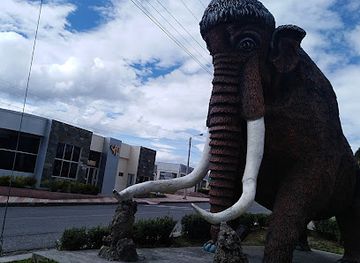
Explore the rich history of prehistoric life at the Paleontological Museum in Bolivar, a must-see for all science enthusiasts and curious travelers.
-
Park
Complejo Ecoturístico Aguas Hediondas
Explore Complejo Ecoturístico Aguas Hediondas in Tulcán, a serene park known for its hot springs, lush landscapes, and rich cultural heritage.
Best landmarks in Carchi Region
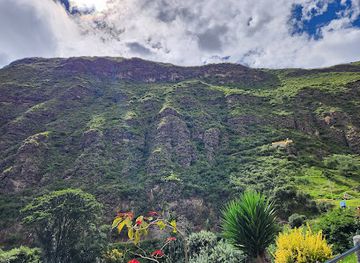
The cypress figures of the José María Azael Franco Cemetery in Tulcán are Carchi’s most recognisable landmark, combining horticultural artistry with a distinctive local approach to memorial space. At the northern frontier, the Rumichaca gorge and bridge mark the natural passage through the Andes that has connected Ecuador and Colombia for centuries; the international crossing itself remains subject to official procedures. The Gruta de la Paz, near San Gabriel, is both a religious landmark and a geological setting, with the sanctuary built within a cavern associated with the Apaquí River. In the El Ángel highlands, the dense forms of the frailejones are a living emblem of the province, while Lago El Voladero and the Lagunas Verdes provide memorable natural reference points. The surrounding volcanic ridges, open páramo and sudden descent towards western cloud forest complete a landscape whose landmarks are as much ecological as architectural.
-
 Monument
Middle of the World City
Experience the unique charm of Middle of the World City in Ecuador, where culture, science, and stunning landscapes converge at the equator.
-
Bridge
Rumichaca International Bridge
Explore the Rumichaca International Bridge, a vibrant cultural gateway connecting Colombia and Ecuador, offering stunning views and rich traditions.
-
Park
Ayora Park
Explore the tranquil beauty of Ayora Park in Tulcán, a serene escape filled with lush landscapes, vibrant flowers, and family-friendly activities.
-
Animal park
Condor Park
Discover the breathtaking beauty of Ecuador's avian wildlife at Condor Park in Otavalo, where conservation meets education in a stunning natural setting.
Explore Carchi Region on the map
Plan your trip on one map. See where the top cities, national parks and sights are, and book hotels and experiences in a few clicks.
Best hotels in Carchi Region
Best restaurants in Carchi Region
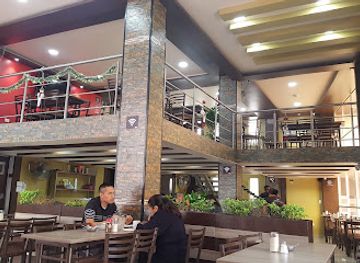
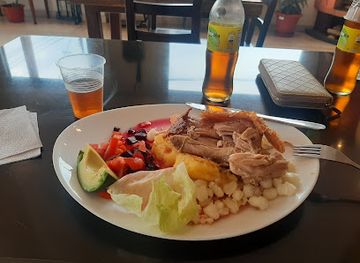
Carchi’s food reflects its cool agricultural highlands and its long connection with northern Andean cooking. Potatoes are central, appearing alongside roasted meats, soups and hearty rural meals, while hornado and fritada are common choices in market towns and roadside restaurants. Cuy, usually roasted or prepared for special occasions, remains part of the regional culinary tradition, and queso amasado is a soft, fresh cheese associated with northern Ecuador. Dairy products, corn, beans and locally grown vegetables also feature in everyday cooking. In Tulcán, San Gabriel and El Ángel, visitors will find modest restaurants, bakeries, cafés and market stalls rather than a dining scene concentrated in formal establishments. Meals are often filling and practical, with breakfast and lunch particularly important. Ask locally about seasonal specialities, and expect menus and preparation styles to vary between highland towns and the warmer western valleys.
-
Restaurant
Peñas del Juncal - Restaurant
Discover authentic Ecuadorian flavors at Peñas del Juncal – where local cuisine meets stunning views in Ibarra.
-
Restaurant
Hacienda Cusín
Experience authentic Ecuadorian cuisine amidst breathtaking views at Hacienda Cusín – your perfect culinary retreat near San Pablo del Lago.
-
Restaurant
Gran Chalet
Discover Gran Chalet in Ibarra: where traditional Ecuadorian flavors meet modern culinary creativity in an inviting atmosphere.
-
Diner
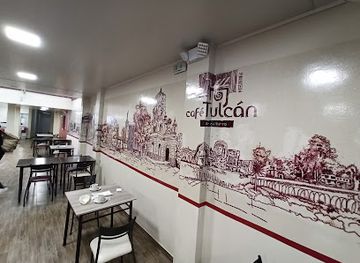
CAFE TULCAN
Discover Cafe Tulcan: A perfect blend of authentic Ecuadorian cuisine and exceptional espresso in the heart of Tulcán.

Best bars in Carchi Region
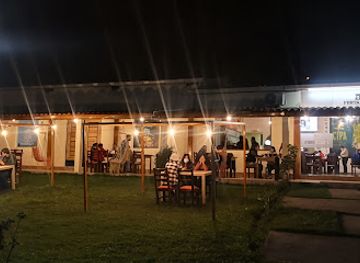
Carchi’s evening life is centred on traditional bars, cafés, restaurants and neighbourhood venues rather than a large club circuit. Tulcán has the broadest choice, with social activity around its central streets and commercial areas, while San Gabriel and El Ángel offer quieter evenings in local restaurants, small bars and establishments serving music. In rural communities, nightlife is more likely to revolve around family gatherings, festivities, food and occasional live music than late-night venues. Border commerce gives Tulcán a busier urban rhythm than the smaller towns, but opening arrangements can change, so current local advice is useful. Visitors should not expect the scale of nightlife found in Quito or Guayaquil; the appeal lies in experiencing ordinary highland evening life, regional drinks and conversation at a measured pace.
-
Park
Ayora Park
Discover the tranquility of Ayora Park in Tulcán, Ecuador, a lush retreat filled with vibrant flora and serene pathways.
-
Diner
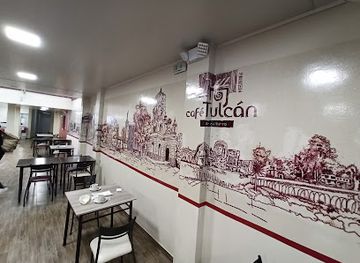
CAFE TULCAN
Experience the unique flavors of Tulcán at Cafe Tulcan, a cozy diner and espresso bar that offers a delightful culinary journey.
-
Restaurant
Mama Rosita
Experience the authentic flavors of Ecuador at Mama Rosita in Tulcan, a must-visit restaurant for tourists craving local cuisine.
-
Grill
Cerveza Artesanal Fortaleza
Discover the vibrant flavors of craft beer and grilled delicacies at Cerveza Artesanal Fortaleza in Otavalo, Ecuador.
Best nightclubs in Carchi Region
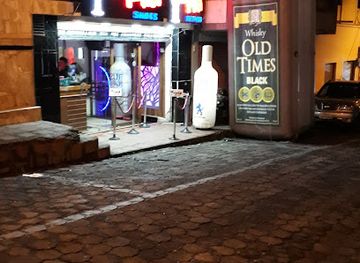
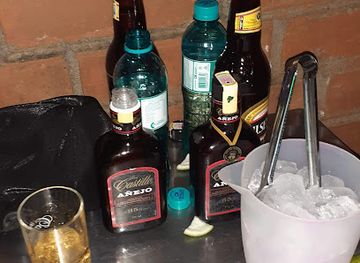
Carchi’s evening life is centred on traditional bars, cafés, restaurants and neighbourhood venues rather than a large club circuit. Tulcán has the broadest choice, with social activity around its central streets and commercial areas, while San Gabriel and El Ángel offer quieter evenings in local restaurants, small bars and establishments serving music. In rural communities, nightlife is more likely to revolve around family gatherings, festivities, food and occasional live music than late-night venues. Border commerce gives Tulcán a busier urban rhythm than the smaller towns, but opening arrangements can change, so current local advice is useful. Visitors should not expect the scale of nightlife found in Quito or Guayaquil; the appeal lies in experiencing ordinary highland evening life, regional drinks and conversation at a measured pace.
-
Pub
T-Kila Club
Experience the pulsating nightlife of Tulcán at T-Kila Club, where music and dance unite for unforgettable evenings.
-
Disco club
MegaClub
Unleash your inner dancer at MegaClub, Tulcán's ultimate disco destination for an unforgettable nightlife experience.
-
Bar
JUGO'S BAR Y TROCYPAPAS
Discover the lively atmosphere and diverse drink selection at Jugo's Bar y Trocypapas, the heart of Tulcán’s nightlife.
-
Karaoke bar
LA PARRANDA DISCO BAR
Discover the vibrant nightlife and karaoke fun at La Parranda Disco Bar in Tulcán, Ecuador's ultimate destination for music lovers.


Best shops in Carchi Region
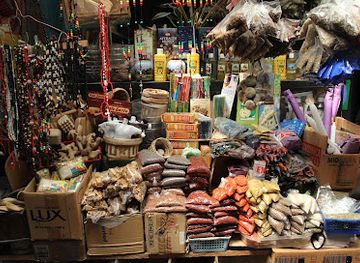
Shopping in Carchi is practical, market-oriented and closely tied to agriculture and border commerce. Tulcán has the province’s largest concentration of shops, supermarkets, services and commercial streets, while San Gabriel and El Ángel are better suited to browsing local produce, bakeries and everyday goods. Markets are useful for potatoes, fresh fruit, dairy products and other ingredients from the surrounding farms; queso amasado and regional sweets can make suitable food gifts when purchased and packed responsibly. Small craft and souvenir offerings vary, and visitors should ask about provenance rather than assuming every item is locally made. The border area near Rumichaca has a commercial character influenced by cross-border trade, but prices and availability may change with currency movements and regulations. For a more place-specific purchase, look for products from Carchi’s food-producing highlands rather than generic Ecuadorian souvenirs.
-
Shopping mall
Scala Shopping Mall
Discover Scala Shopping Mall in Quito, where fashion meets culture in a vibrant shopping experience filled with local and international delights.
-
Shopping mall
Plaza de Ponchos
Experience the rich culture of Otavalo at Plaza de Ponchos, a vibrant market filled with colorful textiles and unique handicrafts.
-
Memorial park
Tulcan Cemetery
Experience the enchanting artistry of Tulcan Cemetery, where intricate topiary meets serene reflection in a unique memorial park.
-
Museum
Paleontological Museum, Bolivar - Carchi
Explore the wonders of prehistoric life at the Paleontological Museum in Bolívar, Carchi - a must-visit for history and science enthusiasts.

Get your free copy of our complete guide to Carchi Region, delivered straight to you.
Everything on this page, from attractions and restaurants to essentials and local phrases, in one PDF you can read offline, print or share.
Already have an account? Sign in
Your Carchi Region guide is ready.
We'll send it to · Not you? Sign out

Getting your guide ready…
We are putting together a fresh copy of the Carchi Region guide. This can take up to a minute.
This can take a few moments. If your browser asks, choose Allow so the download can start. You'll find the guide in your Downloads folder.
Nothing happened? Download it again
Sorry, the guide is taking longer than usual. Please try again in a minute, or get it by email instead.
Carchi Region essentials
Currency and Payment
Safety
Emergency Situations
Do's and Don'ts
Local Tips
From Eve
Local phrases worth knowing
You don't need to get them perfect. A few words go a long way, and locals appreciate the effort.
Basics
| English | Local | Say it |
|---|---|---|
| Hello | Hola | [O-la] |
| Goodbye | Adiós | [A-dee-os] |
| Yes | Sí | [See] |
| No | No | [No] |
| Please/You're welcome | Por favor | [Por fa-vor] |
| Thank you | Gracias | [Gra-sias] |
| Excuse me/Sorry | Disculpe | [Dis-cul-pe] |
| How are you? | ¿Cómo está? | [Ko-mo es-ta] |
| Fine. And you? | Bien. ¿Y usted? | [Byen. Ee us-ted] |
| Do you speak English? | ¿Habla inglés? | [Hab-la in-gle-s] |
| I don't understand | No entiendo | [No en-tien-do] |
Eating & Drinking
| English | Local | Say it |
|---|---|---|
| I'd like to see the menu, please | Me gustaría ver el menú, por favor | [Me gus-ta-ria ver el me-nu, por fa-vor] |
| I don't eat meat | No como carne | [No co-mo car-ne] |
| Cheers! | ¡Salud! | [Sa-lud] |
| I would like to pay, please | Me gustaría pagar, por favor | [Me gus-ta-ria pa-gar, por fa-vor] |
Emergencies
| English | Local | Say it |
|---|---|---|
| Help! | ¡Ayuda! | [A-yu-da] |
| Go away! | ¡Vete! | [Ve-te] |
| Call the Police! | ¡Llama a la policía! | [Ya-ma a la po-li-cia] |
| Call a doctor! | ¡Llama a un doctor! | [Ya-ma a un doc-tor] |
| I'm lost | Estoy perdido | [Es-toy per-di-do] |
| I'm ill | Estoy enfermo | [Es-toy en-fer-mo] |
Shopping
| English | Local | Say it |
|---|---|---|
| I'd like to buy... | Me gustaría comprar... | [Me gus-ta-ria com-prar] |
| I'm just looking | Solo estoy mirando | [So-lo es-toy mi-ran-do] |
| How much is it? | ¿Cuánto cuesta? | [Cuan-to cues-ta] |
| That's too expensive | Eso es muy caro | [E-so es muy ca-ro] |
| Can you lower the price? | ¿Puede bajar el precio? | [Pue-de ba-har el pre-cio] |
Time & Numbers
| English | Local | Say it |
|---|---|---|
| What time is it? | ¿Qué hora es? | [Ke o-ra es] |
| It's one o'clock | Es la una | [Es la u-na] |
| Half past (10) | Y media | [Ee me-dia] |
| Morning | Mañana | [Ma-ña-na] |
| Afternoon | Tarde | [Tar-de] |
| Evening | Noche | [No-che] |
| Yesterday | Ayer | [A-yer] |
| Today | Hoy | [Oi] |
| Tomorrow | Mañana | [Ma-ña-na] |
| 1 | Uno | [U-no] |
| 2 | Dos | [Dos] |
| 3 | Tres | [Tres] |
| 4 | Cuatro | [Cua-tro] |
| 5 | Cinco | [Cin-co] |
| 6 | Seis | [Seis] |
| 7 | Siete | [Sie-te] |
| 8 | Ocho | [O-cho] |
| 9 | Nueve | [Nue-ve] |
| 10 | Diez | [Diez] |
Transport & Directions
| English | Local | Say it |
|---|---|---|
| Where's a/the...? | ¿Dónde está un/una...? | [Don-de es-ta un/una] |
| What's the address? | ¿Cuál es la dirección? | [Cual es la di-rec-ción] |
| Can you show me (on the map)? | ¿Puede mostrarme (en el mapa)? | [Pue-de mos-trar-me (en el ma-pa)] |
| When's the next (bus)? | ¿Cuándo es el siguiente (bus)? | [Cuan-do es el si-guien-te (bus)] |
| A ticket (to ....) | Un boleto (a ....) | [Un bo-le-to (a ....)] |
History of Carchi Region
Pasto and pre-Hispanic highland societies
Before Spanish colonisation, the northern Andes around present-day Carchi were inhabited principally by Pasto-speaking societies, whose territory extended across what is now the Ecuador–Colombia border. They cultivated highland crops, traded between ecological zones and organised settlements in a landscape of ridges, valleys and páramo. Archaeological evidence, including distinctive pottery and burial traditions, records a culture connected to neighbouring Andean peoples while retaining its own regional identity. The border established by modern states does not reflect the older cultural geography of the Pasto world, whose historical presence remains central to understanding northern Ecuador.
Incorporation into the Inca realm
Inca expansion reached the northern Andes relatively late and encountered strong resistance from local groups, including the Pasto. The frontier around the northern highlands therefore had a different political history from areas farther south that were integrated more thoroughly into the Inca state. Quechua influence, trade and military pressure nevertheless affected the region before the arrival of the Spanish. The rugged terrain and strategic route through the Rumichaca gorge helped make this area a significant northern gateway, linking Andean communities on both sides of the present international boundary.
Spanish conquest and colonial settlements
Spanish forces and settlers entered the northern Andes in the sixteenth century, bringing new political institutions, Catholic missions, agricultural patterns and forms of landholding. Colonial routes connected the region with Quito and settlements in the territory that is now southern Colombia. Churches, rural estates and town foundations reshaped the landscape, while Indigenous communities experienced forced labour, tribute and the disruption of earlier social structures. The colonial legacy is visible in the religious traditions, town layouts and agricultural economy of Carchi, although much of the region’s everyday culture also reflects enduring Indigenous and mestizo practices.
Independence and the northern frontier
Carchi formed part of the wider political and military upheavals that ended Spanish rule in northern South America. After independence, the area was incorporated into the Republic of Gran Colombia and later became part of Ecuador when the federation dissolved. Its position beside Colombia gave the province continuing strategic importance, while the Rumichaca passage remained a major route for people, goods and official communication. This frontier history helps explain why Carchi combines strong national identity with long-standing economic and social connections across the border.
Creation of Carchi Province in 1880
Carchi became an Ecuadorian province in 1880, with Tulcán as its capital. Provincial organisation reflected the importance of the northern highlands and the need to administer a remote border territory more directly. During the nineteenth and twentieth centuries, towns such as Tulcán, San Gabriel and El Ángel developed as administrative, agricultural and commercial centres. Roads and later motor transport strengthened connections with Quito and Colombia, while the regional economy continued to depend heavily on farming, livestock and trade.
Agriculture, transport and border commerce
Modern Carchi was shaped by highland agriculture, particularly potato cultivation, dairy production and livestock raising. Its cool climate and fertile volcanic soils support intensive farming, while trade through the Colombian border has influenced the prosperity and rhythms of towns near Tulcán and Rumichaca. Improvements to the Pan-American route reduced the province’s isolation and made it an important passage between Ecuador and Colombia. These developments also brought economic fluctuations, as local commerce responds to changing exchange rates, border rules and national conditions.
Conservation of the páramo and cloud forests
During the twentieth century, the ecological importance of Carchi’s high-altitude wetlands and western forests received increasing recognition. The creation of El Ángel Ecological Reserve helped protect páramo habitats dominated by frailejones, wetlands and headwaters that regulate water for downstream communities. Conservation efforts have also highlighted the biological value of the transition from open highlands to cloud forest around Maldonado and Chical. Today, these environments are part of Carchi’s identity as well as important settings for trekking, environmental education and birdwatching.
Carchi Region in Photos
Browse through our photo collection highlighting the charm and character of the destination.
Neighbouring regions of Carchi Region
The closest regions to Carchi Region, if you have time for more than one.
-

-

-

-

-


Swipe for more regions
Explore more

Explore more of Ecuador
Explore Ecuador: From the Amazon rainforest and Andean highlands to the Pacific coast and Galápagos Islands, discover diverse landscapes and vibrant cultures.
Explore Ecuador