

Imbabura Region, Ecuador Travel Guide
Discover the Imbabura Region: A captivating blend of natural beauty, rich culture, and outdoor adventures in Ecuador's enchanting highlands.
Nestled in the northern highlands of Ecuador, the Imbabura Region is a captivating blend of natural wonders and rich cultural heritage. Known as the 'Province of Lakes,' this region is adorned with sparkling bodies of water, including the famous San Pablo Lake, which offers breathtaking views of the Imbabura Volcano. The picturesque town of Otavalo, renowned for its vibrant indigenous market, is a must-visit for those seeking handmade crafts, textiles, and a taste of local tradition. Adventure seekers will find plenty to do in the Imbabura Region. From hiking trails that wind through lush forests and up volcanic peaks to exploring the pristine Peguche Waterfall, there is no shortage of outdoor activities. The region's diverse landscapes provide a haven for birdwatchers, with numerous species to spot in the Andean cloud forests and wetlands. Cultural enthusiasts will appreciate the area's rich history and traditions. The indigenous communities in Imbabura are known for their hospitality and offer visitors a chance to experience traditional music, dance, and cuisine. Don't miss the opportunity to visit the historic Hacienda Zuleta, where you can learn about the region's colonial past and enjoy the tranquility of its beautiful gardens. Whether you are seeking adventure, culture, or simply a peaceful retreat, the Imbabura Region in Ecuador promises an unforgettable experience filled with natural beauty and warm-hearted people.

Know before you go
Hi, I'm Eve. Here are a few practical things to know before exploring Imbabura Region.
- Visit the Otavalo market early in the morning to avoid crowds and get the best selection of goods.
- Pack layers of clothing, as the weather can change quickly in the highlands.
- Hire a local guide for hiking trips to ensure safety and gain deeper insights into the region.
- Try the local dish 'Fritada,' a delicious pork specialty, at one of the region's traditional eateries.
- Carry cash, as some small towns and markets may not accept credit cards.
Top City Travel Guides in Imbabura Region
The cities of Imbabura Region, and the easiest places to base yourself.

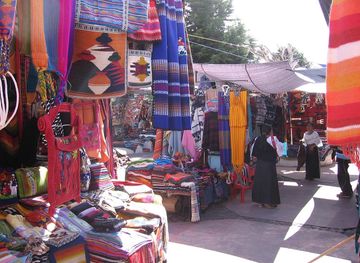

Explore Imbabura Region: Things to Do, Places to Eat, Hotels & More
Handpicked recommendations for top attractions, local dining, accommodations, and more

Top Attractions & Sightseeing in Imbabura Region
Top-rated picks
Best Attractions

Caranqui Park
Experience the tranquility and natural beauty of Caranqui Park in Ibarra, a perfect retreat for relaxation and outdoor fun in Ecuador.

Parqueadero Cascadas De Peguche
Explore the serene beauty of Parqueadero Cascadas De Peguche, a nature preserve filled with lush landscapes and stunning waterfalls, perfect for nature lovers.

Mirador de Laguna de Yahuarcocha
Discover the stunning views and tranquility at Mirador de Laguna de Yahuarcocha, a must-see destination in Ecuador's Ibarra region.

Cochasqui Archaeological Park
Discover the rich history and stunning landscapes of Cochasquí Archaeological Park, a must-visit destination in Ecuador for culture and nature lovers.

Best landmarks in Imbabura Region
Top-rated picks
Best Landmarks

Middle of the World City
Experience the unique charm of Middle of the World City, where history, culture, and science meet at the equator in Ecuador.

Plaza de Ponchos
Explore the vibrant Plaza de Ponchos in Otavalo, Ecuador, a cultural marketplace brimming with handicrafts, textiles, and local delicacies.
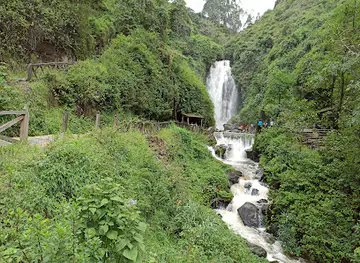
Peguche Waterfall
Discover the enchanting beauty of Peguche Waterfall in Otavalo, Ecuador, where nature meets culture in a breathtaking landscape.

Cabañas del Lago
Experience the tranquility of Cabañas del Lago, a lakeside retreat in Otavalo, Ecuador, where nature meets comfort in a stunning Andean setting.

Best restaurants in Imbabura Region
Top-rated picks
Best Restaurants

Puerto Lago Lago San Pablo
Experience exquisite dining with breathtaking views at Puerto Lago on the shores of beautiful Lago San Pablo.

Restaurante "El Leñador"
Experience authentic Ecuadorian cuisine at Restaurante 'El Leñador' in Cotacachi – where flavor meets tradition in every dish.

aLabuena Bar & Lounge
Discover aLabuena Bar & Lounge: A culinary hotspot in Ibarra serving exquisite grilled dishes and vibrant cocktails amidst lively entertainment.

Gran Chalet
Discover the flavors of Ecuador at Gran Chalet - where local ingredients meet culinary excellence in Ibarra.

Best bars in Imbabura Region
Top-rated picks
Best Bars
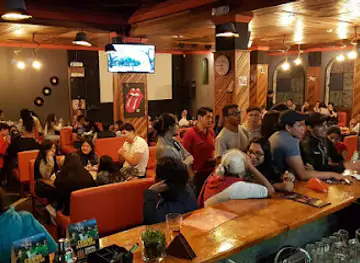
aLabuena Bar & Lounge
Experience the vibrant flavors and lively atmosphere at aLabuena Bar & Lounge in Ibarra, where culinary delights and cocktails await.

Gong Epicentro Cultural
Experience the vibrant culinary and cultural scene at Gong Epicentro Cultural in Ibarra, where delicious grilled dishes meet live music for an unforgettable evening.

La Taberna Bar&Grill Otavalo
Experience the vibrant culinary scene at La Taberna Bar&Grill in Otavalo, where exquisite grilled dishes meet local flavors in a welcoming atmosphere.

Vinilo Lounge
Discover the vibrant atmosphere of Vinilo Lounge, a top-rated bar and restaurant in Ibarra, offering delicious American and local breakfast delights.

Best nightclubs in Imbabura Region
Top-rated picks
Best Nightclubs

La Diabla Disco Bar
Experience the vibrant nightlife of Ibarra at La Diabla Disco Bar, where dance, music, and fun come together in an unforgettable atmosphere.

Añoranzas Disco Bar
Discover the vibrant nightlife of Ibarra at Añoranzas Disco Bar, where music and dance create unforgettable moments.

Elixir club bar
Discover the vibrant nightlife at Elixir Club Bar in Ibarra, where delicious cocktails and great music create unforgettable experiences.
Night Club Arenas
Discover the liberating nightlife of Cotacachi at Night Club Arenas, a vibrant nudist club embracing freedom and self-expression.

Best shops in Imbabura Region
Top-rated picks
Best Shops

Plaza de Ponchos
Experience the cultural heart of Otavalo at Plaza de Ponchos, a vibrant market filled with exquisite handicrafts and rich traditions.

Plaza Shopping Center
Experience shopping, dining, and entertainment at Plaza Shopping Center in Ibarra, where local culture meets modern convenience.

Peguche Waterfall
Experience the breathtaking beauty of Peguche Waterfall, a serene escape in Ecuador's lush landscapes, perfect for nature lovers and adventurers alike.

Simón Bolívar Park
Experience the tranquility and cultural richness of Simón Bolívar Park in Otavalo, Ecuador—a perfect escape for nature lovers and culture seekers.

Explore Imbabura Region on the Map
A handpicked selection of must-see spots in Imbabura Region, mapped for you.
Imbabura Region Essentials
-
Imbabura Region is located in the northern part of Ecuador. The nearest major airport is Mariscal Sucre International Airport in Quito, approximately 90 kilometers away. From Quito, you can take a bus from the Terminal Carcelén to various towns in Imbabura such as Otavalo, Ibarra, and Cotacachi. The bus journey typically takes around 2 to 3 hours. Alternatively, you can hire a taxi or rent a car for a more comfortable and flexible journey.
-
Within the Imbabura Region, public buses are a common and affordable means of transportation, connecting towns and villages. Taxis and car rentals are available for more convenience. For short distances within towns like Otavalo or Ibarra, walking is a pleasant option due to the compact nature of these towns. If you prefer, you can also use ride-hailing apps such as Uber or Cabify, which are available in some areas.
-
The official currency in Ecuador is the US Dollar (USD). Credit cards are widely accepted in hotels, restaurants, and larger shops, but it is advisable to carry cash for smaller establishments and markets. ATMs are available in most towns, but it is wise to withdraw sufficient cash in larger towns before traveling to more rural areas.
-
Imbabura Region is generally safe for tourists, but it is advisable to take standard precautions. Avoid walking alone at night in unfamiliar areas and keep an eye on your belongings in crowded places like markets. Otavalo and Ibarra are popular tourist spots and are generally safe, but be cautious in less frequented areas. Some neighborhoods in larger towns might have higher crime rates targeting tourists, so it is best to stay in well-populated and well-lit areas.
-
In case of emergency, dial 911 for immediate assistance. Hospitals and medical facilities are available in larger towns like Ibarra. Ensure you have travel insurance that covers medical emergencies. Pharmacies are available in towns for minor health issues where you can purchase over-the-counter medications.
-
Fashion: Do dress modestly, especially when visiting religious sites. Avoid wearing revealing clothing. Religion: Do respect local customs and traditions. Always cover your head when entering churches or religious sites. Public Transport: Do be respectful and give up your seat to elderly passengers. Don't eat or drink on public transport. Greetings: Do greet people with a handshake. A warm smile and a simple 'Buenos días' (Good morning) are appreciated. Eating & Drinking: Do try local delicacies and accept food offerings graciously. Don't refuse hospitality, as it is considered impolite.
-
To experience Imbabura Region like a local, visit the indigenous markets, especially the famous Otavalo Market, where you can buy traditional crafts, textiles, and fresh produce. Engage with locals, who are often friendly and willing to share stories about their culture and traditions. Don't miss the opportunity to explore the natural beauty of the region, including the Cuicocha Lake and the Mojanda Lakes. Taking part in local festivals and events can provide a deeper understanding of the region's rich cultural heritage.
When is the best time to visit Imbabura Region?
Useful Local Phrases for Imbabura Region
You don't need to speak the language perfectly. Even learning a few simple words can make conversations warmer—and locals usually appreciate the effort.
— Eve

Here are the phrases I use most often in Imbabura Region. Try a few—you'll be surprised how far they go! 😊
❤️
-
- HelloHola
[Ola] - GoodbyeAdiós
[Adios] - YesSí
[Si] - NoNo
[No] - Please/You're welcomePor favor/De nada
[Por favor/De nada] - Thank youGracias
[Grasias] - Excuse me/SorryDisculpe/Lo siento
[Disculpe/Lo siento] - How are you?¿Cómo estás?
[Como estas] - Fine. And you?Bien. ¿Y tú?
[Bien. I tu] - Do you speak English?¿Hablas inglés?
[Hablas ingles] - I don't understandNo entiendo
[No entiendo]
- HelloHola
-
- I'd like to see the menu, pleaseMe gustaría ver el menú, por favor
[Me gustaria ver el menu, por favor] - I don't eat meatNo como carne
[No como carne] - Cheers!¡Salud!
[Salud] - I would like to pay, pleaseMe gustaría pagar, por favor
[Me gustaria pagar, por favor]
- I'd like to see the menu, pleaseMe gustaría ver el menú, por favor
-
- Help!¡Ayuda!
[Ayuda] - Go away!¡Vete!
[Vete] - Call the Police!¡Llama a la policía!
[Llama a la policia] - Call a doctor!¡Llama a un doctor!
[Llama a un doctor] - I'm lostEstoy perdido
[Estoy perdido] - I'm illEstoy enfermo
[Estoy enfermo]
- Help!¡Ayuda!
-
- I'd like to buy...Me gustaría comprar...
[Me gustaria comprar] - I'm just lookingSolo estoy mirando
[Solo estoy mirando] - How much is it?¿Cuánto cuesta?
[Cuanto cuesta] - That's too expensiveEso es demasiado caro
[Eso es demasiado caro] - Can you lower the price?¿Puedes bajar el precio?
[Puedes bajar el precio]
- I'd like to buy...Me gustaría comprar...
-
- What time is it?¿Qué hora es?
[Que hora es] - It's one o'clockEs la una
[Es la una] - Half past (10)Y media (10)
[Y media] - MorningMañana
[Mañana] - AfternoonTarde
[Tarde] - EveningNoche
[Noche] - YesterdayAyer
[Ayer] - TodayHoy
[Hoy] - TomorrowMañana
[Mañana] - 1Uno
[Uno] - 2Dos
[Dos] - 3Tres
[Tres] - 4Cuatro
[Cuatro] - 5Cinco
[Cinco] - 6Seis
[Seis] - 7Siete
[Siete] - 8Ocho
[Ocho] - 9Nueve
[Nueve] - 10Diez
[Diez]
- What time is it?¿Qué hora es?
-
- Where's a/the...?¿Dónde está un/una...?
[Donde esta un/una] - What's the address?¿Cuál es la dirección?
[Cual es la direccion] - Can you show me (on the map)?¿Puedes mostrarme (en el mapa)?
[Puedes mostrarme en el mapa] - When's the next (bus)?¿Cuándo es el próximo (bus)?
[Cuando es el proximo bus] - A ticket (to ....)Un boleto (a ....)
[Un boleto a]
- Where's a/the...?¿Dónde está un/una...?
History of Imbabura Region
-
Before the arrival of the Spanish, the Imbabura region was inhabited by the Caranqui people. They were skilled agriculturalists and builders, known for their impressive terracing techniques and construction of large earthen mounds called 'tolas'. The Caranqui society was organized into small chiefdoms, each ruled by a cacique.
-
In the late 15th century, the Inca Empire expanded northward and encountered the Caranqui people. The resulting conflict was fierce and protracted, with the Caranquis resisting Inca domination for many years. Eventually, the Incas triumphed and incorporated the region into their empire, introducing their administrative and agricultural practices.
-
The arrival of the Spanish in the early 16th century marked a significant turning point for the Imbabura region. In 1534, Spanish conquistadors, led by Sebastián de Belalcázar, entered the area and subdued the local population. The Spanish imposed their colonial system, exploiting the region's resources and establishing encomiendas, where indigenous people were forced to work.
-
During the colonial period, Imbabura became an important agricultural and textile production center. The town of Otavalo, in particular, gained prominence for its weaving industry. Indigenous artisans produced fine textiles that were highly sought after in colonial markets. Despite the harsh conditions, the indigenous culture persisted, blending with Spanish influences to create a unique cultural tapestry.
-
In the early 19th century, the Imbabura region played a role in Ecuador's struggle for independence from Spanish rule. Local leaders and indigenous groups joined forces with the broader independence movement sweeping across South America. After a series of battles, Ecuador gained its independence in 1822, and the region began to chart its own course.
-
In the 20th century, the Imbabura region saw significant changes with the development of infrastructure and the growth of tourism. The city of Ibarra, known as the 'White City' for its colonial architecture, became a hub for travelers. The region's natural beauty, including the Imbabura Volcano and the San Pablo Lake, attracted visitors from around the world. Today, Imbabura is celebrated for its rich cultural heritage, vibrant markets, and stunning landscapes.
Neighbouring Regions of Imbabura Region
The closest regions to Imbabura Region, if you have time for more than one.

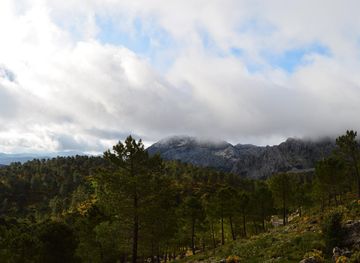



Your all‑in‑one travel companion app
Explore expert travel guides, compare and book tours, experiences, hotels, and more—all from the palm of your hand. Download now for seamless trip planning wherever your wanderlust takes you.


Explore More of Ecuador

Looking beyond Imbabura Region? Discover Ecuador for broader travel guides, local hot-spots, and regional highlights.
Explore EcuadorImbabura Region in Photos
Browse through our photo collection highlighting the charm and character of the destination.






The Enchanting Beauty of Imbabura Region
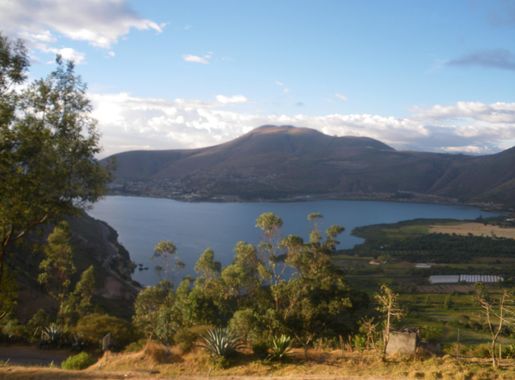
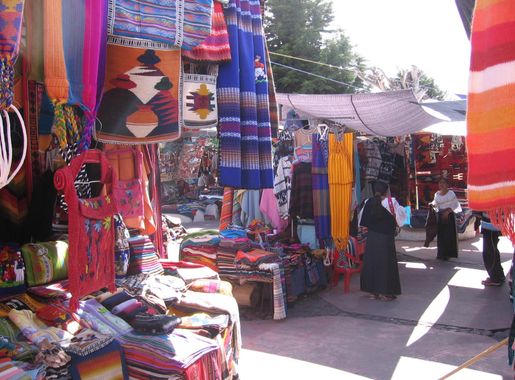
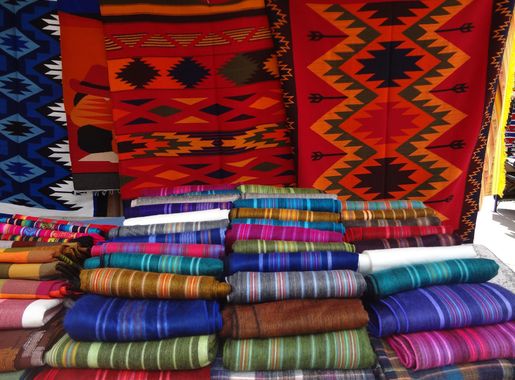
Nestled in the northern highlands of Ecuador, the Imbabura Region is a captivating blend of natural wonders and rich cultural heritage. Known as the 'Province of Lakes,' this region is adorned with sparkling bodies of water, including the famous San Pablo Lake, which offers breathtaking views of the Imbabura Volcano. The picturesque town of Otavalo, renowned for its vibrant indigenous market, is a must-visit for those seeking handmade crafts, textiles, and a taste of local tradition. Adventure seekers will find plenty to do in the Imbabura Region. From hiking trails that wind through lush forests and up volcanic peaks to exploring the pristine Peguche Waterfall, there is no shortage of outdoor activities. The region's diverse landscapes provide a haven for birdwatchers, with numerous species to spot in the Andean cloud forests and wetlands. Cultural enthusiasts will appreciate the area's rich history and traditions. The indigenous communities in Imbabura are known for their hospitality and offer visitors a chance to experience traditional music, dance, and cuisine. Don't miss the opportunity to visit the historic Hacienda Zuleta, where you can learn about the region's colonial past and enjoy the tranquility of its beautiful gardens. Whether you are seeking adventure, culture, or simply a peaceful retreat, the Imbabura Region in Ecuador promises an unforgettable experience filled with natural beauty and warm-hearted people.