

Northern Sierra, Ecuador Travel Guide
Discover the Northern Sierra of Ecuador: A land of majestic volcanoes, tranquil lakes, and vibrant indigenous culture nestled in the heart of the Andes.
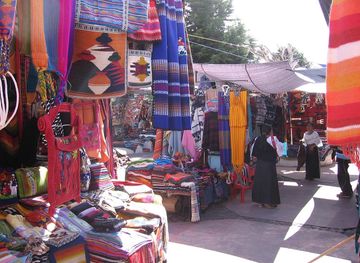
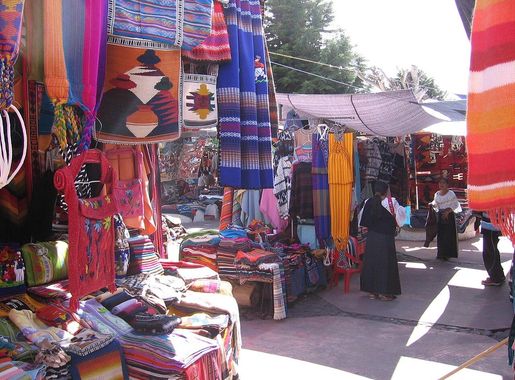
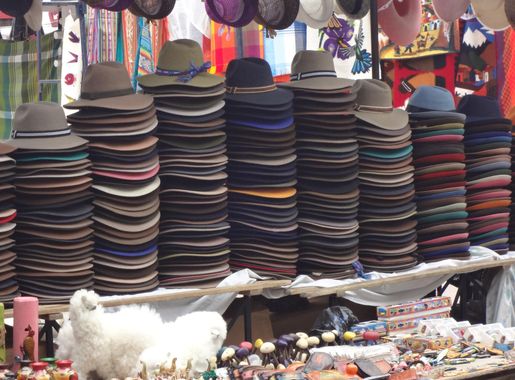
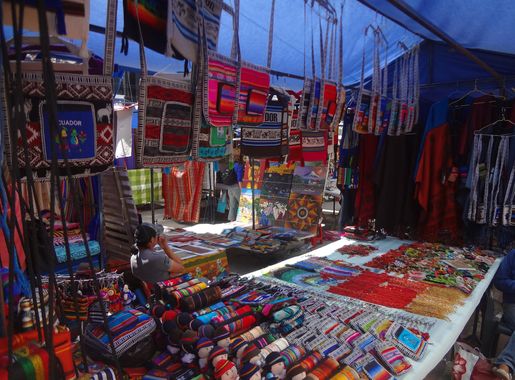
Nestled in the heart of Ecuador, the Northern Sierra is a captivating region where nature's beauty and cultural riches converge. This area is renowned for its dramatic landscapes, featuring towering volcanoes, lush valleys, and serene lakes. The region's pristine environment offers an idyllic setting for outdoor enthusiasts, with opportunities for hiking, bird watching, and exploring indigenous markets. One of the most iconic sites in the Northern Sierra is the Cotacachi-Cayapas Ecological Reserve, home to the stunning Laguna Cuicocha, a crater lake formed by a volcanic eruption thousands of years ago. Visitors can take a boat ride on the lake, hike the surrounding trails, or simply soak in the breathtaking views. The Northern Sierra is also rich in cultural heritage. The town of Otavalo is famous for its vibrant indigenous market, where artisans sell beautifully crafted textiles, jewelry, and other handmade goods. Exploring the local villages, you can witness traditional weaving techniques and learn about the customs and traditions of the Andean people. This region is also known for its warm and welcoming communities. Staying in a local hacienda or eco-lodge provides a unique opportunity to experience the local way of life and savor traditional Ecuadorian cuisine. Whether you are seeking adventure, culture, or relaxation, the Northern Sierra offers an unforgettable experience in the heart of the Andes.

Know before you go
Hi, I'm Eve. Here are a few practical things to know before exploring Northern Sierra.
- Visit the Otavalo market early in the morning to avoid crowds and get the best selection of goods.
- Pack layers of clothing; the weather can change quickly in the highlands.
- Try the local dish 'locro de papa,' a delicious potato soup that's perfect for warming up.
- Hire a local guide for hikes to learn about the flora, fauna, and history of the area.
- Don't miss the Inti Raymi festival in June, a vibrant celebration of the summer solstice by the indigenous communities.
Top City Travel Guides in Northern Sierra
The cities of Northern Sierra, and the easiest places to base yourself.



Destinations in Northern Sierra
Resorts, valleys and scenic spots worth a trip of their own.


Explore Northern Sierra: Things to Do, Places to Eat, Hotels & More
Handpicked recommendations for top attractions, local dining, accommodations, and more

Top Attractions & Sightseeing in Northern Sierra
Top-rated picks
Best Attractions

Parque La Carolina
Explore the lush landscapes and vibrant culture of Parque La Carolina, Quito's premier urban park, perfect for relaxation and recreation.

Middle of the World City
Discover the Middle of the World City in Quito, where culture, science, and breathtaking views converge at the equator.

Parque Bicentenario
Experience the tranquility of Parque Bicentenario in Quito, a vibrant urban park with lush landscapes, cultural events, and recreational activities for all.

Virgin of the Panecillo
Explore the Virgin of the Panecillo in Quito, an iconic monument offering stunning views and deep cultural significance in the heart of Ecuador.

Best landmarks in Northern Sierra
Top-rated picks
Best Landmarks

Middle of the World City
Experience the unique charm of the Middle of the World City, where you can stand on the equator and immerse yourself in Ecuador's vibrant culture.
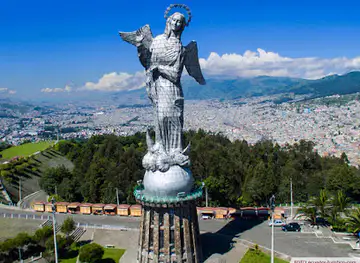
Virgin of the Panecillo
Discover the iconic Virgin of the Panecillo, a monumental statue in Quito, Ecuador, offering stunning city views and rich cultural experiences.

Basílica del Voto Nacional
Explore the stunning Basilica del Voto Nacional in Quito, a masterpiece of Gothic architecture and a symbol of Ecuador's spiritual heritage.

La Casa del Arbol
Experience the thrill of La Casa del Arbol in Baños, Ecuador, where adventure meets breathtaking views and vibrant nature.

Best restaurants in Northern Sierra
Top-rated picks
Best Restaurants

Vista Hermosa (ITCHIMBIA)
Discover culinary excellence at Vista Hermosa - where breathtaking views meet exquisite flavors in the heart of Quito.

Raymipampa Restaurant
Experience authentic Ecuadorian cuisine at Raymipampa Restaurant in Cuenca—an unforgettable culinary journey near the iconic Cathedral.

Chez Jérôme
Experience exquisite French cuisine at Chez Jérôme in Quito—where traditional flavors meet contemporary elegance.

San Pedro Bizcochos
Flaky wood-oven bizcochos define Cayambe's savory soul at San Pedro—Ecuador's must-try biscuit stop blending dairy heritage, factory tours, and highland bites for every traveler.

Best bars in Northern Sierra
Top-rated picks
Best Bars

Finn McCool's Irish Pub
Discover the vibrant Finn McCool's Irish Pub in Quito, where traditional Irish cuisine meets a lively atmosphere and excellent drinks.

Crater Rooftop Bar
Experience breathtaking views and delightful drinks at the Crater Rooftop Bar in Baños de Agua Santa, a perfect blend of relaxation and vibrant atmosphere.

Vértigo Rooftop
Discover Quito's stunning skyline with cocktails and bites at Vértigo Rooftop, a vibrant bar experience in the heart of the city.

Encuentro Backyard Cervecería (ex Backyard by Paramo)
Experience the vibrant culture of Quito at Encuentro Backyard Cervecería, where craft beer meets local cuisine in a lively atmosphere.

Best nightclubs in Northern Sierra
Top-rated picks
Best Nightclubs

Lavoe Salsa Danceclub
Experience the vibrant nightlife of Quito at Lavoe Salsa Danceclub, the ultimate destination for salsa lovers and dance enthusiasts alike.

Discoteca Nidia Fuzzion Party
Immerse yourself in Cuenca's nightlife at Discoteca Nidia Fuzzion Party, where music and dance create unforgettable memories.

Bungalow 6
Discover Quito's electric nightlife at Bungalow 6, a disco club that promises unforgettable nights filled with music, dancing, and signature cocktails.

Volcan Bar Disc
Discover the vibrant nightlife of Baños at Volcan Bar Disc, where dancing, cocktails, and fun await you until the early morning hours.

Best shops in Northern Sierra
Top-rated picks
Best Shops

Quicentro
Experience the ultimate shopping destination in Quito at Quicentro, featuring diverse brands, dining, and entertainment for all ages.

Mall del Sol
Experience the best of shopping, dining, and entertainment at Mall del Sol, Guayaquil's premier shopping destination.

Condado Shopping
Discover the ultimate shopping experience at Condado Shopping, where fashion meets flavor and fun in the heart of Quito, Ecuador.

Scala Shopping Mall
Discover Scala Shopping Mall in Quito, where shopping meets dining and entertainment in a vibrant setting.

Explore Northern Sierra on the Map
A handpicked selection of must-see spots in Northern Sierra, mapped for you.
Northern Sierra Essentials
-
The Northern Sierra region of Ecuador is accessible via the Mariscal Sucre International Airport in Quito. From Quito, you can take a bus from the northern bus terminal, Terminal Carcelén, which connects to major towns such as Otavalo, Ibarra, and Cotacachi. The journey by bus typically takes around 2 to 3 hours. Alternatively, you can rent a car or hire a taxi for a more comfortable and flexible travel experience. The roads are generally in good condition, and the drive offers scenic views of the Andean landscape.
-
Within the Northern Sierra, public transportation options include buses and taxis. Buses are the most economical means of travel and connect most towns and villages. Taxis are widely available and relatively inexpensive. For short distances within towns, you can also consider using mototaxis (three-wheeled vehicles). Renting a car might be a good option if you plan to explore remote areas or prefer a flexible schedule. Be aware that driving in mountainous regions can be challenging due to winding roads and varying weather conditions.
-
The official currency in Ecuador is the US Dollar (USD). Credit cards are accepted in most hotels, restaurants, and larger stores, but it is advisable to carry cash, especially when visiting small shops, markets, or rural areas. ATMs are available in major towns, but it's a good idea to withdraw sufficient cash before heading to remote areas to ensure you have enough funds.
-
The Northern Sierra is generally a safe region for tourists, but it's important to take standard precautions. Avoid walking alone at night, especially in isolated areas. Keep an eye on your belongings in crowded places such as markets. There are no specific high-crime areas targeting tourists, but staying vigilant and aware of your surroundings is always advisable. In case of any issues, local police stations are available in major towns.
-
In case of emergency, dial 911 for immediate assistance. Major towns in the Northern Sierra have medical facilities and pharmacies where you can seek help. It is highly recommended to have travel insurance that covers medical emergencies. For minor health issues, over-the-counter medications are available at local pharmacies. Always carry a copy of your passport and important documents.
-
Fashion: Do dress modestly, especially when visiting indigenous communities or religious sites. Avoid wearing revealing clothing. Religion: Do respect local customs and traditions. When visiting churches, dress conservatively and avoid making loud noises. Public Transport: Do be courteous and offer your seat to elderly passengers. Don’t eat or drink on public transport. Greetings: Do greet people with a friendly 'Buenos días' (Good morning) or 'Buenas tardes' (Good afternoon). A handshake is also common. Eating & Drinking: Do try local dishes and accept food offerings graciously. Don’t refuse hospitality, as it is considered impolite.
-
To experience the Northern Sierra like a local, visit the bustling markets in Otavalo, known for its vibrant textiles and handicrafts. Engage with locals who are often friendly and willing to share stories about their culture and traditions. Don't miss the opportunity to explore the stunning landscapes, including the Imbabura Volcano and the Peguche Waterfall. For a unique experience, participate in traditional festivals and try local cuisine such as 'cuy' (guinea pig) and 'locro de papas' (potato soup).
When is the best time to visit Northern Sierra?
Useful Local Phrases for Northern Sierra
You don't need to speak the language perfectly. Even learning a few simple words can make conversations warmer—and locals usually appreciate the effort.
— Eve

Here are the phrases I use most often in Northern Sierra. Try a few—you'll be surprised how far they go! 😊
❤️
-
- HelloHola
[OH-lah] - GoodbyeAdiós
[ah-DYOS] - YesSí
[SEE] - NoNo
[NO] - Please/You're welcomePor favor
[por fah-VOR] - Thank youGracias
[GRAH-syahs] - Excuse me/SorryPerdón
[per-DON] - How are you?¿Cómo estás?
[KOH-moh es-TAS] - Fine. And you?Bien. ¿Y tú?
[BYEN. ee TOO?] - Do you speak English?¿Hablas inglés?
[AH-blahs een-GLES?] - I don't understandNo entiendo
[NO en-TYEN-doh]
- HelloHola
-
- I'd like to see the menu, pleaseMe gustaría ver el menú, por favor
[meh goo-stah-REE-ah veer el meh-NOO, por fah-VOR] - I don't eat meatNo como carne
[NO KOH-mo KAR-neh] - Cheers!¡Salud!
[sah-LOOD] - I would like to pay, pleaseMe gustaría pagar, por favor
[meh goo-stah-REE-ah pah-GAR, por fah-VOR]
- I'd like to see the menu, pleaseMe gustaría ver el menú, por favor
-
- Help!¡Ayuda!
[ah-YOO-dah] - Go away!¡Vete!
[VEH-teh] - Call the Police!¡Llama a la policía!
[YAH-mah ah lah poh-lee-SEE-ah] - Call a doctor!¡Llama a un doctor!
[YAH-mah ah oon dok-TOR] - I'm lostEstoy perdido
[es-TOY per-DI-doh] - I'm illEstoy enfermo
[es-TOY en-FER-mo]
- Help!¡Ayuda!
-
- I'd like to buy...Me gustaría comprar...
[meh goo-stah-REE-ah kom-PRAR...] - I'm just lookingSolo estoy mirando
[SO-lo es-TOY mee-RAN-do] - How much is it?¿Cuánto cuesta?
[KWAN-toh KWES-tah?] - That's too expensiveEs demasiado caro
[es deh-ma-SYAH-doh KAH-ro] - Can you lower the price?¿Puedes bajar el precio?
[PWEH-des bah-HAR el PREH-syo?]
- I'd like to buy...Me gustaría comprar...
-
- What time is it?¿Qué hora es?
[KEH OR-ah es?] - It's one o'clockEs la una
[es lah OO-nah] - Half past (10)Y diez y media
[ee DYESS ee MEH-dee-ah] - MorningMañana
[mah-NYAH-nah] - AfternoonTarde
[TAR-deh] - EveningNoche
[NOH-cheh] - YesterdayAyer
[ah-YER] - TodayHoy
[OY] - TomorrowMañana
[mah-NYAH-nah] - 1Uno
[OO-no] - 2Dos
[DOS] - 3Tres
[TRES] - 4Cuatro
[KWAH-tro] - 5Cinco
[SEEN-koh] - 6Seis
[SAYS] - 7Siete
[SYEH-teh] - 8Ocho
[OH-cho] - 9Nueve
[NWEH-beh] - 10Diez
[DYESS]
- What time is it?¿Qué hora es?
-
- Where's a/the...?¿Dónde está un/una...?
[DON-deh es-TAH oon/OO-nah...?] - What's the address?¿Cuál es la dirección?
[KWAL es lah dee-rek-SYON?] - Can you show me (on the map)?¿Puedes mostrarme (en el mapa)?
[PWEH-des mos-TRAR-me (en el MAH-pah)?] - When's the next (bus)?¿Cuándo es el próximo (autobús)?
[KWAN-doh es el PROK-see-mo (ow-toh-BOOS)?] - A ticket (to ....)Un boleto (a ....)
[OON bo-LEH-to (ah ....)]
- Where's a/the...?¿Dónde está un/una...?
History of Northern Sierra
-
Before the Spanish conquest, the Northern Sierra region of Ecuador was home to several indigenous groups, most notably the Caranqui. The region became part of the Incan Empire in the late 15th century under the rule of Huayna Capac. The Kingdom of Quito, centered around modern-day Quito, was an important regional power and a strategic point for the Incas, as it connected the northern and southern parts of their empire.
-
The Spanish conquest of the Northern Sierra region began in the early 16th century. In 1606, the city of Ibarra was founded by Cristóbal de Troya, named after Miguel de Ibarra, the then-president of the Audiencia of Quito. Ibarra became an important colonial center, known for its fertile lands and strategic location between Quito and the northern territories.
-
One of the most significant natural events in the history of the Northern Sierra was the eruption of the Imbabura Volcano in 1868. The eruption caused widespread destruction, leading to significant loss of life and property. It had a lasting impact on the region's development and reshaped the local communities' relationship with their environment.
-
The late 19th century saw significant social upheaval in the Northern Sierra. In 1871, indigenous communities in the region, particularly the Quichua-speaking groups, rose up against oppressive labor practices and land dispossession by the colonial authorities. This uprising was a critical moment in the history of indigenous resistance in Ecuador and highlighted the ongoing struggles for autonomy and rights.
-
The town of Otavalo, located in the Northern Sierra, is famous for its vibrant indigenous market, which dates back to pre-Columbian times. The market is a hub for traditional crafts, textiles, and local produce. In the 20th century, there was a significant revival of indigenous crafts, driven by both local initiatives and increasing interest from tourists. This has helped preserve and promote the rich cultural heritage of the Otavalo people.
-
Established in 1968, the Cotacachi-Cayapas Ecological Reserve is one of Ecuador's most important protected areas. Located in the Northern Sierra, the reserve spans diverse ecosystems, from Andean highlands to tropical rainforests. It plays a crucial role in conservation efforts and is home to numerous indigenous communities who continue to practice traditional ways of life within its boundaries.
Neighbouring Regions of Northern Sierra
The closest regions to Northern Sierra, if you have time for more than one.




Your all‑in‑one travel companion app
Explore expert travel guides, compare and book tours, experiences, hotels, and more—all from the palm of your hand. Download now for seamless trip planning wherever your wanderlust takes you.


Explore More of Ecuador

Looking beyond Northern Sierra? Discover Ecuador for broader travel guides, local hot-spots, and regional highlights.
Explore EcuadorNorthern Sierra in Photos
Browse through our photo collection highlighting the charm and character of the destination.




The Enchanted Wilderness of Northern Sierra, Ecuador
Nestled in the heart of Ecuador, the Northern Sierra is a captivating region where nature's beauty and cultural riches converge. This area is renowned for its dramatic landscapes, featuring towering volcanoes, lush valleys, and serene lakes. The region's pristine environment offers an idyllic setting for outdoor enthusiasts, with opportunities for hiking, bird watching, and exploring indigenous markets. One of the most iconic sites in the Northern Sierra is the Cotacachi-Cayapas Ecological Reserve, home to the stunning Laguna Cuicocha, a crater lake formed by a volcanic eruption thousands of years ago. Visitors can take a boat ride on the lake, hike the surrounding trails, or simply soak in the breathtaking views. The Northern Sierra is also rich in cultural heritage. The town of Otavalo is famous for its vibrant indigenous market, where artisans sell beautifully crafted textiles, jewelry, and other handmade goods. Exploring the local villages, you can witness traditional weaving techniques and learn about the customs and traditions of the Andean people. This region is also known for its warm and welcoming communities. Staying in a local hacienda or eco-lodge provides a unique opportunity to experience the local way of life and savor traditional Ecuadorian cuisine. Whether you are seeking adventure, culture, or relaxation, the Northern Sierra offers an unforgettable experience in the heart of the Andes.