

Free Northwest Coast Travel Guide & Mobile App
Explore Northwest Coast with free travel guides. Discover regional history, expert tips, proposed trips, and audio guides on web or mobile app.


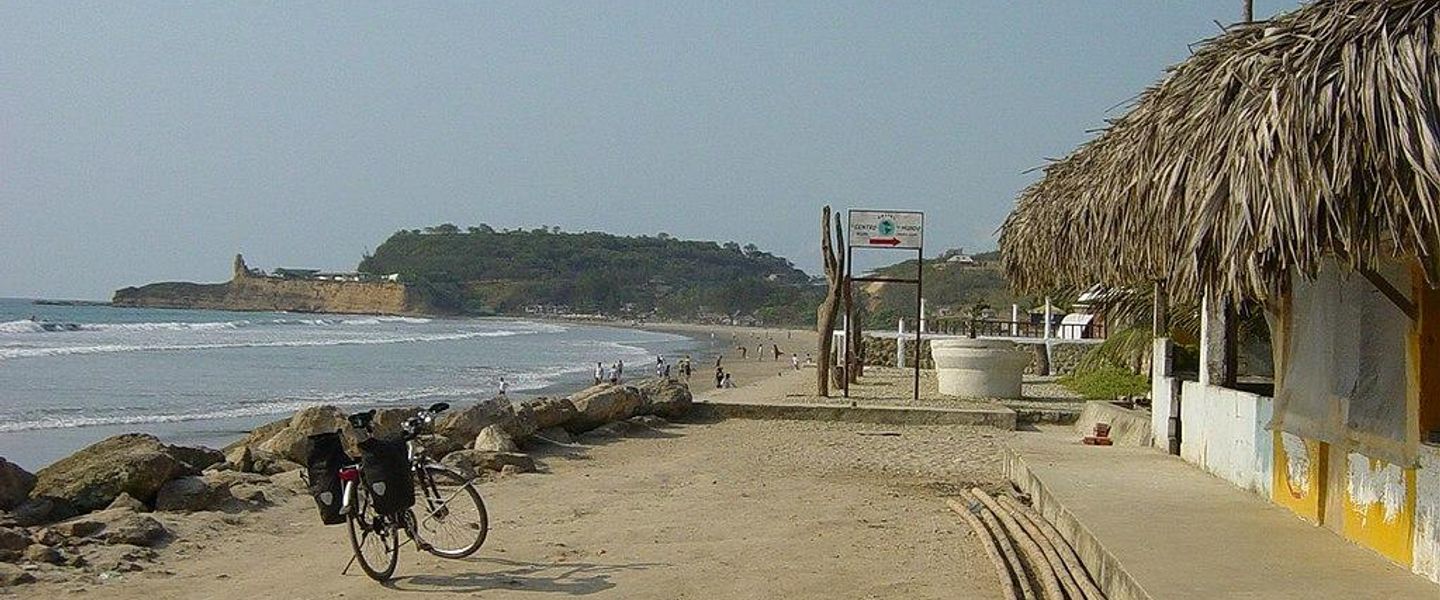


Explore Ecuador's Northwest Coast for Afro-Ecuadorian culture, Pacific beaches, mangrove waterways, tropical forests and coconut-rich coastal cuisine.
Read more about Northwest Coast
When is the best time to visit Northwest Coast?
Best: January–March · 30°C| Month | High (°C) | Rainfall (mm) |
|---|---|---|
| January (best) | 30 | 100 |
| February (best) | 30 | 110 |
| March (best) | 30 | 120 |
| April | 30 | 130 |
| May | 30 | 140 |
| June | 30 | 150 |
| July | 30 | 160 |
| August | 30 | 170 |
| September | 30 | 180 |
| October | 30 | 170 |
| November | 29 | 160 |
| December | 29 | 150 |
Getting to and around Northwest Coast
How to get there
Transportation
Top city travel guides in Northwest Coast
The cities of Northwest Coast, and the easiest places to base yourself.
-

-

-


Swipe for more cities
Destinations in Northwest Coast
Resorts, valleys and scenic spots worth a trip of their own.

Swipe for more destinations
Best attractions in Northwest Coast
The Northwest Coast's attractions combine warm Pacific beaches with ecosystems and cultural landscapes that are less developed than Ecuador's principal resort corridors. Atacames and Tonsupa provide the easiest access to swimming, beach walks, watersports and informal seaside dining, while quieter stretches farther north offer a more local coastal atmosphere. Esmeraldas adds markets, river views and opportunities to learn about Afro-Ecuadorian music and cuisine. Nature-focused visitors can explore the mangrove waterways of Cayapas-Mataje, the tropical forests and rivers of Mache-Chindul, and protected landscapes associated with Cotacachi-Cayapas. These areas are important for birdlife, reptiles and forest species, with excursions generally requiring local guides and careful logistical planning. Archaeology gives the region another dimension through La Tolita heritage in the northern river country, where museum interpretation and community knowledge are valuable complements to the sites themselves. Outdoor activities include river trips, birdwatching, forest walks, fishing and coastal recreation, but weather, tides and road conditions can affect plans. The region is best approached as a collection of contrasting coastal, estuarine and forest environments rather than as a single resort destination.
-
Tourist attraction
Tortuga Bay Beach
Explore Tortuga Bay Beach, a tranquil paradise in the Galápagos, where pristine sands meet crystal-clear waters and diverse wildlife awaits.
-
Tourist attraction
Monumento al Cacao
Explore the Monument to Cacao, a symbol of Ecuador's chocolate legacy, where history meets culture in a delightful tribute to cacao's journey.
-
Tourist attraction
Cungapiti cementerio de los incas
Explore the rich history and cultural legacy of the Incas at Cungapiti's Cementerio de los Incas, a must-visit site in Palmas.
-
 Tourist attraction
Grieta del amor
Discover Grieta del Amor in Puerto Villamil, a breathtaking natural attraction known for its stunning crevices, vibrant wildlife, and serene landscapes.


Best landmarks in Northwest Coast
The broad Esmeraldas River estuary is one of the region's defining geographical landmarks, connecting the provincial capital with the Pacific and reflecting the importance of river transport, fishing and port activity. In the north, the mangrove systems of Cayapas-Mataje form a distinctive tidal landscape of waterways, islands and forest that supports both wildlife and longstanding community livelihoods. The archaeological heritage associated with La Tolita is another major landmark of the coastal north, representing the achievements of a pre-Columbian society renowned for ceramics, ceremonial art and metalworking. Mache-Chindul's forested hills mark a sharp contrast with the open beaches around Atacames and Tonsupa, preserving fragments of the humid coastal Chocó. The beaches themselves, particularly the long urban-facing shore at Atacames, are visual symbols of the province's tourism economy, although their significance is modern rather than ancient. In Esmeraldas, the riverfront and urban fabric convey the capital's role as a link between inland waterways, coastal communities and national commerce.
-
Tourist attraction
Malecon 2000
Uncover the charm of Malecon 2000, a vibrant waterfront promenade in Guayaquil offering stunning city views, cultural attractions, and delicious local cuisine.
-
Monument
Middle of the World City
Discover the extraordinary Middle of the World City in Ecuador, where culture, science, and stunning landscapes meet at the equator.
-
Tourist attraction
Virgin of the Panecillo
Discover the breathtaking Virgin of the Panecillo in Quito, a monumental symbol of faith and culture with stunning city views.
-
Historical landmark
Independence Square
Explore Independence Square in Quito, a historical landmark surrounded by stunning architecture and vibrant culture, reflecting Ecuador's rich heritage.



Explore Northwest Coast on the map
Plan your trip on one map. See where the top cities, national parks and sights are, and book hotels and experiences in a few clicks.
Best hotels in Northwest Coast
Best restaurants in Northwest Coast
Dining on Ecuador's Northwest Coast is based on the meeting of Pacific seafood, tropical agriculture and Afro-Ecuadorian culinary traditions. Encocado, in which fish, prawns or other seafood are cooked with coconut and aromatics, is one of the region's best-known preparations. Green plantain appears in dishes such as bolón, patacones and fish soups, while tapao combines fish or meat with plantain and other local ingredients. Ceviche, grilled seafood, coconut rice and peanut-based sauces are common along the coast, though recipes vary between households and towns. Around Atacames and Tonsupa, restaurants and beach kiosks concentrate on seafood, fried plantain and cold drinks; Esmeraldas offers a broader mix of everyday eateries and markets. In rural areas, food may be simpler and availability less predictable, so eat where turnover is good and ask about preparation. Local markets are useful for tropical fruit and regional ingredients, while the most meaningful food experiences often come through established family kitchens or community-led visits rather than formal dining rooms.
-
Ecuadorian
Raymipampa Restaurant
Discover authentic Ecuadorian flavors at Raymipampa Restaurant in Cuenca, where tradition meets taste in a charming setting.
-
French
Chez Jérôme
Experience exquisite French cuisine at Chez Jérôme in Quito - where culinary artistry meets elegance in every dish.
-
Restaurant
Casa Julián
Experience exquisite Ecuadorian cuisine at Casa Julián, where stunning riverside views meet culinary excellence in Samborondón.
-
Ecuadorian
Lo Nuestro Restaurant
Discover the essence of Ecuadorian gastronomy at Lo Nuestro Restaurant in Guayaquil—where every dish tells a story.


Best bars in Northwest Coast
Evening life is concentrated in Esmeraldas, Atacames and Tonsupa, with the strongest resort-oriented activity around the beaches. Atacames is known for its busy seafront atmosphere, where bars, restaurants, music and informal dancing can continue into the evening, especially during holidays and high-demand periods. Tonsupa generally has a more accommodation-led rhythm, with restaurants and bars serving residents and visitors rather than a large club circuit. In Esmeraldas, nightlife includes bars, restaurants, music venues and cultural events, while smaller coastal and river communities tend to rely on local bars, family gatherings and occasional live music. Marimba and other Afro-Ecuadorian traditions should be encountered through respectful cultural programming or community events, not reduced to a nightlife theme. Opening arrangements and the atmosphere of individual areas can change, so use local advice and arrange safe transport back to accommodation.
-
Hostel
The Secret Garden Quito
Experience the vibrant atmosphere of The Secret Garden Quito, a hostel that combines comfort, stunning views, and a social scene for travelers.
-
Brewpub
Bandido Brewing
Bandido Brewing: A must-visit brewpub in Quito offering exquisite craft beers and a lively atmosphere for tourists and locals alike.
-
Irish pub
Finn McCool's Irish Pub
Discover the charm of Ireland at Finn McCool's Irish Pub in Quito, where authentic cuisine and a lively atmosphere await every visitor.
-
Gastropub
Zinc
Discover Zinc Gastropub in Quito: where local flavors meet innovative cuisine in a stylish and vibrant atmosphere.


Best nightclubs in Northwest Coast
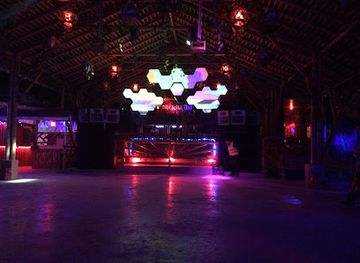
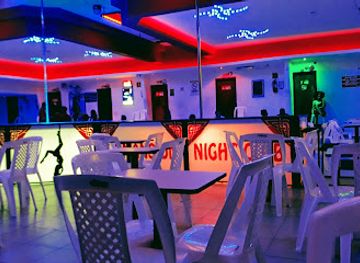
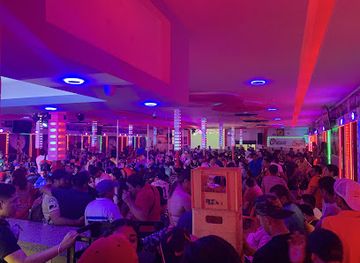
Evening life is concentrated in Esmeraldas, Atacames and Tonsupa, with the strongest resort-oriented activity around the beaches. Atacames is known for its busy seafront atmosphere, where bars, restaurants, music and informal dancing can continue into the evening, especially during holidays and high-demand periods. Tonsupa generally has a more accommodation-led rhythm, with restaurants and bars serving residents and visitors rather than a large club circuit. In Esmeraldas, nightlife includes bars, restaurants, music venues and cultural events, while smaller coastal and river communities tend to rely on local bars, family gatherings and occasional live music. Marimba and other Afro-Ecuadorian traditions should be encountered through respectful cultural programming or community events, not reduced to a nightlife theme. Opening arrangements and the atmosphere of individual areas can change, so use local advice and arrange safe transport back to accommodation.
-
Disco club
Discoteca Nidia Fuzzion Party
Discover the energetic nightlife of Cuenca at Discoteca Nidia Fuzzion Party, where vibrant music and a lively atmosphere come together for an unforgettable experience!
-
Night club
Lost Beach Club
Experience the vibrant nightlife of Montañita at Lost Beach Club, where electrifying music meets stunning ocean views for an unforgettable evening.
-
Night club
La Mansión Night Club Guayaquil
Discover the vibrant nightlife of Guayaquil at La Mansión Night Club, where music and dance create unforgettable moments in an electrifying atmosphere.
-
Night club
NIGHT CLUB OBSESION 5 ESTRELLAS
Dive into the vibrant nightlife of Guayaquil at Night Club Obsesion 5 Estrellas, where music and dance create unforgettable experiences.
Best shops in Northwest Coast
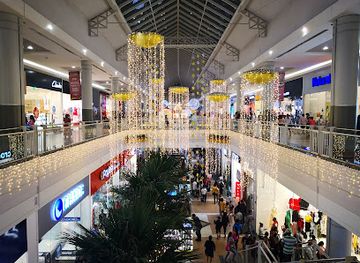
Shopping on Ecuador's Northwest Coast is practical and locally focused rather than centred on large retail complexes. Esmeraldas has the broadest choice of markets, food shops, clothing stores and everyday services, while Atacames and Tonsupa cater more directly to beach visitors with swimwear, sandals, crafts, snacks and informal clothing stalls. Local markets are useful places to look for tropical fruit, coconut products, plantains, seafood and other ingredients associated with coastal cooking. Visitors may also find Afro-Ecuadorian handicrafts, carved wooden items, woven goods and music-related cultural products, though quality and provenance vary. Buy directly from makers or recognised community initiatives where possible, and avoid purchasing archaeological objects, protected wildlife products or items made from questionable materials. Souvenirs should be easy to carry and legally sourced; regional food products, textiles and responsibly made crafts are generally more appropriate than shells, coral or natural materials collected from beaches and mangroves.
-
Shopping mall
Quicentro
Explore Quicentro, Quito's premier shopping mall, featuring top brands, delicious dining, and vibrant entertainment for an unforgettable experience.
-
Shopping mall
Mall del Sol
Explore Mall del Sol, Guayaquil's largest shopping destination, offering diverse stores, delicious dining, and entertainment for all ages.
-
Shopping mall
Condado Shopping
Explore Condado Shopping in Quito: A vibrant mall filled with trendy stores, dining, and entertainment for an unforgettable shopping experience.
-
Shopping mall
El Jardín Mall
Discover the vibrant shopping experience at El Jardín Mall in Quito, where top brands, delicious dining, and family-friendly entertainment await.


Get your free copy of our complete guide to Northwest Coast, delivered straight to you.
Everything on this page, from attractions and restaurants to essentials and local phrases, in one PDF you can read offline, print or share.
Already have an account? Sign in
Your Northwest Coast guide is ready.
We'll send it to · Not you? Sign out

Getting your guide ready…
We are putting together a fresh copy of the Northwest Coast guide. This can take up to a minute.
This can take a few moments. If your browser asks, choose Allow so the download can start. You'll find the guide in your Downloads folder.
Nothing happened? Download it again
Sorry, the guide is taking longer than usual. Please try again in a minute, or get it by email instead.
Northwest Coast essentials
Currency and Payment
Safety
Emergency Situations
Do's and Don'ts
Local Tips
From Eve
Local phrases worth knowing
You don't need to get them perfect. A few words go a long way, and locals appreciate the effort.
Basics
| English | Local | Say it |
|---|---|---|
| Hello | Kway | [kwah-ee] |
| Goodbye | Haw'aa | [haw-ah] |
| Yes | A'yu | [ah-yoo] |
| No | Na'k | [nahk] |
| Please/You're welcome | P'ay | [pay] |
| Thank you | T'ank you | [tahnk yoo] |
| Excuse me/Sorry | S'k'ul | [skool] |
| How are you? | Nuk'wa? | [nook-wah] |
| Fine. And you? | K'uy, p'ay? | [koo-ee, pay] |
| Do you speak English? | K'wa'na English? | [kwah-nah English] |
| I don't understand | Na'k'wa k'wa'y | [nahk-wah kwah-ee] |
Eating & Drinking
| English | Local | Say it |
|---|---|---|
| I'd like to see the menu, please | K'uy s'ak'ay menu, p'ay | [koo-ee sah-kay menu, pay] |
| I don't eat meat | Na'k'wa k'uk'uy | [nahk-wah koo-kwee] |
| Cheers! | T'ank's! | [tahnks] |
| I would like to pay, please | K'uy s'ak'ay p'ay, p'ay | [koo-ee sah-kay pay, pay] |
Emergencies
| English | Local | Say it |
|---|---|---|
| Help! | Nuk'wa! | [nook-wah] |
| Go away! | Haw'aa! | [haw-ah] |
| Call the Police! | K'wa'na Police! | [kwah-nah Police] |
| Call a doctor! | K'wa'na doctor! | [kwah-nah doctor] |
| I'm lost | Na'k'wa k'uy | [nahk-wah koo-ee] |
| I'm ill | Na'k'wa k'uy s'k'ul | [nahk-wah koo-ee skool] |
Shopping
| English | Local | Say it |
|---|---|---|
| I'd like to buy... | K'uy s'ak'ay k'uy... | [koo-ee sah-kay koo] |
| I'm just looking | Na'k'wa s'ak'ay | [nahk-wah sah-kay] |
| How much is it? | K'uk'uy p'ay? | [koo-kwee pay] |
| That's too expensive | S'k'ul p'ay k'uy | [skool pay koo-ee] |
| Can you lower the price? | K'wa'na p'ay s'k'ul | [kwah-nah pay skool] |
Time & Numbers
| English | Local | Say it |
|---|---|---|
| What time is it? | K'wa'y k'uy? | [kwah-ee koo-ee] |
| It's one o'clock | K'uy k'uw | [koo-ee koo] |
| Half past (10) | K'uw p'ay (10) | [koo pay (10)] |
| Morning | A'yu | [ah-yoo] |
| Afternoon | P'ay'yu | [pay-yoo] |
| Evening | S'k'ul'yu | [skool-yoo] |
| Yesterday | K'ay'yu | [kah-ee-yoo] |
| Today | K'uy'yu | [koo-ee-yoo] |
| Tomorrow | Na'k'wa'yu | [nahk-wah-yoo] |
| 1 | K'uw | [koo] |
| 2 | P'ay | [pay] |
| 3 | S'k'ul | [skool] |
| 4 | A'yu | [ah-yoo] |
| 5 | K'uw'yu | [koo-ee-yoo] |
| 6 | A'yu'yu | [ah-yoo-yoo] |
| 7 | P'ay'yu | [pay-yoo] |
| 8 | S'k'ul'yu | [skool-yoo] |
| 9 | K'uw'yu | [koo-ee-yoo] |
| 10 | P'ay'yu | [pay-yoo] |
Transport & Directions
| English | Local | Say it |
|---|---|---|
| Where's a/the...? | K'wa'na ...? | [kwah-nah ...] |
| What's the address? | K'wa'y address? | [kwah-ee address] |
| Can you show me (on the map)? | K'wa'na s'ak'ay map? | [kwah-nah sah-kay map] |
| When's the next (bus)? | K'wa'y next bus? | [kwah-ee next bus] |
| A ticket (to ....) | K'uw ticket (to ...) | [koo ticket (to ...)] |
History of Northwest Coast
La Tolita Culture and Pre-Columbian Metalworking
The northern coast of present-day Ecuador was home to the La Tolita culture, which flourished approximately between 600 BC and AD 400 around the Santiago-Cayapas river system and nearby islands. Its people developed elaborate ceramic traditions, ceremonial objects and highly skilled metalworking, including some of the earliest known platinum-working techniques in the Americas. Archaeological evidence indicates long-distance exchange and complex social organisation. The region's heritage is closely associated with La Tolita archaeological sites and museum collections, although much material has also been removed from its original context over time.
Spanish Contact and the Colonial Coast
Spanish expeditions reached the northern Pacific coast in the sixteenth century, encountering established Indigenous societies linked to river, forest and coastal environments. Colonial control remained uneven because dense vegetation, waterways and distance from the main Andean centres made administration difficult. The coast nevertheless became connected to wider systems of trade, agriculture and maritime movement. Esmeraldas developed as the principal urban and riverine centre, while the surrounding lowlands retained distinctive local economies and communities that did not mirror the social structure of Ecuador's highland cities.
African Diaspora Communities in Esmeraldas
Afro-Ecuadorian history is fundamental to the identity of the Northwest Coast. Africans and their descendants arrived through colonial slavery and maritime networks, and escaped groups established communities in the difficult-to-control coastal forests and river valleys. Over subsequent centuries, Afro-Ecuadorian societies developed distinctive forms of agriculture, fishing, music, dance and communal life. Their cultural influence is visible across Esmeraldas Province, particularly in marimba traditions and coastal cuisine. This history is not a decorative addition to the region's tourism story but one of its central social and cultural foundations.
Esmeraldas, Independence and the Republic
The coastal population participated in the upheavals surrounding independence from Spanish rule and the formation of the Ecuadorian republic in the early nineteenth century. Esmeraldas remained geographically separated from the political centres of Quito and the central highlands, and state infrastructure expanded slowly. River transport, local agriculture and maritime connections continued to shape daily life. The provincial capital became an important administrative and commercial centre, linking inland communities with the Pacific and with Ecuador's wider coastal economy.
Timber, Agriculture and Port Development
During the nineteenth and twentieth centuries, extraction of timber and other forest resources, together with agriculture, fishing and trade, transformed the province's economy. Roads and port infrastructure gradually strengthened Esmeraldas's links with other parts of Ecuador, while oil-related activity later added an important industrial dimension around the city. These developments brought employment and connectivity but also placed pressure on forests, rivers, mangroves and traditional livelihoods. The contrast between industrial, urban and community-managed landscapes remains an important feature of the region.
Conservation of the Coastal Chocó
The Northwest Coast forms part of the biogeographically important Chocó region, a humid zone extending along the Pacific side of northern South America. Ecuador's protected areas, including Mache-Chindul, Cotacachi-Cayapas and Cayapas-Mataje, conserve rain forest, mangroves, rivers and habitat for diverse wildlife. Conservation has become increasingly significant as logging, agriculture, roads and settlement have altered natural environments. Indigenous and Afro-Ecuadorian communities are important participants in debates about land, customary use, conservation and sustainable development.
Marimba as Living Cultural Heritage
Marimba music developed through the creative continuity of Afro-Ecuadorian communities on the northern coast, combining African-derived rhythmic structures with local instruments, language and performance traditions. It accompanies singing, dancing, celebrations and community events, and is played on a wooden marimba with drums and other percussion. UNESCO inscribed the traditional music of Esmeraldas on its Representative List of the Intangible Cultural Heritage of Humanity in 2015. Visitors should understand it as a living cultural practice rather than merely a performance style for tourists.
Northwest Coast in Photos
Browse through our photo collection highlighting the charm and character of the destination.
Neighbouring regions of Northwest Coast
The closest regions to Northwest Coast, if you have time for more than one.
-

-

-

-

-


Swipe for more regions
Explore more

Explore more of Ecuador
Explore Ecuador: From the Amazon rainforest and Andean highlands to the Pacific coast and Galápagos Islands, discover diverse landscapes and vibrant cultures.
Explore Ecuador