

Free Esmeraldas Region Travel Guide & Mobile App
Explore Esmeraldas Region with free travel guides. Discover regional history, expert tips, proposed trips, and audio guides on web or mobile app.


Esmeraldas Region combines Ecuador’s Pacific beaches with mangroves, rainforest, seafood and the strongest expressions of Afro-Ecuadorian coastal culture.
Read more about Esmeraldas Region
When is the best time to visit Esmeraldas Region?
Best: January–March · 29–30°C| Month | High (°C) | Rainfall (mm) |
|---|---|---|
| January (best) | 29 | 150 |
| February (best) | 29 | 160 |
| March (best) | 30 | 170 |
| April | 30 | 180 |
| May | 30 | 190 |
| June | 29 | 200 |
| July | 29 | 210 |
| August | 29 | 220 |
| September | 29 | 230 |
| October | 29 | 240 |
| November | 29 | 250 |
| December | 29 | 260 |
Getting to and around Esmeraldas Region
How to get there
Transportation
Top city travel guides in Esmeraldas Region
The cities of Esmeraldas Region, and the easiest places to base yourself.
-

-

-


Swipe for more cities
Destinations in Esmeraldas Region
Resorts, valleys and scenic spots worth a trip of their own.

Swipe for more destinations
Best attractions in Esmeraldas Region
Esmeraldas’s attractions range from sociable Pacific beaches to forests, rivers and mangrove wetlands. Atacames is the province’s busiest seaside resort, with a broad beachfront and a substantial supply of accommodation and food, while Tonsupa, Súa and Same provide different versions of coastal recreation, from apartment-based stays to smaller bays and quieter stretches. Muisne offers beaches and estuarine scenery, with local boat transport forming part of the experience. Esmeraldas city adds museums, cultural institutions, markets and opportunities to learn about Afro-Ecuadorian music, dance and cuisine. Nature-focused travellers can explore the mangroves of the Cayapas-Mataje Ecological Reserve, the humid forests and watersheds of the Mache-Chindul Ecological Reserve, or the marine and coastal environments protected by the Galera-San Francisco Marine Reserve. These areas are not conventional theme-park attractions: access may depend on weather, local transport, guides and community arrangements. River excursions, birdwatching, swimming, surfing in appropriate conditions and short forest walks are more realistic activities than a tightly scheduled circuit. The province’s strongest attraction is the contrast between its developed resort coast and its living network of waterways, rainforests and Afro-Ecuadorian communities.
-
Park
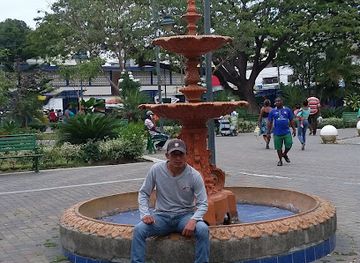
Parque Central
Discover the natural beauty and cultural richness of Parque Central, a must-visit park in Esmeraldas, Ecuador, perfect for relaxation and exploration.
-
Museum
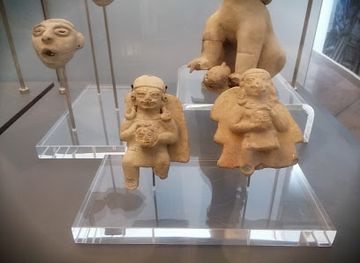
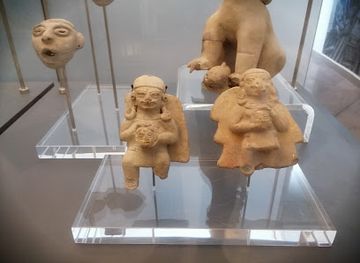
Museo Regional de Arqueologia
Discover the rich cultural heritage of Ecuador at Museo Regional de Arqueologia in Esmeraldas, where history comes to life through fascinating exhibits and artifacts.
Best landmarks in Esmeraldas Region
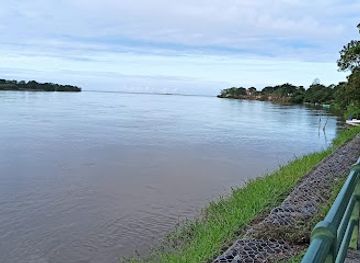
The Esmeraldas River and its estuary are among the region’s defining geographical landmarks, linking the provincial capital with a wider landscape of wetlands, farms and tropical forest. In the north, the mangrove channels and islands of the Cayapas-Mataje Ecological Reserve form a distinctive natural landmark shaped by tides, river sediment and longstanding community use. The La Tola area and the wider northern coast are associated with the archaeological legacy of the La Tolita cultural tradition, whose metalwork and ceramics provide an important link to the ancient Pacific past. Along the central coast, the beaches and headlands around Galera and San Francisco mark a coast protected for its marine and terrestrial habitats, while the Mache-Chindul uplands contrast with the low-lying resort shore through humid forest and rolling terrain. Esmeraldas city’s port and riverfront express the province’s modern maritime and industrial importance, while the beachfronts of Atacames and Tonsupa represent its contemporary resort economy. These landmarks are significant not because they form a single monumental circuit, but because together they show the region’s relationship with ocean, estuary, forest, archaeology and urban development.
-
Community garden
Malecón de Tachina
Explore the tranquil beauty of Malecón de Tachina, a serene community garden in Esmeraldas, where vibrant nature meets local culture.
-
Tourist attraction
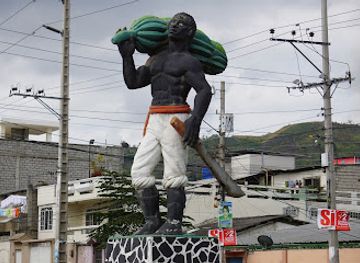
Monumento al Bananero
Discover the Monumento al Bananero in Esmeraldas, a cultural landmark celebrating Ecuador's vibrant banana industry and its impact on local heritage.
-
Museum
Museo Regional de Arqueologia
Discover Ecuador's rich archaeological heritage at the Museo Regional de Arqueologia, a captivating journey through ancient civilizations.
-
Museum
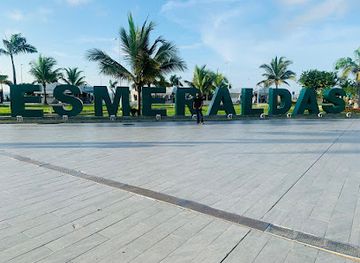
Monumento Esmeraldas
Discover the rich cultural heritage of Esmeraldas at the Monumento Esmeraldas, a museum celebrating the region's unique history and traditions.
Explore Esmeraldas Region on the map
Plan your trip on one map. See where the top cities, national parks and sights are, and book hotels and experiences in a few clicks.
Best hotels in Esmeraldas Region
Best restaurants in Esmeraldas Region
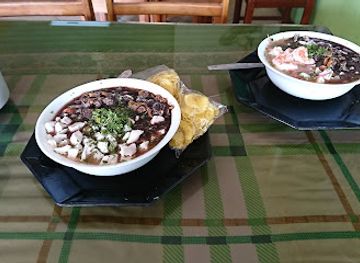
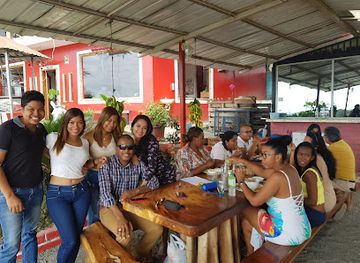
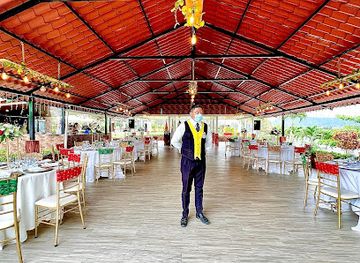
Dining in Esmeraldas is closely tied to the Pacific, tropical agriculture and Afro-Ecuadorian culinary traditions. Fish, prawns, crab and other seafood appear in ceviches, soups and grilled dishes, while encocado combines seafood or fish with coconut and seasoning. Tapao, plantain-based preparations and rice served with fresh coastal ingredients reflect the region’s riverine and maritime food culture. In Esmeraldas city, Atacames and Tonsupa, visitors will find seafood restaurants, casual beachfront kitchens, cafés and hotel dining, while smaller coastal and river communities often offer a narrower choice centred on locally available produce. Coconut, plantain, peanuts, cassava and tropical fruit are recurring ingredients, and fresh juices are widely available. Markets and modest local eateries can be useful places to encounter everyday flavours, but hygiene standards vary, so choose busy establishments with good turnover and food that is cooked thoroughly. Ecuadorian staples are also common, meaning not every dish served in the province is specifically Esmeraldan; the local distinction lies particularly in the use of coastal seafood, coconut, plantain and Afro-Pacific cooking methods.
-
Pizza
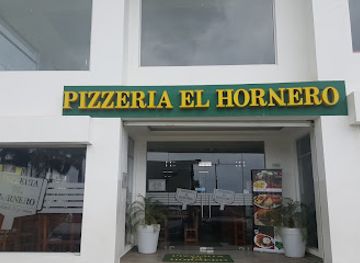
Pizzería El Hornero
Experience authentic wood-fired pizza at Pizzería El Hornero in Esmeraldas – a culinary delight for every pizza lover!
-
Restaurant
Cevichería LIDER
Savor the freshest ceviche and authentic Ecuadorian dishes at Cevichería LIDER in Esmeraldas - a culinary gem on the coast.
-
Restaurant
Restaurant Las Hamacas
Experience the essence of Ecuadorian cuisine at Restaurant Las Hamacas in Esmeraldas – where every meal tells a story.
-
Restaurant
MARINA ECOVIDA
Discover culinary excellence at Marina Ecovida, where fresh seafood meets breathtaking ocean views in Esmeraldas.
Best bars in Esmeraldas Region
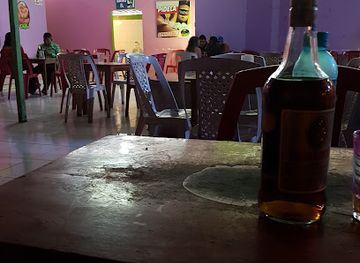
Nightlife is concentrated on the coast, especially in Atacames, where beachfront bars, casual restaurants, music and dancing create the province’s most developed evening scene during weekends and holiday periods. Tonsupa also has bars and hotel-based entertainment, although its atmosphere is more associated with resort accommodation and apartment developments. In Esmeraldas city, evening life includes restaurants, local bars, music venues and cultural performances, with options changing more quickly than in the main beach resorts. Smaller towns such as Súa and Muisne generally offer informal bars, restaurants and occasional music rather than a large club circuit. Rural communities are oriented towards family, community and local cultural events, not late-night tourism. Visitors should check current arrangements locally, use licensed transport where possible and avoid isolated beachfronts after dark. Marimba-related performance and Afro-Ecuadorian cultural events, when scheduled, offer a more meaningful insight into the region’s evening culture than treating nightlife solely as a bar or club activity.
-
Bar
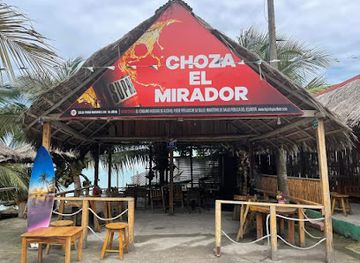
Choza el mirador
Experience the vibrant charm of Choza el Mirador in Esmeraldas, where stunning views and local flavors create an unforgettable bar experience.
-
Espresso bar
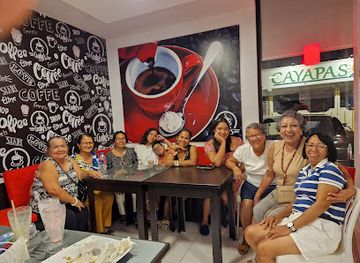
Galys Cafe
Discover the rich flavors of Ecuadorian coffee at Galys Cafe, a cozy espresso bar in Esmeraldas, perfect for coffee lovers and tourists.
-
Bar
Night Club Pasiones
Discover the heart of Vuelta Larga's nightlife at Night Club Pasiones - vibrant music, affordable drinks, and unforgettable experiences await you.
-
Bar
Gio's
Experience the vibrant nightlife at Gio's in Esmeraldas, a lively bar perfect for karaoke lovers and those seeking a fun evening out.
Best nightclubs in Esmeraldas Region
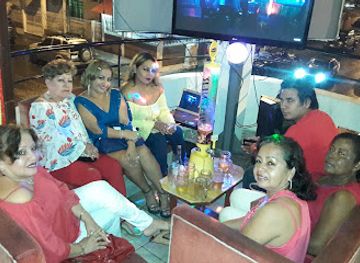
Nightlife is concentrated on the coast, especially in Atacames, where beachfront bars, casual restaurants, music and dancing create the province’s most developed evening scene during weekends and holiday periods. Tonsupa also has bars and hotel-based entertainment, although its atmosphere is more associated with resort accommodation and apartment developments. In Esmeraldas city, evening life includes restaurants, local bars, music venues and cultural performances, with options changing more quickly than in the main beach resorts. Smaller towns such as Súa and Muisne generally offer informal bars, restaurants and occasional music rather than a large club circuit. Rural communities are oriented towards family, community and local cultural events, not late-night tourism. Visitors should check current arrangements locally, use licensed transport where possible and avoid isolated beachfronts after dark. Marimba-related performance and Afro-Ecuadorian cultural events, when scheduled, offer a more meaningful insight into the region’s evening culture than treating nightlife solely as a bar or club activity.
-
Bar
Night Club Pasiones
Discover the vibrant nightlife at Night Club Pasiones in Vuelta Larga, a lively bar offering great music, affordable drinks, and an unforgettable experience.
-
Bar
Chaney Rumba Diferente
Discover the vibrant nightlife at Chaney Rumba Diferente in Esmeraldas, where local culture meets modern bar vibes and unforgettable cocktails await.
-
Disco club
Heros Bar
Experience the vibrant nightlife of Esmeraldas at Heros Bar, where music, dance, and local culture come together in an unforgettable setting.
-
Night club
chaney long Bar
Dive into Esmeraldas' nightlife at Chaney Long Bar, where music and fun come together for an unforgettable experience.



Best shops in Esmeraldas Region
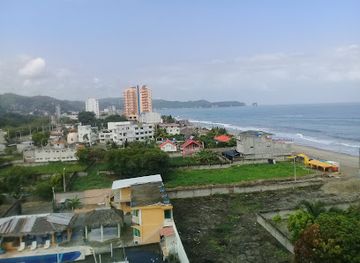
Shopping in Esmeraldas is practical, local and closely connected with food and coastal life rather than centred on luxury retail. Esmeraldas city has the broadest selection of markets, supermarkets, pharmacies, clothing shops and everyday goods, while Atacames and Tonsupa add beachfront stalls and small businesses selling swimwear, souvenirs, snacks and crafts. Market areas are useful for tropical fruit, plantains, seafood and other ingredients, though visitors should handle food purchases with appropriate care and ask about prices before buying informal services or crafts. Regional products may include cacao, coconut-based foods, coffee from wider coastal supply networks, woven items, jewellery and small pieces inspired by Afro-Ecuadorian and Pacific culture. Some souvenirs sold along the coast are generic imports, so locally made items are preferable when provenance is clear. In smaller towns and river communities, shopping opportunities are limited and often tied to weekly commerce or individual stalls rather than permanent tourist markets. Carry cash for markets and independent sellers, and remember that archaeological objects, shells, plants and wildlife products should not be purchased or removed.
-
Shopping mall
Mall del Sol
Experience the best of shopping, dining, and entertainment at Mall del Sol, Guayaquil's premier shopping destination.
-
Shopping mall
El Jardín Mall
Discover the ultimate shopping experience at El Jardín Mall in Quito, where local culture meets international brands in a vibrant atmosphere.
-
Shopping mall
Monay Shopping
Discover a vibrant shopping experience at Monay Shopping in Cuenca, Ecuador, where local culture meets modern retail and entertainment.
-
Shopping mall
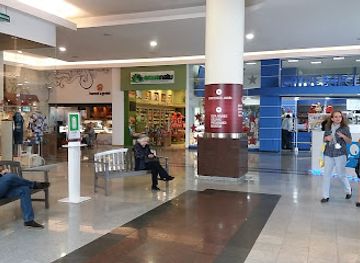
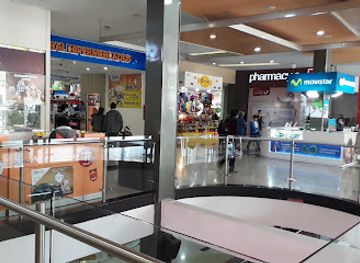
Las Palmas de Esmeraldas
Experience the vibrant shopping and dining scene at Las Palmas de Esmeraldas, where local culture meets modern retail in Ecuador.
Get your free copy of our complete guide to Esmeraldas Region, delivered straight to you.
Everything on this page, from attractions and restaurants to essentials and local phrases, in one PDF you can read offline, print or share.
Already have an account? Sign in
Your Esmeraldas Region guide is ready.
We'll send it to · Not you? Sign out

Getting your guide ready…
We are putting together a fresh copy of the Esmeraldas Region guide. This can take up to a minute.
This can take a few moments. If your browser asks, choose Allow so the download can start. You'll find the guide in your Downloads folder.
Nothing happened? Download it again
Sorry, the guide is taking longer than usual. Please try again in a minute, or get it by email instead.
Esmeraldas Region essentials
Currency and Payment
Safety
Emergency Situations
Do's and Don'ts
Local Tips
From Eve
Local phrases worth knowing
You don't need to get them perfect. A few words go a long way, and locals appreciate the effort.
Basics
| English | Local | Say it |
|---|---|---|
| Hello | Hola | [Ola] |
| Goodbye | Adiós | [Adios] |
| Yes | Sí | [Si] |
| No | No | [No] |
| Please/You're welcome | Por favor/De nada | [Por favor/De nada] |
| Thank you | Gracias | [Grasias] |
| Excuse me/Sorry | Perdón | [Perdon] |
| How are you? | ¿Cómo estás? | [Como estas] |
| Fine. And you? | Bien. ¿Y tú? | [Bien. Y tu] |
| Do you speak English? | ¿Hablas inglés? | [Hablas ingles] |
| I don't understand | No entiendo | [No entiendo] |
Eating & Drinking
| English | Local | Say it |
|---|---|---|
| I'd like to see the menu, please | Quisiera ver el menú, por favor | [Kisiera ver el menu, por favor] |
| I don't eat meat | No como carne | [No komo karne] |
| Cheers! | ¡Salud! | [Salud] |
| I would like to pay, please | Quisiera pagar, por favor | [Kisiera pagar, por favor] |
Emergencies
| English | Local | Say it |
|---|---|---|
| Help! | ¡Ayuda! | [Ayuda] |
| Go away! | ¡Vete! | [Vete] |
| Call the Police! | ¡Llama a la policía! | [Llama a la policia] |
| Call a doctor! | ¡Llama a un doctor! | [Llama a un doktor] |
| I'm lost | Estoy perdido | [Estoy perdido] |
| I'm ill | Estoy enfermo | [Estoy enfermo] |
Shopping
| English | Local | Say it |
|---|---|---|
| I'd like to buy... | Quisiera comprar... | [Kisiera comprar] |
| I'm just looking | Solo estoy mirando | [Solo estoy mirando] |
| How much is it? | ¿Cuánto cuesta? | [Cuanto cuesta] |
| That's too expensive | Eso es muy caro | [Eso es mui karo] |
| Can you lower the price? | ¿Puedes bajar el precio? | [Puedes bajar el precio] |
Time & Numbers
| English | Local | Say it |
|---|---|---|
| What time is it? | ¿Qué hora es? | [Ke ora es] |
| It's one o'clock | Es la una | [Es la una] |
| Half past (10) | Y media (10) | [Y media 10] |
| Morning | Mañana | [Mañana] |
| Afternoon | Tarde | [Tarde] |
| Evening | Noche | [Noche] |
| Yesterday | Ayer | [Ayer] |
| Today | Hoy | [Hoy] |
| Tomorrow | Mañana | [Mañana] |
| 1 | Uno | [Uno] |
| 2 | Dos | [Dos] |
| 3 | Tres | [Tres] |
| 4 | Cuatro | [Kuwatro] |
| 5 | Cinco | [Sinko] |
| 6 | Seis | [Seis] |
| 7 | Siete | [Siete] |
| 8 | Ocho | [Ocho] |
| 9 | Nueve | [Nueve] |
| 10 | Diez | [Diez] |
Transport & Directions
| English | Local | Say it |
|---|---|---|
| Where's a/the...? | ¿Dónde hay un/una...? | [Donde ay un/una] |
| What's the address? | ¿Cuál es la dirección? | [Kual es la dirreccion] |
| Can you show me (on the map)? | ¿Puedes mostrarme (en el mapa)? | [Puedes mostrarme en el mapa] |
| When's the next (bus)? | ¿Cuándo es el próximo (bus)? | [Cuando es el proximo bus] |
| A ticket (to ....) | Un boleto (a ....) | [Un boleto a] |
History of Esmeraldas Region
La Tolita and the Ancient Pacific Coast
The northern coast of present-day Esmeraldas was home to the La Tolita cultural tradition, which flourished roughly between 600 BCE and 400 CE around the area of the Santiago River and nearby estuaries. Its communities were accomplished metalworkers and produced finely modelled ceramics, ornaments and figurines, including some of the earliest sophisticated platinum-working known in the Americas. Archaeological sites around La Tola and the wider northern coast reveal societies connected by river and maritime exchange. Their legacy is central to understanding Esmeraldas as a long-established cultural region rather than a landscape shaped only by later colonial history.
Spanish Arrival and Colonial Coastal Networks
Spanish expeditions reached the Esmeraldas coast during the sixteenth century, encountering Indigenous communities and difficult tropical terrain. Colonial control remained uneven because dense forests, rivers and estuaries made inland movement challenging. The coast nevertheless became connected to wider systems of trade, administration and Christian mission activity. Timber, agricultural products and river routes were important, while the port and settlements around the Esmeraldas River developed gradually. Colonial influence was strongest in particular settlements and commercial corridors, rather than uniformly across the province.
Afro-Esmeraldan Communities and Autonomy
African-descended communities became a defining presence in Esmeraldas from the colonial period onwards. People who escaped enslavement, together with later arrivals and established Indigenous communities, formed settlements along rivers and in forested coastal areas. The region’s geography helped preserve a degree of autonomy from colonial authorities, and Afro-Esmeraldan societies developed distinctive forms of music, oral poetry, food and communal life. Marimba traditions, décimas and river-based settlement patterns remain among the most important cultural legacies of this history.
Independence and the Formation of Ecuador
The Esmeraldas coast became part of the political territory of Ecuador during the independence era and the formation of the republic in the early nineteenth century. Its distance from the Andean political centres meant that administration and transport remained difficult, while river routes continued to link communities. The province’s participation in national life grew through the expansion of trade, the consolidation of Esmeraldas city and the development of coastal agriculture. Afro-Ecuadorian communities continued to shape the region even as state institutions and commercial interests extended their reach.
Cacao, Timber and Agricultural Expansion
During the nineteenth and twentieth centuries, commercial activity in Esmeraldas increasingly centred on cacao, timber and other tropical products. River transport connected farms and forest areas with the coast, while roads later opened more of the interior to settlement and industry. The expansion of plantations and logging brought employment and infrastructure but also transformed forests and affected longstanding community territories. Cacao remains part of the province’s agricultural identity, alongside African oil palm, banana and other crops, although production and land use vary substantially between districts.
Port Development and the Modern Province
Esmeraldas city became an important industrial and maritime centre in modern Ecuador, supported by port activity, petroleum infrastructure and connections with the national road network. These developments brought economic opportunities and linked the province more closely to Quito and other coastal cities, while also creating environmental and social pressures. The contrast between industrial Esmeraldas, resort towns such as Atacames and rural river communities is one of the defining features of the contemporary province.
Recognition of Afro-Ecuadorian Cultural Heritage
In the late twentieth and early twenty-first centuries, Afro-Ecuadorian organisations, musicians, scholars and community leaders played a major role in securing greater recognition for the history and cultural contributions of Black communities. Marimba music and associated song and dance traditions received national and international recognition as part of the cultural heritage shared by communities in Ecuador’s northern Pacific region and southern Colombia. Cultural events, local performance and oral traditions continue to provide an important means of expressing Esmeraldas’s historical identity.
Esmeraldas Region in Photos
Browse through our photo collection highlighting the charm and character of the destination.
Neighbouring regions of Esmeraldas Region
The closest regions to Esmeraldas Region, if you have time for more than one.
-

-

-

-

-


Swipe for more regions
Explore more

Explore more of Ecuador
Explore Ecuador: From the Amazon rainforest and Andean highlands to the Pacific coast and Galápagos Islands, discover diverse landscapes and vibrant cultures.
Explore Ecuador