

Free Santo Domingo de los Tsáchilas Region Travel Guide & Mobile App
Explore Santo Domingo de los Tsáchilas Region with free travel guides. Discover regional history, expert tips, proposed trips, and audio guides on web or mobile app.


Explore Santo Domingo de los Tsáchilas for Tsáchila culture, tropical rivers, foothill forests, markets and Ecuadorian road-trip connections.
Read more about Santo Domingo de los Tsáchilas Region
When is the best time to visit Santo Domingo de los Tsáchilas Region?
Best: June–August · 28–29°C| Month | High (°C) | Rainfall (mm) |
|---|---|---|
| January | 28 | 140 |
| February | 28 | 140 |
| March | 29 | 150 |
| April | 29 | 150 |
| May | 29 | 130 |
| June (best) | 28 | 120 |
| July (best) | 28 | 110 |
| August (best) | 29 | 110 |
| September | 29 | 120 |
| October | 29 | 130 |
| November | 28 | 140 |
| December | 28 | 140 |
Getting to and around Santo Domingo de los Tsáchilas Region
How to get there
Transportation
Best attractions in Santo Domingo de los Tsáchilas Region
The province's attractions are spread across a warm, rainy landscape of city, farms, rivers and forested foothills. In Santo Domingo, Bombolí hill provides one of the clearest views over the expanding urban area, while central parks, markets and civic spaces offer an introduction to everyday life rather than a concentration of monumental heritage. The principal cultural experiences are found through Tsáchila community initiatives, particularly in communities such as Chigüilpe, Cóngoma, El Poste, Otongo Mapalí and Peripa, where pre-arranged visits may explore history, language, traditional knowledge, food and relationships with the forest. Rural roads lead towards river valleys, swimming areas and small nature-based lodges, with the landscape changing noticeably around Alluriquín and the western Andean foothills. Outdoor activities are usually low-key and locally organised: forest walks, birdwatching, river visits and agricultural or cacao-related experiences rather than large-scale resort attractions. Heavy rainfall makes conditions seasonal, so access should be confirmed before departure. The attraction landscape is strongest when approached as a combination of living culture and humid tropical environment, not as a conventional circuit of museums and grand historic buildings.
-
Park
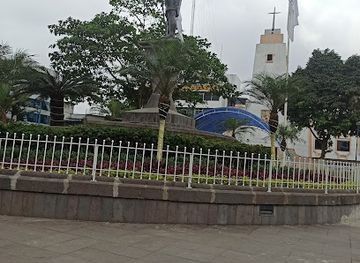
Parque Zaracay
Explore the natural beauty of Parque Zaracay in Santo Domingo, Ecuador, an urban oasis ideal for relaxation, recreation, and family-friendly fun.
-
Aquatic centre
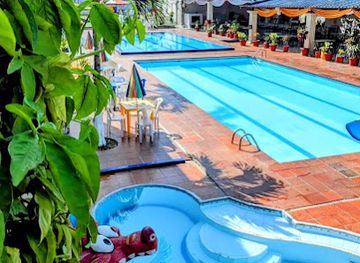
PARQUE ACUÁTICO ZEUS SPA
Experience the ultimate water adventure at Parque Acuático Zeus Spa, where fun meets relaxation in the heart of Santo Domingo.
-
Resort hotel
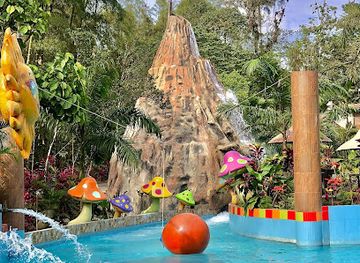
Hostería D'Carlos Aqua Park
Dive into adventure at Hostería D'Carlos Aqua Park, a premier resort hotel featuring thrilling water attractions and family-friendly fun in Santo Domingo, Ecuador.
-
Aquatic centre
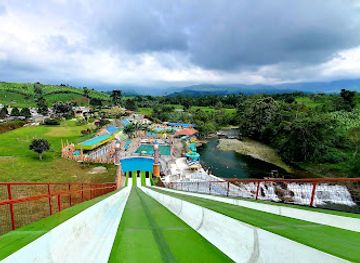
Parque Acuático el Pulpo en Santo Domingo
Experience a day of excitement at Parque Acuático el Pulpo, the top water park in Santo Domingo, where fun and relaxation await for all ages.
Best landmarks in Santo Domingo de los Tsáchilas Region
Bombolí hill is Santo Domingo's most recognisable natural and urban landmark, rising above the city and offering a sense of how rapidly the settlement has expanded across the surrounding lowlands. The central urban core, including its parks, churches and civic spaces, is less a preserved historic quarter than a record of twentieth-century growth and the province's role as a transport and trading centre. The Toachi and Blanco river systems are important geographical landmarks, shaping valleys, farmland and recreation areas even where access is informal or seasonal. Around the province, Tsáchila communities are cultural landmarks in their own right: their territory, meeting places and community facilities express a continuing presence rather than a relic of the past. Alluriquín's foothill setting provides a marked visual transition between Santo Domingo's warm plains and the rising Andean routes towards Quito. These landmarks are best understood together—the hill, roads, rivers, settlement and living Tsáchila territory explain why the province is both a gateway and a destination with its own identity.
-
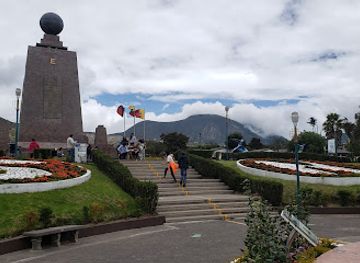
Monument
Middle of the World City
Visit the iconic Mitad del Mundo monument near Quito and stand with one foot in each hemisphere! Explore museums, culture, and more.
-
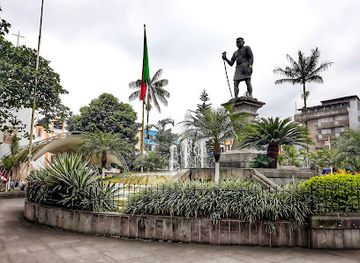
Park
Parque Zaracay
Experience the beauty and tranquility of Parque Zaracay, Santo Domingo's central park, a hub of culture, recreation, and natural beauty.
-
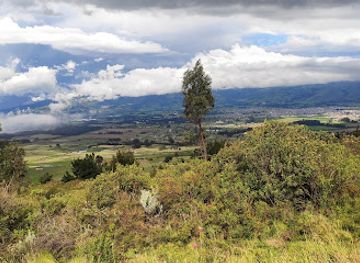
Historical landmark
Reserva Ecológica Los Illinizas
Explore Ecuador's Andean Highlands: Volcanic peaks, diverse ecosystems, and breathtaking beauty in Reserva Ecológica Los Illinizas.
-
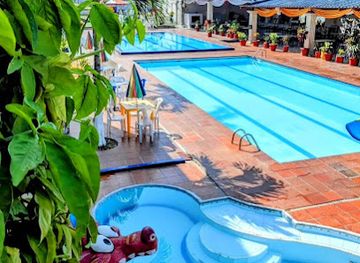
Aquatic centre
PARQUE ACUÁTICO ZEUS SPA
Experience year-round fun at Zeus Spa Aquatic Park in Santo Domingo: hot pools, slides, and entertainment for all ages, rain or shine!
Explore Santo Domingo de los Tsáchilas Region on the map
Plan your trip on one map. See where the top cities, national parks and sights are, and book hotels and experiences in a few clicks.
Best hotels in Santo Domingo de los Tsáchilas Region
Best restaurants in Santo Domingo de los Tsáchilas Region
Dining in Santo Domingo reflects the province's location between the Andes and Ecuador's Pacific lowlands. City restaurants and market stalls serve rice with meat or fish, plantain, yuca, soups, grilled dishes and fresh tropical fruit, while roadside establishments cater to travellers crossing the region. Produce from the surrounding agricultural districts is central to the local food economy, including plantains, cacao, bananas and other warm-climate crops. Tsáchila community visits may introduce visitors to locally prepared foods and ingredients associated with forest knowledge, but menus and arrangements vary and should be agreed in advance. Markets are useful for fruit, juices and uncomplicated regional meals, while cafés and contemporary restaurants in Santo Domingo provide broader Ecuadorian and international choices. In rural areas, dining is more likely to be offered by family-run eateries, lodges or community hosts than by formal restaurants, and payment may be cash-only. Visitors should drink treated or commercially sealed water when the source is uncertain and mention dietary restrictions clearly, as English may not be widely spoken outside the main city.
-
Chicken
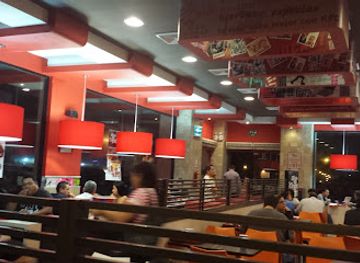
KFC - Santo Domingo
Savor delicious fried chicken and local flavors at KFC Santo Domingo – your go-to fast food destination in Ecuador.
-
Restaurant
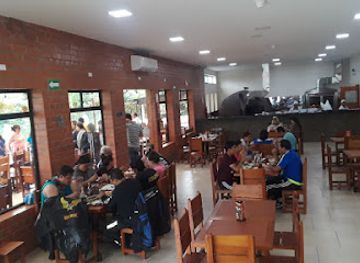
El Hornero Santo Domingo
Experience authentic Ecuadorian flavors at El Hornero Santo Domingo, known for its delectable pizzas and inviting atmosphere.
-
Restaurant
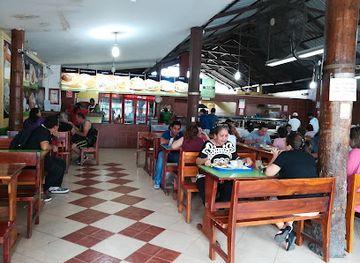
Agachaditos
Discover authentic Ecuadorian flavors at Agachaditos, a beloved restaurant in Santo Domingo known for its welcoming atmosphere and diverse menu.
-
Restaurant
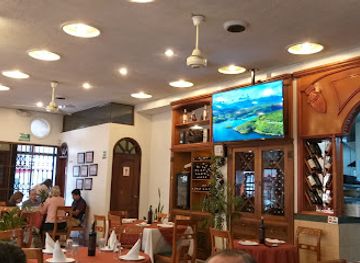
Parrilladas Che Luis
Experience authentic Argentine parrilladas in Santo Domingo's vibrant dining scene at Parrilladas Che Luis.
Best bars in Santo Domingo de los Tsáchilas Region
Evening life is concentrated in Santo Domingo rather than dispersed across the countryside. The city has ordinary neighbourhood bars, restaurants, music venues and late-opening establishments, with the busiest activity generally found around commercial streets and central urban areas. Traditional Ecuadorian-style cafés and eateries provide a quieter option, while younger crowds may favour contemporary bars and dance venues; the exact mix and operating status of businesses can change. Outside the city, evenings are centred on family gatherings, rural restaurants, lodges and community events rather than a formal nightlife circuit. Alluriquín and smaller settlements have a more limited selection, and visitors should not expect frequent late transport after travelling into the countryside. Local beer, spirits and non-alcoholic fruit drinks are widely available, but alcohol is not necessary for engaging with the region's social life. Use a trusted taxi or pre-arranged transport after dark and avoid walking unfamiliar peripheral streets alone.
-
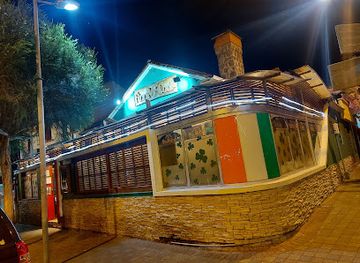
Irish pub
Finn McCool's Irish Pub
Experience a lively blend of Irish culture and local hospitality at Finn McCool's Irish Pub in Quito, where great food and drinks await.
-
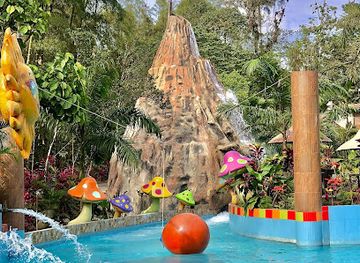
Resort hotel
Hostería D'Carlos Aqua Park
Unleash excitement at Hostería D'Carlos Aqua Park, a premier resort hotel and aquatic center in Ecuador, perfect for family fun and relaxation.
-
 Hotel
HotelGOLDEN VISTA HOTEL
Discover luxury and comfort at Golden Vista Hotel in Santo Domingo, Ecuador, your perfect getaway amidst vibrant cultural experiences.
-
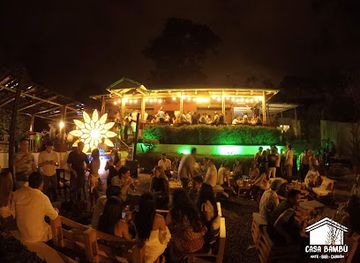
Restaurant
Casa Bambú Restaurante & Bar
Discover the flavors of Ecuador at Casa Bambú Restaurante & Bar, where culinary excellence meets a vibrant atmosphere in Santo Domingo.
Best nightclubs in Santo Domingo de los Tsáchilas Region
Evening life is concentrated in Santo Domingo rather than dispersed across the countryside. The city has ordinary neighbourhood bars, restaurants, music venues and late-opening establishments, with the busiest activity generally found around commercial streets and central urban areas. Traditional Ecuadorian-style cafés and eateries provide a quieter option, while younger crowds may favour contemporary bars and dance venues; the exact mix and operating status of businesses can change. Outside the city, evenings are centred on family gatherings, rural restaurants, lodges and community events rather than a formal nightlife circuit. Alluriquín and smaller settlements have a more limited selection, and visitors should not expect frequent late transport after travelling into the countryside. Local beer, spirits and non-alcoholic fruit drinks are widely available, but alcohol is not necessary for engaging with the region's social life. Use a trusted taxi or pre-arranged transport after dark and avoid walking unfamiliar peripheral streets alone.
-
Karaoke bar
KARAOKE KAMASUTRA VIP
Experience the vibrant nightlife of Santo Domingo at Karaoke Kamasutra VIP, where singing and dancing unite for an unforgettable evening.
-
Disco club
KLIPSTORY
KLIPSTORY: Dive into Santo Domingo's vibrant nightlife at this lively disco club, perfect for dancing and enjoying unforgettable moments.
-
Bar
Discoteca HASTHAG CLUB
Discover the vibrant nightlife of Santo Domingo at Discoteca HASTHAG CLUB, a lively bar offering electrifying music and an unforgettable atmosphere.
-
Night club
KAPITAL, Night Club
Experience the electrifying nightlife at KAPITAL Night Club in Santo Domingo, where vibrant music and an energetic atmosphere await.



Best shops in Santo Domingo de los Tsáchilas Region
Shopping in Santo Domingo is practical, local and closely tied to its role as an agricultural and transport centre. Central markets are the best places to see tropical fruit, plantains, yuca, cacao and other produce moving through the province, as well as to buy inexpensive snacks and everyday goods. The city's commercial streets and shopping areas offer clothing, household products, pharmacies, electronics and services for a large regional population, while smaller towns and roadside businesses provide a more limited selection. Visitors looking for meaningful purchases should consider locally made food products, cacao, coffee from the wider western region and crafts obtained through reputable Tsáchila community initiatives. Ask whether an item was made by the community and whether the sale directly supports its producers, rather than assuming that an indigenous design sold in a general shop has local provenance. Market hours, stock and payment methods vary, and small notes are useful. Santo Domingo is not primarily a luxury-shopping destination; its retail character is that of a busy Ecuadorian regional city serving both residents and rural producers.
-
Shopping mall
Scala Shopping Mall
Discover the ultimate shopping experience at Scala Shopping Mall, featuring a diverse selection of shops, dining, and entertainment in the heart of Quito.
-
Shopping mall
"Andes" Shopping Mall
Discover the ultimate shopping experience at Andes Shopping Mall in Ambato, Ecuador, where fashion meets flavor and fun.
-
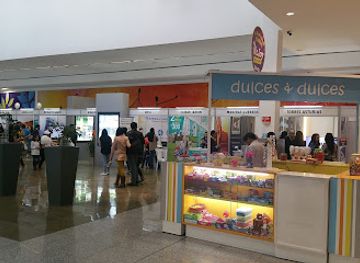
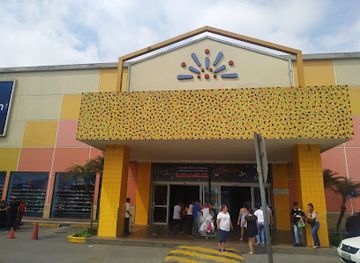
Shopping mall
El Paseo Shopping Santo Domingo
Explore El Paseo Shopping in Santo Domingo for an unforgettable retail experience, featuring clothing stores, dining, and family-friendly fun.
-
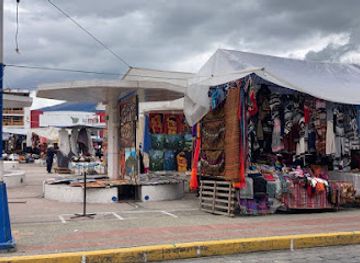
Market
Plaza de Ponchos
Discover the heart of Otavalo at Plaza de Ponchos, a vibrant market filled with colorful handicrafts, textiles, and authentic Ecuadorian culture.

Get your free copy of our complete guide to Santo Domingo de los Tsáchilas Region, delivered straight to you.
Everything on this page, from attractions and restaurants to essentials and local phrases, in one PDF you can read offline, print or share.
Already have an account? Sign in
Your Santo Domingo de los Tsáchilas Region guide is ready.
We'll send it to · Not you? Sign out

Getting your guide ready…
We are putting together a fresh copy of the Santo Domingo de los Tsáchilas Region guide. This can take up to a minute.
This can take a few moments. If your browser asks, choose Allow so the download can start. You'll find the guide in your Downloads folder.
Nothing happened? Download it again
Sorry, the guide is taking longer than usual. Please try again in a minute, or get it by email instead.
Santo Domingo de los Tsáchilas Region essentials
Currency and Payment
Safety
Emergency Situations
Do's and Don'ts
Local Tips
From Eve
Local phrases worth knowing
You don't need to get them perfect. A few words go a long way, and locals appreciate the effort.
Basics
| English | Local | Say it |
|---|---|---|
| Hello | Hola | [Ola] |
| Goodbye | Adiós | [Adeeos] |
| Yes | Sí | [See] |
| No | No | [No] |
| Please/You're welcome | Por favor/De nada | [Por favor/De nada] |
| Thank you | Gracias | [Grasyas] |
| Excuse me/Sorry | Disculpe/Lo siento | [Deesculpe/Lo syento] |
| How are you? | ¿Cómo estás? | [Komo estas?] |
| Fine. And you? | Bien. ¿Y tú? | [Bee-en. Ee too?] |
| Do you speak English? | ¿Hablas inglés? | [Ablas ingles?] |
| I don't understand | No entiendo | [No entiendo] |
Eating & Drinking
| English | Local | Say it |
|---|---|---|
| I'd like to see the menu, please | Me gustaría ver el menú, por favor | [Me gustaria ver el menu, por favor] |
| I don't eat meat | No como carne | [No komo karne] |
| Cheers! | ¡Salud! | [Salud] |
| I would like to pay, please | Me gustaría pagar, por favor | [Me gustaria pagar, por favor] |
Emergencies
| English | Local | Say it |
|---|---|---|
| Help! | ¡Ayuda! | [Ayuda] |
| Go away! | ¡Vete! | [Vete] |
| Call the Police! | ¡Llama a la policía! | [Llama a la policia] |
| Call a doctor! | ¡Llama a un doctor! | [Llama a un doktor] |
| I'm lost | Estoy perdido | [Estoy perdido] |
| I'm ill | Estoy enfermo | [Estoy enfermo] |
Shopping
| English | Local | Say it |
|---|---|---|
| I'd like to buy... | Me gustaría comprar... | [Me gustaria comprar...] |
| I'm just looking | Solo estoy mirando | [Solo estoy mirando] |
| How much is it? | ¿Cuánto cuesta? | [Kwan-to kues-ta?] |
| That's too expensive | Eso es muy caro | [Eso es muy karo] |
| Can you lower the price? | ¿Puedes bajar el precio? | [Pwe-des bajar el precio?] |
Time & Numbers
| English | Local | Say it |
|---|---|---|
| What time is it? | ¿Qué hora es? | [Ke ora es?] |
| It's one o'clock | Es la una | [Es la una] |
| Half past (10) | Y media (10) | [Y media (10)] |
| Morning | Mañana | [Mañana] |
| Afternoon | Tarde | [Tarde] |
| Evening | Noche | [Noche] |
| Yesterday | Ayer | [Ayer] |
| Today | Hoy | [Hoy] |
| Tomorrow | Mañana | [Mañana] |
| 1 | Uno | [Uno] |
| 2 | Dos | [Dos] |
| 3 | Tres | [Tres] |
| 4 | Cuatro | [Kwat-ro] |
| 5 | Cinco | [Sin-ko] |
| 6 | Seis | [Seis] |
| 7 | Siete | [Syete] |
| 8 | Ocho | [Ocho] |
| 9 | Nueve | [Nwe-ve] |
| 10 | Diez | [Dyes] |
Transport & Directions
| English | Local | Say it |
|---|---|---|
| Where's a/the...? | ¿Dónde está un/la...? | [Don-de es-ta un/la...?] |
| What's the address? | ¿Cuál es la dirección? | [Kwal es la direk-syon?] |
| Can you show me (on the map)? | ¿Puedes mostrarme (en el mapa)? | [Pwe-des mos-trar-me (en el mapa)?] |
| When's the next (bus)? | ¿Cuándo es el próximo (bus)? | [Kwan-do es el prok-si-mo (bus)?] |
| A ticket (to ....) | Un boleto (a ....) | [Un bo-le-to (a ....)] |
History of Santo Domingo de los Tsáchilas Region
Tsáchila ancestral territory before Spanish rule
The Tsáchila have long inhabited the humid western foothills and lowlands around present-day Santo Domingo. Their territory formed part of the wider cultural world between the Andes and the Pacific coast, connected by exchange routes across difficult forested terrain. Tsáchila society developed detailed knowledge of plants, rivers, soils and seasonal conditions, while maintaining its own language and ceremonial traditions. Spanish colonisation, disease, land pressure and later state expansion altered these patterns, but Tsáchila communities continued to preserve a distinct identity. Their living culture remains one of the most important historical and contemporary features of the province.
Colonial routes between the Andes and the lowlands
During the colonial period, the western foothills were difficult country for permanent settlement and long-distance travel. Routes linking Quito with coastal and lowland territories crossed forest, rivers and steep slopes, making movement dependent on weather and local knowledge. The area that later became Santo Domingo was not a major colonial city, but its geographical position gave it lasting importance as a passage between the highlands and the Pacific side of Ecuador. The contrast between Andean administrative centres and the warmer, sparsely settled lowlands shaped the region's later development.
The creation of Santo Domingo settlement and canton
Santo Domingo grew as Ecuadorian authorities promoted settlement and improved the link between Quito and the western lowlands. The settlement was formally established as a parish in the nineteenth century and became a canton in 1861, although substantial growth came later. The name Santo Domingo de los Colorados, formerly widely used, referred to the Tsáchila and their traditional use of red body and hair colouring. As roads improved, the town changed from a small frontier settlement into a strategic service centre for surrounding farms and transport routes.
Road building and twentieth-century colonisation
The twentieth century brought a major transformation. Better road connections from Quito and the coast encouraged migration, land clearance, commercial agriculture and the expansion of Santo Domingo's markets. New settlers arrived from many parts of Ecuador, and the town became an important redistribution point for produce moving between the coast and highlands. This process created economic opportunity but also placed pressure on forests and Tsáchila territory. The province's present character—mixed urban growth, intensive agriculture, transport activity and remaining pockets of humid vegetation—owes much to this period.
Agriculture, trade and the modern regional economy
Santo Domingo developed as a centre for cattle, plantains, tropical fruit, cacao and other agricultural products suited to its warm, wet climate. Its markets and road links serve a broad hinterland extending towards the coast and the Andes. Commercial farming brought employment and infrastructure but also encouraged changes in land use and increased environmental pressure on rivers and forest. Today the city combines wholesale trade, transport, education and services with an agricultural economy, while rural communities continue to negotiate the balance between production, conservation and cultural continuity.
Santo Domingo de los Tsáchilas as a province, 2007
Santo Domingo de los Tsáchilas became Ecuador's twenty-fourth province in 2007 after being separated from Pichincha. The new province comprised the canton of Santo Domingo and the canton of La Concordia, although the latter's administrative relationship has been politically contested over time. Provincial status recognised the area's population, economic weight and distinct geographical position between the Andes and the coast. The official name also placed Tsáchila identity more visibly at the centre of regional public life, even as the population remains culturally diverse.
Contemporary Tsáchila cultural renewal
In recent decades, Tsáchila organisations and community initiatives have worked to strengthen language, ceremonial knowledge, traditional medicine, environmental stewardship and cultural education. Community-based tourism offers visitors an opportunity to learn about these subjects, but it also requires careful control over what is shared and how it is represented. The province's cultural future is therefore not simply a matter of preserving an old tradition; it involves land rights, education, economic choices and the ability of Tsáchila communities to present their own history on their own terms.
Santo Domingo de los Tsáchilas Region in Photos
Browse through our photo collection highlighting the charm and character of the destination.
Neighbouring regions of Santo Domingo de los Tsáchilas Region
The closest regions to Santo Domingo de los Tsáchilas Region, if you have time for more than one.
-
-
-

-
-


Swipe for more regions

