

Free Los Ríos Region Travel Guide & Mobile App
Explore Los Ríos Region with free travel guides. Discover regional history, expert tips, proposed trips, and audio guides on web or mobile app.


Discover Los Ríos Region in Ecuador, a serene escape with lush landscapes, vibrant towns, and diverse wildlife, ideal for nature lovers and cultural enthusiasts alike.
Read more about Los Ríos Region
When is the best time to visit Los Ríos Region?
Best: May–July · 27°C| Month | High (°C) | Rainfall (mm) |
|---|---|---|
| January | 28 | 200 |
| February | 28 | 200 |
| March | 28 | 200 |
| April | 28 | 200 |
| May (best) | 27 | 150 |
| June (best) | 27 | 150 |
| July (best) | 27 | 150 |
| August | 27 | 150 |
| September | 27 | 150 |
| October | 28 | 150 |
| November | 28 | 150 |
| December | 29 | 150 |
Getting to and around Los Ríos Region
How to get there
Transportation
Top city travel guides in Los Ríos Region
The cities of Los Ríos Region, and the easiest places to base yourself.
Swipe for more cities
Best attractions in Los Ríos Region
The Los Ríos Region in Ecuador is a hidden gem brimming with natural beauty and cultural richness. Visitors can explore the bustling city of Babahoyo, known for its vibrant markets and historical landmarks, such as the Catedral de Babahoyo. Nature enthusiasts will be captivated by the lush landscapes of the Mache-Chindul Ecological Reserve, where you can hike through dense forests and marvel at diverse wildlife. The serene Quinsaloma River offers opportunities for kayaking and fishing, while the town of Vinces, often referred to as 'Little Paris,' enchants with its charming architecture and rich history. Don't miss the chance to visit the cacao plantations and taste some of the world's finest chocolate, or immerse yourself in local traditions at one of the many colorful festivals held throughout the year.
-
Park
Parque Seminario
Experience the charm of Parque Seminario, a cultural and natural oasis in Guayaquil known for its playful iguanas and tranquil atmosphere.
-
Tourist attraction
Malecon Escenico Murcielago
Explore the picturesque Malecon Escenico Murcielago in Manta, Ecuador, where stunning ocean views meet vibrant culture and delicious cuisine.
-
Tourist attraction
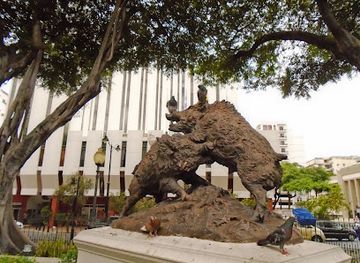
Guayaquil Historical Park
Discover the rich cultural heritage and natural beauty of Ecuador at Guayaquil Historical Park, a must-visit destination for every tourist.
-
Park
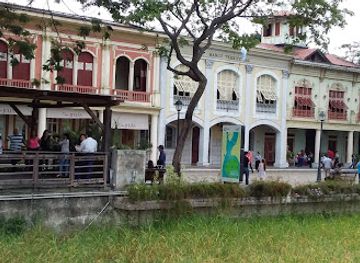
Malecón del Salado
Experience the vibrant beauty of Malecón del Salado in Guayaquil, a scenic park perfect for relaxation, culture, and unforgettable memories.
Best landmarks in Los Ríos Region
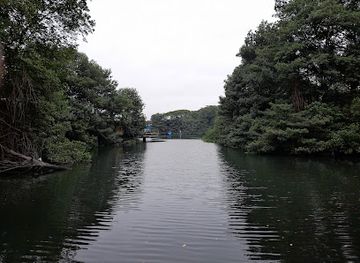
Los Ríos Region in Ecuador is a hidden gem that offers visitors a captivating journey through lush landscapes, vibrant cities, and rich cultural heritage. Explore Babahoyo, the region's capital, known for its charming riverside views and bustling markets. Discover the serene beauty of the Quevedo region with its sprawling banana plantations and cacao farms, where you can indulge in the flavors of locally produced chocolate. Visit the enchanting town of Vinces, often referred to as 'Little Paris,' with its historic architecture and scenic riverfront. Nature enthusiasts will revel in the pristine wetlands of the Abras de Mantequilla, a haven for birdwatching and eco-tourism. For a taste of adventure, head to the Andean foothills and trek through the breathtaking cloud forests of the Mache-Chindul Ecological Reserve. Each landmark in Los Ríos Region promises a unique and unforgettable experience, blending natural beauty with cultural richness.
-
Tourist attraction
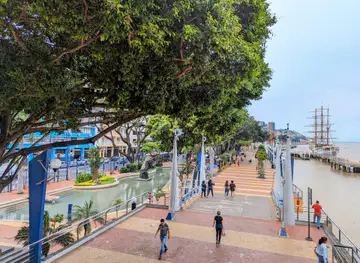
Malecon 2000
Discover the beauty and culture of Guayaquil at Malecon 2000, a stunning riverside promenade filled with attractions, dining, and entertainment.
-
Monument
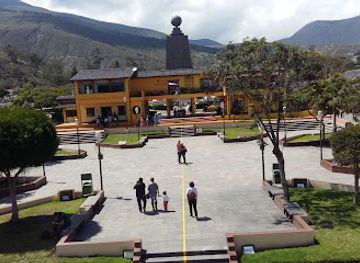
Middle of the World City
Stand at the equator in Ecuador's Middle of the World City, a vibrant monument and cultural hub showcasing the country's rich heritage and biodiversity.
-
Tourist attraction
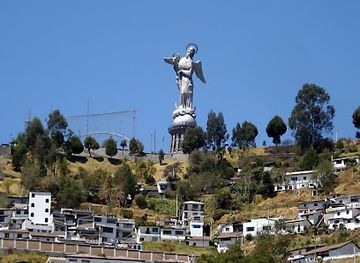
Virgin of the Panecillo
Discover the breathtaking Virgin of the Panecillo in Quito, an iconic monument offering stunning views and a rich cultural experience in the heart of Ecuador.
-
Tourist attraction
La Casa del Arbol
Uncover the breathtaking beauty and thrilling adventures at La Casa del Arbol in Baños, Ecuador – an unforgettable destination for every traveler.

Explore Los Ríos Region on the map
Plan your trip on one map. See where the top cities, national parks and sights are, and book hotels and experiences in a few clicks.
Best hotels in Los Ríos Region
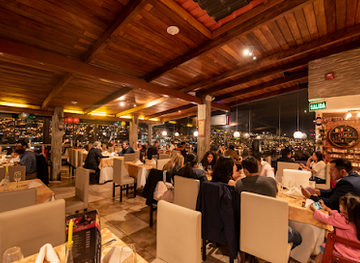
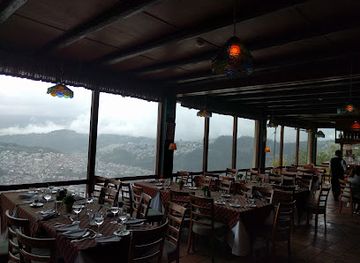
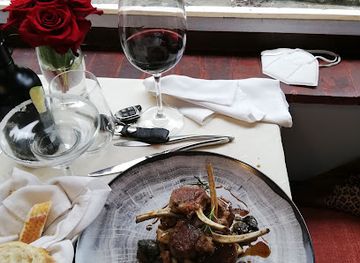
Best restaurants in Los Ríos Region
The dining scene in Los Ríos Region is a vibrant tapestry of flavors and traditions that will tantalize any food enthusiast. From the bustling markets of Babahoyo to the charming riverside eateries in Quevedo, visitors can savor an array of mouthwatering dishes that showcase the region's rich agricultural bounty. Expect to indulge in freshly caught river fish, succulent meats marinated with local spices, and an abundance of tropical fruits that are as colorful as they are delicious. Don't miss the chance to try traditional Ecuadorian fare such as 'bollo de pescado' (a savory fish tamale), 'encebollado' (a hearty fish stew), and 'tigrillo' (a comforting plantain and cheese dish). The region's culinary offerings are not just meals but a journey through the unique cultural heritage of Los Ríos, promising an unforgettable gastronomic adventure.
-
Restaurant
Vista Hermosa (ITCHIMBIA)
Discover authentic Ecuadorian cuisine at Vista Hermosa in Quito – where every meal comes with breathtaking views.
-
Ecuadorian
Pim's
Discover the authentic taste of Ecuador at Pim's in Quito, where traditional flavors meet modern elegance.
-
French
Chez Jérôme
Discover gourmet French cuisine at Chez Jérôme in Quito, where elegance meets exquisite flavors in every dish.
-
Restaurant
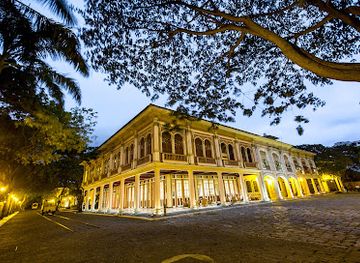
Casa Julián
Discover culinary excellence at Casa Julián in Guayaquil's historic park—an unforgettable taste of Ecuador awaits.
Best bars in Los Ríos Region
The nightlife in Los Ríos Region is an intoxicating blend of vibrant local culture and modern entertainment, offering visitors a unique experience that pulses with energy long after the sun sets. In the bustling cities of Babahoyo and Quevedo, you'll find an array of lively bars and nightclubs, where the rhythms of salsa, merengue, and reggaeton fill the air, and locals and tourists alike dance the night away. Trendy lounges offer a more relaxed atmosphere with expertly crafted cocktails and live music, while traditional cantinas provide an authentic taste of Ecuadorian culture with local drinks and festive vibes. For those seeking a more laid-back evening, riverside cafes and open-air venues offer stunning views and a chance to unwind under the stars. Whether you're looking to dance, relax, or simply soak in the local scene, Los Ríos Region's nightlife has something to offer every traveler.
-
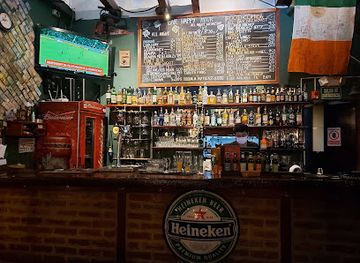
Irish pub
Finn McCool's Irish Pub
Finn McCool's Irish Pub: A taste of Ireland in the heart of Quito, offering delicious food, a vibrant atmosphere, and a warm welcome.
-
Bar
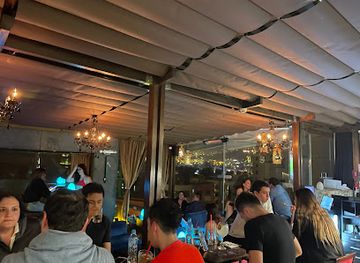
Vértigo Rooftop
Experience stunning panoramic views and delightful cocktails at Vértigo Rooftop, Quito's premier rooftop bar for unforgettable nights.
-
Bar
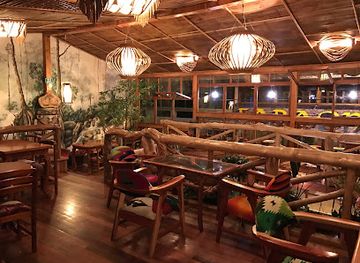
Leprechaun Bar
Experience the vibrant nightlife at Leprechaun Bar, a must-visit destination in Baños for drinks, dancing, and local culture.
-
Restaurant
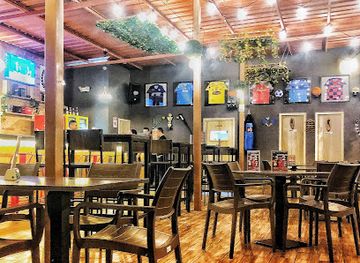
ROOFTOP SPORT BAR
Discover the Rooftop Sport Bar in Quevedo: a culinary gem offering stunning views, delicious food, and a vibrant atmosphere perfect for sports fans.
Best nightclubs in Los Ríos Region
The nightlife in Los Ríos Region is an intoxicating blend of vibrant local culture and modern entertainment, offering visitors a unique experience that pulses with energy long after the sun sets. In the bustling cities of Babahoyo and Quevedo, you'll find an array of lively bars and nightclubs, where the rhythms of salsa, merengue, and reggaeton fill the air, and locals and tourists alike dance the night away. Trendy lounges offer a more relaxed atmosphere with expertly crafted cocktails and live music, while traditional cantinas provide an authentic taste of Ecuadorian culture with local drinks and festive vibes. For those seeking a more laid-back evening, riverside cafes and open-air venues offer stunning views and a chance to unwind under the stars. Whether you're looking to dance, relax, or simply soak in the local scene, Los Ríos Region's nightlife has something to offer every traveler.
-
Disco club
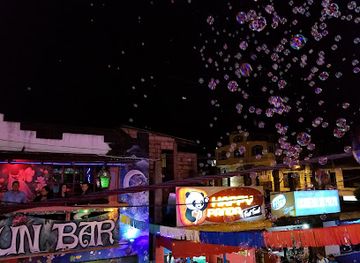
Volcan Bar Disc
Dive into the heart of Banos' nightlife at Volcan Bar Disc, where music, dancing, and vibrant energy come together for an unforgettable evening.
-
Disco club
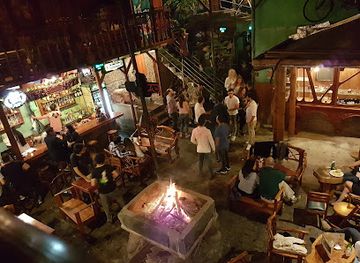
Leprechaun Bar
Discover the ultimate nightlife experience at Leprechaun Bar in Baños de Agua Santa, where dancing meets vibrant culture.
-
Night club
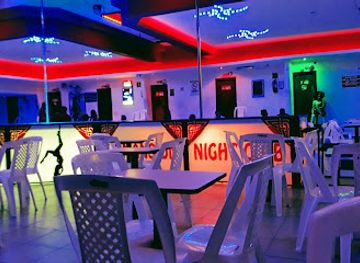
La Mansión Night Club Guayaquil
Immerse yourself in the vibrant nightlife of Guayaquil at La Mansión Night Club - where music, dance, and fun come together.
-
Night club
Imperio Night Club
Discover the pulse of Delia's nightlife at Imperio Night Club, where music, dance, and vibrant energy come together for an unforgettable experience.
Best shops in Los Ríos Region
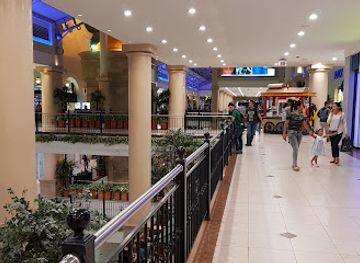
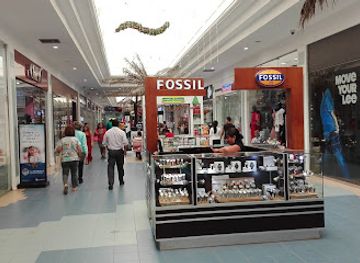
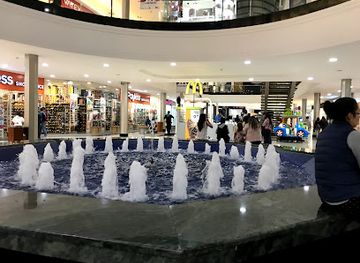
In the vibrant Los Ríos Region of Ecuador, the shopping scene is a delightful blend of traditional charm and modern convenience, offering visitors a unique experience. Wander through bustling local markets like the Quevedo Market, where the air is filled with the aroma of freshly picked fruits and the vivid colors of exotic produce. Discover the craftsmanship of local artisans in Babahoyo, with stalls brimming with intricately woven textiles, handmade jewelry, and traditional crafts that make for perfect souvenirs. For those seeking modern retail therapy, the region also boasts contemporary shopping centers and boutiques featuring both local and international brands. Whether you're hunting for a unique memento or indulging in a shopping spree, Los Ríos provides an eclectic mix that caters to every taste and preference.
-
Shopping mall
San Marino Shopping
Discover luxury shopping, exquisite dining, and entertainment at San Marino Shopping in Guayaquil, an unforgettable retail destination.
-
Shopping mall
Paseo Shopping Peninsula
Experience the ultimate shopping adventure at Paseo Shopping Peninsula, where retail therapy meets delicious dining and vibrant entertainment in La Libertad.
-
Shopping mall
San Luis Shopping
Discover shopping, dining, and entertainment at San Luis Shopping in Quito, a vibrant destination for tourists and locals alike.
-
Shopping mall
Mall Del Río
Discover the vibrant shopping experience at Mall Del Río in Cuenca, Ecuador, where shopping, dining, and entertainment come together.

Get your free copy of our complete guide to Los Ríos Region, delivered straight to you.
Everything on this page, from attractions and restaurants to essentials and local phrases, in one PDF you can read offline, print or share.
Already have an account? Sign in
Your Los Ríos Region guide is ready.
We'll send it to · Not you? Sign out

Getting your guide ready…
We are putting together a fresh copy of the Los Ríos Region guide. This can take up to a minute.
This can take a few moments. If your browser asks, choose Allow so the download can start. You'll find the guide in your Downloads folder.
Nothing happened? Download it again
Sorry, the guide is taking longer than usual. Please try again in a minute, or get it by email instead.
Los Ríos Region essentials
Currency and Payment
Safety
Emergency Situations
Do's and Don'ts
Local Tips
From Eve
Local phrases worth knowing
You don't need to get them perfect. A few words go a long way, and locals appreciate the effort.
Basics
| English | Local | Say it |
|---|---|---|
| Hello | Hola | [OH-lah] |
| Goodbye | Adiós | [ah-DYOS] |
| Yes | Sí | [SEE] |
| No | No | [NO] |
| Please/You're welcome | Por favor | [por fah-VOR] |
| Thank you | Gracias | [GRAH-syahs] |
| Excuse me/Sorry | Disculpe | [dis-KOOL-peh] |
| How are you? | ¿Cómo estás? | [KOH-moh es-TAS] |
| Fine. And you? | Bien. ¿Y tú? | [BYEN. ee TOO] |
| Do you speak English? | ¿Hablas inglés? | [AH-blas een-GLES] |
| I don't understand | No entiendo | [NO en-TYEN-doh] |
Eating & Drinking
| English | Local | Say it |
|---|---|---|
| I'd like to see the menu, please | Me gustaría ver el menú, por favor | [meh goos-tah-REE-ah ver el meh-NOO, por fah-VOR] |
| I don't eat meat | No como carne | [NO KOH-moh KAR-neh] |
| Cheers! | ¡Salud! | [sah-LOOD] |
| I would like to pay, please | Me gustaría pagar, por favor | [meh goos-tah-REE-ah pah-GAR, por fah-VOR] |
Emergencies
| English | Local | Say it |
|---|---|---|
| Help! | ¡Ayuda! | [ah-YOO-dah] |
| Go away! | ¡Vete! | [BEH-teh] |
| Call the Police! | ¡Llama a la policía! | [YAH-ma ah lah poh-lee-SEE-ah] |
| Call a doctor! | ¡Llama a un doctor! | [YAH-ma ah oon dok-TOR] |
| I'm lost | Estoy perdido | [es-TOY per-DI-doh] |
| I'm ill | Estoy enfermo | [es-TOY en-FER-mo] |
Shopping
| English | Local | Say it |
|---|---|---|
| I'd like to buy... | Quisiera comprar... | [kee-SYE-rah kom-PRAR] |
| I'm just looking | Solo estoy mirando | [SO-lo es-TOY mee-RAN-doh] |
| How much is it? | ¿Cuánto cuesta? | [KWAN-to KWES-tah] |
| That's too expensive | Eso es muy caro | [EH-so es MOO-ee KAH-ro] |
| Can you lower the price? | ¿Puedes bajar el precio? | [PWEH-des bah-HAR el PREH-syo] |
Time & Numbers
| English | Local | Say it |
|---|---|---|
| What time is it? | ¿Qué hora es? | [KEH OH-rah es] |
| It's one o'clock | Es la una | [es lah OO-nah] |
| Half past (10) | Y media (10) | [ee MEH-diah (10)] |
| Morning | Mañana | [mah-NYA-nah] |
| Afternoon | Tarde | [TAR-deh] |
| Evening | Noche | [NO-cheh] |
| Yesterday | Ayer | [ah-YER] |
| Today | Hoy | [OY] |
| Tomorrow | Mañana | [mah-NYA-nah] |
| 1 | Uno | [OO-no] |
| 2 | Dos | [DOS] |
| 3 | Tres | [TRES] |
| 4 | Cuatro | [KWA-tro] |
| 5 | Cinco | [SEEN-koh] |
| 6 | Seis | [SAYS] |
| 7 | Siete | [SYE-teh] |
| 8 | Ocho | [OH-choh] |
| 9 | Nueve | [NWEH-beh] |
| 10 | Diez | [DYEZ] |
Transport & Directions
| English | Local | Say it |
|---|---|---|
| Where's a/the...? | ¿Dónde está un/la...? | [DON-deh es-TAH oon/lah] |
| What's the address? | ¿Cuál es la dirección? | [KWAL es lah dee-rek-SYON] |
| Can you show me (on the map)? | ¿Puedes mostrarme (en el mapa)? | [PWEH-des mos-TRAR-meh (en el MAH-pah)] |
| When's the next (bus)? | ¿Cuándo es el próximo (bus)? | [KWAN-doh es el PROK-si-mo (BOOS)] |
| A ticket (to ....) | Un boleto (a ....) | [OON boh-LEH-toh (ah ....)] |
History of Los Ríos Region
Pre-Columbian Period
Before the arrival of the Spanish, the Los Ríos Region was inhabited by indigenous groups such as the Manteños and Huancavilcas. These groups were known for their sophisticated social organization, agricultural practices, and trade networks that spanned along the coast and into the highlands.
Spanish Conquest and Colonial Period
The Spanish conquest of the region began in the early 16th century, with Francisco Pizarro and his men leading the way. The Spanish established settlements and introduced new agricultural practices, notably cattle farming and cocoa plantations, which became the backbone of the region's economy. The city of Babahoyo, which later became the provincial capital, was founded during this period.
Independence Movement
Los Ríos played a significant role in Ecuador's struggle for independence from Spanish rule. In 1820, local leaders and residents supported the revolutionary movements that eventually led to the formation of the Republic of Gran Colombia, and later, the independent Republic of Ecuador. Babahoyo was a strategic location during these conflicts, serving as a supply and logistics hub.
19th and Early 20th Century Economic Boom
The late 19th and early 20th centuries saw an economic boom in Los Ríos, driven by cocoa production. The region's fertile lands and favorable climate made it ideal for cocoa cultivation, leading to prosperity and growth. However, this period also witnessed the exploitation of indigenous labor and the rise of powerful landowners who controlled vast estates.
Construction of the Guayaquil to Quito Railway
One of the most significant infrastructural developments in the region was the construction of the Guayaquil to Quito Railway, which was completed in 1908. The railway passed through the Los Ríos Region, enhancing trade and connectivity. It facilitated the transport of goods such as cocoa, bananas, and other agricultural products to larger markets, boosting the local economy.
Agrarian Reform and Modernization
The mid-20th century brought significant changes to Los Ríos with the implementation of agrarian reforms. These reforms aimed to redistribute land to peasant farmers and reduce the power of large landowners. The introduction of modern agricultural techniques and diversification into crops like bananas and rice transformed the region's agricultural landscape.
Cultural Heritage and Festivals
Los Ríos Region is rich in cultural heritage, with a blend of indigenous, African, and Spanish influences. The region celebrates numerous festivals, such as the San Juan Bautista Festival in Babahoyo, which features traditional music, dance, and cuisine. These celebrations reflect the diverse cultural tapestry and historical legacy of the region.
Los Ríos Region in Photos
Browse through our photo collection highlighting the charm and character of the destination.
Neighbouring regions of Los Ríos Region
The closest regions to Los Ríos Region, if you have time for more than one.
-
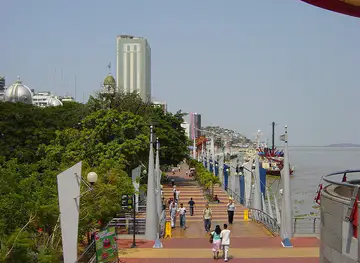 Western Lowlands
Discover the diverse beauty of Ecuador's Western Lowlands, where lush rainforests, rich culture, and serene coastal landscapes await your exploration.
Western Lowlands
Discover the diverse beauty of Ecuador's Western Lowlands, where lush rainforests, rich culture, and serene coastal landscapes await your exploration.
-
 Guayas Region
Discover the Guayas Region: Ecuador's Coastal Gem with Lively Cities, Pristine Beaches, and Rich Cultural Heritage.
Guayas Region
Discover the Guayas Region: Ecuador's Coastal Gem with Lively Cities, Pristine Beaches, and Rich Cultural Heritage.
-
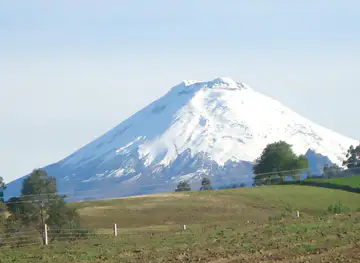 Andean Highlands
Discover the Andean Highlands of Ecuador: a land of towering volcanoes, vibrant markets, and rich cultural heritage nestled in breathtaking landscapes.
Andean Highlands
Discover the Andean Highlands of Ecuador: a land of towering volcanoes, vibrant markets, and rich cultural heritage nestled in breathtaking landscapes.
-
 Highland Valleys
Discover the serene beauty, vibrant cultures, and adventurous spirit of Ecuador's Highland Valleys, where majestic landscapes meet rich traditions.
Highland Valleys
Discover the serene beauty, vibrant cultures, and adventurous spirit of Ecuador's Highland Valleys, where majestic landscapes meet rich traditions.
-
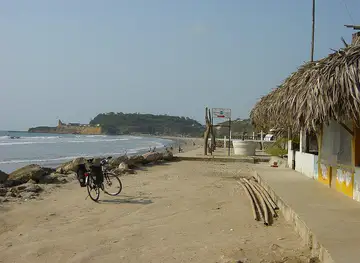 Coastal Lowlands
Discover Ecuador's Coastal Lowlands: A blend of pristine beaches, lush mangroves, vibrant towns, and rich cultural heritage waiting to be explored.
Coastal Lowlands
Discover Ecuador's Coastal Lowlands: A blend of pristine beaches, lush mangroves, vibrant towns, and rich cultural heritage waiting to be explored.
Swipe for more regions

