

Free Andean Highlands Travel Guide & Mobile App
Explore Andean Highlands with free travel guides. Discover regional history, expert tips, proposed trips, and audio guides on web or mobile app.


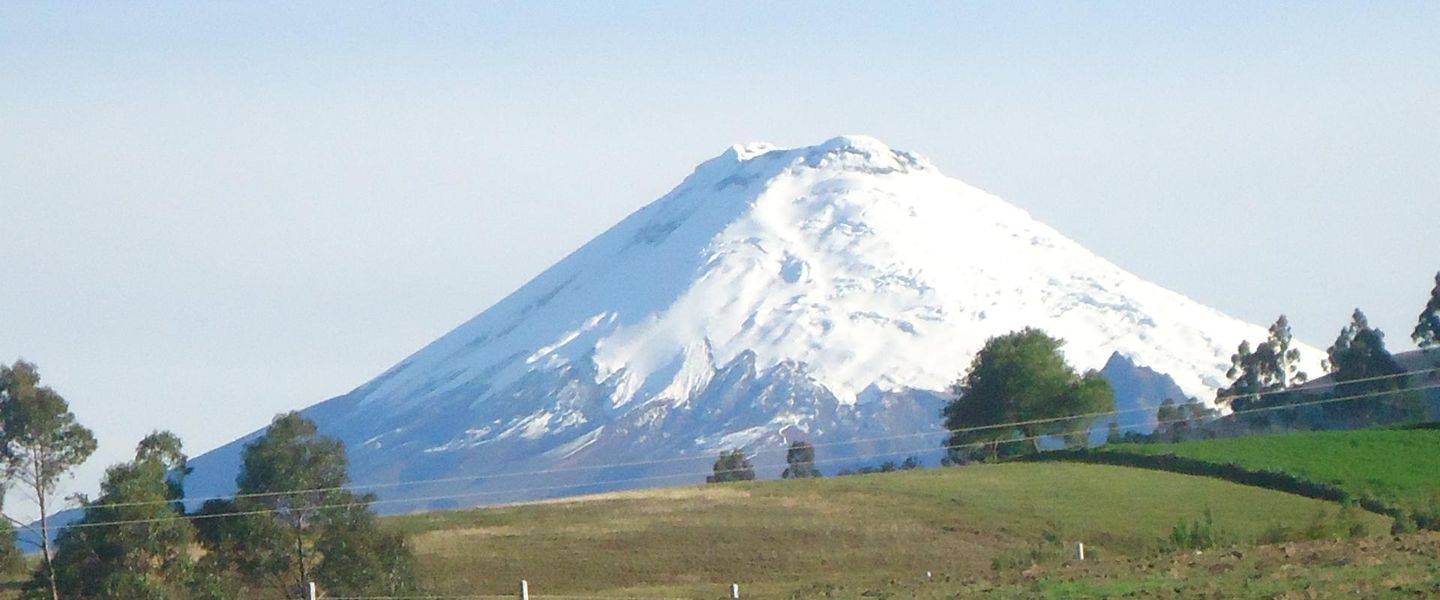


Explore Ecuador’s Andean Highlands for volcanoes, historic Quito, Indigenous markets, crater lakes, mountain walks and colonial Cuenca.
Read more about Andean Highlands
When is the best time to visit Andean Highlands?
Best: June–August · 17°C| Month | High (°C) | Rainfall (mm) |
|---|---|---|
| January | 17 | 60 |
| February | 17 | 50 |
| March | 17 | 70 |
| April | 17 | 80 |
| May | 17 | 50 |
| June (best) | 17 | 40 |
| July (best) | 17 | 30 |
| August (best) | 17 | 30 |
| September | 17 | 40 |
| October | 17 | 50 |
| November | 17 | 60 |
| December | 17 | 70 |
Getting to and around Andean Highlands
How to get there
Transportation
Top city travel guides in Andean Highlands
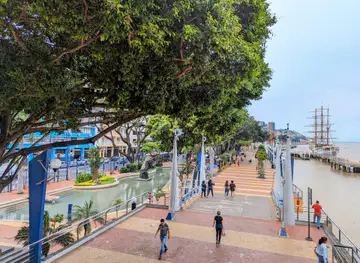
The cities of Andean Highlands, and the easiest places to base yourself.
-

-
-

-

-

-


Swipe for more cities
Destinations in Andean Highlands
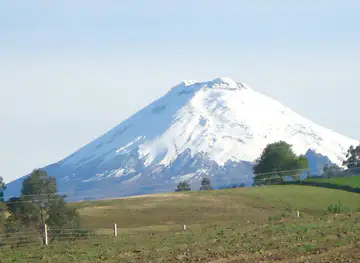
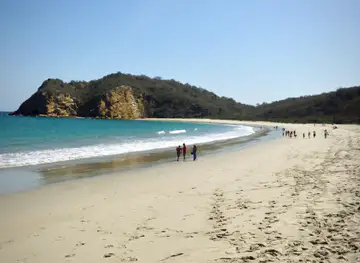
Resorts, valleys and scenic spots worth a trip of their own.
-
-

-

-

-
-


Swipe for more destinations
Best attractions in Andean Highlands
The attractions of Ecuador’s Andean Highlands range from monumental cities to open volcanic terrain. Quito’s historic centre offers churches, convents, plazas and museums, while nearby viewpoints and the TelefériQo provide a sense of the capital’s elevated setting. In the northern highlands, the Otavalo market, Laguna de Cuicocha and the communities around Imbabura combine commerce, craft traditions and distinctive volcanic scenery. The central corridor is known for Cotopaxi National Park, Quilotoa’s water-filled crater and the high landscapes around Chimborazo, where wildlife and páramo vegetation can be explored with appropriate preparation. Riobamba and Latacunga are useful bases for rural excursions and heritage routes. East of the main crest, Baños provides access to thermal waters, waterfalls and adventure activities in a greener, lower-elevation environment. In the south, Cuenca’s museums and cultural institutions complement excursions to Cañar and Ingapirca, while highland villages, farms and community tourism offer a closer look at contemporary rural life.
-
Monument
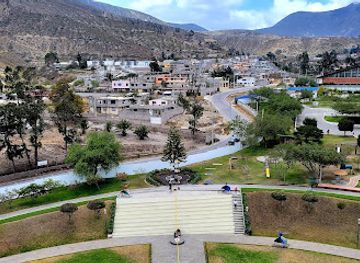
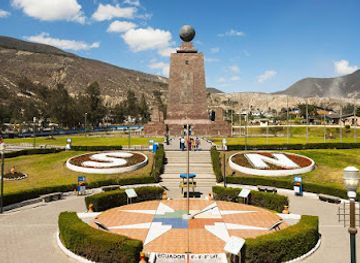
Middle of the World City
Experience the equator like never before at the Middle of the World City in Quito, Ecuador, blending culture, science, and stunning landscapes.
-
Tourist attraction
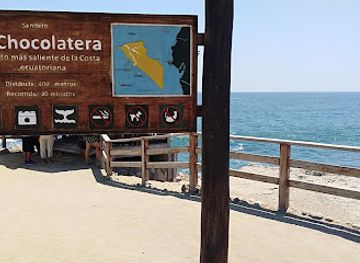
La Chocolatera
Discover the breathtaking views and vibrant marine life at La Chocolatera, a must-visit tourist attraction in Salinas, Ecuador.
-
Tourist attraction
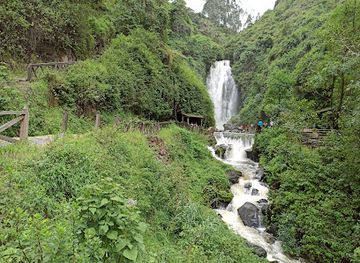
Peguche Waterfall
Explore the breathtaking beauty of Peguche Waterfall in Otavalo, Ecuador - a perfect blend of nature and local culture awaits you!
-
National park
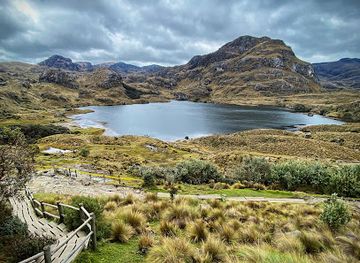
Parque Nacional Cajas
Discover the natural beauty and unique ecosystems of Cajas National Park, a breathtaking national park in the Ecuadorian Andes perfect for adventure lovers.
Best landmarks in Andean Highlands
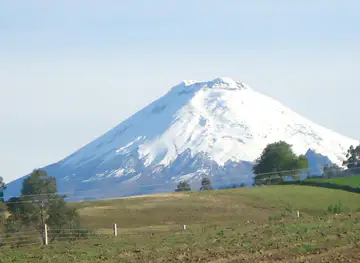
Quito’s historic centre is the Andean Highlands’ most recognisable architectural landmark, with the gilded interior of La Compañía de Jesús, the monumental Basilica del Voto Nacional and the broad Plaza de la Independencia expressing different periods of the city’s religious and civic history. In the north, the conical form of Imbabura and the crater lake of Cuicocha are powerful natural markers of the volcanic landscape. Cotopaxi’s near-symmetrical snow-capped cone is one of Ecuador’s defining mountain images, although visibility and access depend on conditions. Near Riobamba, Chimborazo dominates the high plateau and rises to Ecuador’s highest summit, while the surrounding reserve protects fragile páramo environments. Quilotoa’s turquoise crater lake provides another distinctive volcanic landmark. In southern Ecuador, Ingapirca’s carefully fitted stonework preserves the country’s most important surviving Inca-period architectural complex, and Cuenca’s domes, tiled roofs and historic streets create a landmark urban silhouette shaped by colonial and republican development.
-
Monument
Middle of the World City
Experience the unique blend of culture and science at the Middle of the World City, where you can stand on the equator in Ecuador's stunning landscape.
-
Tourist attraction
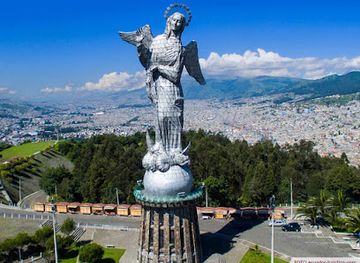
Virgin of the Panecillo
Discover the Virgin of the Panecillo, a stunning Quito monument offering panoramic views and rich cultural experiences in the heart of Ecuador.
-
Historical landmark
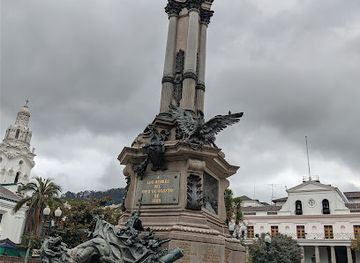
Independence Square
Discover the historic charm of Independence Square in Quito, a vibrant hub of culture, history, and stunning colonial architecture.
-
Catholic church
Basílica del Voto Nacional
Discover the awe-inspiring Basílica del Voto Nacional in Quito, a stunning Gothic masterpiece reflecting Ecuador's rich cultural and religious heritage.

Explore Andean Highlands on the map
Plan your trip on one map. See where the top cities, national parks and sights are, and book hotels and experiences in a few clicks.
Best hotels in Andean Highlands
Best restaurants in Andean Highlands
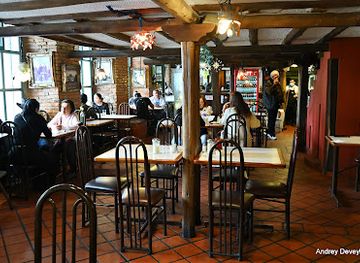
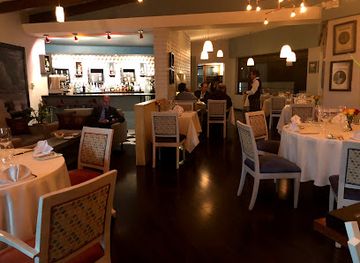
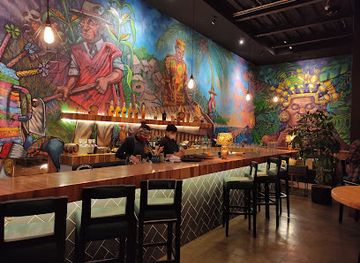
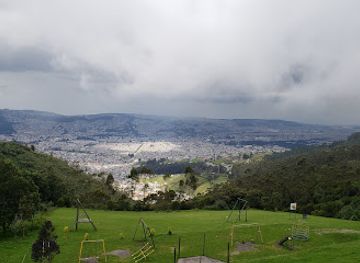
Highland dining is built around crops and livestock suited to cool mountain valleys. Locro de papa, a creamy potato and cheese soup often served with avocado, is widely associated with the Ecuadorian Andes, while llapingachos, hornado, fritada, mote and grilled or stewed meats appear in regional variations. Markets and traditional eateries are good places to encounter fresh maize, potatoes, beans, chochos, grains, soups and fruit from different elevations. Cuy is available in some Andean areas and is a ceremonial or special-occasion food for some communities, rather than an everyday dish for every visitor. Quito and Cuenca offer the broadest choice of contemporary Ecuadorian cooking, international restaurants, cafés and bakeries, while smaller towns rely more on family-run restaurants, almuerzos and highland snacks. Around mountain lakes and rivers, trout is common. Local cheeses, panela, chocolate and craft beers or fruit-based drinks provide further regional flavours, although offerings vary between provinces.
-
Ecuadorian
Raymipampa Restaurant
Experience authentic Ecuadorian cuisine at Raymipampa Restaurant in Cuenca—where tradition meets flavor near the historic cathedral.
-
French
Chez Jérôme
Experience exquisite French cuisine at Chez Jérôme in Quito—where elegance meets culinary artistry in every dish.
-
Ecuadorian
Somos Ecuador Restaurante
Discover authentic Ecuadorian cuisine and vibrant cocktails at Somos Ecuador Restaurante in Quito's Bellavista neighborhood.
-
Fine Dining
Zazu
Experience the best of Ecuadorian cuisine at Zazu in Quito - where tradition meets innovation in every bite.
Best bars in Andean Highlands
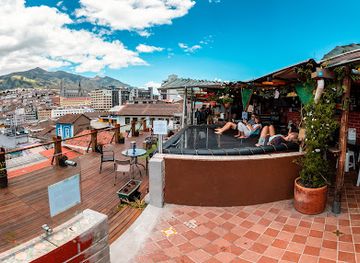
Evening life in the Andean Highlands is concentrated in Quito and Cuenca, with smaller scenes in Ambato, Riobamba, Loja and other provincial centres. Quito has the widest range of cocktail bars, live-music venues, restaurants and clubs, particularly in established central and northern entertainment areas, while Cuenca combines wine and cocktail bars, cafés, restaurants and cultural venues in and around its historic centre. In university towns, nightlife can be livelier during academic periods, but venues and opening arrangements change frequently. In rural highland destinations, evenings generally centre on traditional restaurants, family-run bars, community events and occasional live music rather than a large club scene. Baños has a more pronounced visitor-oriented evening economy than many mountain towns, with bars and music venues alongside restaurants. Drink responsibly, use secure transport after dark and remember that altitude can intensify the effects of alcohol.
-
Bar
The Secret Garden Quito
Experience the vibrant atmosphere of The Secret Garden Quito, where stunning views, delicious food, and a friendly vibe await you in the heart of the city.
-
Restaurant
Bandidos Del Paramo
Experience the vibrant flavors and lively atmosphere at Bandidos Del Paramo, Quito's top gastropub and late-night dining destination.
-
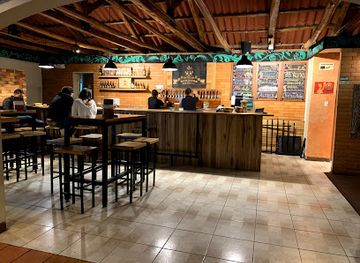
Brewpub
Bandido Brewing
Discover the craft beer revolution at Bandido Brewing, a brewpub in Quito blending local flavors with a vibrant social scene.
-
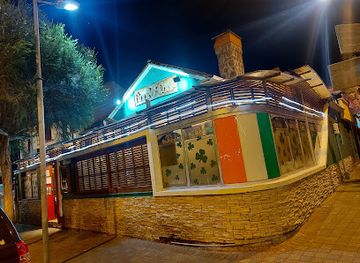
Irish pub
Finn McCool's Irish Pub
Discover Finn McCool's Irish Pub in Quito – where Irish charm meets Ecuadorian vibrancy, offering delightful food, drinks, and a lively atmosphere.

Best nightclubs in Andean Highlands
Evening life in the Andean Highlands is concentrated in Quito and Cuenca, with smaller scenes in Ambato, Riobamba, Loja and other provincial centres. Quito has the widest range of cocktail bars, live-music venues, restaurants and clubs, particularly in established central and northern entertainment areas, while Cuenca combines wine and cocktail bars, cafés, restaurants and cultural venues in and around its historic centre. In university towns, nightlife can be livelier during academic periods, but venues and opening arrangements change frequently. In rural highland destinations, evenings generally centre on traditional restaurants, family-run bars, community events and occasional live music rather than a large club scene. Baños has a more pronounced visitor-oriented evening economy than many mountain towns, with bars and music venues alongside restaurants. Drink responsibly, use secure transport after dark and remember that altitude can intensify the effects of alcohol.
-
Disco club
Discoteca Nidia Fuzzion Party
Dance the night away at Discoteca Nidia Fuzzion Party, Cuenca's ultimate nightlife destination, offering vibrant music and an electric atmosphere.
-
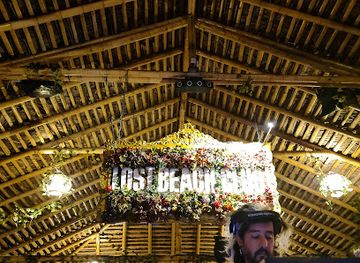
Night club
Lost Beach Club
Discover the electrifying nightlife of Lost Beach Club, a premier destination for dancing, music, and oceanfront views in Montañita, Ecuador.
-
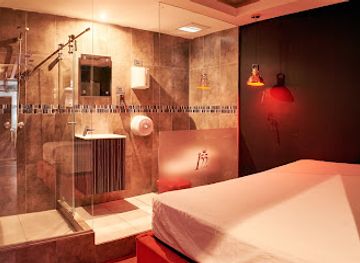
Night club
Club 155
Discover the vibrant nightlife of Quito at Club 155, where modern design meets unforgettable live music and delicious cocktails.
-
Night club
Danzatoria (Kika Dance Club)
Discover the vibrant nightlife of Quito at Danzatoria, where the music never stops and the dance floor awaits your moves.


Best shops in Andean Highlands
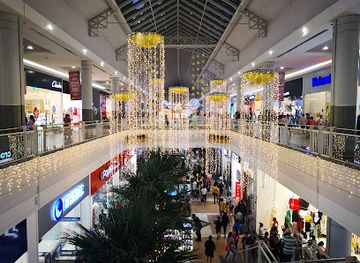
Shopping in the Andean Highlands ranges from busy open-air markets to specialist craft and design shops. Otavalo is the best-known market centre, with textiles, woven goods, clothing, jewellery and souvenirs sold alongside everyday produce; visitors should compare quality and ask about materials rather than assuming every item is locally made. Quito and Cuenca have independent boutiques, bookshops, galleries and contemporary craft stores, particularly around historic and central districts. Smaller towns such as Latacunga, Riobamba and Guamote offer produce markets and practical goods as well as traditional textiles and regional foodstuffs. Look for Ecuadorian chocolate, coffee from other parts of the country, panela, spices, woven accessories, ceramics and carefully labelled artisan work. Bargaining may be acceptable in some informal markets but is not appropriate everywhere, especially in established shops or when buying directly from small producers. Market customs and opening days vary, so confirm locally before making a dedicated trip.
-
Shopping mall
Quicentro
Explore Quicentro in Quito, Ecuador: A vibrant shopping mall filled with diverse stores, dining options, and local culture.
-
Shopping mall
Mall del Sol
Discover the vibrant atmosphere of Mall del Sol, Guayaquil's premier shopping destination with diverse shops, dining, and entertainment options.
-
Shopping mall
Condado Shopping
Explore the vibrant Condado Shopping in Quito, where top brands meet local flair in a stunning shopping environment.
-
Shopping mall
El Jardín Mall
Discover a vibrant shopping experience at El Jardín Mall, Quito's premier destination for retail, dining, and entertainment.


Get your free copy of our complete guide to Andean Highlands, delivered straight to you.
Everything on this page, from attractions and restaurants to essentials and local phrases, in one PDF you can read offline, print or share.
Already have an account? Sign in
Your Andean Highlands guide is ready.
We'll send it to · Not you? Sign out

Getting your guide ready…
We are putting together a fresh copy of the Andean Highlands guide. This can take up to a minute.
This can take a few moments. If your browser asks, choose Allow so the download can start. You'll find the guide in your Downloads folder.
Nothing happened? Download it again
Sorry, the guide is taking longer than usual. Please try again in a minute, or get it by email instead.
Andean Highlands essentials
Currency and Payment
Safety
Emergency Situations
Do's and Don'ts
Local Tips
From Eve
Local phrases worth knowing
You don't need to get them perfect. A few words go a long way, and locals appreciate the effort.
Basics
| English | Local | Say it |
|---|---|---|
| Hello | Hola | [Ola] |
| Goodbye | Adiós | [Adyos] |
| Yes | Sí | [Si] |
| No | No | [No] |
| Please/You're welcome | Por favor | [Por favor] |
| Thank you | Gracias | [Grasias] |
| Excuse me/Sorry | Perdón | [Perdon] |
| How are you? | ¿Cómo estás? | [Como estas] |
| Fine. And you? | Bien. ¿Y tú? | [Bien. Y tu] |
| Do you speak English? | ¿Hablas inglés? | [Hablas ingles] |
| I don't understand | No entiendo | [No entiendo] |
Eating & Drinking
| English | Local | Say it |
|---|---|---|
| I'd like to see the menu, please | Quisiera ver el menú, por favor | [Kisiera ver el menu, por favor] |
| I don't eat meat | No como carne | [No como karne] |
| Cheers! | ¡Salud! | [Salud] |
| I would like to pay, please | Quisiera pagar, por favor | [Kisiera pagar, por favor] |
Emergencies
| English | Local | Say it |
|---|---|---|
| Help! | ¡Ayuda! | [Ayuda] |
| Go away! | ¡Vete! | [Vete] |
| Call the Police! | ¡Llama a la policía! | [Llama a la policia] |
| Call a doctor! | ¡Llama a un médico! | [Llama a un medico] |
| I'm lost | Estoy perdido | [Estoy perdido] |
| I'm ill | Estoy enfermo/a | [Estoy enfermo/a] |
Shopping
| English | Local | Say it |
|---|---|---|
| I'd like to buy... | Quisiera comprar... | [Kisiera comprar] |
| I'm just looking | Solo estoy mirando | [Solo estoy mirando] |
| How much is it? | ¿Cuánto cuesta? | [Cuanto cuesta] |
| That's too expensive | Eso es muy caro | [Eso es mui karo] |
| Can you lower the price? | ¿Puedes bajar el precio? | [Puedes bajar el precio] |
Time & Numbers
| English | Local | Say it |
|---|---|---|
| What time is it? | ¿Qué hora es? | [Que ora es] |
| It's one o'clock | Es la una | [Es la una] |
| Half past (10) | Y media (10) | [Y media] |
| Morning | Mañana | [Mañana] |
| Afternoon | Tarde | [Tarde] |
| Evening | Noche | [Noche] |
| Yesterday | Ayer | [Ayer] |
| Today | Hoy | [Hoy] |
| Tomorrow | Mañana | [Mañana] |
| 1 | Uno | [Uno] |
| 2 | Dos | [Dos] |
| 3 | Tres | [Tres] |
| 4 | Cuatro | [Cuatro] |
| 5 | Cinco | [Sinko] |
| 6 | Seis | [Seis] |
| 7 | Siete | [Siete] |
| 8 | Ocho | [Ocho] |
| 9 | Nueve | [Nueve] |
| 10 | Diez | [Diez] |
Transport & Directions
| English | Local | Say it |
|---|---|---|
| Where's a/the...? | ¿Dónde está un/una...? | [Donde esta un/una] |
| What's the address? | ¿Cuál es la dirección? | [Cual es la direccion] |
| Can you show me (on the map)? | ¿Puedes mostrarme (en el mapa)? | [Puedes mostrarme en el mapa] |
| When's the next (bus)? | ¿Cuándo es el próximo (bus)? | [Cuando es el proximo bus] |
| A ticket (to ....) | Un boleto (a ...) | [Un boleto a] |
History of Andean Highlands
Early Andean societies and agricultural landscapes
Long before European arrival, the highlands were occupied by farming societies that cultivated maize, potatoes, quinoa and other crops suited to different elevations. Communities developed terraces, irrigation systems, exchange networks and ceremonial centres across the intermontane valleys. Archaeological evidence from northern Ecuador includes the legacy of the Quitu and Caranqui spheres, while many later Indigenous communities retained distinctive languages, textiles and forms of land management. The highlands were not an empty wilderness but a densely used cultural landscape in which altitude created opportunities for exchanging products between ecological zones.
Inca expansion in the late fifteenth century
The Inca state expanded northwards into present-day Ecuador during the late fifteenth century, incorporating or confronting established highland societies. The campaign was associated with the Inca ruler Huayna Capac and led to the construction or adaptation of roads, administrative settlements and ceremonial sites. Ingapirca in Cañar is the best-known surviving Inca-period complex in Ecuador, although its history also reflects the earlier Cañari presence. Inca influence was relatively recent when the Spanish arrived, and local identities remained powerful throughout the highlands.
Spanish conquest and colonial Quito
Spanish forces entered the northern Andes in the sixteenth century during a period of severe political instability following the Inca civil war and epidemic disease. Colonial towns, churches, administrative institutions and estates were established across the highland valleys. Quito became a major centre of the Audiencia of Quito, and its religious orders sponsored architecture, sculpture and painting that produced the artistic tradition often called the Quito School. Indigenous labour, tribute and land reorganisation profoundly altered rural society, while churches and colonial streets left an enduring imprint on Quito and other historic settlements.
Colonial agriculture, textiles and regional trade
During the colonial period, highland economies combined subsistence farming, estate agriculture, livestock, craft production and long-distance trade. Wool and cotton textiles became particularly important in northern communities, while grain, potatoes and livestock moved between valleys and towns. Indigenous communities maintained agricultural knowledge and collective practices despite land loss and colonial obligations. Market exchange helped connect Quito, Otavalo, Latacunga, Riobamba and Cuenca, reinforcing the highlands as Ecuador’s main population and commercial corridor.
Independence and the republican highlands
The Andean highlands were central to Ecuador’s independence struggles and the formation of the nineteenth-century republic. Quito and the surrounding provinces experienced political conflict, military mobilisation and changing relationships between local elites, Indigenous communities and the new state. Cuenca and other southern centres developed their own civic institutions and commercial networks. Republican governments gradually expanded roads, public administration and education, although social and economic inequality remained deeply rooted. Many civic buildings, plazas and churches visible in highland towns reflect this transition from colonial rule to republican life.
Railways, roads and the integration of the Andes
Transport development transformed movement through the mountains during the late nineteenth and twentieth centuries. The Guayaquil–Quito railway, completed in stages and known for the difficult ascent near the Nariz del Diablo, linked the coast with the highland capital and enabled wider circulation of goods and people. Later roads and bus networks became more important for everyday travel, connecting market towns, agricultural districts and provincial capitals. These infrastructure changes strengthened Quito’s national role and helped integrate the previously separated valleys of the Andean corridor.
Indigenous movements and contemporary identity
Indigenous organisations have played a major role in Ecuador’s modern political and social history, particularly in the highlands. Communities have campaigned over land, education, labour rights, cultural recognition and control of natural resources, contributing to constitutional recognition of Ecuador as a plurinational state. Indigenous languages, dress, festivals, farming systems and market networks remain visible across the region, though they vary considerably between communities. Contemporary highland identity therefore combines ancient agricultural knowledge, colonial legacies, republican institutions and active debates about development and environmental protection.
Andean Highlands in Photos
Browse through our photo collection highlighting the charm and character of the destination.
Neighbouring regions of Andean Highlands
The closest regions to Andean Highlands, if you have time for more than one.
-

-
-

-

-


Swipe for more regions

