

Free Guayas Region Travel Guide & Mobile App
Explore Guayas Region with free travel guides. Discover regional history, expert tips, proposed trips, and audio guides on web or mobile app.


Explore Guayas through Guayaquil’s heritage, Pacific beaches, mangrove reserves, river landscapes and the flavours of Ecuador’s coastal cuisine.
Read more about Guayas Region
When is the best time to visit Guayas Region?
Best: June–August · 30–31°C| Month | High (°C) | Rainfall (mm) |
|---|---|---|
| January | 31 | 100 |
| February | 32 | 110 |
| March | 32 | 120 |
| April | 32 | 110 |
| May | 31 | 100 |
| June (best) | 31 | 90 |
| July (best) | 30 | 80 |
| August (best) | 30 | 80 |
| September | 31 | 90 |
| October | 31 | 100 |
| November | 32 | 110 |
| December | 32 | 110 |
Getting to and around Guayas Region
How to get there
Transportation
Top city travel guides in Guayas Region
The cities of Guayas Region, and the easiest places to base yourself.
-
-


Swipe for more cities
Destinations in Guayas Region
Resorts, valleys and scenic spots worth a trip of their own.
-

-


Swipe for more destinations
Best attractions in Guayas Region
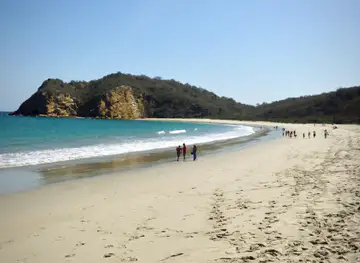
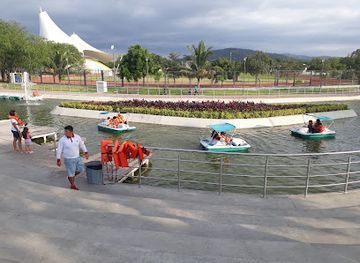
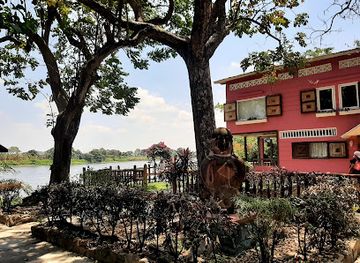
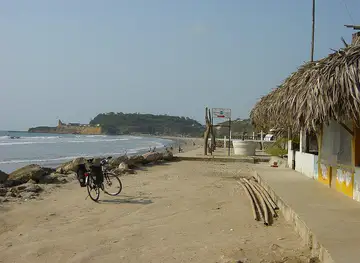
Guayas offers a wide range of experiences, but they are spread across an urban, agricultural and coastal landscape rather than concentrated in one resort. Guayaquil provides museums, historic streets, public gardens, riverfront promenades and cultural interpretation at places such as the Museo Antropológico y de Arte Contemporáneo and the Museo Municipal. The Parque Histórico Guayaquil in Samborondón combines reconstructed historic buildings, gardens and native species, while Santay Island offers wetland scenery and walking or cycling routes reached from the metropolitan area. Nature is central farther south and west: the Manglares Churute Ecological Reserve protects mangrove waterways, lagoons and forested hills, and the Cerro Blanco Protected Forest preserves dry coastal forest near the city. General Villamil, or Playas, supplies the province’s principal Pacific beach setting, with swimming and seafood subject to local conditions. Inland districts around Milagro and Bucay introduce plantations, river valleys and greener foothills, although access and visitor facilities are more limited than in Guayaquil. The result is a destination best understood through contrasting day trips: historic port city, estuarine wetlands, dry forest, working countryside and open coast.
-
Tourist attraction
Parque Centenario
Explore the lush landscapes and cultural heritage of Parque Centenario, an urban oasis in Guayaquil perfect for relaxation and family fun.
-
Tourist attraction
La Rotonda Park
Discover the beauty and cultural richness of La Rotonda Park in Portoviejo, a perfect destination for relaxation, recreation, and social gatherings.
-
Tourist attraction
La Garza Roja Parque Club
Discover the beauty and fun of La Garza Roja Parque Club, a top tourist destination in Nobol, Ecuador, perfect for families and nature lovers alike.
-
Ferris wheel
La Perla
Experience breathtaking views atop La Perla, Guayaquil's iconic Ferris wheel, and immerse yourself in the vibrant culture of this beautiful coastal city.
Best landmarks in Guayas Region
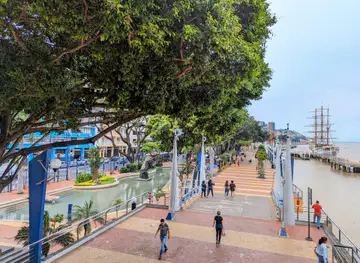
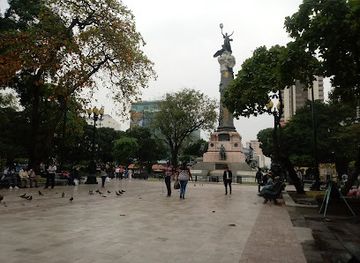
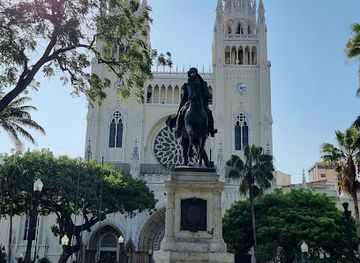
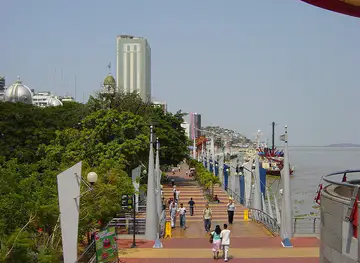
The most recognisable landmarks of Guayas are concentrated in and around Guayaquil. Cerro Santa Ana rises above the historic riverside district, its stairway and colourful houses leading to a viewpoint over the city and the Guayas River; at its foot, Las Peñas preserves a distinctive collection of timber buildings associated with the old port community. The Torre Morisca, or Moorish Clock Tower, stands on the Malecón 2000 and has become one of the city’s familiar civic symbols, while the Hemiciclo de la Rotonda commemorates the 1822 meeting of Bolívar and San Martín. Guayaquil’s Metropolitan Cathedral, facing Parque Seminario, represents the city’s long religious and civic history, even though its present structure reflects later rebuilding. Across the water, Durán’s position beside the Guayas River recalls its importance as a railway and transport junction. Away from the city, the forested hills of the Manglares Churute reserve and the mangrove waterways of the estuary are geographical landmarks rather than monuments: they express the ecological setting that has shaped settlement, agriculture and commerce throughout the province.
-
Tourist attraction
Malecon 2000
Explore the vibrant Malecon 2000 in Guayaquil, Ecuador – a scenic waterfront promenade filled with culture, dining, and breathtaking views.
-
Shopping mall
Mall del Sol
Discover the vibrant shopping and dining scene at Mall del Sol, Guayaquil's premier shopping destination for locals and tourists alike.
-
 Monument
Middle of the World City
Experience the unique thrill of standing on the equator at the Middle of the World City, a vibrant blend of culture, science, and history in Quito, Ecuador.
-
Park
Parque Seminario
Explore the serene beauty of Parque Seminario in Guayaquil, where lush gardens and friendly iguanas create a unique urban retreat.

Explore Guayas Region on the map
Plan your trip on one map. See where the top cities, national parks and sights are, and book hotels and experiences in a few clicks.
Best hotels in Guayas Region
Best restaurants in Guayas Region
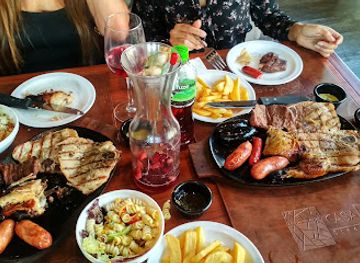
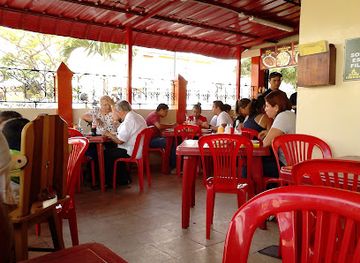
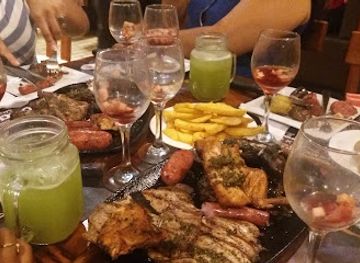
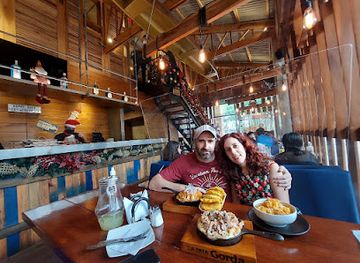
Guayas is one of the best places in Ecuador to explore coastal cooking, with Guayaquil offering everything from busy breakfast counters and market stalls to contemporary restaurants. Encebollado, a tuna and yuca soup topped with pickled red onion, is a well-known morning dish; bolón de verde combines mashed green plantain with savoury fillings, while ceviches, arroz marinero and crab preparations reflect the province’s access to the Gulf of Guayaquil and surrounding estuaries. Rice, plantains, seafood and fresh citrus appear widely in everyday meals, and roadside eateries in smaller towns often provide a more informal view of local food culture. Playas has a strong seafood identity, while Guayaquil’s markets and neighbourhood restaurants provide broader examples of coastal Ecuadorian cooking. Cacao from the Guayas basin and other lowland areas appears in drinks, desserts and speciality products, alongside tropical fruits and locally produced sugar. Service styles range from simple family-run establishments to polished dining rooms in central Guayaquil and Samborondón; menus and seafood availability can change seasonally.
-
Carvery
Casa Res Steak House
Experience the rich flavors of expertly prepared meats at Casa Res Steak House in Guayaquil - A must-visit for every meat lover!
-
Restaurant
Don Chuzo
Discover Don Chuzo: A Culinary Haven in Guayaquil Offering Authentic Ecuadorian Flavors with Every Bite.
-
Restaurant
Casa Res - 9 de Octubre
Experience the essence of Ecuadorian cuisine at Casa Res - 9 de Octubre in Guayaquil; a delightful restaurant offering authentic flavors.
-
Restaurant
La Pata Gorda
Experience the authentic taste of Ecuador at La Pata Gorda - where every dish tells a story.
Best bars in Guayas Region
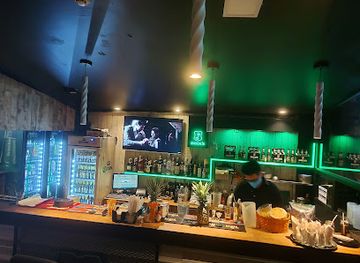
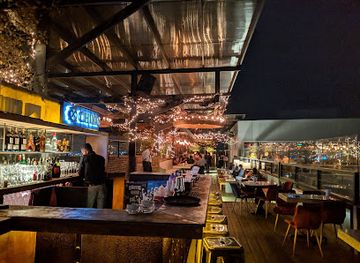
Evening life in Guayas is concentrated in Guayaquil and the adjacent commercial districts of Samborondón, rather than distributed evenly across the province. Central Guayaquil offers bars, restaurants and cultural venues around areas such as Las Peñas and Puerto Santa Ana, while Urdesa has a long-established mix of restaurants, cafés and evening venues. Samborondón provides a newer, more formal concentration of dining rooms, lounges and bars. Guayaquil’s nightlife includes salsa, live music, DJs and contemporary cocktail venues, but the atmosphere varies considerably by neighbourhood and current security guidance should be taken seriously. In Playas, evenings are generally shaped by beachfront restaurants, casual bars and seasonal holiday activity rather than a large permanent club scene. Smaller towns and rural districts tend to centre on traditional pubs, restaurants, social halls and occasional live music. A night out does not need to revolve around alcohol: food, music, theatre and waterfront walks are also part of the province’s evening culture.
-
Restaurant
Frutabar
Discover unique fruit-inspired dishes and drinks at Frutabar, the vibrant restaurant and bar nestled in Guayaquil's Urdesa neighborhood.
-
Gastropub
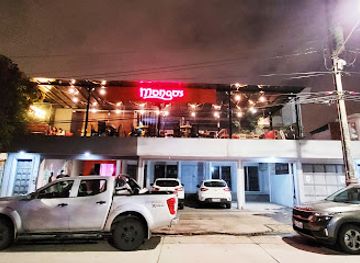
MONGOS URDESA
Experience the vibrant nightlife and exquisite cuisine at Mongos Urdesa, a premier gastropub in Guayaquil, Ecuador.
-
Grill
CantoBar
Experience the vibrant flavors of CantoBar in Guayaquil, where grilled delights and a lively atmosphere come together for an unforgettable dining experience.
-
Grill
Vento RoofTop
Experience luxurious dining with breathtaking views at Vento RoofTop, Samborondón's premier grill destination.
Best nightclubs in Guayas Region
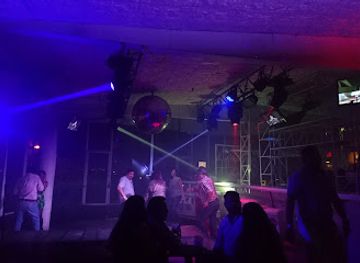
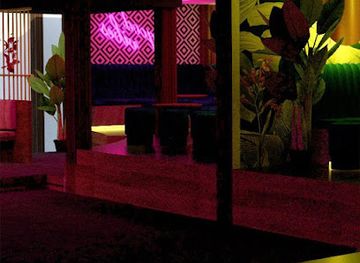
Evening life in Guayas is concentrated in Guayaquil and the adjacent commercial districts of Samborondón, rather than distributed evenly across the province. Central Guayaquil offers bars, restaurants and cultural venues around areas such as Las Peñas and Puerto Santa Ana, while Urdesa has a long-established mix of restaurants, cafés and evening venues. Samborondón provides a newer, more formal concentration of dining rooms, lounges and bars. Guayaquil’s nightlife includes salsa, live music, DJs and contemporary cocktail venues, but the atmosphere varies considerably by neighbourhood and current security guidance should be taken seriously. In Playas, evenings are generally shaped by beachfront restaurants, casual bars and seasonal holiday activity rather than a large permanent club scene. Smaller towns and rural districts tend to centre on traditional pubs, restaurants, social halls and occasional live music. A night out does not need to revolve around alcohol: food, music, theatre and waterfront walks are also part of the province’s evening culture.
-
Disco club
Latin Palace
Discover the heart of Guayaquil's nightlife at Latin Palace, where vibrant music and dancing await every night.
-
Night club
La Mansión Night Club Guayaquil
Discover the electrifying nightlife at La Mansión Night Club in Guayaquil, where music, dance, and local culture come alive every night.
-
Disco club
Vibes Rooftop Club
Discover the vibrant nightlife of Guayaquil at Vibes Rooftop Club, where music, stunning views, and unforgettable experiences await.
-
Night club
NIGHT CLUB OBSESION 5 ESTRELLAS
Dive into the vibrant nightlife of Guayaquil at Obsesion 5 Estrellas, where every night is a celebration of music, dance, and unforgettable memories.


Best shops in Guayas Region
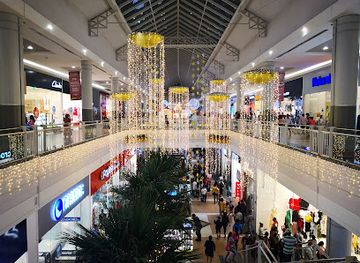
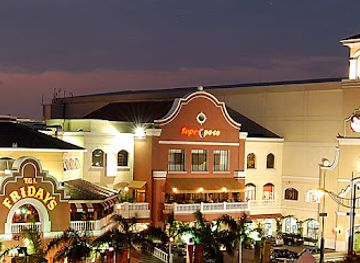
Shopping in Guayas ranges from traditional markets and food stalls to modern commercial centres, with the greatest choice in Guayaquil and Samborondón. Central markets are useful for seeing the province’s everyday produce, including tropical fruit, plantains, rice, seafood and prepared foods, although visitors should choose busy stalls with good hygiene practices. Craft shops and cultural institutions in Guayaquil sell ceramics, textiles, woodwork, paintings and Ecuadorian design goods, while specialist food retailers offer cacao, chocolate, coffee and regional sweets that travel well. Contemporary shopping centres in the metropolitan area provide international brands, supermarkets and reliable facilities, but they offer a broadly national retail experience rather than distinctly Guayas products. Playas has seasonal beach-oriented shopping, including light clothing, handicrafts and souvenirs. In smaller towns, independent shops and agricultural markets are more practical than extensive retail districts. Bargaining is not expected in formal shops, whereas polite negotiation may be possible in some craft or market settings; compare quality and agree the price before purchasing.
-
Shopping mall
Mall del Sol
Discover shopping bliss at Mall del Sol, Guayaquil's top destination for fashion, dining, and family fun.
-
Shopping mall
San Marino Shopping
Explore San Marino Shopping in Guayaquil, a luxurious mall offering top brands, diverse dining, and vibrant entertainment for a memorable experience.
-
Shopping mall
Plaza Lagos
Experience the vibrant culture and shopping extravaganza at Plaza Lagos, Guayaquil's premier shopping mall, blending style, taste, and entertainment.
-
Shopping mall
Albán Borja Mall
Experience the best of shopping, dining, and entertainment at Albán Borja Mall in Guayaquil, Ecuador's vibrant retail destination.
Get your free copy of our complete guide to Guayas Region, delivered straight to you.
Everything on this page, from attractions and restaurants to essentials and local phrases, in one PDF you can read offline, print or share.
Already have an account? Sign in
Your Guayas Region guide is ready.
We'll send it to · Not you? Sign out

Getting your guide ready…
We are putting together a fresh copy of the Guayas Region guide. This can take up to a minute.
This can take a few moments. If your browser asks, choose Allow so the download can start. You'll find the guide in your Downloads folder.
Nothing happened? Download it again
Sorry, the guide is taking longer than usual. Please try again in a minute, or get it by email instead.
Guayas Region essentials
Currency and Payment
Safety
Emergency Situations
Do's and Don'ts
Local Tips
From Eve
Local phrases worth knowing
You don't need to get them perfect. A few words go a long way, and locals appreciate the effort.
Basics
| English | Local | Say it |
|---|---|---|
| Hello | Hola | [Ola] |
| Goodbye | Adiós | [Adios] |
| Yes | Sí | [Si] |
| No | No | [No] |
| Please/You're welcome | Por favor | [Por favor] |
| Thank you | Gracias | [Grasias] |
| Excuse me/Sorry | Disculpe | [Disculpe] |
| How are you? | ¿Cómo estás? | [Como estas] |
| Fine. And you? | Bien. ¿Y tú? | [Bien. I tu] |
| Do you speak English? | ¿Hablas inglés? | [Hablas ingles] |
| I don't understand | No entiendo | [No entiendo] |
Eating & Drinking
| English | Local | Say it |
|---|---|---|
| I'd like to see the menu, please | Quisiera ver el menú, por favor | [Kisiera ver el menu, por favor] |
| I don't eat meat | No como carne | [No como karne] |
| Cheers! | ¡Salud! | [Salud] |
| I would like to pay, please | Quisiera pagar, por favor | [Kisiera pagar, por favor] |
Emergencies
| English | Local | Say it |
|---|---|---|
| Help! | ¡Ayuda! | [Ayuda] |
| Go away! | ¡Vete! | [Vete] |
| Call the Police! | ¡Llama a la policía! | [Llama a la polisia] |
| Call a doctor! | ¡Llama a un doctor! | [Llama a un doktor] |
| I'm lost | Estoy perdido | [Estoy perdido] |
| I'm ill | Estoy enfermo | [Estoy enfermo] |
Shopping
| English | Local | Say it |
|---|---|---|
| I'd like to buy... | Quisiera comprar... | [Kisiera comprar] |
| I'm just looking | Solo estoy mirando | [Solo estoy mirando] |
| How much is it? | ¿Cuánto cuesta? | [Cuanto cuesta] |
| That's too expensive | Eso es muy caro | [Eso es mui karo] |
| Can you lower the price? | ¿Puedes bajar el precio? | [Puedes bajar el precio] |
Time & Numbers
| English | Local | Say it |
|---|---|---|
| What time is it? | ¿Qué hora es? | [Ke ora es] |
| It's one o'clock | Es la una | [Es la una] |
| Half past (10) | Y media | [Y media] |
| Morning | Mañana | [Mañana] |
| Afternoon | Tarde | [Tarde] |
| Evening | Noche | [Noche] |
| Yesterday | Ayer | [Ayer] |
| Today | Hoy | [Hoy] |
| Tomorrow | Mañana | [Mañana] |
| 1 | Uno | [Uno] |
| 2 | Dos | [Dos] |
| 3 | Tres | [Tres] |
| 4 | Cuatro | [Kuatros] |
| 5 | Cinco | [Sinco] |
| 6 | Seis | [Seis] |
| 7 | Siete | [Siete] |
| 8 | Ocho | [Ocho] |
| 9 | Nueve | [Nueve] |
| 10 | Diez | [Diez] |
Transport & Directions
| English | Local | Say it |
|---|---|---|
| Where's a/the...? | ¿Dónde está un/una...? | [Donde esta un/una] |
| What's the address? | ¿Cuál es la dirección? | [Cual es la direccion] |
| Can you show me (on the map)? | ¿Puedes mostrarme (en el mapa)? | [Puedes mostrarme en el mapa] |
| When's the next (bus)? | ¿Cuándo es el próximo (bus)? | [Cuando es el proximo bus] |
| A ticket (to ....) | Un boleto (a ....) | [Un boleto a] |
History of Guayas Region
Huancavilca Communities and Pre-Hispanic Trade
Before Spanish colonisation, the Gulf of Guayaquil and the surrounding lowlands were occupied by societies including the Huancavilca, whose cultural sphere extended across parts of present-day Guayas and the neighbouring coast. Communities combined agriculture, fishing and maritime exchange, using rivers, estuaries and the gulf as routes for movement and trade. Archaeological evidence from the wider coastal region demonstrates long-established expertise in ceramics, boats and coastal commerce. This earlier history remains important to understanding Guayas as a riverine and maritime crossroads rather than simply a modern port province.
Spanish Settlement and the Colonial Port
Spanish settlement in the Guayaquil area developed during the sixteenth century through a series of foundations and relocations before the city became established beside the Guayas River. Its port, shipbuilding activity and access to the Pacific gave it a strategic role in the colonial economy, although the low-lying environment exposed the settlement to floods, fires and disease. Timber construction became characteristic of the city, while surrounding estates and waterways supported food production and regional trade. Colonial Guayaquil gradually became one of the most important ports on Ecuador’s coast.
Independence in 1820 and the Guayaquil Conference
Guayaquil declared independence from Spanish rule on 9 October 1820, an event that placed the city and its surrounding province at the centre of the independence campaign on Ecuador’s coast. The city later hosted the meeting between José de San Martín and Simón Bolívar in July 1822, when the two leaders discussed the future of the wars of independence in South America. Although the political outcome was determined beyond Guayas, the episode gave Guayaquil lasting significance in the history of Ecuador and the wider liberation of Spanish South America.
The Cacao Boom of the Nineteenth Century
During the nineteenth century, cacao cultivation in the Guayas basin and neighbouring coastal districts helped make Guayaquil Ecuador’s principal export port. Wealth from cacao financed commercial houses, public works and ambitious urban development, while large estates connected the countryside to international markets. The boom also depended on unequal labour and landholding systems, so its benefits were not shared evenly. The period’s legacy can still be read in Guayaquil’s historic architecture, commercial traditions and continuing association with Ecuadorian cacao, even though later disease and economic changes altered the industry.
The Liberal Revolution and Modern Guayaquil
The Liberal Revolution of 1895, associated with Eloy Alfaro, transformed Ecuador’s political direction and found strong support in Guayaquil’s commercial and urban society. Liberal reforms weakened the political dominance of conservative Catholic institutions, encouraged secular public policy and promoted infrastructure and education. In Guayas, the period coincided with expanding commerce, improved communications and a rapidly changing port city. The surviving civic buildings and urban layout of central Guayaquil reflect the growth of a modern republican capital of trade during the late nineteenth and early twentieth centuries.
Railways, Ports and Regional Integration
The railway linking Guayaquil with Quito, completed in the early twentieth century, strengthened connections between the coast and the Andean highlands. Durán, on the opposite side of the Guayas River from Guayaquil, became a crucial railway and transport junction. Although the route’s fortunes changed over time, the railway helped integrate Ecuador’s contrasting ecological zones and expanded the movement of people, agricultural products and manufactured goods. Guayas consequently developed an even stronger role as the country’s maritime gateway and principal centre for national commerce.
Urban Expansion and Environmental Protection
During the twentieth and early twenty-first centuries, Guayas experienced rapid population growth, industrialisation and metropolitan expansion, particularly around Guayaquil, Durán and Samborondón. New roads, port facilities, housing and commercial districts reshaped the river basin, while agriculture remained important in the wider province. At the same time, protected areas such as Santay Island, Cerro Blanco and the Manglares Churute Ecological Reserve recognised the ecological value of wetlands, mangroves and dry forest. Contemporary Guayas is therefore defined both by metropolitan development and by efforts to conserve increasingly pressured coastal environments.
Guayas Region in Photos
Browse through our photo collection highlighting the charm and character of the destination.
Neighbouring regions of Guayas Region
The closest regions to Guayas Region, if you have time for more than one.
-

-

-

-
-


Swipe for more regions
Explore more

Explore more of Ecuador
Explore Ecuador: From the Amazon rainforest and Andean highlands to the Pacific coast and Galápagos Islands, discover diverse landscapes and vibrant cultures.
Explore Ecuador