

Free Highland Valleys Travel Guide & Mobile App
Explore Highland Valleys with free travel guides. Discover regional history, expert tips, proposed trips, and audio guides on web or mobile app.


Explore Ecuador’s Highland Valleys for Andean markets, volcanic scenery, colonial towns, indigenous culture and high-altitude outdoor adventures.
Read more about Highland Valleys
When is the best time to visit Highland Valleys?
Best: January, September–October · 20°C| Month | High (°C) | Rainfall (mm) |
|---|---|---|
| January (best) | 20 | 50 |
| February | 21 | 60 |
| March | 21 | 70 |
| April | 22 | 80 |
| May | 22 | 90 |
| June | 22 | 80 |
| July | 21 | 70 |
| August | 21 | 60 |
| September (best) | 20 | 50 |
| October (best) | 20 | 50 |
| November | 20 | 50 |
| December | 20 | 50 |
Getting to and around Highland Valleys
How to get there
Transportation
Top city travel guides in Highland Valleys
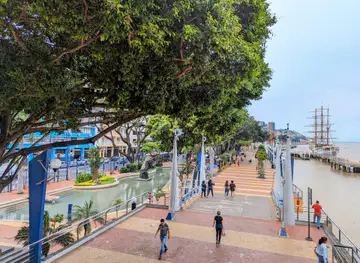
The cities of Highland Valleys, and the easiest places to base yourself.
-

-
-

-

-

-


Swipe for more cities
Destinations in Highland Valleys
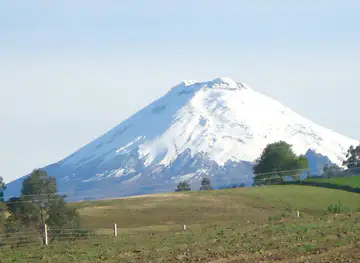
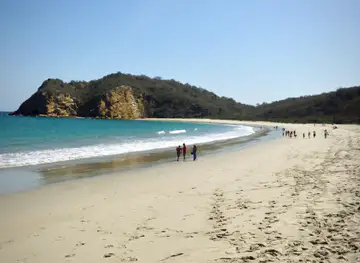
Resorts, valleys and scenic spots worth a trip of their own.
-
-

-

-

-
-


Swipe for more destinations
Best attractions in Highland Valleys
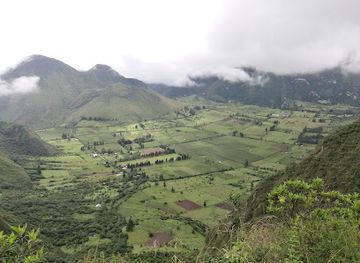
The attraction landscape of Ecuador’s Highland Valleys combines urban heritage, Indigenous commerce, volcanic scenery and agricultural countryside. Quito’s historic centre is the major cultural anchor, with churches, museums, plazas and restored colonial streets, while the eastern valleys provide a warmer contrast of ravines, gardens, farms and expanding suburban districts. Around Otavalo, the market and nearby communities offer insight into long-established textile and trading traditions; Lake San Pablo, Imbabura and Cuicocha add accessible highland scenery. The central Andean corridor provides routes towards Cotopaxi National Park and Quilotoa, where hiking, viewpoints and crater landscapes replace the cultivated valley floor. Visitors can also explore hacienda landscapes, craft workshops, food markets and local festivals when arrangements are appropriate. Because attractions are dispersed and elevations vary sharply, the region rewards a planned itinerary rather than a single sightseeing circuit.
-
History museum
Quinta de Juan León Mera
Discover the literary legacy of Juan León Mera at the Quinta de Juan León Mera, a historical museum nestled in the heart of Ambato, Ecuador.
-
Tourist attraction
Pearl Shell
Explore the breathtaking Pearl Shell in Puerto Villamil, a paradise of pristine beaches and vibrant marine life perfect for relaxation and adventure.
-
Tourist attraction
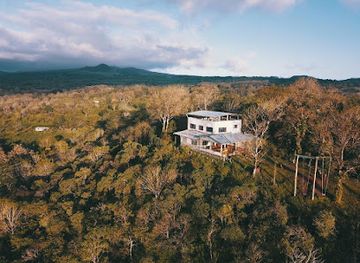
Highland View Galapagos
Explore the beauty of Highland View Galapagos on Isla Santa Cruz, a unique organic farm and animal park in the heart of the Galapagos Islands.
-
Park
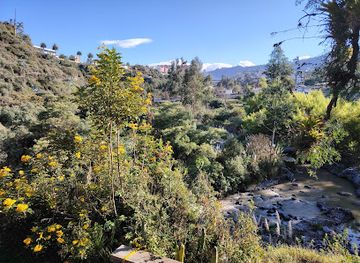
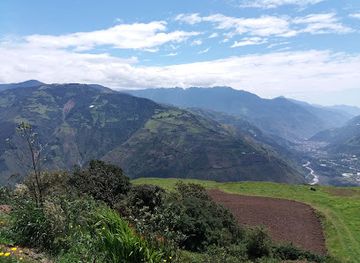
Mirador La Cruz de Cotalo
Discover the breathtaking panoramic views at Mirador La Cruz de Cotalo, an ideal park for nature lovers and photography enthusiasts in Ecuador.

Best landmarks in Highland Valleys
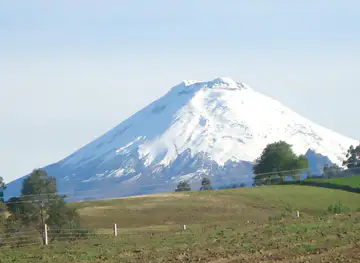
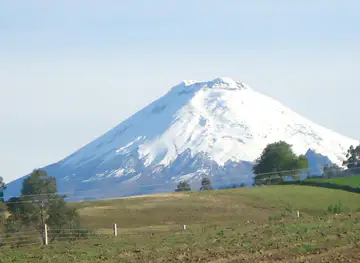
The landmarks of Ecuador’s Highland Valleys are defined by volcanic geography and layered settlement. Quito’s historic centre contains some of the country’s most important colonial architecture, including the churches and civic buildings around its traditional plazas. In the northern highlands, the broad form of Imbabura, Lake San Pablo and the volcanic crater of Cuicocha provide powerful natural reference points and remain closely connected to local communities. The Cotopaxi volcano, visible from parts of the central corridor and protected within Cotopaxi National Park, is one of the region’s defining Andean silhouettes, while Quilotoa’s turquoise crater lake marks a different volcanic landscape. Older town centres, whitewashed churches, adobe walls and former hacienda buildings reveal how colonial and agricultural systems occupied the valleys. These landmarks are not isolated scenic backdrops: many remain part of working communities, protected areas or active religious spaces, so respectful access and photography matter.
-
Monument
Middle of the World City
Experience the unique thrill of standing on the equator at Middle of the World City, your gateway to Ecuador's rich culture and geography.
-
Tourist attraction
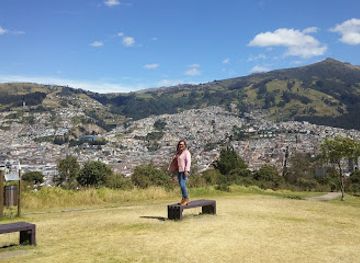
Virgin of the Panecillo
Discover the breathtaking Virgin of the Panecillo, a cultural icon in Quito, offering stunning views and rich history in the heart of Ecuador.
-
Historical landmark
Independence Square
Explore Independence Square, a historical landmark in Quito, surrounded by stunning architecture and rich cultural heritage.
-
Catholic church
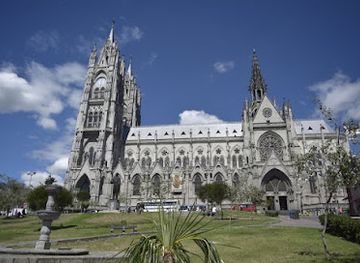
Basílica del Voto Nacional
Discover the architectural splendor and spiritual significance of Basílica del Voto Nacional, a must-see Gothic masterpiece in the heart of Quito.
Explore Highland Valleys on the map
Plan your trip on one map. See where the top cities, national parks and sights are, and book hotels and experiences in a few clicks.
Best hotels in Highland Valleys
Best restaurants in Highland Valleys
Food in the Highland Valleys reflects Andean crops, highland livestock and produce brought from warmer slopes. Locro de papas, a potato and cheese soup, is a familiar highland speciality, while mote, llapingachos, humitas, grilled meats, fresh cheese and corn-based dishes appear in markets, family restaurants and traditional eateries. Quito offers the broadest range of contemporary Ecuadorian and international dining, whereas smaller towns are more likely to centre on set lunches, bakeries, cafés and busy market stalls. In the northern valleys, fruit, dairy products and local grains feature prominently; lower eastern valleys supply additional produce. Look for fresh juices, regional breads and seasonal ingredients, and remember that market food is often informal rather than available to a fixed schedule. Ecuadorian chocolate and locally grown coffee are also widely encountered, although their origins may lie outside the immediate valley where they are served.
-
Restaurant
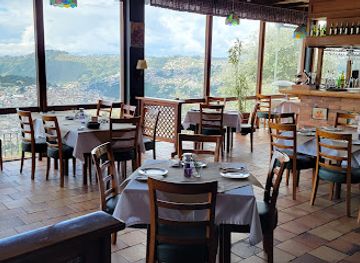
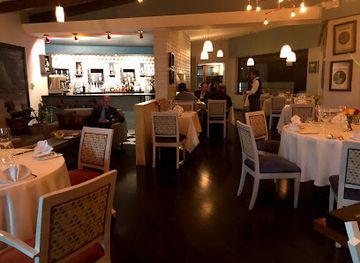
Vista Hermosa (ITCHIMBIA)
Discover culinary delights and breathtaking views at Vista Hermosa, Quito's premier restaurant experience.
-
Ecuadorian
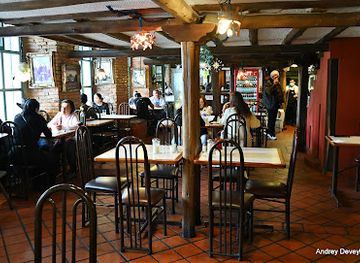
Pim's
Discover authentic Ecuadorian cuisine at Pim's in Quito—where tradition meets taste in an inviting atmosphere.
-
Ecuadorian
Raymipampa Restaurant
Experience authentic Ecuadorian cuisine at Raymipampa Restaurant in Cuenca – where every dish tells a story.
-
French
Chez Jérôme
Experience the pinnacle of French cuisine at Chez Jérôme – where culinary artistry meets unparalleled service in Quito.

Best bars in Highland Valleys
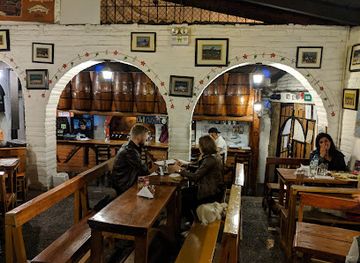
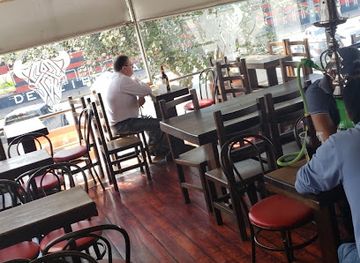
Nightlife varies sharply across the Highland Valleys. Quito has the region’s largest choice of bars, live-music venues, restaurants and late-evening entertainment, particularly in established central and northern districts, though visitors should use normal urban precautions when returning at night. In towns such as Otavalo, Ibarra and Latacunga, evening activity is more concentrated around cafés, restaurants, traditional bars and occasional live music than around a large club scene. Smaller valley settlements generally become quiet after dinner, with social life centred on family gatherings, local festivals and modest neighbourhood establishments. Craft beer, Ecuadorian spirits and fruit-based drinks appear alongside familiar international options. Drinking is not necessary to engage with local culture, and high altitude can intensify the effects of alcohol, so moderation is particularly sensible.
-
Brewpub
Bandido Brewing
Discover the vibrant craft beer scene at Bandido Brewing, where local flavors meet a lively atmosphere in the heart of Quito.
-
Irish pub
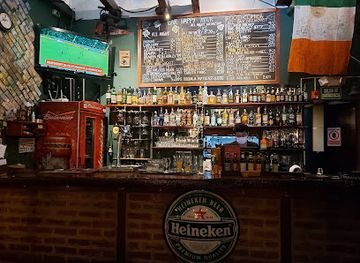
Finn McCool's Irish Pub
Discover the authentic Irish experience at Finn McCool's Irish Pub in Quito, where great food, drinks, and live music await you.
-
Bar
Vértigo Rooftop
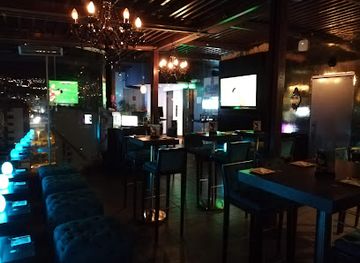
Discover breathtaking views and exquisite drinks at Vértigo Rooftop, where Quito's skyline meets the stunning Andes mountains.
-
Bar
Bailador Bar
Discover the lively nightlife at Bailador Bar in Quito, where local flavors and energetic ambiance come together for an unforgettable evening.
Best nightclubs in Highland Valleys
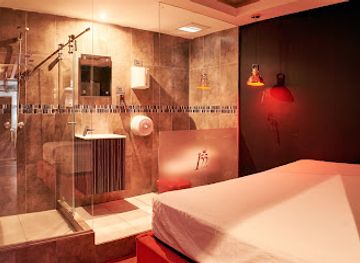
Nightlife varies sharply across the Highland Valleys. Quito has the region’s largest choice of bars, live-music venues, restaurants and late-evening entertainment, particularly in established central and northern districts, though visitors should use normal urban precautions when returning at night. In towns such as Otavalo, Ibarra and Latacunga, evening activity is more concentrated around cafés, restaurants, traditional bars and occasional live music than around a large club scene. Smaller valley settlements generally become quiet after dinner, with social life centred on family gatherings, local festivals and modest neighbourhood establishments. Craft beer, Ecuadorian spirits and fruit-based drinks appear alongside familiar international options. Drinking is not necessary to engage with local culture, and high altitude can intensify the effects of alcohol, so moderation is particularly sensible.
-
Disco club
Discoteca Nidia Fuzzion Party
Discoteca Nidia Fuzzion Party: Where Cuenca’s Nightlife Comes Alive with Music, Dance, and Affordable Fun!
-
Night club
Lost Beach Club
Experience the vibrant nightlife at Lost Beach Club in Montañita, where stunning beachfront views meet electrifying music and unforgettable parties.
-
Night club
Club 155
Discover the thrill of Quito's nightlife at Club 155, where vibrant music, delicious cocktails, and unforgettable moments await you.
-
Night club
La Mansión Night Club Guayaquil
Discover the heart of Guayaquil's nightlife at La Mansión Night Club, where vibrant energy and unforgettable nights await you.



Best shops in Highland Valleys
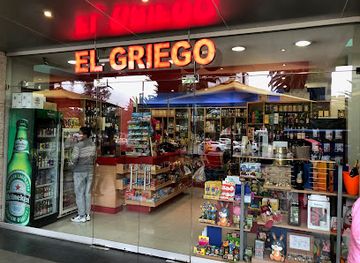
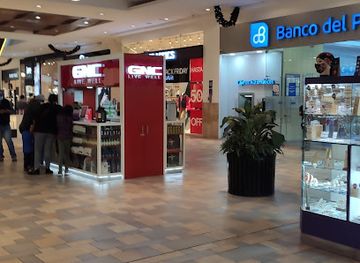
Shopping in the Highland Valleys ranges from Quito’s galleries, bookshops and contemporary design stores to the market culture of northern Andean towns. Otavalo is especially associated with woven textiles, clothing, blankets, knitwear, jewellery and other crafts sold through its long-established market tradition, although visitors should compare quality and ask about materials before buying. Smaller markets and village workshops offer ceramics, baskets, food products and household goods, while Quito provides the widest selection of Ecuadorian chocolate, coffee, crafts and more formal retail. Farmers’ markets are useful for seeing local produce such as maize, potatoes, fruit and cheese, but products and market days vary by settlement. Fair payment and polite bargaining are appropriate where bargaining is customary; it should not become aggressive or dismissive of the labour involved. Pack fragile ceramics and textiles carefully, and check customs rules before exporting natural or archaeological-looking objects.
-
Shopping mall
Quicentro
Discover the vibrant shopping experience at Quicentro, Quito's premier destination for retail, dining, and entertainment.
-
Shopping mall
Mall del Sol
Explore the bustling Mall del Sol in Guayaquil, where shopping, dining, and entertainment meet in a vibrant atmosphere.
-
Shopping mall
Condado Shopping
Experience the best of shopping, dining, and entertainment at Condado Shopping, Quito's premier shopping destination.
-
Shopping mall
El Jardín Mall
Discover the vibrant shopping and dining experience at El Jardín Mall, Quito's premier retail destination for tourists and locals alike.


Get your free copy of our complete guide to Highland Valleys, delivered straight to you.
Everything on this page, from attractions and restaurants to essentials and local phrases, in one PDF you can read offline, print or share.
Already have an account? Sign in
Your Highland Valleys guide is ready.
We'll send it to · Not you? Sign out

Getting your guide ready…
We are putting together a fresh copy of the Highland Valleys guide. This can take up to a minute.
This can take a few moments. If your browser asks, choose Allow so the download can start. You'll find the guide in your Downloads folder.
Nothing happened? Download it again
Sorry, the guide is taking longer than usual. Please try again in a minute, or get it by email instead.
Highland Valleys essentials
Currency and Payment
Safety
Emergency Situations
Do's and Don'ts
Local Tips
From Eve
Local phrases worth knowing
You don't need to get them perfect. A few words go a long way, and locals appreciate the effort.
Basics
| English | Local | Say it |
|---|---|---|
| Hello | Hola | [Oh-lah] |
| Goodbye | Adiós | [Ah-dee-ohs] |
| Yes | Sí | [See] |
| No | No | [No] |
| Please/You're welcome | Por favor | [Por fah-vor] |
| Thank you | Gracias | [Grah-see-as] |
| Excuse me/Sorry | Perdón | [Pehr-dohn] |
| How are you? | ¿Cómo estás? | [Koh-moh es-tahs] |
| Fine. And you? | Bien. ¿Y tú? | [Byen. Ee too] |
| Do you speak English? | ¿Hablas inglés? | [Ah-blas een-glays] |
| I don't understand | No entiendo | [No en-tyen-doh] |
Eating & Drinking
| English | Local | Say it |
|---|---|---|
| I'd like to see the menu, please | Me gustaría ver el menú, por favor | [Meh goos-tah-ree-ah vehr el meh-noo, por fah-vor] |
| I don't eat meat | No como carne | [No koh-mo kar-neh] |
| Cheers! | ¡Salud! | [Sah-loo-d] |
| I would like to pay, please | Me gustaría pagar, por favor | [Meh goos-tah-ree-ah pah-gar, por fah-vor] |
Emergencies
| English | Local | Say it |
|---|---|---|
| Help! | ¡Ayuda! | [Ah-yoo-dah] |
| Go away! | ¡Vete! | [Veh-teh] |
| Call the Police! | ¡Llama a la policía! | [Yah-ma ah lah poh-lee-see-ah] |
| Call a doctor! | ¡Llama a un doctor! | [Yah-ma ah oon dok-tor] |
| I'm lost | Estoy perdido | [Es-toy pehr-dee-doh] |
| I'm ill | Estoy enfermo | [Es-toy en-fehr-mo] |
Shopping
| English | Local | Say it |
|---|---|---|
| I'd like to buy... | Me gustaría comprar... | [Meh goos-tah-ree-ah kom-prar] |
| I'm just looking | Solo estoy mirando | [Soh-lo es-toy mee-ran-do] |
| How much is it? | ¿Cuánto cuesta? | [Kwan-to kwes-ta] |
| That's too expensive | Eso es muy caro | [Eh-so es mwee kah-ro] |
| Can you lower the price? | ¿Puedes bajar el precio? | [Pweh-des bah-har el preh-syo] |
Time & Numbers
| English | Local | Say it |
|---|---|---|
| What time is it? | ¿Qué hora es? | [Keh oh-rah es] |
| It's one o'clock | Es la una | [Es lah oo-nah] |
| Half past (10) | Diez y media | [Dyez ee meh-dee-ah] |
| Morning | Mañana | [Mah-nyah-nah] |
| Afternoon | Tarde | [Tar-deh] |
| Evening | Noche | [Noh-cheh] |
| Yesterday | Ayer | [Ah-yer] |
| Today | Hoy | [Oy] |
| Tomorrow | Mañana | [Mah-nyah-nah] |
| 1 | Uno | [Oo-no] |
| 2 | Dos | [Dos] |
| 3 | Tres | [Tres] |
| 4 | Cuatro | [Kwah-tro] |
| 5 | Cinco | [Sin-ko] |
| 6 | Seis | [Says] |
| 7 | Siete | [See-eh-teh] |
| 8 | Ocho | [Oh-cho] |
| 9 | Nueve | [Nweh-veh] |
| 10 | Diez | [Dyez] |
Transport & Directions
| English | Local | Say it |
|---|---|---|
| Where's a/the...? | ¿Dónde está un/una...? | [Dohn-deh es-tah oon/oo-nah] |
| What's the address? | ¿Cuál es la dirección? | [Kwahl es lah dee-rek-syon] |
| Can you show me (on the map)? | ¿Puedes mostrarme (en el mapa)? | [Pweh-des mohs-trar-meh en el mah-pah] |
| When's the next (bus)? | ¿Cuándo sale el próximo (autobús)? | [Kwan-doh sah-leh el prohk-see-mo (ow-toh-boos)] |
| A ticket (to ....) | Un boleto (a ....) | [Oon boh-leh-toh ah] |
History of Highland Valleys
Early Andean societies
Long before Spanish arrival, the valleys and basins of the northern Andes supported agricultural communities that adapted to steep slopes, variable rainfall and different ecological zones. Cultivation of maize, potatoes and other Andean crops encouraged settled life and exchange between high grasslands and warmer lower valleys. Archaeological evidence across the Quito, Imbabura and central Andean areas reflects complex local societies, including the prosperous communities later described as belonging to the Caranqui cultural sphere in the north.
Inca expansion in the northern Andes
During the late fifteenth century, Inca forces expanded northwards from the Andes of present-day Peru into Ecuador. Resistance was particularly strong in the northern highlands, and conflicts affected communities around Quito and the valleys near present-day Imbabura. Inca administration introduced new political and transport connections without erasing established local identities. The short duration of Inca rule in much of Ecuador helps explain why regional Indigenous traditions remain varied rather than uniform.
Spanish conquest and colonial Quito
Spanish conquest in the sixteenth century transformed landholding, religion, labour and settlement patterns throughout the highlands. Quito became the centre of a major colonial jurisdiction, and churches, monasteries, plazas and estates reshaped the urban and rural landscape. Indigenous communities continued to farm, trade and preserve local practices within a deeply unequal colonial system. Many historic buildings in Quito and older valley settlements reflect this period, although their survival has also depended on later restoration and adaptation.
Haciendas, agriculture and regional trade
From the colonial period into the nineteenth and twentieth centuries, large estates influenced the economies of the Andean valleys. Haciendas produced grain, livestock, dairy goods and, in suitable lower valleys, fruit and flowers, while market towns connected farmers with Quito and other highland centres. Labour relations were often exploitative, and land concentration remained a central social issue. Ecuador’s agrarian reforms of the twentieth century changed many estates and contributed to the development of smaller farms and community-based production.
Indigenous mobilisation and cultural continuity
The highland valleys have been important centres of Indigenous organisation, education and political mobilisation. Kichwa communities in the northern Andes have maintained distinctive languages, weaving, music, agricultural knowledge and communal institutions while responding to migration, schooling and economic change. The late twentieth century saw major Indigenous movements influence Ecuadorian public life and national debates about land, rights and multicultural citizenship. Markets and festivals remain visible expressions of this continuing cultural presence, but they should not be treated as static displays.
Urban growth and the modern Andean corridor
During the late twentieth and early twenty-first centuries, improved roads and Quito’s expansion altered the eastern valleys and other accessible basins. Areas such as Cumbayá, Tumbaco and Los Chillos developed new housing, commerce and services, while retaining farms, ravines and older settlements in places. Tourism, flower production, commerce and professional services now coexist with traditional agriculture. The result is a region of pronounced contrasts: historic highland communities, industrial and transport corridors, protected volcanic landscapes and rapidly changing suburban edges.
Highland Valleys in Photos
Browse through our photo collection highlighting the charm and character of the destination.
Neighbouring regions of Highland Valleys
The closest regions to Highland Valleys, if you have time for more than one.
-
-
-

-

-


Swipe for more regions
Explore more

Explore more of Ecuador
Explore Ecuador: From the Amazon rainforest and Andean highlands to the Pacific coast and Galápagos Islands, discover diverse landscapes and vibrant cultures.
Explore Ecuador