
Coastal Lowlands, Ecuador Travel Guide
Discover Ecuador's Coastal Lowlands: A blend of pristine beaches, lush mangroves, vibrant towns, and rich cultural heritage waiting to be explored.
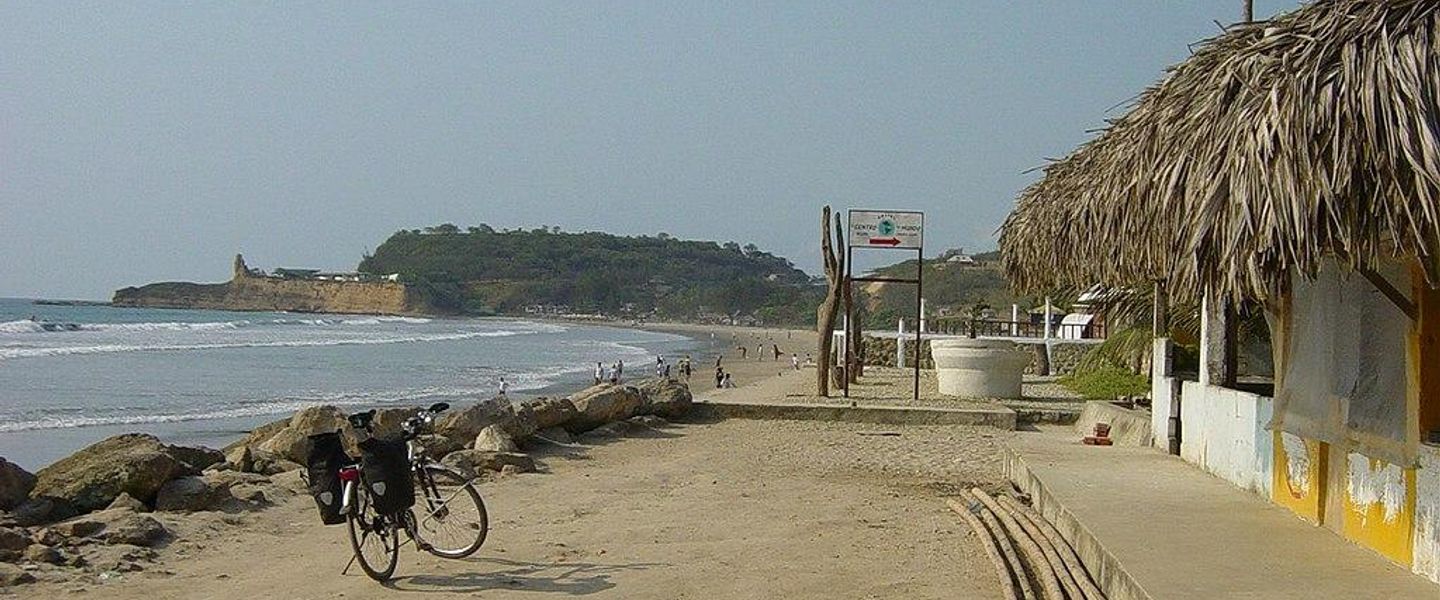
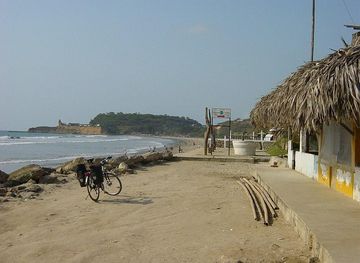
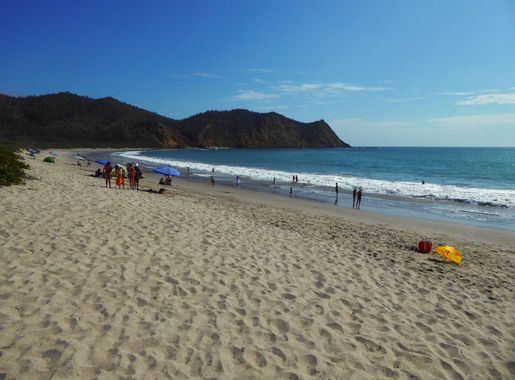
Nestled between the Andean highlands and the Pacific Ocean, the Coastal Lowlands of Ecuador offer a diverse blend of natural beauty, rich culture, and unique experiences. This region is characterized by its lush mangroves, pristine beaches, and vibrant towns, making it a perfect destination for nature lovers, adventure seekers, and those looking to immerse themselves in Ecuadorian culture. Explore the bustling port city of Guayaquil, known as the gateway to the Pacific. Here, you can stroll along the picturesque Malecón 2000, a waterfront promenade that offers stunning views, sculptures, and gardens. Don’t miss the historic neighborhood of Las Peñas, with its colorful houses and art galleries, which provide a glimpse into the city's colonial past. For a more tranquil experience, visit the coastal town of Salinas, famous for its beautiful beaches and water sports. Whether you’re interested in surfing, whale watching, or simply relaxing on the sand, Salinas has something for everyone. Further north, the town of Esmeraldas boasts vibrant Afro-Ecuadorian culture, delicious seafood, and lively music and dance traditions. Nature enthusiasts will find the coastal lowlands to be a paradise. The Manglares Churute Ecological Reserve is home to an array of wildlife, including howler monkeys, crocodiles, and numerous bird species. A boat tour through the mangroves offers a unique perspective on this stunning ecosystem. Additionally, the region's national parks and reserves provide ample opportunities for hiking, bird-watching, and exploring Ecuador's diverse flora and fauna. The Coastal Lowlands of Ecuador are more than just a scenic destination; they are a melting pot of cultures, traditions, and natural wonders. Whether you’re looking to relax on the beach, delve into local history, or embark on an eco-adventure, this region promises unforgettable experiences.

Know before you go
Hi, I'm Eve. Here are a few practical things to know before exploring Coastal Lowlands.
- Visit during the dry season (June to November) for the best weather and fewer rain showers.
- Try the local seafood dishes, especially ceviche, which is a regional specialty.
- Carry insect repellent when visiting mangroves and nature reserves to protect against mosquitoes.
- Learn a few basic Spanish phrases as English is not widely spoken in some areas.
- Ensure you have local currency (US dollars) as credit card facilities may be limited in smaller towns.
Top City Travel Guides in Coastal Lowlands
The cities of Coastal Lowlands, and the easiest places to base yourself.


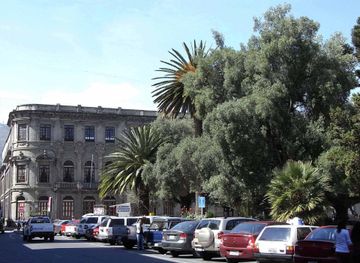

Destinations in Coastal Lowlands
Resorts, valleys and scenic spots worth a trip of their own.


Explore Coastal Lowlands: Things to Do, Places to Eat, Hotels & More
Handpicked recommendations for top attractions, local dining, accommodations, and more

Top Attractions & Sightseeing in Coastal Lowlands
Top-rated picks
Best Attractions

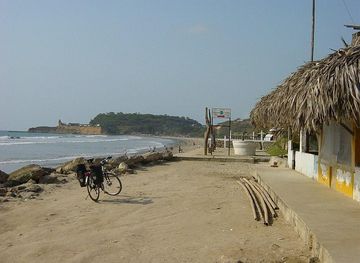
Playa Santa Marianita
Experience the tranquil beauty and vibrant culture of Playa Santa Marianita, a must-visit beach destination in Ecuador.
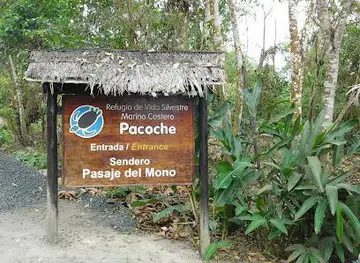
Refugio de Vida Silvestre y Marino Costera Pacoche
Explore the stunning Refugio de Vida Silvestre y Marino Costera Pacoche, a coastal paradise of diverse wildlife and breathtaking landscapes in Ecuador.

Mirador de Salango
Experience breathtaking ocean views at Mirador de Salango, the ultimate observation deck in Ecuador's stunning coastal landscape.

Mirador Las Frigates
Experience the stunning coastline and vibrant landscapes at Mirador Las Frigates, a must-visit vista point in Machalilla, Ecuador.

Best landmarks in Coastal Lowlands
Top-rated picks
Best Landmarks
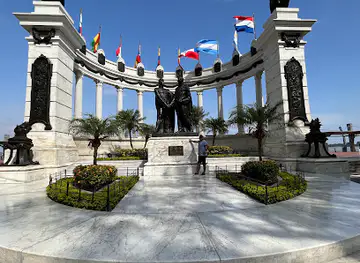
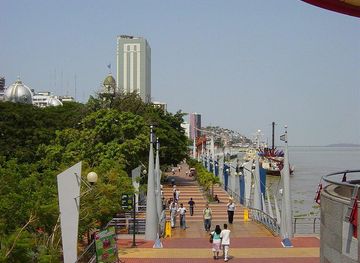
Malecon 2000
Experience the cultural heartbeat of Guayaquil at Malecon 2000, a stunning waterfront promenade filled with attractions, dining, and breathtaking views.

Middle of the World City
Discover the wonders of the equator at Middle of the World City, a unique monument and cultural hub in Quito, Ecuador.

Independence Square
Experience the rich history and vibrant culture of Quito at Independence Square, Ecuador's historical landmark and cultural hub.
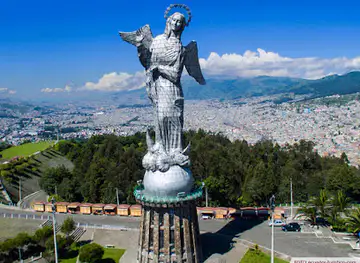
Virgin of the Panecillo
Discover the stunning Virgin of the Panecillo, an iconic monument in Quito offering breathtaking views and a glimpse into Ecuador's rich culture.

Best restaurants in Coastal Lowlands
Top-rated picks
Best Restaurants

Fogo de Chão Ecuador
Experience authentic Brazilian barbecue at Fogo de Chão Ecuador in Quito—where tradition meets flavor in every bite.

Vista Hermosa (ITCHIMBIA)
Discover delightful cuisine and stunning views at Vista Hermosa in Quito - an unforgettable culinary escape.

Pim's
Discover the essence of Ecuadorian cuisine at Pim's in Quito - where tradition meets taste in an unforgettable dining experience.

Casa Julián
Experience exquisite Ecuadorian seafood at Casa Julián - a top-rated dining destination along the scenic Río Guayas in Samborondón.

Best bars in Coastal Lowlands
Top-rated picks
Best Bars

Finn McCool's Irish Pub
Finn McCool's Irish Pub in Quito offers an authentic Irish experience with delicious food, drinks, and lively social events in a welcoming atmosphere.

Vértigo Rooftop
Discover Vértigo Rooftop - a stunning bar in Quito offering breathtaking views, delicious cocktails, and a vibrant nightlife experience.

Taverne 13 events
Experience the vibrant atmosphere and delicious cuisine at Taverne 13 Events in beautiful Puerto López, Ecuador.
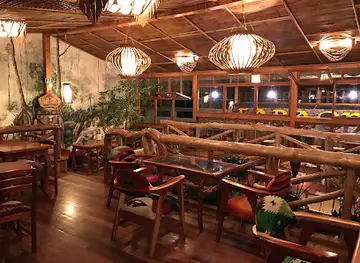
Leprechaun Bar
Experience unforgettable nights at Leprechaun Bar, a lively hotspot in Baños de Agua Santa, offering great drinks, music, and a vibrant atmosphere.

Best nightclubs in Coastal Lowlands
Top-rated picks
Best Nightclubs

Lavoe Salsa Danceclub
Discover Lavoe Salsa Danceclub: Quito's premier destination for vibrant salsa dancing and unforgettable nightlife experiences.

Discoteca Nidia Fuzzion Party
Discover Cuenca's nightlife at Discoteca Nidia Fuzzion Party, where great music and lively vibes create unforgettable nights.

Bungalow 6
Experience the vibrant nightlife of Quito at Bungalow 6, where music, dancing, and delicious cocktails come together for an unforgettable evening.

Cocoa By Tenta
Experience the vibrant nightlife of Riobamba at Cocoa By Tenta, a must-visit disco club with energetic music and a lively atmosphere.

Best shops in Coastal Lowlands
Top-rated picks
Best Shops

Quicentro
Discover the vibrant shopping experience at Quicentro, Quito's top destination for retail, dining, and family fun.

Mall del Sol
Explore Mall del Sol, Guayaquil's premier shopping destination featuring diverse shops, delicious dining, and exciting entertainment options.

San Marino Shopping
Discover San Marino Shopping Mall: Guayaquil's ultimate destination for shopping, dining, and entertainment, blending local charm with global brands.

Condado Shopping
Explore the vibrant Condado Shopping mall in Quito, Ecuador, featuring diverse shops, delicious dining, and family-friendly entertainment.

Explore Coastal Lowlands on the Map
A handpicked selection of must-see spots in Coastal Lowlands, mapped for you.
Coastal Lowlands Essentials
-
The Coastal Lowlands of Ecuador are accessible through several major entry points. The closest international airport is José Joaquín de Olmedo International Airport in Guayaquil. From Guayaquil, you can take a bus, taxi, or rental car to various destinations within the Coastal Lowlands. Another option is to fly into Quito's Mariscal Sucre International Airport and take a domestic flight or bus to the coastal region. Buses are a popular and affordable choice, with several companies offering routes to coastal cities such as Manta, Esmeraldas, and Salinas.
-
Within the Coastal Lowlands, transportation options include buses, taxis, and rental cars. Buses are the most economical option and connect most towns and cities. Taxis are widely available in urban areas but make sure to agree on a fare beforehand or ensure the meter is running. For more flexibility, consider renting a car from one of the major rental agencies in Guayaquil or other major cities. Keep in mind that road conditions can vary, so drive cautiously.
-
Ecuador uses the US Dollar (USD) as its official currency. Credit and debit cards are accepted in most hotels, restaurants, and larger retail stores. However, it is advisable to carry cash for smaller establishments, local markets, and rural areas. ATMs are available in most towns and cities, but it’s a good idea to withdraw sufficient cash in larger cities like Guayaquil or Manta before heading to more remote areas.
-
While the Coastal Lowlands are generally safe, it's important to exercise caution. High-crime areas targeting tourists include certain neighborhoods in Guayaquil, such as the southern districts and some parts of the city center. Avoid walking alone at night and keep your belongings secure in crowded places. Stick to well-lit, populated areas and use reputable transportation services. Always stay aware of your surroundings and follow local advice.
-
In case of emergency, dial 911 for immediate assistance. Medical facilities are available in major towns and cities, with larger hospitals in Guayaquil and Manta. It's advisable to have travel insurance that covers medical emergencies. Pharmacies are widely available for minor health issues. For any legal issues or assistance, contact your country's embassy or consulate in Ecuador.
-
Fashion: Do dress comfortably but modestly, especially in rural areas. Avoid overly revealing clothing. Religion: Do respect local religious customs, especially in churches. Public Transport: Do be respectful and courteous. Don’t eat or drink on public transport. Greetings: Do greet people with a handshake. A light kiss on the cheek is common among friends. Eating & Drinking: Do try local dishes and be open to culinary experiences. Don’t refuse food offered by locals, as it is considered impolite.
-
To experience the Coastal Lowlands like a local, visit local markets where you can buy fresh seafood, tropical fruits, and handmade crafts. Engage with locals; they are often friendly and willing to share tips about the best spots to visit. Don’t miss out on trying ceviche, a local specialty. For a unique experience, visit the beaches early in the morning to see fishermen bringing in their catch. Additionally, exploring smaller, less touristy towns can provide a more authentic view of coastal Ecuadorian life.
When is the best time to visit Coastal Lowlands?
Useful Local Phrases for Coastal Lowlands
You don't need to speak the language perfectly. Even learning a few simple words can make conversations warmer—and locals usually appreciate the effort.
— Eve

Here are the phrases I use most often in Coastal Lowlands. Try a few—you'll be surprised how far they go! 😊
❤️
-
- HelloHey
[hey] - GoodbyeSee ya
[see yah] - YesYeah
[yeh] - NoNah
[nah] - Please/You're welcomeNo problem
[no prob] - Thank youThanks
[thanks] - Excuse me/SorrySorry
[sorry] - How are you?How's it going?
[how's it goin'] - Fine. And you?Good. And you?
[good. an' you?] - Do you speak English?Do you speak English?
[do you speak English?] - I don't understandI don't get it
[I don't get it]
- HelloHey
-
- I'd like to see the menu, pleaseCan I see the menu?
[can I see the menu?] - I don't eat meatI don't eat meat
[I don't eat meat] - Cheers!Cheers!
[cheers] - I would like to pay, pleaseCan I get the check?
[can I get the check?]
- I'd like to see the menu, pleaseCan I see the menu?
-
- Help!Help!
[help] - Go away!Leave me alone!
[leave me alone] - Call the Police!Call the cops!
[call the cops] - Call a doctor!Get a doctor!
[get a doctor] - I'm lostI'm lost
[I'm lost] - I'm illI'm not feeling well
[I'm not feelin' well]
- Help!Help!
-
- I'd like to buy...I want to buy...
[I want to buy...] - I'm just lookingJust browsing
[just browsing] - How much is it?How much does it cost?
[how much does it cost?] - That's too expensiveThat's too pricey
[that's too pricey] - Can you lower the price?Can you give me a better price?
[can you give me a better price?]
- I'd like to buy...I want to buy...
-
- What time is it?What time is it?
[what time is it?] - It's one o'clockIt's one o'clock
[it's one o'clock] - Half past (10)Half past ten
[half past ten] - MorningMorning
[morning] - AfternoonAfternoon
[afternoon] - EveningEvening
[evening] - YesterdayYesterday
[yesterday] - TodayToday
[today] - TomorrowTomorrow
[tomorrow] - 1One
[one] - 2Two
[two] - 3Three
[three] - 4Four
[four] - 5Five
[five] - 6Six
[six] - 7Seven
[seven] - 8Eight
[eight] - 9Nine
[nine] - 10Ten
[ten]
- What time is it?What time is it?
-
- Where's a/the...?Where's the...?
[where's the...?] - What's the address?What's the address?
[what's the address?] - Can you show me (on the map)?Can you show me on the map?
[can you show me on the map?] - When's the next (bus)?When's the next bus?
[when's the next bus?] - A ticket (to ....)A ticket to ...
[a ticket to ...]
- Where's a/the...?Where's the...?
History of Coastal Lowlands
-
Before the arrival of the Spanish, the Coastal Lowlands of Ecuador were home to several indigenous civilizations, such as the Valdivia, Machalilla, and Manteño cultures. The Valdivia culture, one of the oldest in the Americas, dates back to around 3500 BCE and is known for its intricate pottery and early agricultural practices. The Manteños, who thrived between 500 and 1500 CE, were skilled sailors and traders, facilitating commerce along the Pacific coast.
-
In the late 15th century, the Inca Empire expanded into the Coastal Lowlands of Ecuador. Under the leadership of Emperor Túpac Yupanqui, the Incas integrated the coastal regions into their vast empire, bringing with them their advanced agricultural techniques and administrative systems. However, the Incas faced resistance from local tribes, which contributed to the region's complex cultural tapestry.
-
The Spanish conquest of the Coastal Lowlands began in the early 16th century, led by Francisco Pizarro and his conquistadors. The region's strategic location and rich resources made it a valuable asset for the Spanish crown. The establishment of the city of Guayaquil in 1538 marked a significant milestone, as it became an important port for trade and a base for further Spanish expeditions into the interior of South America.
-
During the colonial period, the Coastal Lowlands of Ecuador became a center for agricultural production, particularly cacao and bananas. The labor-intensive plantations relied heavily on the forced labor of indigenous people and African slaves. The region's wealth contributed to the growth of cities like Guayaquil, which became a bustling hub for commerce and culture.
-
Inspired by the broader Latin American independence movements, the Coastal Lowlands played a crucial role in Ecuador's fight for independence from Spanish rule. Key figures like José Joaquín de Olmedo and Vicente Rocafuerte emerged from Guayaquil, advocating for liberation. On October 9, 1820, Guayaquil declared its independence, becoming the first city in present-day Ecuador to do so. This event galvanized the rest of the country, leading to the eventual independence of Ecuador in 1822.
-
In the 20th century, the Coastal Lowlands experienced significant economic growth and modernization. The banana industry, in particular, flourished, making Ecuador one of the world's leading banana exporters. The region also saw improvements in infrastructure, education, and healthcare. The Port of Guayaquil expanded, solidifying its status as a major economic engine for the country. Today, the Coastal Lowlands continue to be a dynamic and culturally vibrant region, reflecting its rich history and diverse heritage.
Neighbouring Regions of Coastal Lowlands
The closest regions to Coastal Lowlands, if you have time for more than one.



Your all‑in‑one travel companion app
Explore expert travel guides, compare and book tours, experiences, hotels, and more—all from the palm of your hand. Download now for seamless trip planning wherever your wanderlust takes you.


Explore More of Ecuador

Looking beyond Coastal Lowlands? Discover Ecuador for broader travel guides, local hot-spots, and regional highlights.
Explore EcuadorCoastal Lowlands in Photos
Browse through our photo collection highlighting the charm and character of the destination.




The Enchanting Coastal Lowlands of Ecuador
Nestled between the Andean highlands and the Pacific Ocean, the Coastal Lowlands of Ecuador offer a diverse blend of natural beauty, rich culture, and unique experiences. This region is characterized by its lush mangroves, pristine beaches, and vibrant towns, making it a perfect destination for nature lovers, adventure seekers, and those looking to immerse themselves in Ecuadorian culture. Explore the bustling port city of Guayaquil, known as the gateway to the Pacific. Here, you can stroll along the picturesque Malecón 2000, a waterfront promenade that offers stunning views, sculptures, and gardens. Don’t miss the historic neighborhood of Las Peñas, with its colorful houses and art galleries, which provide a glimpse into the city's colonial past. For a more tranquil experience, visit the coastal town of Salinas, famous for its beautiful beaches and water sports. Whether you’re interested in surfing, whale watching, or simply relaxing on the sand, Salinas has something for everyone. Further north, the town of Esmeraldas boasts vibrant Afro-Ecuadorian culture, delicious seafood, and lively music and dance traditions. Nature enthusiasts will find the coastal lowlands to be a paradise. The Manglares Churute Ecological Reserve is home to an array of wildlife, including howler monkeys, crocodiles, and numerous bird species. A boat tour through the mangroves offers a unique perspective on this stunning ecosystem. Additionally, the region's national parks and reserves provide ample opportunities for hiking, bird-watching, and exploring Ecuador's diverse flora and fauna. The Coastal Lowlands of Ecuador are more than just a scenic destination; they are a melting pot of cultures, traditions, and natural wonders. Whether you’re looking to relax on the beach, delve into local history, or embark on an eco-adventure, this region promises unforgettable experiences.