

Free Cotopaxi Region Travel Guide & Mobile App
Explore Cotopaxi Region with free travel guides. Discover regional history, expert tips, proposed trips, and audio guides on web or mobile app.


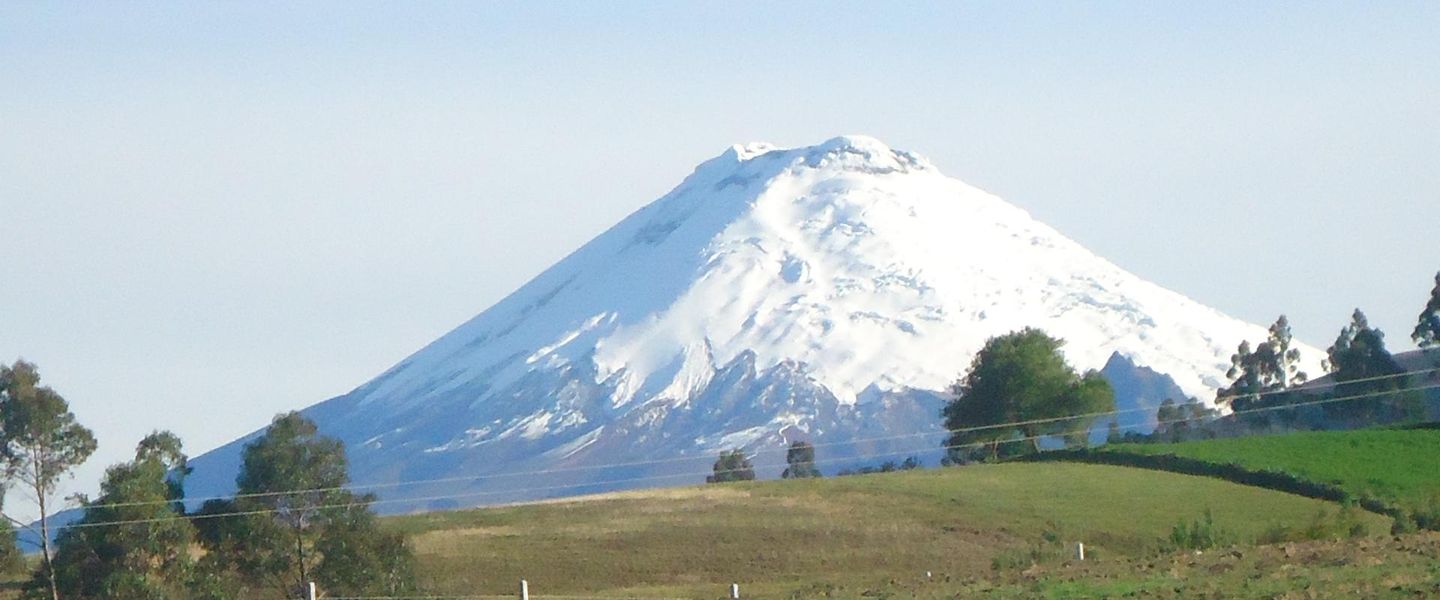


Explore Cotopaxi Province for Ecuadorian volcanoes, highland lagoons, indigenous markets, historic Latacunga and dramatic Andean landscapes.
Read more about Cotopaxi Region
When is the best time to visit Cotopaxi Region?
Best: September–November · 15–16°C| Month | High (°C) | Rainfall (mm) |
|---|---|---|
| January | 14 | 40 |
| February | 14 | 45 |
| March | 15 | 50 |
| April | 15 | 55 |
| May | 16 | 60 |
| June | 16 | 65 |
| July | 15 | 60 |
| August | 15 | 55 |
| September (best) | 16 | 50 |
| October (best) | 16 | 45 |
| November (best) | 15 | 40 |
| December | 14 | 45 |
Getting to and around Cotopaxi Region
How to get there
Transportation
Top city travel guides in Cotopaxi Region
The cities of Cotopaxi Region, and the easiest places to base yourself.
-

-

-


Swipe for more cities
Destinations in Cotopaxi Region
Resorts, valleys and scenic spots worth a trip of their own.
-
-

-


Swipe for more destinations
Best attractions in Cotopaxi Region
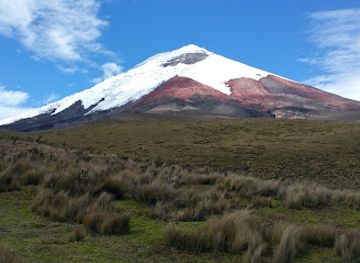
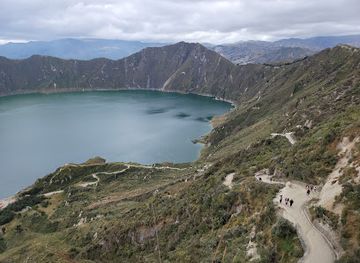
Cotopaxi’s attractions are organised around a sequence of highland landscapes rather than a single urban centre. Cotopaxi National Park offers volcanic scenery, páramo vegetation, lagoons and outdoor routes beneath the cone of Cotopaxi; access, climbing conditions and permitted routes can change with weather and volcanic activity. The Quilotoa circuit leads through Zumbahua and Indigenous communities to the turquoise crater lake, with viewpoints and demanding paths descending towards the water. Latacunga provides colonial-era streets, churches, museums and a base for exploring the surrounding valley, while Pujilí combines cultural traditions with access to the western highlands. Saquisilí is known for its market culture, and the fertile areas around Salcedo reveal the agricultural character of the province. Visitors can also seek out historic haciendas, cycling routes, birdlife and community-run experiences, although rural excursions require more planning than town sightseeing. The region’s strongest appeal lies in the contrast between accessible valley settlements and exposed, high-altitude terrain where weather, altitude and local guidance are central to the experience.
-
Volcano
Cotopaxi
Discover the breathtaking beauty of Cotopaxi Volcano, an iconic active volcano and a paradise for adventure seekers in Ecuador's stunning Andes mountains.
-
Observation deck
Toachi River Canyon
Experience the majestic Toachi River Canyon in Ecuador, a breathtaking observation deck with stunning views and adventurous trails for every traveler.
-
Nature preserve
Condor Machay Cascadas
Explore the natural wonders of Condor Machay Cascadas, a stunning nature preserve in Quito, Ecuador, known for its breathtaking waterfalls and vibrant biodiversity.
-
Hotel
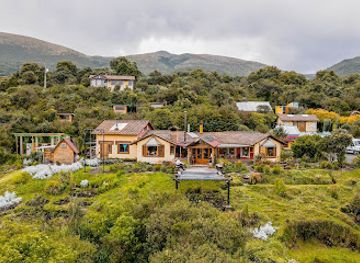
Hacienda San Agustin de Callo
Experience history and nature at Hacienda San Agustin de Callo, a captivating destination near Cotopaxi, blending luxury, culture, and adventure.

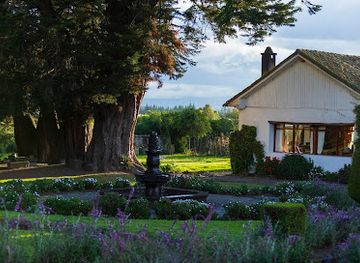
Best landmarks in Cotopaxi Region
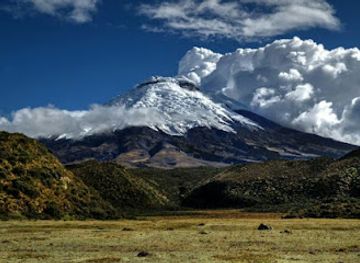
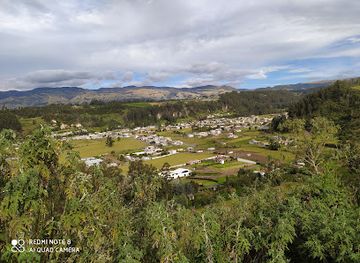
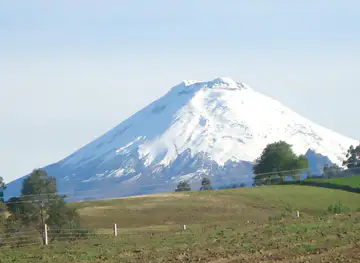
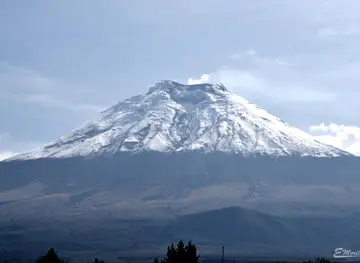
Cotopaxi volcano is the province’s defining natural landmark, a near-symmetrical snow-capped cone rising above the national park and visible from parts of the central valley when cloud permits. Quilotoa’s flooded volcanic caldera provides a contrasting landmark: its steep crater walls encircle a striking lake whose colour changes with light and weather. In Latacunga, the Cathedral and the churches of San Francisco and San Felipe form part of the city’s historic religious architecture, while the Casa de los Marqueses de Miraflores represents the influence of colonial-era elites and is associated with local heritage interpretation. The city’s El Salto area and traditional central streets add civic and commercial context to these buildings. Pujilí’s church and public spaces are closely linked with the town’s Corpus Christi celebrations, when music, masks and dance make the cultural landscape especially visible. Across the valleys, old hacienda buildings and cultivated slopes are reminders of the estate-based agricultural system that shaped Cotopaxi long after the colonial period.
-
Monument
Middle of the World City
Experience the equator at Middle of the World City in Ecuador, where culture and science converge in a vibrant tourist attraction.
-
Tourist attraction
La Casa del Arbol
Discover La Casa del Arbol in Baños, Ecuador - a breathtaking treehouse attraction with thrilling swings and spectacular views of nature.
-
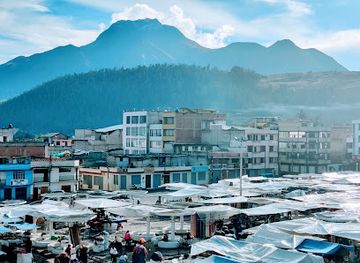
Market
Plaza de Ponchos
Discover the vibrant culture and craftsmanship at Plaza de Ponchos, Otavalo's iconic market filled with colorful handicrafts and warm local hospitality.
-
Tourist attraction
Cotopaxi- Administration National Park
Explore the breathtaking landscapes of Cotopaxi National Park, Ecuador's premier destination for adventure, nature, and stunning views.
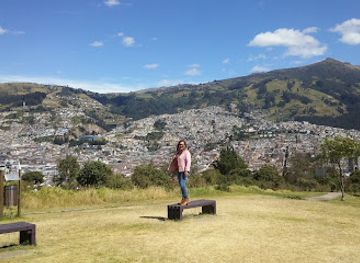
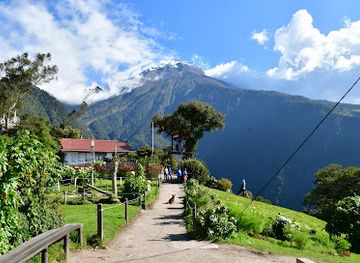
Explore Cotopaxi Region on the map
Plan your trip on one map. See where the top cities, national parks and sights are, and book hotels and experiences in a few clicks.
Best hotels in Cotopaxi Region
Best restaurants in Cotopaxi Region
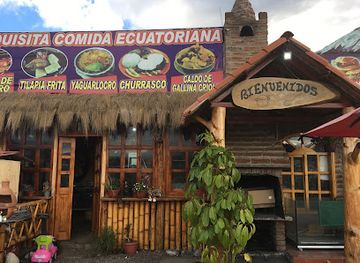
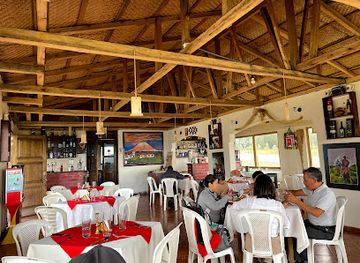
Dining in Cotopaxi is closely tied to the produce of the Andean uplands and the practical food traditions of market towns. Latacunga offers the widest choice of restaurants, cafés and bakeries, with soups, grain-based dishes, potatoes, maize, pork and locally grown vegetables common across the region. Chochos, a lupin bean widely used in Ecuadorian highland cooking, appears in salads and mixed dishes, while hornado and other slow-cooked pork preparations are associated with market and festival food throughout the Andes. Salcedo is nationally recognised for helados de Salcedo, layered fruit ice creams traditionally sold along the main travel corridor. Around Quilotoa and the western communities, small eateries and family-run lodgings may serve simple soups, potatoes, eggs, grains and trout, with menus varying according to supply. Markets in Latacunga, Saquisilí and Pujilí are useful places to encounter local produce, snacks and regional cooking, while former haciendas and rural inns offer a more leisurely setting when operating as visitor accommodation or restaurants.
-
Gastropub
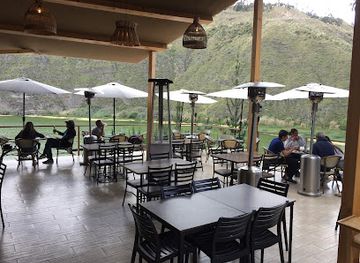
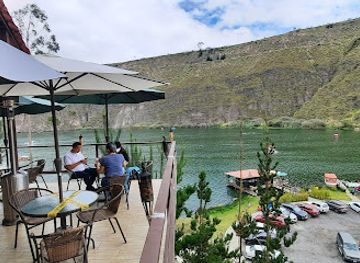
YAMBO Balcony
Experience culinary excellence at YAMBO Balcony with stunning views over Laguna de Yambo - a true taste of Ecuador's gastronomy.
-
Sundae restaurant
El Chozon de Antonio - La Avelina
Discover delightful sundaes at El Chozon de Antonio - La Avelina, where local flavors meet creative desserts in Latacunga.
-
 Restaurant
Rondador Cotopaxi
Discover culinary delights at Rondador Cotopaxi while embracing adventure amidst Ecuador's stunning landscapes.
-
Restaurant
Mirador De Los Volcanes Cotopaxi-Ecuador
Savor authentic Ecuadorian cuisine with breathtaking views at Mirador De Los Volcanes in Cotopaxi.
Best bars in Cotopaxi Region
Nightlife in Cotopaxi is concentrated in Latacunga rather than spread evenly across the province. The city has family restaurants, cafés, traditional bars and modest venues where evenings may include conversation, televised sport or live music rather than a large club scene. During major festivities, especially around Mama Negra, public performances, processions and temporary entertainment can transform the city’s evening atmosphere, but arrangements vary and should be checked locally. Pujilí, Saquisilí and smaller towns generally favour restaurants, neighbourhood bars and community celebrations, with quieter evenings outside festival periods. In rural areas near Quilotoa and the western highlands, the night is more likely to centre on a guesthouse dining room, a community gathering or an early dinner than on nightlife. Visitors should arrange transport back to rural accommodation in advance and avoid assuming that late services will be available.
-
Gastropub
YAMBO Balcony
Experience a unique blend of innovative cuisine and breathtaking views at YAMBO Balcony, a must-visit gastropub in Ecuador.
-
Observation deck
Toachi River Canyon
Experience stunning vistas and natural beauty at Toachi River Canyon, a must-visit observation deck in Ecuador's breathtaking landscapes.
-
Hostel
The Secret Garden Cotopaxi
Experience the beauty of Cotopaxi at The Secret Garden, where adventure meets comfort in a stunning natural setting.
-
Restaurant
Rondador Cotopaxi
Experience the flavors and warmth of Ecuador at Rondador Cotopaxi, your gateway to adventure and culinary delight near Cotopaxi National Park.
Best nightclubs in Cotopaxi Region
Nightlife in Cotopaxi is concentrated in Latacunga rather than spread evenly across the province. The city has family restaurants, cafés, traditional bars and modest venues where evenings may include conversation, televised sport or live music rather than a large club scene. During major festivities, especially around Mama Negra, public performances, processions and temporary entertainment can transform the city’s evening atmosphere, but arrangements vary and should be checked locally. Pujilí, Saquisilí and smaller towns generally favour restaurants, neighbourhood bars and community celebrations, with quieter evenings outside festival periods. In rural areas near Quilotoa and the western highlands, the night is more likely to centre on a guesthouse dining room, a community gathering or an early dinner than on nightlife. Visitors should arrange transport back to rural accommodation in advance and avoid assuming that late services will be available.
-
Disco club
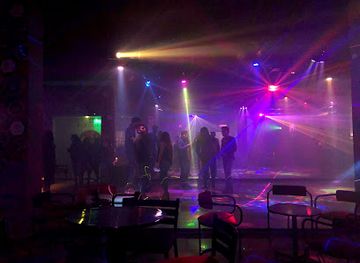
Discoteca Galaxy
Dive into the vibrant nightlife at Discoteca Galaxy, Latacunga's top disco club, where energetic music and a lively atmosphere await you.
-
Grill
Quilotoa loop
Discover the striking beauty of Quilotoa Loop - a breathtaking trek through nature and culture in Ecuador.
-
Disco club
Dubai Discotec
Discover the electrifying nightlife at Dubai Discotec, a premier disco club with vibrant music, dazzling lights, and a lively atmosphere.
-
Night club
Gran Paradise Night Club
Discover Latacunga's nightlife at Gran Paradise Night Club, where vibrant music and lively dance floors create unforgettable experiences.


Best shops in Cotopaxi Region
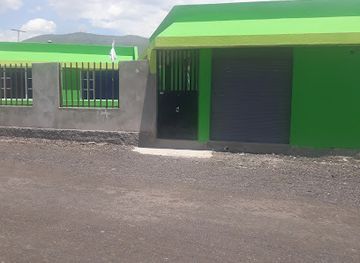
Shopping in Cotopaxi is strongest in its market towns and food-producing communities rather than in large retail complexes. Latacunga has the broadest selection of everyday shops, supermarkets, pharmacies, handicrafts and travel supplies, while its markets are useful for fruit, vegetables, grains, dairy products and prepared snacks. Saquisilí is an important traditional trading centre, particularly on its principal weekly market day, when livestock, produce, clothing and household goods may be offered; confirm the current schedule before travelling. Pujilí and the Quilotoa route provide opportunities to buy textiles, woven goods, paintings and handicrafts from local or community-based sellers, although quality and provenance vary. Tigua-style painted panels are associated with communities in the wider Quilotoa area and can be found through local galleries and workshops. Regional food products, including Andean grains, chochos, preserves and Salcedo helados, make more practical souvenirs than fragile natural materials, which should never be removed from protected areas.
-
Shopping mall
Quicentro
Discover Quicentro, Quito's ultimate shopping experience with diverse brands, delightful dining, and vibrant entertainment for every visitor.
-
Shopping mall
Mall del Sol
Explore Mall del Sol, Guayaquil's vibrant shopping hub featuring diverse stores, delicious dining, and family-friendly entertainment, perfect for all visitors.
-
Shopping mall
Condado Shopping
Explore the vibrant Condado Shopping mall in Quito, where local culture meets international shopping, dining, and entertainment.
-
Shopping mall
El Jardín Mall
Experience the vibrant shopping and dining scene at El Jardín Mall, Quito’s top destination for fashion, food, and fun.


Get your free copy of our complete guide to Cotopaxi Region, delivered straight to you.
Everything on this page, from attractions and restaurants to essentials and local phrases, in one PDF you can read offline, print or share.
Already have an account? Sign in
Your Cotopaxi Region guide is ready.
We'll send it to · Not you? Sign out

Getting your guide ready…
We are putting together a fresh copy of the Cotopaxi Region guide. This can take up to a minute.
This can take a few moments. If your browser asks, choose Allow so the download can start. You'll find the guide in your Downloads folder.
Nothing happened? Download it again
Sorry, the guide is taking longer than usual. Please try again in a minute, or get it by email instead.
Cotopaxi Region essentials
Currency and Payment
Safety
Emergency Situations
Do's and Don'ts
Local Tips
From Eve
Local phrases worth knowing
You don't need to get them perfect. A few words go a long way, and locals appreciate the effort.
Basics
| English | Local | Say it |
|---|---|---|
| Hello | Hola | [Ola] |
| Goodbye | Adiós | [Adios] |
| Yes | Sí | [See] |
| No | No | [No] |
| Please/You’re welcome | Por favor | [Por favor] |
| Thank you | Gracias | [Grasias] |
| Excuse me/Sorry | Disculpe | [Disculpe] |
| How are you? | ¿Cómo estás? | [Como estas] |
| Fine. And you? | Bien. ¿Y tú? | [Bien. E tu] |
| Do you speak English? | ¿Hablas inglés? | [Hablas ingles] |
| I don’t understand | No entiendo | [No entiendo] |
Eating & Drinking
| English | Local | Say it |
|---|---|---|
| I’d like to see the menu, please | Quisiera ver el menú, por favor | [Kisiera ver el menu, por favor] |
| I don’t eat meat | No como carne | [No como karne] |
| Cheers! | ¡Salud! | [Salud] |
| I would like to pay, please | Quisiera pagar, por favor | [Kisiera pagar, por favor] |
Emergencies
| English | Local | Say it |
|---|---|---|
| Help! | ¡Ayuda! | [Ayuda] |
| Go away! | ¡Vete! | [Vete] |
| Call the Police! | ¡Llama a la policía! | [Llama a la policia] |
| Call a doctor! | ¡Llama a un médico! | [Llama a un medico] |
| I’m lost | Estoy perdido/a | [Estoy perdido/a] |
| I’m ill | Estoy enfermo/a | [Estoy enfermo/a] |
Shopping
| English | Local | Say it |
|---|---|---|
| I’d like to buy... | Quisiera comprar... | [Kisiera comprar] |
| I’m just looking | Solo estoy mirando | [Solo estoy mirando] |
| How much is it? | ¿Cuánto cuesta? | [Cuanto cuesta] |
| That’s too expensive | Eso es muy caro | [Eso es muy karo] |
| Can you lower the price? | ¿Puedes bajar el precio? | [Puedes bajar el precio] |
Time & Numbers
| English | Local | Say it |
|---|---|---|
| What time is it? | ¿Qué hora es? | [Que hora es] |
| It’s one o’clock | Es la una | [Es la una] |
| Half past (10) | Y media (10) | [Y media (10)] |
| Morning | Mañana | [Mañana] |
| Afternoon | Tarde | [Tarde] |
| Evening | Noche | [Noche] |
| Yesterday | Ayer | [Ayer] |
| Today | Hoy | [Hoy] |
| Tomorrow | Mañana | [Mañana] |
| 1 | Uno | [Uno] |
| 2 | Dos | [Dos] |
| 3 | Tres | [Tres] |
| 4 | Cuatro | [Cuatro] |
| 5 | Cinco | [Cinco] |
| 6 | Seis | [Seis] |
| 7 | Siete | [Siete] |
| 8 | Ocho | [Ocho] |
| 9 | Nueve | [Nueve] |
| 10 | Diez | [Diez] |
Transport & Directions
| English | Local | Say it |
|---|---|---|
| Where's a/the...? | ¿Dónde está...? | [Donde esta] |
| What’s the address? | ¿Cuál es la dirección? | [Cual es la direccion] |
| Can you show me (on the map)? | ¿Puedes mostrarme (en el mapa)? | [Puedes mostrarme en el mapa] |
| When's the next (bus)? | ¿Cuándo es el próximo (bus)? | [Cuando es el proximo bus] |
| A ticket (to ....) | Un boleto (a ....) | [Un boleto a] |
History of Cotopaxi Region
Panzaleo Communities and Early Andean Settlement
Long before Spanish colonisation, the valleys and high plateaux of present-day Cotopaxi were inhabited by Andean communities commonly associated with the Panzaleo cultural tradition. They cultivated high-altitude crops, managed livestock and developed settlements linked by routes across the central Andes. Archaeological evidence from the wider region includes ceramics, agricultural traces and burial remains, although the history of these communities cannot be reduced to a single uniform political group. Their legacy survives in place names, agricultural practices, festival traditions and the continued presence of Indigenous communities throughout the province.
Inca Expansion in the Central Andes
During the late fifteenth century, Inca influence extended northwards through the Ecuadorian Andes, reaching the area now known as Cotopaxi. The imperial road system connected highland settlements and facilitated the movement of officials, armies, goods and messages. Inca control was never simply a replacement of local society; existing communities and authorities remained important within a changing political order. Routes through the province later helped Spanish forces and colonial administrators move between Quito and the southern Andes, giving Cotopaxi a continuing strategic importance.
Spanish Conquest and Colonial Landholding
Spanish conquest in the sixteenth century brought new religious institutions, administrative structures, livestock and systems of land and labour control. Latacunga became an important colonial settlement in the agricultural corridor south of Quito, while estates and haciendas grew around fertile valleys. Churches, religious foundations and surviving colonial buildings reflect this period, although they also embody profound inequalities imposed on Indigenous communities. The organisation of land around large estates influenced rural society, production and local power for centuries.
Latacunga, Earthquakes and Volcanic Landscapes
The settlements of Cotopaxi have repeatedly been affected by earthquakes and volcanic hazards. Latacunga suffered destructive earthquakes, including major shocks in the eighteenth and nineteenth centuries, and the province has long lived with the potential activity of Cotopaxi volcano. These events damaged buildings, altered settlement patterns and shaped local approaches to risk. The volcano is not merely a scenic landmark: its eruptions, ashfall and lahars have influenced agriculture, transport and public safety, making volcanic awareness part of everyday life in the region.
Independence and the Formation of Ecuador
Cotopaxi formed part of the central Andean theatre during the struggles for independence from Spanish rule in the early nineteenth century. The region’s roads and settlements connected Quito with towns farther south, while local populations experienced the political and economic pressures of military campaigns. After independence, the area became part of the evolving Republic of Ecuador and was later organised as Cotopaxi Province, historically known for a time as León Province. The post-colonial period brought new state institutions but did not immediately resolve inherited land and social inequalities.
Haciendas, Agriculture and Transport
Throughout the nineteenth and twentieth centuries, Cotopaxi’s economy remained closely tied to agriculture, cattle, grain production and estate-based landholding. The arrival of improved roads and railway links strengthened connections between Latacunga, Quito and southern Ecuador, allowing products and people to circulate more easily. Land reform and changing rural economies gradually altered the hacienda system, while Indigenous organisations and communities sought greater control over land, education and political representation. Today’s patchwork of fields, villages and former estates reflects these overlapping transformations.
Indigenous Cultural Revitalisation and Contemporary Cotopaxi
In the twentieth and twenty-first centuries, Indigenous communities in Cotopaxi have continued to shape regional public life through community organisation, local government, education, agriculture and cultural expression. Festivals such as Pujilí’s Corpus Christi and Latacunga’s Mama Negra demonstrate how Catholic, Indigenous and mestizo elements have been combined and reinterpreted. Community tourism around Quilotoa has also created new ways to present local landscapes and crafts, although visitors should approach these experiences respectfully and recognise that communities are living societies rather than staged attractions.
Cotopaxi Region in Photos
Browse through our photo collection highlighting the charm and character of the destination.
Neighbouring regions of Cotopaxi Region
The closest regions to Cotopaxi Region, if you have time for more than one.
-
-

-

-

-


Swipe for more regions
Explore more

Explore more of Ecuador
Explore Ecuador: From the Amazon rainforest and Andean highlands to the Pacific coast and Galápagos Islands, discover diverse landscapes and vibrant cultures.
Explore Ecuador