

Free Damietta Travel Guide & Mobile App
Plan your Damietta trip with Evendo. Get free guides to top attractions, restaurants, hotels, and bars. Web access or download the mobile app.


Damietta, Egypt, blends Nile-and-sea landscapes, Mamluk history, port traditions, furniture craft, seafood and excursions to Ras El Bar and Lake Manzala.
River, Port and Mediterranean Light
Damietta stands in northern Egypt where the eastern branch of the Nile approaches the Mediterranean, giving the city a character shaped by water, trade and fertile delta landscapes. Its working port, riverfront promenades and busy streets reveal a provincial city rather than a display-case monument town, while the surrounding waterways bring a sense of openness unusual in the densely settled Nile Valley. Fishing, boatbuilding, furniture production and commerce remain important parts of local life.Read more about Damietta
A City with a Strategic Past
From Waterfront Streets to Ras El Bar
When is the best time to visit Damietta?
Best: March–April, December · 23–28°C| Month | High (°C) | Rainfall (mm) |
|---|---|---|
| January | 20 | 10 |
| February | 21 | 8 |
| March (best) | 24 | 4 |
| April (best) | 28 | 3 |
| May | 31 | 1 |
| June | 35 | 0 |
| July | 36 | 0 |
| August | 37 | 0 |
| September | 35 | 1 |
| October | 31 | 2 |
| November | 28 | 5 |
| December (best) | 23 | 8 |
Getting to and around Damietta
How to get there
Transportation
Best attractions in Damietta
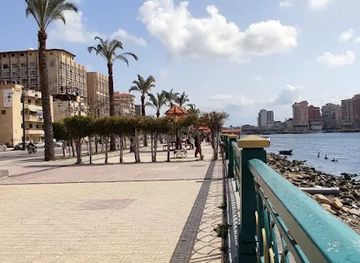
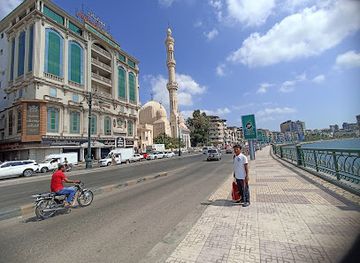
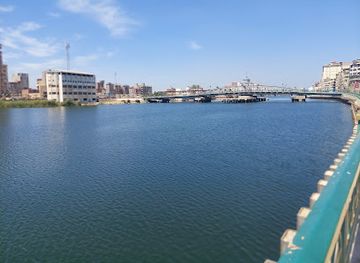
Damietta’s principal attractions are found in its working urban landscape rather than in a concentrated monument district. The Nile Corniche provides a place to watch river traffic and observe the social life of the waterfront, while the central markets and older streets reveal the city’s commercial character through food stalls, small shops and traditional trades. The Amr Ibn Al-As Mosque is an important historical and religious presence, and the city’s older Islamic quarters reward slow exploration around their lanes and local businesses. A visit to Damietta’s furniture showrooms and workshops introduces one of its defining modern industries. Nearby Ras El Bar, at the meeting of the Damietta branch and the Mediterranean, offers beaches, promenades and cafés in a resort setting distinct from the city. The wider delta landscape, including the waterways and fishing environment around Lake Manzala, adds a regional dimension for visitors interested in northern Egypt’s ecology and livelihoods.
-
Hiking area
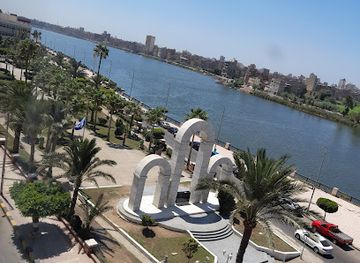
كورنيش النيل، دمياط القديمة، الاعصر
Discover the tranquil beauty of the Corniche of the Nile in Damietta, where scenic views and local culture create an unforgettable experience along the riverbank.
8 min walk · 0.6 km from city centre
-
Park
Bent El-Shatee Park
Explore the beauty of Bent El-Shatee Park, a serene green oasis in Damietta Governorate, perfect for relaxation and enjoying nature's splendor.
2 min walk · 0.2 km from city centre
-
Memorial park
ميدان الدكتور علي مصطفى مشرفة
Discover the serene beauty and cultural significance of Ali Mishref Memorial Park in Damietta, a perfect escape for nature lovers and history enthusiasts.
11 min walk · 0.9 km from city centre
-
Park
كورنيش النيل بدمياط
Discover the tranquility of Koransh Al-Nile, a beautiful park in Damietta offering stunning views, lush landscapes, and serene riverside relaxation.
6 min drive · 1.8 km from city centre
Best landmarks in Damietta
Damietta’s landmarks express its importance as a historic Delta port and Islamic city. The Amr Ibn Al-As Mosque is associated with the early Islamic history of Damietta and remains a significant religious building, although its appearance reflects centuries of alteration and rebuilding rather than a single preserved period. The Corniche is a civic landmark in a broader sense, marking the city’s continuing relationship with the Damietta branch of the Nile and its river traffic. Older market lanes and traditional urban quarters provide architectural evidence of the city’s commercial life, even where individual buildings have changed. The port and waterfront infrastructure represent Damietta’s modern strategic role, linking river, road and maritime commerce. Outside the city, Ras El Bar’s location at the meeting of the Nile branch and Mediterranean gives the region one of its most recognisable geographical landmarks.
-
Mosque
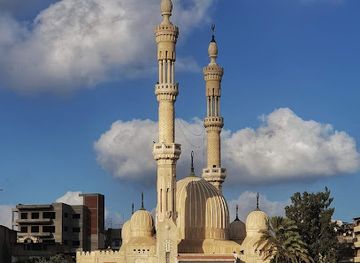
Al-Bahr Mosque in Damietta
Discover Al-Bahr Mosque in Damietta: A stunning Ottoman-era mosque with Andalusian architecture, rich Islamic art, and a serene Nile-side setting.
5 min walk · 0.4 km from city centre
-
Mosque
Al Mazloum Mosque
Experience the spiritual heart of Damietta at the Al Mazloum Mosque, a serene center of worship and community.
11 min walk · 0.9 km from city centre
-
Mosque
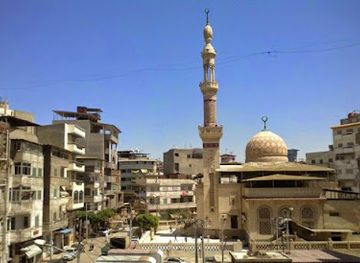
Matbouli mosque
Discover the spiritual heart of Damietta at the Matbouli Mosque, an architectural gem reflecting Islamic culture and artistry.
14 min walk · 1.1 km from city centre
-
City government office
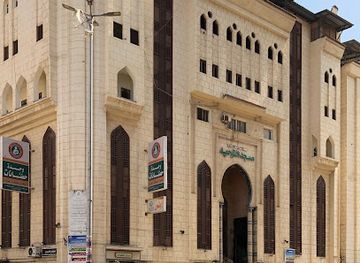
Damietta Governorate
Explore Damietta Governorate: Where the Nile embraces the Mediterranean, offering fertile lands, historic sites, and coastal charm.
10 min walk · 0.8 km from city centre
Explore Damietta on the map
Plan your Damietta trip on one map. See where the top attractions, landmarks, restaurants, bars and hotels are, find what's near where you're staying, and book hotels and experiences in a few clicks.
Best hotels in Damietta
Best restaurants in Damietta
Damietta’s food culture reflects the Nile Delta, the Mediterranean coast and Egypt’s broad tradition of generous home-style cooking. Seafood is central, with fish, prawns and other daily catches commonly prepared grilled, fried or seasoned with herbs, garlic and lemon; availability depends on the catch rather than a fixed tourist menu. Rice, a staple of the Delta, accompanies many meals, while mezze, taameya, ful medames, koshary and grilled meats provide familiar Egyptian options. Local bakeries and sweet shops are also part of the city’s identity, with pastries and syrup-based confections suited to sharing. The Corniche and central commercial streets contain casual eateries and cafés, while smaller neighbourhood establishments offer a more local atmosphere. Visitors should expect conservative service customs and varying card acceptance, particularly in modest family-run restaurants and market food stalls.
-
Barbecue
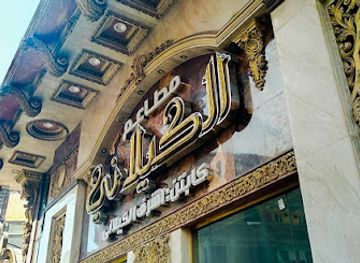
Al Kelany Restaurant
Experience authentic barbecue delights in Damietta Desert at Al Kelany Restaurant – where flavor meets tradition.
5 min walk · 0.4 km from city centre
-
Fast Food
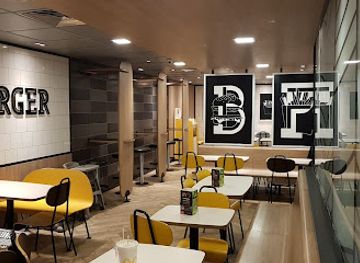
McDonald's Damietta Branch
Enjoy delicious fast food at McDonald's Damietta Branch while taking in scenic views of the Nile River in Egypt's charming coastal city.
8 min walk · 0.6 km from city centre
-
Seafood
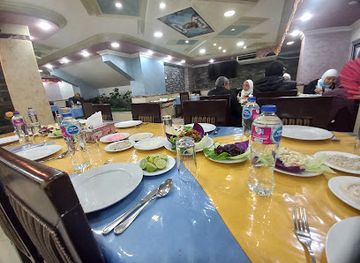
Estacoza
Discover exquisite seafood at Estacoza in Damietta Desert, where fresh ingredients meet rich culinary traditions for an unforgettable dining experience.
8 min drive · 2.6 km from city centre
-
Restaurant
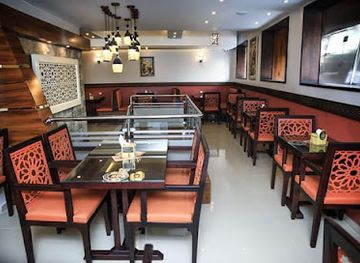
BabElhara
Experience authentic Middle Eastern flavors at BabElhara in Damietta - where every dish tells a story.
9 min walk · 0.7 km from city centre
Best bars in Damietta
Damietta is not primarily a nightclub destination, and evening life is more likely to centre on cafés, family gatherings, riverside walks and late meals than on alcohol-focused venues. After sunset, the Corniche and busy commercial areas become social spaces where residents meet for tea, coffee, shisha and conversation. Hotel restaurants and some contemporary cafés may offer a more private setting, but licensed alcohol service is limited compared with Egypt’s major resort centres and should never be assumed. Ras El Bar, nearby on the coast, has a livelier seasonal evening atmosphere, with promenades, cafés and amusement areas attracting Egyptian holidaymakers in summer. Visitors should dress modestly, respect local religious and social norms, and ask accommodation staff about appropriate evening venues rather than expecting a large club district.
-
Restaurant
XYZ RESTAURANT
Discover the rich flavors of Egyptian cuisine at XYZ Restaurant, where tradition meets modern dining along the scenic Nile Corniche.
15 min walk · 1.2 km from city centre
-
Fast Food
ROYAL CLUB
Experience the vibrant atmosphere and delicious fast food offerings at Royal Club, the perfect dining spot in Damietta.
7 min drive · 2.3 km from city centre
-
 Bar
Barمطعم الحطاب
Discover the unique flavors and vibrant atmosphere of مطعم الحطاب, a must-visit bar in Damietta celebrated for its local cuisine and welcoming ambiance.
18 min walk · 1.4 km from city centre
-
Bar
مؤىار
Experience the vibrant nightlife at مؤىار, a bar in the Damietta Desert offering local drinks and a welcoming atmosphere for travelers.
7 min drive · 2.4 km from city centre


Best nightclubs in Damietta
Damietta is not primarily a nightclub destination, and evening life is more likely to centre on cafés, family gatherings, riverside walks and late meals than on alcohol-focused venues. After sunset, the Corniche and busy commercial areas become social spaces where residents meet for tea, coffee, shisha and conversation. Hotel restaurants and some contemporary cafés may offer a more private setting, but licensed alcohol service is limited compared with Egypt’s major resort centres and should never be assumed. Ras El Bar, nearby on the coast, has a livelier seasonal evening atmosphere, with promenades, cafés and amusement areas attracting Egyptian holidaymakers in summer. Visitors should dress modestly, respect local religious and social norms, and ask accommodation staff about appropriate evening venues rather than expecting a large club district.
-
Night club
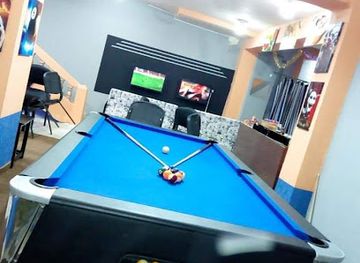
الحريف . PlayStation
Discover the electrifying nightlife at الحريف . PlayStation, Damietta's premier night club and recreation center, offering unforgettable entertainment and vibrant atmosphere.
8 min drive · 2.5 km from city centre
-
Night club
الشركة المصرية الالمانية لصناعة الاحذية
Discover the vibrant nightlife of Damietta at the Egyptian-German Shoe Manufacturing Night Club, where culture meets entertainment in an electrifying atmosphere.
2 min walk · 0.2 km from city centre
-
Night club
بسيب
Discover the electrifying atmosphere of بسيب, a premier night club in Damietta Desert, where music and dance create unforgettable nightlife experiences.
18 min walk · 1.4 km from city centre
-
Night club
قاعة جرين لأمور
Dive into the heart of Damietta's nightlife at قاعة جرين لأمور, the ultimate destination for music, dance, and unforgettable memories.
2 min walk · 0.2 km from city centre
Best shops in Damietta
Shopping in Damietta is closely connected with furniture, household goods, food and everyday Egyptian commerce. The city is nationally associated with furniture production, and specialist workshops, showrooms and family businesses display styles ranging from practical modern pieces to more decorative work; visitors should distinguish established makers from informal sellers and arrange delivery carefully if purchasing large items. Central markets and commercial streets are better suited to portable purchases, including spices, sweets, preserved foods, textiles and small household goods. Bakeries and confectioners offer locally made treats that travel more easily than fragile crafts. Rather than a single tourist bazaar, Damietta’s retail character is dispersed through neighbourhood shops, market lanes and furniture districts, making ordinary shopping part of the city’s social and economic landscape.
-
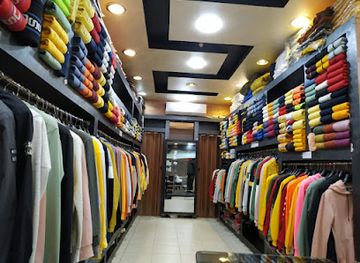
Men's clothing store
Emoji Store
Explore the Emoji Store in Damietta for trendy men's clothing that combines style and comfort in a vibrant shopping environment.
3 min walk · 0.3 km from city centre
-
Sportswear store
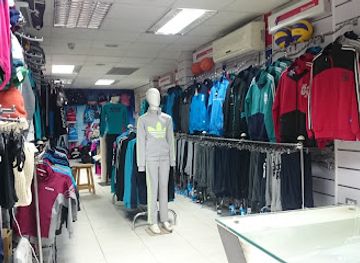
Barcelona
Explore Barcelona in Damietta for top-notch sportswear and equipment, perfect for athletes of all levels and styles.
2 min walk · 0.2 km from city centre
-
Clothing store
Abbas Elsayed
Discover authentic Egyptian fashion at Abbas Elsayed, a clothing store in Damietta offering unique styles and quality craftsmanship.
2 min walk · 0.2 km from city centre
-
Gift shop
Flower&Cadeau
Explore Flower&Cadeau in Damietta: A treasure trove of unique gifts and local crafts that capture the essence of Egyptian culture.
2 min walk · 0.2 km from city centre
Get your free copy of our complete guide to Damietta, delivered straight to you.
Everything on this page, from attractions and restaurants to essentials and local phrases, in one PDF you can read offline, print or share.
Already have an account? Sign in
Your Damietta guide is ready.
We'll send it to · Not you? Sign out

Getting your guide ready…
We are putting together a fresh copy of the Damietta guide. This can take up to a minute.
This can take a few moments. If your browser asks, choose Allow so the download can start. You'll find the guide in your Downloads folder.
Nothing happened? Download it again
Sorry, the guide is taking longer than usual. Please try again in a minute, or get it by email instead.
Damietta essentials
Currency and Payment
Safety
Emergency Situations
Do's and Don'ts
Local Tips
From Eve
Local phrases worth knowing
You don't need to get them perfect. A few words go a long way, and locals appreciate the effort.
Basics
| English | Local | Say it |
|---|---|---|
| Hello | مرحبا | [marhaba] |
| Goodbye | وداعا | [wada'an] |
| Yes | نعم | [na'am] |
| No | لا | [la] |
| Please/You're welcome | من فضلك | [min fadlak] |
| Thank you | شكرا | [shukran] |
| Excuse me/Sorry | عذرا | ['udhran] |
| How are you? | كيف حالك؟ | [kayfa halak?] |
| Fine. And you? | بخير. وأنت؟ | [bikhayr. wa'ant?] |
| Do you speak English? | هل تتحدث الإنجليزية؟ | [hal tatahadath al'iinjilia?] |
| I don't understand | أنا لا أفهم | [ana la afham] |
Eating & Drinking
| English | Local | Say it |
|---|---|---|
| I'd like to see the menu, please | أريد أن أرى القائمة، من فضلك | [uridu an ara alqaimah, min fadlik] |
| I don't eat meat | أنا لا آكل اللحم | [ana la aakul allahm] |
| Cheers! | في صحتك! | [fi sahtik] |
| I would like to pay, please | أريد أن أدفع، من فضلك | [uridu an adfa', min fadlik] |
Emergencies
| English | Local | Say it |
|---|---|---|
| Help! | النجدة! | [alnajdah!] |
| Go away! | انصرف! | [ansarif!] |
| Call the Police! | اتصل بالشرطة! | [iatisil bialshurta!] |
| Call a doctor! | اتصل بالطبيب! | [iatisil bialtabib!] |
| I'm lost | أنا ضائع | [ana da'ie] |
| I'm ill | أنا مريض | [ana mareed] |
Shopping
| English | Local | Say it |
|---|---|---|
| I'd like to buy... | أريد أن أشتري... | [uridu an ashtari...] |
| I'm just looking | أنا فقط أتفرج | [ana faqat atafarraq] |
| How much is it? | بكم هذا؟ | [bikam hatha?] |
| That's too expensive | هذا غالي جدا | [hatha ghali jiddan] |
| Can you lower the price? | هل يمكنك خفض السعر؟ | [hal yumkinuka khafdh alsu'r?] |
Time & Numbers
| English | Local | Say it |
|---|---|---|
| What time is it? | كم الساعة؟ | [kam alsaa'ah?] |
| It's one o'clock | الساعة الواحدة | [alsaa'ah alwahidah] |
| Half past (10) | العاشرة والنصف | [al'ashirah walnusf] |
| Morning | صباح | [sabah] |
| Afternoon | بعد الظهر | [ba'd althuhr] |
| Evening | مساء | [masa'] |
| Yesterday | أمس | [ams] |
| Today | اليوم | [alyawm] |
| Tomorrow | غدا | [ghadan] |
| 1 | واحد | [wahid] |
| 2 | اثنان | [ithnan] |
| 3 | ثلاثة | [thalathah] |
| 4 | أربعة | [arba'ah] |
| 5 | خمسة | [khamsah] |
| 6 | ستة | [sittah] |
| 7 | سبعة | [sab'ah] |
| 8 | ثمانية | [thamania] |
| 9 | تسعة | [tis'ah] |
| 10 | عشرة | [asharah] |
Transport & Directions
| English | Local | Say it |
|---|---|---|
| Where's a/the...? | أين هو/هي...؟ | [ayn hu/hy...?] |
| What's the address? | ما هو العنوان؟ | [ma hu al'ainwan?] |
| Can you show me (on the map)? | هل يمكنك أن تريني (على الخريطة)؟ | [hal yumkinuka an tureeni (ala alkhareetah)?] |
| When's the next (bus)? | متى يأتي الحافلة التالية؟ | [mata ya'ti alhafilat altaliyah?] |
| A ticket (to ....) | تذكرة (إلى ....) | [tadhkirah (ila ....)] |
History of Damietta
Ancient Tamiat on the Nile Delta
Damietta’s ancient predecessor was known as Tamiat, a settlement associated with the eastern Nile Delta and its waterways. The precise shape of the ancient town changed as the Nile’s branches shifted and coastal channels developed, but the location was consistently important because it linked inland Egypt with the Mediterranean. Delta settlements depended on agriculture, fishing and river transport, while their proximity to the coast exposed them to commerce and military pressure. Damietta’s later history cannot be separated from this geography: the same waterways that supported cultivation and trade also made the town a strategic approach to Egypt.
A Port in Medieval Egypt
During the medieval Islamic period, Damietta became one of Egypt’s significant northern ports. Its position on the Damietta branch of the Nile allowed goods and people to move between the Mediterranean, the Delta and the cities of the interior. The town’s importance was closely tied to the changing courses of waterways and the need to protect Egypt’s northern approaches. Islamic rule brought administrative, commercial and religious institutions, helping to shape the urban traditions represented by Damietta’s mosques and market quarters. Agriculture in the surrounding Delta remained the economic foundation, while the port connected local production with wider Mediterranean networks.
The Fifth Crusade and Capture of 1219
Damietta became the principal objective of the Fifth Crusade because control of the port offered a possible route towards Cairo. Crusader forces captured the city in 1219 after a prolonged campaign, but negotiations and military setbacks prevented them from converting possession of Damietta into lasting control of Egypt. The city was returned to the Ayyubid sultanate in 1221. This episode established Damietta firmly in the history of the Crusades and demonstrated the strategic value of its river-and-sea position. Its political importance also brought severe disruption to residents, trade and the surrounding Delta.
The Seventh Crusade and Mamluk Rule
Damietta was attacked again during the Seventh Crusade, when Louis IX of France captured it in 1249. The occupation was brief: Egyptian forces defeated the crusader army at the Battle of al-Mansurah, and Louis was taken prisoner in 1250. Damietta was subsequently recovered by the Egyptian side, and the Mamluk Sultanate consolidated control over the country. Mamluk rule strengthened Egypt’s military and administrative response to Mediterranean threats, while the city continued as a commercial and agricultural centre. The surrounding Delta’s canals, fields and settlements remained central to Damietta’s prosperity.
Modern Port and Furniture Centre
In the modern era, Damietta developed as a regional centre for trade, fishing, agriculture and manufacturing. Its port activity and access to the Nile supported commerce, while local workshops became particularly well known for furniture production. The industry ranges from small family businesses to larger showrooms and forms an important part of the city’s present identity. The nearby development of Ras El Bar as a summer resort added a coastal leisure dimension to the region. Today Damietta combines the inherited functions of a Delta port with manufacturing, food traditions and the everyday social life of a densely settled Egyptian city.
Damietta in Photos
Browse through our photo collection highlighting the charm and character of the destination.
Cities near Damietta
The closest cities to Damietta, if you have time for more than one stop.
-

-

-

-

-


Swipe for more cities
Explore more
Explore more of Egypt
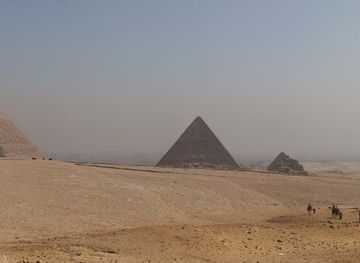
Discover Egypt: From the timeless pyramids to the vibrant Red Sea, experience a land where ancient wonders meet modern adventures.
Explore Egypt