

Free Zagazig Travel Guide & Mobile App
Plan your Zagazig trip with Evendo. Get free guides to top attractions, restaurants, hotels, and bars. Web access or download the mobile app.


Zagazig in Egypt’s Nile Delta reveals ancient Bubastis, Tell Basta, local markets and everyday Egyptian culture beyond the country’s main tourist circuit.
Delta City and Ancient Heritage
Zagazig is the capital of Sharqia Governorate, set among the irrigated fields and canals of Egypt’s eastern Nile Delta. It is a working Egyptian city rather than a purpose-built resort, with busy streets, local markets, university life and an important railway junction shaping its daily rhythm. Its greatest historical distinction lies at Tell Basta, the archaeological site associated with ancient Bubastis, one of the principal centres of the goddess Bastet. Ruins, excavated artefacts and museum displays give the modern city a direct connection with a much older sacred landscape.Read more about Zagazig
Life in the Modern City
A Base for Sharqia
When is the best time to visit Zagazig?
Best: March, November–December · 22–29°C| Month | High (°C) | Rainfall (mm) |
|---|---|---|
| January | 19 | 5 |
| February | 20 | 4 |
| March (best) | 25 | 3 |
| April | 31 | 2 |
| May | 36 | 1 |
| June | 41 | 0 |
| July | 43 | 0 |
| August | 43 | 0 |
| September | 39 | 0 |
| October | 35 | 1 |
| November (best) | 29 | 3 |
| December (best) | 22 | 5 |
Getting to and around Zagazig
How to get there
Transportation
Best attractions in Zagazig
Tell Basta is Zagazig’s defining attraction, where the remains of ancient Bubastis reveal temple precincts, carved fragments and the religious importance of Bastet in the eastern Nile Delta. The associated museum displays and archaeological interpretation help place the ruins within Egypt’s longer history, although the site is more open and archaeological in character than the monumental temple complexes of Luxor or Aswan. In the modern city, Zagazig University contributes an important educational and urban presence, while the railway station and surrounding streets offer a window into the city’s role as a Delta transport centre. Central markets, cafés and everyday commercial neighbourhoods are attractions of a different kind, showing contemporary local life rather than curated heritage. Visitors with additional time can explore the agricultural landscape around Sharqia through organised or locally arranged outings, but these rural areas should be treated as excursions beyond Zagazig rather than city sights.
-
Garden
Child Garden
Explore the serene beauty of Child Garden in Zagazig - a tranquil escape amidst nature's charm in Al-Sharqia Governorate.
7 min drive · 2.4 km from city centre
-
Tourist attraction
Museum of Tal Basta Antiquities
Explore Egypt's ancient heritage at the Museum of Tal Basta Antiquities, featuring fascinating artifacts and insights into the life of ancient civilizations.
18 min walk · 1.4 km from city centre
-
Tourist attraction
Ahmed Orabi Museum
Explore the Ahmed Orabi Museum in Zagazig, a captivating tribute to Egypt's historical heritage and a journey through its revolutionary past.
16 min drive · 5.4 km from city centre
-
Park
كورنيش المحافظة (mksoud)
Explore Kournish Al-Muhafaza Park, a serene green oasis in Zagazig, ideal for relaxation, family outings, and enjoying the beauty of Al-Sharqia.
6 min drive · 2.0 km from city centre


Best landmarks in Zagazig
Tell Basta is Zagazig’s principal historic landmark, marking the location of ancient Bubastis and its long association with Bastet. The archaeological remains are important not only for surviving masonry and artefacts but also for showing how a Delta settlement became a major religious centre. Nearby museum interpretation adds context to objects recovered from the site and to the changing history of the region. Zagazig railway station represents a different layer of identity: the nineteenth- and twentieth-century transport networks that turned the city into a commercial and administrative centre for Sharqia. Zagazig University is another prominent modern institution, significant for the city’s educational life and regional influence. The urban streets, market areas and mosques of the centre are less monumental than the ancient site, yet together they express the continuing life of a working Egyptian city built around commerce, study and movement.
-
Historical landmark
Tell Basta
Discover Tell Basta, the ancient city dedicated to the cat goddess Bastet, featuring temples, palaces, and a glimpse into Egypt's religious past.
16 min walk · 1.3 km from city centre
-
Museum
Museum of Tal Basta Antiquities
Explore ancient Egyptian treasures at the Museum of Tal Basta Antiquities in Zagazig, showcasing artifacts from the city of Bubastis.
18 min walk · 1.4 km from city centre
-
University
Zagazig University
Explore Zagazig University: A leading Egyptian institution with diverse faculties, research centers, and a commitment to community development.
9 min drive · 2.9 km from city centre
-
Tourist attraction
تمثال الأميره ميريت آمون
Discover the majestic Statue of Queen Meritamun in Zagazig, a testament to ancient Egyptian artistry and a glimpse into a glorious past.
19 min walk · 1.5 km from city centre


Explore Zagazig on the map
Plan your Zagazig trip on one map. See where the top attractions, landmarks, restaurants, bars and hotels are, find what's near where you're staying, and book hotels and experiences in a few clicks.
Best hotels in Zagazig
Best restaurants in Zagazig
Zagazig’s food scene reflects the cooking of the Egyptian Delta, with ful medames, taamiya, koshary, grilled meats, rice dishes and vegetable stews readily found in informal eateries and neighbourhood restaurants. Breakfast is often simple and filling, while bakeries and snack shops provide baladi bread, savoury pastries and sweet treats throughout the day. Fish and freshwater ingredients also appear in regional cooking, although menus vary by establishment. Central commercial streets and areas around the university and station contain the greatest concentration of cafés, takeaway counters and casual dining rooms. Tea, strong coffee and fruit drinks are part of the social rhythm, with cafés serving as places to talk as much as to eat. International visitors should expect a predominantly local dining culture, with formal dining more limited than in Cairo and service styles ranging from quick counter meals to leisurely family settings.
-
Fast Food
Paradise
Experience the vibrant flavors of fast food at Paradise in Zagazig—where quality meets convenience.
7 min drive · 2.3 km from city centre
-
Barbecue
Oriental Grill
Savor the rich flavors of barbecue at Oriental Grill in Zagazig - where tradition meets modern culinary delights.
8 min drive · 2.7 km from city centre
-
Sandwich
مطعم كاسب
Discover Kaseb Restaurant in Zagazig for an unforgettable sandwich experience that blends local flavors with warm hospitality.
5 min drive · 1.7 km from city centre
-
Seafood
أسماك بحري الزقازيق
Experience the taste of fresh seafood at Asmak Bahri Al-Zaqaziq – where authentic Egyptian flavors come alive.
8 min drive · 2.7 km from city centre


Best bars in Zagazig
Zagazig has a modest evening scene shaped more by cafés, family restaurants, tea houses and late shopping than by dedicated bars or nightclubs. After sunset, central streets become active with students, families and commuters, while cafés provide the most accessible setting for conversation, tea, coffee, shisha where permitted and televised sport. Alcohol is not central to public nightlife, and venues serving it are limited compared with Egypt’s major resort areas; visitors should not expect a broad club circuit. Cultural evenings may instead involve local performances, university events or television and music in cafés, depending on the season and programme. The railway and commercial districts remain busy later than residential streets, but visitors unfamiliar with Zagazig should arrange their return transport rather than wandering far from the centre without a clear destination.
-
Fast Food
Paradise
Experience a culinary delight at Paradise in Zagazig – where fast food meets local flavor in a vibrant atmosphere.
7 min drive · 2.3 km from city centre
-
Barbecue
Oriental Grill
Discover the best of barbecue and fast food at Oriental Grill in Zagazig, where flavors meet tradition in a welcoming setting.
8 min drive · 2.7 km from city centre
-
Restaurant
7 Days Pizza
Discover the vibrant flavors of 7 Days Pizza in Zagazig 2, where every bite is a taste adventure in a friendly atmosphere.
8 min drive · 2.7 km from city centre
-
Restaurant
I Need You Lounge
Discover the culinary delights of I Need You Lounge in Zagazig, where fresh ingredients meet friendly service in a cozy atmosphere.
8 min drive · 2.7 km from city centre


Best nightclubs in Zagazig
Zagazig has a modest evening scene shaped more by cafés, family restaurants, tea houses and late shopping than by dedicated bars or nightclubs. After sunset, central streets become active with students, families and commuters, while cafés provide the most accessible setting for conversation, tea, coffee, shisha where permitted and televised sport. Alcohol is not central to public nightlife, and venues serving it are limited compared with Egypt’s major resort areas; visitors should not expect a broad club circuit. Cultural evenings may instead involve local performances, university events or television and music in cafés, depending on the season and programme. The railway and commercial districts remain busy later than residential streets, but visitors unfamiliar with Zagazig should arrange their return transport rather than wandering far from the centre without a clear destination.
-
Social club
Ahmed Orabi Club
Discover the vibrant community and cultural experiences at Ahmed Orabi Club in Zagazig, where entertainment and tradition blend seamlessly.
7 min drive · 2.2 km from city centre
-
Social club
Police Club
Discover the lively ambiance and community spirit of Police Club, a premier social hub in Zagazig, perfect for tourists seeking local culture.
7 min drive · 2.2 km from city centre
-
Night club
الزقازيق
Discover الزقازيق - A vibrant city in Egypt renowned for its lively nightlife, rich culture, and warm hospitality, perfect for an unforgettable travel experience.
5 min drive · 1.8 km from city centre
-
 Night club
حمام سباحة بورتو
Experience the vibrant nightlife at Porto Swimming Pool, a premier night club in Zagazig with great music and a refreshing poolside ambiance.
10 min drive · 3.3 km from city centre


Best shops in Zagazig
Shopping in Zagazig is primarily local and practical, centred on commercial streets, neighbourhood shops and market areas rather than a dedicated tourist retail quarter. Visitors can browse stalls and small retailers for clothing, household goods, spices, sweets, dates and other Egyptian food products, while bakeries and snack counters provide easy gifts for the journey. The central market atmosphere is busiest when residents are shopping for daily necessities, so bargaining should be polite and limited to settings where it is customary. Traditional crafts and souvenirs are less formally presented here than in Cairo or Luxor, but locally made textiles, baskets, ceramics and packaged regional foods may appear through ordinary shops rather than specialist galleries. Modern retail is mixed into the same urban fabric, with small businesses and larger stores serving students, families and the surrounding governorate.
-
Fashion accessories store
Tie Shop - AL-qawmya - zagazig
Discover style and elegance at The Tie Shop in Zagazig, where exquisite ties meet exceptional craftsmanship.
8 min drive · 2.5 km from city centre
-
Gift shop
Boutique R.e
Explore Boutique R.e in Zagazig for a unique shopping experience filled with games, perfumes, and stylish watches, perfect for every traveler.
5 min drive · 1.7 km from city centre
-
Store
Magic shop zag
Explore the whimsical world of Magic Shop Zag in Zagazig, a treasure trove of magical items and unforgettable souvenirs.
8 min drive · 2.6 km from city centre
-
Game store
Egycards
Explore Egycards, Zagazig's ultimate game store, featuring an extensive selection of games and a vibrant community for all gaming enthusiasts.
14 min walk · 1.1 km from city centre


Get your free copy of our complete guide to Zagazig, delivered straight to you.
Everything on this page, from attractions and restaurants to essentials and local phrases, in one PDF you can read offline, print or share.
Already have an account? Sign in
Your Zagazig guide is ready.
We'll send it to · Not you? Sign out

Getting your guide ready…
We are putting together a fresh copy of the Zagazig guide. This can take up to a minute.
This can take a few moments. If your browser asks, choose Allow so the download can start. You'll find the guide in your Downloads folder.
Nothing happened? Download it again
Sorry, the guide is taking longer than usual. Please try again in a minute, or get it by email instead.
Zagazig essentials
Currency and Payment
Safety
Emergency Situations
Do's and Don'ts
Local Tips
From Eve
Local phrases worth knowing
You don't need to get them perfect. A few words go a long way, and locals appreciate the effort.
Basics
| English | Local | Say it |
|---|---|---|
| Hello | مرحبا | [Marhaba] |
| Goodbye | وداعا | [Wada'an] |
| Yes | نعم | [Na'am] |
| No | لا | [La] |
| Please/You're welcome | من فضلك/على الرحب والسعة | [Min fadlak/Ala al-rahb was-sa'ah] |
| Thank you | شكرا | [Shukran] |
| Excuse me/Sorry | عذرا | [Aa'dhiran] |
| How are you? | كيف حالك؟ | [Kayf halak?] |
| Fine. And you? | بخير. وأنت؟ | [Bekhayr. Wa ant?] |
| Do you speak English? | هل تتحدث الإنجليزية؟ | [Hal tatahadath al-ingliziyya?] |
| I don't understand | أنا لا أفهم | [Ana la afham] |
Eating & Drinking
| English | Local | Say it |
|---|---|---|
| I'd like to see the menu, please | أريد أن أرى القائمة، من فضلك | [Aridu an ara al-qa'ima, min fadlak] |
| I don't eat meat | أنا لا آكل اللحم | [Ana la aakul al-lahm] |
| Cheers! | في صحتك! | [Fi sahtak!] |
| I would like to pay, please | أريد أن أدفع، من فضلك | [Aridu an adfa', min fadlak] |
Emergencies
| English | Local | Say it |
|---|---|---|
| Help! | النجدة! | [Al-najda!] |
| Go away! | ارحل! | [Irhal!] |
| Call the Police! | اتصل بالشرطة! | [Itsal bi al-shurta!] |
| Call a doctor! | اتصل بطبيب! | [Itsal bi tabib!] |
| I'm lost | لقد ضللت الطريق | [Lakad dallat al-tariq] |
| I'm ill | أنا مريض | [Ana mareed] |
Shopping
| English | Local | Say it |
|---|---|---|
| I'd like to buy... | أود أن أشتري... | [Awadu an ashtari...] |
| I'm just looking | أنا فقط أتفرج | [Ana faqat atfarij] |
| How much is it? | كم سعره؟ | [Kam si'ruh?] |
| That's too expensive | هذا غالي جدا | [Hatha ghali jiddan] |
| Can you lower the price? | هل يمكنك خفض السعر؟ | [Hal yumkinuka khafd al-si'ru?] |
Time & Numbers
| English | Local | Say it |
|---|---|---|
| What time is it? | كم الساعة؟ | [Kam al-sa'a?] |
| It's one o'clock | الساعة الواحدة | [Al-sa'at al-wahida] |
| Half past (10) | النصف بعد (10) | [Al-nisf ba'd (10)] |
| Morning | الصباح | [Al-sabah] |
| Afternoon | الظهر | [Al-dhuhr] |
| Evening | المساء | [Al-masa'] |
| Yesterday | الأمس | [Al-ams] |
| Today | اليوم | [Al-yawm] |
| Tomorrow | غدا | [Ghadan] |
| 1 | واحد | [Wahid] |
| 2 | اثنان | [Ithnan] |
| 3 | ثلاثة | [Thalatha] |
| 4 | أربعة | [Arba'a] |
| 5 | خمسة | [Khamsa] |
| 6 | ستة | [Sitta] |
| 7 | سبعة | [Sab'a] |
| 8 | ثمانية | [Thamaniya] |
| 9 | تسعة | [Tis'a] |
| 10 | عشرة | [Ashara] |
Transport & Directions
| English | Local | Say it |
|---|---|---|
| Where's a/the...? | أين هو/هي...؟ | [Ayna huwa/hiya...?] |
| What's the address? | ما هو العنوان؟ | [Ma huwa al-unwan?] |
| Can you show me (on the map)? | هل يمكنك أن تريني (على الخريطة)؟ | [Hal yumkinuka an tarini (ala al-kharita)?] |
| When's the next (bus)? | متى يأتي الحافلة القادمة؟ | [Mata ya'ti al-hafilat al-qadima?] |
| A ticket (to ....) | تذكرة (إلى ....) | [Tadhkira (ila ....)] |
History of Zagazig
Bubastis and the Bastet Cult
The settlement now represented by Tell Basta was ancient Bubastis, known in Egyptian as Per-Bastet, or the House of Bastet. The city was devoted to Bastet, the feline goddess associated with protection, fertility and domestic life, and it became an important religious centre in the eastern Delta. Its position near routes through Lower Egypt also gave it political and economic importance. Archaeological remains include temple foundations, statuary fragments, inscriptions and evidence of settlement extending across several periods. Bubastis is particularly associated with the Twenty-second Dynasty, when rulers of predominantly Libyan origin governed Egypt from the Delta. The surviving remains establish the historical depth beneath modern Zagazig and explain why Tell Basta remains the city’s principal archaeological reference.
A Major City of Lower Egypt
Bubastis continued to matter during the later pharaonic era, when religious institutions, cemeteries and royal building activity shaped the site. Herodotus later described the city and its great festival of Bastet, a celebration that attracted large crowds by river and land. Although the ancient urban centre declined over time, its sacred precinct remained an important archaeological record of Delta religion and society. Finds from the site reflect changing artistic and political traditions, including material from the Late Period and the Greco-Roman era. The layers at Tell Basta therefore document more than a single dynasty: they reveal the long transformation of a regional Egyptian centre as power shifted between Upper and Lower Egypt and foreign governments ruled the country.
The Emergence of Modern Zagazig
Modern Zagazig developed as a nineteenth-century Delta settlement during the expansion of Egypt’s irrigation, agricultural commerce and administrative networks. Its growth was connected to the increasing movement of cotton, grain and other produce through eastern Lower Egypt. The arrival and consolidation of railway links helped turn the town into a regional junction, strengthening connections with Cairo, Ismailia and neighbouring governorates. Unlike ancient Bubastis, whose identity was primarily religious and royal, modern Zagazig grew through transport, trade and administration. The city’s present layout and economic role are consequently shaped as much by the nineteenth-century remaking of the Delta as by the archaeological remains at Tell Basta.
Railways, Cotton and Regional Commerce
During the late nineteenth and early twentieth centuries, Egypt’s cotton economy and expanding railway system encouraged the growth of Delta towns. Zagazig became an important point for passengers and agricultural goods moving between Cairo, the eastern Delta and the Suez Canal zone. Markets, workshops, government offices and residential districts expanded around this regional role. The city’s history during this period was part of a wider transformation in which transport reduced the isolation of rural communities while commercial agriculture tied local fortunes to international markets. Railway development also helped establish Zagazig as a service centre for Sharqia, a role that has continued through its universities, hospitals, government institutions and wholesale trade.
A Contemporary Sharqia Capital
In modern Egypt, Zagazig has become the administrative and educational capital of Sharqia Governorate. Zagazig University, established in the twentieth century, added a major intellectual and institutional presence and helped draw students from across the eastern Delta. Urban expansion has brought new housing, commercial streets and transport pressure, while the surrounding agricultural landscape remains central to the region’s identity. Today the city contains two overlapping histories: the ancient sacred landscape of Bubastis at Tell Basta and the modern regional centre created by railways, commerce and public administration. Archaeological work and museum interpretation continue to preserve the ancient past, while contemporary Zagazig reflects the everyday social and economic life of Egypt’s densely populated Delta.
Zagazig in Photos
Browse through our photo collection highlighting the charm and character of the destination.
Cities near Zagazig
The closest cities to Zagazig, if you have time for more than one stop.
-

-

-

-

-


Swipe for more cities
Explore more
Explore more of Egypt
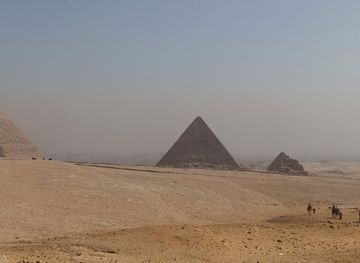
Discover Egypt: From the timeless pyramids to the vibrant Red Sea, experience a land where ancient wonders meet modern adventures.
Explore Egypt