

Giza Plateau, Egypt Travel Guide
Explore the Giza Plateau: Home to the Great Pyramid, the Sphinx, and countless ancient treasures that tell the story of Egypt's glorious past.
The Giza Plateau in Egypt is a timeless treasure trove of ancient history and architectural marvels. Located on the outskirts of Cairo, this iconic site is home to the legendary Pyramids of Giza, which includes the Great Pyramid, one of the Seven Wonders of the Ancient World. Standing tall for over 4,000 years, these pyramids were built as monumental tombs for the Pharaohs and remain a testament to Egypt's rich and fascinating past. Visitors to the Giza Plateau can explore the enigmatic Sphinx, a colossal limestone statue with the body of a lion and the head of a Pharaoh. This ancient guardian has stood watch over the pyramids for millennia, shrouded in mystery and intrigue. As you wander through the plateau, you will be immersed in the grandeur of ancient Egyptian civilization, feeling the echoes of history beneath your feet. The Giza Plateau offers more than just its famous pyramids and Sphinx. The site is dotted with smaller tombs and temples, providing a deeper glimpse into the lives and beliefs of the ancient Egyptians. The Solar Boat Museum, located near the Great Pyramid, houses the reconstructed Khufu ship, a remarkable wooden vessel believed to have been used for the Pharaoh's journey to the afterlife.

Know before you go
Hi, I'm Eve. Here are a few practical things to know before exploring Giza Plateau.
- Visit early in the morning or late in the afternoon to avoid the heat and crowds.
- Wear comfortable walking shoes as the terrain can be uneven and sandy.
- Hire a local guide to gain deeper insights into the history and significance of the sites.
- Bring plenty of water and sunscreen, as there is minimal shade on the plateau.
- Don't miss the Sound and Light Show in the evening for a spectacular retelling of the history of the pyramids.
Explore Giza Plateau: Things to Do, Places to Eat, Hotels & More
Handpicked recommendations for top attractions, local dining, accommodations, and more

Top Attractions & Sightseeing in Giza Plateau
Top-rated picks
Best Attractions

Great Sphinx of Giza
Explore the Great Sphinx of Giza, a monumental symbol of ancient Egypt and an unforgettable historical experience near the iconic Pyramids.

Panoramic View of the Pyramids
Discover stunning views of the Pyramids of Giza from this breathtaking observation deck, blending ancient history with spectacular scenery.

El Malahy
Discover El Malahy Amusement Park in New Cairo, where exhilarating rides and family-friendly fun await you for an unforgettable adventure in Egypt.
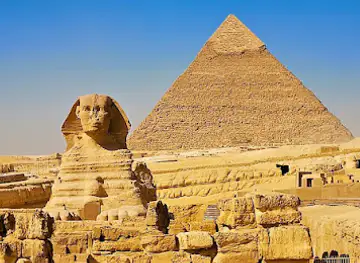
Pyramid of Khafre
Explore the Pyramid of Khafre, a monumental testament to ancient Egyptian civilization and a highlight of the Giza Plateau.

Best landmarks in Giza Plateau
Top-rated picks
Best Landmarks

Giza, Egypt
Explore the majestic Giza Pyramids, ancient wonders of the world, and immerse yourself in Egypt's rich history and culture.
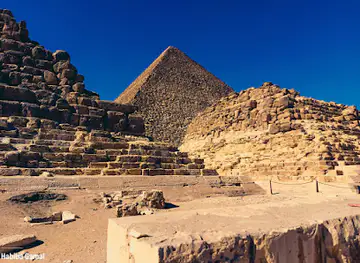
Giza Necropolis
Explore the Giza Necropolis: Witness the grandeur of the pyramids, the Sphinx, and ancient Egyptian history at this iconic UNESCO World Heritage site.

Great Sphinx of Giza
Explore the enigmatic Great Sphinx of Giza, a timeless symbol of ancient Egypt's power, wisdom, and enduring legacy, standing guard over the pyramids.
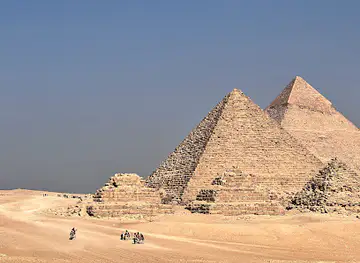
Pyramid of Khafre
Explore the Pyramid of Khafre, the second-largest of Giza's majestic pyramids, and discover the architectural brilliance of ancient Egypt.

Best restaurants in Giza Plateau
Top-rated picks
Best Restaurants

9 Pyramids Lounge
Savor exquisite cuisine with breathtaking views at 9 Pyramids Lounge in Giza – an unforgettable dining experience near the Great Pyramids.

Khufu's Restaurant
Experience exquisite traditional Egyptian cuisine at Khufu's Restaurant while enjoying breathtaking views of the Pyramids in Giza.

Restaurant Pyramids
Experience authentic Egyptian barbecue while enjoying breathtaking views of the Giza pyramids at Restaurant Pyramids.

Cheristo Seafood Restaurant
Discover the flavors of fresh seafood at Cheristo Seafood Restaurant in Al Haram, where culinary excellence meets stunning views.

Best bars in Giza Plateau
Top-rated picks
Best Bars

Crimson Bar & Grill, Cairo, Egypt.
Crimson Bar & Grill: A Luxurious Dining and Nightlife Experience in the Heart of Cairo.
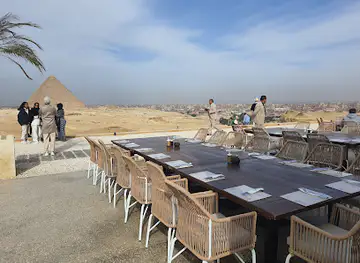
9 Pyramids Lounge
Experience exquisite dining with breathtaking views of the Pyramids at 9 Pyramids Lounge in Giza, where culinary delights meet ancient wonders.

Khufu's Restaurant
Savor the essence of Egypt at Khufu's Restaurant, where traditional flavors meet fine dining elegance in the heart of Giza.

Pub 28
Discover Pub 28 in Zamalek: A lively bar offering great drinks, delicious food, and an inviting atmosphere in the heart of Cairo's vibrant nightlife.

Best nightclubs in Giza Plateau
Top-rated picks
Best Nightclubs

Cairo Jazz Club
Experience the heartbeat of Cairo's nightlife at Cairo Jazz Club, a premier venue for live music and vibrant atmospheres.

El-Regina Club Nile Tower
Discover the electric nightlife of El-Regina Club Nile Tower in Giza, Egypt, where luxury meets rhythm in an unforgettable party experience.

Cairo Jazz Club 610
Experience the vibrant nightlife of Cairo at Cairo Jazz Club 610, where live music and an electric atmosphere come together for an unforgettable evening.

Night life
Discover Cairo's electrifying nightlife at a premier club known for its vibrant atmosphere and pulsating beats, perfect for unforgettable nights out.

Best shops in Giza Plateau
Top-rated picks
Best Shops

Dandy Mega Mall
Discover the ultimate shopping experience at Dandy Mega Mall in Giza, featuring diverse shops, dining, and entertainment options.

The Great Pyramid of Giza
Experience the grandeur of the Great Pyramid of Giza, an ancient wonder that showcases the brilliance of Egyptian civilization and its monumental achievements.

Great Sphinx of Giza
Explore the Great Sphinx of Giza, an iconic monument of ancient Egypt, steeped in history and mystery, captivating visitors with its grandeur.

Cairo Mall
Explore the vibrant Cairo Mall, where shopping meets culture in the heart of Giza, Egypt. Enjoy dining, entertainment, and a unique shopping experience.

Explore Giza Plateau on the Map
A handpicked selection of must-see spots in Giza Plateau, mapped for you.
Giza Plateau Essentials
-
The Giza Plateau is located just outside Cairo, the capital of Egypt. The nearest international airport is Cairo International Airport, approximately 30 kilometers away. From the airport, you can take a taxi or use ride-sharing services to reach Giza, which usually takes around 45 minutes depending on traffic. Alternatively, you can use the Cairo Metro to get closer to the Giza area and then take a taxi or bus to the Plateau.
-
Once in Giza, you can explore the Plateau on foot or by renting a camel or horse for a more traditional experience. Local taxis and ride-sharing services like Uber and Careem are readily available for transportation within the area and to nearby attractions. Public buses also run between Cairo and Giza, offering an economical option for travelers. For a more immersive experience, consider hiring a local guide who can provide detailed historical insights while navigating the area.
-
The official currency in Egypt is the Egyptian Pound (EGP). Credit cards are accepted in most hotels, restaurants, and larger shops, but it is advisable to carry cash, especially for smaller vendors and tips. ATMs are widely available in Cairo and Giza, but it's recommended to withdraw enough cash before heading to the Plateau to ensure you have sufficient funds for your visit.
-
The Giza Plateau is generally safe for tourists, but standard precautions should be taken. Avoid isolated areas and be cautious of pickpockets in crowded places. Some neighborhoods in Greater Cairo have higher crime rates, such as Imbaba and Dar al-Salam, so it's best to avoid these areas, especially at night. Always stay vigilant and aware of your surroundings.
-
In case of emergency, dial 122 for the police, 123 for an ambulance, and 180 for the fire department. Medical facilities in Cairo are well-equipped, and many doctors speak English. It's advisable to have travel insurance that covers medical emergencies. Pharmacies are also available and can provide over-the-counter medications for minor health issues.
-
Fashion: Do dress modestly, especially when visiting religious sites. Avoid wearing revealing clothing. Religion: Do respect local customs and traditions. Always remove your shoes and cover your head when entering mosques. Public Transport: Do be respectful and give up your seat to elderly passengers. Don’t eat or drink on public transport. Greetings: Do greet people with a handshake. Men should wait for a woman to extend her hand first. Eating & Drinking: Do try local delicacies and accept food or drink offers graciously. Don’t refuse hospitality, as it is considered impolite.
-
To experience Giza Plateau like a local, consider visiting early in the morning to avoid the crowds and heat. Engage with local vendors and guides; they often have fascinating stories and insights about the history and culture of the area. Don't miss the Sound and Light Show in the evening, which offers a unique perspective on the ancient monuments. For a more authentic dining experience, try traditional Egyptian dishes at local eateries rather than sticking to international chains.
When is the best time to visit Giza Plateau?
Useful Local Phrases for Giza Plateau
You don't need to speak the language perfectly. Even learning a few simple words can make conversations warmer—and locals usually appreciate the effort.
— Eve

Here are the phrases I use most often in Giza Plateau. Try a few—you'll be surprised how far they go! 😊
❤️
-
- HelloHi
[Hai] - GoodbyeSee ya
[See yah] - YesYep
[Yep] - NoNope
[Nope] - Please/You're welcomeSure
[Shur] - Thank youThanks
[Thangs] - Excuse me/SorrySorry
[Sorree] - How are you?How's it going?
[Hows it goin?] - Fine. And you?Good. You?
[Good. You?] - Do you speak English?Do you speak English?
[Do you speak English?] - I don't understandI don't get it
[I don't get it]
- HelloHi
-
- I'd like to see the menu, pleaseCan I see the menu?
[Can I see the menu?] - I don't eat meatI'm a vegetarian
[I'm a vegetarian] - Cheers!Cheers!
[Cheers!] - I would like to pay, pleaseCan I get the check?
[Can I get the check?]
- I'd like to see the menu, pleaseCan I see the menu?
-
- Help!Help!
[Help!] - Go away!Leave me alone!
[Leave me alone!] - Call the Police!Call 911!
[Call 911!] - Call a doctor!Get a doctor!
[Get a doctor!] - I'm lostI can't find my way
[I can't find my way] - I'm illI'm not feeling well
[I'm not feeling well]
- Help!Help!
-
- I'd like to buy...I want to buy...
[I want to buy...] - I'm just lookingJust browsing
[Just browsing] - How much is it?What's the price?
[What's the price?] - That's too expensiveThat's pricey
[That's pricey] - Can you lower the price?Can you make it cheaper?
[Can you make it cheaper?]
- I'd like to buy...I want to buy...
-
- What time is it?What time is it?
[What time is it?] - It's one o'clockIt's 1 o'clock
[It's 1 o'clock] - Half past (10)10:30
[10:30] - MorningMorning
[Morning] - AfternoonAfternoon
[Afternoon] - EveningEvening
[Evening] - YesterdayYesterday
[Yesterday] - TodayToday
[Today] - TomorrowTomorrow
[Tomorrow] - 11
[1] - 22
[2] - 33
[3] - 44
[4] - 55
[5] - 66
[6] - 77
[7] - 88
[8] - 99
[9] - 1010
[10]
- What time is it?What time is it?
-
- Where's a/the...?Where's the...?
[Where's the...?] - What's the address?What's the address?
[What's the address?] - Can you show me (on the map)?Can you point it out?
[Can you point it out?] - When's the next (bus)?When's the next bus?
[When's the next bus?] - A ticket (to ....)A ticket to...
[A ticket to...]
- Where's a/the...?Where's the...?
History of Giza Plateau
-
The Giza Plateau, located on the outskirts of Cairo, Egypt, is one of the most iconic archaeological sites in the world. This plateau is home to the Great Pyramids of Giza, the Sphinx, and several other ancient structures that date back to the Fourth Dynasty of the Old Kingdom of Egypt, around 2580–2560 BCE.
-
The Great Pyramid of Giza, also known as the Pyramid of Khufu or Cheops, is the largest of the three pyramids on the plateau. It was constructed during the reign of Pharaoh Khufu and is the only one of the Seven Wonders of the Ancient World that still exists. The pyramid was originally covered in casing stones made of highly polished Tura limestone, which reflected the sun's light and made the pyramid shine brightly.
-
The second pyramid on the Giza Plateau is the Pyramid of Khafre, which appears taller than the Great Pyramid due to its elevated location and steeper angle of inclination. Khafre's pyramid complex also includes the Great Sphinx, a limestone statue with the body of a lion and the head of a pharaoh. The Sphinx is believed to represent Pharaoh Khafre himself and serves as a guardian of the Giza Plateau.
-
The smallest of the three pyramids on the Giza Plateau is the Pyramid of Menkaure. Built for Pharaoh Menkaure, this pyramid is distinguished by its smaller size and the use of high-quality granite on the lower courses. Menkaure's complex also includes several smaller queen's pyramids and a mortuary temple.
-
Adjacent to the Great Pyramid is the Solar Boat Museum, which houses one of the oldest and best-preserved boats from ancient Egypt. The boat, which was buried in a pit at the foot of the Great Pyramid, is believed to have been used for the pharaoh's journey in the afterlife. The museum provides insight into ancient Egyptian shipbuilding techniques and the religious significance of solar boats.
-
The Giza Plateau continues to be a site of significant archaeological interest. Modern excavations have unearthed workers' villages, revealing details about the labor force that built the pyramids. These discoveries challenge the long-held belief that the pyramids were built by slaves and suggest that a skilled and well-fed workforce was responsible for these monumental constructions.
-
The Giza Plateau is not only an archaeological treasure but also a cultural symbol of Egypt's ancient civilization. It attracts millions of visitors each year who come to marvel at the ingenuity and grandeur of the pyramids and the Sphinx. The plateau has inspired countless works of art, literature, and film, cementing its place as a cornerstone of human heritage.
Neighbouring Regions of Giza Plateau
The closest regions to Giza Plateau, if you have time for more than one.




Your all‑in‑one travel companion app
Explore expert travel guides, compare and book tours, experiences, hotels, and more—all from the palm of your hand. Download now for seamless trip planning wherever your wanderlust takes you.


Explore More of Egypt
Looking beyond Giza Plateau? Discover Egypt for broader travel guides, local hot-spots, and regional highlights.
Explore EgyptGiza Plateau in Photos
Browse through our photo collection highlighting the charm and character of the destination.




The Ancient Wonders of Giza Plateau
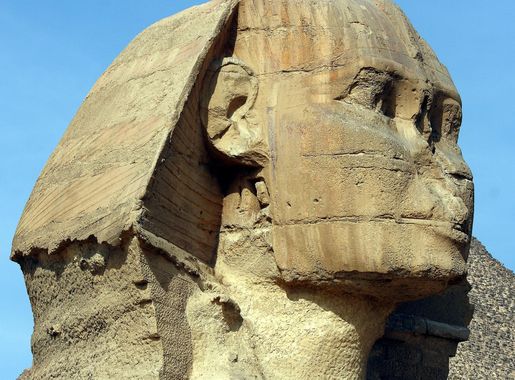
The Giza Plateau in Egypt is a timeless treasure trove of ancient history and architectural marvels. Located on the outskirts of Cairo, this iconic site is home to the legendary Pyramids of Giza, which includes the Great Pyramid, one of the Seven Wonders of the Ancient World. Standing tall for over 4,000 years, these pyramids were built as monumental tombs for the Pharaohs and remain a testament to Egypt's rich and fascinating past. Visitors to the Giza Plateau can explore the enigmatic Sphinx, a colossal limestone statue with the body of a lion and the head of a Pharaoh. This ancient guardian has stood watch over the pyramids for millennia, shrouded in mystery and intrigue. As you wander through the plateau, you will be immersed in the grandeur of ancient Egyptian civilization, feeling the echoes of history beneath your feet. The Giza Plateau offers more than just its famous pyramids and Sphinx. The site is dotted with smaller tombs and temples, providing a deeper glimpse into the lives and beliefs of the ancient Egyptians. The Solar Boat Museum, located near the Great Pyramid, houses the reconstructed Khufu ship, a remarkable wooden vessel believed to have been used for the Pharaoh's journey to the afterlife.