

Free Mediterranean Coast Travel Guide & Mobile App
Explore Mediterranean Coast with free travel guides. Discover regional history, expert tips, proposed trips, and audio guides on web or mobile app.


Explore Egypt’s Mediterranean Coast for Alexandria’s history, Delta towns, wartime heritage, seafood and beaches around Matrouh.
Read more about Mediterranean Coast
When is the best time to visit Mediterranean Coast?
Best: April–May, October · 23–28°C| Month | High (°C) | Rainfall (mm) |
|---|---|---|
| January | 17 | 40 |
| February | 18 | 35 |
| March | 20 | 30 |
| April (best) | 23 | 20 |
| May (best) | 27 | 10 |
| June | 30 | 2 |
| July | 32 | 1 |
| August | 33 | 1 |
| September | 31 | 5 |
| October (best) | 28 | 15 |
| November | 23 | 25 |
| December | 19 | 35 |
Getting to and around Mediterranean Coast
How to get there
Transportation
Top city travel guides in Mediterranean Coast
The cities of Mediterranean Coast, and the easiest places to base yourself.
-

-

-

-

-

-


Swipe for more cities
Destinations in Mediterranean Coast
Resorts, valleys and scenic spots worth a trip of their own.

Swipe for more destinations
Best attractions in Mediterranean Coast
The Mediterranean Coast offers a varied set of attractions rather than one continuous resort strip. Alexandria provides the strongest concentration of culture, with the Bibliotheca Alexandrina, the Alexandria National Museum, the Catacombs of Kom el Shoqafa, Pompey’s Pillar and the waterfront Citadel of Qaitbay. The historic town of Rashid, near a branch of the Nile, is valued for its Ottoman-era houses, mosques and connection with the Rosetta Stone. West of the city, the North Coast is primarily associated with beaches, lagoons, summer resorts and long stretches of pale sand. El Alamein adds museums, memorials and Commonwealth and German cemeteries linked to the Second World War. Around Mersa Matruh, sheltered bays and beaches create a more relaxed coastal setting, with Cleopatra’s Beach among the best-known sites. The eastern Mediterranean shoreline, including northern Sinai, has archaeological and environmental interest but is less accessible for casual tourism and should be approached only after checking current security and access information.
-
Historical place
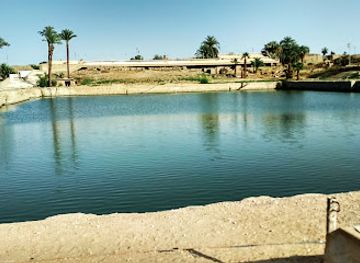
Karnak
Experience the grandeur of Karnak, the largest ancient temple complex in Egypt, where history and spirituality intertwine in breathtaking beauty.
Best landmarks in Mediterranean Coast
The Citadel of Qaitbay is Alexandria’s most recognisable waterfront landmark, a fifteenth-century fortress built by Sultan Qaitbay on the harbour site traditionally associated with the Pharos lighthouse. Nearby, the modern Bibliotheca Alexandrina forms a dramatic circular presence on the seafront and symbolises the city’s continuing intellectual identity. Pompey’s Pillar, a red Aswan-granite column within the ancient Serapeum precinct, is one of Alexandria’s clearest surviving classical monuments, while the Catacombs of Kom el Shoqafa reveal the city’s mixture of Egyptian, Greek and Roman funerary traditions. Rashid’s clustered Ottoman houses and mosques form an important architectural landmark within the Delta. At El Alamein, the Commonwealth War Cemetery, German War Cemetery and related memorials mark a battlefield landscape of international significance. Farther west, Mersa Matruh’s pale bays and rocky headlands are natural coastal landmarks, with Cleopatra’s Beach among the most familiar, although the shoreline is a living environment rather than a formal monument.
-
Archaeological site
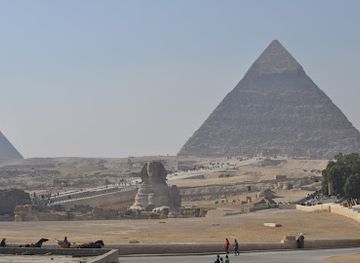
Giza Necropolis
Explore the Giza Necropolis: Witness the majestic pyramids, the enigmatic Sphinx, and ancient Egyptian wonders on the Giza Plateau.
-
Historical place
Karnak
Explore Karnak, the magnificent temple complex in Luxor, Egypt, where ancient history and stunning architecture come together to create a mesmerizing experience.
-
Monument
Great Sphinx of Giza
Visit the iconic Great Sphinx of Giza, a colossal monument steeped in ancient Egyptian history and mystery, standing guard over the Giza Plateau.
-
Tourist attraction
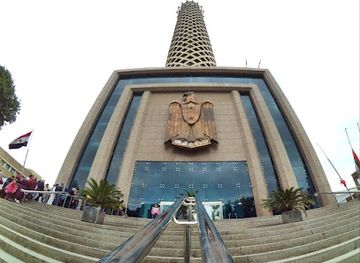
Cairo Tower
Experience Cairo from Above: Iconic tower with panoramic views, revolving restaurant, and a glimpse into Egypt's modern history.


Explore Mediterranean Coast on the map
Plan your trip on one map. See where the top cities, national parks and sights are, and book hotels and experiences in a few clicks.
Best hotels in Mediterranean Coast
Best restaurants in Mediterranean Coast
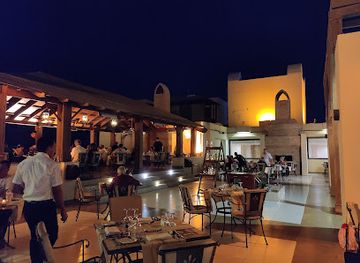
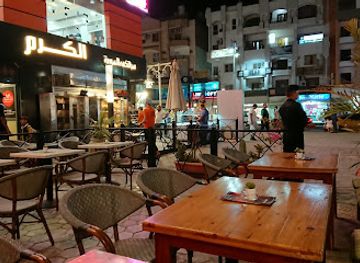
Seafood is the defining dining theme of Egypt’s Mediterranean Coast, particularly in Alexandria, where fish, prawns, calamari and crab appear in both straightforward local restaurants and more polished waterfront establishments. Preparation varies from grilled or fried fish to spiced rice dishes and seafood stews, while mezze, salads and bread are common accompaniments. Alexandrian cuisine also reflects the city’s long urban history, with Egyptian staples such as ful, taamiya, koshari and mahshi readily available alongside Mediterranean-influenced cooking. In Rashid and other Delta towns, small cafés and family-run restaurants provide simple meals rather than an extensive fine-dining scene. Seasonal North Coast resorts offer more international menus, cafés and beach dining, though choice can narrow outside the summer period. Around Mersa Matruh, locally prepared seafood and casual restaurants are central to the coastal food experience. Bottled water is widely available, and visitors should choose busy establishments with good food turnover in hot weather.
-
Seafood
Starfish Seafood Restaurant
Experience fresh seafood delights at Starfish Seafood Restaurant in Hurghada, where every dish celebrates the flavors of the Red Sea.
-
Fine Dining
Sky restaurant
Experience fine dining at Sky Restaurant in Hurghada with stunning views of the Red Sea and exquisite gourmet dishes.
-
Restaurant
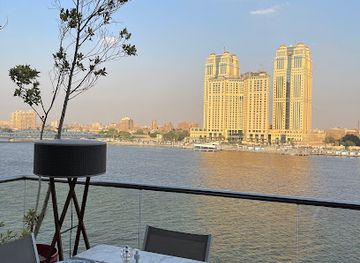
Crimson Bar & Grill, Cairo, Egypt.
Experience fine dining at Crimson Bar & Grill in Zamalek—where exquisite cuisine meets stunning views of the Nile River.
-
Family-friendly
Moby Dick Restaurant
Discover family-friendly dining at Moby Dick Restaurant in Hurghada - where delicious Western cuisine meets warm hospitality.
Best bars in Mediterranean Coast
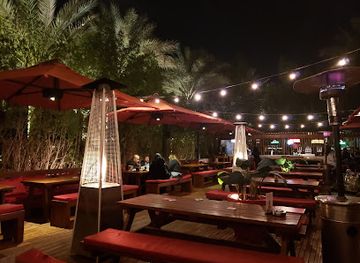
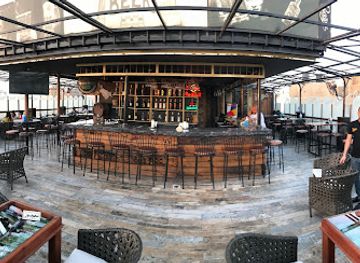
Nightlife differs sharply between Alexandria, the seasonal North Coast and Mersa Matruh. Alexandria’s evening scene is built around cafés, restaurants, hotel lounges and waterfront promenades, with conversation, tea, coffee and shisha often more prominent than nightclub culture. Some hotels and contemporary venues serve alcoholic drinks, but alcohol is not central to every social setting. In the North Coast resort belt, evening entertainment becomes more active during the summer, when resort restaurants, lounges and selected music venues attract holiday visitors; programming and opening arrangements are seasonal and changeable. Mersa Matruh has a quieter evening character, centred on cafés, restaurants and seaside walks rather than a large club circuit. Dress expectations and entry policies vary, so visitors should check locally and behave respectfully in mixed public settings.
-
Restaurant
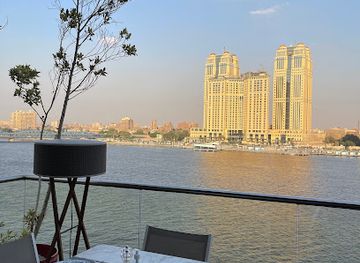
Crimson Bar & Grill, Cairo, Egypt.
Experience the essence of Cairo at Crimson Bar & Grill, where exquisite flavors and elegant ambiance create unforgettable dining moments.
-
Grill
The Tap East
Discover the vibrant atmosphere and delectable grilled dishes at The Tap East, a premier dining destination in New Cairo.
-
Grill
Paradise Roof
Discover the vibrant flavors of Cairo at Paradise Roof, a rooftop grill and tapas bar offering a unique dining experience under the stars.
-
Bar
Pub 28
Experience the vibrant nightlife of Zamalek at Pub 28, where delicious food, refreshing drinks, and great company await.

Best nightclubs in Mediterranean Coast
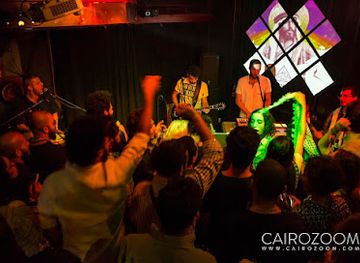
Nightlife differs sharply between Alexandria, the seasonal North Coast and Mersa Matruh. Alexandria’s evening scene is built around cafés, restaurants, hotel lounges and waterfront promenades, with conversation, tea, coffee and shisha often more prominent than nightclub culture. Some hotels and contemporary venues serve alcoholic drinks, but alcohol is not central to every social setting. In the North Coast resort belt, evening entertainment becomes more active during the summer, when resort restaurants, lounges and selected music venues attract holiday visitors; programming and opening arrangements are seasonal and changeable. Mersa Matruh has a quieter evening character, centred on cafés, restaurants and seaside walks rather than a large club circuit. Dress expectations and entry policies vary, so visitors should check locally and behave respectfully in mixed public settings.
-
Night club
Cairo Jazz Club
Experience the vibrant nightlife of Cairo at the Cairo Jazz Club, a premier destination for live music and energetic gatherings in Giza.
-
Night club
Cairo Jazz Club 610
Discover the electric atmosphere of Cairo Jazz Club 610, where live music and vibrant nightlife blend in the heart of Giza.
-
Night club
Night life
Discover the thrilling nightlife of Al Giza, where vibrant clubs and rhythmic beats create unforgettable late-night adventures.
-
Night club
Papas Club
Experience the vibrant nightlife at Papas Club, Hurghada's premier destination for music, dancing, and unforgettable evenings.

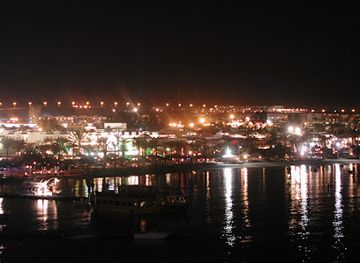
Best shops in Mediterranean Coast
Alexandria offers the broadest shopping choice on the coast, from traditional commercial streets and neighbourhood markets to modern malls, bookshops, bakeries and specialist food retailers. Visitors can look for Egyptian spices, dates, sweets, coffee, cotton goods and practical souvenirs rather than expecting a single regional craft tradition. Rashid is more strongly associated with historic streets and locally made household goods, while smaller Delta towns provide everyday markets where produce, bread and seasonal fruit reveal the agricultural character of the hinterland. North Coast resorts contain convenience shops, boutiques and holiday-oriented retail, but prices and selection are shaped by the short summer season. In Mersa Matruh, beachside and town-centre shops sell clothing, sandals, beach equipment, spices and packaged foods, with informal bargaining sometimes possible. When buying antiques or archaeological-looking objects, use established retailers and retain receipts; exporting antiquities or suspected antiquities is illegal.
-
Shopping mall
Senzo Mall
Explore Senzo Mall in Hurghada for a dynamic shopping experience with diverse brands, delightful dining, and family-friendly entertainment.
-
Souvenir store
3 Pyramids Shopping Center( free Wi-Fi) Free round trip transfer
Discover a vibrant shopping paradise at 3 Pyramids Shopping Center in Hurghada, featuring souvenirs, fashion, and local delights for every traveler.
-
Shopping mall
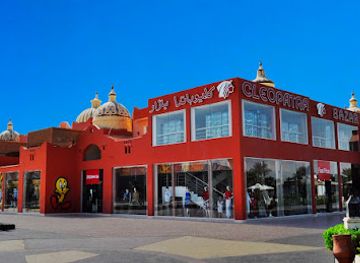
Cleopatra Bazar Bostan Branch
Discover the charm of shopping at Cleopatra Bazar Bostan Branch, Hurghada's vibrant marketplace blending culture, shopping, and leisure.
-
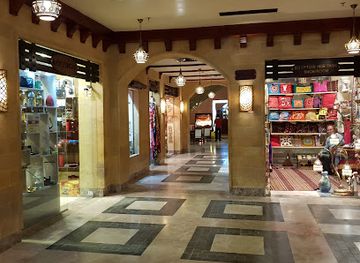
Handicraft
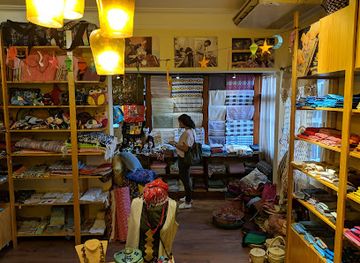
Fair Trade Egypt
Discover unique handcrafted treasures and support local artisans at Fair Trade Egypt, a must-visit craft store in Zamalek, Cairo.

Get your free copy of our complete guide to Mediterranean Coast, delivered straight to you.
Everything on this page, from attractions and restaurants to essentials and local phrases, in one PDF you can read offline, print or share.
Already have an account? Sign in
Your Mediterranean Coast guide is ready.
We'll send it to · Not you? Sign out

Getting your guide ready…
We are putting together a fresh copy of the Mediterranean Coast guide. This can take up to a minute.
This can take a few moments. If your browser asks, choose Allow so the download can start. You'll find the guide in your Downloads folder.
Nothing happened? Download it again
Sorry, the guide is taking longer than usual. Please try again in a minute, or get it by email instead.
Mediterranean Coast essentials
Currency and Payment
Safety
Emergency Situations
Do's and Don'ts
Local Tips
From Eve
Local phrases worth knowing
You don't need to get them perfect. A few words go a long way, and locals appreciate the effort.
Basics
| English | Local | Say it |
|---|---|---|
| Hello | أهلاً | [Ahlan] |
| Goodbye | مع السلامة | [Ma'a as-salama] |
| Yes | نعم | [Na'am] |
| No | لا | [La] |
| Please/You're welcome | من فضلك | [Min fadlik] |
| Thank you | شكراً | [Shukran] |
| Excuse me/Sorry | عفواً | [Afwan] |
| How are you? | كيف حالك؟ | [Kayfa halak?] |
| Fine. And you? | بخير. وأنت؟ | [Bikhayr. Wa anta?] |
| Do you speak English? | هل تتحدث الإنجليزية؟ | [Hal tatahaddath al-ingliziyya?] |
| I don't understand | لا أفهم | [La afham] |
Eating & Drinking
| English | Local | Say it |
|---|---|---|
| I'd like to see the menu, please | أود رؤية القائمة، من فضلك | [Awad ru'yat al-qa'ima, min fadlik] |
| I don't eat meat | لا أأكل اللحم | [La akul al-lahm] |
| Cheers! | في صحتك! | [Fi sihtak!] |
| I would like to pay, please | أود الدفع، من فضلك | [Awad al-daf', min fadlik] |
Emergencies
| English | Local | Say it |
|---|---|---|
| Help! | نجدة! | [Najda!] |
| Go away! | اذهب بعيداً! | [Idhhab ba'eedan!] |
| Call the Police! | اتصل بالشرطة! | [Ittasil bil-shurta!] |
| Call a doctor! | اتصل بالطبيب! | [Ittasil bil-tabeeb!] |
| I'm lost | أنا ضائع | [Ana da'i'] |
| I'm ill | أنا مريض | [Ana marid] |
Shopping
| English | Local | Say it |
|---|---|---|
| I'd like to buy... | أود شراء... | [Awad shira'a...] |
| I'm just looking | أنا فقط أنظر | [Ana faqat anzur] |
| How much is it? | كم ثمنه؟ | [Kam thamanuh?] |
| That's too expensive | هذا مكلف جداً | [Hatha mukallaf jidan] |
| Can you lower the price? | هل يمكنك تخفيض السعر؟ | [Hal yumkinuka takhfid al-si'r?] |
Time & Numbers
| English | Local | Say it |
|---|---|---|
| What time is it? | ما هو الوقت؟ | [Ma huwa al-waqt?] |
| It's one o'clock | الساعة واحدة | [Al-sa'a wahida] |
| Half past (10) | نصف (10) | [Nisf (10)] |
| Morning | صباحاً | [Sabahan] |
| Afternoon | ظهراً | [Zuhran] |
| Evening | مساءً | [Masa'an] |
| Yesterday | أمس | [Ams] |
| Today | اليوم | [Al-yawm] |
| Tomorrow | غداً | [Ghadan] |
| 1 | واحد | [Wahid] |
| 2 | اثنان | [Ithnan] |
| 3 | ثلاثة | [Thalatha] |
| 4 | أربعة | [Arba'a] |
| 5 | خمسة | [Khamsa] |
| 6 | ستة | [Sitta] |
| 7 | سبعة | [Sab'a] |
| 8 | ثمانية | [Thamaniya] |
| 9 | تسعة | [Tis'a] |
| 10 | عشرة | [Ashara] |
Transport & Directions
| English | Local | Say it |
|---|---|---|
| Where's a/the...? | أين...؟ | [Ayn...?] |
| What's the address? | ما هو العنوان؟ | [Ma huwa al-unwan?] |
| Can you show me (on the map)? | هل يمكنك أن تريني (على الخريطة)؟ | [Hal yumkinuka an turini (ala al-kharita)?] |
| When's the next (bus)? | متى يأتي (الحافلة) التالية؟ | [Mata yati (al-hafila) al-taliya?] |
| A ticket (to ....) | تذكرة (إلى....) | [Tadhkira (ila....)] |
History of Mediterranean Coast
Ancient Coastal Settlements and the Nile Delta
The Mediterranean shore and its adjoining lagoons formed a meeting point between the Nile Valley, the Aegean world and the wider eastern Mediterranean long before Alexandria was founded. Delta settlements prospered through agriculture, fishing and maritime trade, while waterways connected the coast to inland Egypt. The western Delta was associated with ancient communities including Canopus and nearby religious centres, although many early sites now survive mainly as archaeological remains. Coastal geography repeatedly changed through silting, storms and shifting channels, helping to explain why ancient harbours and settlements do not always correspond neatly with the modern shoreline.
Alexandria and the Hellenistic Mediterranean
Alexander the Great founded Alexandria in 331 BC, and the city was developed under the Ptolemaic dynasty as Egypt’s Mediterranean capital. Its harbour, royal quarter, library tradition and lighthouse made it a major centre of commerce, scholarship and political power. Greek, Egyptian and Jewish communities contributed to its cosmopolitan character. Much of the ancient city lies beneath the modern metropolis or offshore, but the surviving Serapeum area, catacombs and archaeological finds displayed in Alexandria preserve evidence of a society shaped by several Mediterranean cultures.
Roman and Byzantine Rule
After the death of Cleopatra VII and the defeat of Mark Antony, Egypt became a Roman province in 30 BC, with Alexandria retaining its importance as a grain-exporting port. Roman administration expanded the city’s commercial and military significance, while the surrounding Delta supported intensive agriculture. Christianity later became deeply established in the region during the Byzantine period, and Alexandria was one of the most influential centres of early Christian theology. The remains of ancient settlements and religious communities around the western Delta reflect the long transition from pharaonic and classical traditions to a Christian Mediterranean society.
Rashid, Ottoman Egypt and European Trade
Rashid, known in European languages as Rosetta, developed at a river mouth west of Alexandria and became an important commercial town under Ottoman rule. Its position between the Nile and the Mediterranean encouraged trade in grain, textiles and other goods, while its houses and religious buildings preserve elements of late Ottoman and local Delta architecture. The town gained worldwide historical importance in 1799, when the Rosetta Stone was discovered nearby during Napoleon’s expedition. Although the stone is now in London, Rashid’s urban fabric remains a tangible reminder of Egypt’s trading and multilingual coastal past.
Napoleon’s Expedition and the Modern Coastal State
The French expedition to Egypt from 1798 to 1801 briefly brought Alexandria, Rashid and the wider Delta into a conflict linking European imperial ambitions with Ottoman and British interests. The campaign ended after British naval intervention and French withdrawal, but it accelerated European strategic attention to Egypt’s ports and overland routes. During the nineteenth and early twentieth centuries, Alexandria expanded as a commercial, industrial and migrant city. Railways, modern harbour works and international shipping strengthened its relationship with Europe while it remained connected to the agricultural wealth of the Delta.
The Second World War at El Alamein
In 1942, the desert south of El Alamein became the scene of two major battles between Allied and Axis forces during the North African campaign. The second battle, fought in October and November, halted the advance of German and Italian forces towards Egypt and the Suez Canal. Military cemeteries, memorials and museums around El Alamein commemorate soldiers from many countries and make the coastal district an important site of twentieth-century memory. The surrounding landscape also contains unexploded ordnance risks, so visitors should remain on established routes and never handle suspected metal objects.
The North Coast Resort Transformation
From the later twentieth century, sections of the coast west of Alexandria were transformed by holiday villages, private compounds and seasonal infrastructure aimed largely at Egyptian domestic tourism. This development created a sharp contrast between the permanent urban communities of Alexandria and Matrouh and the highly seasonal North Coast. Roads and resorts increased access to beaches, but construction also altered dunes, shorelines and local patterns of land use. Today the Mediterranean Coast combines historic ports and working communities with a modern holiday economy that reaches its busiest point during the summer.
Mediterranean Coast in Photos
Browse through our photo collection highlighting the charm and character of the destination.
Neighbouring regions of Mediterranean Coast
The closest regions to Mediterranean Coast, if you have time for more than one.
-

-

-

-

-


Swipe for more regions
Explore more
Explore more of Egypt
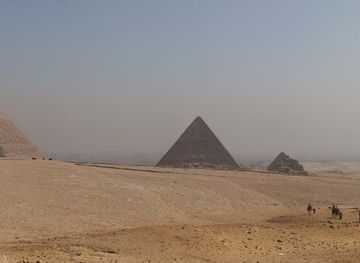
Discover Egypt: From the timeless pyramids to the vibrant Red Sea, experience a land where ancient wonders meet modern adventures.
Explore Egypt