
Suez Canal Zone, Egypt Travel Guide
Explore the Suez Canal Zone in Egypt: A historic and engineering marvel that bridges continents, offering unique insights into global trade and maritime history.
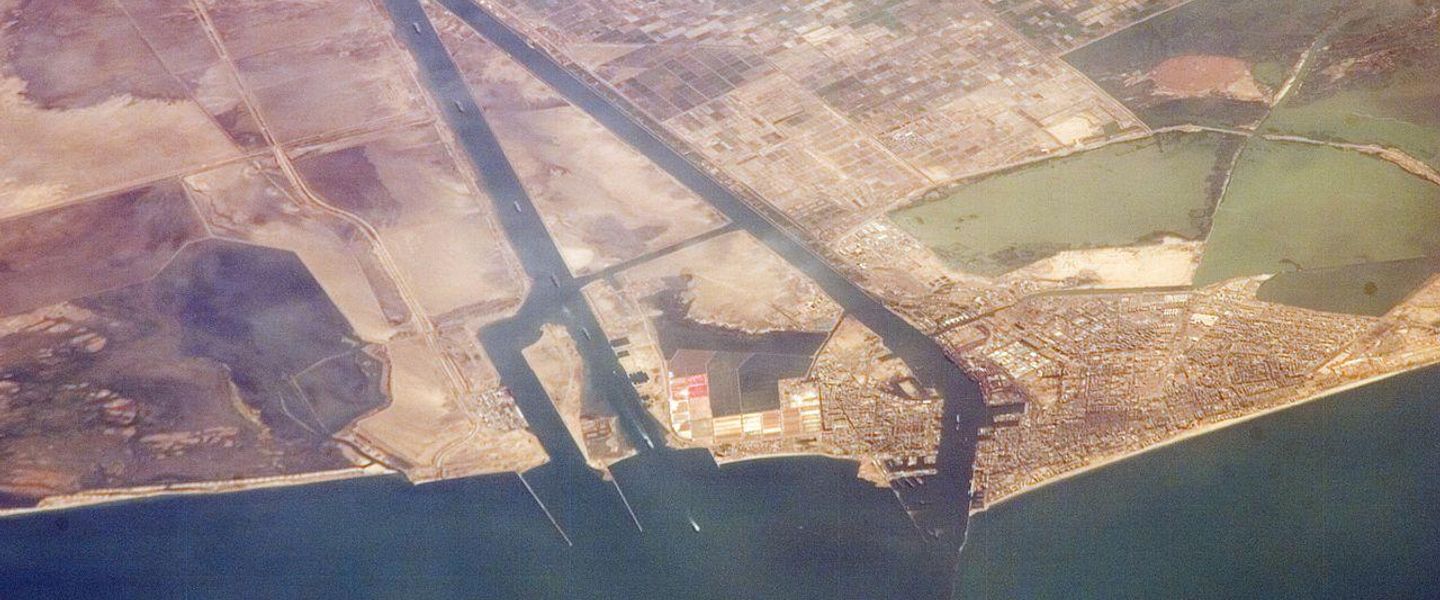
The Suez Canal Zone in Egypt is a remarkable destination for tourists intrigued by both history and engineering. This strategic waterway, connecting the Mediterranean Sea to the Red Sea, has been a pivotal maritime route since its opening in 1869. The canal significantly shortens the journey between Europe and Asia, eliminating the need for ships to navigate around Africa. This makes it not only an engineering marvel but also a crucial artery for global trade. Visitors to the Suez Canal Zone can witness the impressive sight of massive ships navigating through this narrow corridor. The port cities of Port Said, Ismailia, and Suez offer unique vantage points to observe the continuous maritime traffic. Each of these cities has its own charm and historical significance, enriched by a blend of Egyptian and colonial architecture. Apart from the canal itself, the region is steeped in history, with numerous museums and monuments that tell the tale of the canal's construction and its role in international affairs. The Suez Canal Authority even organizes guided tours, providing in-depth insights into the canal's operations and its impact on global commerce. Whether you're a history buff, an engineering enthusiast, or simply looking for a unique travel experience, the Suez Canal Zone promises a fascinating journey through time and innovation.

Know before you go
Hi, I'm Eve. Here are a few practical things to know before exploring Suez Canal Zone.
- Visit the Suez Canal House Museum in Ismailia for detailed exhibits on the canal's history.
- Check the ship schedules to time your visit with the passage of large vessels.
- Take a guided tour organized by the Suez Canal Authority for an informative experience.
- Explore local markets in Port Said for unique souvenirs and local cuisine.
- Wear comfortable footwear as you may need to walk significant distances to explore the area.
Top City Travel Guides in Suez Canal Zone
The cities of Suez Canal Zone, and the easiest places to base yourself.


Explore Suez Canal Zone: Things to Do, Places to Eat, Hotels & More
Handpicked recommendations for top attractions, local dining, accommodations, and more

Top Attractions & Sightseeing in Suez Canal Zone
Top-rated picks
Best Attractions

Suez Canal
Explore the Suez Canal, a marvel of engineering that connects two seas and symbolizes global trade and history.

Salt Mountain.
Explore the stunning natural beauty of Salt Mountain in Port Fouad City, a unique geological wonder perfect for nature lovers and adventure seekers.

El Shohada'a Park
Explore the serene beauty of El Shohada'a Park in Suez, a perfect green retreat for families and nature lovers alike.

Port Said Military Museum
Discover Port Said's Military History at the Port Said Military Museum - A Journey Through Time and Conflict.

Best landmarks in Suez Canal Zone
Top-rated picks
Best Landmarks

Suez Canal
Experience the marvel of the Suez Canal, a vital trade route connecting continents and a testament to human ingenuity and strategic importance.

Terusan Suez
Connecting continents, the Suez Canal is a vital trade route between Europe and Asia, shortening travel distances and enabling global commerce.

Salt Mountain.
Discover a winter wonderland in the heart of Egypt. Explore the dazzling Salt Mountain in Port Fouad for a unique and unforgettable experience.

Al Salam Bridge
Experience the breathtaking views and modern engineering of Al Salam Bridge, a stunning connection across the Suez Canal in Egypt.

Best restaurants in Suez Canal Zone
Top-rated picks
Best Restaurants

El-Salah Al-Nabi
Discover the exquisite flavors of Mediterranean seafood at El-Salah Al-Nabi in Ismailia—a true culinary gem worth exploring.

Hard Rock Cafe
Discover the heart of American dining culture at Hard Rock Cafe Nabq Bay - where great food meets legendary music.

Aroset El-Bahr.
Experience fresh seafood delights at Aroset El-Bahr, your coastal culinary escape in Suez with stunning views and inviting atmosphere.

أمريكان دريم إسماعيلية , American Dream Ismailia
Discover culinary delights at American Dream Ismailia - where family fun meets vibrant nightlife in Ismailia's premier dining destination.

Best bars in Suez Canal Zone
Top-rated picks
Best Bars

Mercure Ismailia Forsan Island Hotel
Discover the serene beauty of the Mercure Ismailia Forsan Island Hotel, a luxurious retreat surrounded by nature and rich Egyptian culture.

TOLIP Elforsan Resort
Discover the luxurious TOLIP Elforsan Resort in Ismailia, where stunning views, exquisite dining, and serene relaxation meet for the perfect getaway.

Hard Rock Cafe
Experience iconic American cuisine and rock history at Hard Rock Cafe Nabq Bay, where every bite is a taste of the extraordinary.

The Tap East
Experience the best of New Cairo at The Tap East, where exceptional grilled dishes and a vibrant atmosphere await.

Best nightclubs in Suez Canal Zone
Top-rated picks
Best Nightclubs

Cairo Jazz Club
Discover Cairo Jazz Club: the ultimate nightlife destination for live music, unique cocktails, and a vibrant atmosphere in the heart of Giza.

Cairo Jazz Club 610
Discover the heart of Cairo's nightlife at Cairo Jazz Club 610, where live jazz and vibrant energy create unforgettable moments.

Spade Lounge
Experience Cairo's nightlife at Spade Lounge, a vibrant night club and café offering music, dance, and delightful cuisine in the heart of the city.

Club 707
Discover the vibrant nightlife of Cairo at Club 707, where music, dance, and socializing come alive in an electrifying atmosphere.

Best shops in Suez Canal Zone
Top-rated picks
Best Shops

carrefour
Explore Carrefour Ismailia for a diverse shopping experience featuring local and international products, perfect for tourists and locals alike.

El Shohada'a Park
Discover the serene beauty of El Shohada'a Park in Suez, a perfect retreat for relaxation, nature walks, and local culture.

Suez mall
Experience the lively shopping atmosphere at Suez Mall, where modern retail meets local culture in the heart of Suez, Egypt.

Beach Suez Canal Authority, Camp Alpmb
Experience the tranquil beauty of Camp Alpmb, a stunning beach along the Suez Canal, ideal for relaxation and breathtaking views.

Explore Suez Canal Zone on the Map
A handpicked selection of must-see spots in Suez Canal Zone, mapped for you.
Suez Canal Zone Essentials
-
The Suez Canal Zone is accessible via multiple routes. The nearest major airport is Cairo International Airport (CAI), located about 120 kilometers from the northern end of the canal in Port Said. From Cairo, you can take a bus, taxi, or rent a car to reach the Suez Canal Zone. Another option is to fly into Borg El Arab Airport (HBE) in Alexandria, which is approximately 200 kilometers from the canal. Trains and buses also operate from major cities like Cairo and Alexandria to towns along the Suez Canal.
-
Within the Suez Canal Zone, local transportation options include taxis, buses, and minibuses. Taxis are widely available and are a convenient way to travel between towns such as Port Said, Ismailia, and Suez. Buses and minibuses (often called 'microbuses') are the primary means of public transport and connect various parts of the canal zone. For more flexibility, renting a car is also an option, but be aware of local driving conditions and traffic regulations.
-
The official currency in Egypt is the Egyptian Pound (EGP). Credit cards are accepted in larger hotels, restaurants, and shops, but it is advisable to carry cash for smaller establishments and local markets. ATMs are available in major towns along the Suez Canal, including Port Said, Ismailia, and Suez. Ensure you have enough local currency, especially if you plan to visit more remote areas.
-
The Suez Canal Zone is generally safe for tourists, but it is essential to take standard safety precautions. Avoid walking alone at night, especially in unfamiliar areas. Be cautious of pickpockets in crowded places and keep your belongings secure. Some areas, particularly near the canal, may have restricted access due to security reasons, so always follow local guidelines and regulations. It's also advisable to stay updated on travel advisories from your home country.
-
In case of an emergency, dial 122 for police assistance, 123 for medical emergencies, and 180 for fire emergencies. Major towns along the Suez Canal have hospitals and medical facilities. It is recommended to have travel insurance that covers medical emergencies. Pharmacies are available in towns like Port Said, Ismailia, and Suez, where you can purchase over-the-counter medications.
-
Fashion: Do dress modestly, especially when visiting religious sites. Avoid wearing revealing clothing. Religion: Do respect local customs and traditions. Remove your shoes when entering mosques and dress conservatively. Public Transport: Do be respectful and give up your seat to elderly passengers. Don't eat or drink on public transport. Greetings: Do greet people with a handshake or a slight nod. It's customary to greet elders and those in positions of authority first. Eating & Drinking: Do try local dishes and accept food offerings graciously. Don't refuse hospitality, as it is considered impolite.
-
To experience the Suez Canal Zone like a local, visit the local markets where you can buy fresh produce, spices, and traditional Egyptian goods. Engage with locals, as they are often friendly and willing to share stories about the area's history and culture. Don't miss a boat tour along the Suez Canal for a unique perspective of this engineering marvel. Additionally, explore the historic sites in Port Said, Ismailia, and Suez to gain a deeper understanding of the region's significance.
When is the best time to visit Suez Canal Zone?
Useful Local Phrases for Suez Canal Zone
You don't need to speak the language perfectly. Even learning a few simple words can make conversations warmer—and locals usually appreciate the effort.
— Eve

Here are the phrases I use most often in Suez Canal Zone. Try a few—you'll be surprised how far they go! 😊
❤️
-
- Helloأهلا
[Ahlan] - Goodbyeمع السلامة
[Ma'a as-salama] - Yesنعم
[Na'am] - Noلا
[La] - Please/You're welcomeمن فضلك
[Min fadlik] - Thank youشكرا
[Shukran] - Excuse me/Sorryعفوا
[Afwan] - How are you?كيف حالك؟
[Kayfa halak?] - Fine. And you?بخير. وأنت؟
[Bikhair. Wa anta?] - Do you speak English?هل تتحدث الإنجليزية؟
[Hal tatakallam al-ingliziyya?] - I don't understandلا أفهم
[La afham]
- Helloأهلا
-
- I'd like to see the menu, pleaseأود رؤية القائمة، من فضلك
[Awad ru'yat al-qa'ima, min fadlik] - I don't eat meatلا أتناول اللحم
[La atanaawal al-lahm] - Cheers!في صحتك!
[Fi sihhatak!] - I would like to pay, pleaseأود الدفع، من فضلك
[Awad ad-daf', min fadlik]
- I'd like to see the menu, pleaseأود رؤية القائمة، من فضلك
-
- Help!نجدة!
[Najda!] - Go away!ابتعد!
[Ibt'id!] - Call the Police!اتصل بالشرطة!
[Ittasil bil-shurta!] - Call a doctor!اتصل بالطبيب!
[Ittasil bil-tabeeb!] - I'm lostأنا ضائع
[Ana da'i'] - I'm illأنا مريض
[Ana marid]
- Help!نجدة!
-
- I'd like to buy...أود شراء...
[Awad shir'a...] - I'm just lookingأنا فقط أبحث
[Ana faqat abhas] - How much is it?كم ثمنه؟
[Kam thamanu?] - That's too expensiveهذا غالٍ جداً
[Hatha ghalin jiddan] - Can you lower the price?هل يمكنك تخفيض السعر؟
[Hal yumkinuka takhfid as-si'r?]
- I'd like to buy...أود شراء...
-
- What time is it?كم الساعة؟
[Kam as-saa'a?] - It's one o'clockالساعة واحدة
[As-saa'a wahida] - Half past (10)نصف (10)
[Nisf (10)] - Morningصباح
[Sabah] - Afternoonظهر
[Dhuhr] - Eveningمساء
[Masa'] - Yesterdayأمس
[Ams] - Todayاليوم
[Al-yawm] - Tomorrowغدا
[Ghad] - 1واحد
[Wahid] - 2اثنان
[Ithnan] - 3ثلاثة
[Thalatha] - 4أربعة
[Arba'a] - 5خمسة
[Khamsa] - 6ستة
[Sitta] - 7سبعة
[Sab'a] - 8ثمانية
[Thamaniya] - 9تسعة
[Tis'a] - 10عشرة
[Ashara]
- What time is it?كم الساعة؟
-
- Where's a/the...?أين...؟
[Ayn...?] - What's the address?ما هو العنوان؟
[Ma huwa al-'unwan?] - Can you show me (on the map)?هل يمكنك أن تريني (على الخريطة)؟
[Hal yumkinuka an turini (ala al-kharita)?] - When's the next (bus)?متى الحافلة القادمة؟
[Mata al-hafila al-qadima?] - A ticket (to ....)تذكرة (إلى ....)
[Tadhkira (ila ....)]
- Where's a/the...?أين...؟
History of Suez Canal Zone
-
The concept of a waterway connecting the Mediterranean and Red Seas dates back to ancient Egypt. Pharaoh Senusret III of the Twelfth Dynasty and later, Pharaoh Necho II, made early attempts to create a canal linking the Nile River to the Red Sea. These early efforts, however, were not fully completed or sustained.
-
Darius I of Persia, who conquered Egypt in the 6th century BCE, is credited with completing the Canal of the Pharaohs, a precursor to the Suez Canal. This canal connected the Nile to the Red Sea and served as an important trade route. However, it eventually fell into disuse and was abandoned.
-
During his campaign in Egypt, Napoleon Bonaparte recognized the strategic importance of a canal through the Isthmus of Suez. In 1799, he commissioned a survey to explore the feasibility of constructing a modern canal. The initial survey incorrectly concluded that the Red Sea was significantly higher than the Mediterranean, which halted further efforts.
-
The modern Suez Canal was the brainchild of French diplomat Ferdinand de Lesseps. With the support of the Egyptian Viceroy Said Pasha, construction began in 1859. It took a decade of arduous labor, involving tens of thousands of workers, to complete the canal. The Suez Canal officially opened on November 17, 1869, revolutionizing global maritime trade by providing a direct route between Europe and Asia.
-
The strategic importance of the Suez Canal soon attracted British interest. By 1882, Britain had effectively taken control of Egypt and the canal. This control lasted until 1956, when Egyptian President Gamal Abdel Nasser nationalized the Suez Canal, seizing it from British and French ownership. This bold move led to the Suez Crisis, a military confrontation involving Egypt, Israel, France, and Britain.
-
The nationalization of the Suez Canal by President Nasser in 1956 prompted a military response from Britain, France, and Israel. The conflict, known as the Suez Crisis, saw the brief occupation of the canal zone by foreign forces. However, international pressure, particularly from the United States and the Soviet Union, forced a withdrawal and led to the deployment of United Nations peacekeeping forces.
-
The Suez Canal faced closure during the Six-Day War in 1967, when it became the front line between Egyptian and Israeli forces. It remained closed for eight years, causing significant disruptions to global trade. The canal finally reopened in 1975 after extensive clearing of mines and sunken ships, marking a new chapter in its history.
-
In recent years, the Egyptian government has undertaken significant expansion and modernization projects to enhance the capacity and efficiency of the Suez Canal. The most notable of these is the New Suez Canal project, completed in 2015, which involved the construction of a parallel waterway and deepening of the existing canal. This has allowed for the passage of larger vessels and reduced transit times, reinforcing the canal's vital role in global trade.
Neighbouring Regions of Suez Canal Zone
The closest regions to Suez Canal Zone, if you have time for more than one.


Your all‑in‑one travel companion app
Explore expert travel guides, compare and book tours, experiences, hotels, and more—all from the palm of your hand. Download now for seamless trip planning wherever your wanderlust takes you.


Explore More of Egypt
Looking beyond Suez Canal Zone? Discover Egypt for broader travel guides, local hot-spots, and regional highlights.
Explore EgyptSuez Canal Zone in Photos
Browse through our photo collection highlighting the charm and character of the destination.




The Historic Suez Canal Zone: Egypt’s Maritime Marvel
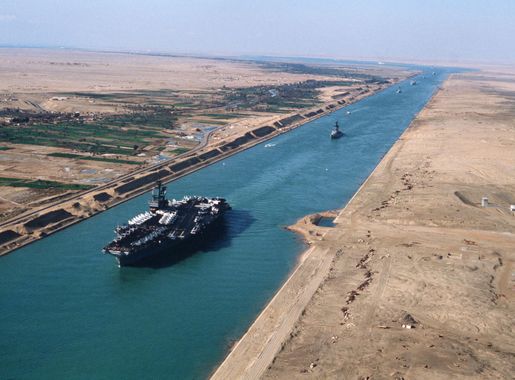
The Suez Canal Zone in Egypt is a remarkable destination for tourists intrigued by both history and engineering. This strategic waterway, connecting the Mediterranean Sea to the Red Sea, has been a pivotal maritime route since its opening in 1869. The canal significantly shortens the journey between Europe and Asia, eliminating the need for ships to navigate around Africa. This makes it not only an engineering marvel but also a crucial artery for global trade. Visitors to the Suez Canal Zone can witness the impressive sight of massive ships navigating through this narrow corridor. The port cities of Port Said, Ismailia, and Suez offer unique vantage points to observe the continuous maritime traffic. Each of these cities has its own charm and historical significance, enriched by a blend of Egyptian and colonial architecture. Apart from the canal itself, the region is steeped in history, with numerous museums and monuments that tell the tale of the canal's construction and its role in international affairs. The Suez Canal Authority even organizes guided tours, providing in-depth insights into the canal's operations and its impact on global commerce. Whether you're a history buff, an engineering enthusiast, or simply looking for a unique travel experience, the Suez Canal Zone promises a fascinating journey through time and innovation.