

Free Faiyum Oasis Travel Guide & Mobile App
Explore Faiyum Oasis with free travel guides. Discover regional history, expert tips, proposed trips, and audio guides on web or mobile app.


Explore Faiyum Oasis in Egypt for ancient ruins, Lake Qarun, desert reserves, fossil valleys, pottery villages and Nile-fed countryside.
Read more about Faiyum Oasis
When is the best time to visit Faiyum Oasis?
Best: February–March, November · 21–24°C| Month | High (°C) | Rainfall (mm) |
|---|---|---|
| January | 19 | 1 |
| February (best) | 21 | 1 |
| March (best) | 24 | 0 |
| April | 30 | 0 |
| May | 34 | 0 |
| June | 37 | 0 |
| July | 38 | 0 |
| August | 37 | 0 |
| September | 35 | 0 |
| October | 31 | 0 |
| November (best) | 24 | 0 |
| December | 20 | 1 |
Getting to and around Faiyum Oasis
How to get there
Transportation
Destinations in Faiyum Oasis
Resorts, valleys and scenic spots worth a trip of their own.

Swipe for more destinations
Best attractions in Faiyum Oasis
Faiyum’s attractions combine archaeological sites, cultivated landscapes and protected desert environments. Near the oasis, Karanis preserves the remains of a Greco-Roman town, including temples, houses and evidence of everyday life, while Medinet Madi offers a more remote temple setting associated with the Middle Kingdom and later periods. Hawara and Lahun provide further insight into the royal building programmes and agricultural development of ancient Faiyum. Around Lake Qarun, visitors can explore fishing landscapes, bird habitats and the craft-oriented village of Tunis. West of the cultivated basin, Wadi El Rayan is known for lakes, springs and waterfalls set among open desert. Farther away, Wadi El Hitan presents fossilised whale remains in a carefully protected landscape and is best visited with organised transport. The region also suits cycling through rural tracks, birdwatching, photography and short walks, although distances, heat and limited facilities make planning essential. Faiyum’s appeal lies in the transition between fields, water, ruins and desert rather than in a single concentrated attraction district.
-
Historical landmark
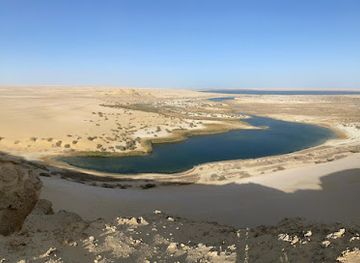
Qasr Qaroun Temple
Explore Qasr Qaroun Temple, a breathtaking historical landmark in Faiyum, where ancient architecture meets the serene beauty of the desert.
-
City park
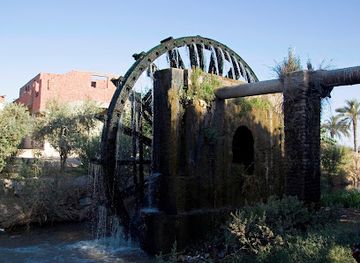
Fayoum Water Wheels Park
Explore Fayoum Water Wheels Park, where ancient irrigation meets serene landscapes in Egypt's picturesque oasis.
-
Tourist attraction
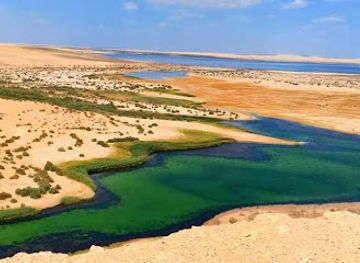
Watermelon Valley
Experience the breathtaking beauty of Watermelon Valley, a natural wonder in Faiyum Governorate, Egypt, perfect for adventurers and nature lovers.
-
Tourist attraction
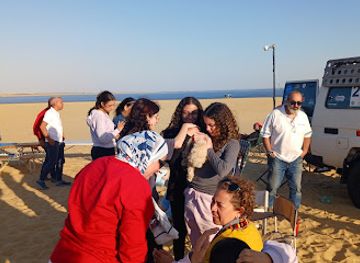
DP Gatherings
Explore DP Gatherings in Faiyum Governorate, Egypt - a stunning tourist attraction blending nature, culture, and relaxation for an unforgettable experience.
Best landmarks in Faiyum Oasis
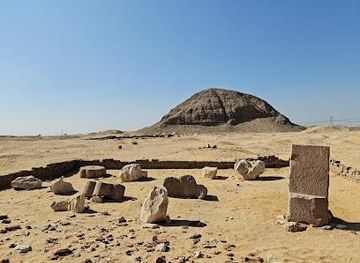
The Faiyum landscape is marked by the contrast between ancient monuments and water-shaped geography. The temple remains at Medinet Madi are especially significant because they preserve an important religious site in an otherwise open agricultural and desert setting. Karanis, with its surviving mud-brick townscape and temples, is a valuable physical record of life in the Greco-Roman Faiyum. The pyramid complex at Hawara represents the ambitions of the Middle Kingdom and the region’s transformation through royal irrigation projects, while Lahun provides another important connection with Twelfth-Dynasty building and settlement. Lake Qarun is the oasis’s defining natural landmark, its broad water surface and low shores standing out against the surrounding arid terrain. In Wadi El Rayan, waterfalls and linked lakes create a distinctly modern landscape produced by water-management works. Wadi El Hitan has a different kind of importance: its exposed fossil whales provide tangible evidence of evolutionary change and have made the valley one of Egypt’s most scientifically significant desert sites.
-
Historical landmark
Pyramid of Amenemhat III at Hawara
Explore the Pyramid of Amenemhat III at Hawara, a window into the architecture and ingenuity of ancient Egypt's Middle Kingdom.
-
Garden
Fayoum
Explore Fayoum: Egypt's hidden oasis with ancient ruins, stunning landscapes, and unique wildlife, just a short trip from Cairo.
-
Historical landmark
Labyrinth
Explore the enigmatic ruins of the Labyrinth of Faiyum, a testament to ancient Egyptian ingenuity and a site that once rivaled the pyramids.
-
 Statue
Umm El Baragat
Discover Umm El Baragat: An ancient Egyptian statue offering a serene and authentic historical experience in Faiyum Governorate.
Explore Faiyum Oasis on the map
Plan your trip on one map. See where the top cities, national parks and sights are, and book hotels and experiences in a few clicks.
Best hotels in Faiyum Oasis
Best restaurants in Faiyum Oasis
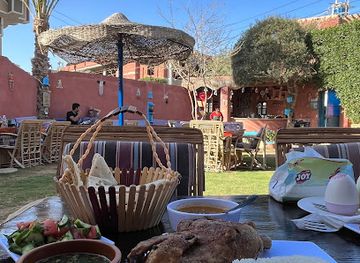
Dining in Faiyum is closely connected to Egyptian home cooking and the oasis’s agricultural setting. Local restaurants and simple eateries commonly serve dishes such as ful medames, taamiya, koshari, rice, grilled meats and vegetable stews, with bread, salads and pickles forming familiar accompaniments. Around Lake Qarun, fish is an important local food, although menus and preparation vary by establishment and season. Dates, fresh produce and sweet pastries are widely available in markets and village shops. Tunis and the lakeside area have rural guesthouses and cafés where meals may emphasise vegetables, herbs and cooking associated with farm life. Faiyum city offers the broadest choice of casual restaurants, while remote archaeological and desert sites have few or no dependable food outlets. Carrying water and snacks is therefore sensible on excursions. Visitors should distinguish between genuinely local ingredients and standard Egyptian dishes served throughout the country: the regional character comes particularly from fresh agricultural produce, lake fish and the setting in which meals are prepared.
-
Restaurant
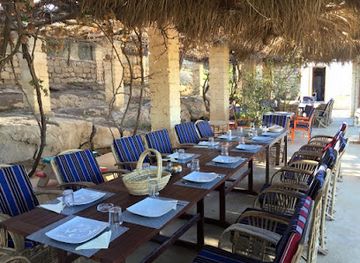
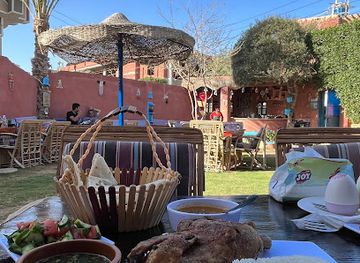
Set El-Beet - ست البيت
Experience authentic Egyptian flavors at Set El-Beet in Faiyum - a delightful culinary retreat near Qaroun Lake.
-
Meat
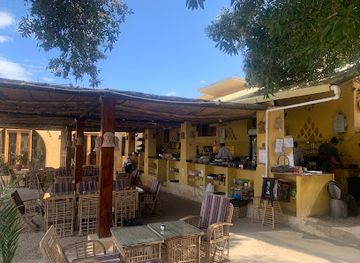
Kom El Dikka Restaurant
Experience authentic Egyptian cuisine in Tunis Village at Kom El Dikka Restaurant - where organic meets tradition.
-
Restaurant
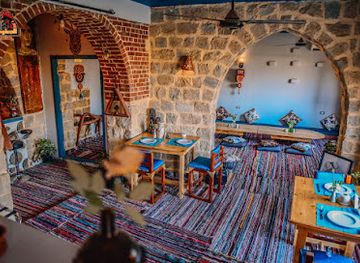
Ibis Restaurant & Cooking School
Discover authentic Egyptian cuisine and cooking classes at Ibis Restaurant & Cooking School in Faiyum - a paradise for food lovers!
-
Barbecue
Elsawy Restaurant
Discover authentic Egyptian barbecue at Elsawy Restaurant in Ibsheway – where flavor meets tradition in a welcoming atmosphere.
Best bars in Faiyum Oasis
Faiyum is not primarily a nightlife destination, and evening life is centred on family restaurants, cafés, hotel terraces and traditional coffeehouses rather than a large nightclub scene. Faiyum city provides the widest choice of places to sit over tea, coffee, juices or a meal, while the Lake Qarun shoreline and Tunis village offer a quieter rural evening atmosphere. Some hotels and guesthouses may serve alcoholic drinks to visitors, but availability is more limited than in Cairo or Egypt’s major resort centres. Social life often begins after sunset, particularly during hot periods, with cafés providing spaces for conversation and watching local activity. Weekend and holiday evenings can be busier, whereas remote desert and archaeological areas become quiet after dark. Arrange transport back to accommodation in advance when staying outside the city, since taxis and public transport are less predictable in rural districts and near protected reserves.
-
Hotel
Helnan Auberge Fayoum
Discover the charm of Helnan Auberge Fayoum, a luxury hotel offering a perfect blend of relaxation, adventure, and local culture in Egypt's Faiyum Governorate.
-
Restaurant
Set El-Beet - ست البيت
Experience authentic Egyptian flavors at Set El-Beet, a top-rated restaurant in Faiyum that captivates with its delicious cuisine and warm ambiance.
-
Bar
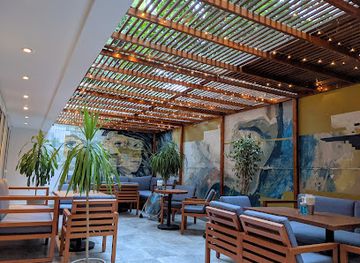
Frank and Co
Experience the vibrant atmosphere and exquisite drinks at Frank and Co, a must-visit bar in the heart of Maadi, Cairo.
-
Hotel
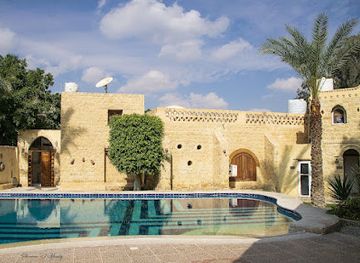
Safari Arabs - Tunis Village
Discover the serene beauty and warm hospitality of Safari Arabs - Tunis Village, a unique retreat by Qarun Lake, Faiyum's hidden gem.
Best nightclubs in Faiyum Oasis
Faiyum is not primarily a nightlife destination, and evening life is centred on family restaurants, cafés, hotel terraces and traditional coffeehouses rather than a large nightclub scene. Faiyum city provides the widest choice of places to sit over tea, coffee, juices or a meal, while the Lake Qarun shoreline and Tunis village offer a quieter rural evening atmosphere. Some hotels and guesthouses may serve alcoholic drinks to visitors, but availability is more limited than in Cairo or Egypt’s major resort centres. Social life often begins after sunset, particularly during hot periods, with cafés providing spaces for conversation and watching local activity. Weekend and holiday evenings can be busier, whereas remote desert and archaeological areas become quiet after dark. Arrange transport back to accommodation in advance when staying outside the city, since taxis and public transport are less predictable in rural districts and near protected reserves.
-
Resort hotel
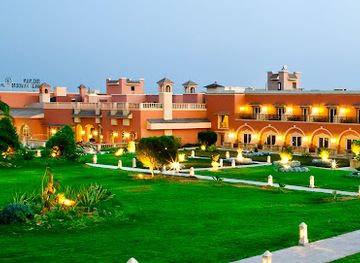
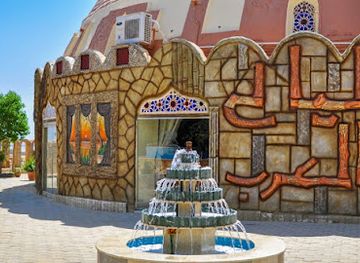
Arabian Nights Country Club And Resort
Experience luxury and adventure at Arabian Nights Country Club and Resort, a serene oasis in the heart of Faiyum Governorate, Egypt.
Best shops in Faiyum Oasis
Shopping in Faiyum centres on practical markets, agricultural produce and locally made crafts rather than large-scale retail. Faiyum city has the broadest range of food shops, household goods, clothing and everyday Egyptian products, while smaller settlements offer fruit, dates, vegetables and locally produced provisions. Tunis village is the region’s best-known craft stop, with pottery workshops and studios producing bowls, tableware and decorative objects; buying directly from makers can support the local craft economy, although quality and prices vary. Around Lake Qarun, visitors may find fish, dates and other food products, but should observe local rules and use reputable sellers. Traditional markets are useful for experiencing the rhythm of the oasis, but they are not arranged as formal souvenir districts. Good purchases include carefully packed pottery, dates, spices and Egyptian handicrafts, provided they can be transported safely. Never buy fossils, antiquities or archaeological fragments, since removing protected material is unlawful and harms the region’s heritage.
-
Meat
Kom El Dikka Restaurant
Discover the authentic taste of Egypt at Kom El Dikka Restaurant, where organic flavors meet stunning landscapes in Tunis Village.
-
Historical landmark
Qasr Qaroun Temple
Explore the Qasr Qaroun Temple, a stunning historical landmark in Faiyum, Egypt, rich in ancient heritage and breathtaking architecture.
-
Furniture store
قباني للأثاث فرع الفيوم - Kabbani Furniture Fayoum Branch
Discover exquisite Egyptian craftsmanship at Kabbani Furniture Fayoum, where modern design meets traditional artistry for your home decor needs.
-
Coffee store
Zaman Coffee
Experience authentic Egyptian coffee at Zaman Coffee in Second Al Faiyum – a must-visit for any coffee lover.


Get your free copy of our complete guide to Faiyum Oasis, delivered straight to you.
Everything on this page, from attractions and restaurants to essentials and local phrases, in one PDF you can read offline, print or share.
Already have an account? Sign in
Your Faiyum Oasis guide is ready.
We'll send it to · Not you? Sign out

Getting your guide ready…
We are putting together a fresh copy of the Faiyum Oasis guide. This can take up to a minute.
This can take a few moments. If your browser asks, choose Allow so the download can start. You'll find the guide in your Downloads folder.
Nothing happened? Download it again
Sorry, the guide is taking longer than usual. Please try again in a minute, or get it by email instead.
Faiyum Oasis essentials
Currency and Payment
Safety
Emergency Situations
Do's and Don'ts
Local Tips
From Eve
Local phrases worth knowing
You don't need to get them perfect. A few words go a long way, and locals appreciate the effort.
Basics
| English | Local | Say it |
|---|---|---|
| Hello | مرحبا | [Marhaban] |
| Goodbye | مع السلامة | [Ma'a as-salama] |
| Yes | نعم | [Na'am] |
| No | لا | [La] |
| Please/You're welcome | من فضلك | [Min fadlik] |
| Thank you | شكرا | [Shukran] |
| Excuse me/Sorry | عفوا | [Afwan] |
| How are you? | كيف حالك؟ | [Kayfa halak?] |
| Fine. And you? | بخير. وأنت؟ | [Bikhayr. Wa anta?] |
| Do you speak English? | هل تتحدث الإنجليزية؟ | [Hal tatahaddath al-ingliziyya?] |
| I don't understand | لا أفهم | [La afham] |
Eating & Drinking
| English | Local | Say it |
|---|---|---|
| I'd like to see the menu, please | أود رؤية القائمة، من فضلك | [Awad ru'yat al-qa'ima, min fadlik] |
| I don't eat meat | لا أتناول اللحم | [La atanaawal al-lahm] |
| Cheers! | في صحتك! | [Fi sihatak!] |
| I would like to pay, please | أود الدفع، من فضلك | [Awad ad-daf', min fadlik] |
Emergencies
| English | Local | Say it |
|---|---|---|
| Help! | نجدة! | [Najda!] |
| Go away! | اذهب بعيدا! | [Idhab ba'eedan!] |
| Call the Police! | اتصل بالشرطة! | [Ittasil bil-shurta!] |
| Call a doctor! | اتصل بطبيب! | [Ittasil bi-tabeeb!] |
| I'm lost | أنا ضائع | [Ana da'i'] |
| I'm ill | أنا مريض | [Ana marid] |
Shopping
| English | Local | Say it |
|---|---|---|
| I'd like to buy... | أود شراء... | [Awad shira'] |
| I'm just looking | أنا فقط أنظر | [Ana faqat anzur] |
| How much is it? | بكم هذا؟ | [Bikam hatha?] |
| That's too expensive | هذا مكلف جدا | [Hatha mukallaf jidan] |
| Can you lower the price? | هل يمكنك خفض السعر؟ | [Hal yumkinuk khafdh as-si'r?] |
Time & Numbers
| English | Local | Say it |
|---|---|---|
| What time is it? | ما الوقت؟ | [Ma al-waqt?] |
| It's one o'clock | الساعة الواحدة | [As-saa'a al-wahida] |
| Half past (10) | الساعة العاشرة والنصف | [As-saa'a al-'ashira wa an-nisf] |
| Morning | صباحا | [Sabaahan] |
| Afternoon | بعد الظهر | [Ba'ad az-zuhur] |
| Evening | مساء | [Masa'a] |
| Yesterday | أمس | [Ams] |
| Today | اليوم | [Al-yawm] |
| Tomorrow | غدا | [Ghadan] |
| 1 | واحد | [Wahid] |
| 2 | اثنان | [Ithnan] |
| 3 | ثلاثة | [Thalatha] |
| 4 | أربعة | [Arba'a] |
| 5 | خمسة | [Khamsa] |
| 6 | ستة | [Sitta] |
| 7 | سبعة | [Sab'a] |
| 8 | ثمانية | [Thamania] |
| 9 | تسعة | [Tis'a] |
| 10 | عشرة | [Ashra] |
Transport & Directions
| English | Local | Say it |
|---|---|---|
| Where's a/the...? | أين هو/هي؟ | [Ayna huwa/hiya?] |
| What's the address? | ما هو العنوان؟ | [Ma huwa al-'unwan?] |
| Can you show me (on the map)? | هل يمكنك أن تري لي (على الخريطة)؟ | [Hal yumkinuka an turi li (ala al-kharita)?] |
| When's the next (bus)? | متى يكون (الحافلة) التالية؟ | [Mata yakun (al-hafila) at-taliya?] |
| A ticket (to ....) | تذكرة (إلى ...) | [Tadhkira (ila ...)] |
History of Faiyum Oasis
The prehistoric lake and early settlement
The Faiyum depression has repeatedly held a large lake, and its changing shoreline supported prehistoric communities, fishing and hunting long before the later agricultural oasis developed. Archaeological evidence from the wider Faiyum basin includes settlements, tools and evidence of early cultivation. The relationship between water levels, wetlands and human occupation established a pattern that continued throughout antiquity: the region’s prosperity depended on managing the meeting point between the Nile’s floodwaters, the depression and the surrounding desert.
Shedet and the worship of Sobek
Ancient Faiyum was centred on Shedet, later known to the Greeks as Crocodilopolis, where the crocodile god Sobek was worshipped. The animal’s presence in the waterways made Sobek an appropriate symbol of fertility, royal power and the Nile’s life-giving force. Although much of the ancient capital is buried or fragmentary, the cult shaped the identity of the oasis and helps explain the crocodile imagery found in museums and archaeological collections connected with the region.
Middle Kingdom irrigation and royal monuments
During the Middle Kingdom, especially under rulers of the Twelfth Dynasty, royal authorities invested heavily in the Faiyum’s irrigation and agricultural potential. Improvements to the Bahr Yusef channel helped regulate the flow of Nile water into the depression, expanding cultivable land and strengthening the area’s economic importance. The pyramid complexes at Hawara and Lahun belong to this period, as does the association of the oasis with rulers such as Amenemhat III, whose building projects left a lasting archaeological imprint.
Ptolemaic and Roman agricultural expansion
Under Ptolemaic and Roman rule, the Faiyum became one of Egypt’s most productive agricultural districts. New settlements, canals and estates supported the cultivation of grain, olives, grapes and other crops, while towns such as Karanis developed religious, domestic and administrative buildings. Greek and Egyptian traditions existed side by side, producing a layered culture visible in temple remains, domestic artefacts and the famous naturalistic portrait panels discovered in the wider Faiyum area.
Christian communities and the medieval oasis
Christianity became established in the Faiyum during the late Roman and Byzantine periods, and Coptic communities continued to shape the region after the Arab conquest of Egypt. Churches, monasteries and rural settlements formed part of a landscape still dependent on irrigation. In the medieval period, the oasis remained an agricultural zone linked to the Nile Valley, while the changing condition of the lake and canals influenced settlement patterns and local production.
Modern irrigation, agriculture and conservation
Modern water management transformed parts of the Faiyum while preserving its role as an agricultural region. Engineering projects created the lakes of Wadi El Rayan in the twentieth century, providing an outlet for drainage water and producing a new wetland landscape with waterfalls. More recently, conservation has brought international attention to Wadi El Hitan, where fossil whales document a major stage in the evolution of whales from land mammals to marine animals.
Craft revival and rural tourism
From the late twentieth century, Tunis village and parts of the Lake Qarun shoreline became associated with pottery, craft education and small-scale rural tourism. This development added a contemporary cultural dimension to Faiyum’s ancient and agricultural identity. Workshops, guesthouses and artistic initiatives have encouraged visitors to look beyond individual ruins, although the region remains primarily a working agricultural landscape rather than a heavily urbanised holiday centre.
Faiyum Oasis in Photos
Browse through our photo collection highlighting the charm and character of the destination.
Neighbouring regions of Faiyum Oasis
The closest regions to Faiyum Oasis, if you have time for more than one.
-

-

-

-

-


Swipe for more regions
Explore more
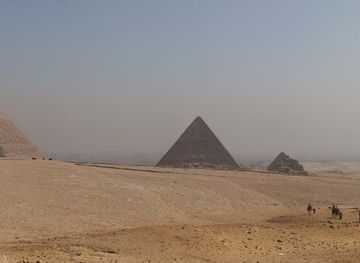
Explore more of Egypt
Discover Egypt: From the timeless pyramids to the vibrant Red Sea, experience a land where ancient wonders meet modern adventures.
Explore Egypt