

Free Nile Delta Travel Guide & Mobile App
Explore Nile Delta with free travel guides. Discover regional history, expert tips, proposed trips, and audio guides on web or mobile app.


Explore Egypt’s Nile Delta for Ottoman ports, ancient cities, fertile farmland, bird-rich wetlands and the everyday life of Lower Egypt.
Read more about Nile Delta
When is the best time to visit Nile Delta?
Best: March–April, November · 22–26°C| Month | High (°C) | Rainfall (mm) |
|---|---|---|
| January | 18 | 6 |
| February | 19 | 5 |
| March (best) | 22 | 4 |
| April (best) | 26 | 2 |
| May | 30 | 1 |
| June | 34 | 1 |
| July | 36 | 1 |
| August | 35 | 1 |
| September | 33 | 1 |
| October | 29 | 2 |
| November (best) | 24 | 3 |
| December | 20 | 5 |
Getting to and around Nile Delta
How to get there
Transportation
Top city travel guides in Nile Delta
The cities of Nile Delta, and the easiest places to base yourself.
-

-

-

-

-

-


Swipe for more cities
Best attractions in Nile Delta
The Nile Delta’s attractions are dispersed across a living agricultural landscape rather than concentrated in one monumental centre. Rosetta offers Ottoman-era domestic architecture, while Damietta combines maritime history with workshops and commercial traditions. Archaeology is central: the remains at Tanis near San el-Hagar, Bubastis near Zagazig and Mendes near Tell el-Rub'a reveal temples, statues and settlement layers from different periods of Egyptian history. Tanta’s major mosque and religious culture provide a different kind of heritage experience, rooted in continuing pilgrimage rather than ancient ruins. In the north, Lake Burullus is a significant wetland for fishers and birdlife, while the coast around Baltim has a more seasonal recreational character. Canal-side roads, village markets, agricultural fields and provincial museums help visitors see how the Delta functions today. Because many sites are reached through cultivated districts and have limited interpretation or visitor facilities, a knowledgeable guide, advance local arrangements and flexible timing are often more valuable than a tightly scheduled sightseeing itinerary.
-
Archaeological site
Giza Necropolis
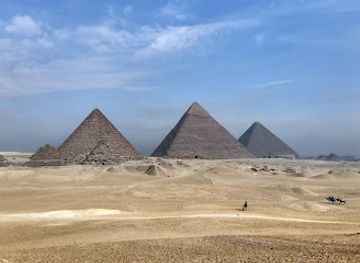
Explore the Giza Necropolis, a UNESCO World Heritage Site, home to the Great Pyramids and the Sphinx—an unforgettable journey through ancient Egyptian history.
-
Archaeological site
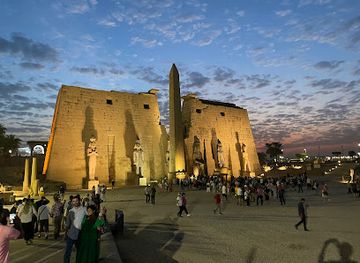
Luxor Temple
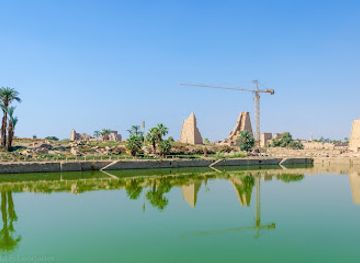
Explore the grandeur of Luxor Temple, a majestic archaeological site in Egypt, rich in history and architectural beauty.
-
Historical place
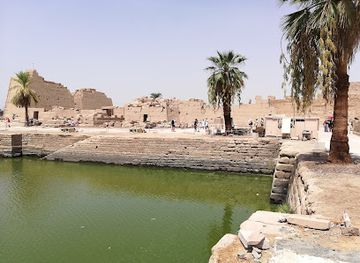
Karnak
Explore the awe-inspiring Karnak Temple Complex in Luxor, a historical masterpiece that reveals the grandeur of ancient Egyptian civilization.
-
Tourist attraction
Lesan Area
Discover the enchanting Lesan Area in Ras El-Bar, where the Nile River embraces the Mediterranean Sea, offering stunning views and rich local culture.

Best landmarks in Nile Delta
The Nile Delta’s most recognisable landmarks include the historic houses of Rosetta, whose carved wooden screens, brick construction and Ottoman-era urban form reflect the town’s former commercial importance. Damietta’s position beside the eastern Nile branch expresses its enduring relationship with river trade and the Mediterranean. At San el-Hagar, ancient Tanis is marked by scattered monumental remains, columns and statues across a broad archaeological field; its significance comes from its former role as a royal and religious centre. Tell Basta near Zagazig preserves the site of Bubastis, the ancient city associated with Bastet, while the mound at Tell el-Rub'a represents Mendes, another important pharaonic centre. Tanta’s large mosque dedicated to Ahmad al-Badawi is a major religious landmark and pilgrimage destination. In the north, Lake Burullus is a geographical landmark rather than a built monument, defining a landscape of lagoons, fishing communities, reed beds and migratory bird habitat.
-
Archaeological site
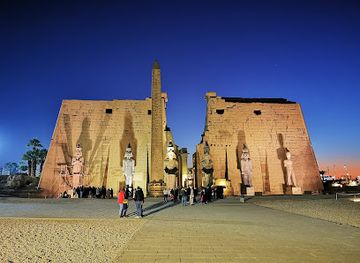
Luxor Temple
Explore Luxor Temple, a majestic monument on the Nile's east bank, showcasing ancient Egypt's architectural and religious grandeur.
-
Historical place
Karnak
Discover the grandeur of Karnak Temple, an ancient Egyptian masterpiece in Luxor, where history and architecture merge in breathtaking harmony.
-
Historical landmark
The Great Pyramid of Giza
Discover the awe-inspiring Great Pyramid of Giza, a timeless symbol of ancient Egyptian ingenuity and the last of the Seven Wonders of the Ancient World.
-
Archaeological site
Valley of the Kings
Discover the royal tombs of pharaohs in Luxor's Valley of the Kings, an ancient necropolis with elaborately decorated burial chambers.

Explore Nile Delta on the map
Plan your trip on one map. See where the top cities, national parks and sights are, and book hotels and experiences in a few clicks.
Best hotels in Nile Delta
Best restaurants in Nile Delta
Delta dining is closely connected to Egypt’s agricultural and riverine economy. Rice, beans, bread, seasonal vegetables and poultry appear widely in provincial cafés and family-run restaurants, while freshwater fish from the Nile system and northern lakes is an important regional speciality. Near Damietta and the Mediterranean coast, visitors can also find seafood, although the quality and style of preparation vary by establishment. Tanta, Mansoura, Zagazig and other large towns offer the broadest choice, from koshari shops and ful counters to grilled-meat restaurants, bakeries and modern cafés. In rural areas, busy local restaurants are usually more practical than seeking a formal dining scene. The Delta is also a useful place to sample Egyptian sweets and baked goods, with Damietta particularly associated with confectionery traditions. Drinking water should be purchased sealed, and visitors should choose food that is freshly cooked and served hot when eating at smaller roadside establishments.
-
Restaurant
Latino Cafe & Restaurant - مطعم و كافيه لاتينو
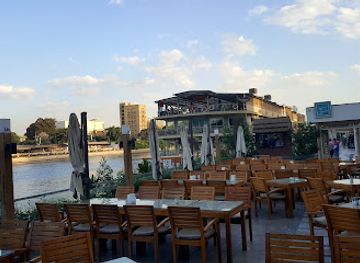
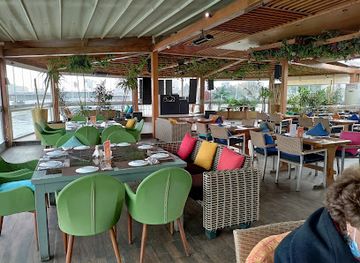
Savor authentic flavors at Latino Cafe & Restaurant while enjoying breathtaking Nile views in vibrant Cairo.
-
Restaurant
Le Pacha 1901
Experience luxurious dining at Le Pacha 1901 on the banks of the Nile with exquisite international cuisine and stunning views.
-
Steamboat restaurant
Nile City
Experience culinary delight at Nile City - A premier steamboat restaurant offering stunning views and interactive dining along the iconic Nile River.
-
Fine Dining
Blue Nile Boat - مركب بلو نايل
Dine in elegance aboard Blue Nile Boat while enjoying breathtaking views of Cairo's skyline and exquisite cuisine for an unforgettable experience.
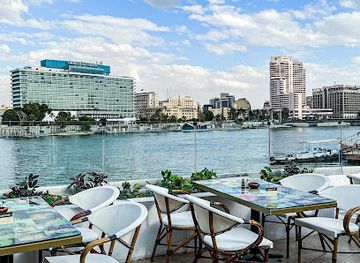
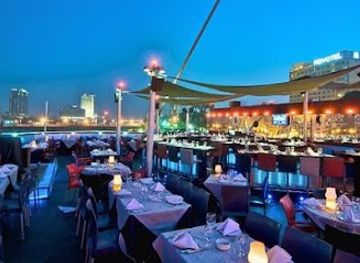
Best bars in Nile Delta
Nightlife in the Nile Delta is generally modest and socially centred rather than club-oriented. In cities such as Mansoura, Tanta and Zagazig, evening activity focuses on cafés, dessert shops, restaurants and tea houses, with younger crowds gathering around commercial streets and university areas. Traditional cafés serve tea, coffee and shisha, while some hotels and modern restaurants provide a more restrained evening setting. Damietta and Rosetta offer local waterfront and market atmospheres, but they should not be confused with Egypt’s major nightlife destinations. Alcohol is available in some licensed hotels and restaurants, yet it is not central to everyday public life, and visitors should observe local sensitivities, particularly in smaller towns and around religious sites. In rural districts, evenings are usually quiet after dining and social visits, so travellers should arrange transport back to their accommodation rather than rely on late public services.
-
Hotel
Sofitel Cairo Nile El Gezirah
Experience unparalleled luxury at Sofitel Cairo Nile El Gezirah, where stunning Nile views, exquisite dining, and world-class service await you.
-
 Hotel
HotelNovotel Cairo El Borg
Discover luxury and stunning Nile views at Novotel Cairo El Borg, your perfect getaway in the heart of Zamalek.
-
Grill
The Tap East
Discover the vibrant flavors of The Tap East in New Cairo, where grilled delights and a lively bar atmosphere create an unforgettable dining experience.
-
Italian
Pier 88 Nile River
Experience the culinary artistry of Italy at Pier 88, alongside the breathtaking views of the Nile River in Cairo.
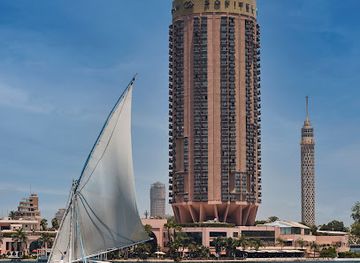
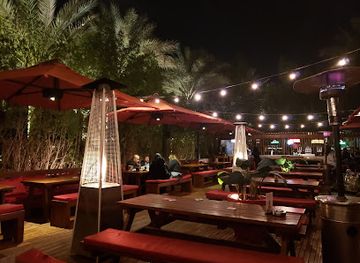
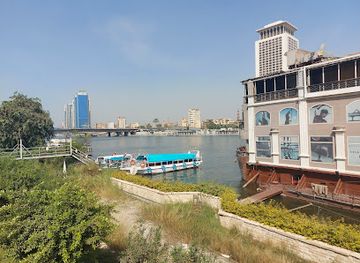
Best nightclubs in Nile Delta
Nightlife in the Nile Delta is generally modest and socially centred rather than club-oriented. In cities such as Mansoura, Tanta and Zagazig, evening activity focuses on cafés, dessert shops, restaurants and tea houses, with younger crowds gathering around commercial streets and university areas. Traditional cafés serve tea, coffee and shisha, while some hotels and modern restaurants provide a more restrained evening setting. Damietta and Rosetta offer local waterfront and market atmospheres, but they should not be confused with Egypt’s major nightlife destinations. Alcohol is available in some licensed hotels and restaurants, yet it is not central to everyday public life, and visitors should observe local sensitivities, particularly in smaller towns and around religious sites. In rural districts, evenings are usually quiet after dining and social visits, so travellers should arrange transport back to their accommodation rather than rely on late public services.
-
Bar
Gu Lounge
Experience the vibrant nightlife of Cairo at Gu Lounge, a premier bar and disco club along the Nile, offering exquisite cuisine and lively entertainment.
-
Night club
El-Regina Club Nile Tower
Discover the vibrant nightlife at El-Regina Club Nile Tower, where breathtaking Nile views and electrifying music come together for an unforgettable experience.
-
Disco club
OMNI club cairo
Dive into the vibrant nightlife of Cairo at OMNI Club, where the music is loud, the dance floor is alive, and unforgettable memories await.
-
Night club
Cairo Jazz Club 610
Experience vibrant nightlife at Cairo Jazz Club 610, where live music and a lively atmosphere come together for an unforgettable evening in Giza.
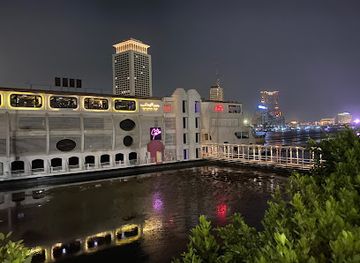
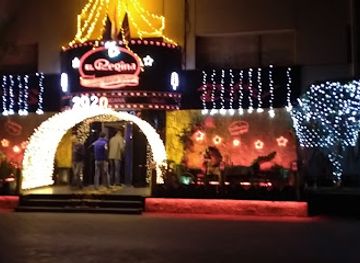


Best shops in Nile Delta
Shopping in the Nile Delta is rooted in busy market streets, neighbourhood high streets and the produce of an intensely cultivated region. Tanta, Mansoura, Zagazig, Damanhur and Damietta have the widest selection of clothing, household goods, sweets, electronics and everyday Egyptian products, while smaller market towns provide a more local experience. Damietta is widely associated with furniture and woodwork, although products range from workshop-made pieces to mass-market goods, so quality and prices should be compared. Rosetta is a suitable place to look for small craft items and food products connected with its historic identity, while Delta markets sell rice, dates, vegetables, spices and seasonal produce. Traditional sweets make practical gifts, particularly when bought from established confectioners. Haggling may be expected in some informal markets but is less appropriate in fixed-price shops, pharmacies and modern retailers; ask permission before photographing vendors, workshops or handmade goods.
-
Shopping mall
Citystars Mall
Discover the ultimate shopping experience at Citystars Mall, Cairo's premier shopping destination featuring top brands, diverse dining, and family-friendly entertainment.
-
Shopping mall
Mall of Egypt
Discover the Mall of Egypt: A vibrant shopping haven with international brands, dining, and an indoor ski slope, perfect for all tourists.
-
Shopping mall
Mall of Arabia
Discover the ultimate shopping experience at Mall of Arabia, Egypt's premier shopping destination with diverse shops, dining, and entertainment.
-
Bazar
Khan el-Khalili
Discover the vibrant charm of Khan el-Khalili, Cairo's iconic bazaar, where history, culture, and shopping collide in a colorful marketplace.
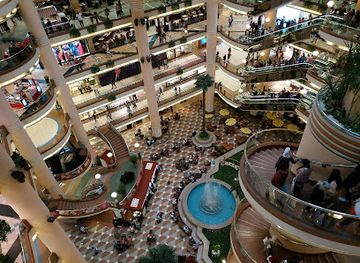

Get your free copy of our complete guide to Nile Delta, delivered straight to you.
Everything on this page, from attractions and restaurants to essentials and local phrases, in one PDF you can read offline, print or share.
Already have an account? Sign in
Your Nile Delta guide is ready.
We'll send it to · Not you? Sign out

Getting your guide ready…
We are putting together a fresh copy of the Nile Delta guide. This can take up to a minute.
This can take a few moments. If your browser asks, choose Allow so the download can start. You'll find the guide in your Downloads folder.
Nothing happened? Download it again
Sorry, the guide is taking longer than usual. Please try again in a minute, or get it by email instead.
Nile Delta essentials
Currency and Payment
Safety
Emergency Situations
Do's and Don'ts
Local Tips
From Eve
Local phrases worth knowing
You don't need to get them perfect. A few words go a long way, and locals appreciate the effort.
Basics
| English | Local | Say it |
|---|---|---|
| Hello | أهلاً | [Ahlan] |
| Goodbye | مع السلامة | [Ma'a salama] |
| Yes | نعم | [Na'am] |
| No | لا | [La] |
| Please/You're welcome | من فضلك | [Min fadlik] |
| Thank you | شكراً | [Shukran] |
| Excuse me/Sorry | عفواً | [Afwan] |
| How are you? | كيف حالك؟ | [Kayfa halak?] |
| Fine. And you? | بخير. وأنت؟ | [Bikhayr. Wa anta?] |
| Do you speak English? | هل تتحدث الإنجليزية؟ | [Hal tatahaddath al-ingliziya?] |
| I don't understand | لا أفهم | [La afham] |
Eating & Drinking
| English | Local | Say it |
|---|---|---|
| I'd like to see the menu, please | أود رؤية القائمة، من فضلك | [Awad ru'yat al-qa'ima, min fadlik] |
| I don't eat meat | لا أكل اللحم | [La aklu al-lahm] |
| Cheers! | في صحتك! | [Fi sihtak!] |
| I would like to pay, please | أود أن أدفع، من فضلك | [Awad an adfa', min fadlik] |
Emergencies
| English | Local | Say it |
|---|---|---|
| Help! | نجدة! | [Najda!] |
| Go away! | ابتعد! | [Ibt'id!] |
| Call the Police! | اتصل بالشرطة! | [Ittasil bil-shurta!] |
| Call a doctor! | اتصل بالطبيب! | [Ittasil bil-tabeeb!] |
| I'm lost | أنا ضائع | [Ana da'i'] |
| I'm ill | أنا مريض | [Ana marid] |
Shopping
| English | Local | Say it |
|---|---|---|
| I'd like to buy... | أود شراء... | [Awad shira'...] |
| I'm just looking | أنا فقط أنظر | [Ana faqat anzur] |
| How much is it? | كم ثمنه؟ | [Kam thamanuh?] |
| That's too expensive | هذا غالي جداً | [Hatha ghali jidan] |
| Can you lower the price? | هل يمكنك تخفيض السعر؟ | [Hal yumkinuka takhfid al-si'r?] |
Time & Numbers
| English | Local | Say it |
|---|---|---|
| What time is it? | كم الساعة؟ | [Kam al-sa'a?] |
| It's one o'clock | الساعة الواحدة | [Al-sa'a al-wahidah] |
| Half past (10) | نصف (10) | [Nisf (10)] |
| Morning | صباح | [Sabah] |
| Afternoon | بعد الظهر | [Ba'd al-zuhur] |
| Evening | مساء | [Masa'] |
| Yesterday | أمس | [Ams] |
| Today | اليوم | [Al-yawm] |
| Tomorrow | غداً | [Ghadan] |
| 1 | واحد | [Wahid] |
| 2 | اثنان | [Ithnain] |
| 3 | ثلاثة | [Thalatha] |
| 4 | أربعة | [Arba'a] |
| 5 | خمسة | [Khamsa] |
| 6 | ستة | [Sitta] |
| 7 | سبعة | [Sab'a] |
| 8 | ثمانية | [Thamaniya] |
| 9 | تسعة | [Tis'a] |
| 10 | عشرة | [Ashara] |
Transport & Directions
| English | Local | Say it |
|---|---|---|
| Where's a/the...? | أين يوجد...؟ | [Ayn yujad...?] |
| What's the address? | ما هو العنوان؟ | [Ma huwa al-'unwan?] |
| Can you show me (on the map)? | هل يمكنك أن تريني (على الخريطة)؟ | [Hal yumkinuka an turini (ala al-kharita)?] |
| When's the next (bus)? | متى يأتي (الباص) القادم؟ | [Mata yati (al-bas) al-qadim?] |
| A ticket (to ....) | تذكرة (إلى ....) | [Tadhkara (ila ....)] |
History of Nile Delta
Prehistoric Lower Egypt and the Formation of the Delta
The Delta’s wetlands, distributaries and fertile margins supported settlement long before the formation of the unified Egyptian state. Communities occupied slightly raised ground among marshes and waterways, developing agriculture, fishing and river transport. Much of the ancient landscape has since been altered by sedimentation, irrigation and modern cultivation, but archaeological mounds, known locally as tells, preserve traces of towns and temples. The Delta’s geography also gave Lower Egypt a distinct political and cultural identity within the early Egyptian kingdom.
Ancient Delta Kingdoms and Religious Centres
During pharaonic history, the Delta contained major royal and religious centres including Sais, Bubastis, Tanis and Mendes. Bubastis, near modern Zagazig, was associated with the cat goddess Bastet and became especially prominent in the first millennium BC. Tanis, at San el-Hagar in the eastern Delta, served as a capital during the Third Intermediate Period and contains remains of temples, statues and royal burials. These cities demonstrate that the Delta was a centre of kingship and temple culture, not merely an agricultural hinterland.
Greek and Roman Connections
After Alexander the Great’s conquest, the Delta became closely connected to the Hellenistic world. Naukratis, in the western Delta, was an important Greek trading settlement operating within the Egyptian economy and is one of the earliest known permanent Greek communities in Egypt. Under Roman rule, the region supplied grain and other agricultural products to the wider empire. River channels and ports linked inland production with Mediterranean commerce, while Egyptian religious traditions continued alongside Greek and Roman institutions.
Christianity and the Islamic Conquest
Christianity developed strongly in the Delta during late antiquity, and the region remained important to Coptic religious history. Monastic communities and churches formed part of a wider Christian landscape that survived the Arab conquest of Egypt in the seventh century. Under Muslim rule, existing waterways and agricultural systems were adapted to new administrative and commercial networks. Towns, mosques and market centres gradually acquired the architectural and social forms that still shape many Delta settlements.
Medieval Ports, Trade and Conflict
Damietta and Rosetta became prominent ports during the medieval period because their positions connected the Nile with the Mediterranean. Damietta was attacked during the Fifth Crusade in 1218 and again during Louis IX’s campaign in 1249, episodes that brought the strategic importance of the Delta into international conflict. Rosetta developed as a commercial and maritime town at the western Nile branch. Its houses and warehouses reflect the prosperity created by trade between inland Egypt, the Mediterranean and the Ottoman world.
Ottoman and Nineteenth-Century Transformation
The Ottoman period reinforced the importance of Delta towns as administrative, commercial and agricultural centres. In the nineteenth century, reforms associated with Muhammad Ali and his successors expanded irrigation, strengthened state control of cultivation and encouraged cotton production for export. New canals, drainage works and transport links altered the relationship between villages, fields and river branches. Cotton brought wealth and international connections, but also increased dependence on cash crops and intensified pressure on land and water.
Modern Agriculture, Urban Growth and Environmental Pressure
Since the twentieth century, the Delta has experienced rapid population growth, urban expansion and continued agricultural intensification. Provincial cities such as Mansoura, Tanta and Zagazig have become major centres of education, commerce, healthcare and administration, while villages remain closely tied to farming. At the same time, reduced sediment movement, pollution, land loss and saltwater intrusion affect the northern lakes and coast. Lake Burullus and other wetland environments now illustrate both the ecological importance of the Delta and the pressures facing its future.
Nile Delta in Photos
Browse through our photo collection highlighting the charm and character of the destination.
Neighbouring regions of Nile Delta
The closest regions to Nile Delta, if you have time for more than one.
-

-

-

-

-


Swipe for more regions
Explore more
Explore more of Egypt
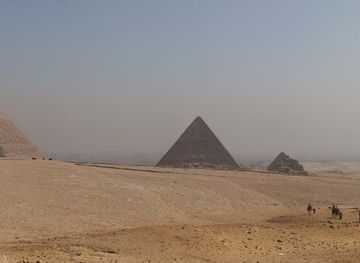
Discover Egypt: From the timeless pyramids to the vibrant Red Sea, experience a land where ancient wonders meet modern adventures.
Explore Egypt