
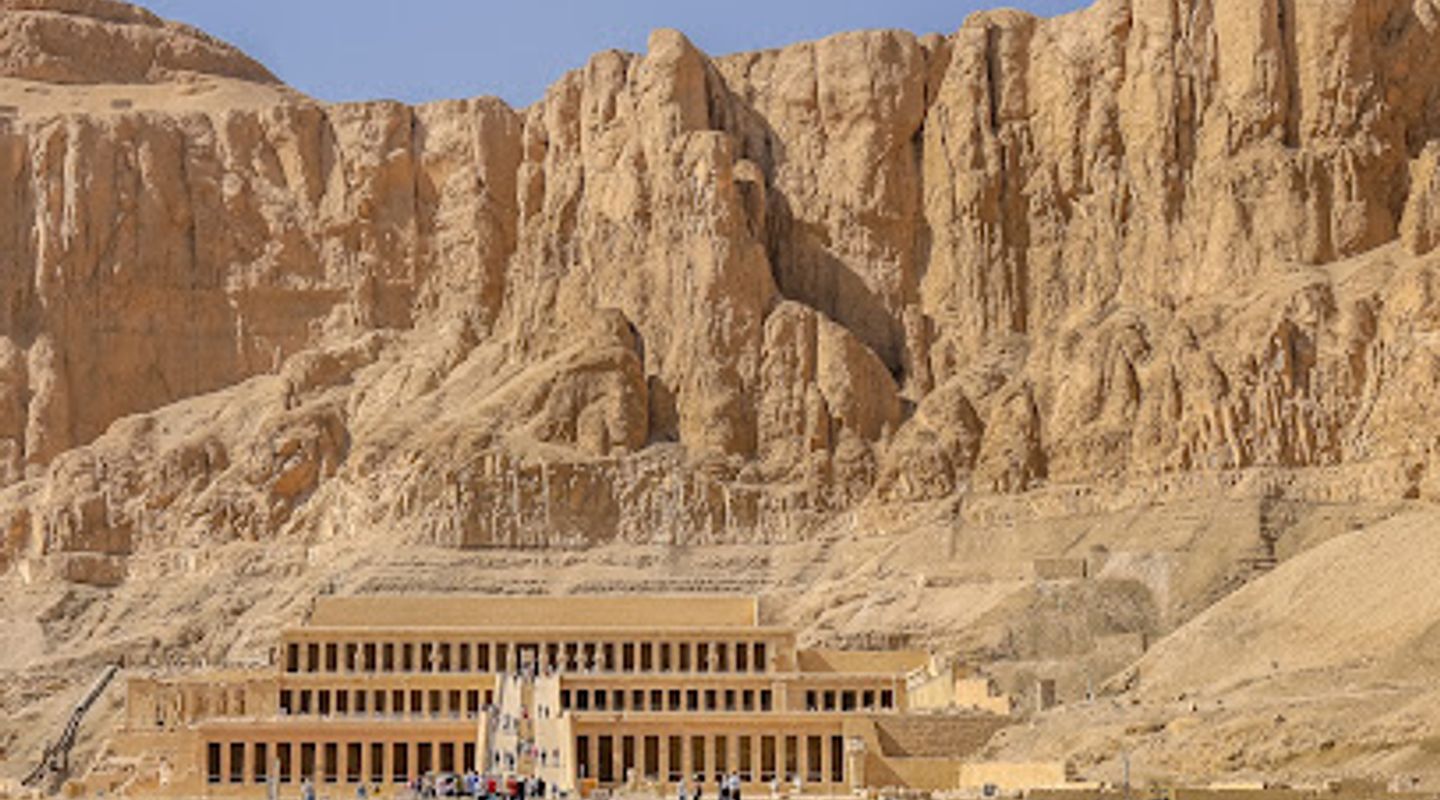
Deir el-Bahari, Mediterranean Coast Travel Guide
Explore the majestic mortuary temples of Deir el-Bahari, a UNESCO World Heritage site on Luxor's West Bank, and discover ancient Egypt's grandeur.
Deir el-Bahari, meaning 'Monastery of the North', is a stunning complex of mortuary temples and tombs on the west bank of the Nile, near Luxor. Best known for the Temple of Hatshepsut, it also features temples of Mentuhotep II and Thutmose III, showcasing over two millennia of Egyptian religious history.
A brief summary to Deir el-Bahari
- Egyptian Environmental Affairs Agency, قسم الواحات الخارجة, Luxor Governorate, EG
- Click to display
- Monday 6 am-5 pm
- Tuesday 6 am-5 pm
- Wednesday 6 am-5 pm
- Thursday 6 am-5 pm
- Friday 6 am-5 pm
- Saturday 6 am-5 pm
- Sunday 6 am-5 pm

Know before you go
Hi, I'm Eve. Here are a few practical things to know before exploring Deir el-Bahari.
- Visit early in the morning, especially during the hotter months (May-September), to avoid the midday heat and crowds.
- Wear comfortable shoes for walking and exploring the terraced levels of the temples.
- Bring water and sunscreen, as there is limited shade available.
- Consider hiring a local guide to learn more about the history and significance of the site.
- Check the official website for updated opening hours and ticket prices.
Do you manage this location?
Take control to get all the benefits, like improved information, better appearance, and stronger visibility across AI-powered discovery. Learn more about listing your business on Evendo
Activate your presenceOther nearby places you may find interesting
The closest places of the same kind, if this one is not quite what you had in mind.



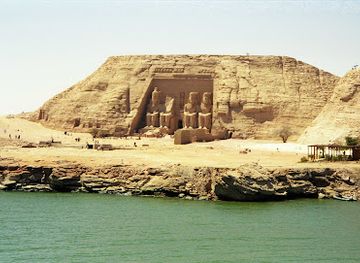
Explore Deir el-Bahari on the Map
A handpicked selection of must-see spots near Deir el-Bahari, mapped for you.
Unlock the Best of Deir el-Bahari
Buy tickets
-
No tickets available
Book tours with entry
-
No tours available


Getting There
-
Taxi
From Luxor city center, a taxi is the most direct way to reach Deir el-Bahari. Taxis are readily available throughout Luxor. Negotiate the fare before starting your journey. A typical taxi ride from Luxor to Deir el-Bahari takes approximately 15-20 minutes.
-
Public Transport
Local buses also connect Luxor to the West Bank. Look for buses heading towards Qurna; these will usually pass near Deir el-Bahari. The bus may require a short walk to the site entrance. While the cheapest option, it can be slower and less direct than a taxi.
Discover more about Deir el-Bahari













Your all‑in‑one travel companion app
Explore expert travel guides, compare and book tours, experiences, hotels, and more—all from the palm of your hand. Download now for seamless trip planning wherever your wanderlust takes you.


Explore More of Mediterranean Coast
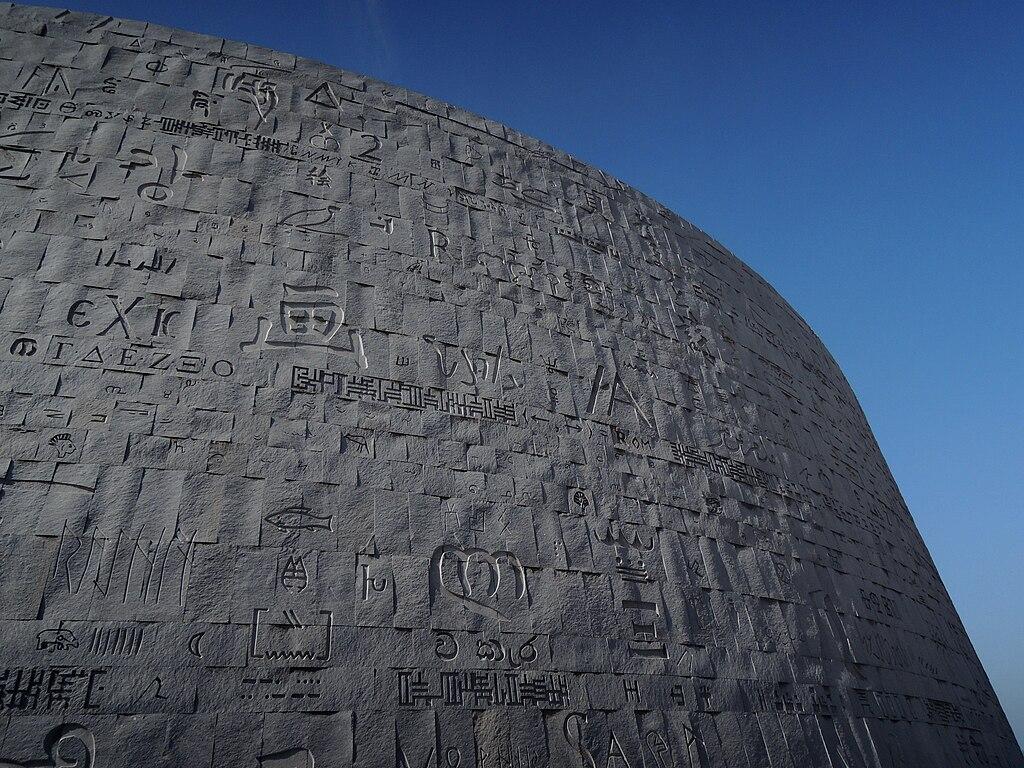
Looking beyond Deir el-Bahari? Discover Mediterranean Coast for broader travel guides, local hot-spots, and regional highlights.
Explore Mediterranean Coast
Discover the wonders of Luxor's West Bank: Valley of the Kings, Hatshepsut Temple, and Colossi of Memnon. A journey through ancient Egyptian history.
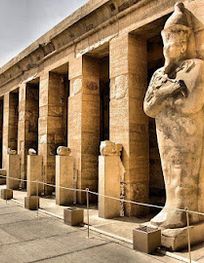
Explore the majestic Mortuary Temple of Hatshepsut in Luxor, a unique monument to an extraordinary female pharaoh and a masterpiece of ancient Egyptian architecture.
