

Taba Travel Guide - Free Web & App
Your ultimate guide to Taba. Discover top landmarks, proposed trips, and local tips. Free on the web or via the Evendo companion app.


Discover Taba, Egypt's tranquil coastal town on the Sinai Peninsula, offering stunning beaches, vibrant coral reefs, and proximity to historical and religious sites.
Read more about Taba
When is the best time to visit Taba?
Best: December–February · 24–25°C| Month | High (°C) | Rainfall (mm) |
|---|---|---|
| January (best) | 24 | 0 |
| February (best) | 24 | 0 |
| March | 26 | 0 |
| April | 30 | 0 |
| May | 34 | 0 |
| June | 38 | 0 |
| July | 39 | 0 |
| August | 39 | 0 |
| September | 38 | 0 |
| October | 34 | 0 |
| November | 30 | 0 |
| December (best) | 25 | 0 |
Getting to and around Taba
How to get there
Transportation
Best attractions in Taba
Taba, Egypt offers a unique blend of natural beauty and rich history, making it a must-visit destination for any traveler. Visitors can explore the stunning Red Sea coastline, with its crystal-clear waters and vibrant coral reefs perfect for snorkeling and diving. The area is also home to the historic Pharaoh's Island, where you can visit the ancient fortress and learn about its fascinating past. For those seeking adventure, the nearby mountains provide ample opportunities for hiking and exploring, offering breathtaking views of the surrounding desert landscape. With its mix of outdoor activities, historical sites, and picturesque scenery, Taba has something to offer every type of traveler.
-
Tourist attraction
C-130 Hercules Aircraftwreck
Explore the stunning C-130 Hercules Aircraft Wreck in Aqaba, an underwater adventure filled with history and vibrant marine life.
-
Tourist attraction
Fjord
Discover the breathtaking beauty of the Fjord in Taba, a stunning natural attraction perfect for relaxation and adventure amidst South Sinai's landscapes.
-
Tourist attraction
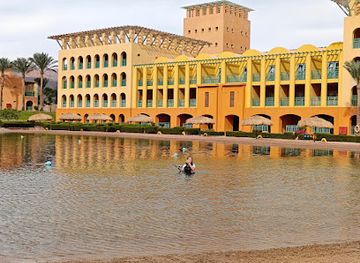
Strand Beach
Discover the tranquil beauty of Strand Beach in Taba, where golden sands meet azure waters for a perfect Egyptian escape.
-
Tourist attraction
تمثال
Explore Taba, a hidden gem in South Sinai, where adventure meets history amidst breathtaking landscapes and vibrant culture.



Best landmarks in Taba
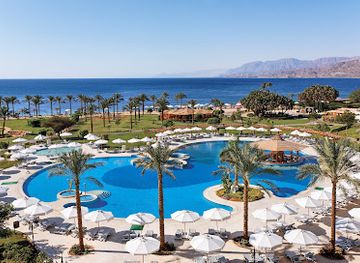
Taba, Egypt offers visitors a unique blend of natural beauty and historical significance. From the stunning beaches along the Red Sea to the rugged mountains of the Sinai Peninsula, Taba provides a picturesque backdrop for relaxation and adventure. History buffs will be fascinated by the ancient ruins of Pharaoh's Island and the nearby Saladin Castle, while outdoor enthusiasts can explore the vibrant coral reefs through snorkeling and diving excursions. The luxurious resorts offer a perfect mix of comfort and culture, making Taba a must-visit destination for all types of travelers.
-
Hotel
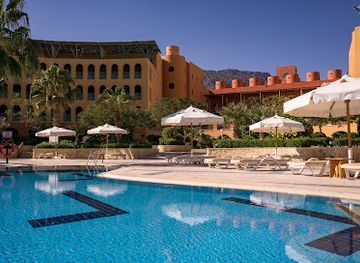
Mövenpick Taba
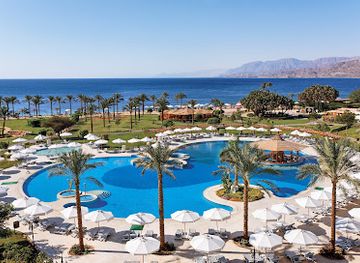
Experience luxury and tranquility at Mövenpick Taba, a stunning Red Sea resort with breathtaking views and world-class amenities.
-
Bus stop
Taba Border crossing
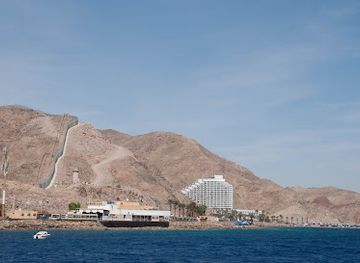
Cross into history at the Taba Border: where the sands of Sinai meet the landscapes of Israel. Your gateway to unforgettable adventures.
Explore Taba on the map
Plan your trip on one map. See where the top attractions, landmarks, restaurants and hotels are, and book hotels and experiences in a few clicks.
Best hotels in Taba
Best restaurants in Taba
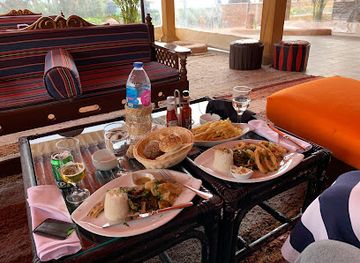
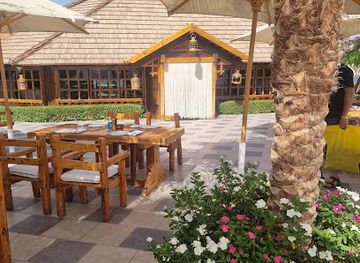
Taba offers a unique dining experience for visitors, with a blend of traditional Egyptian cuisine and international flavors. From cozy beachfront cafes serving freshly caught seafood to upscale restaurants offering gourmet dishes, there is something for every palate. Don't miss out on trying local specialties like kushari and ful medames, as well as enjoying stunning views of the Red Sea while dining al fresco. With friendly service and a relaxed atmosphere, Taba's dining scene is sure to leave a lasting impression on all who visit.
-
Restaurant
Shahrazad Oriental Restaurant
Discover exquisite Lebanese flavors at Shahrazad Oriental Restaurant in Nuweiba – where every dish tells a story of tradition and taste.
-
Mediterranean
Seashell Restaurant
Experience exquisite Mediterranean and seafood dining at Seashell Restaurant in Nuweiba, where stunning sea views meet culinary excellence.
-
Restaurant
Nelson Restaurant and Bar
Experience culinary excellence with breathtaking views at Nelson Restaurant and Bar in Taba, South Sinai.
-
Restaurant
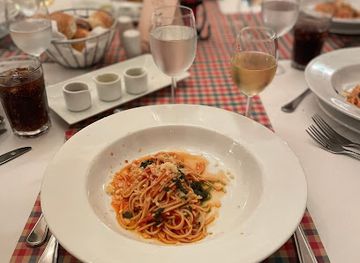
The Tuscany Restaurant
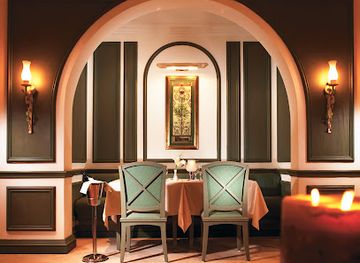
Experience culinary excellence at The Tuscany Restaurant in Taba Heights, where Italian flavors meet stunning Red Sea views.
Best bars in Taba
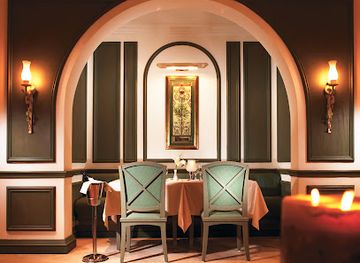
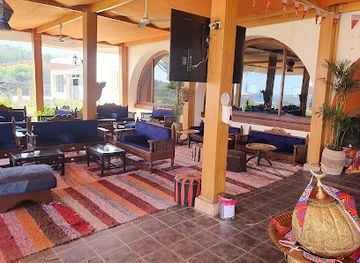
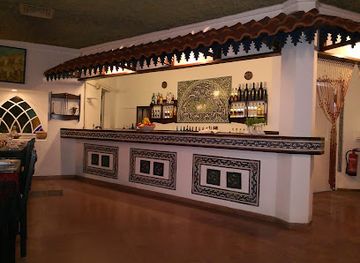
Taba offers a vibrant nightlife scene with a variety of bars and nightclubs to choose from. Visitors can enjoy live music, dance the night away, or relax with a cocktail while overlooking the stunning Red Sea. From beachfront clubs to cozy lounges, Taba has something for everyone looking to unwind and experience the local entertainment scene.
-
Restaurant
Shahrazad Oriental Restaurant
Discover the rich flavors of Lebanese cuisine at Shahrazad Oriental Restaurant, a gem in Nuweiba with stunning sea views and authentic dishes.
-
Mediterranean
Seashell Restaurant
Enjoy the freshest seafood and authentic Mediterranean dishes at Seashell Restaurant, offering stunning views and a warm atmosphere in Taba.
-
Turkish
Merhaba Restaurant
Savor the rich flavors of Turkish cuisine at Merhaba Restaurant in Nuweiba, a culinary gem offering authentic dishes and warm hospitality.
-
Restaurant
Nelson Restaurant and Bar
Explore the culinary delights of Nelson Restaurant and Bar in Taba, Egypt, where stunning views meet exquisite flavors in a vibrant atmosphere.
Best nightclubs in Taba
Taba offers a vibrant nightlife scene with a variety of bars and nightclubs to choose from. Visitors can enjoy live music, dance the night away, or relax with a cocktail while overlooking the stunning Red Sea. From beachfront clubs to cozy lounges, Taba has something for everyone looking to unwind and experience the local entertainment scene.
-
Restaurant
Nelson Restaurant and Bar
Experience the best of Taba's culinary scene at Nelson Restaurant and Bar, where every dish is a celebration of flavor and hospitality.
-
Lounge
Club Intercontinental Executive Lounge
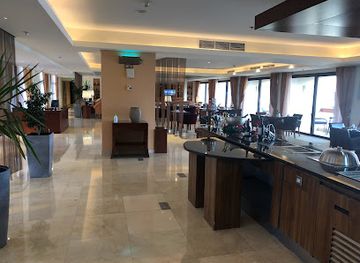
Experience luxury and tranquility at the Club Intercontinental Executive Lounge in Aqaba, where breathtaking views meet impeccable service.
-
Bar
Reef bar
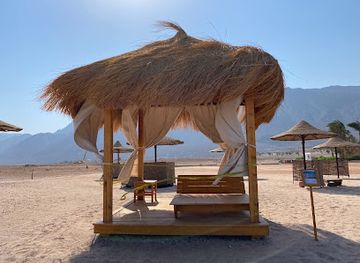
Experience the vibrant nightlife at Reef Bar in Taba, where stunning views and delightful drinks create unforgettable memories.
-
Bar
Splash Bar
Experience the vibrant atmosphere of Splash Bar in Taba, where refreshing drinks and stunning views await every visitor.
Best shops in Taba
Taba offers a unique shopping experience for visitors, with a bustling market filled with colorful stalls selling traditional Bedouin handicrafts, intricate jewelry, and vibrant textiles. Visitors can wander through the maze of shops, haggling with friendly vendors for the perfect souvenir to take home. The aroma of exotic spices fills the air, adding to the sensory overload of sights and sounds. Don't miss the opportunity to sample local delicacies like dates and nuts, or to sip on refreshing mint tea while taking in the lively atmosphere of the market.
-
Hotel
Mövenpick Taba
Experience luxury and serenity at Mövenpick Taba, a premier hotel along the breathtaking Red Sea coast, perfect for relaxation and adventure.
-
Resort hotel
Strand Beach Resort Taba Heights
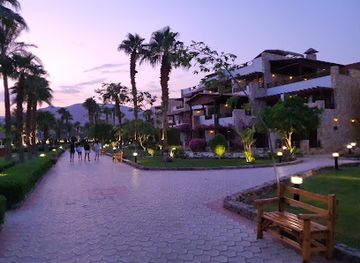
Experience luxury and adventure at Strand Beach Resort Taba Heights, a serene escape on the breathtaking shores of the Red Sea.
-
 Resort hotel
The Bayview Taba Heights Resort
Discover unparalleled luxury and breathtaking views at The Bayview Taba Heights Resort, your perfect escape on the Red Sea.
-
Supermarket
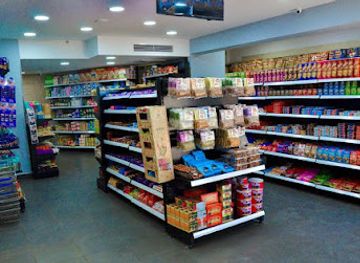
Take 5 Taba
Explore Nuweiba's Take 5 Taba, your go-to supermarket for local and international products during your South Sinai adventure.
Get your free copy of our complete guide to Taba, delivered straight to you.
Everything on this page, from attractions and restaurants to essentials and local phrases, in one PDF you can read offline, print or share.
Already have an account? Sign in
Your Taba guide is ready.
We'll send it to · Not you? Sign out

Getting your guide ready…
We are putting together a fresh copy of the Taba guide. This can take up to a minute.
This can take a few moments. If your browser asks, choose Allow so the download can start. You'll find the guide in your Downloads folder.
Nothing happened? Download it again
Sorry, the guide is taking longer than usual. Please try again in a minute, or get it by email instead.
Taba essentials
Currency and Payment
Safety
Emergency Situations
Do's and Don'ts
Local Tips
From Eve
Local phrases worth knowing
You don't need to get them perfect. A few words go a long way, and locals appreciate the effort.
Basics
| English | Local | Say it |
|---|---|---|
| Hello | مرحبا | [marhaba] |
| Goodbye | وداعا | [wada'an] |
| Yes | نعم | [naam] |
| No | لا | [la] |
| Please/You're welcome | من فضلك | [min fadlak] |
| Thank you | شكرا | [shukran] |
| Excuse me/Sorry | عذرا | [aadira] |
| How are you? | أزيك؟ | [ezayak?] |
| Fine. And you? | تمام. وأنت؟ | [tamam. wa anta?] |
| Do you speak English? | تتكلم إنجليزي؟ | [tatakallam ingilizi?] |
| I don't understand | أنا لا أفهم | [ana la afham] |
Eating & Drinking
| English | Local | Say it |
|---|---|---|
| I'd like to see the menu, please | أريد أن أرى القائمة، من فضلك | [urid an ara alqaimah, min fadlak] |
| I don't eat meat | أنا لا آكل اللحم | [ana la aakol allahm] |
| Cheers! | في صحتك! | [fi sahtak!] |
| I would like to pay, please | أود أن أدفع، من فضلك | [awad an adfaa, min fadlak] |
Emergencies
| English | Local | Say it |
|---|---|---|
| Help! | النجدة! | [alnajdah!] |
| Go away! | اتركني وحدي! | [itrkuni wahdi!] |
| Call the Police! | اتصل بالشرطة! | [iatisil bialshurta!] |
| Call a doctor! | اتصل بالطبيب! | [iatisil bialtabib!] |
| I'm lost | لقد ضللت الطريق | [laqad dalalet altariq] |
| I'm ill | أنا مريض | [ana mareed] |
Shopping
| English | Local | Say it |
|---|---|---|
| I'd like to buy... | أريد أن أشتري... | [urid an ashtari...] |
| I'm just looking | أنا فقط أتفرج | [ana faqat atfarg] |
| How much is it? | كم سعره؟ | [kam sairuh?] |
| That's too expensive | هذا غالي جدا | [hatha ghali jiddan] |
| Can you lower the price? | هل يمكنك خفض السعر؟ | [hal yumkinuk kaff alsaer?] |
Time & Numbers
| English | Local | Say it |
|---|---|---|
| What time is it? | كم الساعة؟ | [kam alsaahah?] |
| It's one o'clock | الواحدة | [alwahidah] |
| Half past (10) | العاشرة والنصف | [alashirah walnisf] |
| Morning | الصباح | [alsaabah] |
| Afternoon | الظهر | [althuhr] |
| Evening | المساء | [almasa] |
| Yesterday | أمس | [ams] |
| Today | اليوم | [alyawm] |
| Tomorrow | غدا | [ghadan] |
| 1 | واحد | [wahid] |
| 2 | اثنان | [ithnan] |
| 3 | ثلاثة | [thalatha] |
| 4 | أربعة | [arba'ah] |
| 5 | خمسة | [khamsah] |
| 6 | ستة | [sittah] |
| 7 | سبعة | [sab'ah] |
| 8 | ثمانية | [thamania] |
| 9 | تسعة | [tis'ah] |
| 10 | عشرة | [asharah] |
Transport & Directions
| English | Local | Say it |
|---|---|---|
| Where's a/the...? | أين...؟ | [ayn...?] |
| What's the address? | ما هو العنوان؟ | [ma hu al'anaan?] |
| Can you show me (on the map)? | هل يمكنك أن تريني (على الخريطة)؟ | [hal yumkinuk an tureeni (ala alkharitah)?] |
| When's the next (bus)? | متى يأتي الحافلة القادمة؟ | [mata yati alhafilah alqadimah?] |
| A ticket (to ....) | تذكرة (إلى...) | [tadhkirah (ila...)] |
History of Taba
Ancient Trade Routes
Taba's strategic location near the Sinai Peninsula made it an essential stop along ancient trade routes. Merchants traveling between the Levant and Africa would often pass through this region, exchanging goods such as spices, textiles, and precious metals.
Biblical Connections
Taba is believed to be close to several locations mentioned in the Bible. The nearby Mount Sinai is traditionally considered the place where Moses received the Ten Commandments. This adds a layer of religious and historical significance to the area.
Ottoman Influence
During the Ottoman Empire, Taba served as a minor yet strategic outpost. The Ottomans constructed fortifications and established administrative centers to control the trade routes and maintain their influence over the Sinai Peninsula.
The Israel-Egypt Peace Treaty
In 1982, Taba became a focal point during the peace negotiations between Egypt and Israel. The Taba border dispute was a contentious issue resolved by international arbitration. In 1989, Taba was officially returned to Egypt, symbolizing a successful diplomatic resolution.
Modern Development
In recent decades, Taba has transformed into a popular tourist destination. The development of luxurious resorts, casinos, and marinas has attracted visitors from around the world, eager to explore its pristine beaches and crystal-clear waters.
Cultural Diversity
Taba's location at the crossroads of Africa and Asia has made it a melting pot of cultures. This is reflected in its cuisine, architecture, and local traditions. Visitors can experience a rich blend of Egyptian, Bedouin, and Mediterranean influences.
Taba in Photos
Browse through our photo collection highlighting the charm and character of the destination.
Neighbouring destination travel guides
The closest destinations to Taba, if you have time for more than one.
-

-

-

-

-


Swipe for more destinations
Explore more

Explore more of Sinai Peninsula
Experience the allure of Egypt's Sinai Peninsula: a captivating blend of natural beauty, historical significance, and thrilling adventures, nestled between two seas.
Explore Sinai Peninsula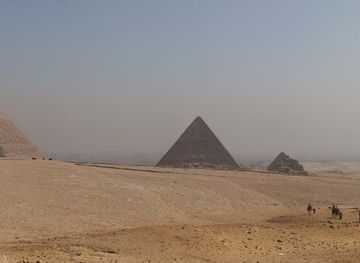
Explore more of Egypt
Discover Egypt: From the timeless pyramids to the vibrant Red Sea, experience a land where ancient wonders meet modern adventures.
Explore Egypt