

Best Landmarks in Upper Egypt
Planning a trip to Upper Egypt? Discover the best landmarks in Upper Egypt with history, expert tips, and routes. Free on web or the Evendo app.


The best landmarks in Upper Egypt
- Top rated
- Closest to the centre
- A–Z
23 landmarks
-
Archaeological museum4.5★53,757 reviews
The Egyptian Museum in Cairo
Located in the heart of Cairo's Tahrir Square, the Egyptian Museum is the oldest archaeological museum in the Middle East and houses the world's largest collection of Pharaonic antiquities. With over 120,000 artifacts spanning from the Predynastic Period to the Greco-Roman Era, the museum offers an unparalleled journey through ancient Egyptian history.
Daily 9:00–17:00
-
Archaeological site4.8★28,153 reviews
Luxor Temple
Luxor Temple, located in the heart of Luxor, Egypt, is a strikingly graceful monument to ancient Egyptian civilization. Built around 1400 BCE, it stands as a testament to the pharaohs' reverence for kingship and the gods Amun, Mut, and Khonsu. Unlike other temples in the area, Luxor Temple was not dedicated to a cult god or deified pharaoh, but to the rejuvenation of kingship.
Daily 6:00–22:00
-
Historical place4.8★24,028 reviews
Karnak
Karnak Temple, located in Luxor, Egypt, is the largest religious structure ever built. Construction began around 2055 BC and continued until around 100 AD, with approximately 30 pharaohs contributing to the complex. Known in ancient times as Ipet-isut (“The Most Select of Places”), it was primarily a cult temple dedicated to the Theban Triad of Amun, Mut, and Khonsu.
Daily 6:00–17:30
-
Monument4.7★20,901 reviews
Great Sphinx of Giza
The Great Sphinx of Giza, a colossal limestone statue with the body of a lion and the head of a human, stands as a timeless symbol of ancient Egypt. Carved from bedrock around 2500 BC, it's one of the world's largest and oldest monolithic statues. Believed to represent Pharaoh Khafre, the Sphinx continues to inspire awe and mystery.
Daily 8:00–17:00
-
Tourist attraction4.3★25,264 reviews
Cairo Tower
Rising 187 meters above Cairo, the Cairo Tower offers panoramic views of the city and beyond. Designed by Egyptian architect Naoum Shebib, its lattice-work exterior evokes a pharaonic lotus plant, an iconic symbol of ancient Egypt.
Daily 9:00–1:00
-
Archaeological site4.8★16,646 reviews
Valley of the Kings
The Valley of the Kings, located on the west bank of the Nile near Luxor, Egypt, is a renowned archaeological site serving as the final resting place for pharaohs and nobles of the New Kingdom. This desert valley holds over 60 tombs, showcasing ancient Egyptian beliefs about the afterlife through intricate carvings and paintings.
-
Monument4.8★15,978 reviews
Abu Simbel Temples
The Abu Simbel temples, located in southern Egypt, are a stunning testament to the power and ambition of Pharaoh Ramesses II. Carved into a mountainside in the 13th century BC, the twin temples were dedicated to the gods and to Ramesses II and his wife Nefertari. Relocated in the 1960s to save them from the rising waters of the Aswan High Dam, they remain an awe-inspiring sight.
Daily 5:00–18:00
-
Art museum4.5★2,832 reviews
Manasterly Bridge
The Manasterly Bridge in Old Cairo is more than just a bridge; it's a testament to Egypt's rich architectural heritage, offering scenic views of the Nile and a glimpse into the country's artistic past. Its intricate designs and historical significance make it a unique landmark.
Open 24 hours
-
Monastery4.8★1,461 reviews
Monastery of the Blessed Virgin Mary (Muharraq)
The Monastery of the Blessed Virgin Mary, also known as Al-Muharraq, is a significant Coptic Orthodox monastery in Egypt, considered the place where the Holy Family spent over six months during their flight to Egypt. Located near El Qusiya in the Asyut Governorate, it's a major pilgrimage site and home to ancient churches and a rich library.
Daily 8:00–18:00
-
International airport4.0★2,011 reviews
Sohag International Airport
Sohag International Airport (HMB) is a modern airport serving the Sohag Governorate and Upper Egypt, facilitating both domestic and international travel, particularly to the Gulf States. Designed with a Pharaonic motif, it offers essential amenities for travelers exploring the region's ancient sites.


Assiut International Airport
Assiut International Airport (ATZ) is a crucial air transport hub serving the city of Assiut and the surrounding region of Upper Egypt. Founded in 1938, the airport has grown into a modern facility connecting domestic and international travelers to this historic area.

Temple of Abidos
The Temple of Abidos, also known as the Great Temple of Seti I, is an ancient Egyptian temple located in Abydos, approximately 160 km north of Luxor. Built by Pharaoh Seti I and completed by his son Ramesses II around 1300 BC, it was dedicated to Osiris, the god of the afterlife, and is considered one of Egypt's most important religious sites.
Daily 7:00–17:00

Assiut Cement Hotel
The Assiut Cement Hotel offers a comfortable and modern retreat in the heart of Asyut, Egypt. Known for its exceptional service and convenient location, it's an ideal base for exploring the region's rich history and culture. Guests can enjoy a range of amenities, including multiple swimming pools, on-site dining, and recreational facilities.

Osireion
The Osireion, located behind the Temple of Seti I in Abydos, is a unique and mysterious megalithic structure that continues to baffle Egyptologists. Believed to be a cenotaph of Seti I, its design is strikingly different from other Egyptian structures, resembling tombs in the Valley of the Kings.
Daily 8:00–17:00

صينية اسيوط
صينية اسيوط, also known as Sinyat Asyut, is a historical landmark located in the Asyut Desert of Egypt. While its specific history and significance are not widely documented, it represents a point of interest within the region.

Abydos Egypt
Abydos, located in Upper Egypt, is one of the most important archaeological sites in Egypt, dating back to the origins of Egyptian civilization. Once a royal necropolis and a center for the worship of the god Osiris, Abydos is now known for the Temple of Seti I, which contains the Abydos King List, a chronological record of pharaohs.

The Hanging Obelisk
The Hanging Obelisk, located in Kafr Nassar near Giza, is a remarkable historical landmark that showcases ancient Egyptian engineering. Unlike traditional obelisks, this one appears to defy gravity, creating a captivating illusion that has intrigued visitors and historians alike.

Shunet El Zebib
Shunet El Zebib, also known as Shuneh or Middle Fort, is a massive mudbrick structure in Abydos, Upper Egypt, dating back to around 2700 BCE. Built by King Khasekhemwy of the Second Dynasty, it served as a funerary enclosure and is one of the oldest standing royal monuments in Egypt. Its architecture is a precursor to the pyramid complexes of the Old Kingdom.
Daily 7:00–17:00

كوم السلطان
Kom El Sultan, near Abydos in Upper Egypt, is a significant archaeological site dating back to the Early Dynastic Period. It features the remains of a massive mud-brick enclosure and the early temple of Osiris, built on the site of an older shrine to the local deity Khenti-Amentiu, offering a glimpse into ancient Egyptian religious practices and settlement history.
Train Crash Monument
The Train Crash Monument in Nazlet El-Qady, near Tahta, serves as a poignant memorial to a tragic railway accident. It's a place for reflection and remembrance, marked by simple structures and the surrounding landscape of the Sohag Governorate.
Kudyat AL Islam ️
Kudyat AL Islam is a historical landmark located in Kom Angashah, Dairut, within the Assiut Governorate of Egypt. While its specific history remains somewhat obscure, it stands as a testament to the region's rich and layered past, inviting exploration and reflection.
New Assiut City Sign
The New Assiut City Sign is a modern landmark that embodies the spirit of Assiut, blending cultural heritage with contemporary life. It's a popular spot for photos and reflects the city's aspirations.
ميدان الصهريج
Midan Al-Sahrij, or Al-Sahrij Square, is a central town square in Gerga, Sohag Governorate, Egypt. It offers a taste of authentic Egyptian culture and local life, providing a space where residents gather and daily life unfolds. While not a major tourist attraction, it provides a genuine glimpse into the heart of the city.
Explore Upper Egypt on the map
A handpicked selection of must-see spots in Upper Egypt, mapped for you.
More about Upper Egypt

Upper Egypt travel guide
Explore Upper Egypt from Minya to Aswan, with Nile landscapes, pharaonic temples, royal tombs, Nubian culture and desert-edge journeys.
Tell me more about Upper EgyptMore to explore in Upper Egypt

 Best attractions in Upper Egypt

 Best shops in Upper Egypt

 Best bars in Upper Egypt

 Best restaurants in Upper Egypt

 Best nightclubs in Upper Egypt

 Best experiences in Upper Egypt

 Best hotels in Upper Egypt
Explore more
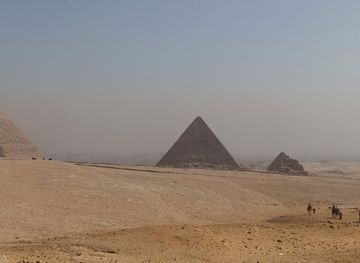
Explore more of Egypt
Discover Egypt: From the timeless pyramids to the vibrant Red Sea, experience a land where ancient wonders meet modern adventures.
Explore Egypt
Getting your guide ready…
We are putting together a fresh copy of the Upper Egypt guide. This can take up to a minute.
This can take a few moments. If your browser asks, choose Allow so the download can start. You'll find the guide in your Downloads folder.
Nothing happened? Download it again
Sorry, the guide is taking longer than usual. Please try again in a minute, or get it by email instead.

